



“Sometimes we give up after shelling. But we know what people need, and that motivates us to continue the mission.”
“Sometimes we give up after shelling. But we know what people need, and that motivates us to continue the mission.”
Maryna Ilnytska helps residents of the Beryslav district of the Kherson region receive food kits as part of a project of the United Nations World Food Programme (WFP), implemented by ADRA Ukraine with the support of ADRA Switzerland. We spoke with Maryna about her journey, work, and challenges.
— Maryna, tell us about yourself and how you got involved in the project.
— I come from the city of Beryslav. By education, I am a kindergarten teacher, before the war I worked in the city of Kherson. With the beginning of the full-scale invasion, I returned home, where I had to live the entire period of occupation. Those were terrible times, sometimes it seemed like I was saying goodbye to life. But God protected me.
On November 11, 2022, Beryslav was liberated from occupation, and on November 14, the first buses with humanitarian aid arrived. I was asked to help with the distribution of food kits. At that time, I didn’t know that it was WFP and ADRA, I just saw the logos on the boxes. First, I connected my husband, then my parents, and later I myself received an official offer to work. I agreed without even thinking. Since 2023, I have been in the team. The feeling that people need you has become a huge moral support for me.
— You work in dangerous conditions. What motivates you the most?
— The fact that I live in the Berislav district, next to these people. I see and hear the shelling, I experienced it all. I remember the drones hunting our car when we were delivering humanitarian aid. In the surrounding settlements, there is no electricity, no gas, no water, shops are not working. That is, the infrastructure is completely cut off. When you bring even a small grocery set, you understand: it can save a person. Bread during war is sacred. A can of stew or a liter of oil is an opportunity to fry something, cook food even on a fire.
For example: about 850 people lived in the village of Zmiivka a year or a year with a half ago, now there are only six persons left. When we bring them assistance, they write: “Thank you for supporting our lives, thanks to you we can survive. ” These are the words, this gratitude from people, it motivates. It gives us strength and the desire to continue.
— Did most of the people there evacuate?
— Who left, who, unfortunately, was killed, who was wounded and they were forced to leave due to their injuries or were evacuated. There are many such settlements, villages that we visited. Not so long ago, I was handing out food kits in one of them. It was even a little scary, because reconnaissance drones were hanging out in the air. And then they were shelling.
— Why did those six people still stay in Zmiivka?
— There are several reasons. Some have nowhere to go, some have no loved ones. And some have already left, but have encountered negativity in the cities: “The IDPs have arrived, no one needs you here.” And these people who were displaced, unfortunately, return, and they say: “ It’s better for us to live here, to survive, than to experience this boorish attitude. ” I would say that this is perhaps one of the main reasons why people returned to those empty villages near the front line. There are also elderly people, grandparents, who say: “ Who needs us? We will live out our lives here. In case they kill us, bury us in our own yard. We will stay here, because we have nowhere to go .” There are a lot of such stories. And only we, because we communicate with them, know certain nuances.
— How does the issuance process work?
— We plan everything in advance: we agree when the truck with food aid will arrive, we analyze what time is safer for arrival. Sometimes we have to start at four or five in the morning. At a certain time, on a certain day, I arrive at the place of aid distribution, if possible we inform people. We arrive, unload, organize people. People come with all the documents, we check them. For each person, for each family member, we give out a food kit weighing approximately 11.5 kg, these are basic necessities – beans, oil, salt, sugar, pasta, spaghetti , oatmeal, cereal and flour. But the most important thing is safety. If an air raid alert is announced (where there is no siren, we look for information in online chats), we close the point and take people to shelter. We always work in helmets and bulletproof vests (although there are situations when you don’t know whether it will help or not). As soon as we receive a message that the air raid alert is over, we continue the distribution. People return in the queue, we work quickly, distribute, communicate with people. We have a box called “Wishes, suggestions, complaints”. People write their wishes, what they want. We then reread it, and pass it on to our team. So, the main task is safety and assistance to people during the distribution.
— How do you communicate with people in villages without communication and electricity?
— Very simple: “word of mouth.” Someone got it, told a neighbor, who passed it on. And it works even better than online chats.
— Have there been any attacks on your team?
— Yes. The first time it happened was in the Tyahyn community. We were driving to the village of Odradokamyanka. And I realized later that someone must have betrayed us. Why do I say that? Because we brought aid to the settlement in two cars and were supposed to go to reload . When we were approaching the village for the second time, artillery from the left bank started working on us. We had flights over the fields — the road ran between fields on both sides. We were already sitting and thinking: should we go home and return in the morning, or stay and give aid now, because we knew that people were waiting for us.
I was wearing a bulletproof vest. Back then, aid didn’t come in boxes, but needed to be packed. The flour was brought separately — we packed everything on the spot. The premises were agreed upon. We returned to Odradokamyanka , and then artillery shells started flying over us. I didn’t even feel the weight of the bulletproof vest: I threw out four 20-kg packs of flour and handed them to the guys as if it were an A4 sheet.
It was the first time this happened. Then I came home, sat down. Mom asks what happened. I say, “Wait, I’ll try to understand what I was doing at that moment,” because that was exactly the state of affect. We acted very quickly then.
When I told my mom, she said, “You’re not going anymore.” And I said, “Mom, people need help.” She said, “Okay, I’m going with you.”
And then there was another incident — it was already written about on the ADRA Ukraine website , on Facebook , and on Instagram . It happened in Beryslav , when we were loading food kits to take them to the village of Novoberyslav. There were three cars in which we planned to deliver aid, and just then two drones dropped three charges on us. It was August 11, 2023. I remember this date well — now I celebrate it as my second birthday. Thank God, no one was hurt.
The men who were loading the kits into the cars managed to hear the sound of the drone and hide. And I was sitting right in front of the warehouse door. The drone flew up and dropped a charge on the cars so that the sound wave went straight in my direction. The guys even said then: “You’re like a tigress.” Like, as I was sitting calmly, I got up and said: “Guys, let’s go!” — and went to hide. This was also a state of affect — when you’re not worried about yourself, but about people.
Although I understood that the drone could have flown inside the warehouse. They already had a practice at that time: to fly into the premises and drop explosives right there. We went behind two walls, closed the door and stood there, waiting for everything to end.
I realized what had happened only after an hour with a half or two. When I felt that something was wrong with me, I called my husband — he also works with us. I said, “We were fired upon, we need to take the cars away. Look for the wheels to pull them away.” And he asked, “How are you feeling?” I replied, “I’m fine, we need to take the cars and the guys away.” That is, I wasn’t thinking about myself first. Although, as they say, you should think about yourself first, and only then about others. Even the photo from that incident is still there somewhere.
Then we went to Novoberyslav three days later. Although I had a second-degree concussion. This was officially confirmed: I was in the hospital, receiving treatment under IVs and taking pills. After treatment, we decided to go anyway. On the very first day after discharge, I sat down and brought help to people.
— How do people react when aid is distributed?
— It happens differently. I will even say about Novoberyslav — when cars were shelled. Then three damaged cars returned to the village , which local activists provided to transport aid from Beryslav. They didn’t even arrive — they were towed away, because after that drone attack they were so damaged that they couldn’t start. The cars returned to Novoberyslav, and people stand and ask: “Why didn’t you bring aid?” They answer: “You see what happened to the cars.” And they answer: “It’s okay, you should have brought aid anyway.” Such a reaction of people shocked me a little. When I arrived later, I talked to people, explained what and how it happened. This is the situation. Some understand, but, unfortunately, not everyone. Some even told me personally: “You have to bring aid to my yard. You are a volunteer, you work in an organization, therefore, you are obliged to bring aid right to the gate.” It was a little unpleasant, but I still helped people and continue to do so.
— So, there are people who even demand it, not wanting to understand the situation?
— No matter what, they demand it. “You have to,” they say. Fortunately, there are not many of them. There are other people in those settlements who try to explain to them: “What are you talking about, why? You know the situation, what is happening and why.” And they come up to me and say: “Everything is fine, thank you for coming. Come more often, we will be glad to see you.”
When I worked as a volunteer for about half a year, I bought a Ukrainian flag — and since then I have been traveling with it to all settlements. Wherever I go, wherever I move — it is always with me. Now it even hangs above my workplace. For me, it is already a symbol of volunteer work and, I would even say, a symbol of indomitability.
People wrote me wishes, left reviews. And you know, when I no longer go to this or that settlement, because they issued assistance there, I reread those wishes. It’s so nice, it warms my soul. Because not only the elders wrote them, but also ordinary people who wanted to get involved — and wrote. And when you read this, you know: you will get there — and they will be waiting for you.
— How do you recover after hard, exhausting days?
— I still work as a teacher in a kindergarten in Kherson, I conduct online classes. These children are scattered all over Ukraine and the world — Poland, the USA, Germany, Finland, the cities of Odesa and Kryvyi Rih. You know, when in the morning you come under fire, for example, or something “arrives” somewhere nearby, everything — you are afraid, your hands just drop, you don’t want to do anything. And in the evening you go to an online meeting, conduct classes for children in a kindergarten — and you see these little eyes, these sincere smiles… And that fear, which was paralyzed not so long ago, disappears. Because in their eyes you see hope, peace. And it seems to completely reboot you.
You forget about everything and realize: here it is — a small generation for which you must hold on, work, and never, under any circumstances, show them fear in your eyes. And they say: “Maryna, let’s still work! And when will we see you again? And tomorrow we will do something, right?”
I don’t know what will happen to me tomorrow. But I say, “Yes.” And I prepare exercises for them for the next day. And in the morning, I go to the danger zone, give help, knowing that the children are waiting for me in the evening.
— What does your team need most right now?
— There is one important need. This is, again, a security issue. When you go to a settlement where there is no stable connection, you don’t know if a drone is flying, in which direction, and what to do. Because it flies by in a second and discharges its charge in a second. There are no radars that we could use to detect a threat in advance.
For example, I have a town where drones fly every minute — not just one, but several. And I don’t even know how to get there right now, what time it is, how to safely deliver food aid there, what to do.
That’s why we really need radars – means for monitoring and controlling airspace. At least for the team, because it’s a matter of safety – both ours and people’s. If we know that, something is flying, we will be able to complete the provision of aid in time, evacuate people to a safe place, and hide ourselves too. Because a helmet or bulletproof vest can’t always save. A fragment is a treacherous thing: even the smallest, millimeter-sized one can cut an artery – and then no one will be able to help.
And on the coastal strip where we work, including the team from Kryvyi Rih, which also often travels to villages near the city of Dnipro, drones also fly there. And in our zone they fly even closer – to the very shores. And this is already about a 30-kilometer zone. It’s scary.
But people need to be helped. So you go. You get up in the morning — “Lord, help!” — and go. You don’t go anymore, you fly in a car. You fly into a settlement, provide aid, and at the same time you are constantly on the lookout for potential danger. That’s why we really need radar.
— Does faith help you?
— Yes. Every time I get to the right place, I say: “ Thank you, God, for sending a guardian angel.” I woke up — I thank God for what he gave me today. And tomorrow — there will be tomorrow . Without this, I wouldn’t have survived.
— Your experience is inspiring! I wish you that the Lord blesses your efforts and protects you from danger!
Tags
Share this publication
Our social networks
Categories
Last news


People who recently left the city of Kherson and surrounding settlements are increasingly turning to the Kherson hub «Vilni razon» (EN: “Free together”) in the city of Odesa. In September, ADRA Ukraine ...

More than 2,000 children and parents received psychological assistance, 120 high school students received help in choosing a future profession, and additional classes on the Ukrainian language and mathematics were held for ...
People who recently left the city of Kherson and surrounding settlements are increasingly turning to the Kherson hub «Vilni razon» (EN: “Free together”) in the city of Odesa. In September, ADRA Ukraine ...
More than 2,000 children and parents received psychological assistance, 120 high school students received help in choosing a future profession, and additional classes on the Ukrainian language and mathematics were held for ...
Restoration of educational and medical institutions, access to drinking water and shelters, as well as support for the initiatives of the communities themselves, these directions of the new project were discussed during ...

Please find below the Summer 2026 ADRA Ukraine Newsletter. You can download the newsletter at the following link: Newsletter – Summer 2026
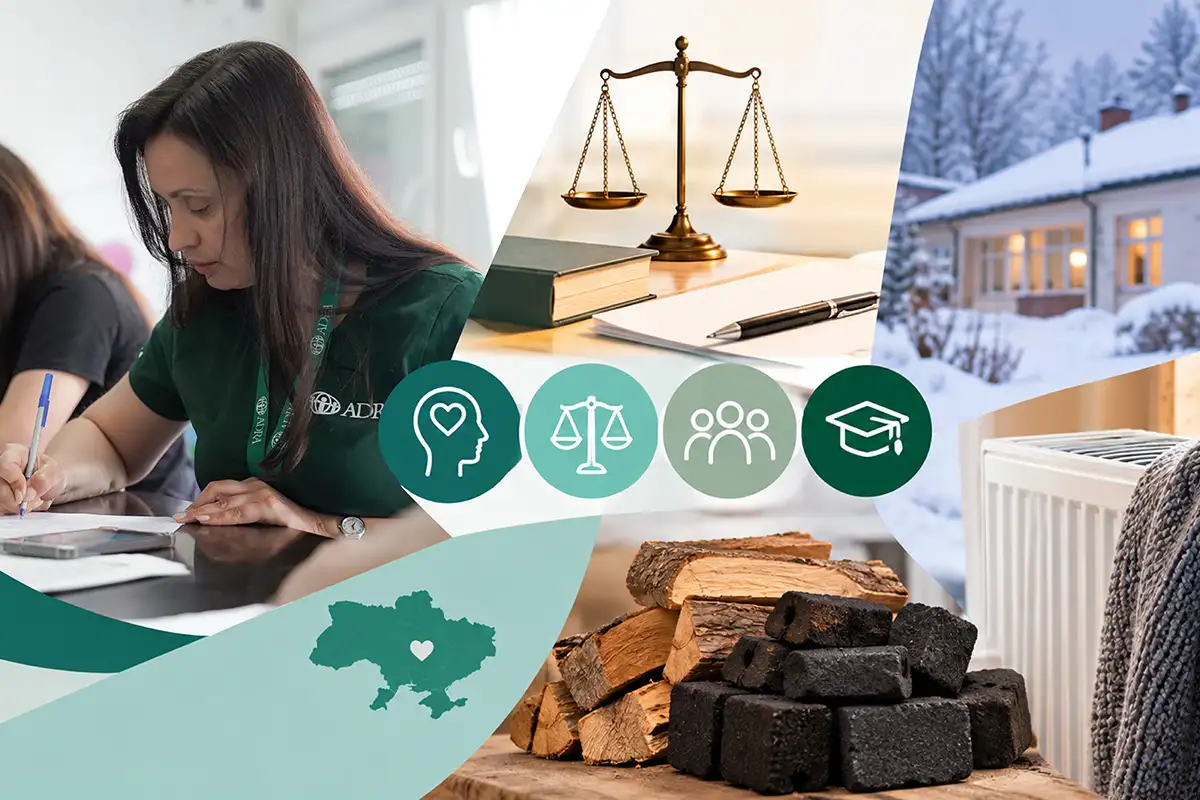
Psychological and legal consultations for people throughout Ukraine and assistance with heating for 150 IDPs in Zaporizhzhia region — will combine such areas with the new ADRA Ukraine project, which started in ...

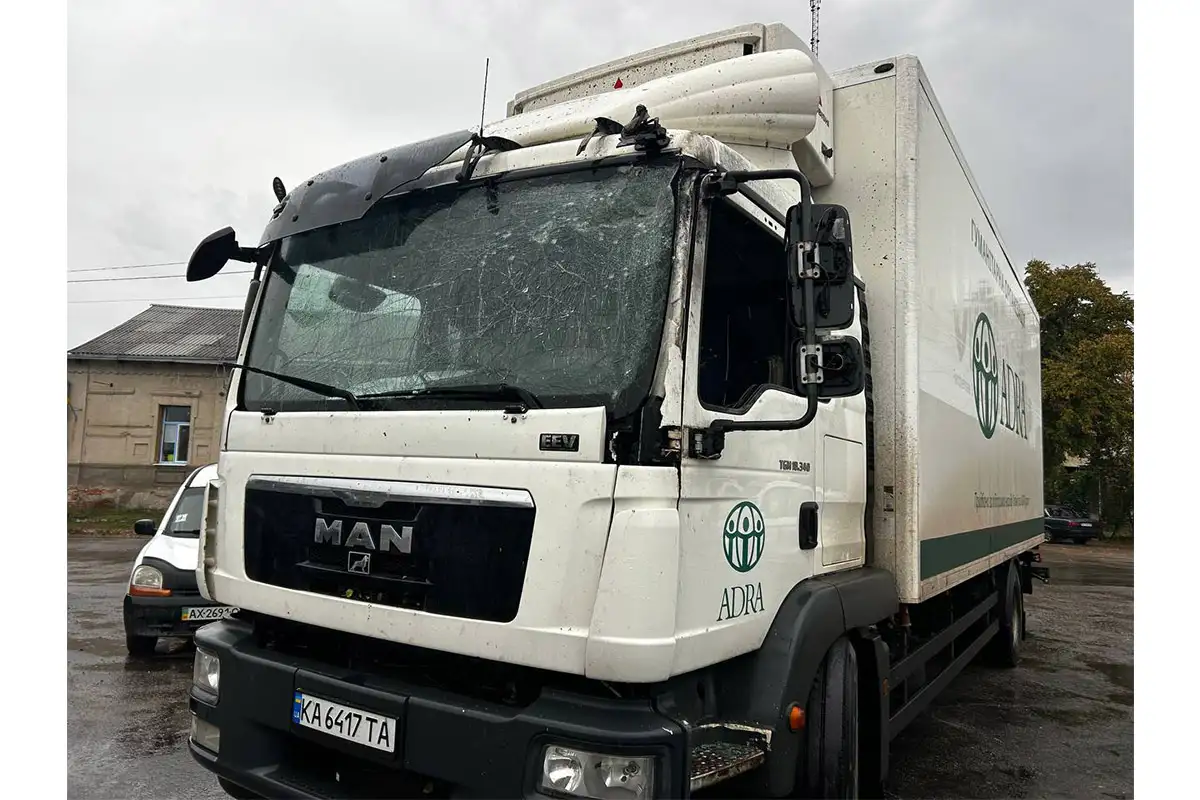
On September 23, an incident with an FPV drone occurred in the village of Zolochiv, Kharkiv region, during the distribution of food aid. Due to the team noticing the danger in time ...
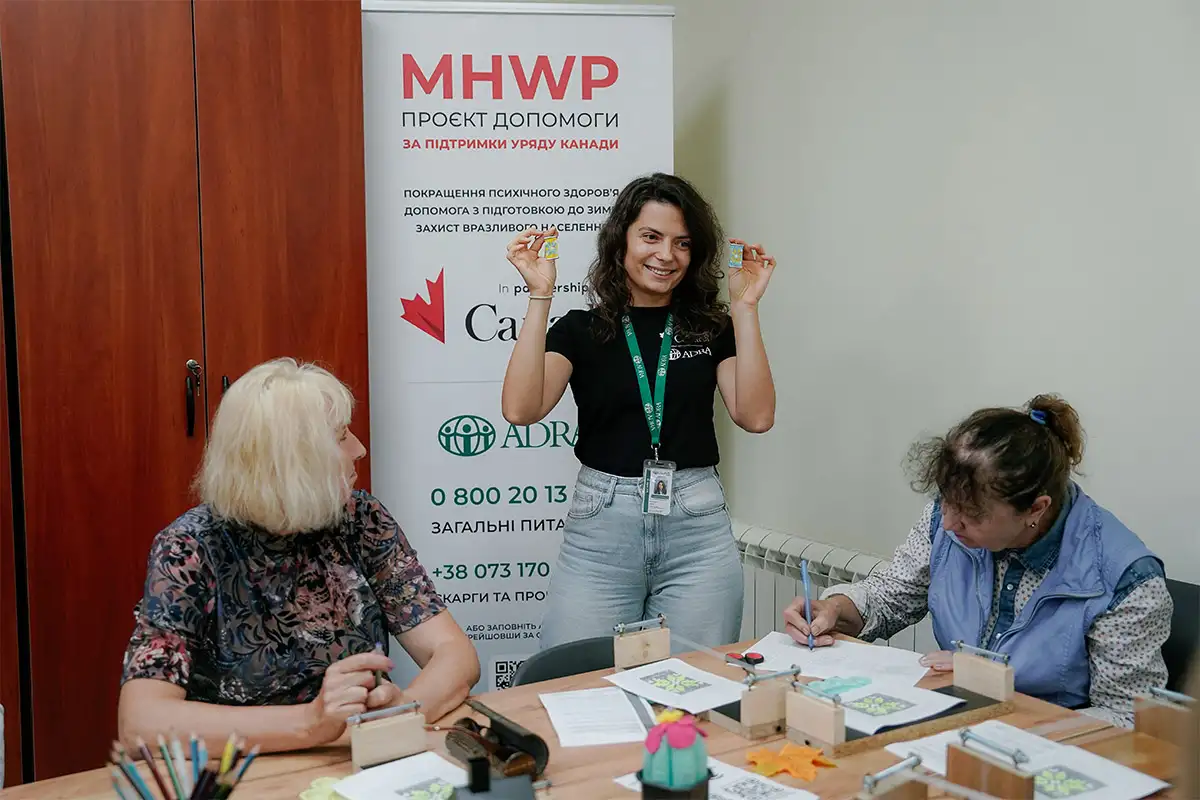
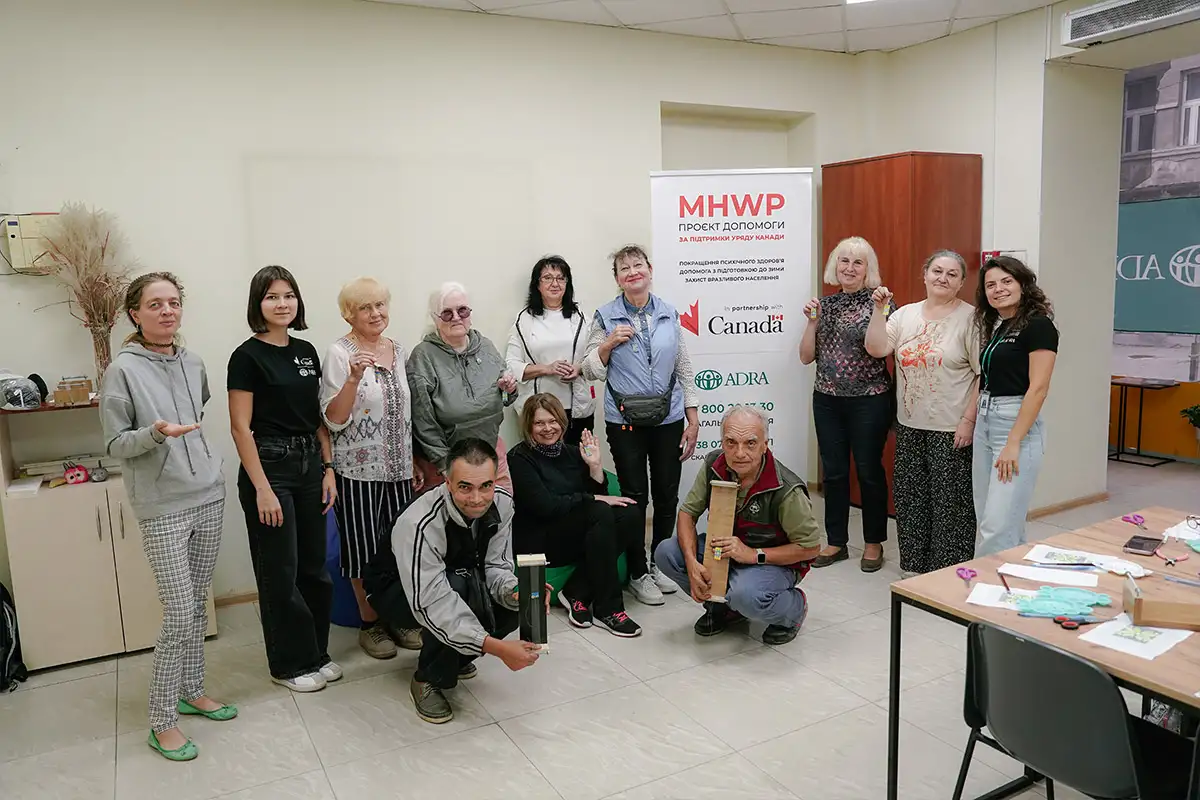
Focusing on small beads, choosing colors and gradually seeing the result of your own work — a creative activity held at the Protection and Support Center of ADRA Ukraine in Kharkiv. It ...
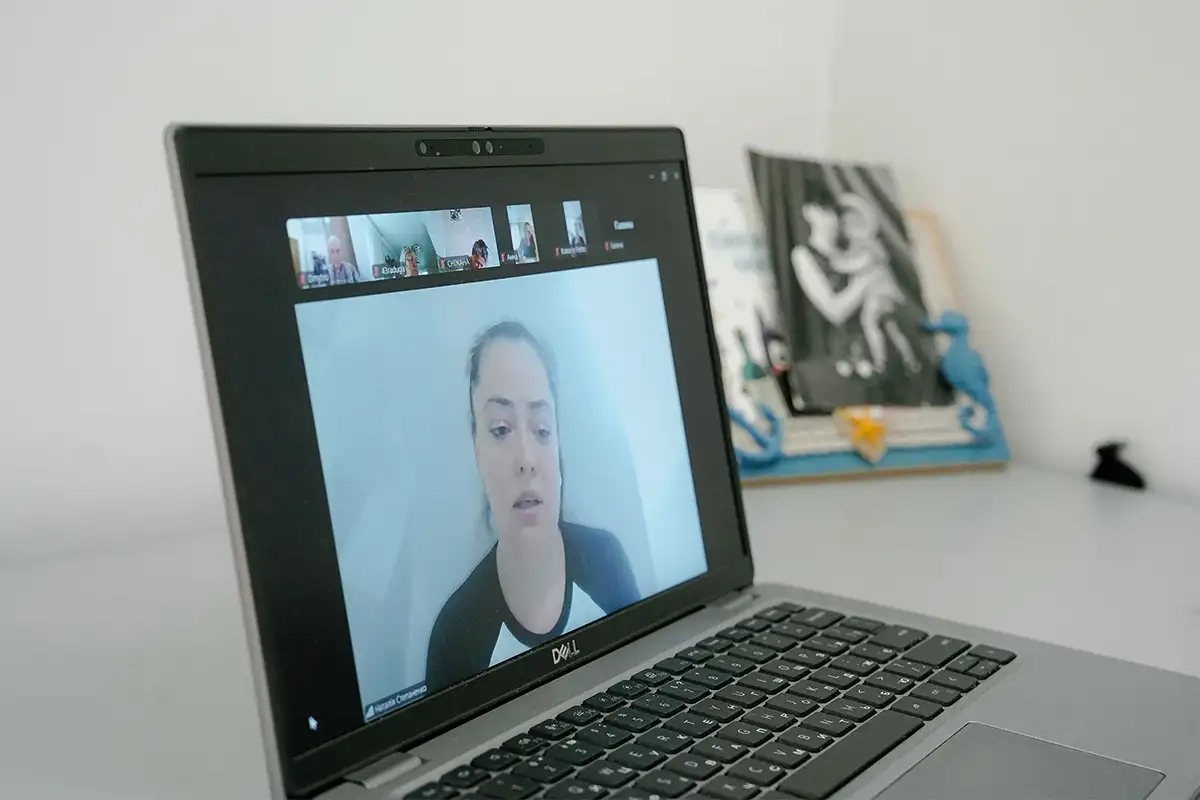
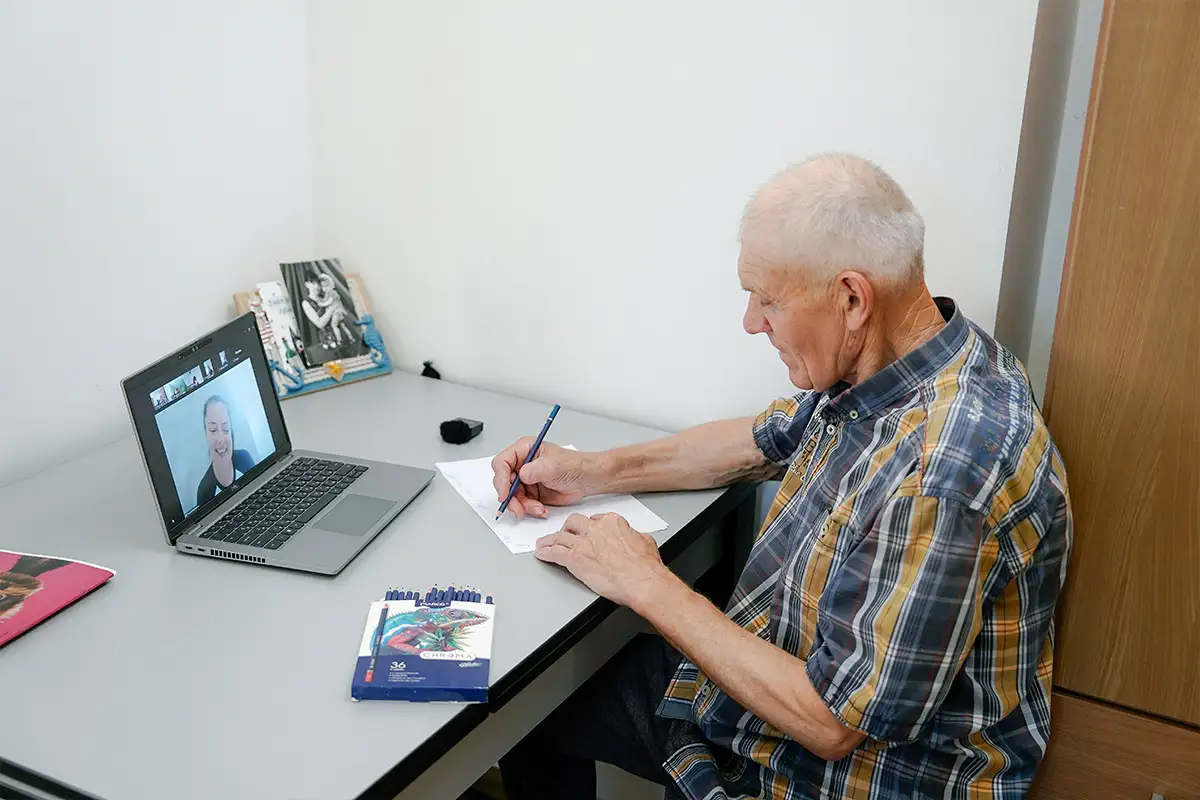
How to notice your own emotional state, cope with internal tension and find available ways of self-support? A series of online group events within the “JPF7” project was devoted to this. During ...
ADRA Ukraine stops humanitarian transportation in the Kherson and Zaporizhzhia regions due to high security risks on the routes. At the same time, transportation within the “REACT” project will continue in the ...
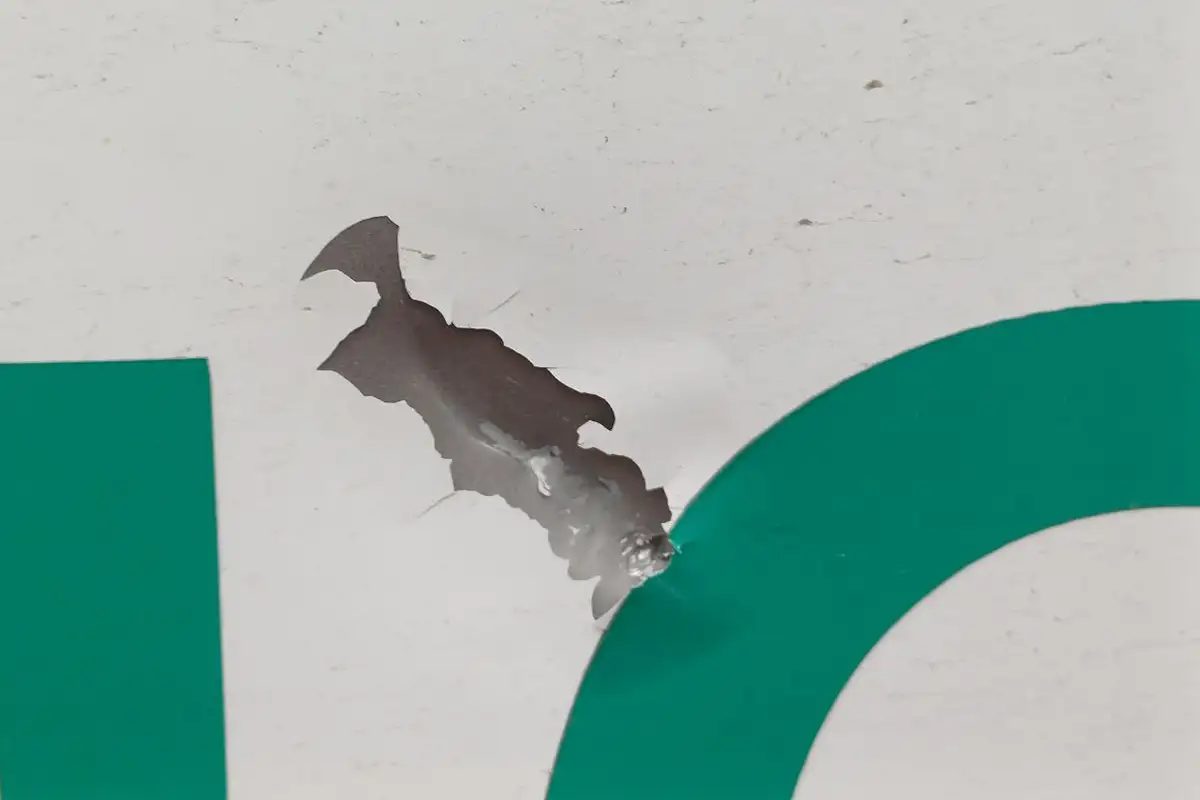
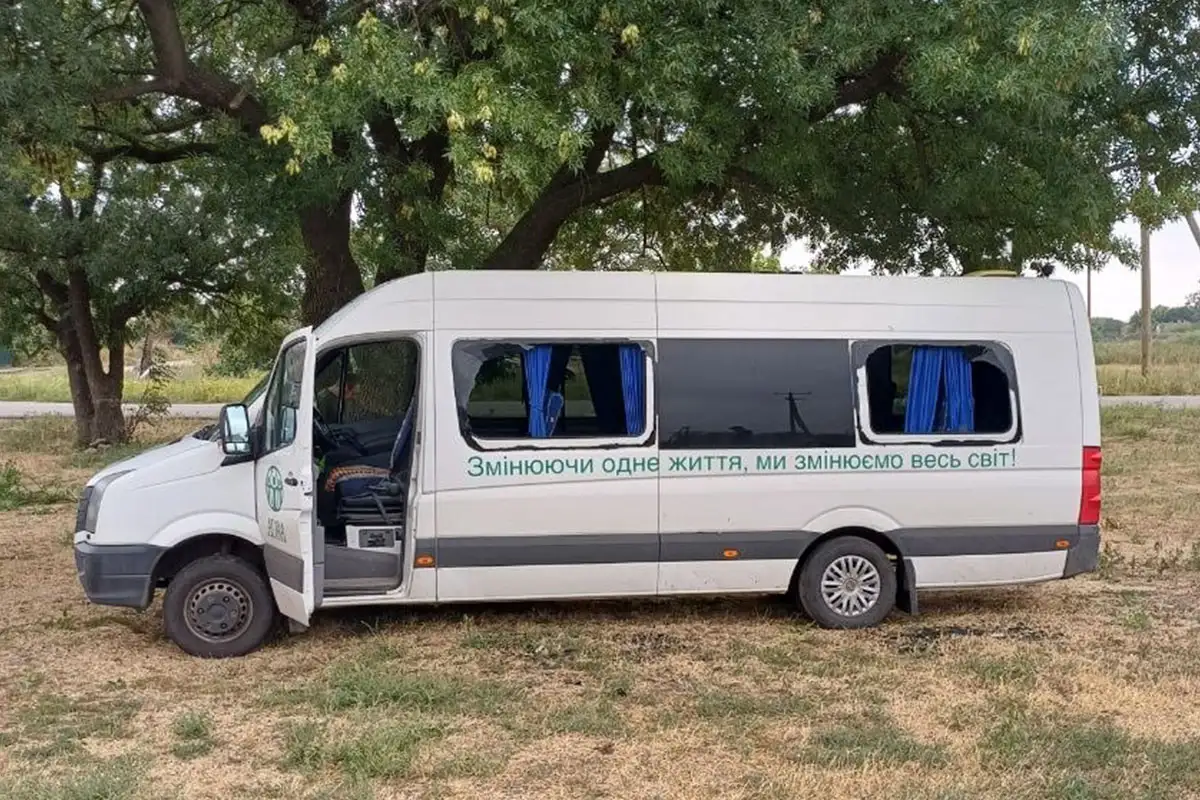
On September 14, near Myroliubivka village in the Dnipropetrovsk region, an FPV drone attacked an ADRA Ukraine bus that provides humanitarian transportation for residents of the Kherson region. At the time of ...
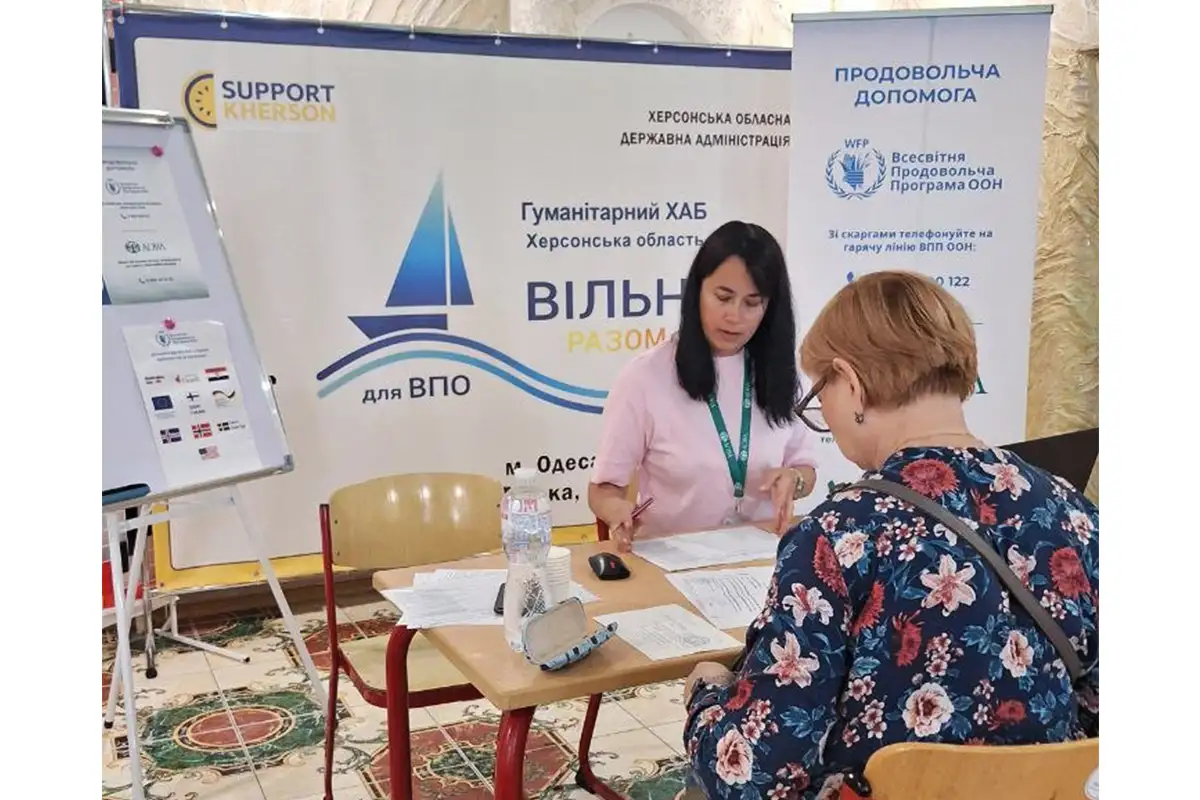
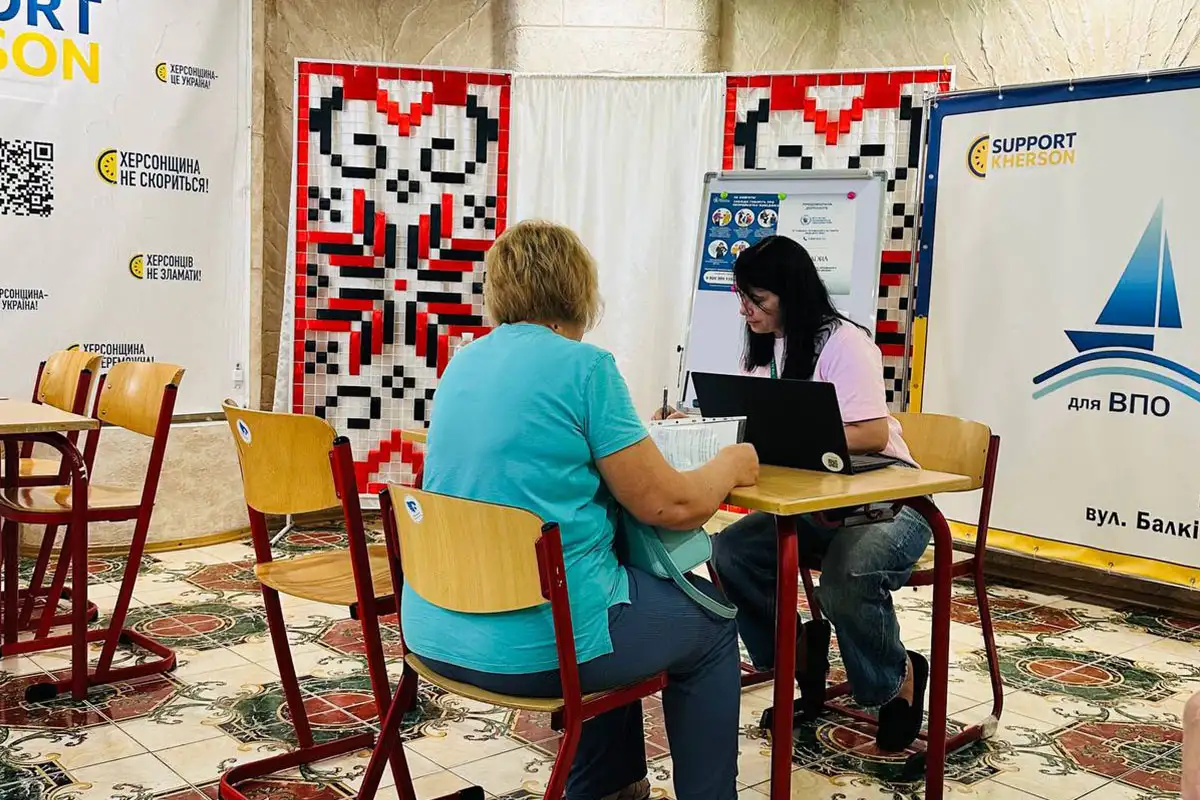
Due to the deterioration of the security situation in the city of Kherson, more and more people are evacuating the city and turning to the Kherson hub «Vilni razom» (EN: Free together) ...
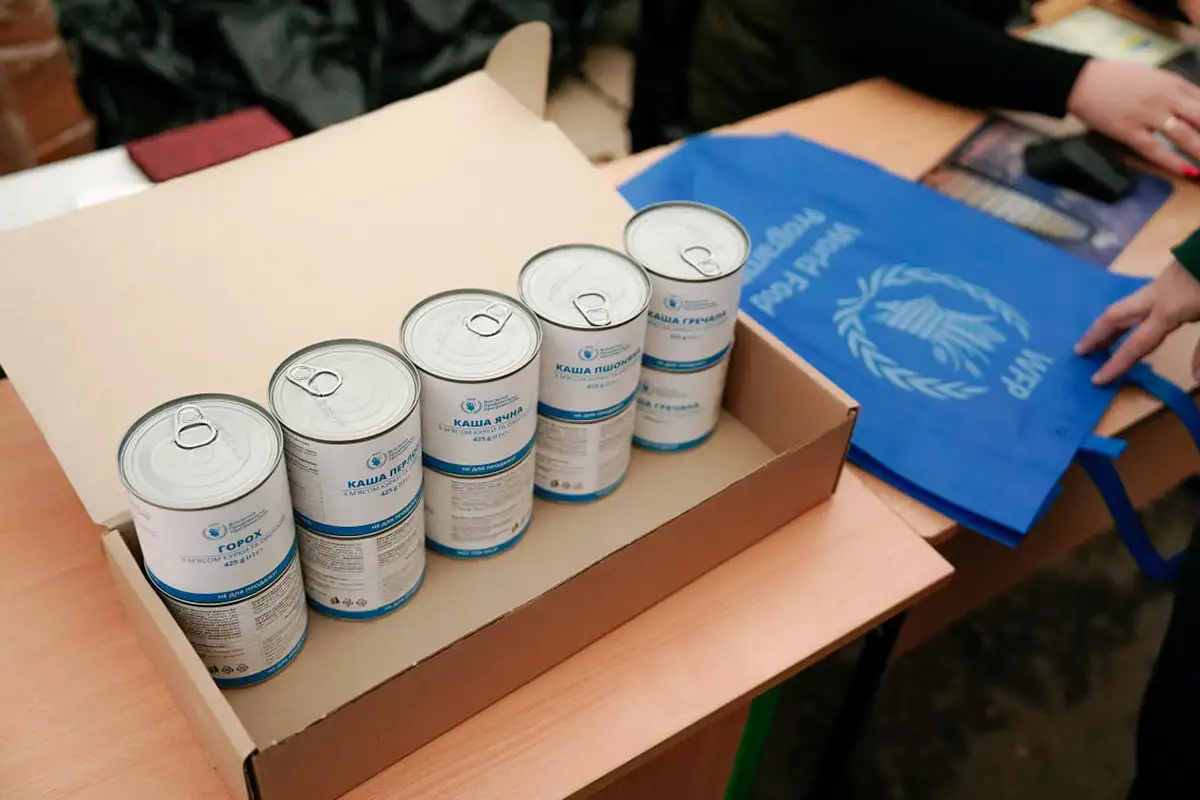
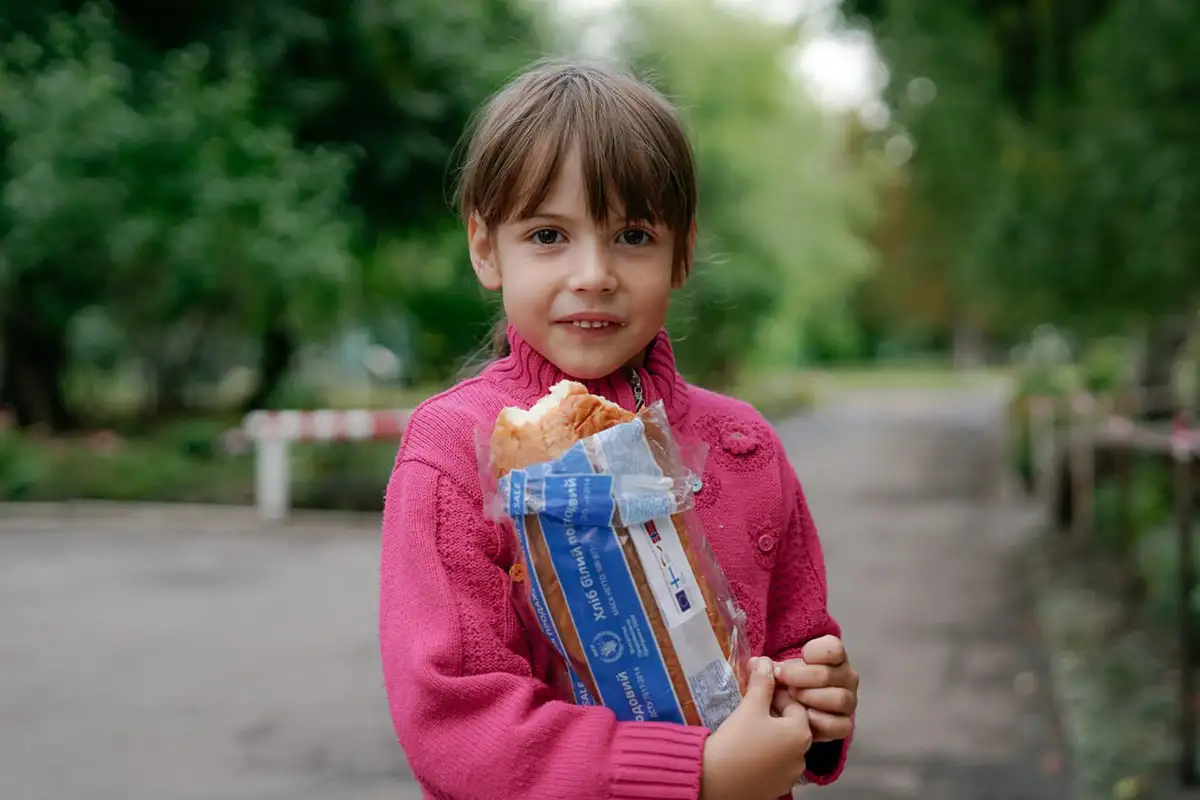
People evacuating Kramatorsk, Sloviansk and other localities in Donetsk region arrive at a transit center in Kharkiv on September 16, the ADRA Ukraine team handed them 154 ready-to-eat food kits. The peculiarity ...
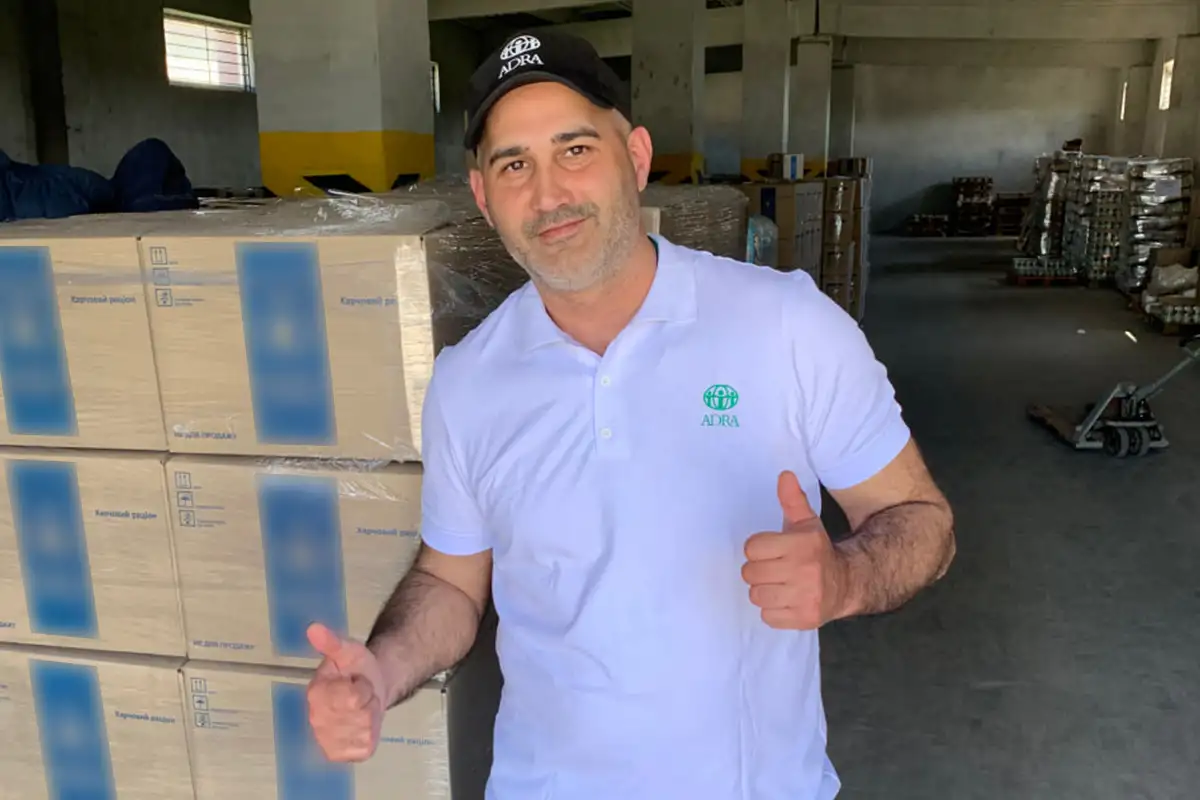
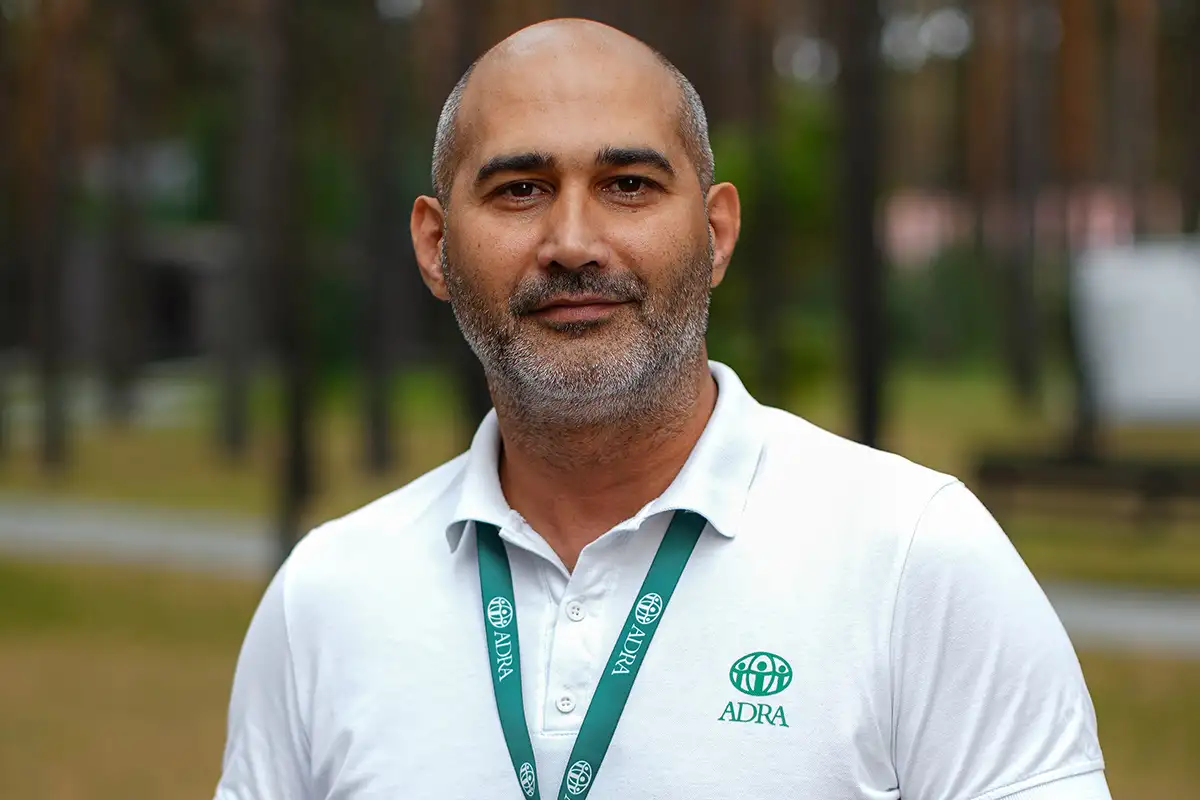
Daily shelling, FPV drones, damaged bridges and roads under anti-drone nets — in such conditions, the ADRA Ukraine team delivers food aid to people who remain in the communities of Donetsk region. ...
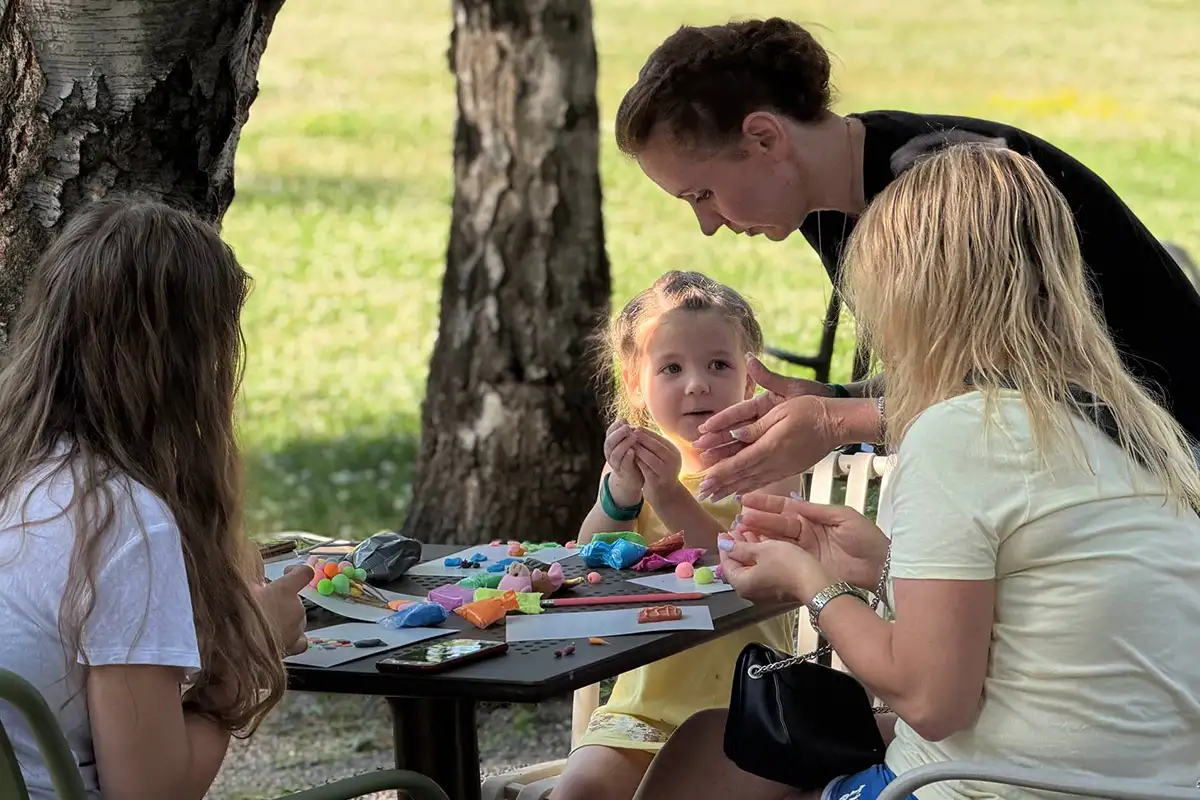
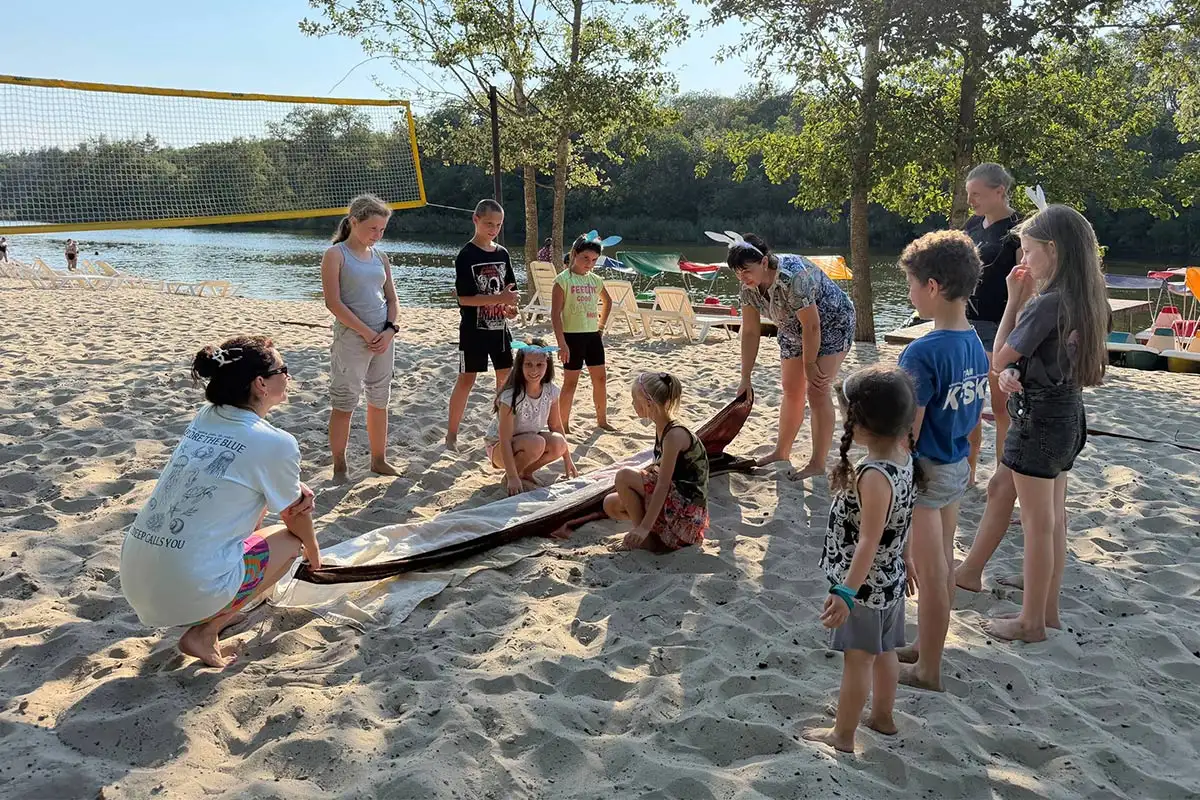
See alpacas and llamas up close, watch deer, ostriches and peacocks, spend the whole day in the fresh air, and most importantly — relax with the parents. For seven children from the ...
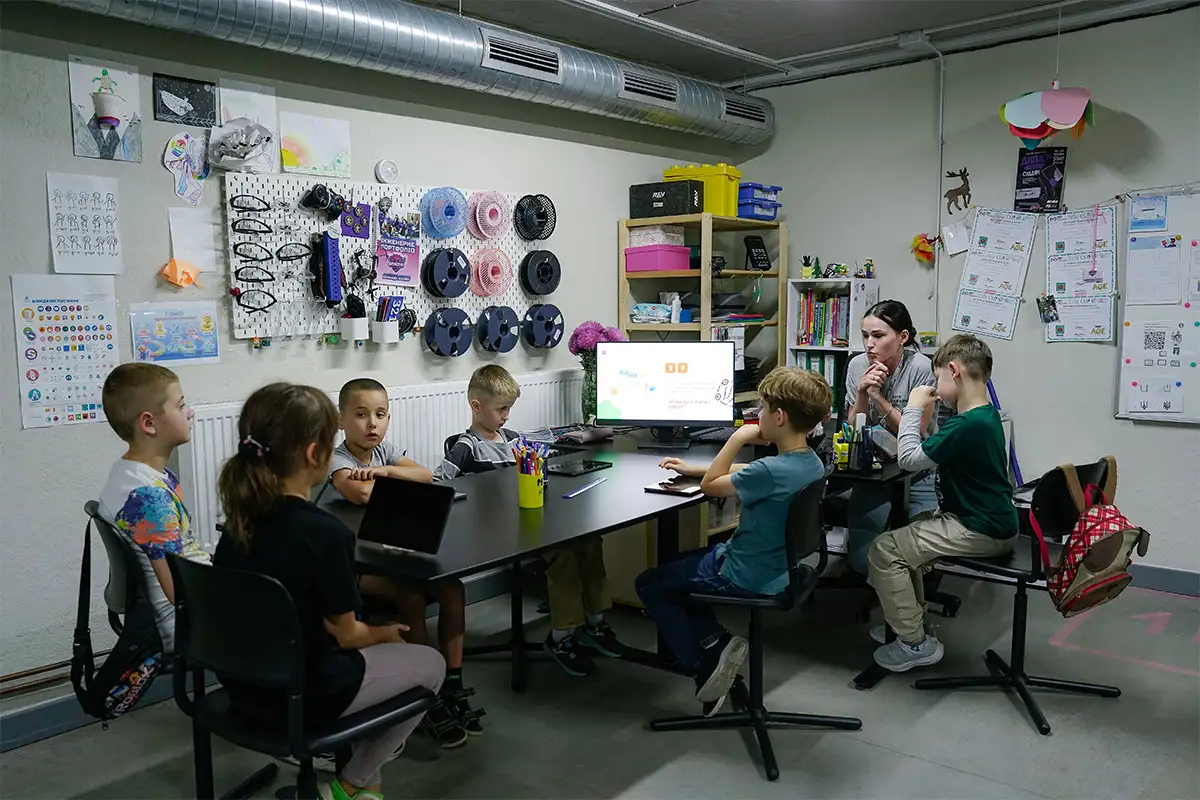
When a child is looking forward to the next class, this is probably one of the best indicators of what they are really interested in. For three months, the charity organization Save ...
For some, a trip to summer camp is a common part of the holidays, and for some is an opportunity that might not be: to see new places, find friends, try something ...
