




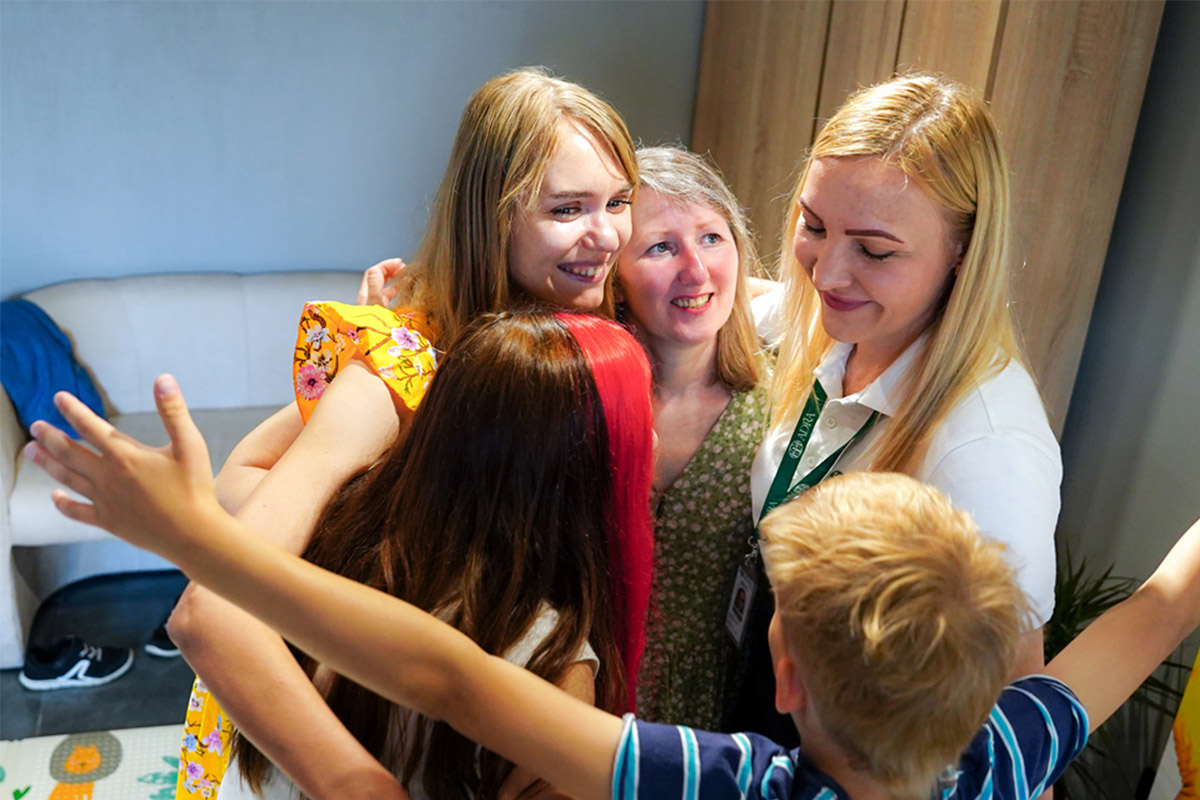
Not a “hero” and not a “problem,” but a person who has the right to feel. How ADRA Ukraine supports veterans
Not a “hero” and not a “problem,” but a person who has the right to feel. How ADRA Ukraine supports veterans
Not a “hero” and not a “problem,” but a person who has the right to feel. How ADRA Ukraine supports veterans
Along with psychological assistance, which most Ukrainians probably need, the support of defenders who returned from the war is especially relevant in our time. We are talking about helping this particular category of people with Anna Matvienko, coordinator of the psychosocial component of ADRA Ukraine assistance.
— How does supporting veterans as a direction of ADRA Ukraine differ from other initiatives for veterans?
— Our charitable organization approaches the support of veterans not as a separate social service, but as a life trajectory that requires comprehensive support. We do not limit ourselves to legal advice or psychological assistance – our approach is humanitarian, with a deep focus on the psycho-emotional state, family, social adaptation, based on dignity, trust and a real understanding of the human experience of war.
We work not only with the veterans, but also with their family, children, wife, partners who often live near the trauma, but remain “invisible.” We work with veteran colleagues who do not always understand that the real experience of the front of war is behind the phrase “I can’t get into the crowd.” We involve neighbors, local communities, heads of Administrative Services Centers, schools, hospitals – everyone who will face it in everyday life.
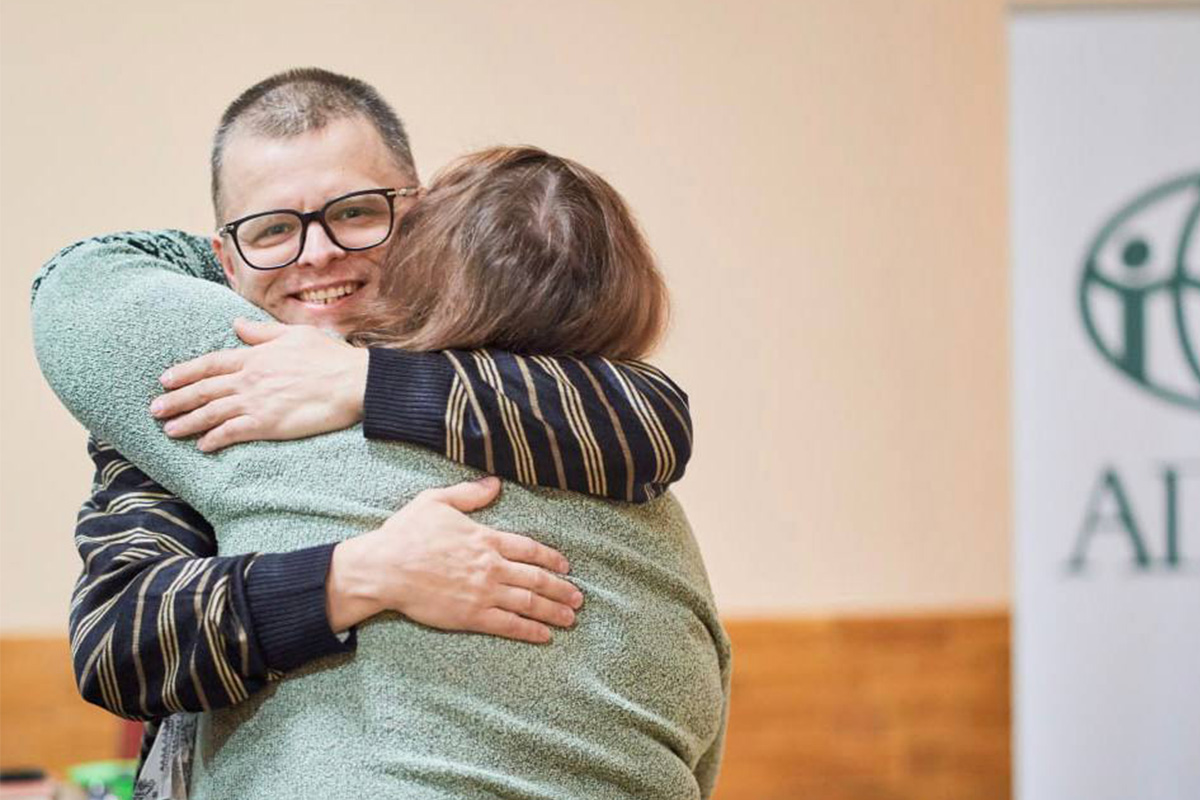
A strong element of our model is mutual support groups – this is a space where you can not explain, but simply be heard. The format “equal to equal” is especially effective: when a veteran speaks with a veteran, on equal terms, without evaluation, with the understanding that it is not always necessary to “correct,” sometimes it is enough to be close.
The ADRA Ukraine approach is about restoring the connection between human and the environment. This is not just “help,” it is – support, adaptation, new skills for a peaceful life. We speak not the language of regret, but the language of equality and partnership, where a veteran is a person with experience, dignity and the right to a full life. And that is why we are building systemic support, not a one-time action.
– What psychological difficulties do veterans most often have after returning from the front of war?
– A common misconception is to think that every veteran necessarily has post-traumatic stress disorder (PTSD). It’s not. Not everyone who has seen war has clinical trauma. But everyone returns another – even if they does not recognize it immediately.
Among the most common difficulties are increased anxiety, sleep disturbances, sudden outbursts of anger, social isolation, emotional alienation. But the deepest often turn out to be a loss of meaning, a sense of uselessness, emptiness, when a peaceful life seems superficial, and the world around – distant and unreal.
Flashbacks deserve special attention – sudden, intrusive memories that arise not as a thought, but as a complete experience of an event, as if it were happening again right now. It can be pictures of the explosions, the moment of death of a fellow, being under fire. A person at this moment does not control himself, because the psyche transfers him back to the “war,” to the very place where there was pain and threat. This is not a theatrical scene and not an exaggeration – for veterans it is a reality, not a memory.
It is important to understand: trauma is not only about shelling, it is also about interacting with people after returning. A person can be injured not so much because of the war, but because of indifference, condemnation or lack of support in the rear, that is like “because of a person.” That is why we at ADRA Ukraine work not only with veterans, but also with their environment – to create a space where you do not need to “survive,” but you can just live.
– How is the work of psychologists in the project constructed: where does support usually begin?
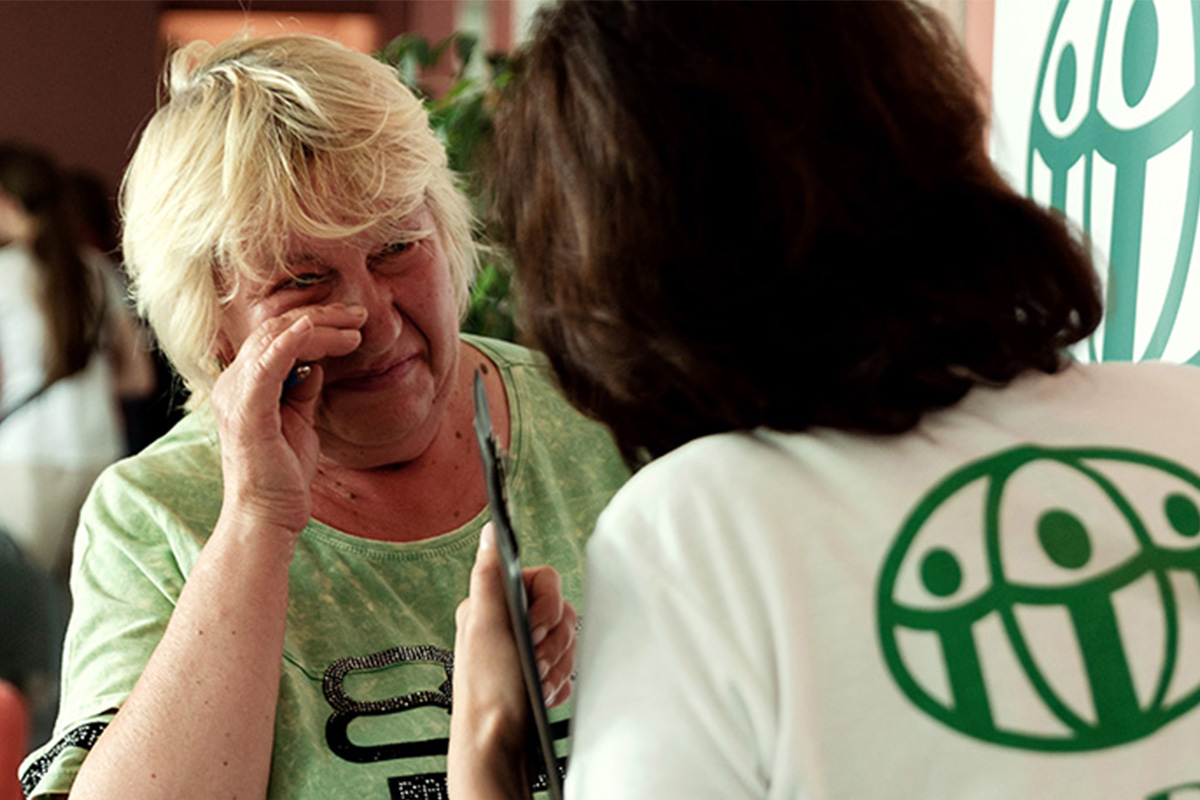
– Support for a veteran begins with the most important thing – contact based on respect, equality and security. We do not impose help, do not make diagnoses from the threshold. The first step is an individual meeting, during which the psychologist gets acquainted with the person, his experience, current state and request.
Next comes the initial assessment – not to “identify problems,” but to understand what the veteran is living with right now. It can be psychoeducation (so that a person understands what is happening to him), empathic conversation, sometimes – just silence, which gives peace.
Based on this, an individual support plan is formed. It may include:
– individual therapy (cognitive-behavioral, body-oriented, EMDR, etc.),
– mutual support groups,
– involving the family in the process,
– work with aggression, anxiety, loss,
– restoration of communication skills, search for new meanings and roles.
We do not “treat” veterans as patients. We go along, support, help to understand themselves in a new reality and build a new internal operation that will allow them not only to survive, but to live after the war.
– What methods or formats (individual, group, trainings) are most effective in the experience of helping veterans?
– The best results are given by a combination of different formats, adapted to the needs of a particular person.
Individual therapy is the basic form of support. Particularly effective for veterans are:
– cognitive behavioral therapy (CBT) – helps to work with anxiety, aggression, sleep disturbance, negative thoughts;
– EMDR – a method that “repackages” painful memories and reduces their emotional impact;
– body-oriented therapy – makes it possible to restore contact with the body, ground (return to the moment “here and now”), relieve tension, which for years “stuck” in the muscles.
Group formats – especially groups of mutual support “equal to equal” – are very valuable for those who are used to keeping everything in themselves. A simple but powerful principle works here: you are not alone. In the group, the veteran does not have to explain anything – the rest already know.
Trainings on emotional self-regulation, work with anger, breathing practices, motor techniques, restoration of communication skills are those things that give a quick, noticeable effect and increase internal control.
Sometimes the strongest tool is not even a technique, but just a safe space where you can be not a “hero,” not a “problem,” but a person who has the right to feel and live. This is the space we create.
– How do veterans react to the opportunity to join such programs?
– For the first time, a veteran comes in with caution. And often with distrust. “Probing.” There is internal resistance, skepticism: “Why do I need this?,” “I can do it myself,” “It will not help me.” Veterans have a habit of keeping everything inside and relying only on themselves – and this is not about pride, but about survival.
The tone of communication plays an important role. If we speak pathetic phrases “I will cure you,” “we help all Heroes,” use a pathetic tone or “psychological jargon” – a person is lost even before the start of the session. But if it is simple, humanly, with dignity, without pressure and with respect – the barriers are reduced.
Very often the first contact is initiated by the wife, mother, commander, brother – someone who has already passed this path or simply trusts. Sometimes it is a short conversation in the corridor, a casual acquaintance, a meeting at the Administrative Services Center or at a training session. And this is where the path begins: slow, but real. Because trust is not a form, it is a process.
– Are there special support programs for the wives of veterans? For the kids? How do they work?
– Yes, within the project there are targeted support programs for families of veterans – because not one person returns from the war, but the whole family changes with him.
For wives and partners we hold:
– mutual support groups where women can share experiences, hear others, remove the feeling of “I’m alone with this”;
– individual consultations with psychologists on emotional burnout, communication, self-support;
– practical trainings: how to respond to aggression, how to talk about trauma, how to build a new quality of relations after the front.
For children, there are programs designed taking into account the age and form of trauma:
– art groups and game therapy – through drawing, fairy tales, movement and play, the child can safely express his experience;
– classes on the development of emotional intelligence;
– joint family activities that restore the connection between parents and children.
Our main goal is not to “rehabilitate” the family, but to create a space where each of its members has the right to be with the feelings that exist and gradually move towards peace, support and new close relations. This is no longer about survival, but about life. Even after the war.
– Is there a request from government agencies or other NGOs to share experiences or scale your approach?
– Yes, and this request is constantly growing. We receive appeals from government agencies, communities, other non-governmental organizations that want to introduce or strengthen psychosocial support for veterans and their families.
Of particular interest is the integrated approach of ADRA, which combines individual psychological work, group formats, work with families, as well as the training of local specialists – social workers, psychologists, volunteers. Many communities lack not only resources, but also understanding where to start. Therefore, we do not just “share experience,” but accompany the launch of programs, advise, conduct training, help adapt models to local realities.
There is also interest from the public sector, especially where there is a personnel shortage, emotional burnout of specialists or lack of systematic practice of working with veterans. We cooperate with communities that receive a large number of soldiers returned from the front, and help create a friendly environment around them – not only in the family, but also in social services, educational and healthcare institutions.
This request is evidence that society is maturing to a deeper understanding of the needs of veterans. We are open to partnerships because we are convinced that the challenge of returning from war is not individual but national. And only together you can create a country that knows how to thank not only with words, but also with action.
Tags
Share this publication
Our social networks
Categories
Last news
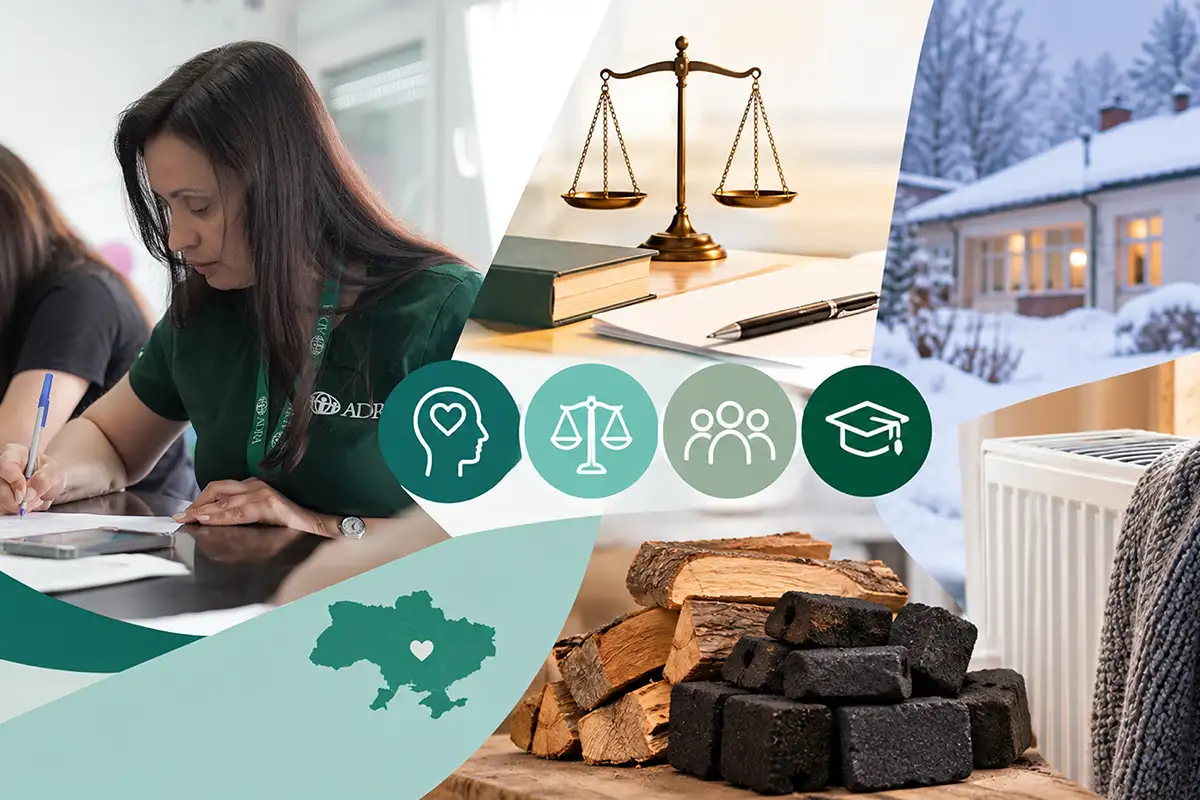
Psychological and legal consultations for people throughout Ukraine and assistance with heating for 150 IDPs in Zaporizhzhia region — will combine such areas with the new ADRA Ukraine project, which started in ...

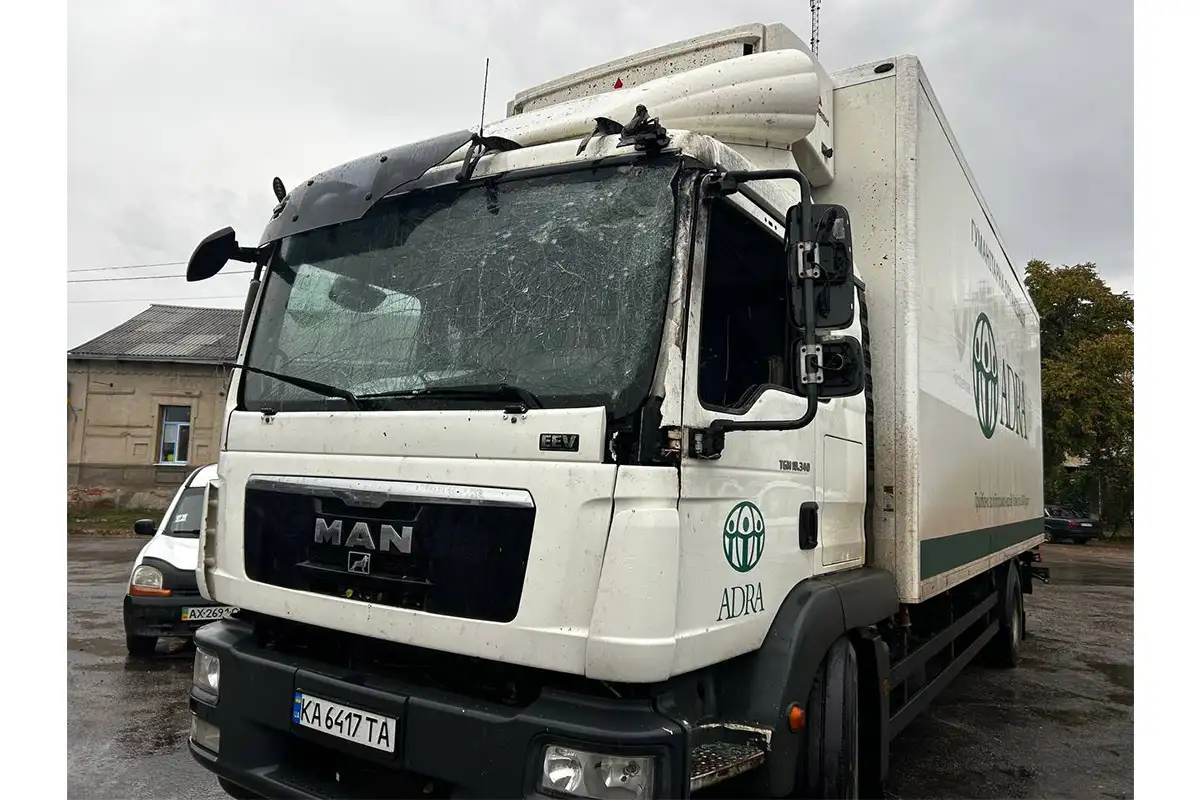
On September 23, an incident with an FPV drone occurred in the village of Zolochiv, Kharkiv region, during the distribution of food aid. Due to the team noticing the danger in time ...
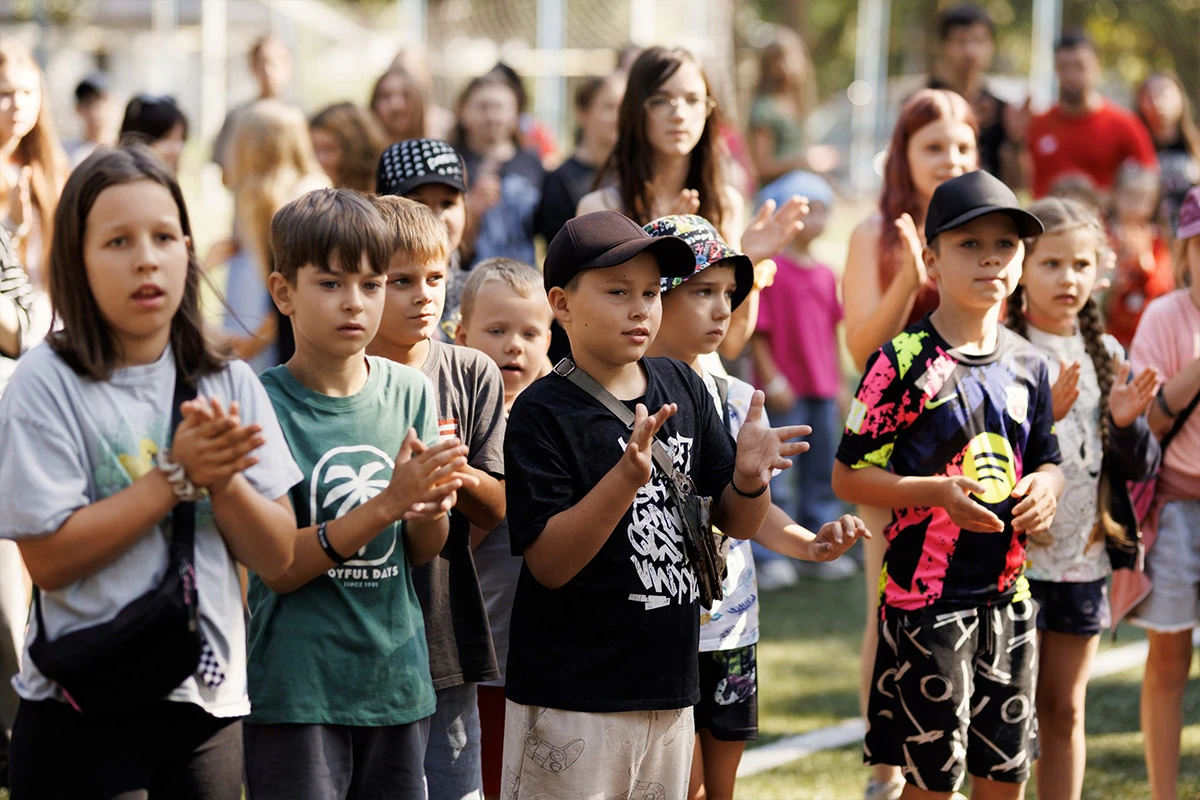
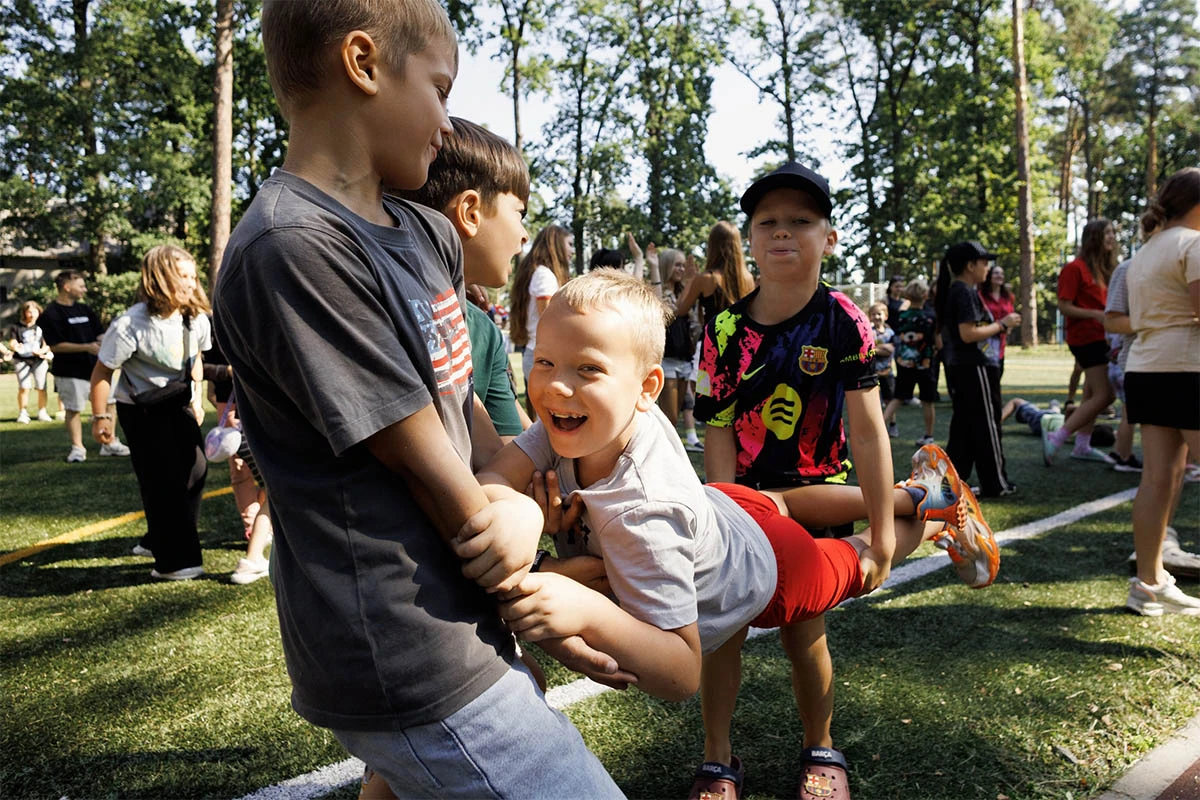
There are meetings that children wait for all year round. For many of them, the summer camp in the city of Bucha — is an opportunity to see old friends again, meet ...
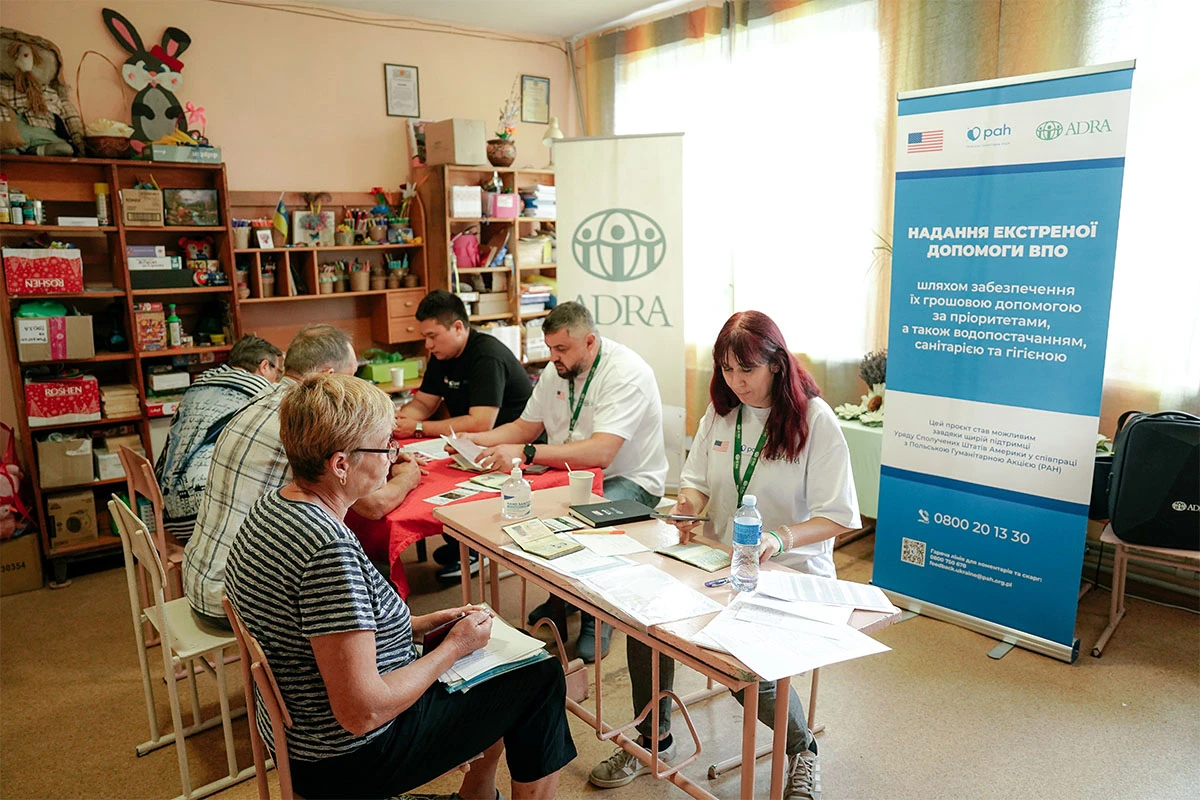
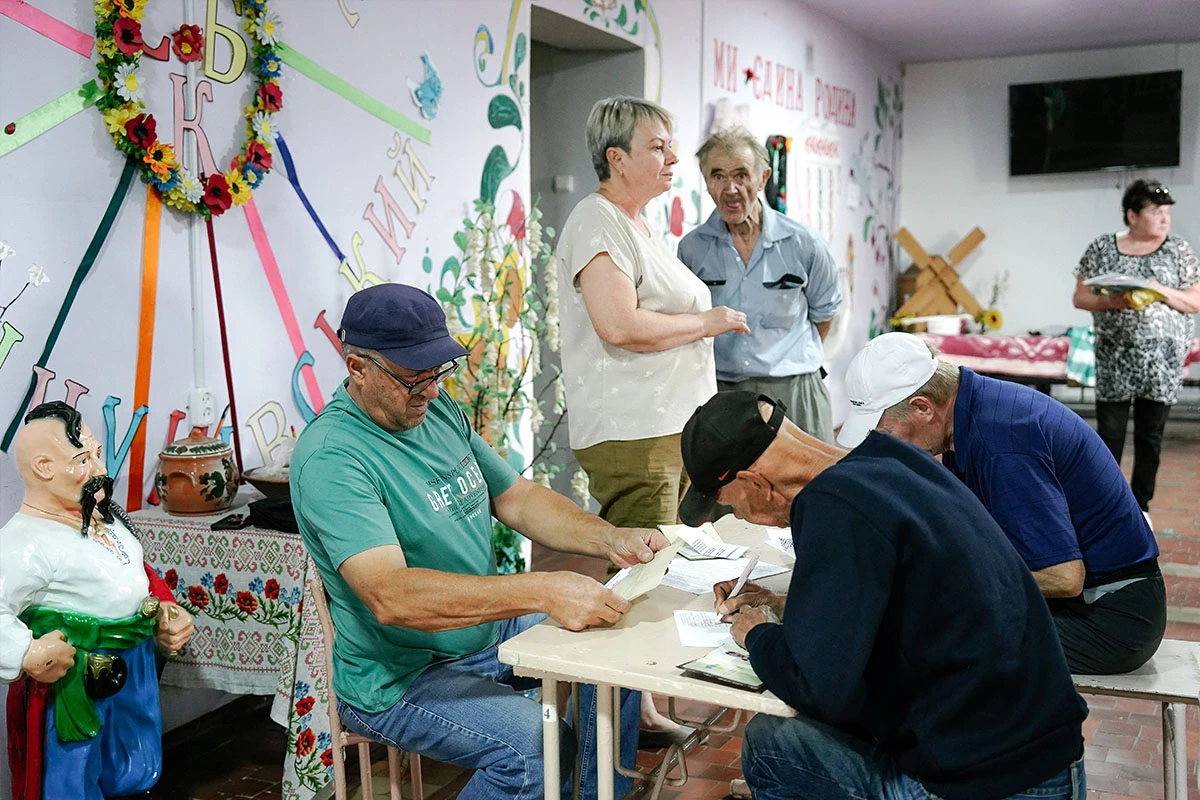
More than 500 households in Dnipropetrovsk and Kharkiv regions are already registered to receive cash assistance for preparation for the 2026–2027 heating season. Vulnerable families who heat their homes with solid fuel ...
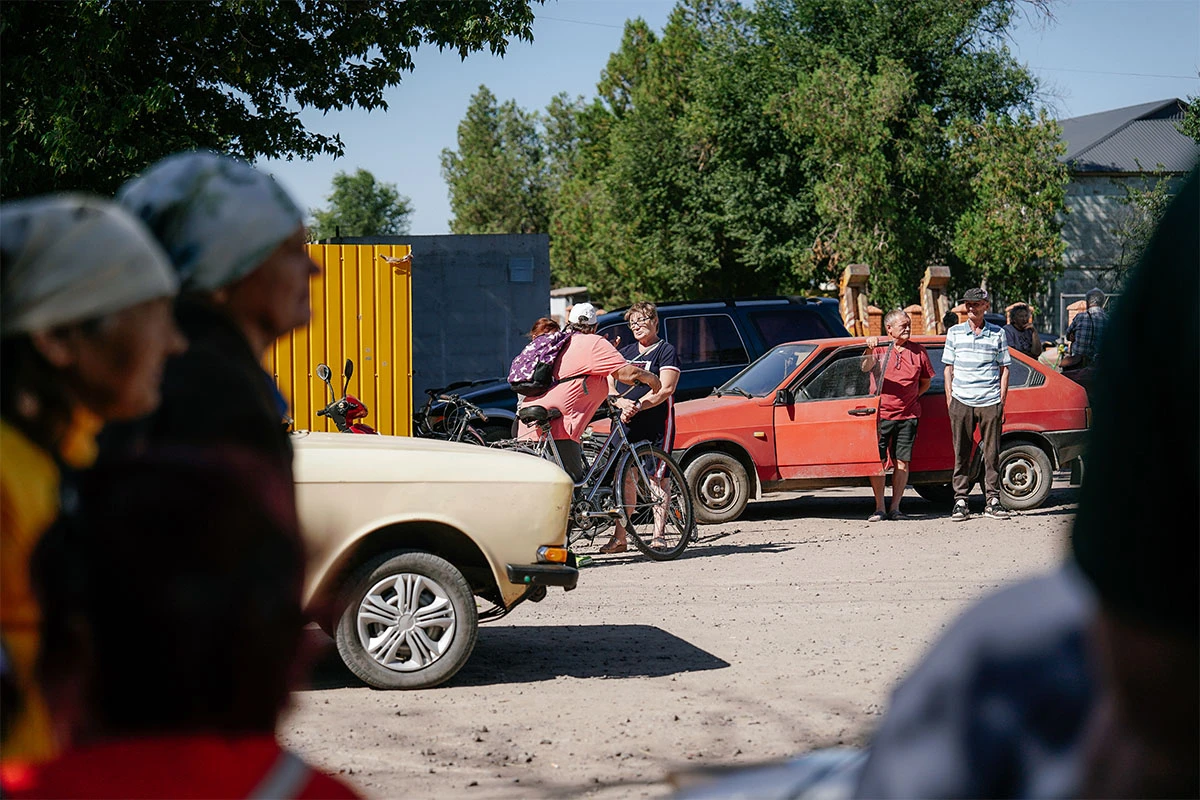
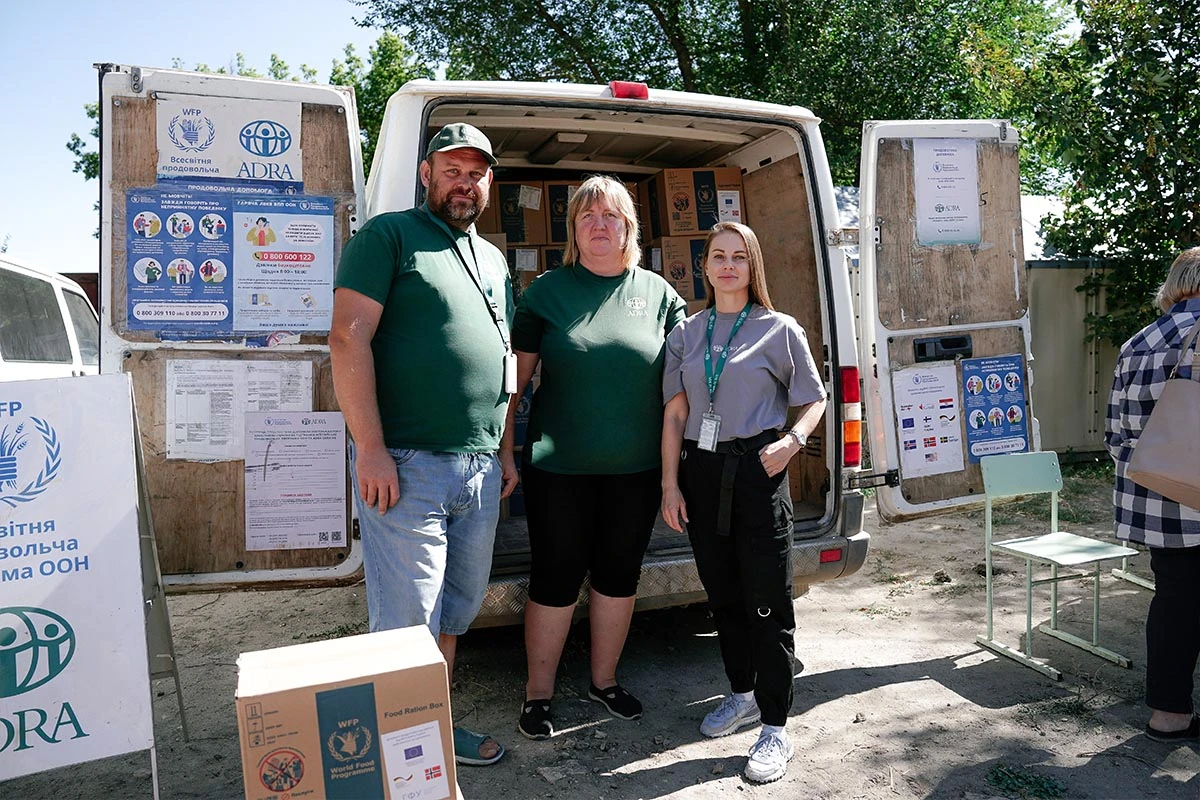
On August 13, residents of Posad-Pokrovske, Kiselivka, and Chornobayivka in the Kherson region received 451 food kits from the UN World Food Programme (WFP). The aid was delivered by the ADRA Ukraine ...
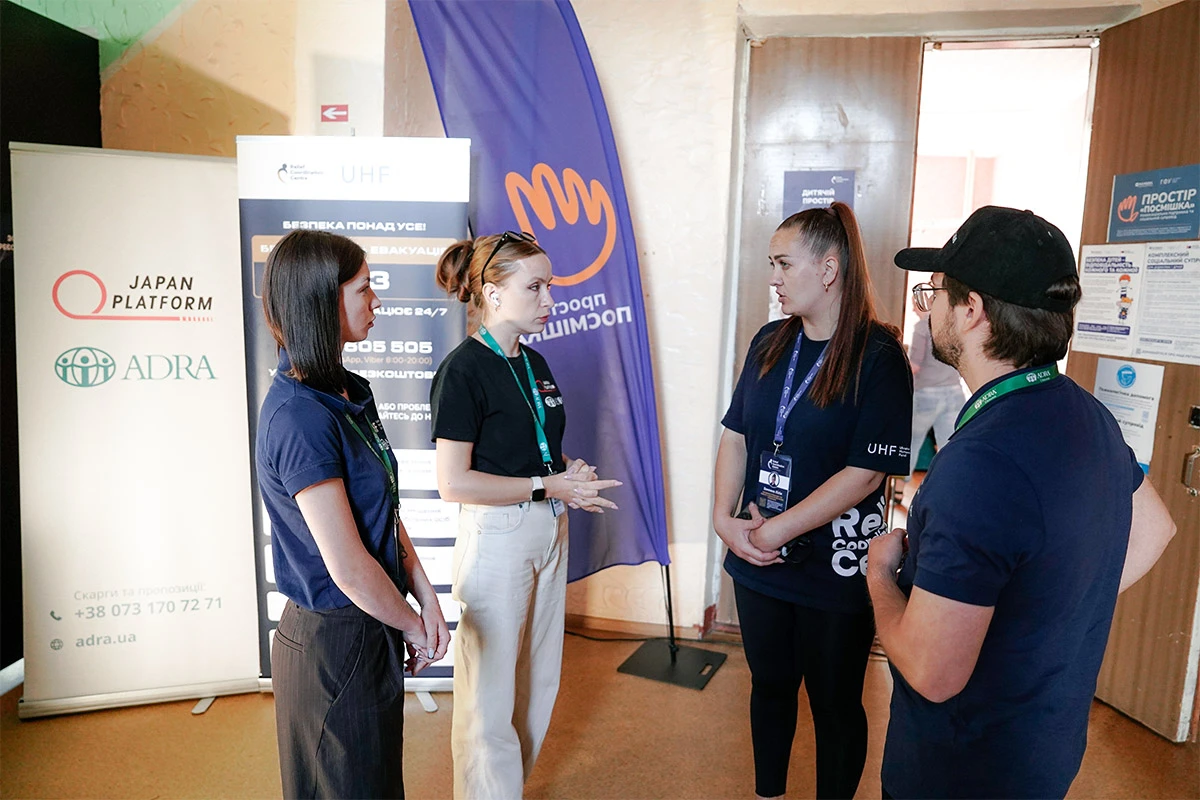
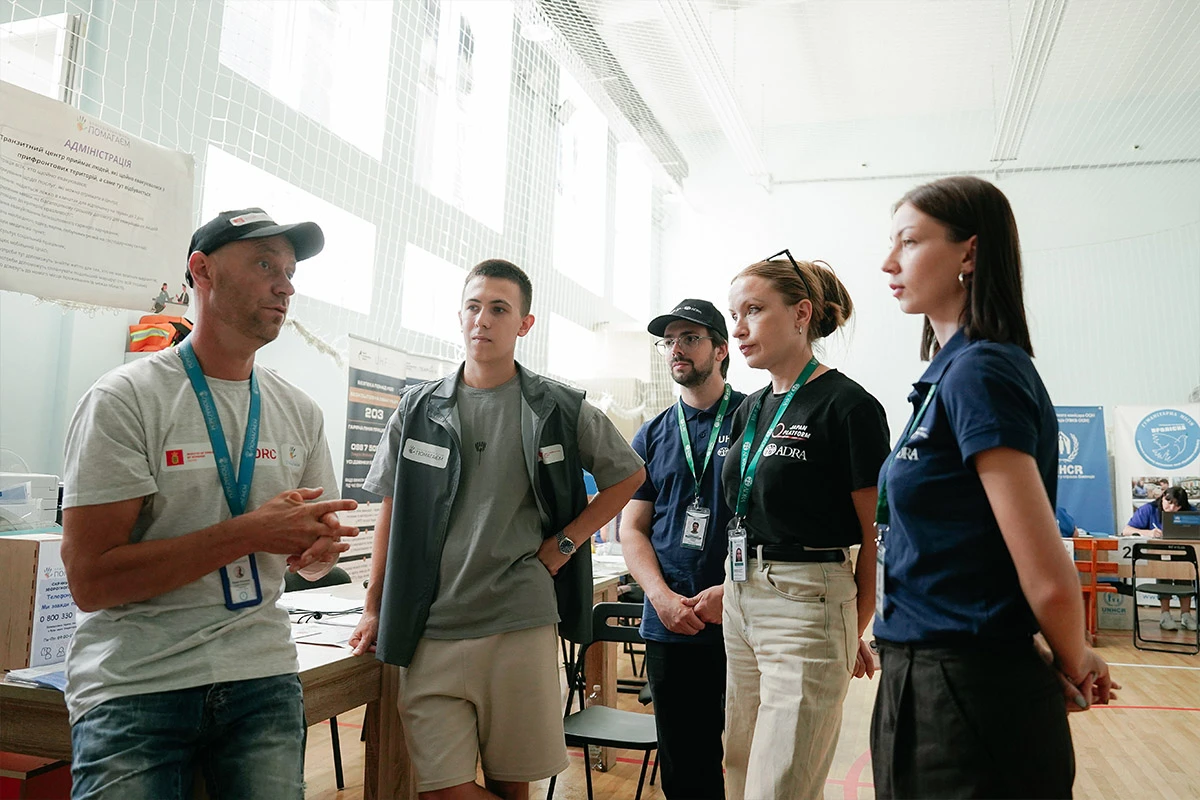
Since April of this year, 688 people who suffered as a result of the war have received financial assistance within the framework of the project implemented by ADRA Ukraine with funding from ...
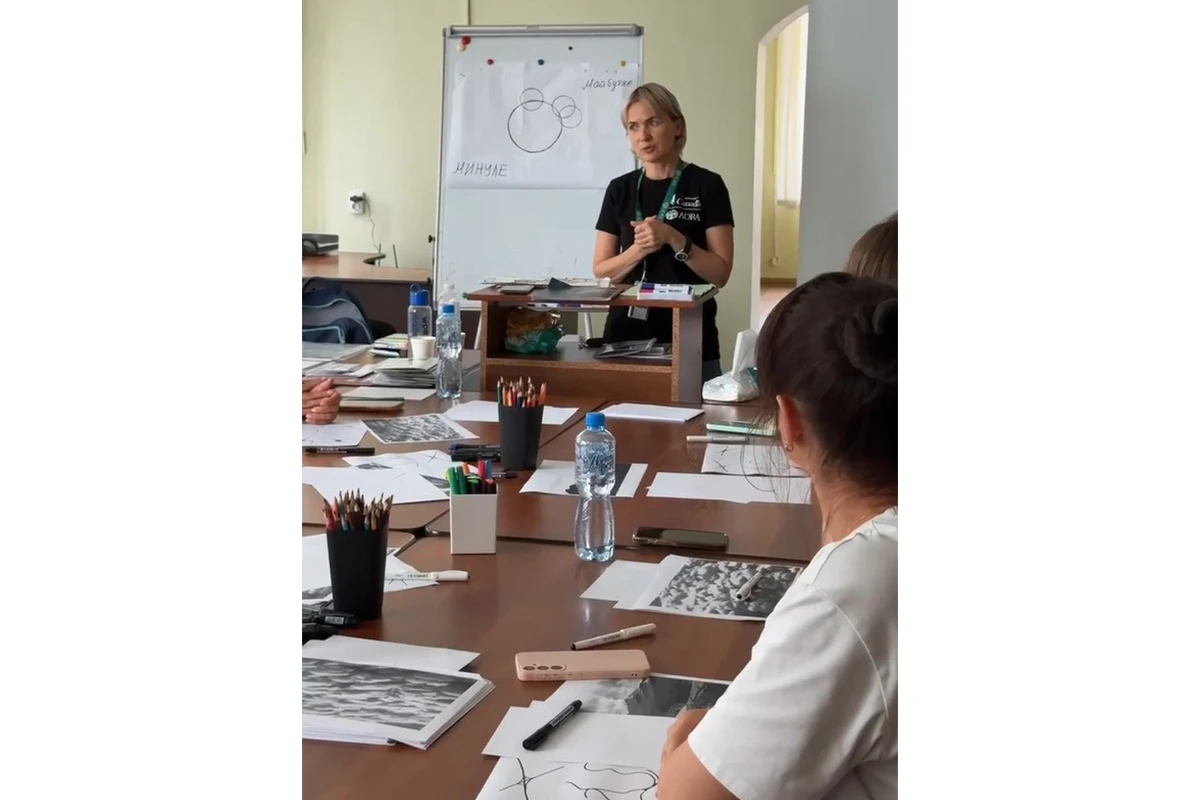
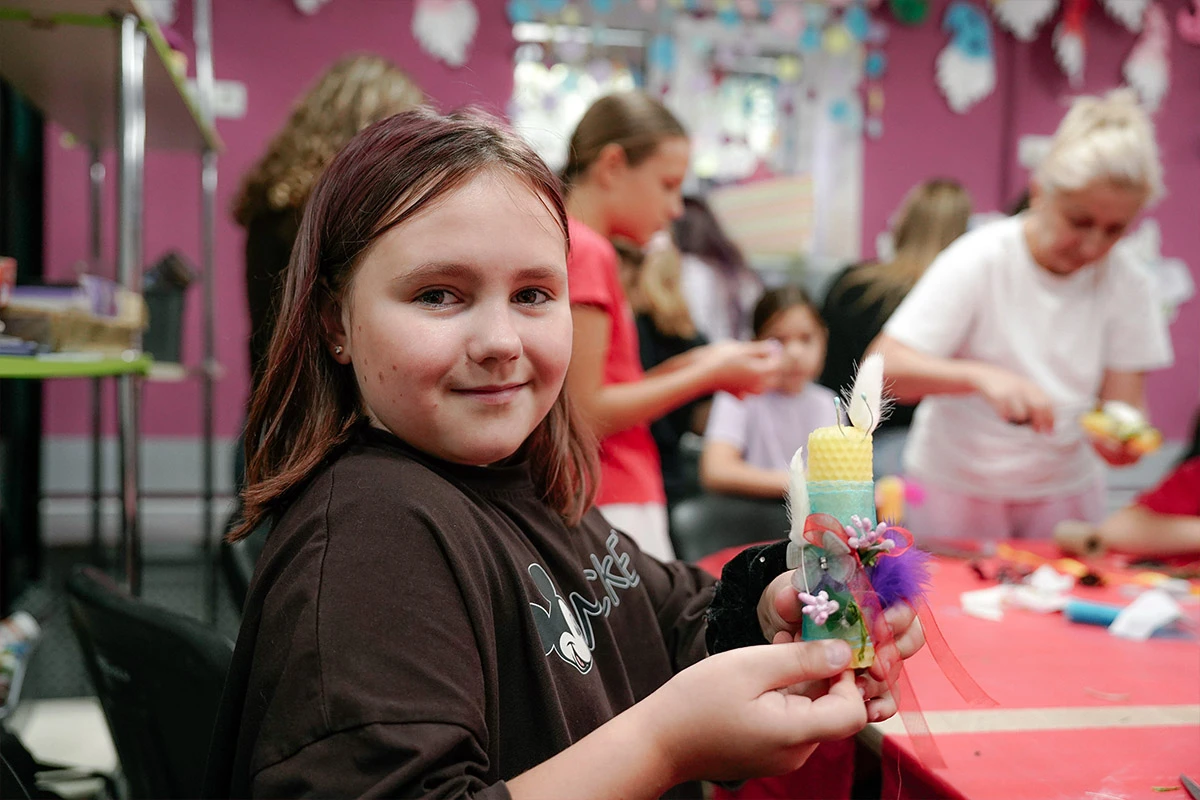
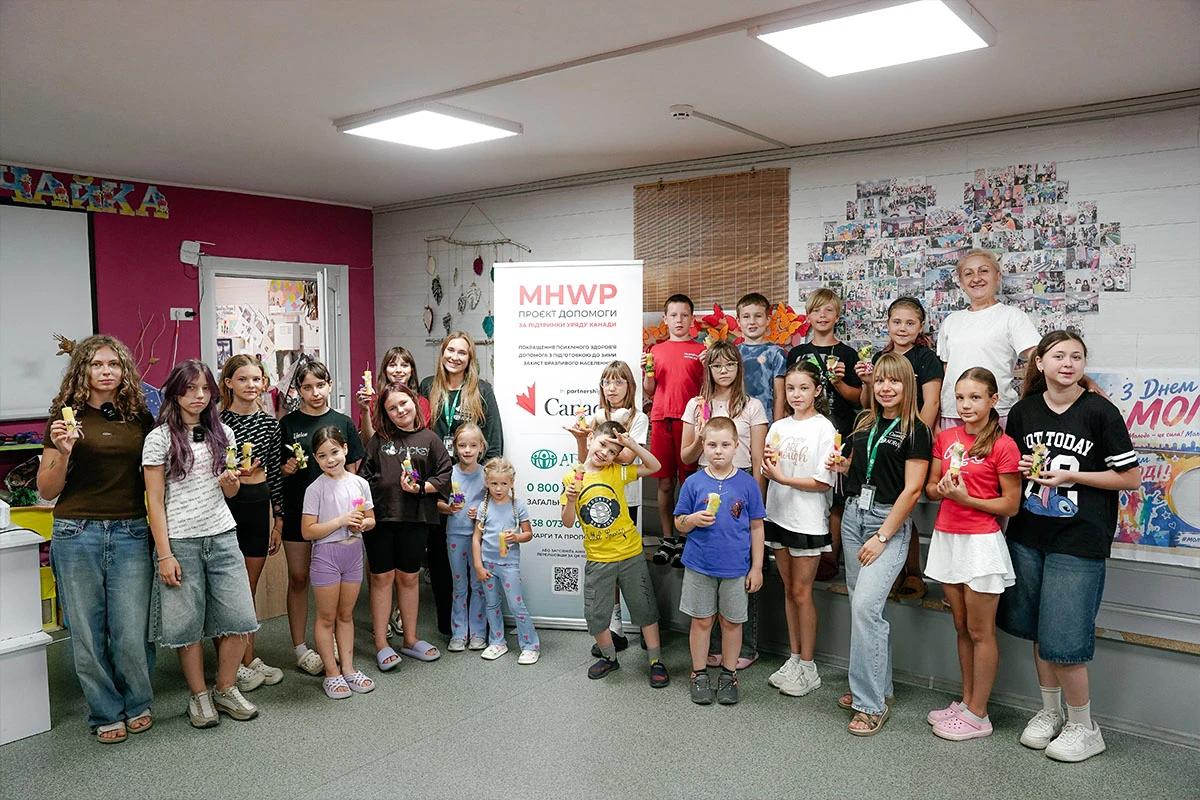
On August 11, pupils of the children’s and teenage club «Chaika» (EN: Seagull) in Chernihiv created candles with their own hands during the art therapy event «Light inside me». Each of them ...
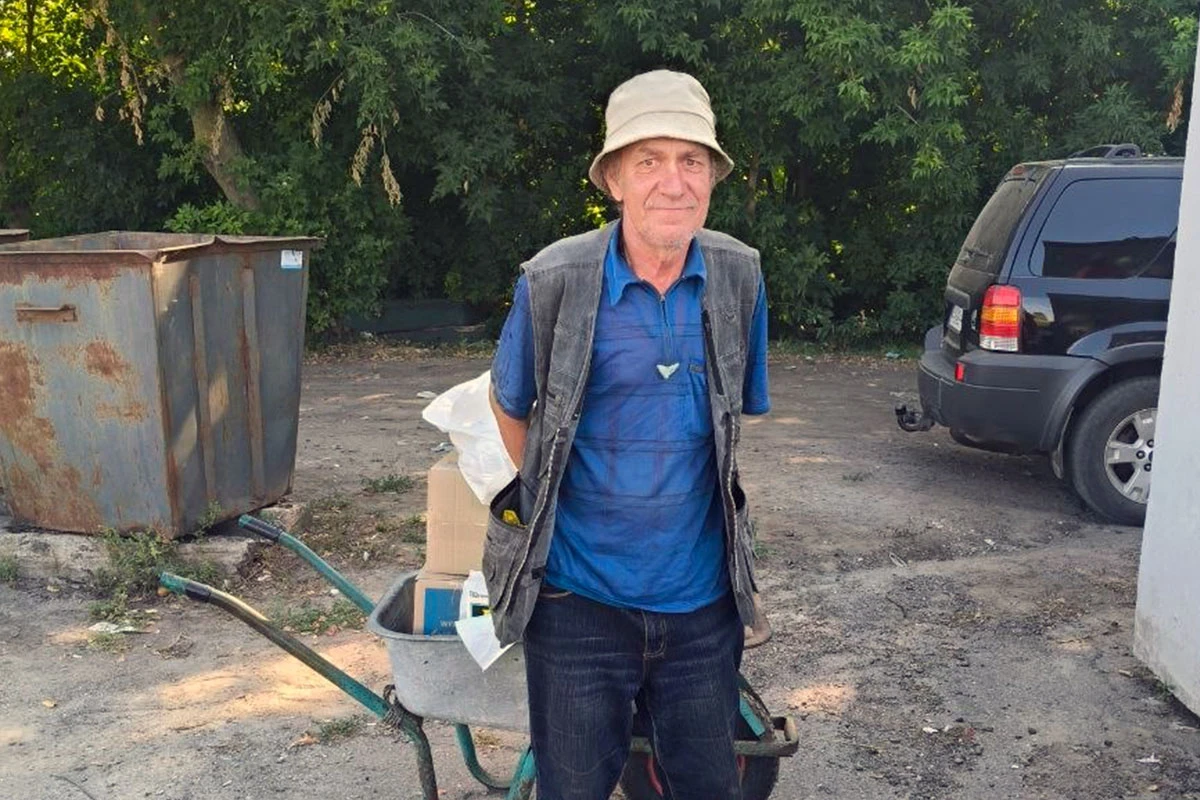
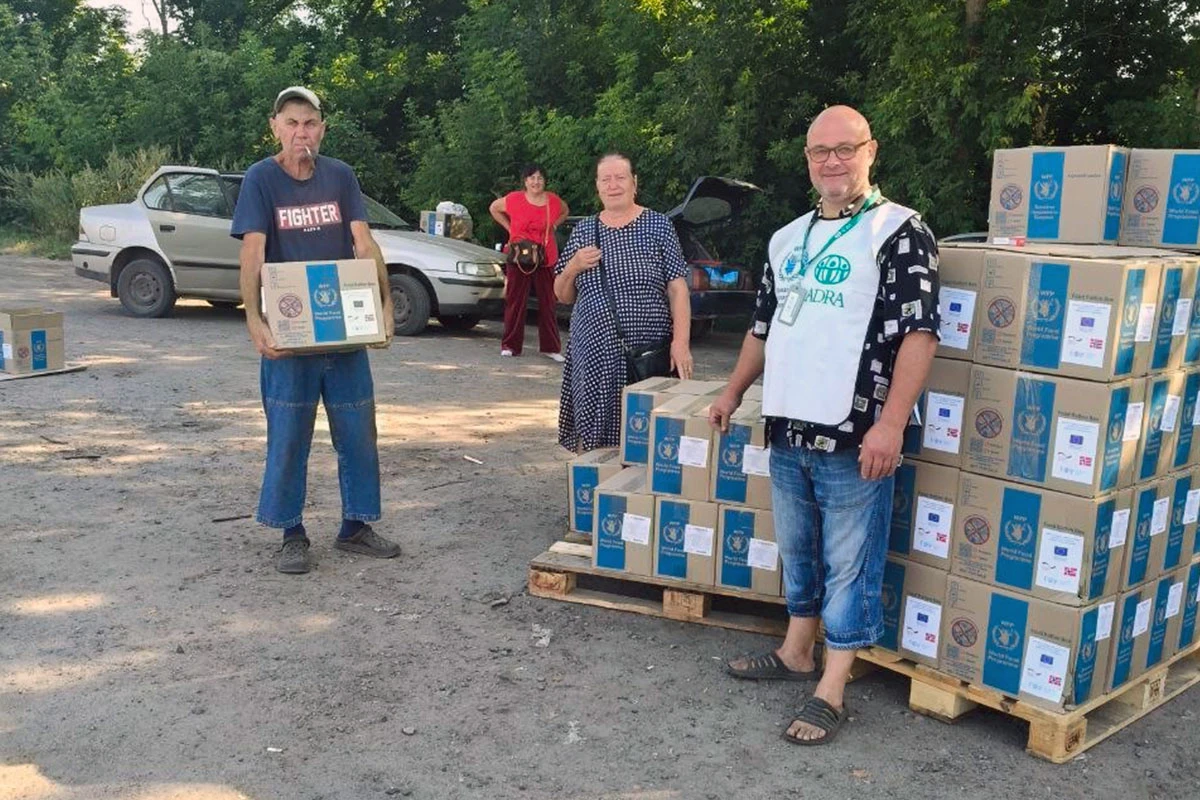
Aid to the village of Shestakove of the Saltiv community was delivered by the ADRA Ukraine team in cooperation with the UN World Food Programme (WFP) with the support of ADRA Switzerland. ...
👤 Fraudsters may try to impersonate representatives of the World Food Programme (UNWFP) to obtain your personal or bank data. Be careful if you receive: 📱 SMS Message Notification of aid not ...
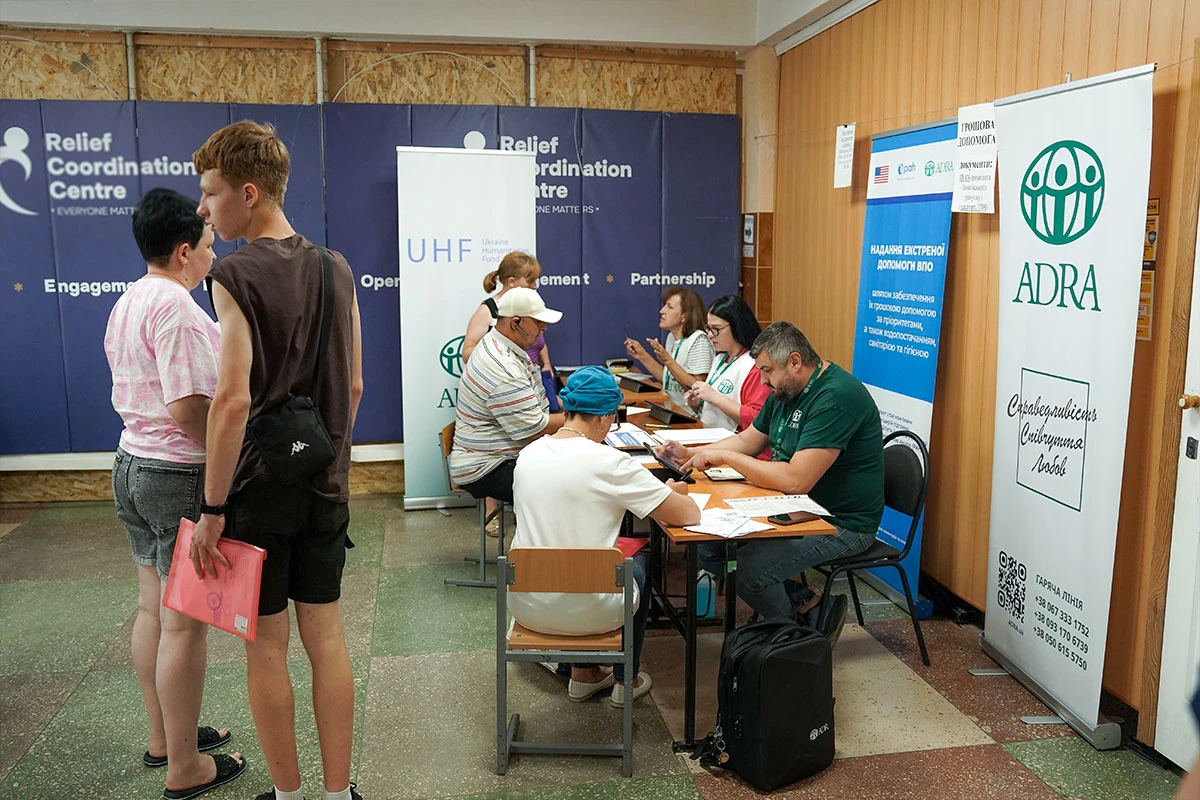
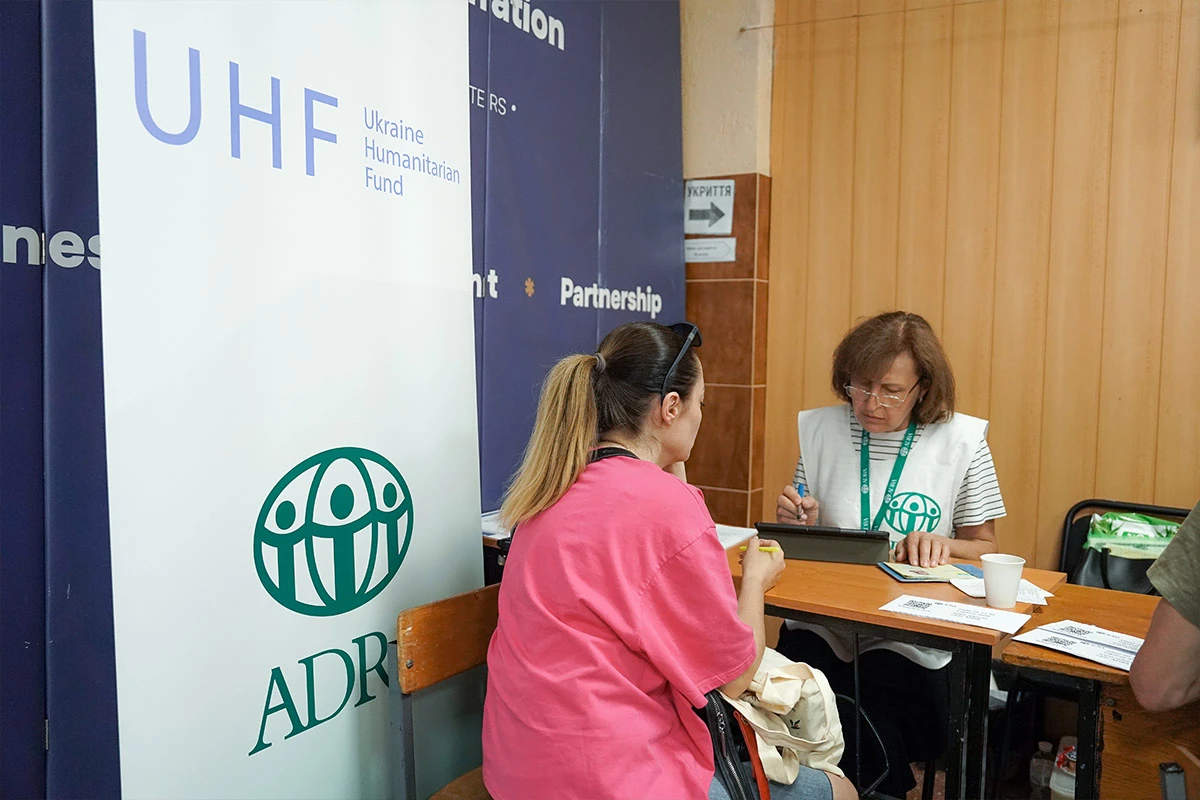
The ADRA Ukraine team continues to expand support for people who were forced to leave their homes due to hostilities. As part of the new project, which is being implemented with the ...
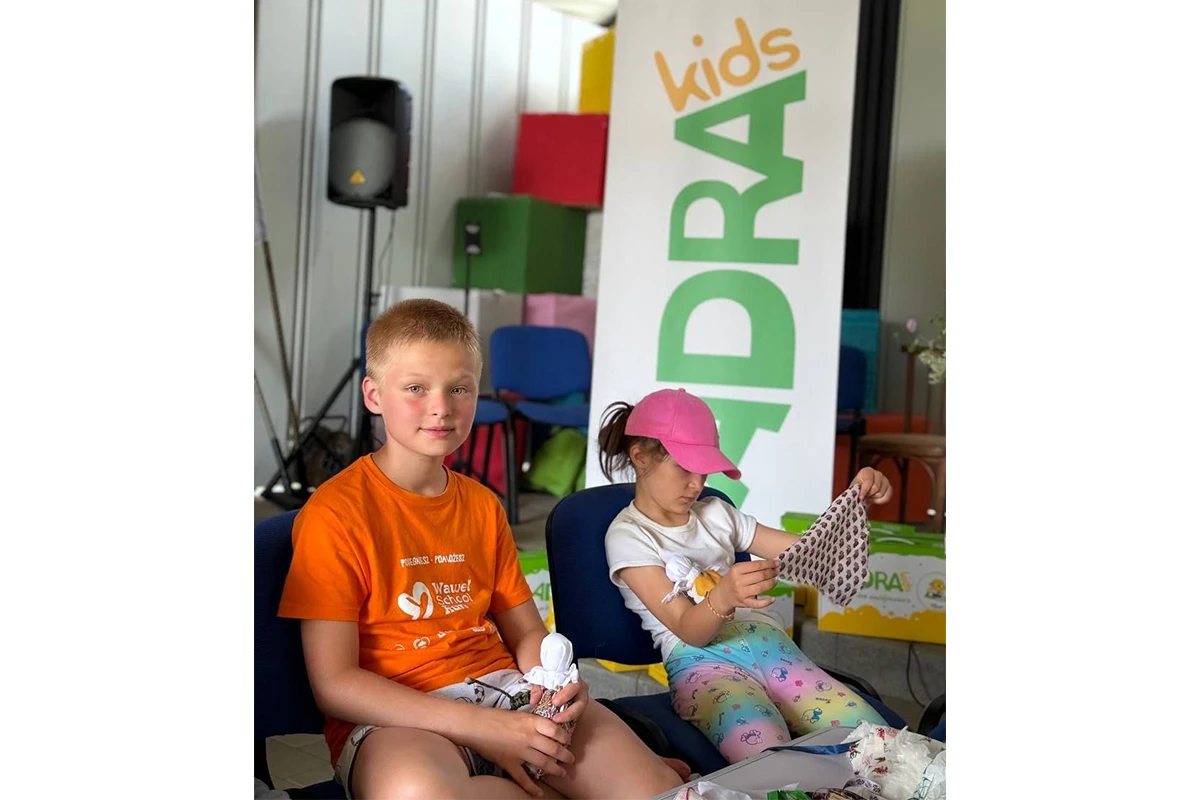
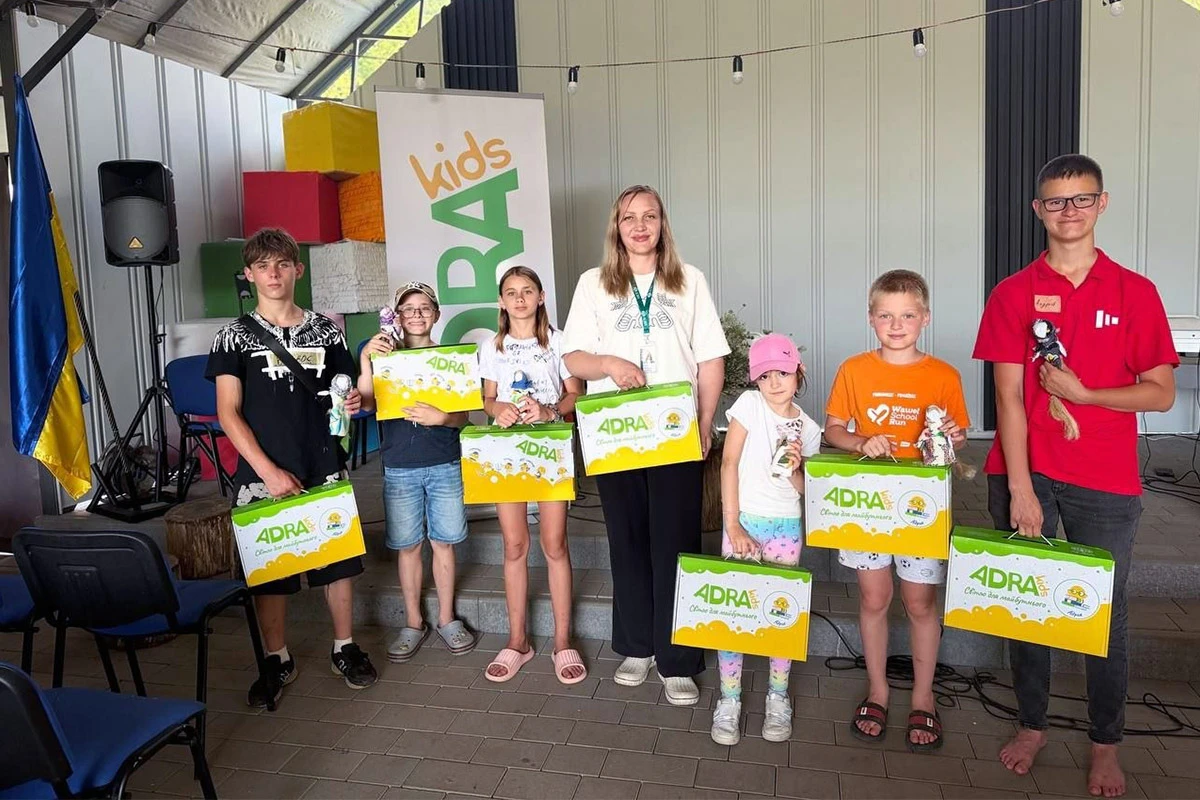
After the art therapy meeting, one of the boys approached the psychologist with words of thanks for three more days in a row. He said that this meeting became special for him, ...
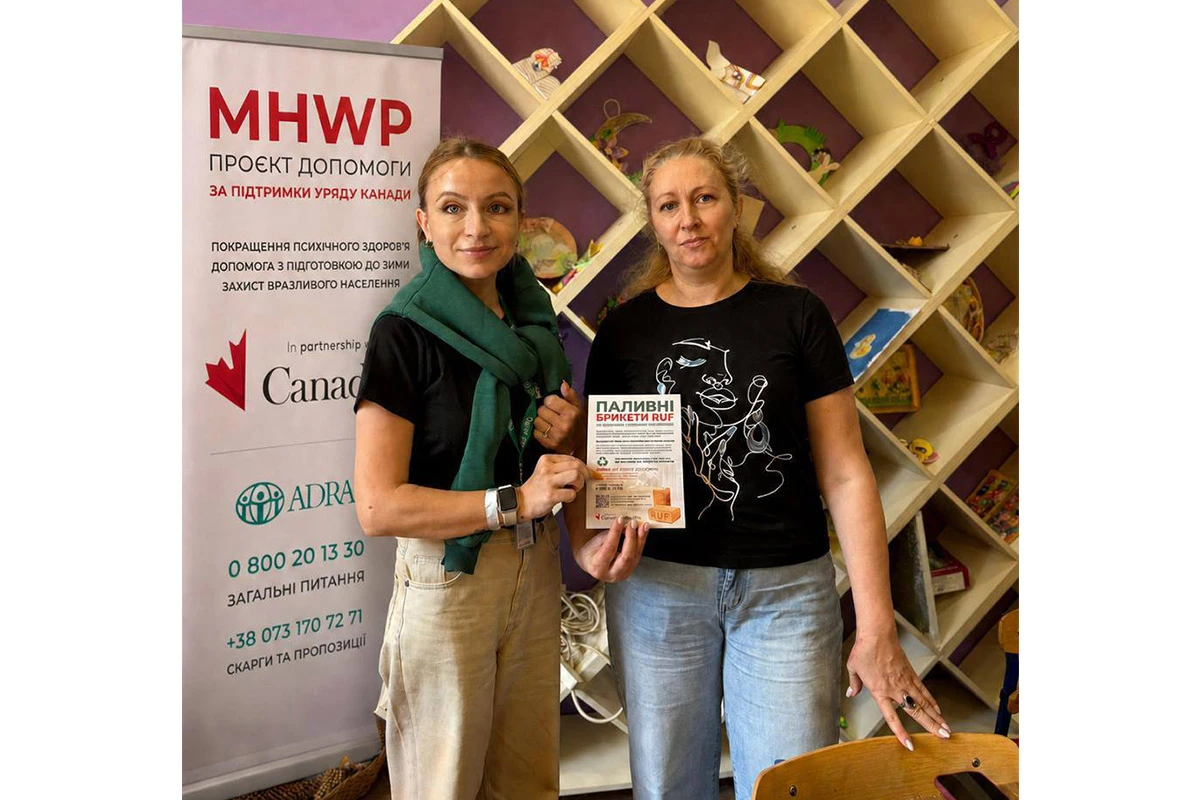
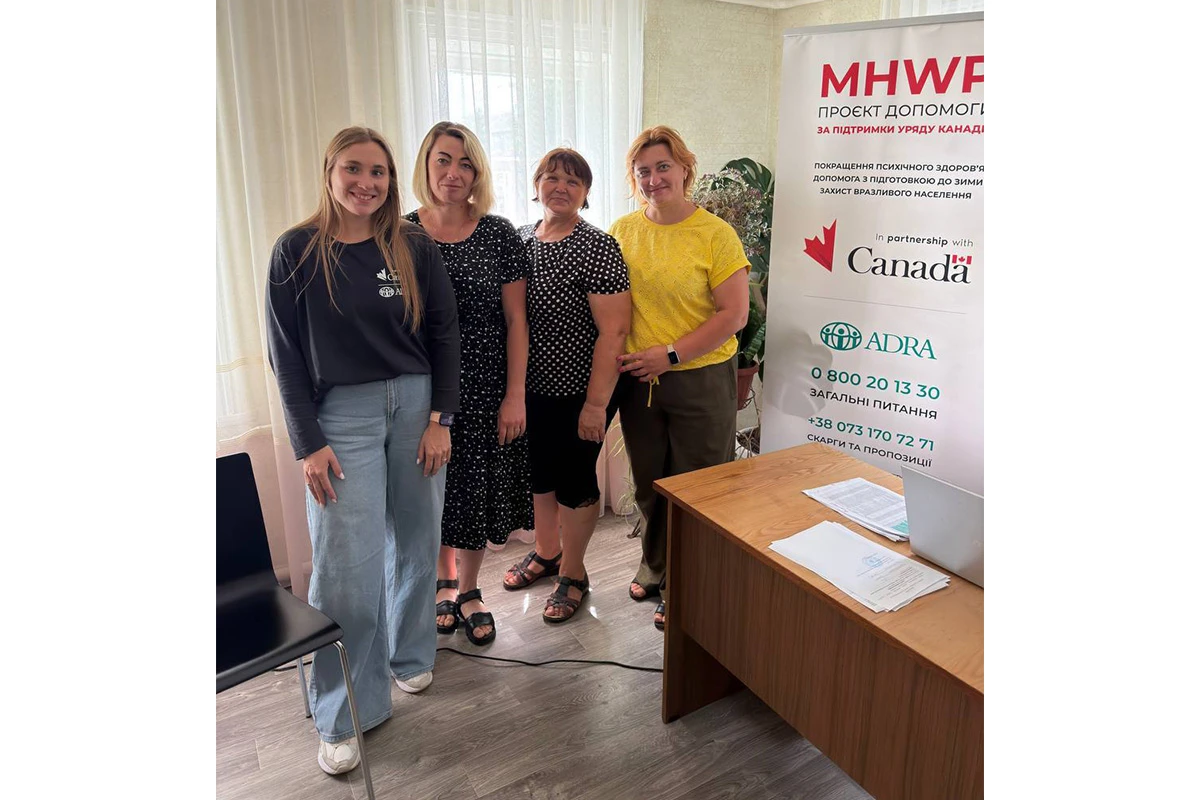
In July, the ADRA Ukraine team completed the registration of residents of the Horodnia community of Chernihiv region and the Novopokrovsk community of Kharkiv region to receive financial assistance for preparation for ...
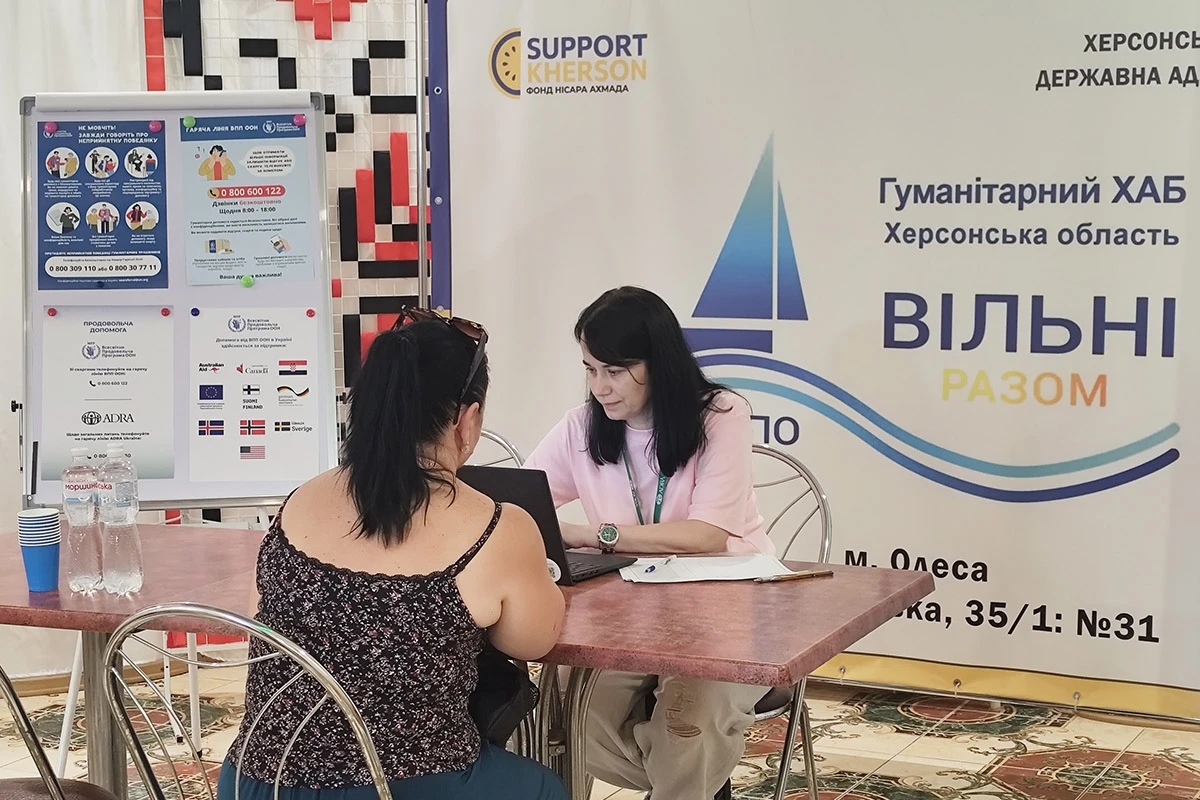
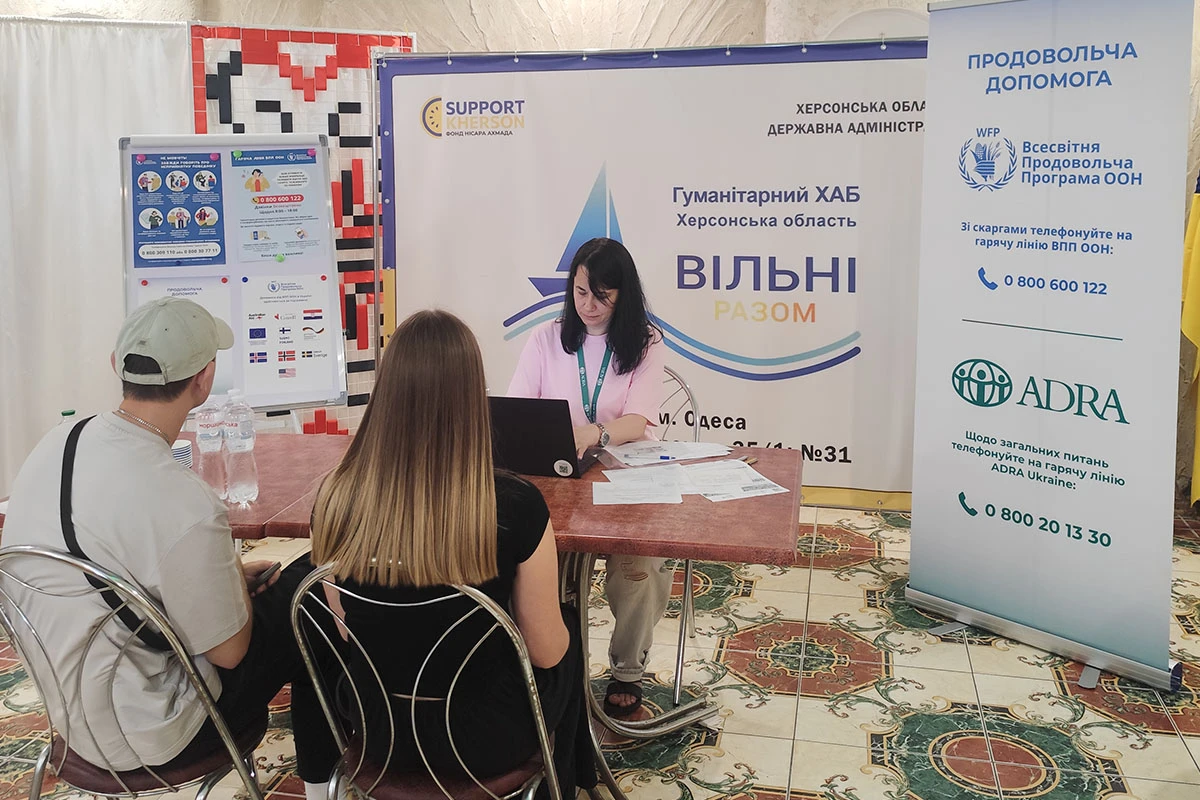
For many residents of the occupied part of the Kherson region, evacuation became one of the most difficult decisions in life. During the registration for cash assistance in the city of Odesa, ...
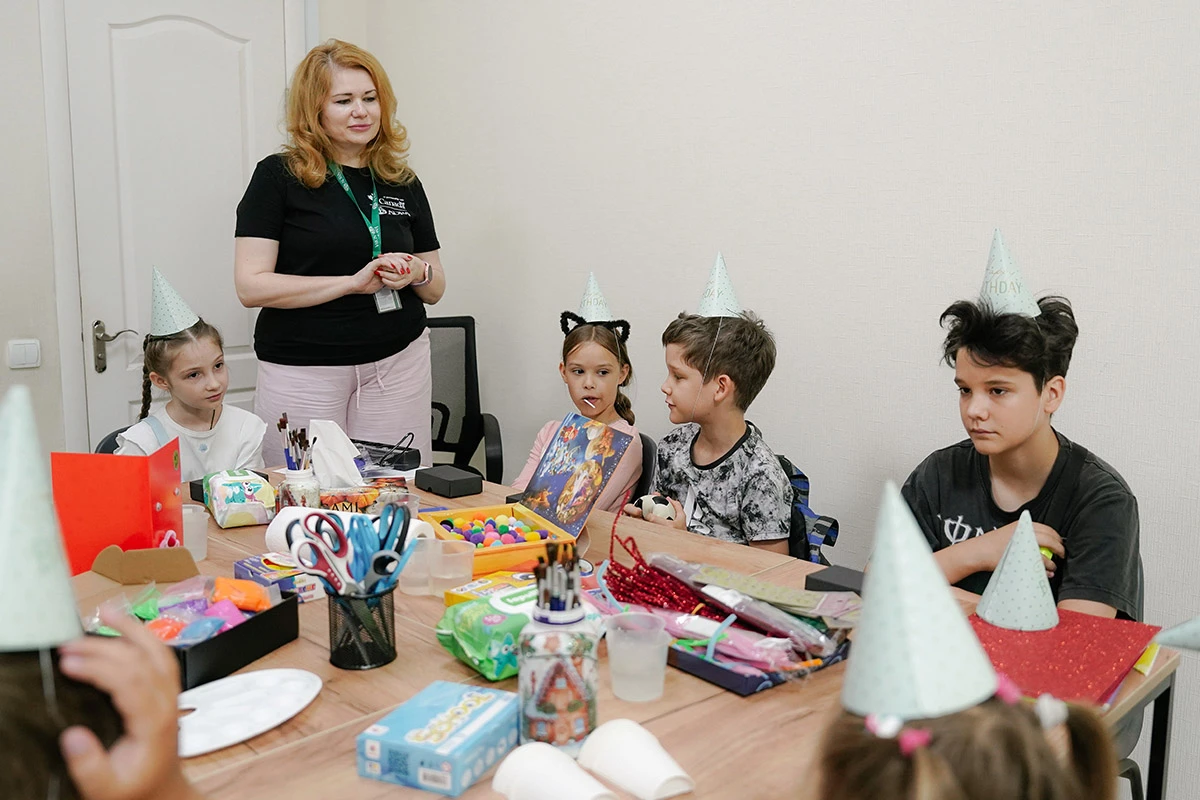
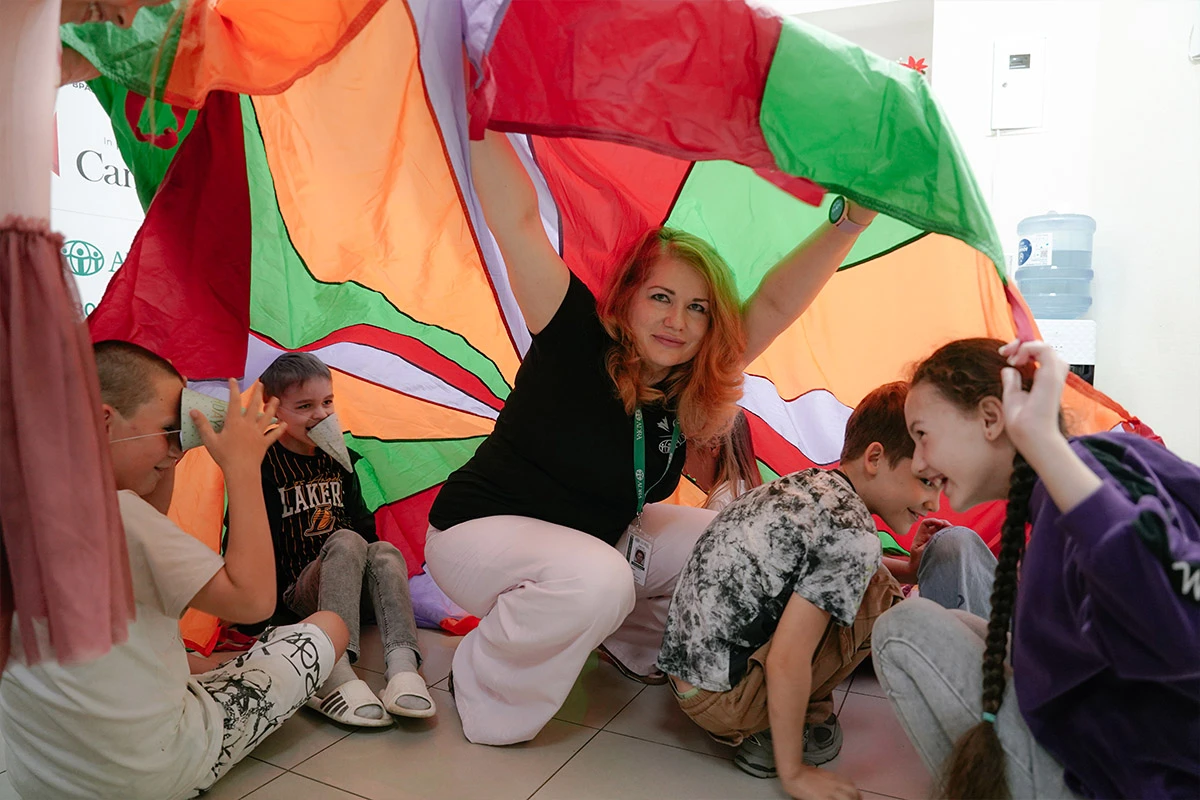
In the front-line city of Mykolaiv, even an ordinary children’s birthday acquires special value. This is exactly what happened during the Birthday Party master class, which the team of the Center for ...
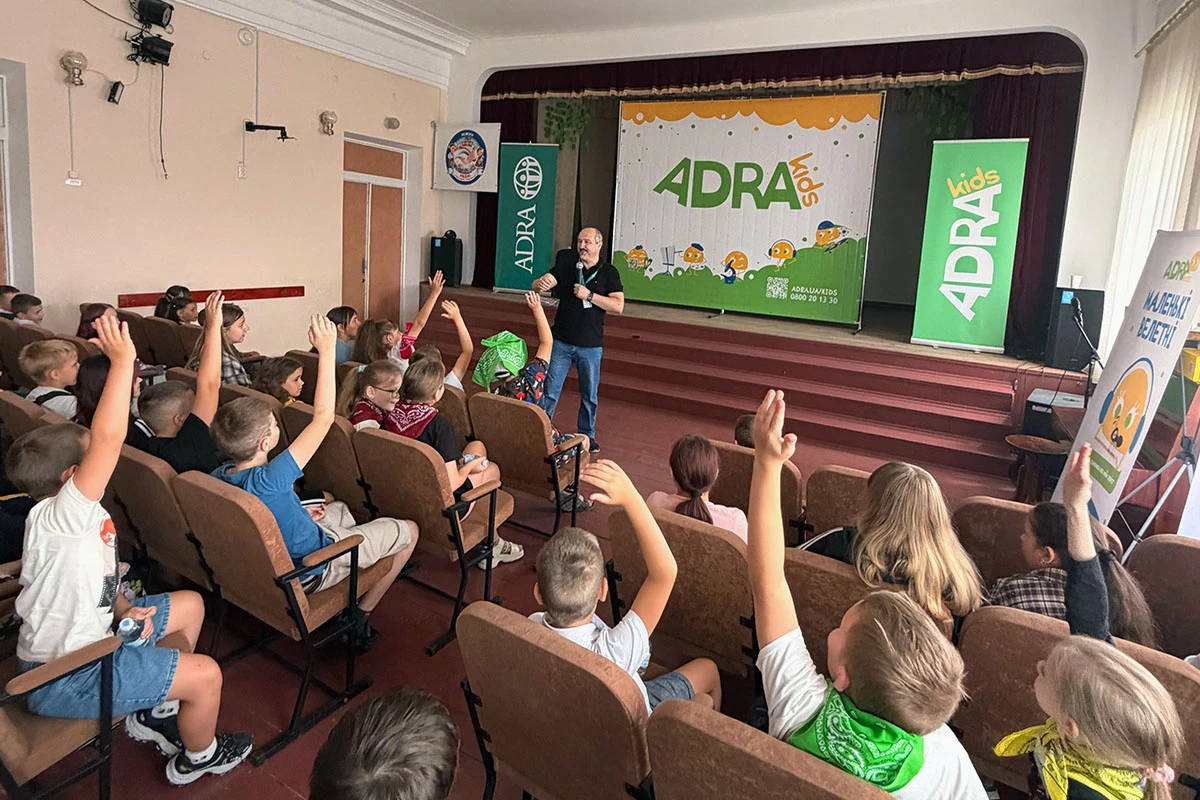
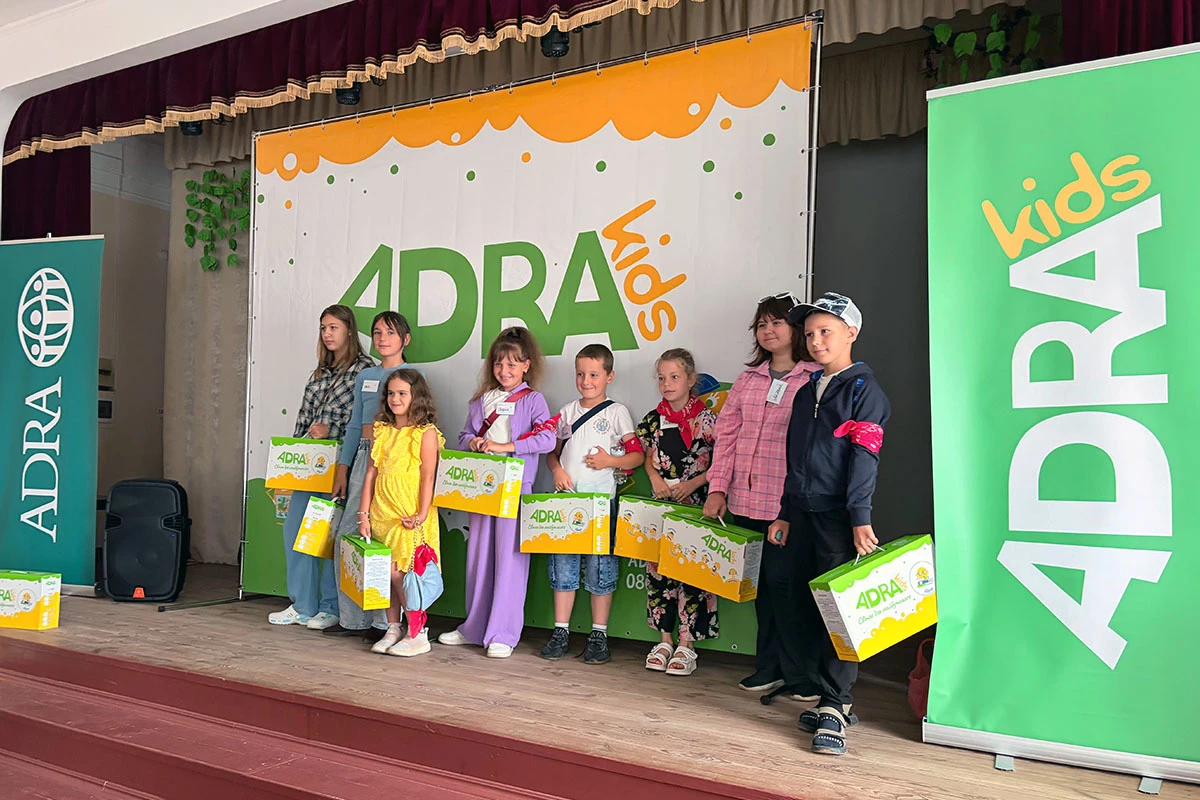
On July 22, the ADRA Kids team held an event in Nizhyn for children affected by the war, including children of ex-combatants and families who were forced to leave their homes due ...
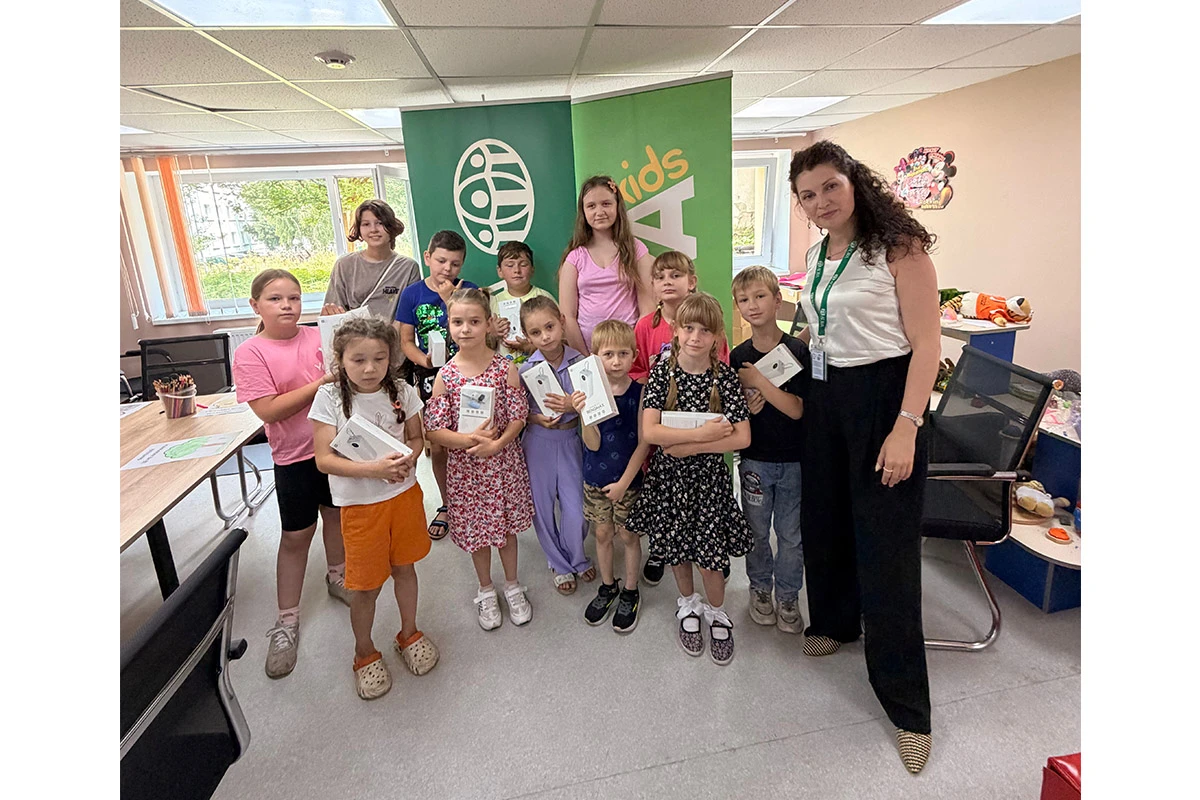
Children’s holidays and gifts are rare in small settlements. That is why the ADRA Kids art therapy event, which took place on July 20 in the village of Dymer in the Kyiv ...
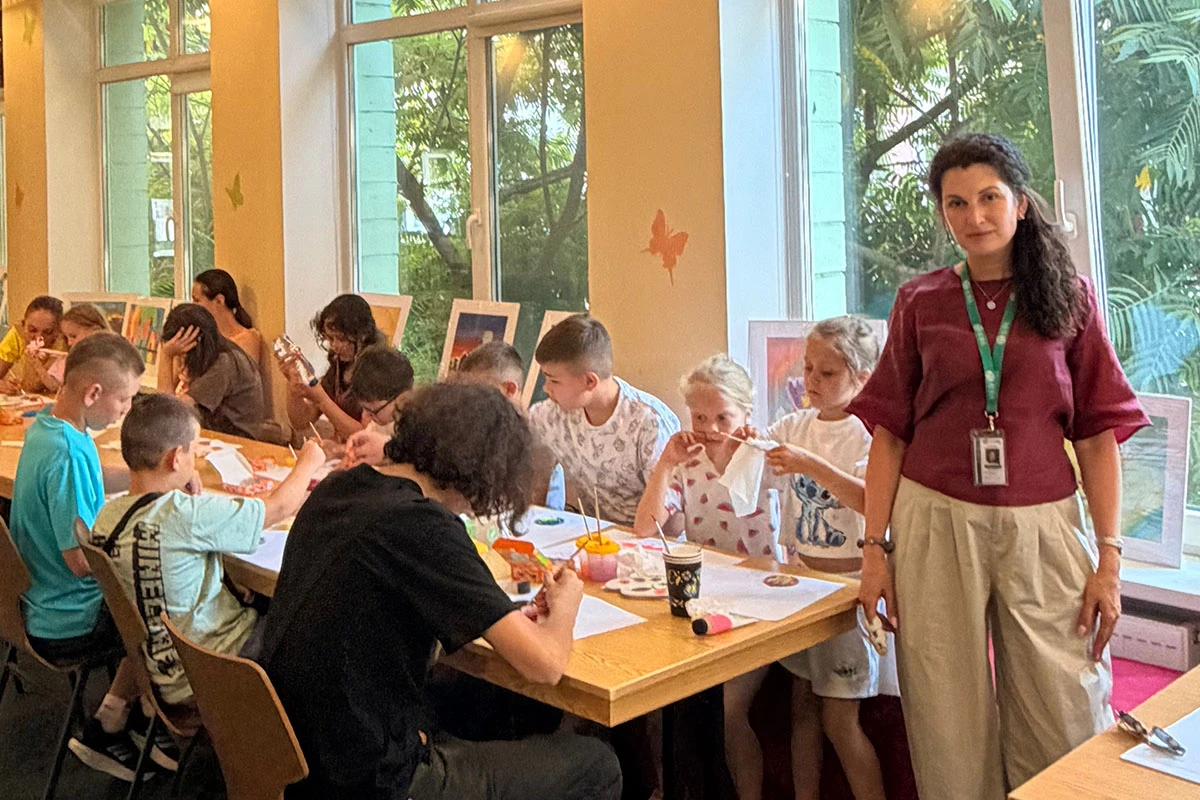
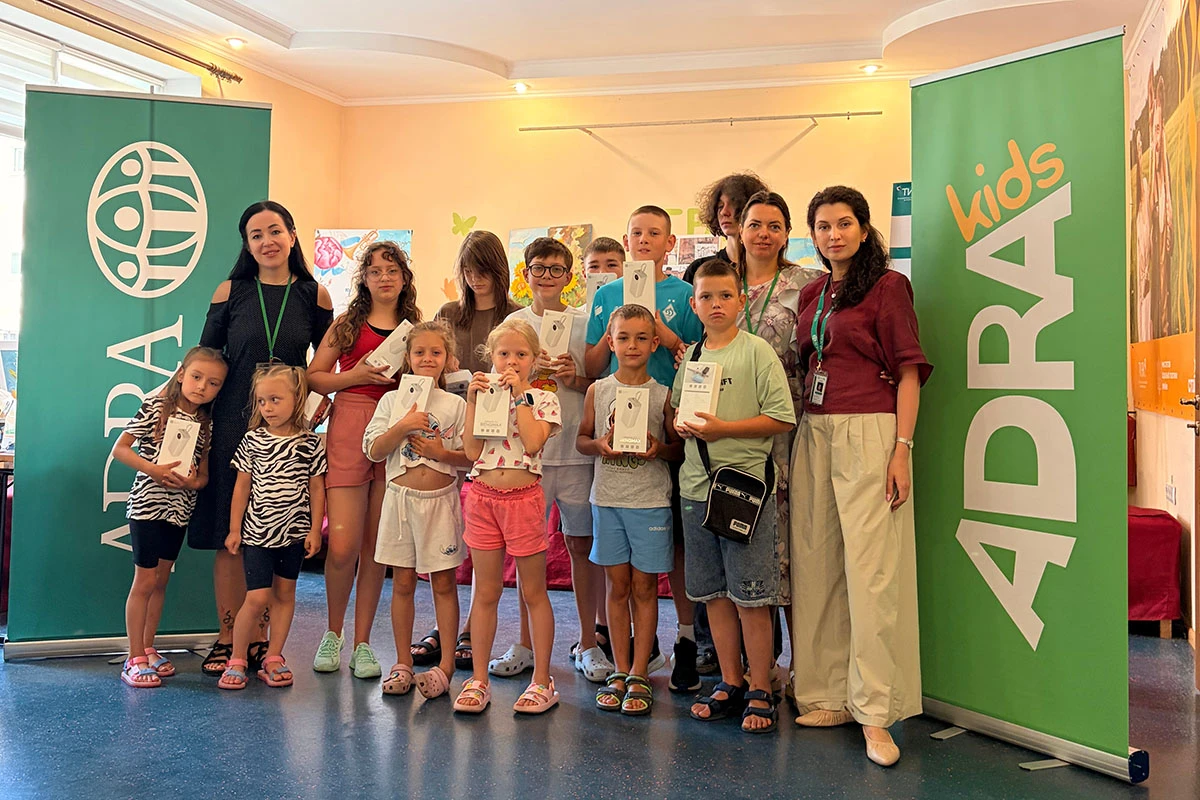
For many children, powerbank is just a useful gadget. But for the participants of the ADRA Kids art therapy event in Hostomel, it has become a symbol of safety and the ability ...
