

«Many simply have nowhere to go»: about people and humanitarian work in the front-line territories
«Many simply have nowhere to go»: about people and humanitarian work in the front-line territories
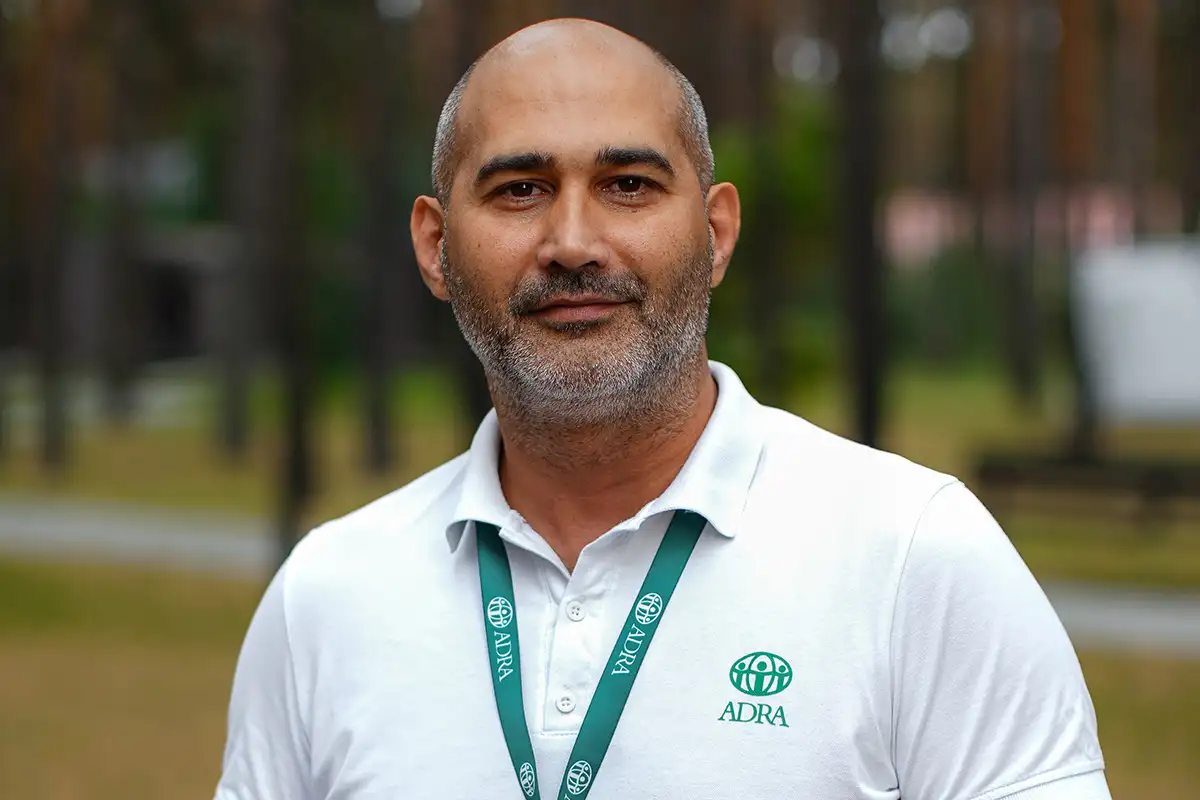
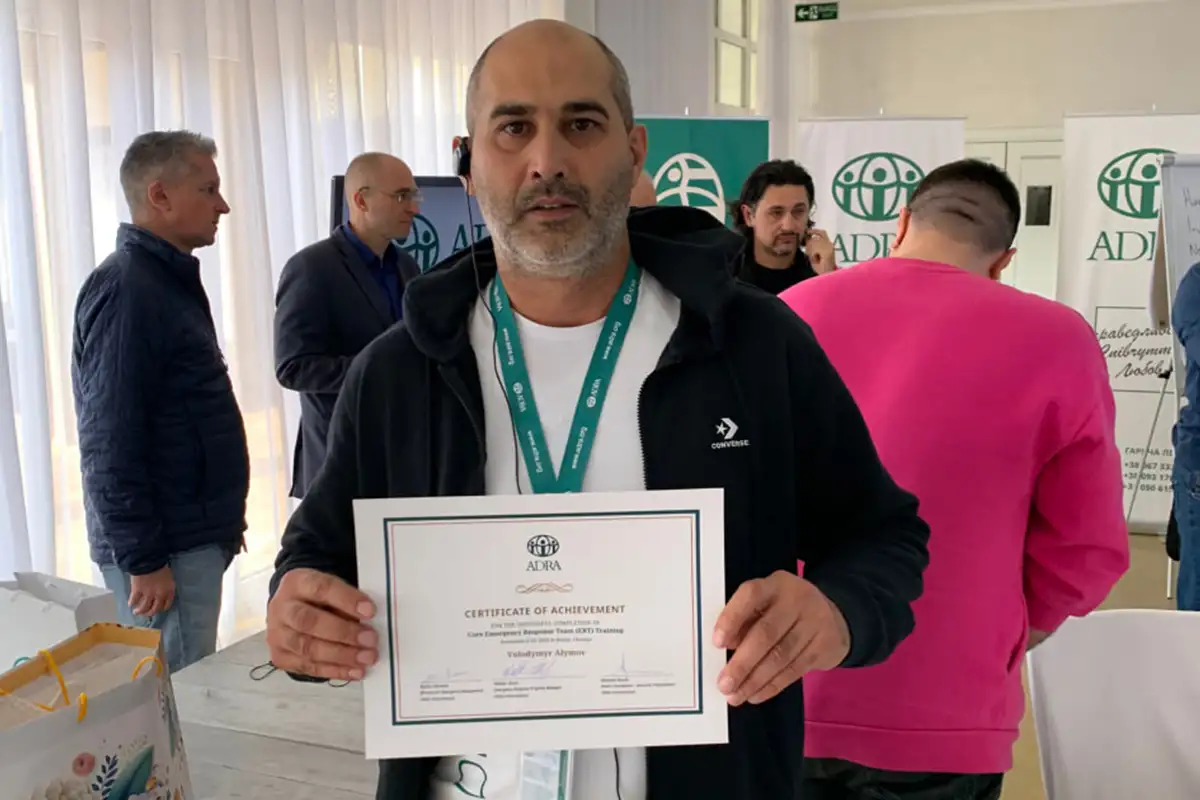
Daily shelling, FPV drones, damaged bridges and roads under anti-drone nets — in such conditions, the ADRA Ukraine team delivers food aid to people who remain in the communities of Donetsk region. Many of them are older people who say they don’t have money, relatives or a place to go. Volodymyr Alymov, coordinator of the food aid project in the Donetsk region, talks about what usually remains behind the scenes of humanitarian work in war conditions: extremely difficult routes, decisions that have to be made during shelling, meetings with people among destroyed villages and his own answer to the question why he continues to return to where it is dangerous.
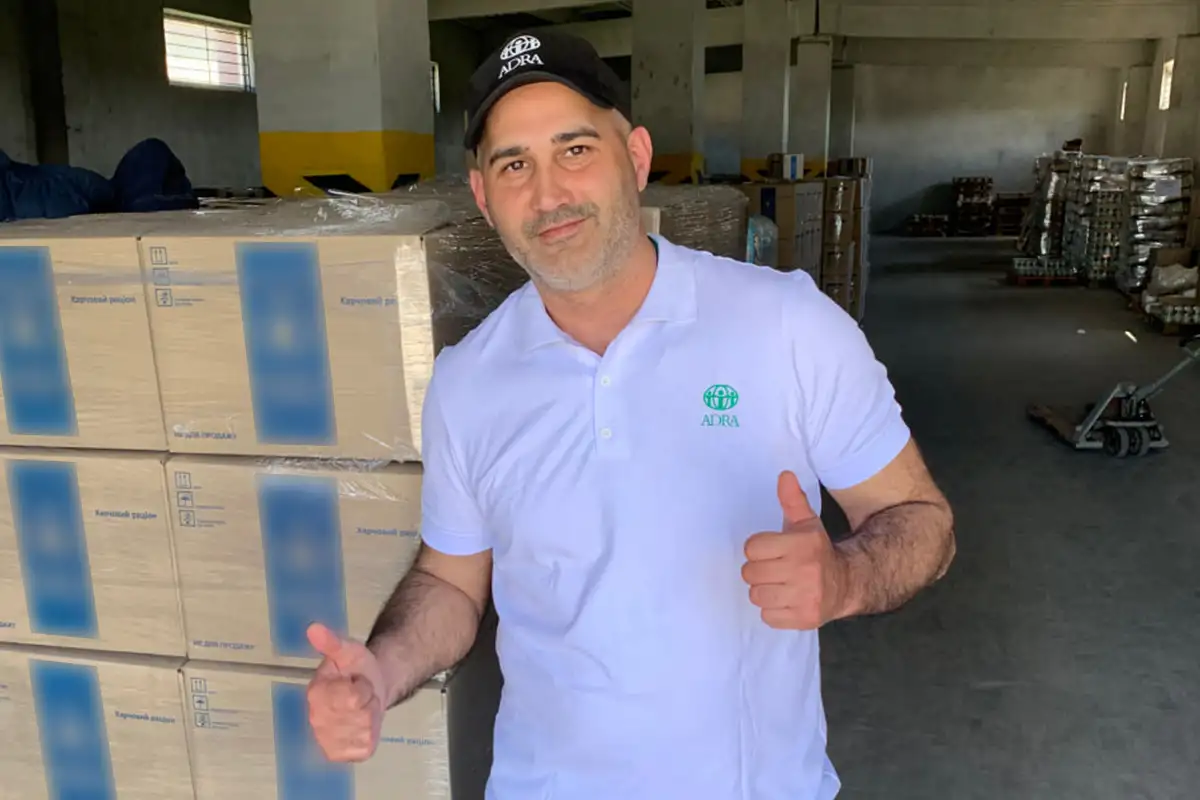
— Volodymyr, tell us a little about yourself: how long have you been working at ADRA Ukraine, what are you responsible for and how did you even come to humanitarian work?
— I am 44 years old. I come from the city of Kryvyi Rih, from a large family, I have four sisters.
Before the full-scale invasion, I lived and worked in Dnipro for nine years. When the war began, my main work stopped. I had a minibus, so literally from the first days I started volunteering. We collected water in bottles, delivered it to humanitarian headquarters, and distributed water and food to people.
So I volunteered for about three months. And then a friend who already worked at ADRA in the evacuation project called me.
He asked how I was doing. I said that I am currently volunteering. Then he said that a food aid project was planned and gave me contacts. I got in touch, I think I talked to the project manager, and that’s how I started working at ADRA Ukraine.
It was May 2022. At first I worked in the Dnipropetrovsk region. It was divided between two coordinators, and I was responsible for the city of Dnipro and the nearest cities — Pavlohrad, Novomoskovsk, Kamianske, Nikopol, Prydniprovsk.
Of course, it was difficult at first: large volumes of work, a lot of reporting, a lot of new and incomprehensible things. The project was large, many coordinators worked in different areas. But I was quickly brought up to date, everything was explained, and the tasks became clear.
And I probably had a desire to help people since childhood. I remember mom always said, «Don’t pass by if you see that a person needs help». I remembered it. I was always drawn to work, where you can be useful and help people with something.
I worked in the Dnipropetrovsk region until January 2023. Then we were informed that the work of the project in the region is being completed. It was unexpected for me, I was very upset. At that time, we already had a large team, many distribution points.
After one of our daily online meetings, the project manager asked me to stay and said: «We don’t want to say goodbye to you». I was offered to move to the Mykolaiv region from February 1 and become a coordinator there. I agreed.
So, on February 1, 2023, I came to a completely unfamiliar region, I had never been to Mykolaiv region before. And again it was necessary to adapt. I didn’t know the territory, I didn’t have my team there. But two people from my team in the Dnipropetrovsk region agreed to go with me.
Mykolaiv then had big problems with water — I remember that it was only imported. There were problems with electricity, it was cold. I rented an apartment and started assembling a team: I looked for people through acquaintances, called, and asked other organizations.
At the same time, I traveled around the region, got to know the local authorities, communities, and found out his needs. The amount of work was large, and among the communities with which we started working there were also those that only recently returned to the control of Ukraine.
One of these trips I particularly remember.
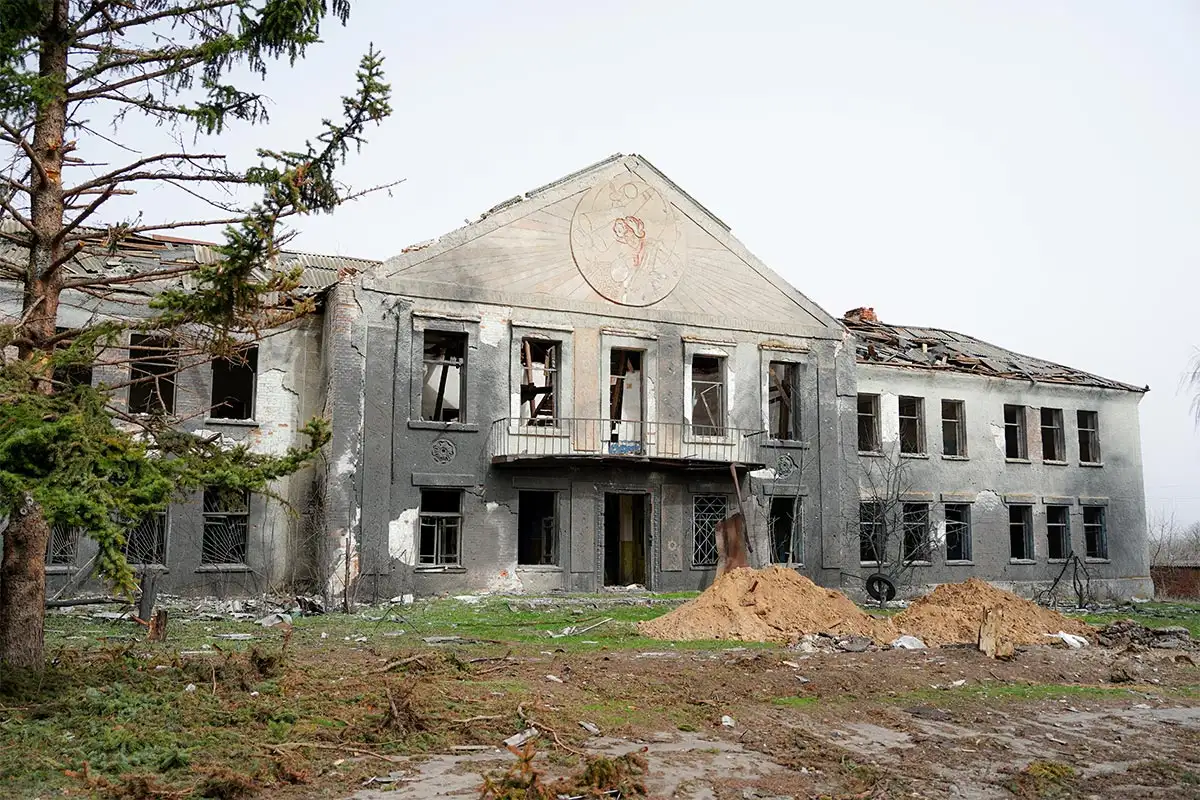
I was going to the Shevchenkove community. We had to get to the villages, talk to the headman, find out how many people were left there and what help they needed. Many houses in the community had been destroyed by then. The roads were terrible, and there were a lot of burned vehicles around.
I drive and look carefully at the road. I think that’s what saved me then.
I noticed mines ahead.
There were seven of them.
It was a road between the fields. No inscription «Danger» was there. Large mines lay in the fields to the left and right, some were clearly visible. And those who were directly on the road looked as if they were covered and trampled.
I stopped in time. I was wearing a bulletproof vest. I carefully went out, looked around and realized that it was impossible to go any further. I immediately called the office and told them about the situation. The information was handed over to the State Emergency Service of Ukraine.
It was a very dangerous situation indeed.
— And you had to go back that day?
— I came back but then found another way. And yet I reached Liubomyrivka and Novohrigorivka.
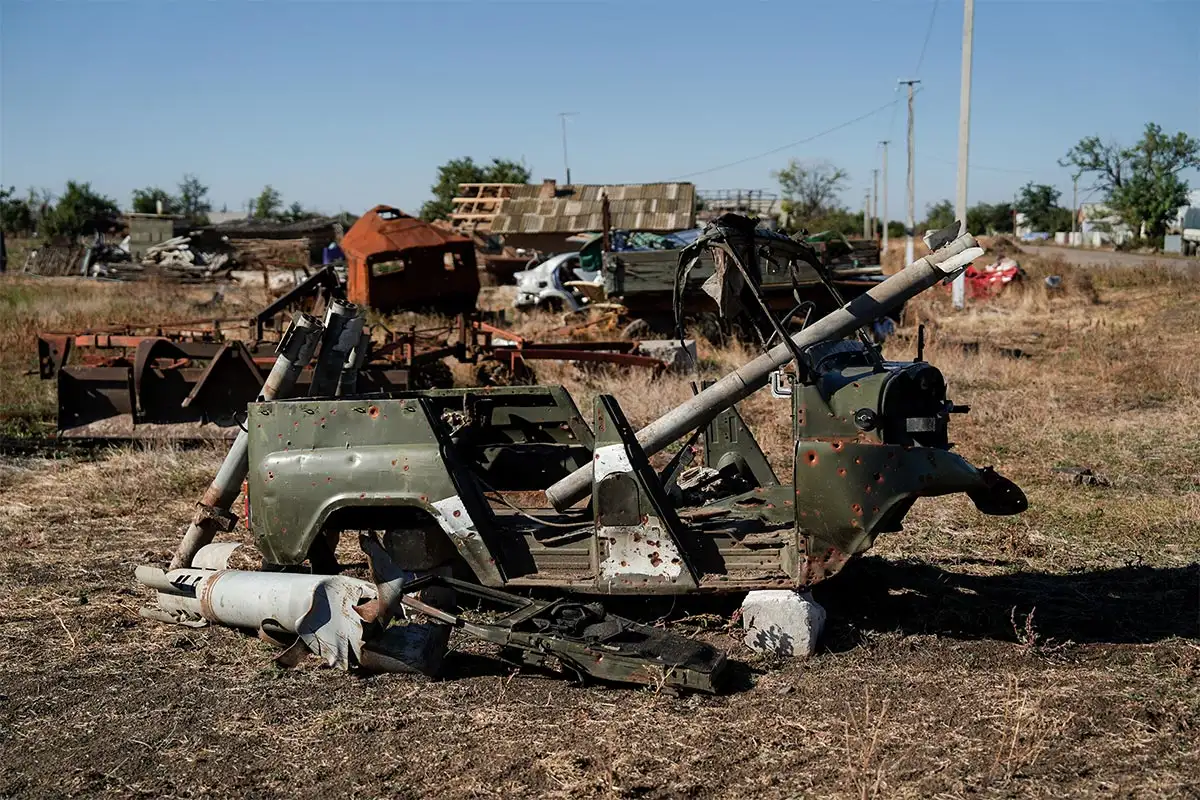
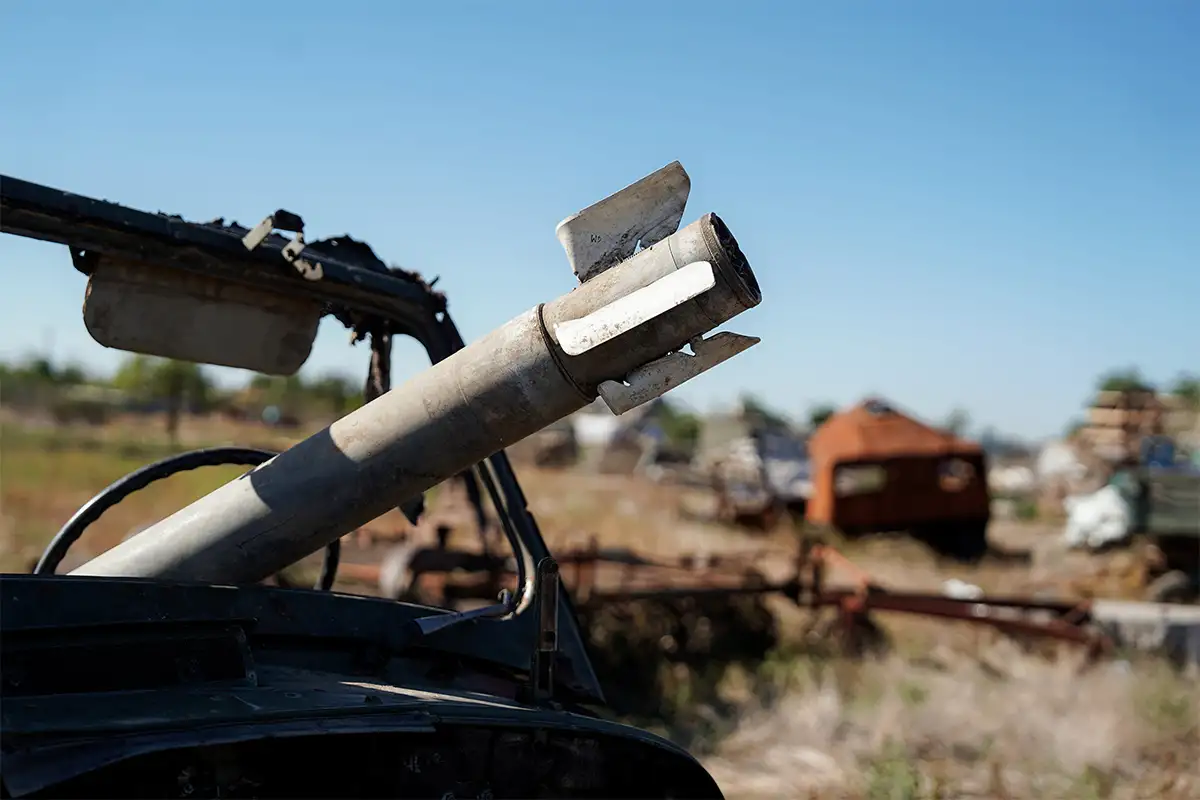
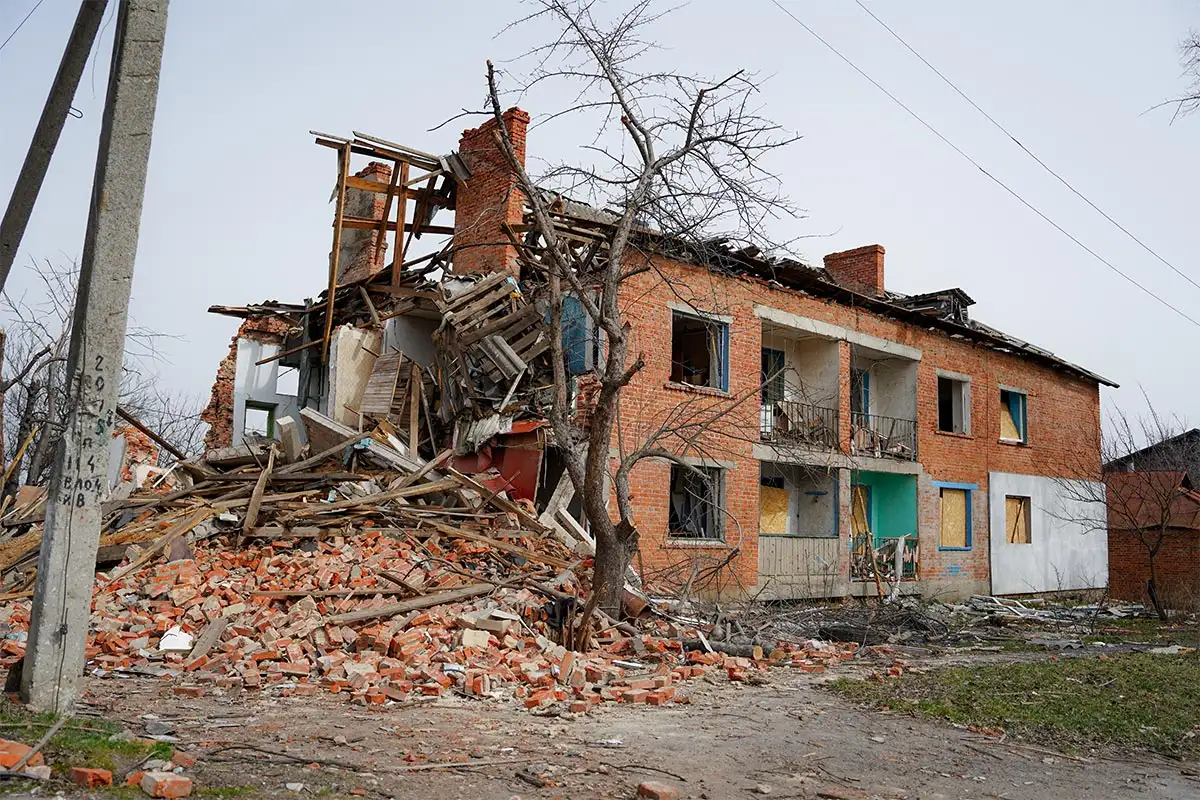
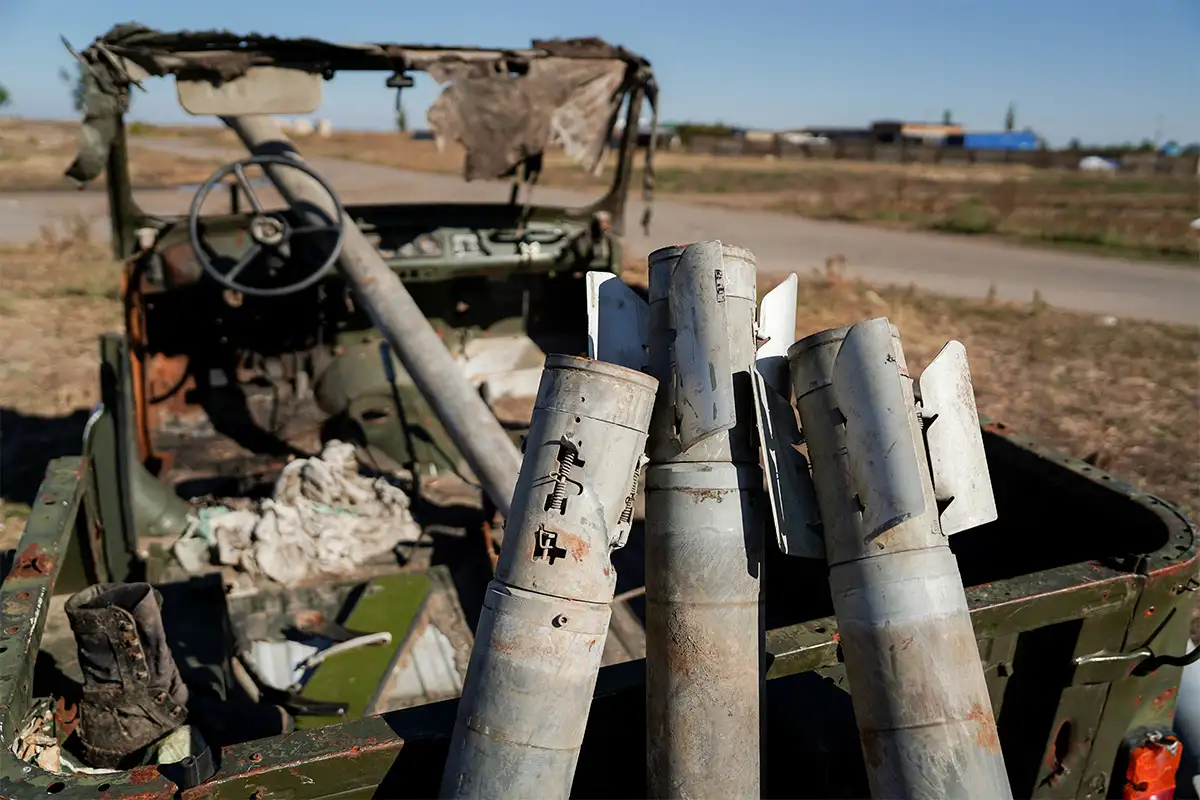
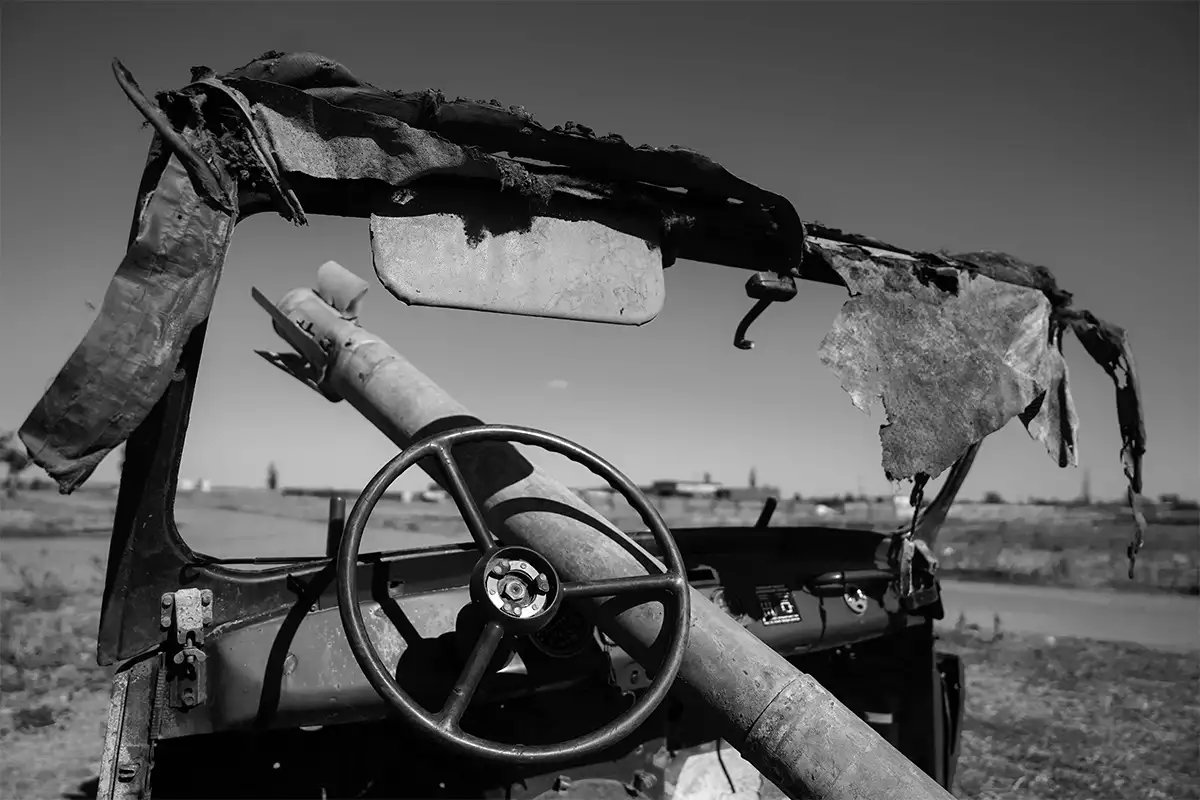
What I saw there was scary. Lots of burned vehicles — tanks, armored vehicles. Civilian cars shot. Missile casings were lying. In some villages, up to 90% of houses were destroyed.
I talked to people, and figured out how many were left there. We have agreed on the supply of food kits.
People were desperate. I saw sadness, I saw tears. But at the same time, I was very impressed by another — sense of unity. Despite the fact that they survived so much that their houses were destroyed, people did not give up.
When we arrived with food kits, they themselves offered us help. Asked: «How can we be useful?» They brought tables and chairs. They said: «If necessary, we can help unload boxes with food». Although we had our own loaders.
And I also remember people coming to our distribution points, meeting each other, hugging, talking. It was felt that for them it was not only an opportunity to get food. It was also a meeting with each other.
— And where was it to buy products? Shops worked?
— No. There were no shops in those villages when I first arrived.
I remember a woman came up to me and said, «Thank you so much. I live thanks to your food kits because I have no other help and no relatives».
Other people cried and said: «We were born here, we grew up here, we gave birth to our children here. And now direct hit — and there is no house». Modular houses have already been built for some near the destroyed houses.
The situation, of course, was heavy.
And this was not the only dangerous area. We also worked in Ochakiv, the Kutsurub community and many other settlements of the Mykolaiv region.
Gradually, I gathered a good team of specialists. It was important for me that these are also people with a good heart, those for whom it is not just a job, but a vocation.
So I worked in the Mykolaiv region for three years.
— And how did you end up in the Donetsk region?
— I worked in the Mykolaiv region until the end of 2025. In December, I was informed that we have already implemented a large amount of work there and a new direction — Donetsk region has appeared. I was offered to become the project coordinator there also.
From January 1, 2026, I started working in the Donetsk region. These are Sloviansk, Kramatorsk and the surrounding settlements — Cherkaske, Novodonetske, Oleksandrivka communities, and Sviatohirsk, Druzhkivka cities.
I had never been to the Donetsk region before, I did not know the territory, so, of course, I was worried. In addition, it was necessary to form a new team very quickly.
But the experience I gained in the Mykolaiv region has already helped. And again I was not alone — several people from my previous team went with me. We arrived, got to know the local authorities and started looking for employees. They made announcements, turned to other organizations, looked for people who already had experience in the humanitarian sphere. It was quite quickly possible to form a team of about 40 people. The warehouse was organized in the city of Izium (the Kharkiv region), and a storekeeper was found.
All this was not easy, but we were not confused and were able to organize the work.
I myself now live in the city of Kharkiv, and about four times a week I go to Sloviansk, Kramatorsk and the communities where we work.
The situation there is, of course, completely different. Constant, almost daily shelling of various types of drones and missiles. Explosions are heard every day. Roads are closed in many places with antidrone nets.
I remember January and February especially well when we were just starting. There was severe frost, ice. Due to the weather, the nets over the roads began to sag and fall, so it was very difficult to drive. These were difficult months both because of the security situation and because of the weather.
But, despite all the difficulties, we set up work and delivered aid to people.
— Are there food kits only? Do you also distribute bread?
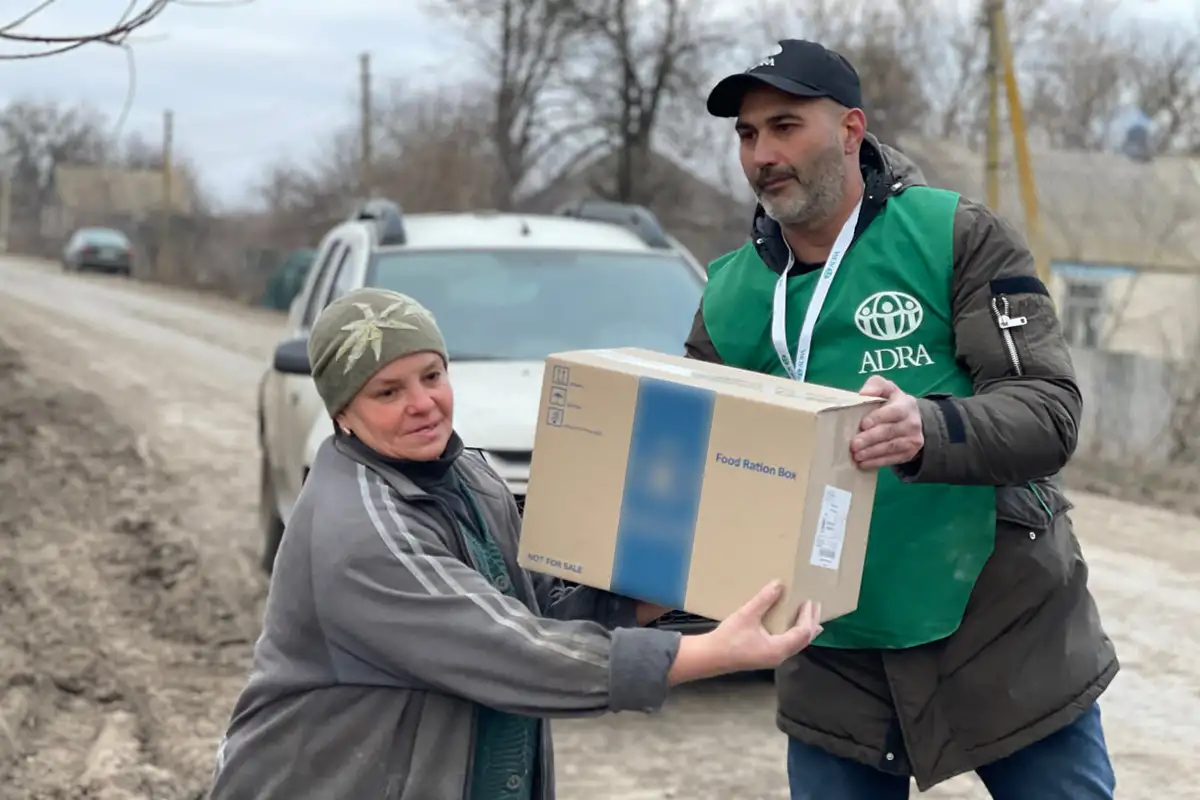
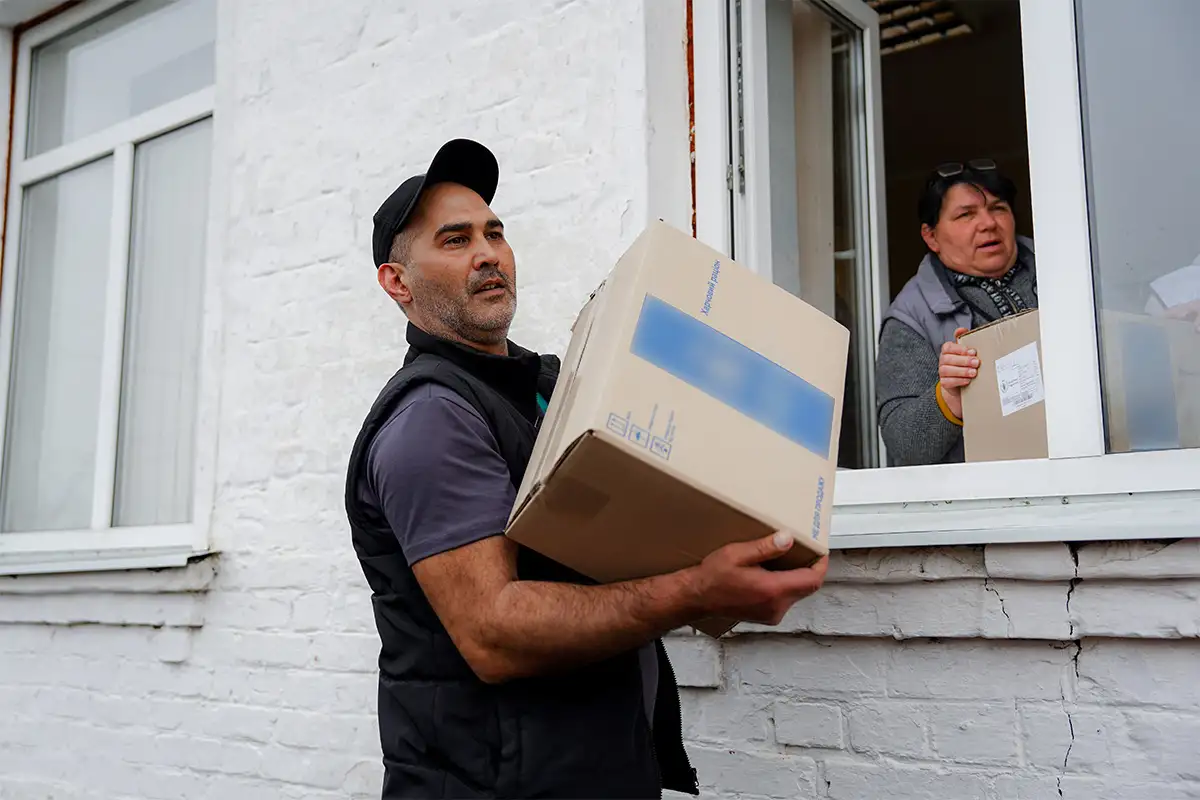
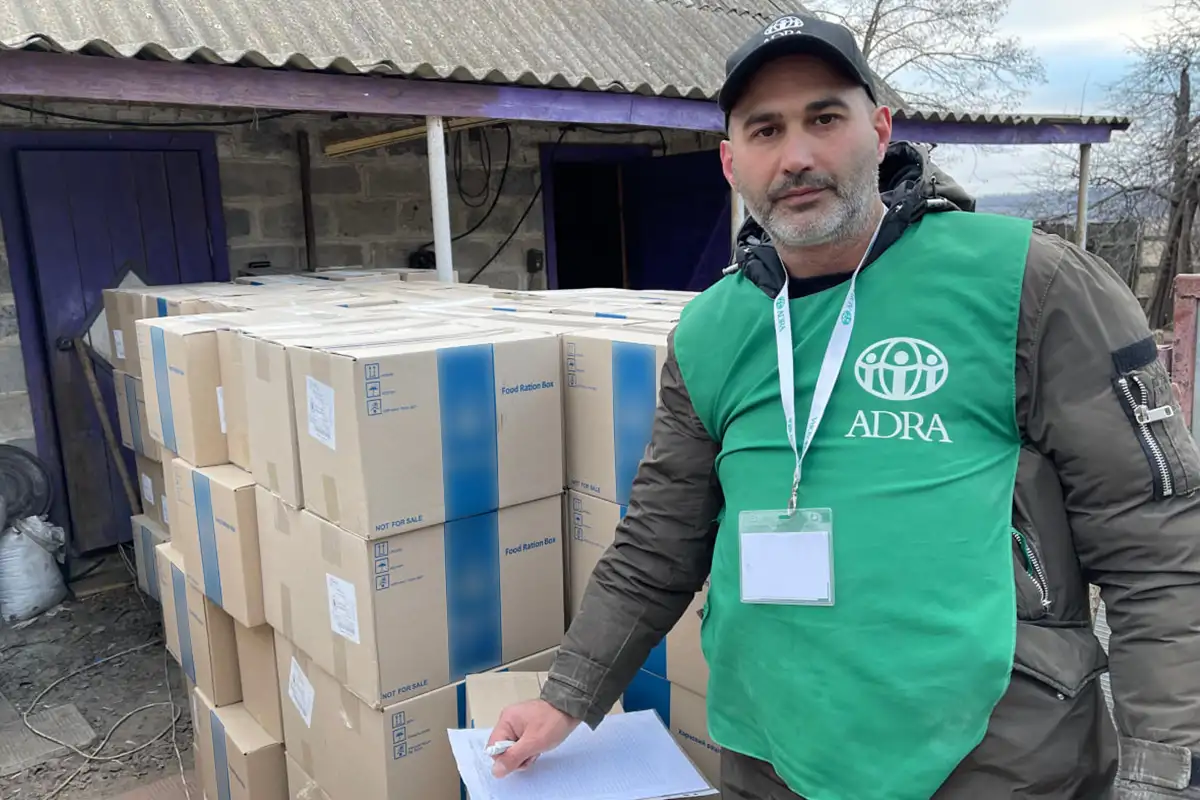
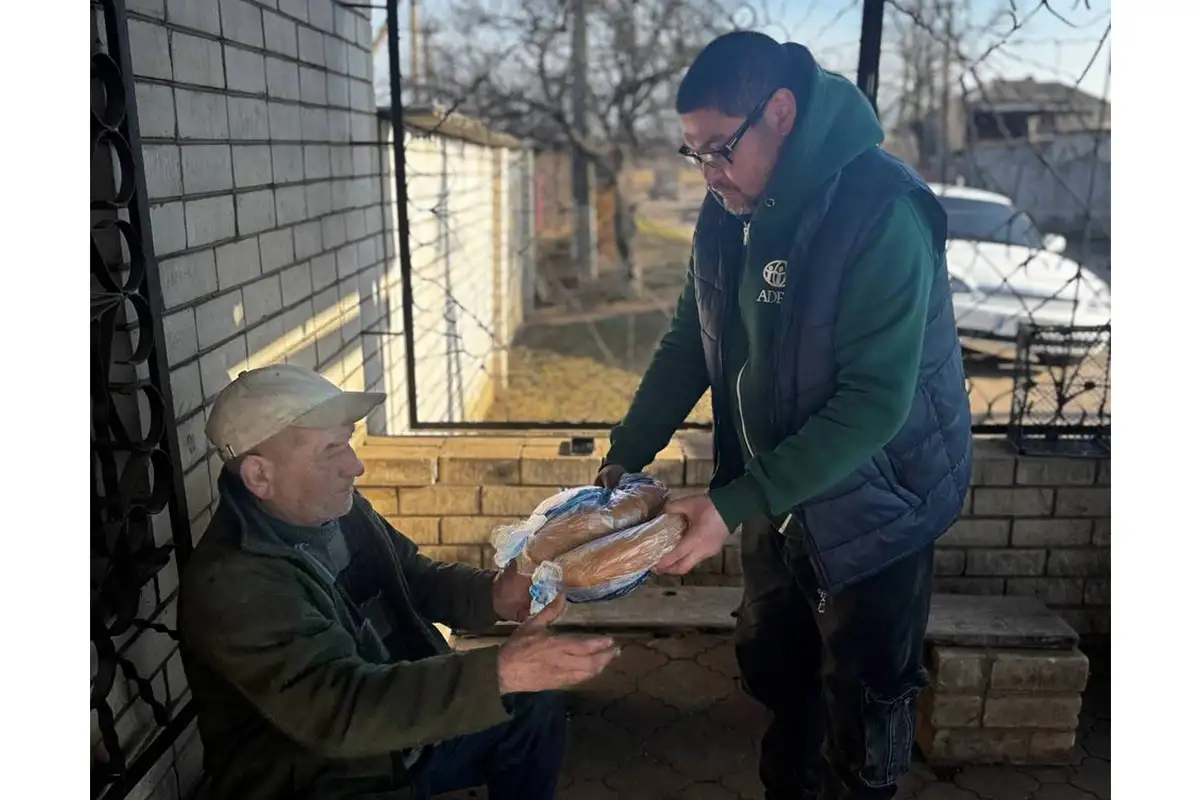
— Yes. We distribute food kits and bread. The weight of the one box can vary — approximately 11–13 kilograms. It includes sunflower oil, flour, pasta, canned meat, beans, sugar, salt, and oatmeal.
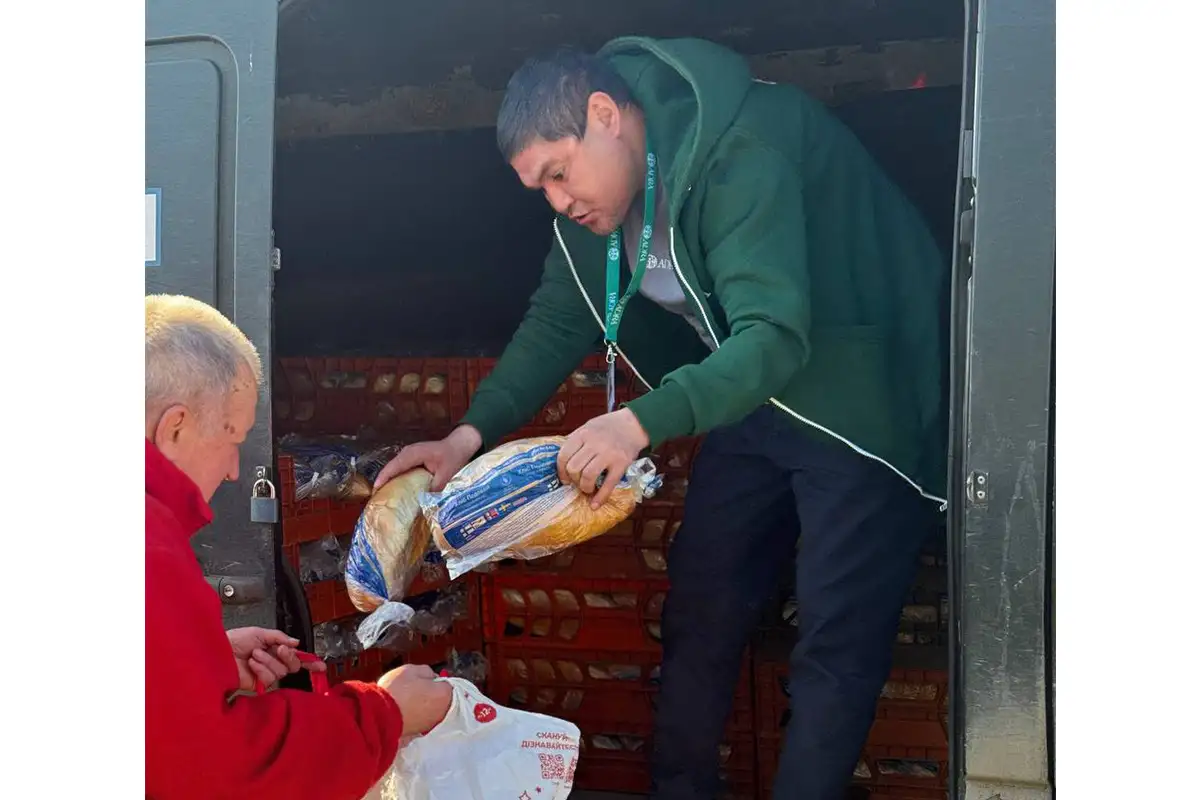
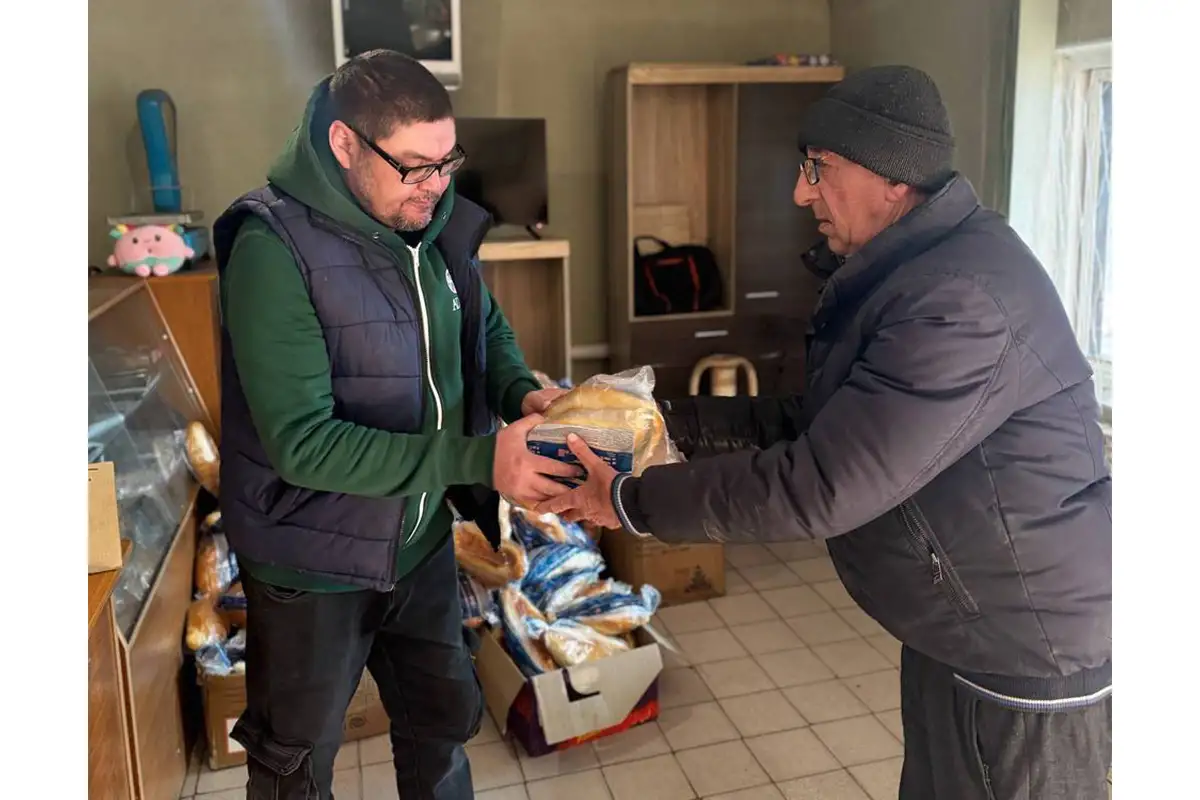
Bread is also baked for people every day. It is delivered to our locations where we distribute.
In the beginning, the volumes of work were very large. If I’m not mistaken, it reached about 30–32 thousand food kits per month in the part of the region where we worked. Then the number started to decrease because people were evacuating.
For example, we have planned about 23,000 kits for the next month. Previously, in some communities there was full coverage, and in others, as in Sloviansk, only certain vulnerable categories received assistance. Now we already have full coverage.
The aid — food kits and bread are distributed continuously. But there are fewer people, because they are evacuating.
We actually work in such a way that every day becomes an extreme test. We have a joint group with employees where we constantly exchange information: where there were explosions, what is happening. After the shelling, we must check whether everyone is alive or whether everyone is fine. We are in touch every day.
— What remains behind the scenes of the usual distribution of products from the preparation of the trip to the moment when the aid reaches people?
— First of all is a constant search for safe routes.
FPV drones fly over the roads. We have a special device that we call «Chuika». It has a small screen, picks up relevant signals and can show that there is an FPV drone nearby. During trips, we constantly monitor the situation.
But behind the scenes there is also a huge amount of preparatory work. At the end of each month, we contact the local authorities, clarify the number of people who remain in the settlements in order to understand how many food kits need to be planned.
There are a lot of locations. We have 24 of them in Sloviansk alone. Strikes sometimes hit near the distribution points, and it happened that the locations themselves, which we periodically used, were also bombed. Then we have to change everything and look for a new safer place.
Every day we make a schedule: which of the employees goes where, at which location they work, when the distribution will take place. People are notified in advance of the date and time through local authorities, local channels and groups.
We always take EcoFlow with us because there are problems with electricity. We take water both for our employees and for people who come to receive aid. We take all the necessary markings so that people can see who came and from whom they receive aid.
And logistics are constantly changing. Roads, bridges… To date, almost all bridges there have already been damaged. Therefore, we have to constantly look for new routes and new opportunities to reach people.
— What does the regularity of food aid mean for the residents themselves? What real meaning does it have for the people who stay there?
— Mostly older people come to us, and this help is very important for them. We constantly communicate with them.
Shops are closing. No work. People often just don’t have the money to buy groceries and live on.
The food kit is formed in such a way as to provide one person with basic products per month according to its calorie content. People thank us every time. Sometimes, they say with tears: «Thank you very much. We don’t know what to do if it weren’t for you…»
Mostly these are elderly people.
— Can you remember a specific person, family or situation during one of these trips that you especially remember?
— The most mentioned of the latter is what happened to our employee Denys Sukov, a registrar living in the Donetsk region. The incident itself did not happen during work.
As I said, we have a joint group. After another shelling, we asked if everyone was alive. Denys replied that he had shell hit to the neighbors.
He saw that the neighbors had a burning roof, and together with other people he went to help. And then a second drone flew to the same place. Five people died, and Denys was seriously wounded, he was badly cut by debris. He was admitted to the intensive care unit, his heart stopped, his kidneys failed, and he had problems with other organs.
Now he is still in hospital, has undergone several operations, doctors are fighting to save his leg.
I remembered another story from the Mykolaiv region. An elderly woman lived in one of the villages, who came to us every time and thanked us. She was left alone, her house was destroyed. But it was clear that she did not give up.
She said: «Thank you for not forgetting us. You come, risk your life and help us».
Such situations remain in memory.
We also always tried to deliver food kits to those who could not physically come to our distribution points. Through the local authorities, we found out how many such people there were, in particular people with disabilities, and brought help directly home.
— Do you have to make difficult decisions because of danger? How does the team act when the situation suddenly changes?
— Such decisions have to be made almost every day.
For example, the distribution continues and a massive shelling begins or the threat of FPV drones appears. Then you need to react very quickly. We undergo appropriate trainings, so we know the algorithm of actions: we immediately stop the distribution and transfer people to shelters.
We constantly monitor local groups, maintain contact with the military administration. If we receive information about the danger, we cancel or postpone the distribution and inform people about it. If the situation stabilizes and it is possible to safely continue, we return to work.
Likewise, I keep following the routes. It happens that we use the same road for a certain time, and then the situation there worsens and I understand: it is already dangerous to continue driving this road. Then we look for another route.
— You consciously continue to work where it is dangerous. Why is it important for you personally to stay in this job? What helps not to lose strength and why do you return to these communities again?
— I have always wanted to do work where I can be useful to people. But I had no idea what it would be like during the war. And I thank the ADRA Ukraine organization and the entire project team for the experience I gained. Doing something that benefits others. And now, in this difficult time, it is important for me not to sit aside, but to do everything in my power.
Don’t pass by. Do not close your eyes.
I go there, communicate with people. I see this smoke, I smell the war, I see broken houses, I see people hiding in basements.
And I see that many simply have nowhere to go. Especially for the elderly. They say: «We have no money, no relatives. We have nowhere to go».
When you see all this with your own eyes, your hands do not fall. On the contrary, — we want to be useful and help.
PS. The city of Sloviansk in Donetsk region has been officially recognized as a zone of active hostilities since August 21, 2026.
Tags
Share this publication
Our social networks
Categories
Last news
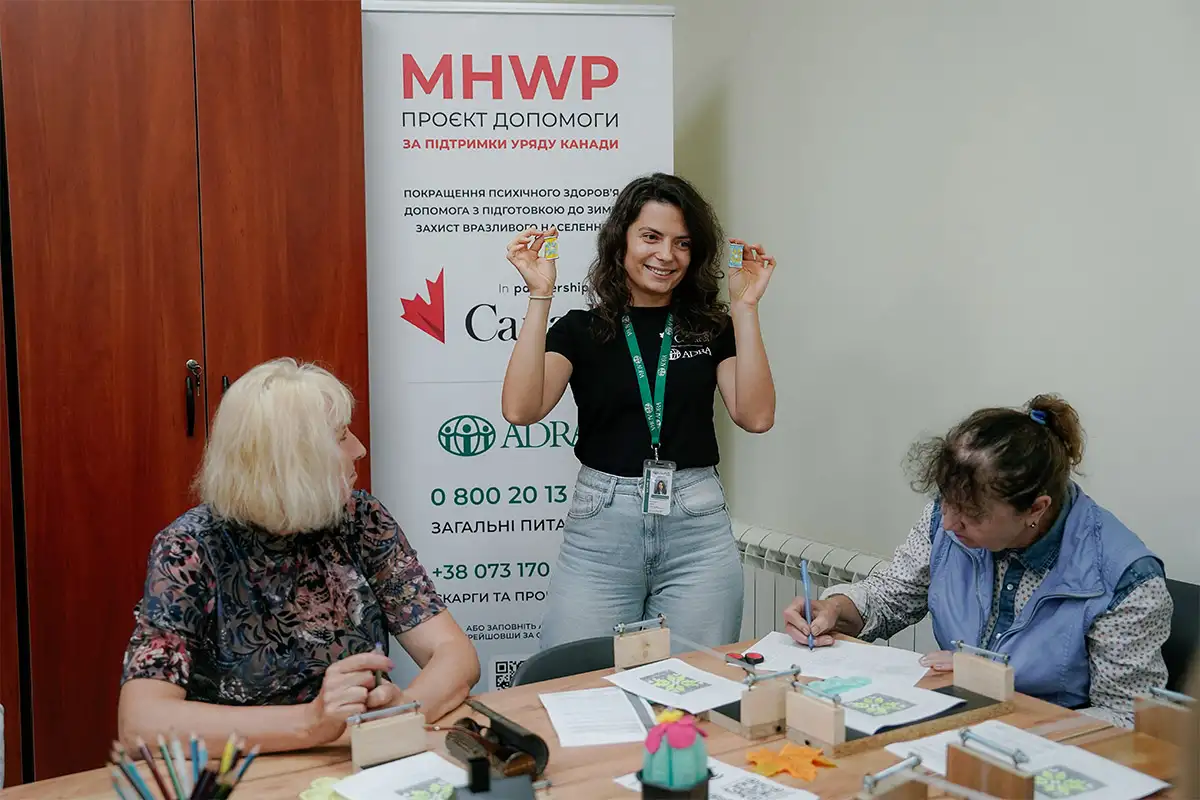
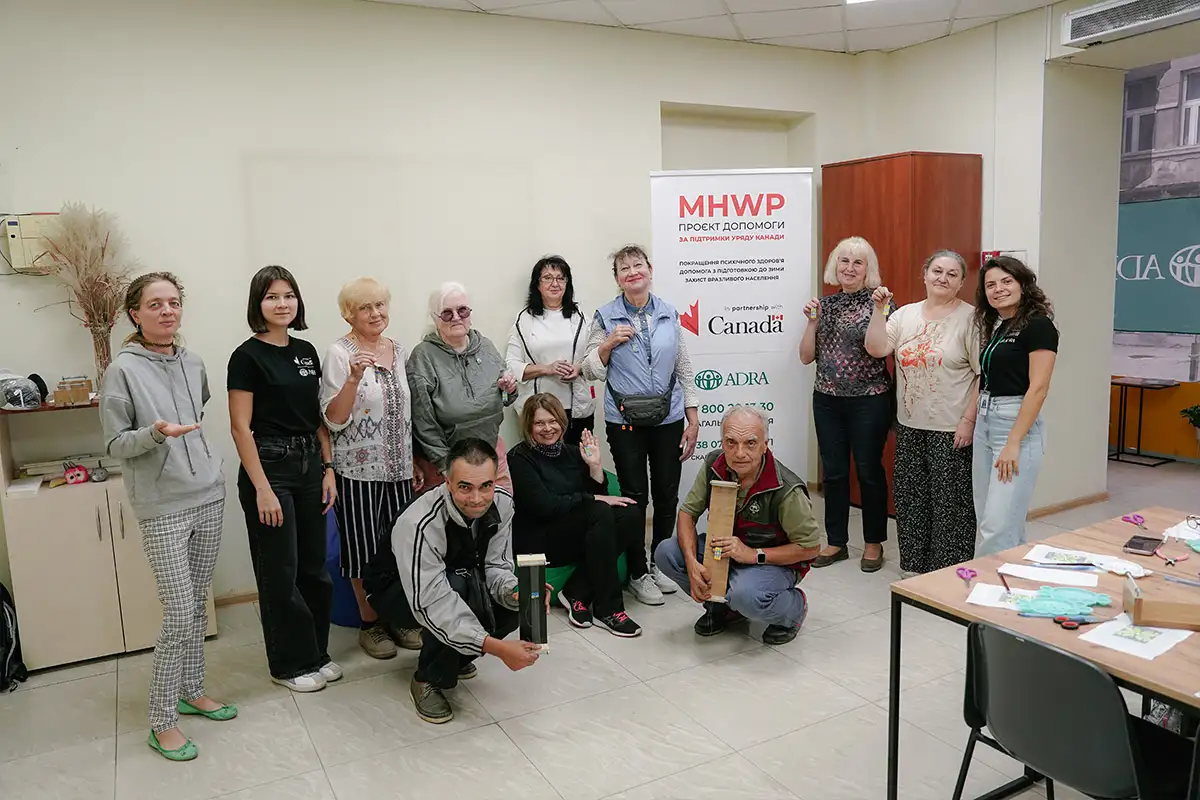
Focusing on small beads, choosing colors and gradually seeing the result of your own work — a creative activity held at the Protection and Support Center of ADRA Ukraine in Kharkiv. It ...
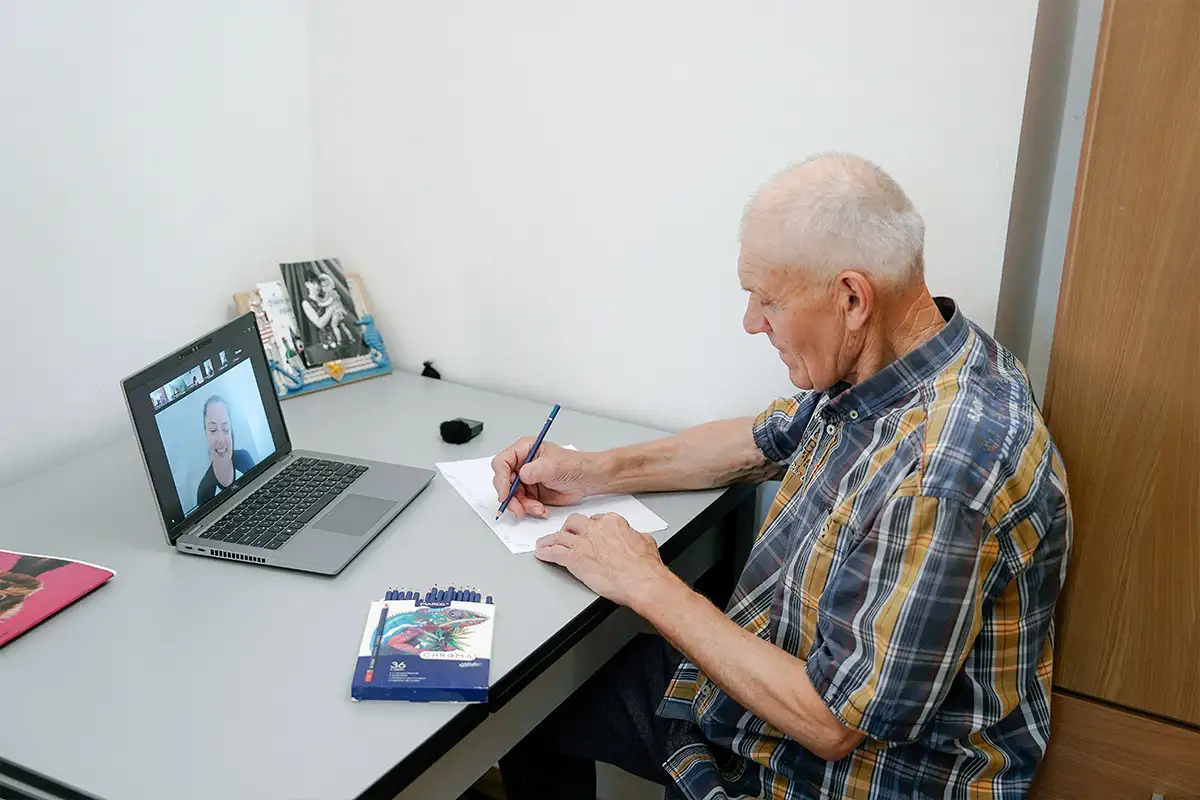
How to notice your own emotional state, cope with internal tension and find available ways of self-support? A series of online group events within the “JPF7” project was devoted to this. During ...
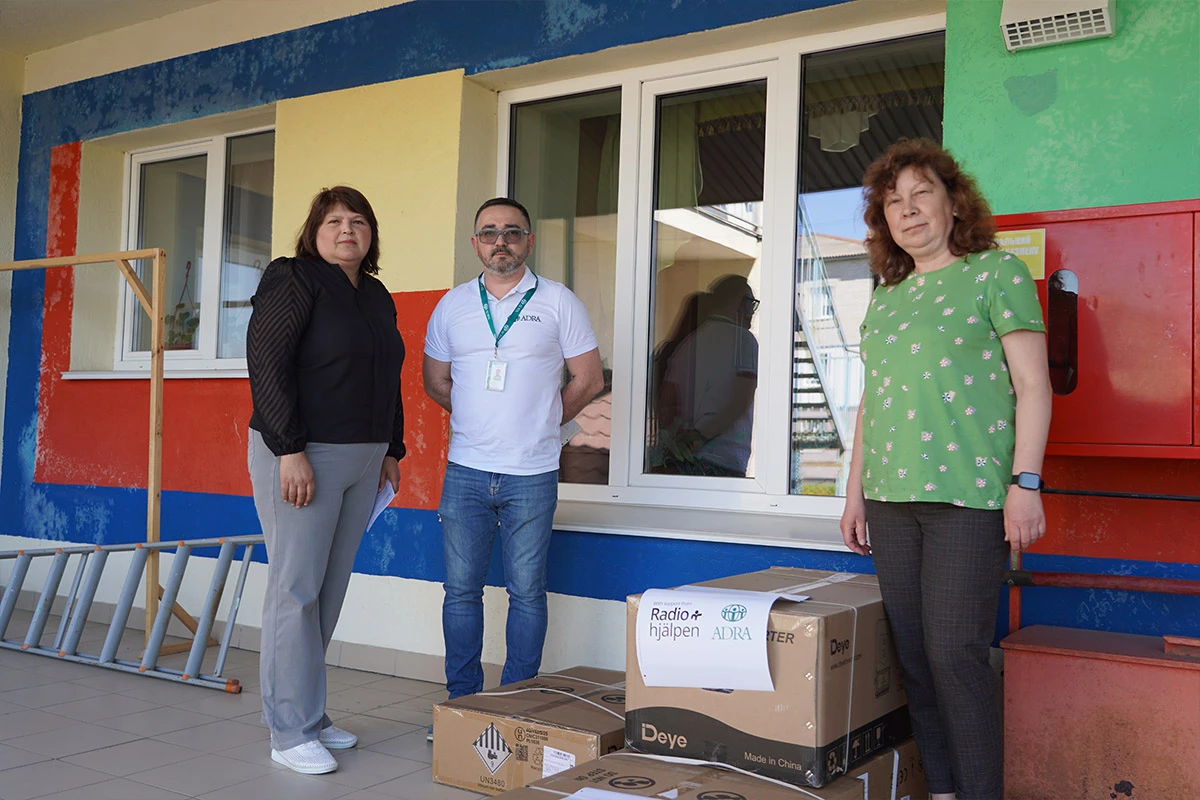
The education of children, the operation of hospitals and the heat supply of communities depend not only on the power grid, but also on the availability of backup power. That is why ...
New children’s and sports spaces, modernization of water supply systems, inclusive solutions, development of an agricultural cooperative and arrangement of shelter for lyceum are exactly such initiatives implemented by the winners of ...
On the night of July 5-6, Kyiv experienced one of the most massive air attacks. As a result of the strike, civilians were killed and injured. Among those affected by this tragedy ...
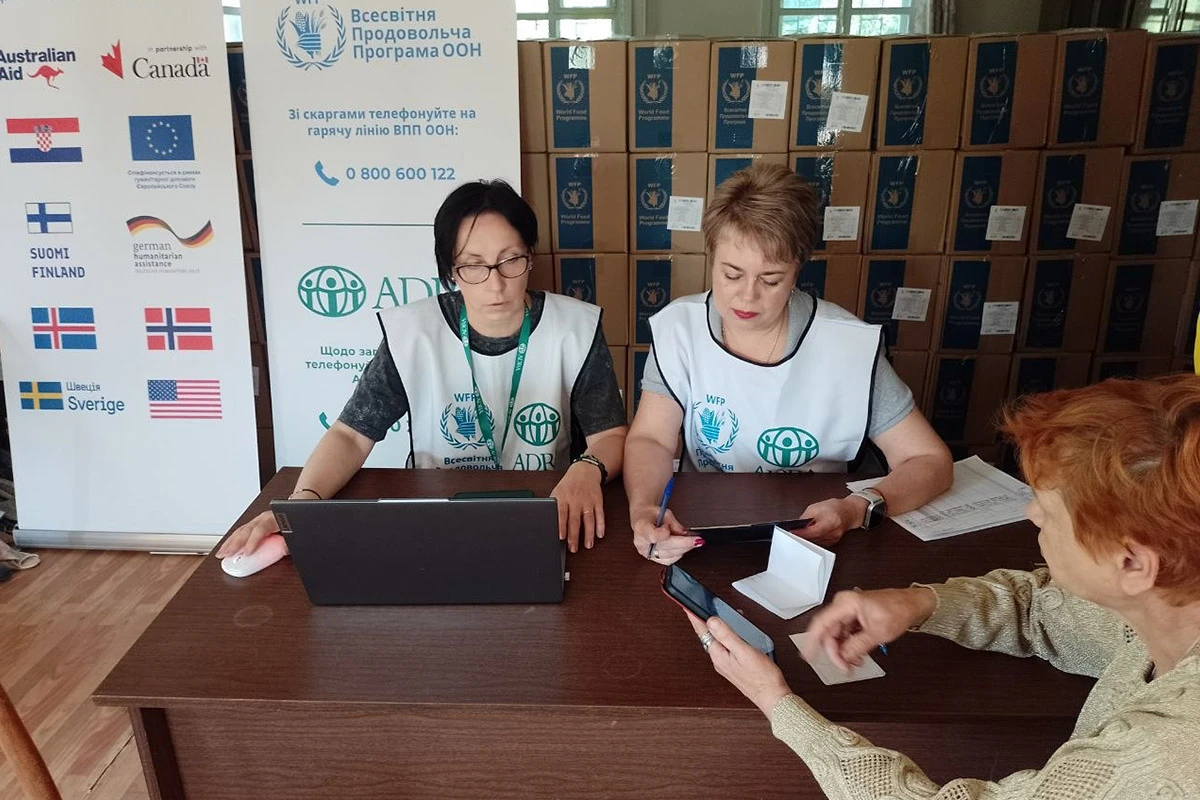
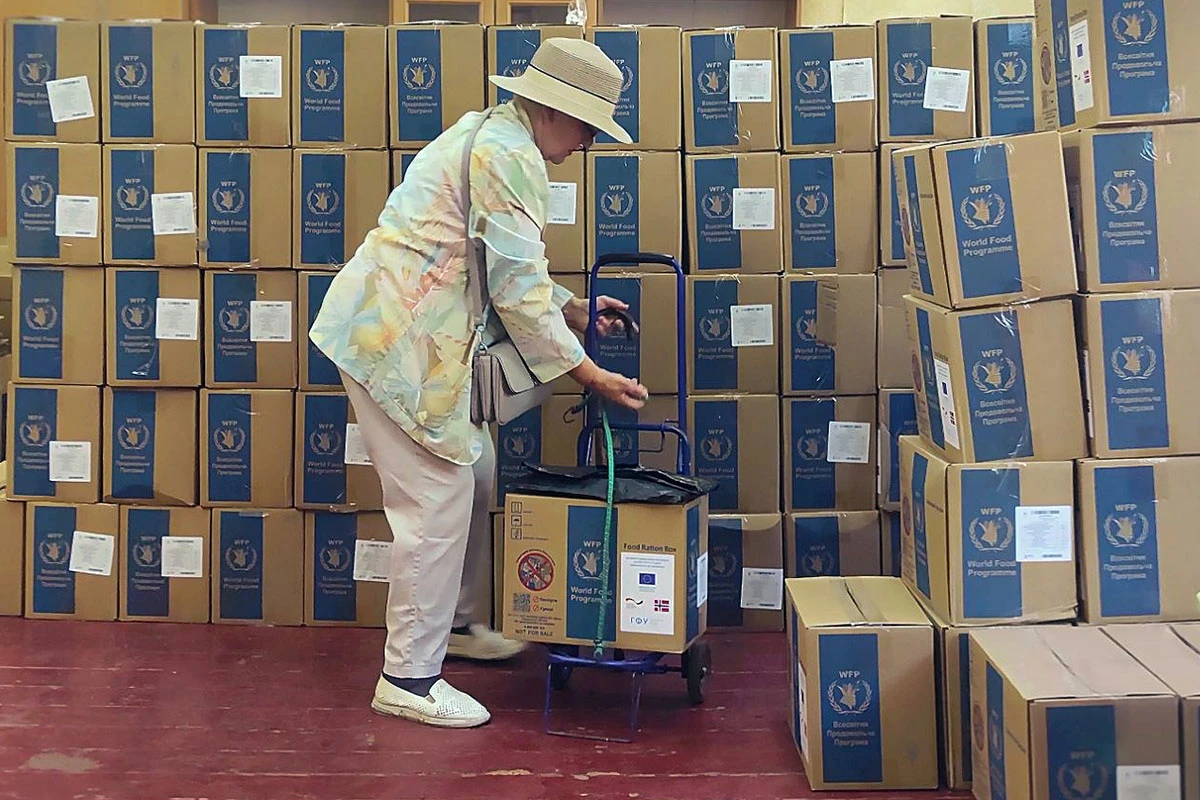
In Sloviansk, Donetsk region, the ADRA Ukraine team distributed 11,350 food kits from the UN World Food Programme from 8 to 23 June, with the support of ADRA Switzerland. Assistance was distributed ...
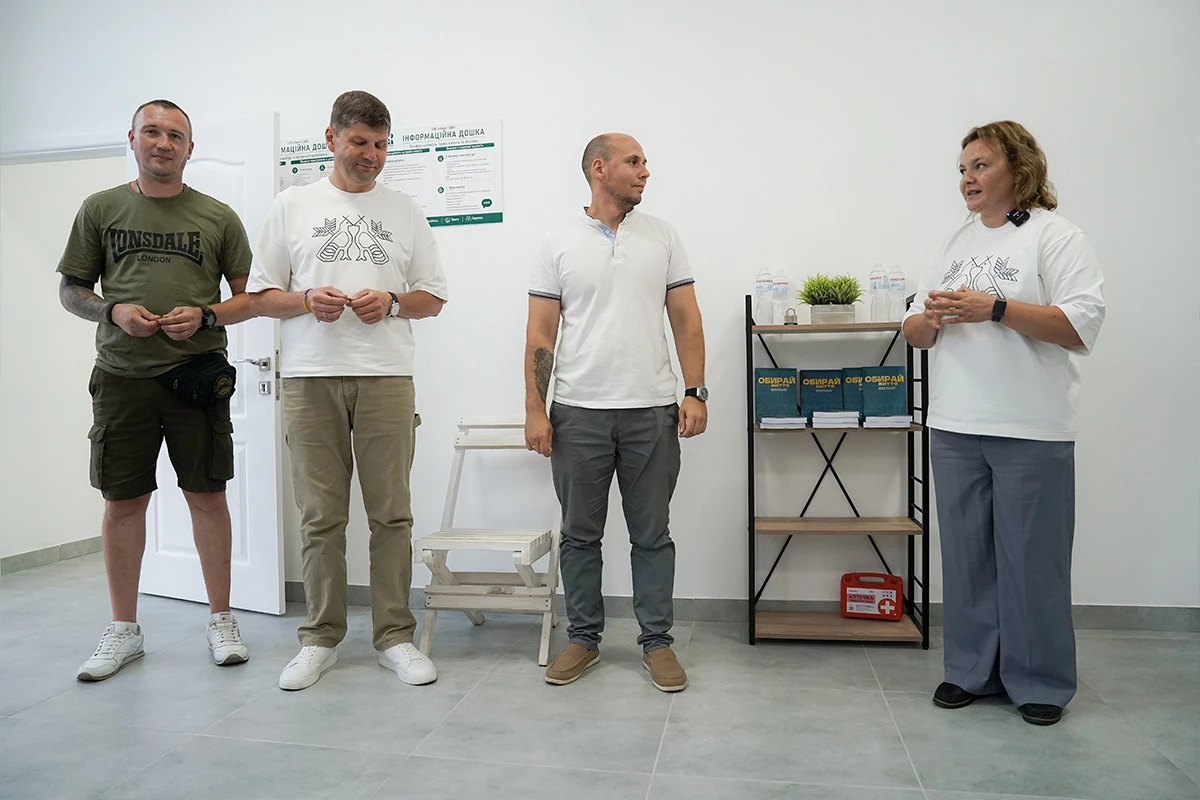
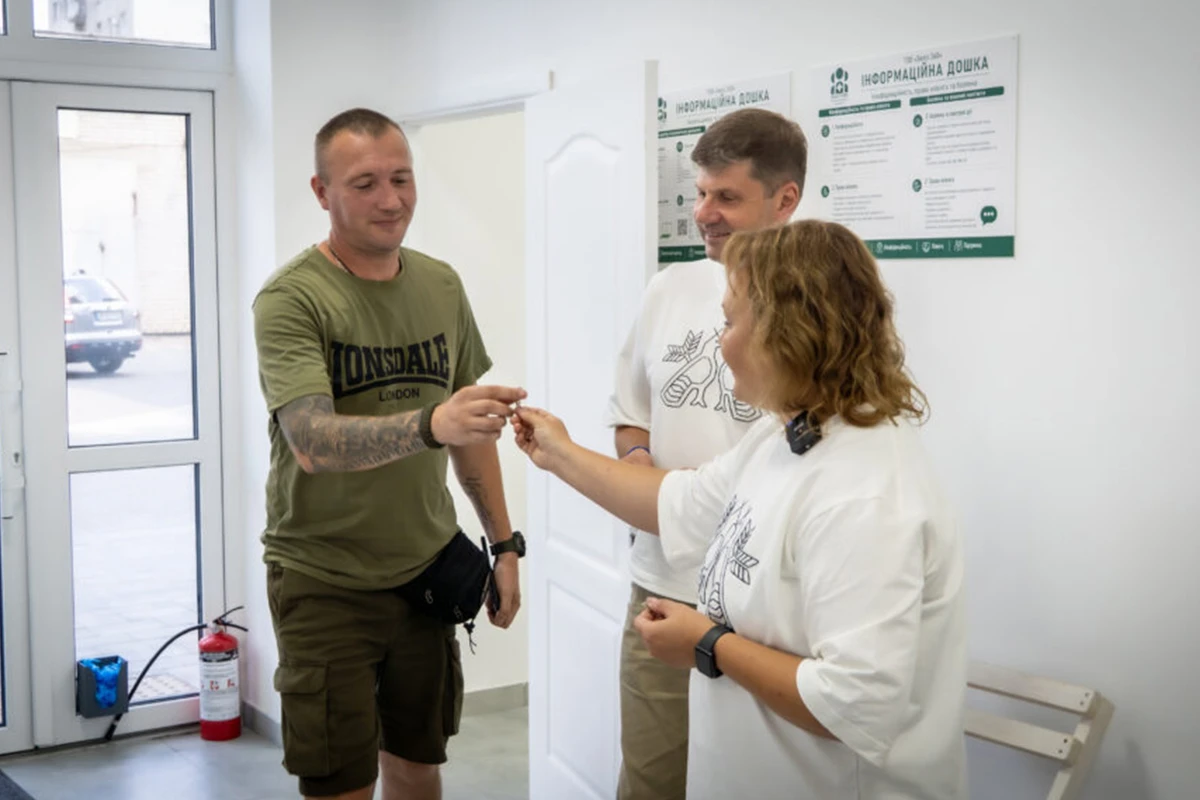
Returning to a peaceful life after a war — is not just a matter of physical recovery. Often, ex-combatants and their families need psychological support, legal advice, or the help of a ...
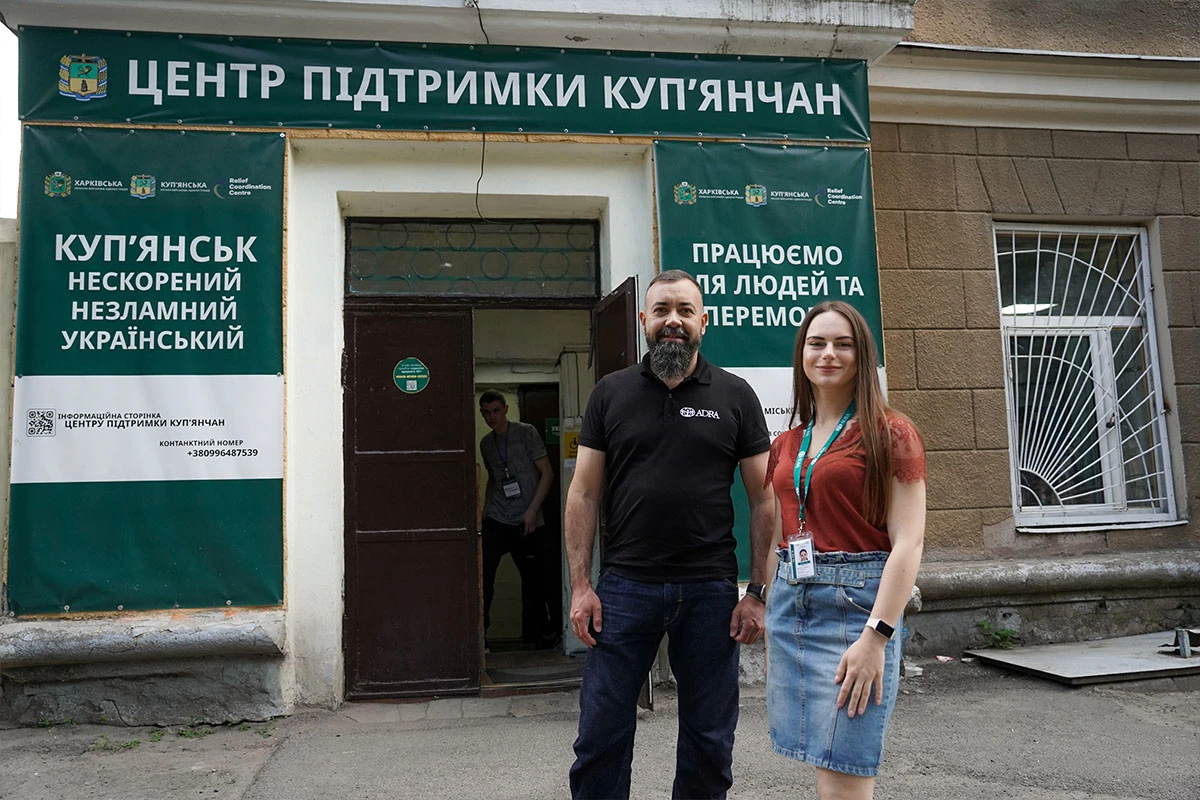
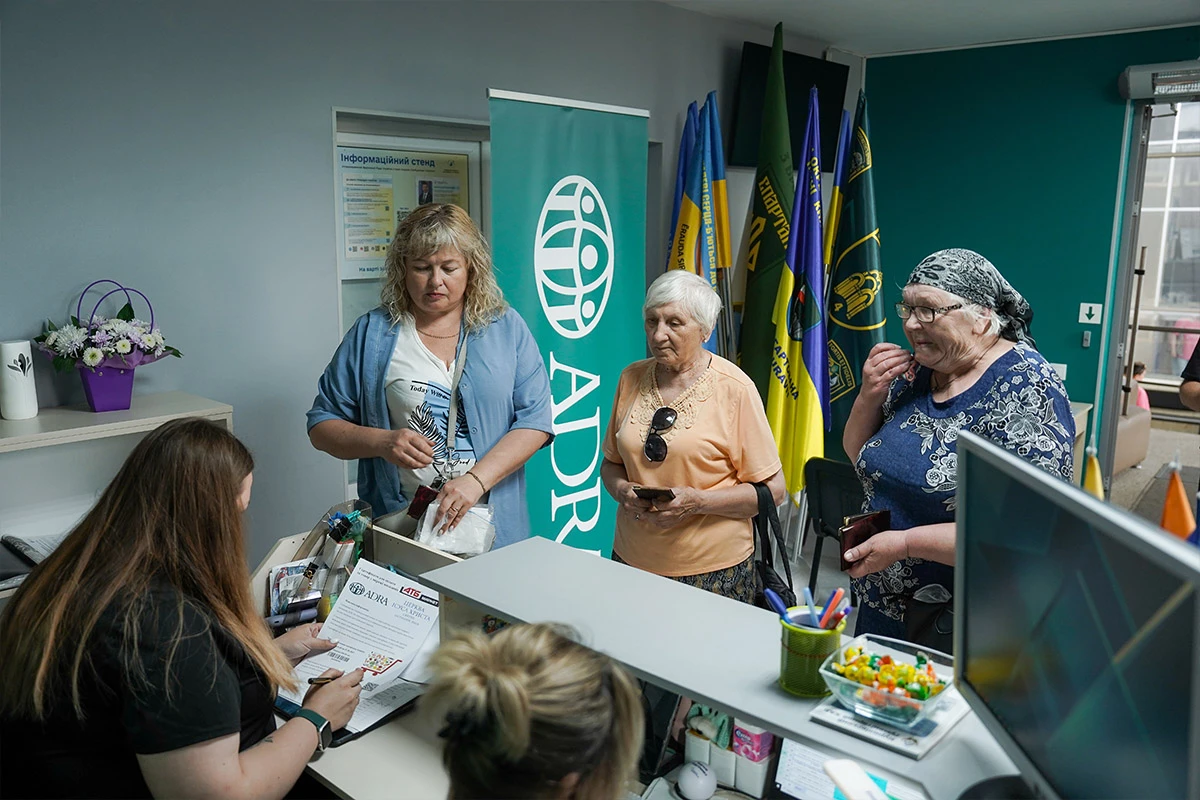
The project was completed, within the framework of which the charitable organization ADRA Ukraine provided assistance in the form of vouchers for ATB stores with a denomination of 500 hryvnias. The donor ...
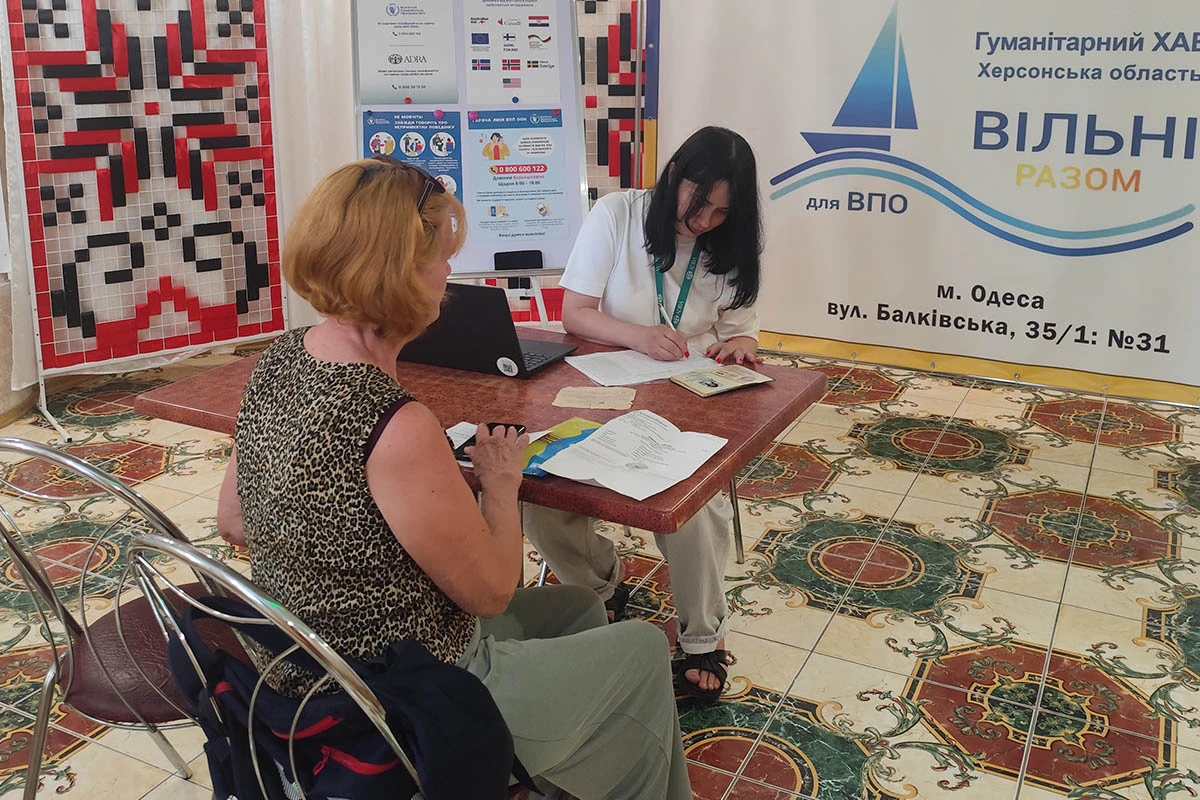
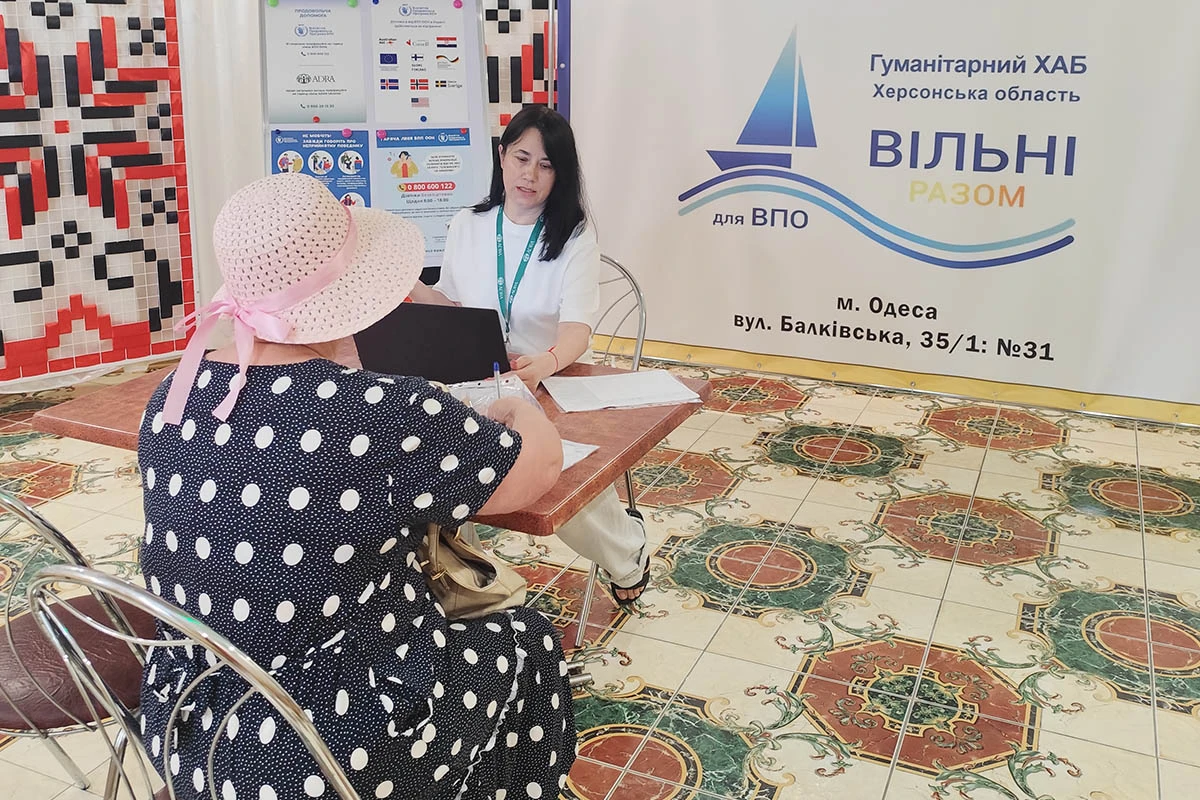
ADRA Ukraine specialists in Odesa registered residents of the Kherson region who were evacuated within the last 45 days to receive financial assistance from the UN World Food Programme. Registration took place ...
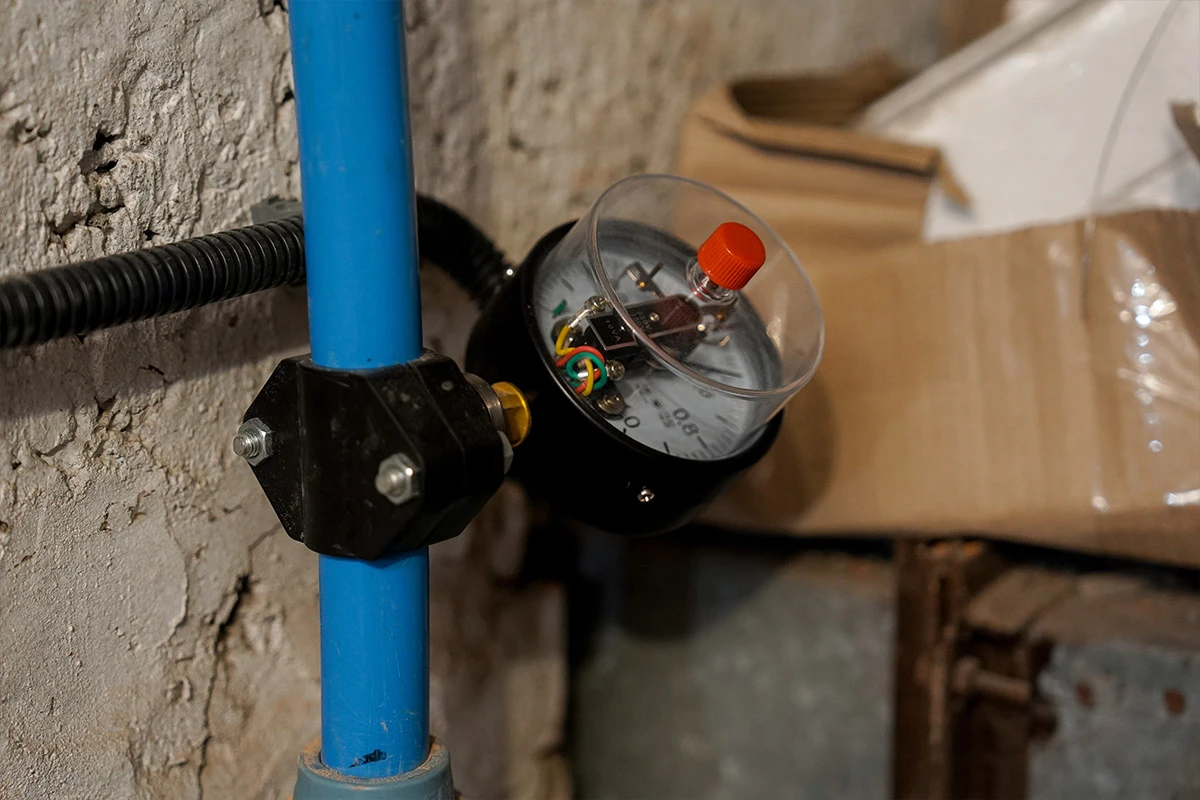
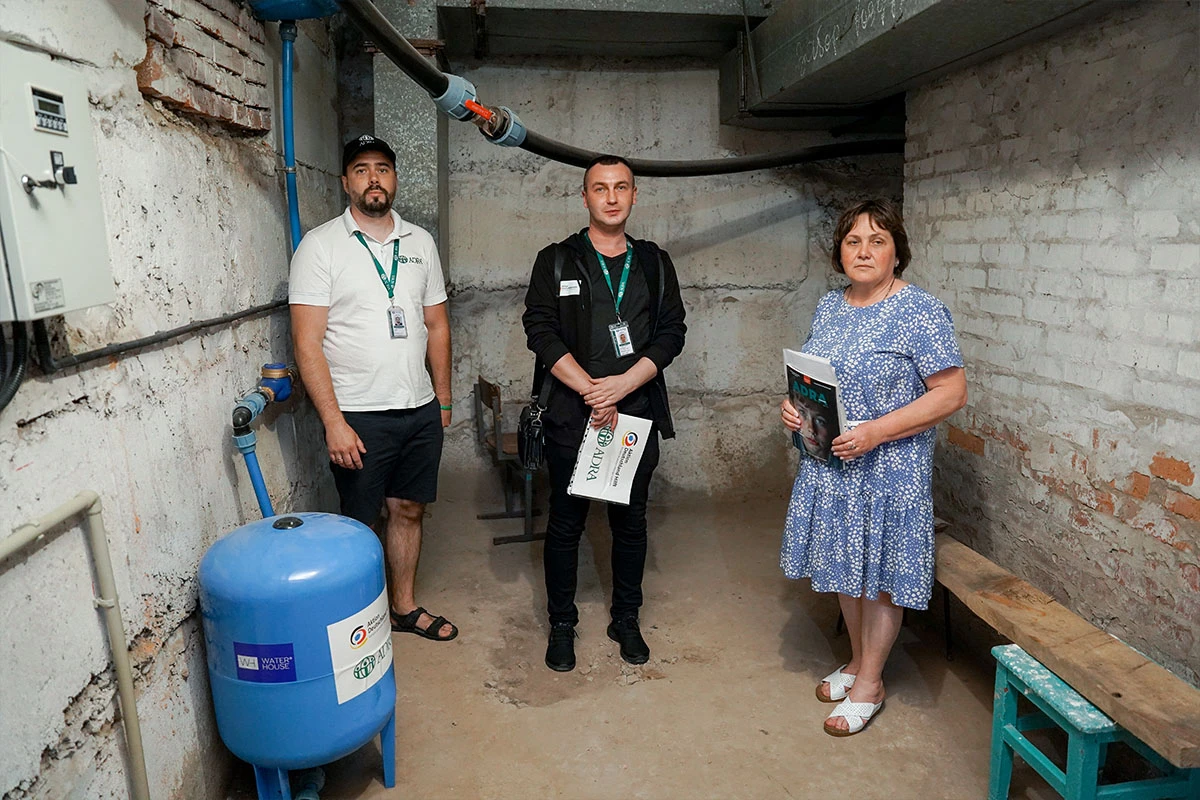
ADRA Ukraine installed a borehole in the Babaikivka Lyceum of the Tsarychanka community in the Dnipro district. This is an important step towards improving sanitary and hygienic conditions, meeting basic needs and improving ...
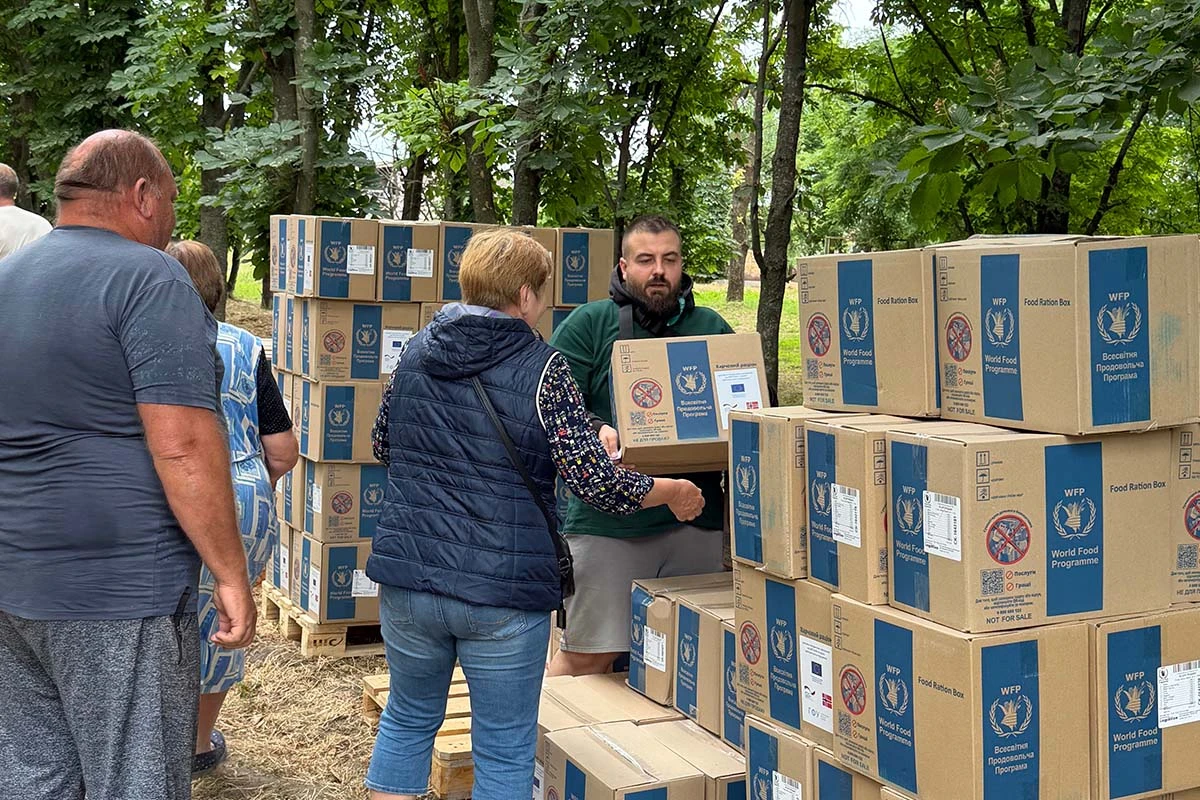
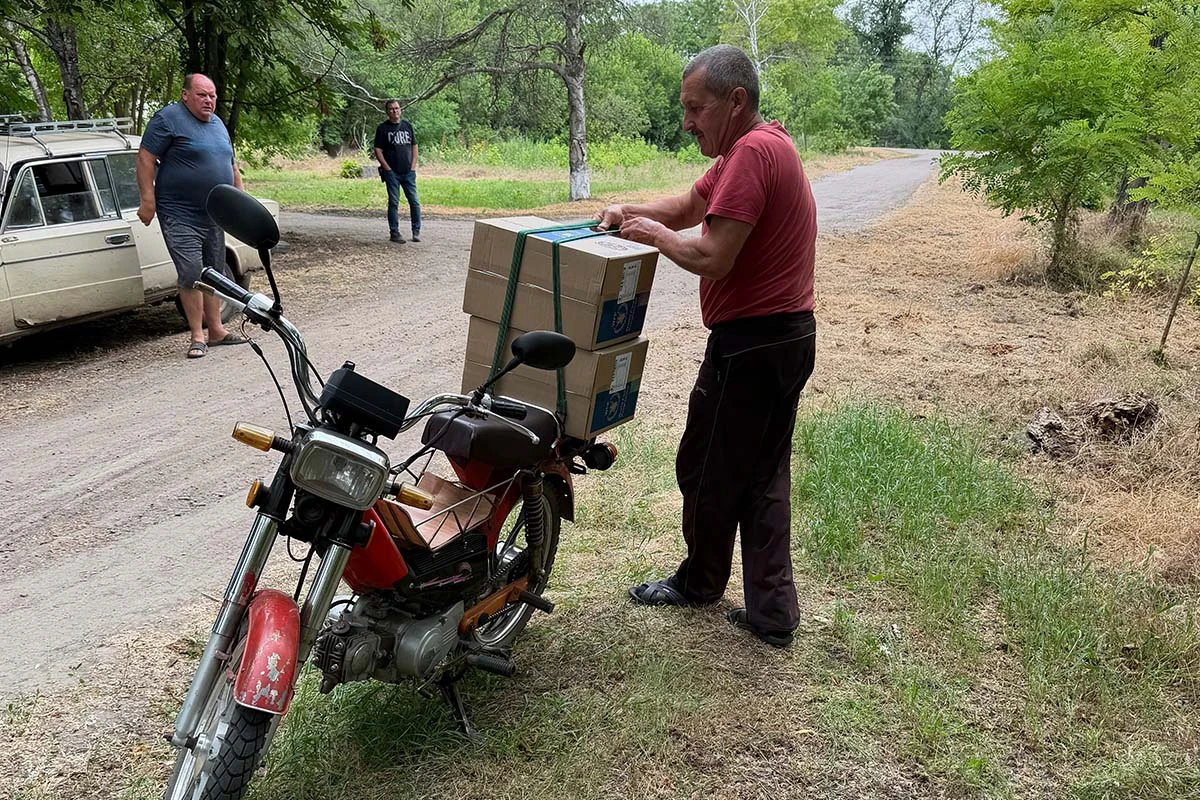
In the village of Biliaivka, Kherson region, the ADRA Ukraine team distributed food kits to residents from the UN World Food Programme with the support of ADRA Switzerland. 171 people received help. ...
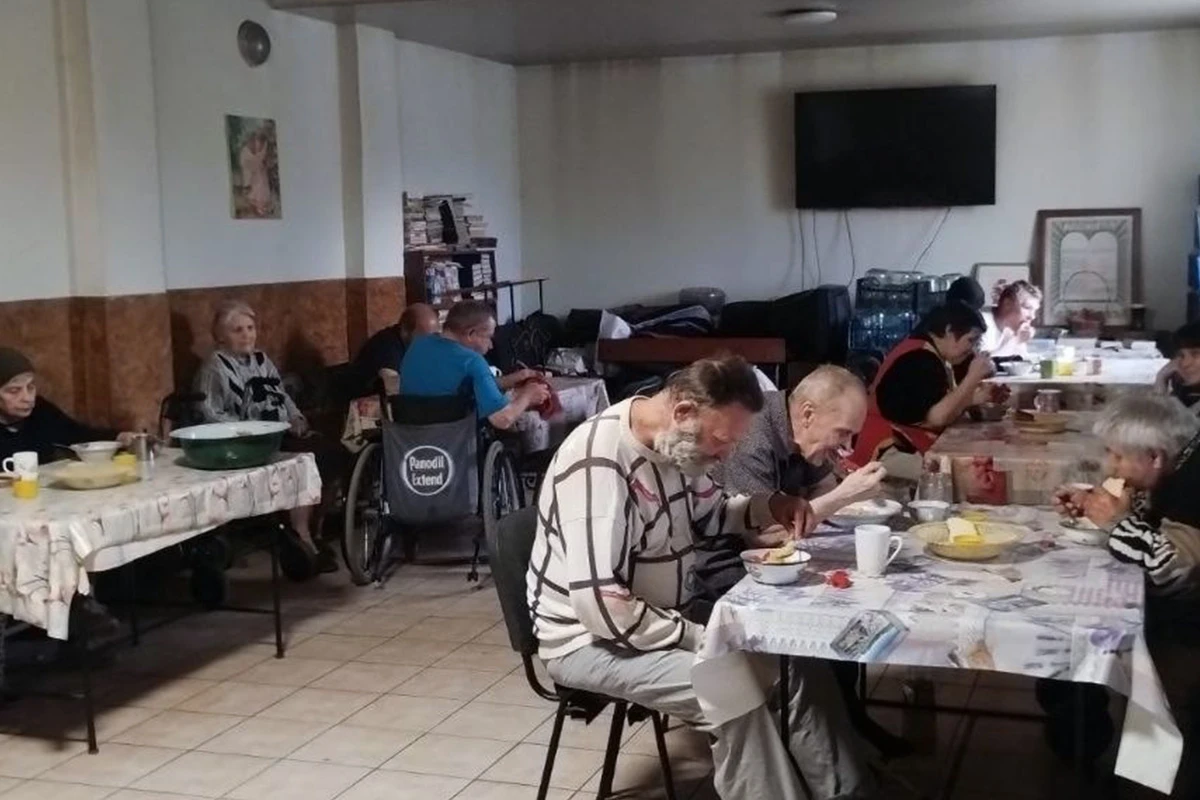
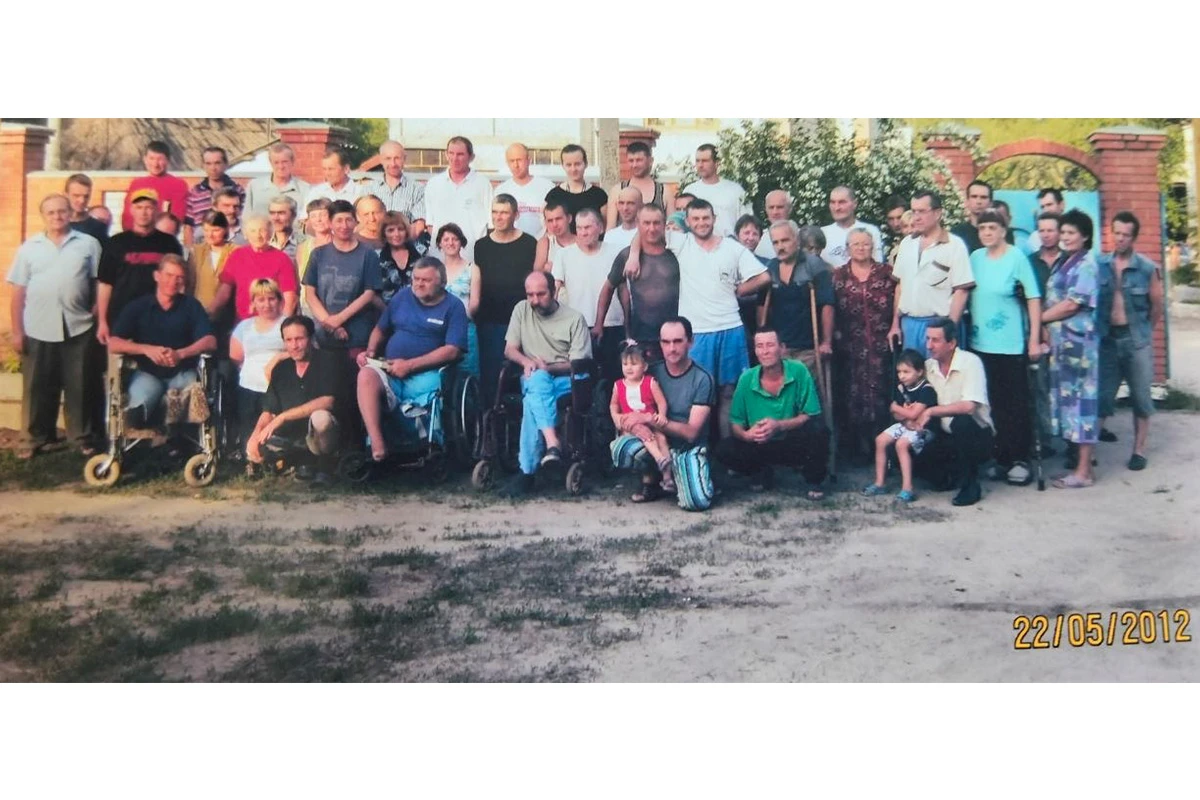
Dnipropetrovsk region, Obukhivka village. The Christian House of Mercy «Kovcheh» (EN: Ark) is located here, the founder of which is Valerii Riabkov, a believer of the Seventh-day Adventist Church. The centre is ...
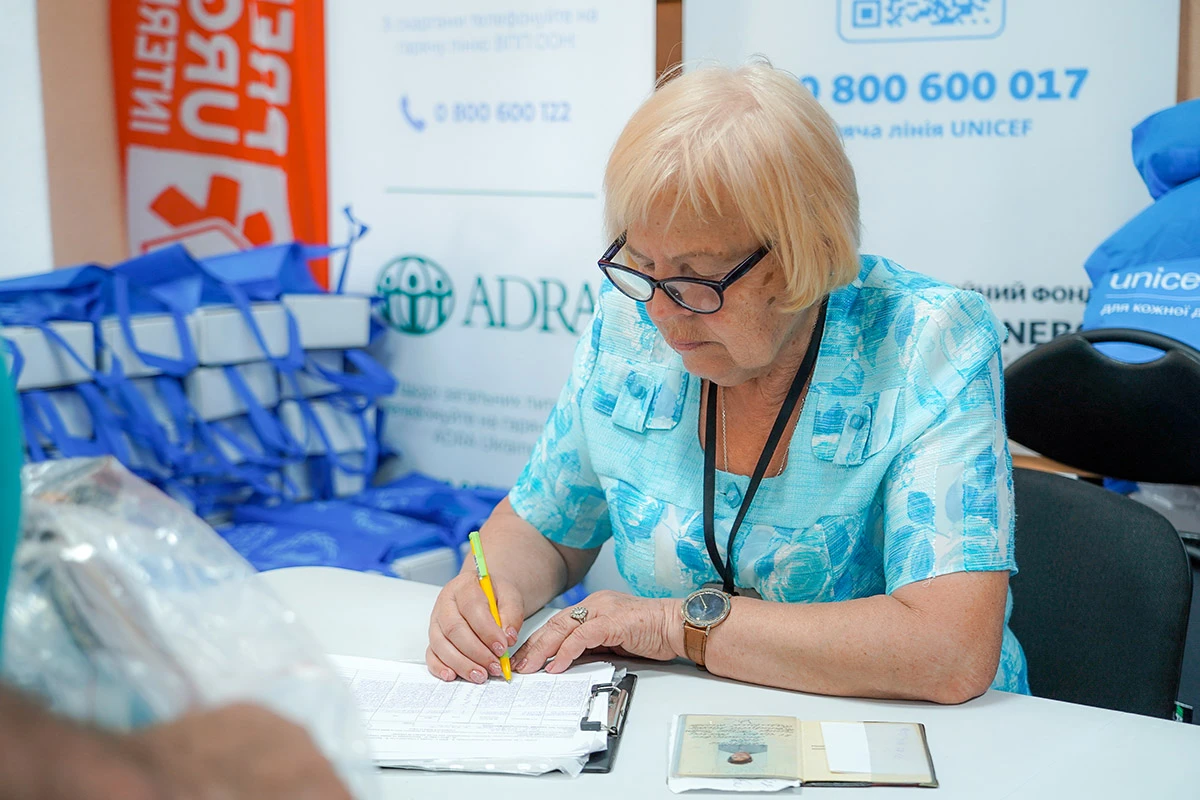
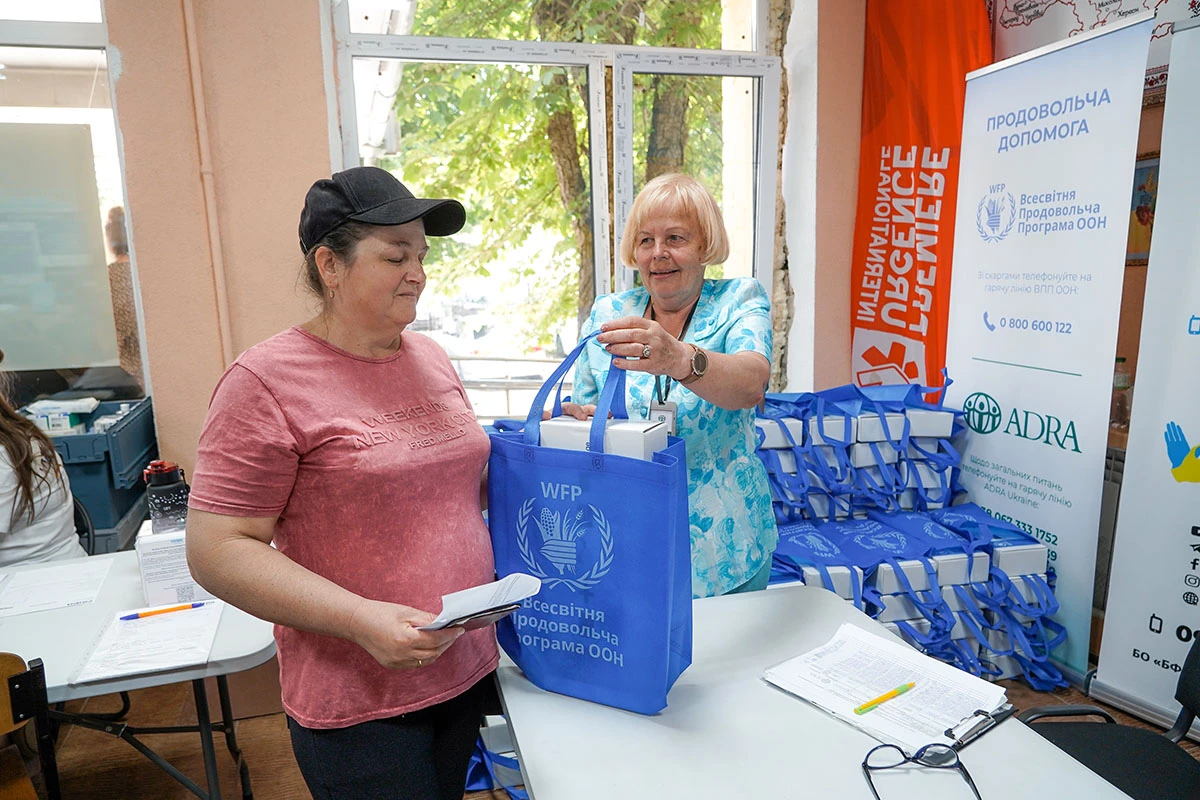
At the Coordination Humanitarian Center of Kharkiv, the ADRA Ukraine team distributed 142 ready-to-eat kits (MREs) from the UN World Food Programme for internally displaced persons. This assistance to residents who evacuated ...
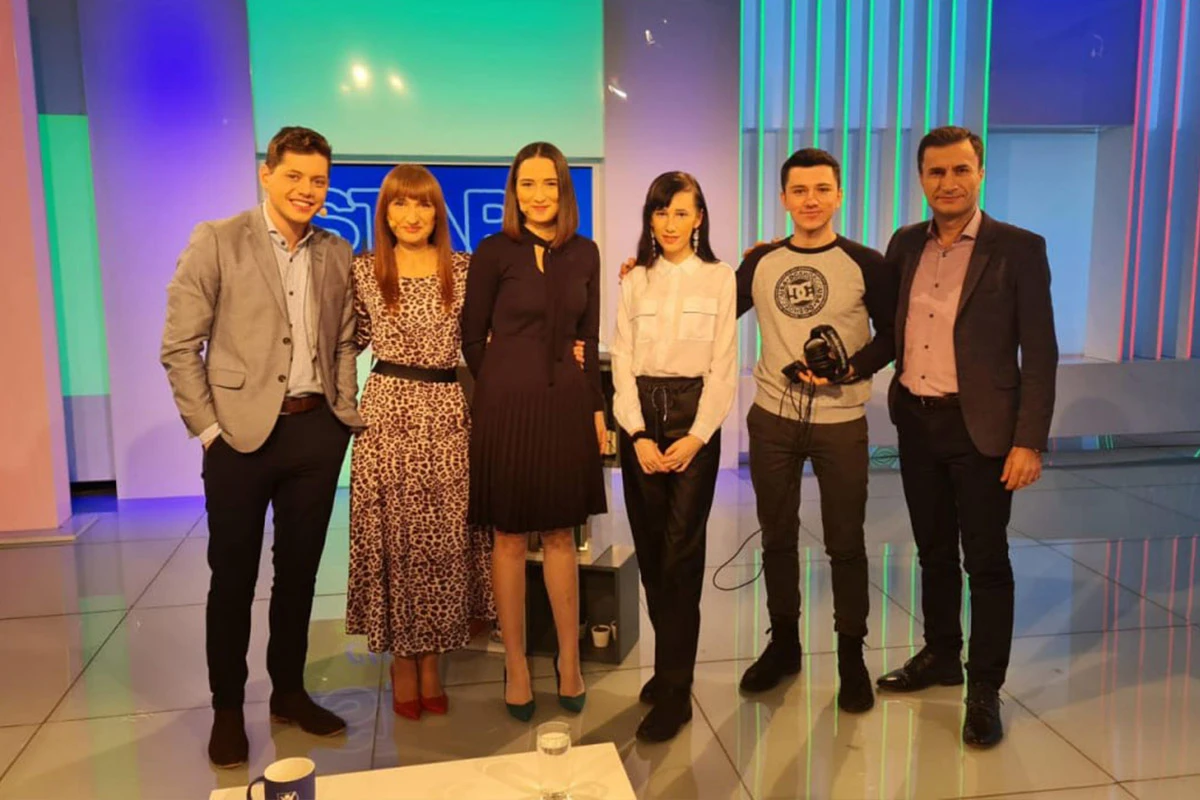
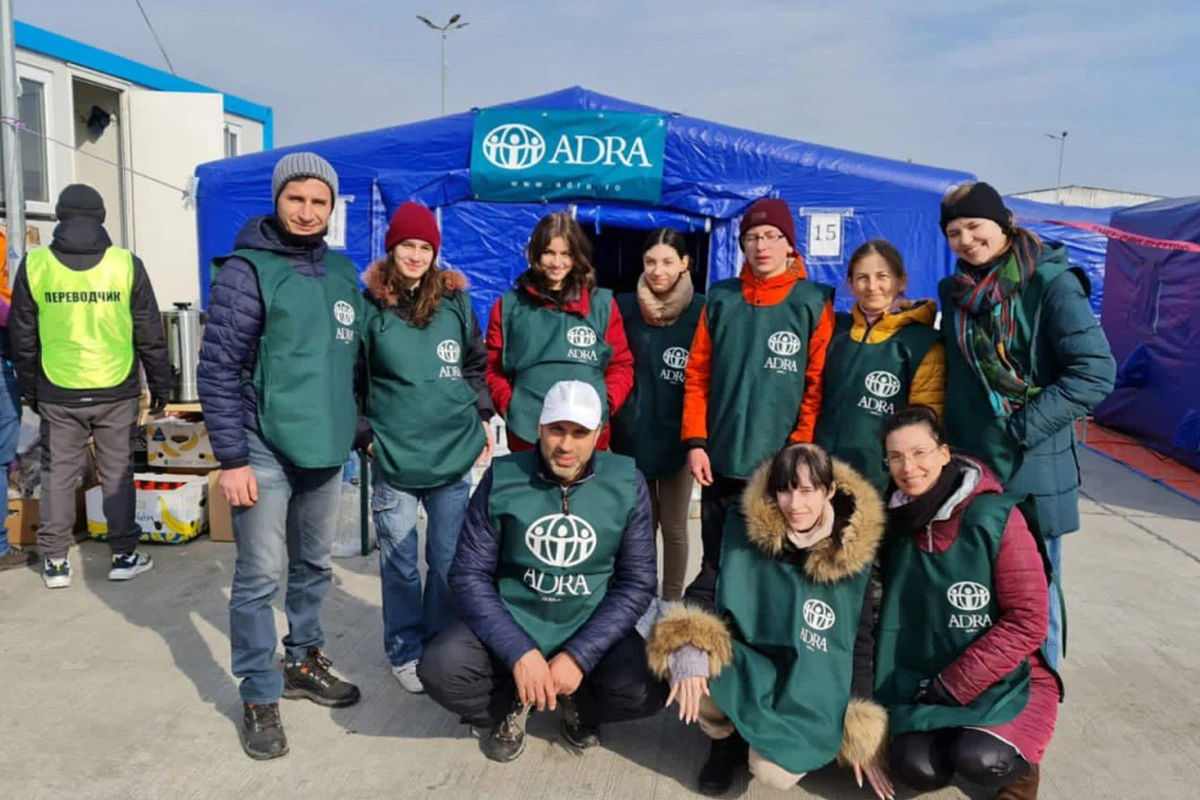
Alina Turlevska, SMM manager of ADRA Ukraine, tells what path she took to join the team of the charity organization. — My story began at the beginning of the full-scale war in ...
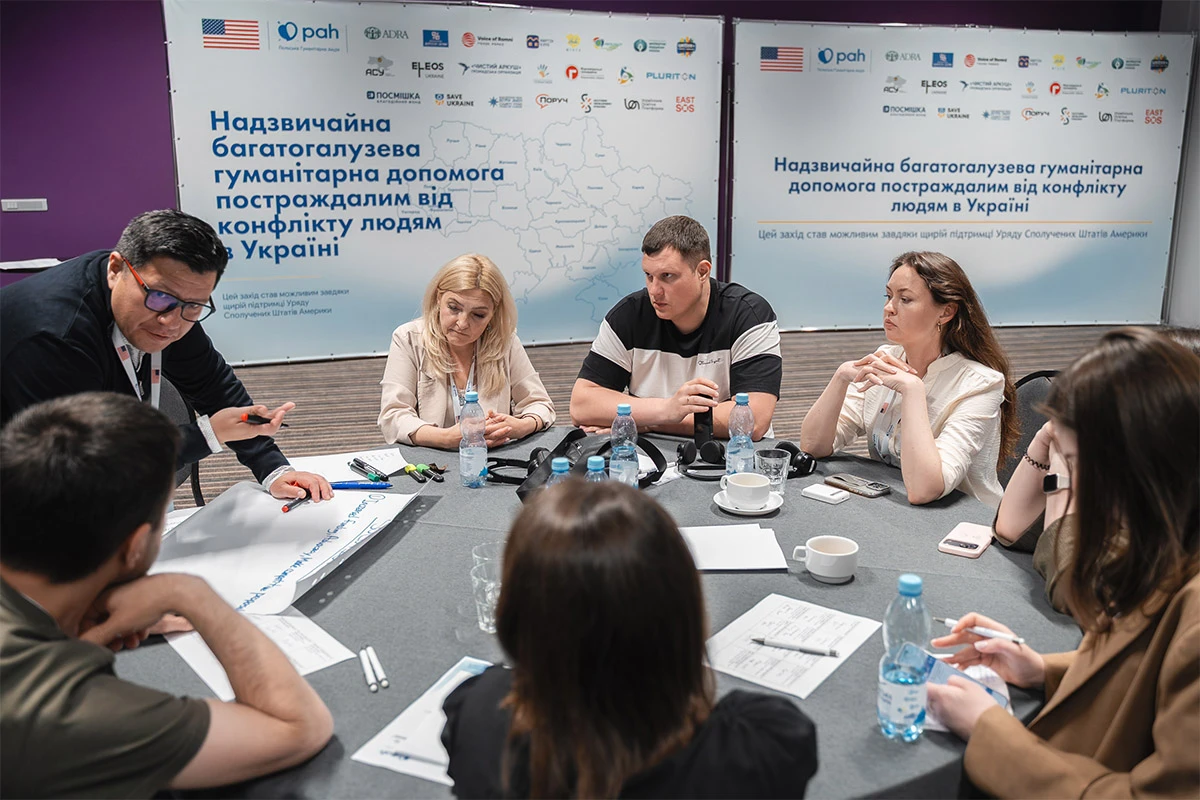
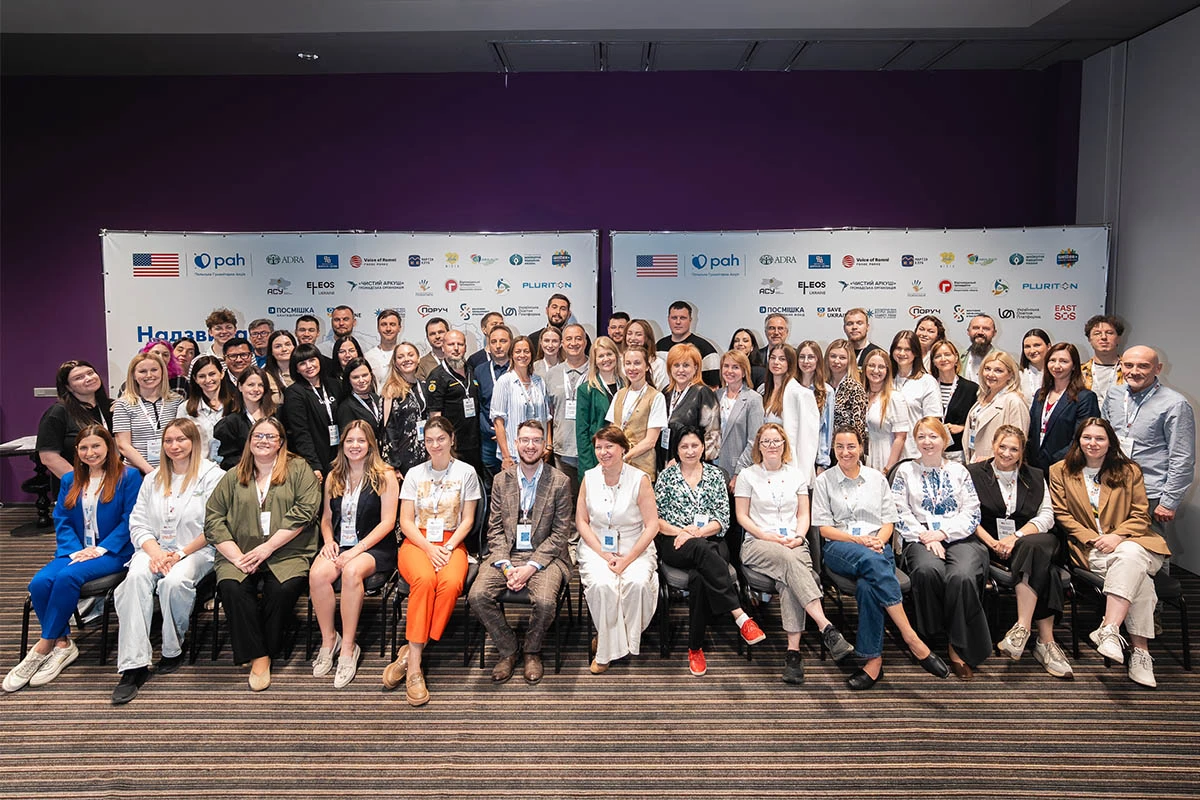
On June 16, the workshop «Humanitarian Partnership to support conflict-affected people in Ukraine» was held in Kyiv, which brought together 22 partner organizations of Polish Humanitarian Action (PAH). The event was attended ...
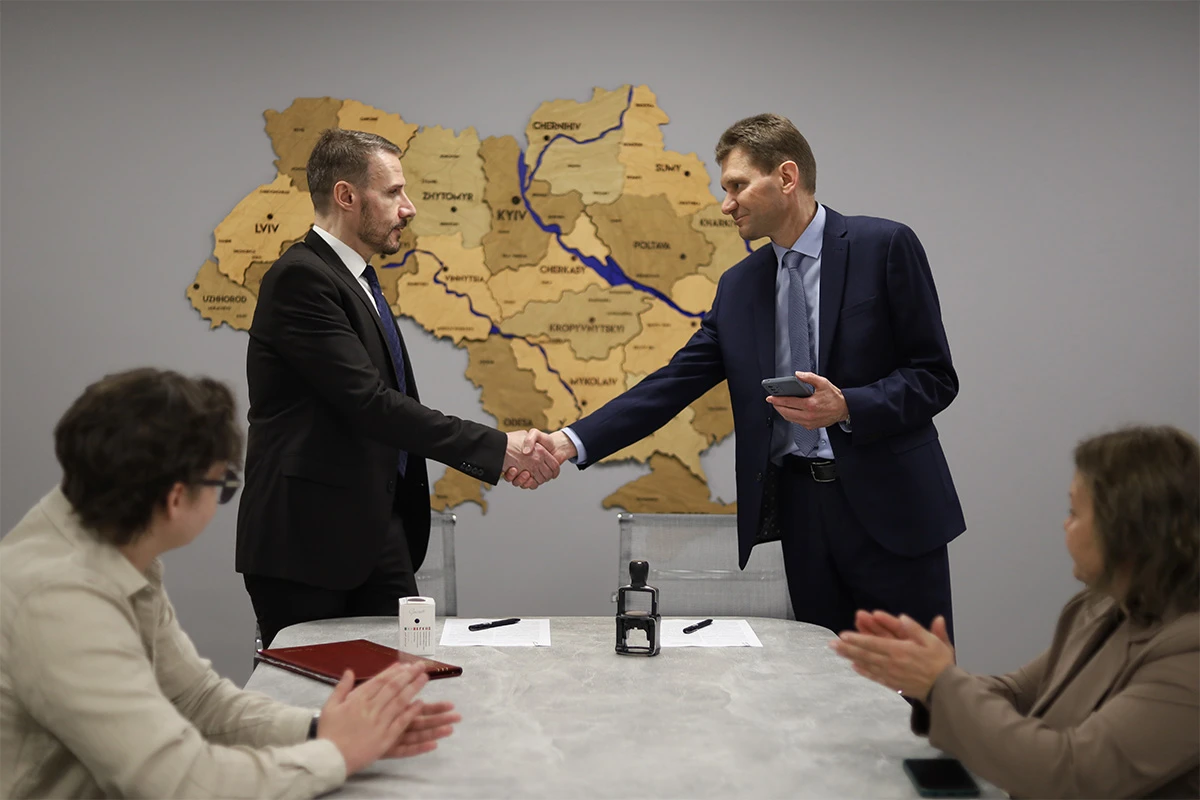
Transparency, accountability and trust — three components without which the activities of an international humanitarian organization are impossible. How ADRA Ukraine works with donors, why charity needs the support of Ukrainians and ...

Please find below the May 2026 ADRA Ukraine Newsletter. You can download the newsletter at the following link: Newsletter – May 2026
