
Myths and reality of charity: a conversation with the financial director of ADRA Ukraine
Myths and reality of charity: a conversation with the financial director of ADRA Ukraine
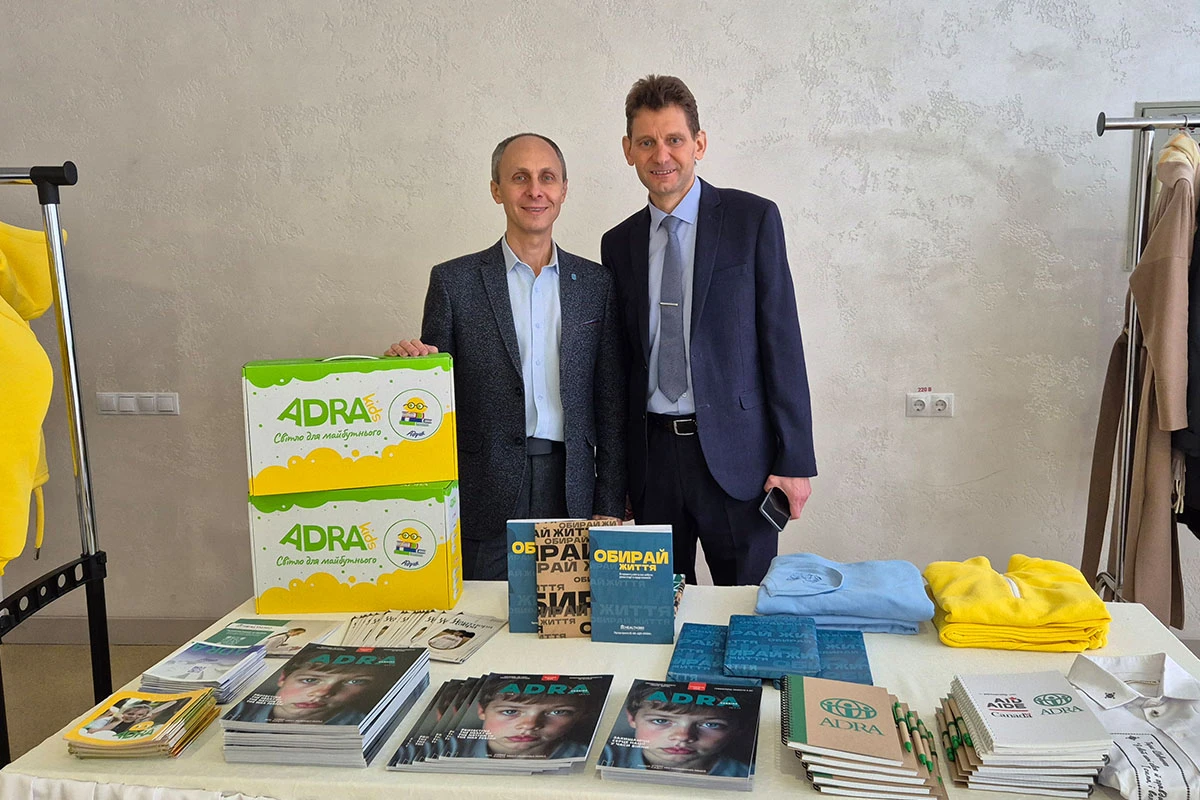
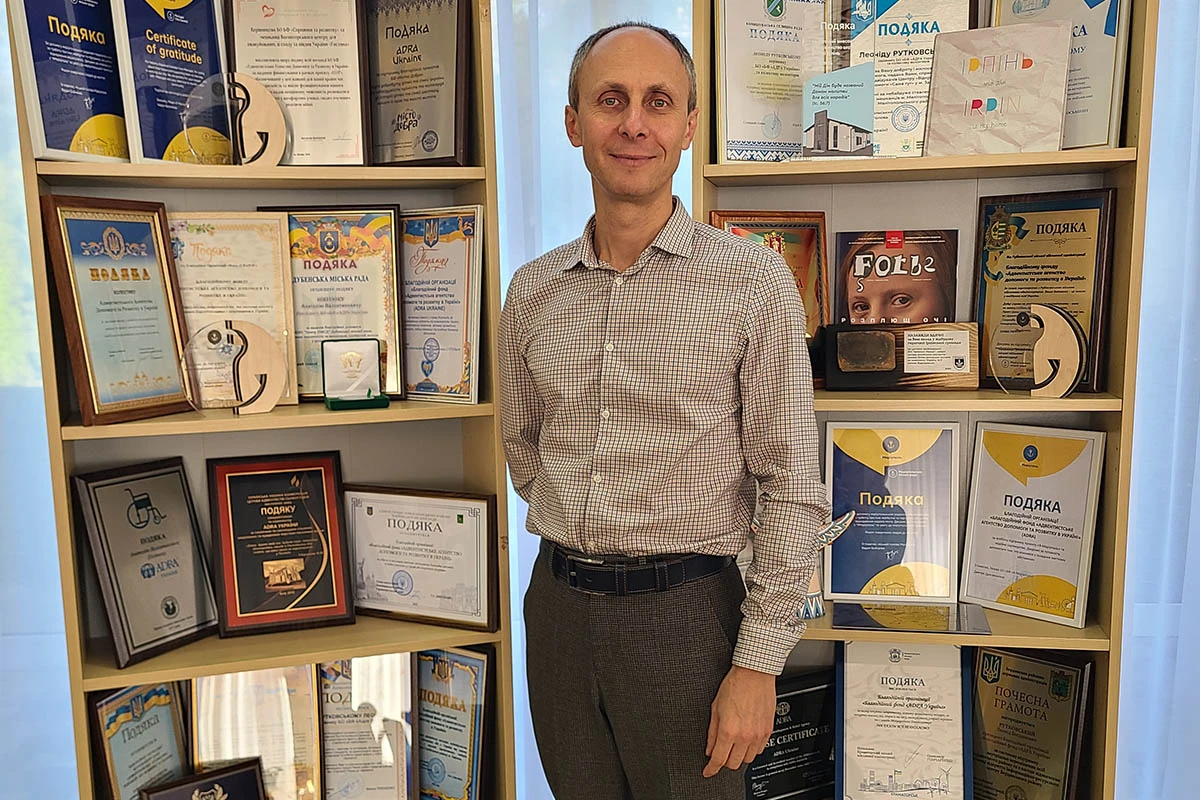
Transparency, accountability and trust — three components without which the activities of an international humanitarian organization are impossible. How ADRA Ukraine works with donors, why charity needs the support of Ukrainians and what challenges have to be overcome during the war, says Oleksandr Dulher, financial director of the organization.
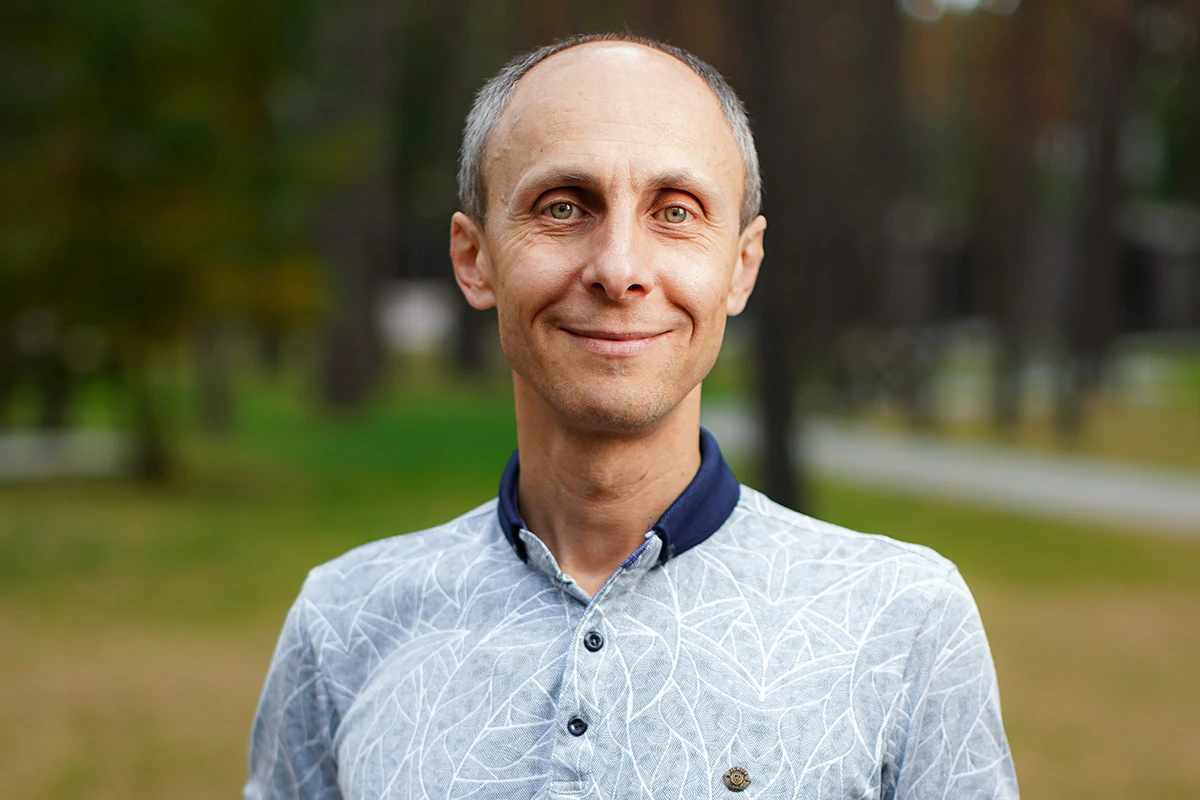
— Tell us a little about your professional path. How did you come to the financial sphere and work at ADRA Ukraine?
— I joined the ADRA Ukraine team in the summer of 2023, in one of the most difficult periods of our organization’s activity during the war in Ukraine. Before that, I worked for many years in various companies related to international business, in particular in the fields of international maritime transportation and international trade. For some time I worked in foreign companies abroad.
My main specialty is international maritime transport management – international logistics. In recent years, I have had to hold various management positions. In particular, I had experience working as a charitable foundation director. I would never have thought that I would need it in the future.
My work experience helps me a lot. If we are talking about a large modern charity, then being just a financier and counting funds well — is not enough. Because it’s not a bank. Our activity is very specific. Many third-party related tasks must be done yourself. We cannot afford to have a large staff of narrowly specialized specialists in each field of activity, as is done in business structures with a large staff and sustainable processes. The financial director of ADRA Ukraine, in addition to financial duties, must be able to read the terms of international contracts with donors and partners, understand their specifics and risks; must know the specifics of the movement of goods across the border (import) and international logistics; must implement IT developments for automation and technical measures for the security of the organization’s digital data; must be able to negotiate with foreign partners and donors in order to defend the organization’s financial interests when discussing contracts. This list goes on.
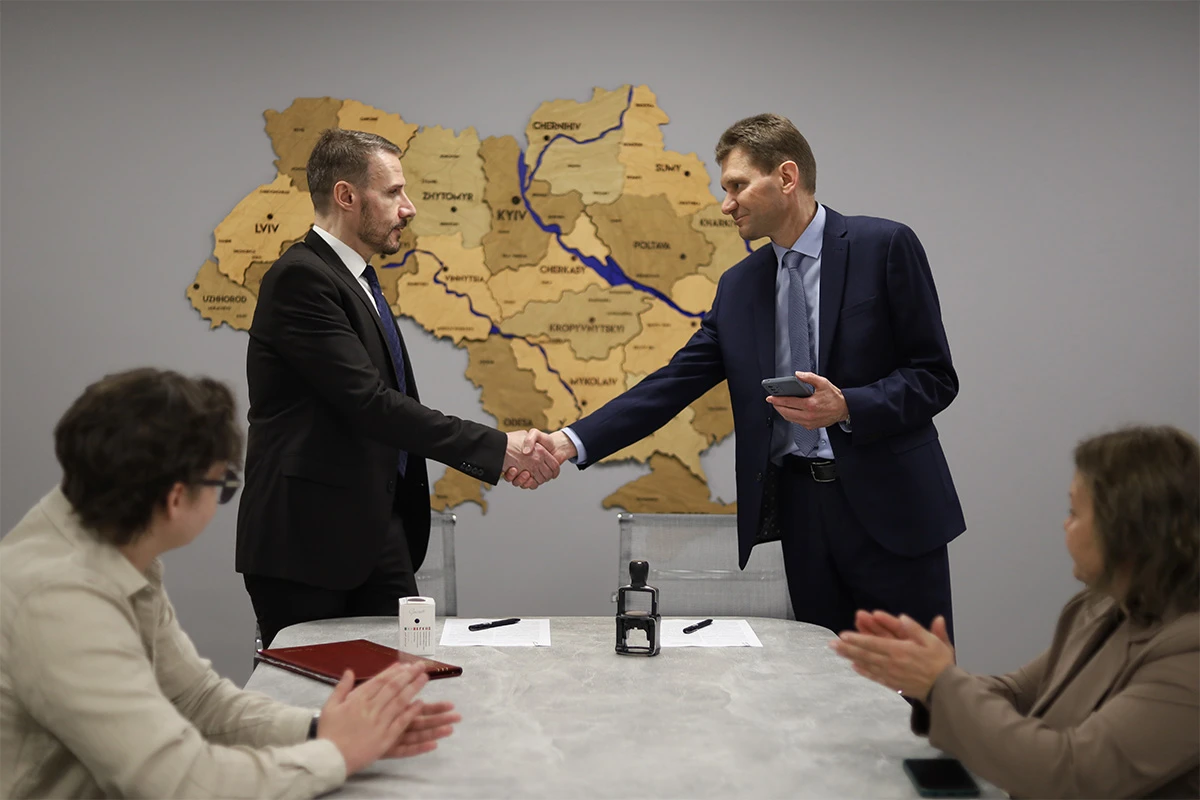
— Sometimes there are myths or misunderstandings about finances of charity in society. What do people most often misunderstand about this area?
— In my experience, one of the most common myths is that charities have large amounts of free funds and can help anyone who applies.
Actually, it’s not. The vast majority of funding received by both our organization and most other charitable foundations is targeted. This means that funds can be used exclusively in accordance with the conditions determined by the donor. I mean precisely charitable foundations that work with help in the form of grants, and not with donations to the Armed Forces of Ukraine.
It is the donor who determines the types of aid, the categories of the population that can receive it, the direction of the project, for example, infrastructure restoration, cash or food aid, as well as the geography of implementation. Most donors identify specific regions of Ukraine, such as Kharkiv or Kherson regions. Accordingly, we cannot use the funds of a certain project to provide assistance in other areas.
This applies to approximately 99% of the donor income received by the charity. Only a small part of the funds is formed thanks to donations from private individuals through the site or social networks. It is these funds that we can distribute more flexibly, responding to appeals from citizens or organizations and making decisions in accordance with current needs.
Another common myth concerns not finance, but the format of activity. Most people expect that the main activity of a humanitarian organization is the distribution of cash aid, especially humanitarian aid: goods imported as aid from abroad. Accordingly, the average Ukrainian evaluates our activities according to whether we provided assistance in his community or settlement. If «packages» or «boxes» have not been distributed, then ADRA is either not known or its activity is evaluated negatively.
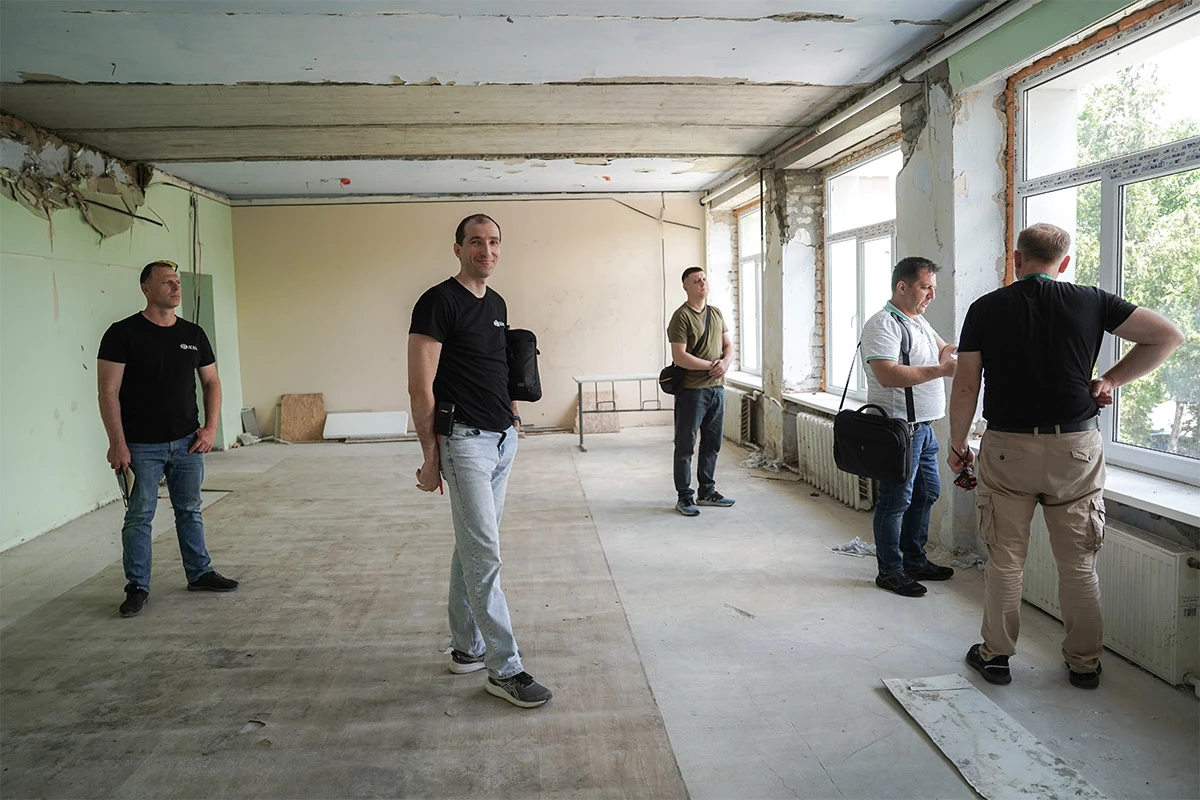
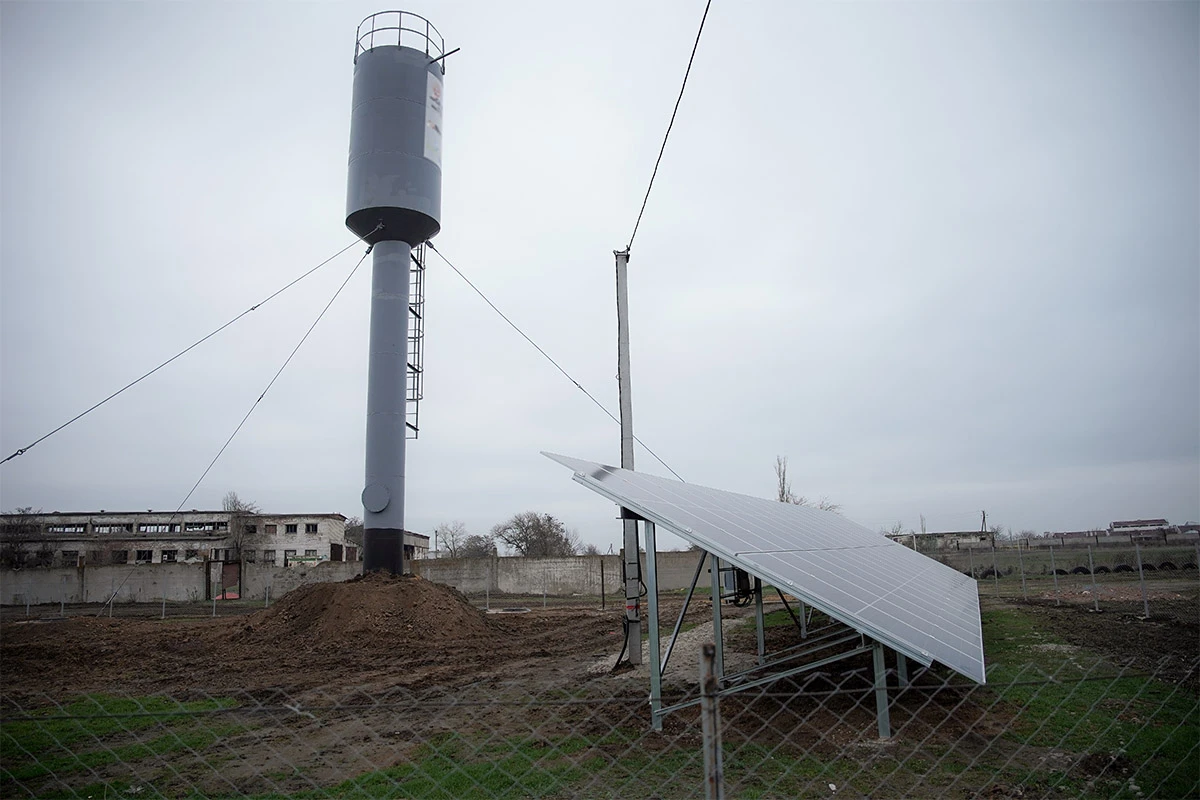
In fact, the distribution of cash aid to the population is only a small part of our activity, and we have hardly imported humanitarian aid during the last two years. ADRA Ukraine annually provides assistance in the amount of more than 10 million US dollars in the form of reconstruction of state and municipal facilities of critical and social infrastructure (water supply networks, shelters, hospitals, schools, kindergartens), supply of industrial generators for such facilities, repair of private and municipal buildings damaged by shelling, free psychological and legal assistance to the population, provision of fuel briquettes for the winter, as well as free evacuation and social transportation in communities where public transport is not operating because of danger. This list can be continued.
— If ADRA has big donors like WFP UN, for example, why does it raise donations if the funds raised by itself are only a small percentage?
— This is another common myth that concerns the sources of funding for charitable organizations.
Many people believe that charitable organizations exist solely because of foreign donors or international organizations. In the current Ukrainian realities, this is really largely true, because many countries seek to support Ukraine during the war.
However, the situation is different in most countries of the world. The main source of funding for charitable organizations is donations from citizens and businesses of their own country. Society itself supports the activities of organizations that work for the benefit of people.
Therefore, as a Ukrainian charitable organization, we would like to emphasize: every citizen of Ukraine can make a significant contribution to supporting the charitable activities of ADRA Ukraine. It is important not only to hope for the help of international partners, but also to participate in the creation of a culture of charity in Ukraine.
— ADRA Ukraine works with international donors and major humanitarian programs. How difficult is it now, during the war, to combine promptness of aid with financial requirements and reporting?
— Both before the beginning of the full-scale war and especially now, during the war, it is quite difficult to combine the requirements of international donors with the realities of work in Ukraine.
We are constantly faced with such challenges as the requirements of Ukrainian legislation, mobilization processes, blackouts, power outages, instability of the security situation, price fluctuations and many other factors. All this creates a significant additional burden on the ADRA Ukraine team.
In accordance with the requirements of international donors, we keep records, prepare supporting documentation and report in accordance with international standards. At the same time, standards may differ depending on the donor country.
At the same time, we are obliged to keep Ukrainian accounting, personnel and financial documentation in accordance with the current legislation of Ukraine. That is, in fact, we work in two systems of requirements and standards at once.
Moreover, sometimes these requirements can contradict each other. For example, individual requirements of the donor may not be fully consistent with Ukrainian legislation, or vice versa. This is one of the biggest difficulties of our daily work.
In general, it is worth noting that Ukrainian legislation is historically insufficiently adapted to the specifics of the activities of charitable organizations, especially when it comes to quick response in conditions of martial law. Most of the regulations were created primarily for the commercial sector, not for humanitarian organizations.
This problem existed even before the war, but today it especially affects the efficiency of the implementation of humanitarian programs and the speed of providing assistance to people.
I will give an example. Donors provide funds in installments for a certain period of activity from three to six months. We spend these funds not immediately, but gradually. That is, at the same time we have quite significant balances of funds in bank accounts. We could place these funds in deposit accounts and receive interest from the bank every month. These are quite large amounts. These percentages, according to the terms of the donors, should be used as additional funds for charitable activities. However, we do not do this.
The fact is that there are no by-laws in Ukraine that would regulate under what conditions non-profit charitable organizations can do this. Therefore, such interest (income from deposits) can be interpreted by the State Tax Service of Ukraine as receiving income by a non-profit organization, which is strictly prohibited and may lead to fines, suspension of activities, etc.
This sounds absurd, but there are many such inconsistencies in the legislation.
— What principles or approaches help ADRA Ukraine maintain the trust of donors and partners in the long term?
— The basic principles that donors want to see in a reliable partner are openness, accountability and predictability. If an organization adheres to these principles, it gains trust.
International partners especially appreciate openness. They take a positive view of situations where the organization speaks honestly about its difficulties, mistakes or challenges and proposes to jointly look for ways to solve them.
Unfortunately, due to historical circumstances, it is often not easy for us to follow this approach. In our society, a habit has long been developing of hiding problems and sometimes even viewing partners with a certain degree of suspicion. However, for ADRA Ukraine, the principles of openness and honesty are fundamental. We are an organization founded by the Christian Church and build our activities on moral Christian values.
— What values are most important to you in the work of the team?
— I am a believer, so for me personally the most important values are honesty, openness and dedication to the cause.
At the same time, based on many years of experience in both the business and non-profit sectors, I can say that the greatest value of any team is readiness for cooperation.
It is about the ability to be flexible, to maintain a common strategy and decisions made by the team, rather than insisting solely on one’s own position and creating confrontation. It is in such conditions that the team can work effectively and achieve its goals.
— What helps you stay calm and focused during periods of heavy workload?
— Certainly, many years of experience in business have formed a certain stress resistance and endurance to high loads in me. But this in itself is not enough.
The main source of peace and inner concentration for me is prayer and God’s support. I am convinced that God gives me peace when I turn to Him, and also gives me wisdom to make decisions and do my job.
I am sure that God gives me peace and wisdom in my daily work.
— Is there a moment or story that is particularly memorable?
— During my time at ADRA Ukraine, I received a lot of touching feedback and words of thanks from the beneficiaries and organizations we help.
It is difficult for me to single out one story, because each of them is important and special. Behind each are specific human destinies, needs and experiences.
Perhaps, if we talk about the most emotional stories, it is worth contacting our colleagues who work directly on the ground. It is the field workers who communicate with people every day, see the results of the aid and can share many personal stories.
— What motivates you to remain part of the ADRA team for so many years?
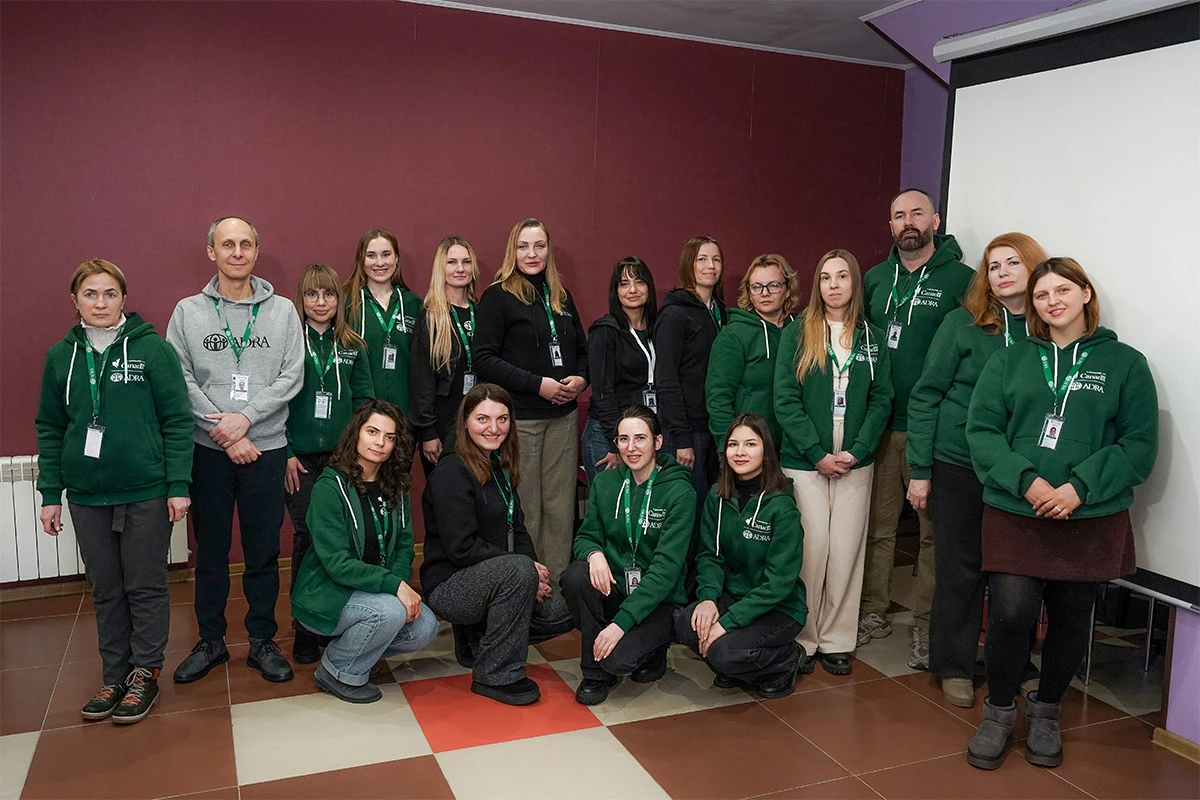
— My main motivation is that I am part of a team that does good, helps people and our country.
It is a very difficult, responsible and often tedious job. But the realization that our activities help change people’s lives for the better gives strength to continue working further.
This goal — to serve people and be useful to society — remains my main source of inspiration.
Tags
Share this publication
Our social networks
Categories
Last news
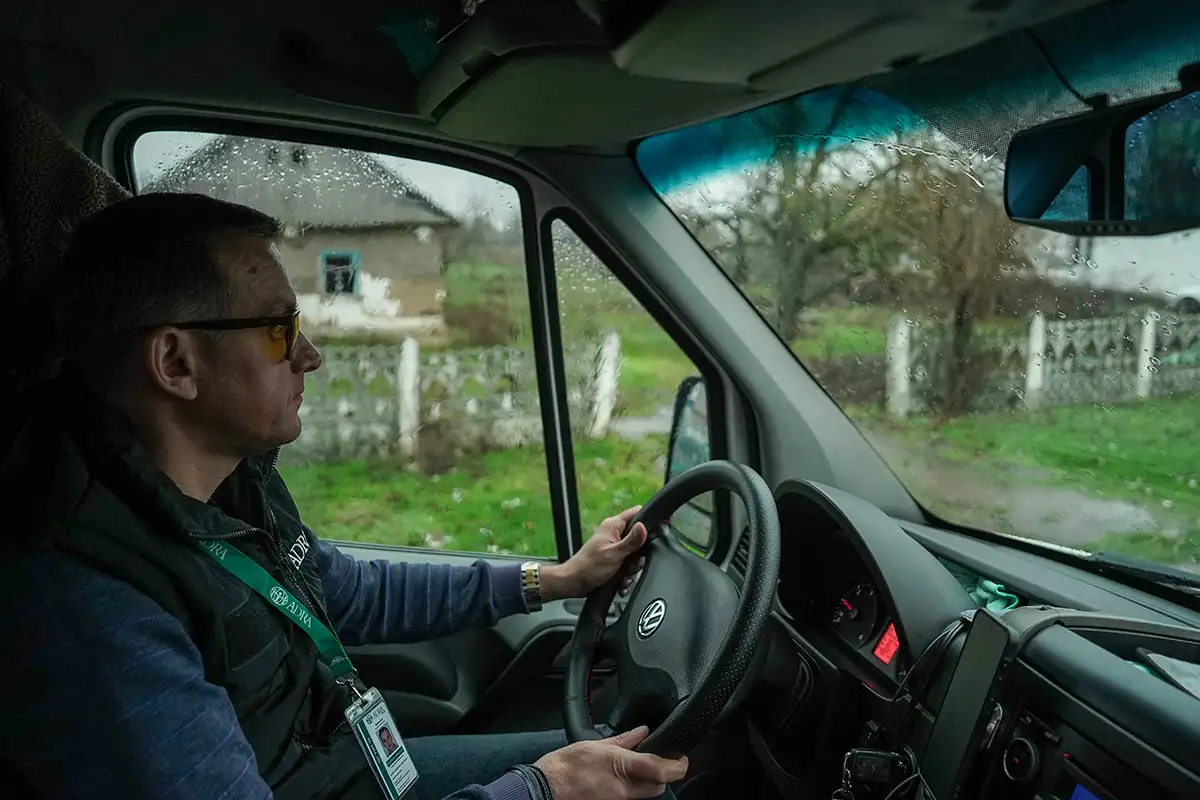
ADRA Ukraine stops humanitarian transportation in the Kherson and Zaporizhzhia regions due to high security risks on the routes. At the same time, transportation within the “REACT” project will continue in the ...

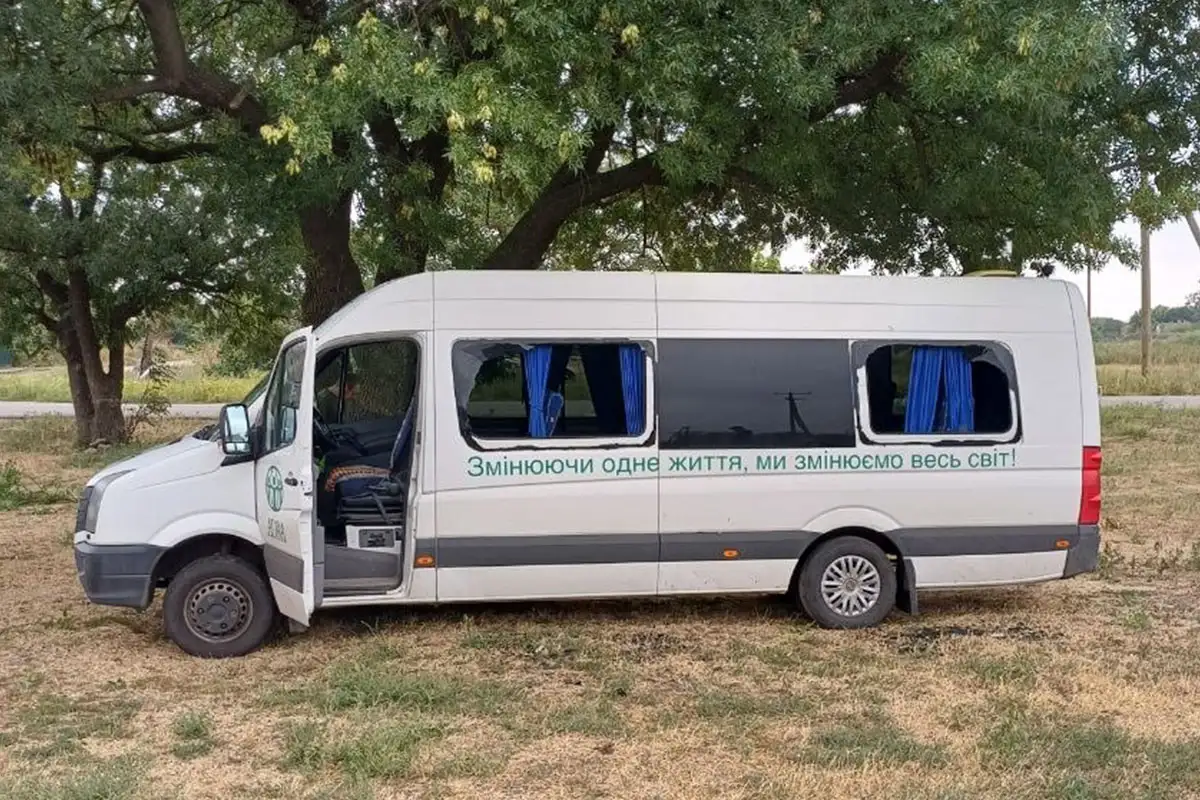
On September 14, near Myroliubivka village in the Dnipropetrovsk region, an FPV drone attacked an ADRA Ukraine bus that provides humanitarian transportation for residents of the Kherson region. At the time of ...
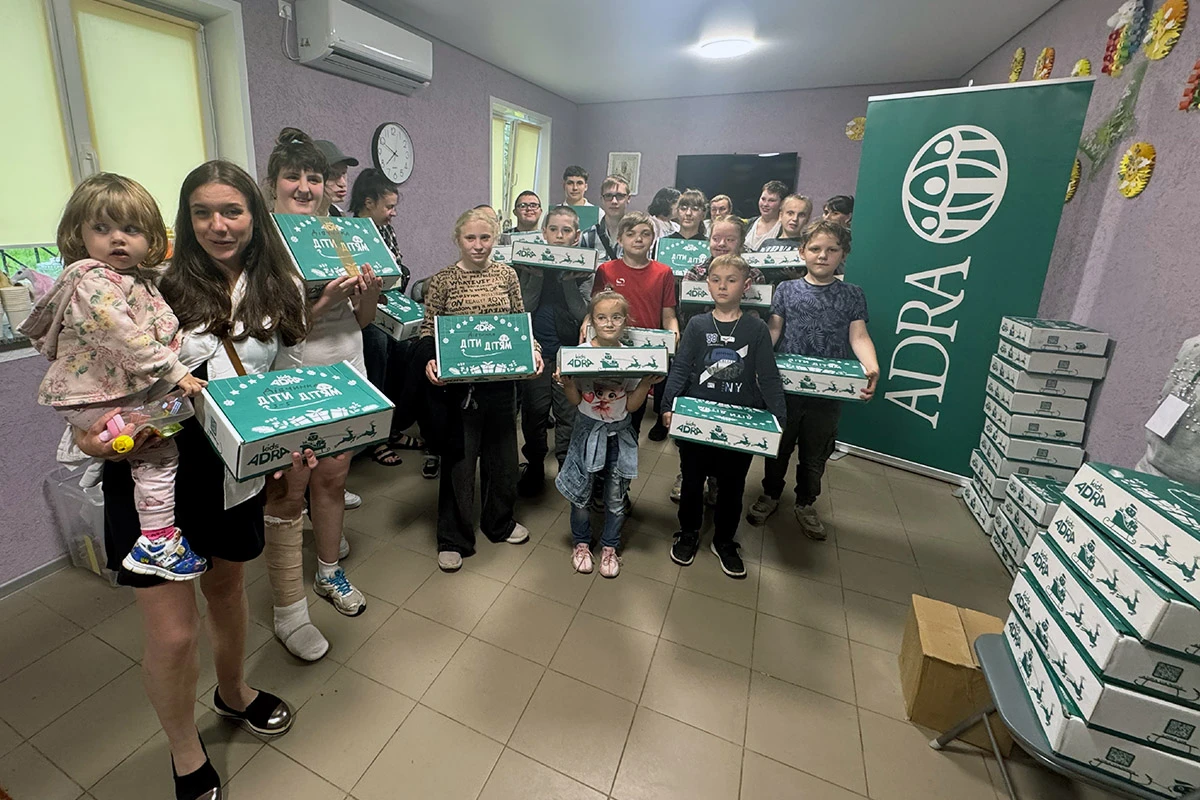
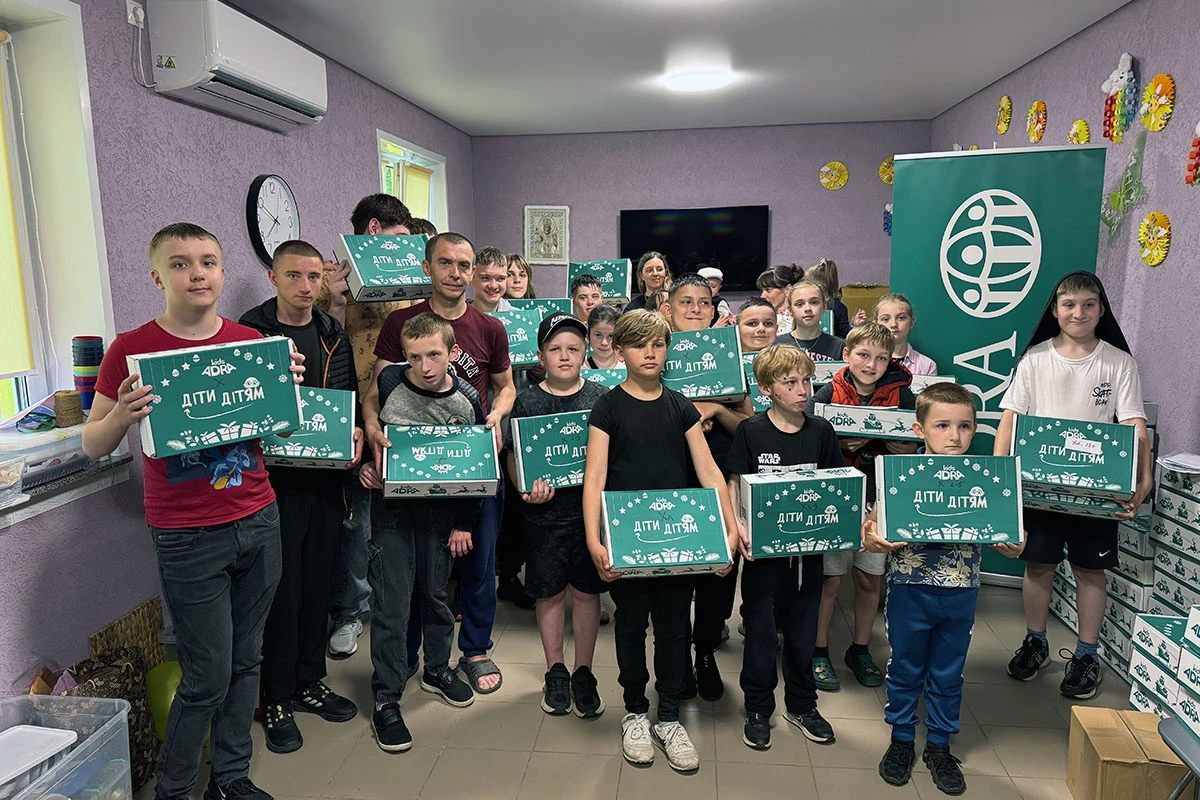
On June 7, a large-scale event was held in Zhytomyr on the basis of the inclusive children’s center «Dim Radosti» (EN: House of Joy) with the support of the ADRA Kids project ...
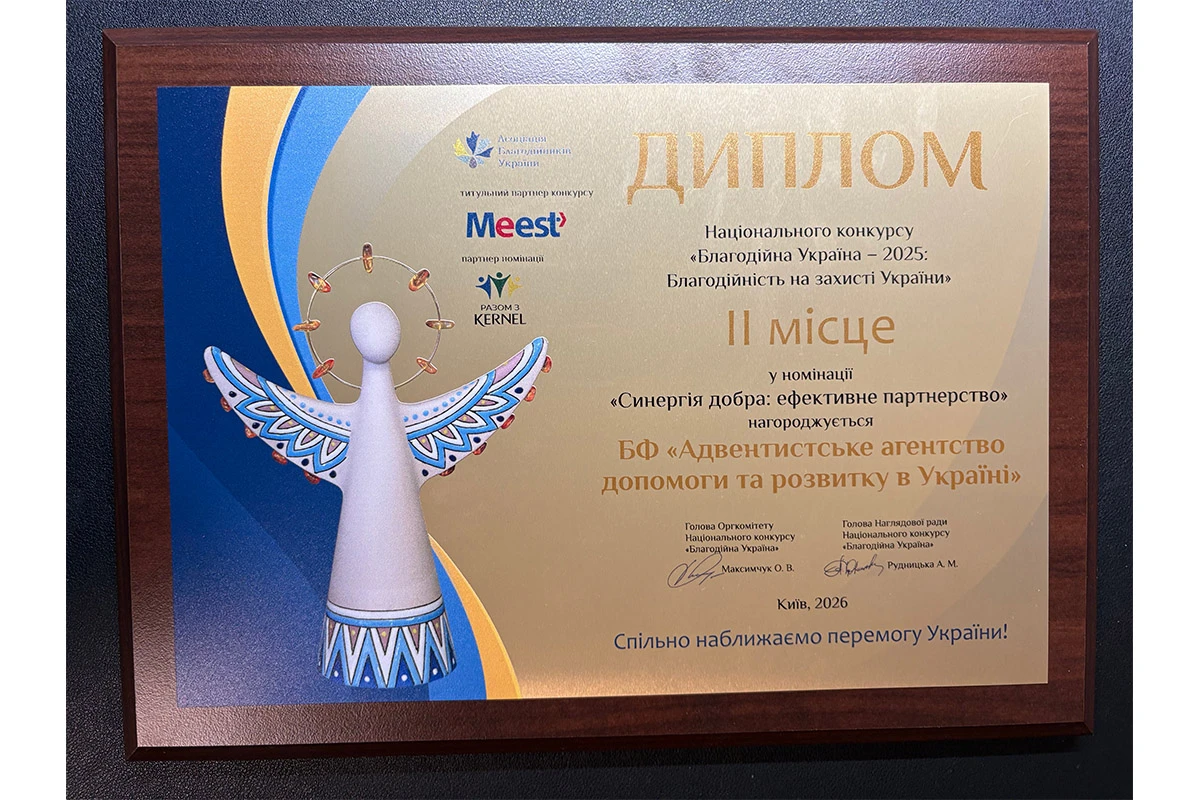
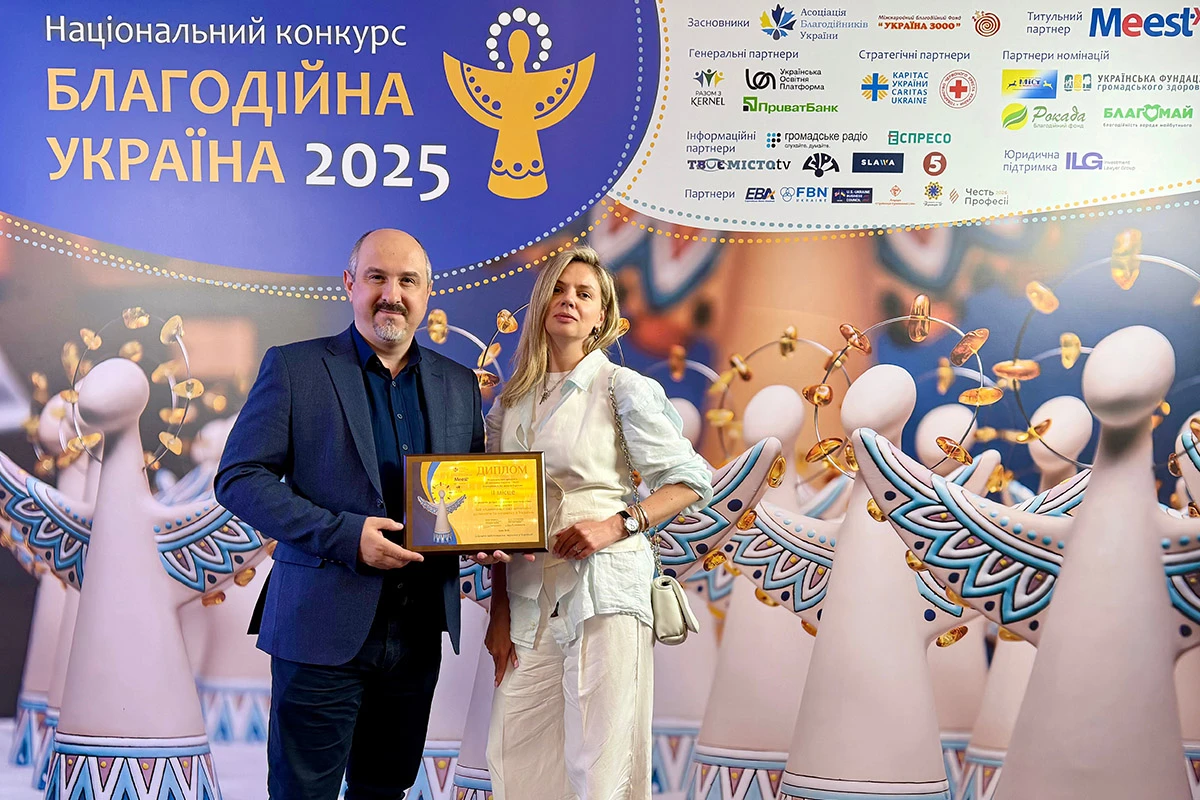
On June 9, the awarding ceremony of the winners of the National Competition «Charitable Ukraine 2025: Charity in Defense of Ukraine» took place in Kyiv. According to the results of 2025, ADRA ...
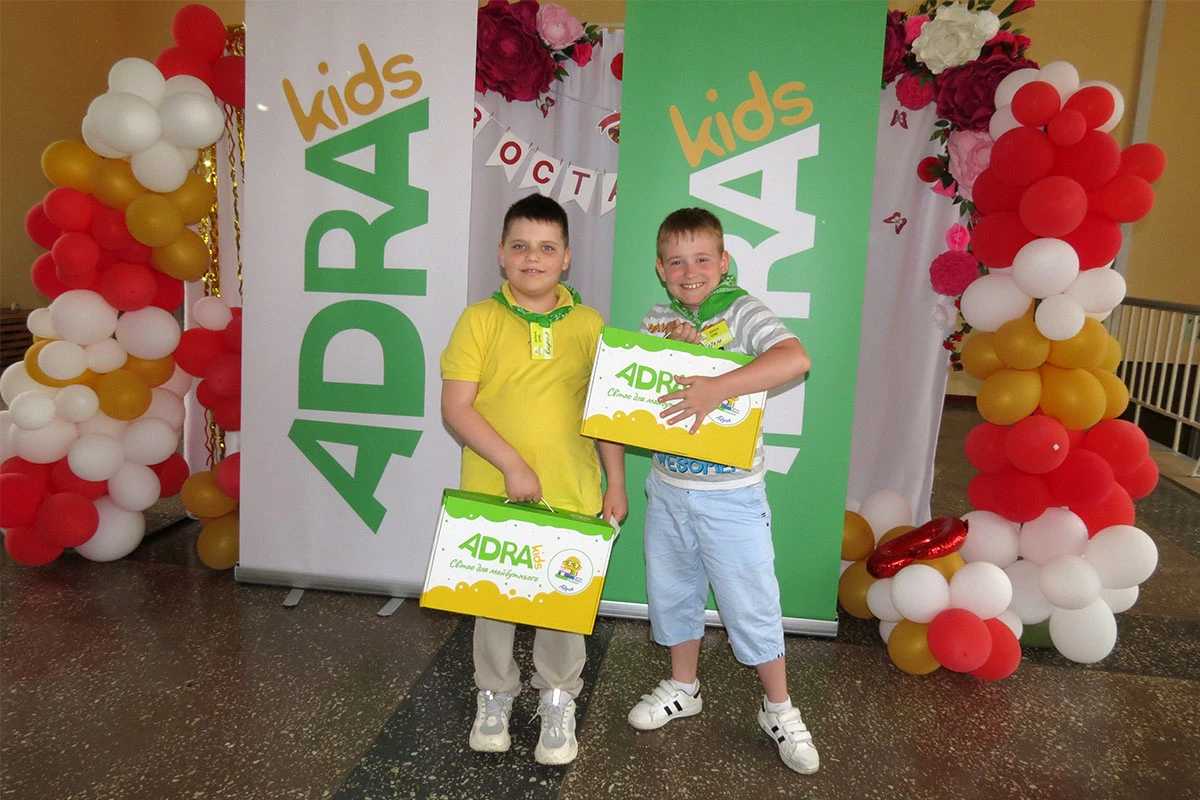
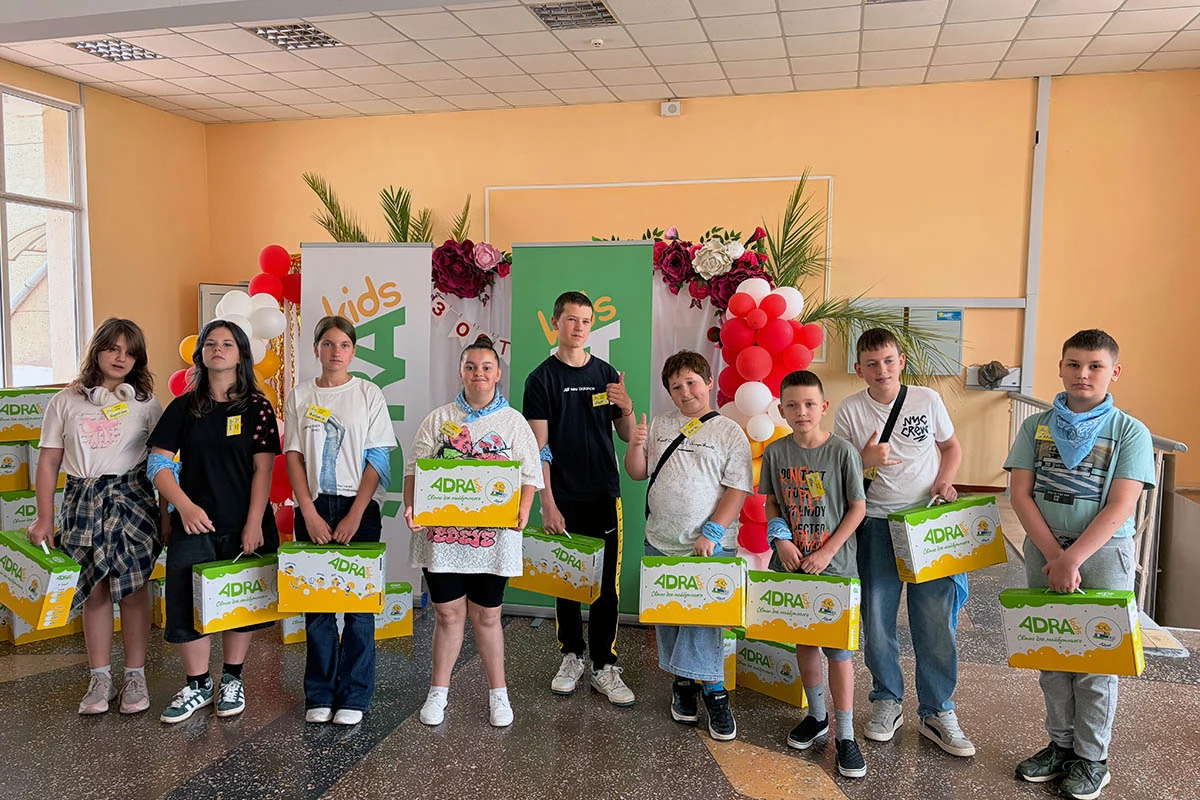
On June 7, in the city of Chornomorsk, Odesa region, the ADRA Ukraine team, as part of the ADRA Kids project, held an event for children from families of internally displaced persons, ...
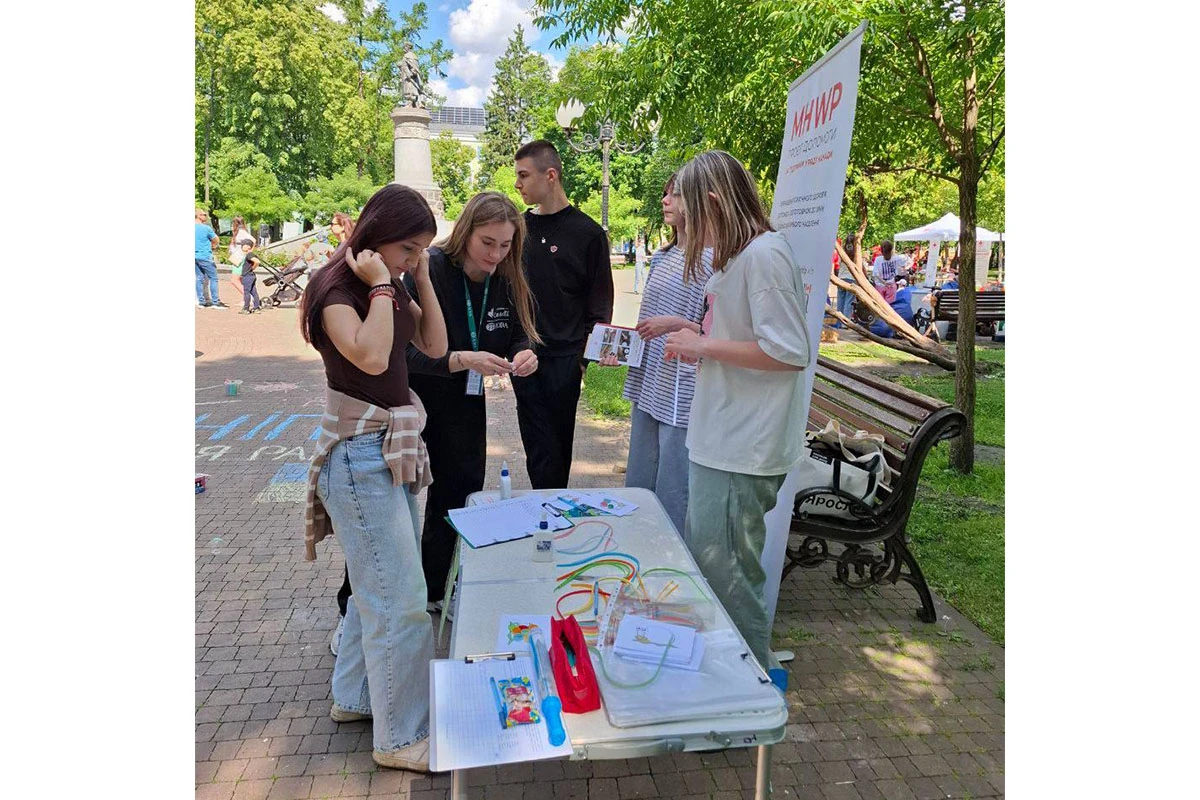
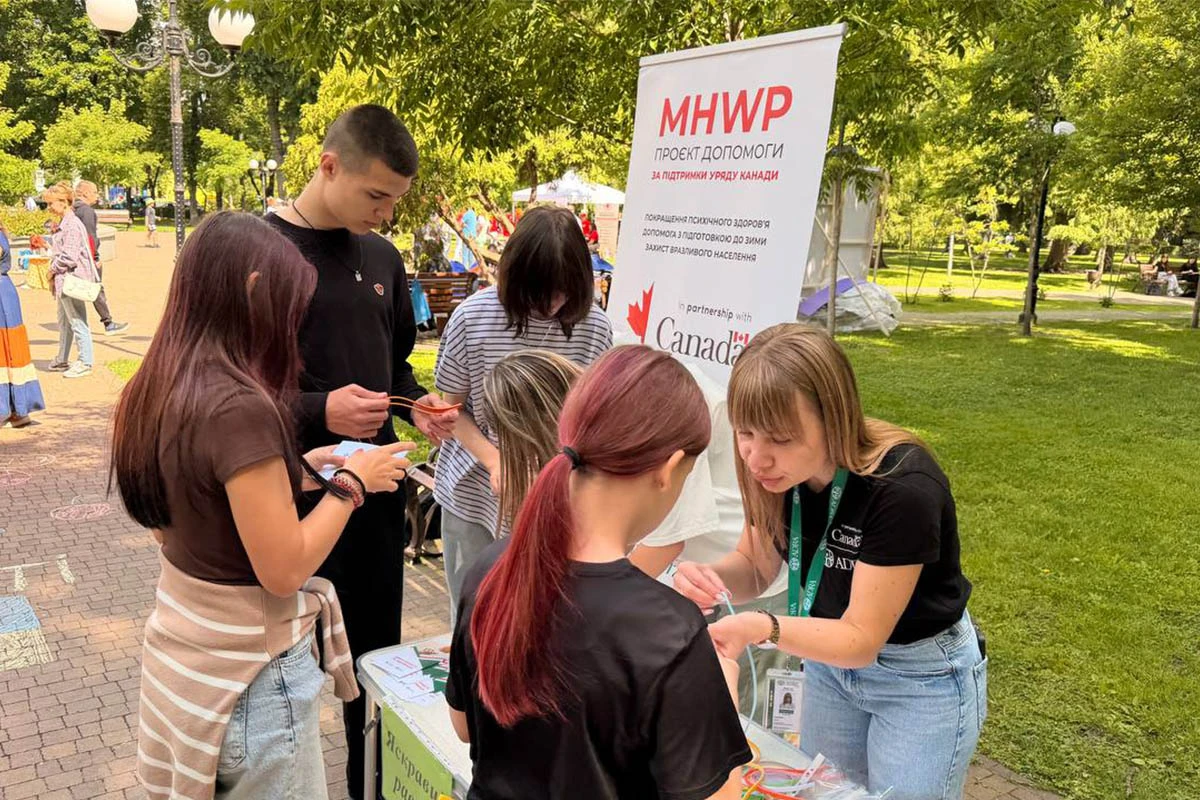
On June 2, Chernihiv hosted the annual event «Chernihiv — territory of joy», dedicated to the beginning of the summer vacation. Representatives of ADRA Ukraine, psychologist Yuliia Bohush and facilitator Vladyslava Voilo, ...
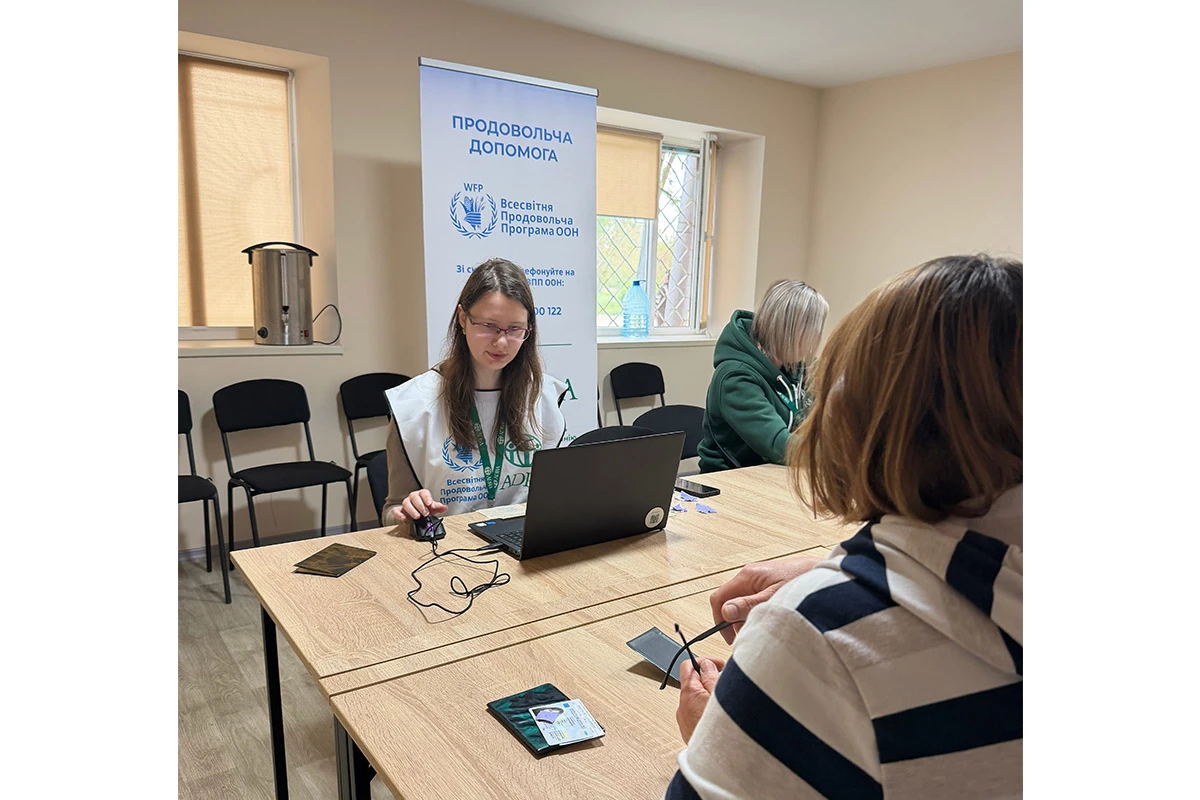
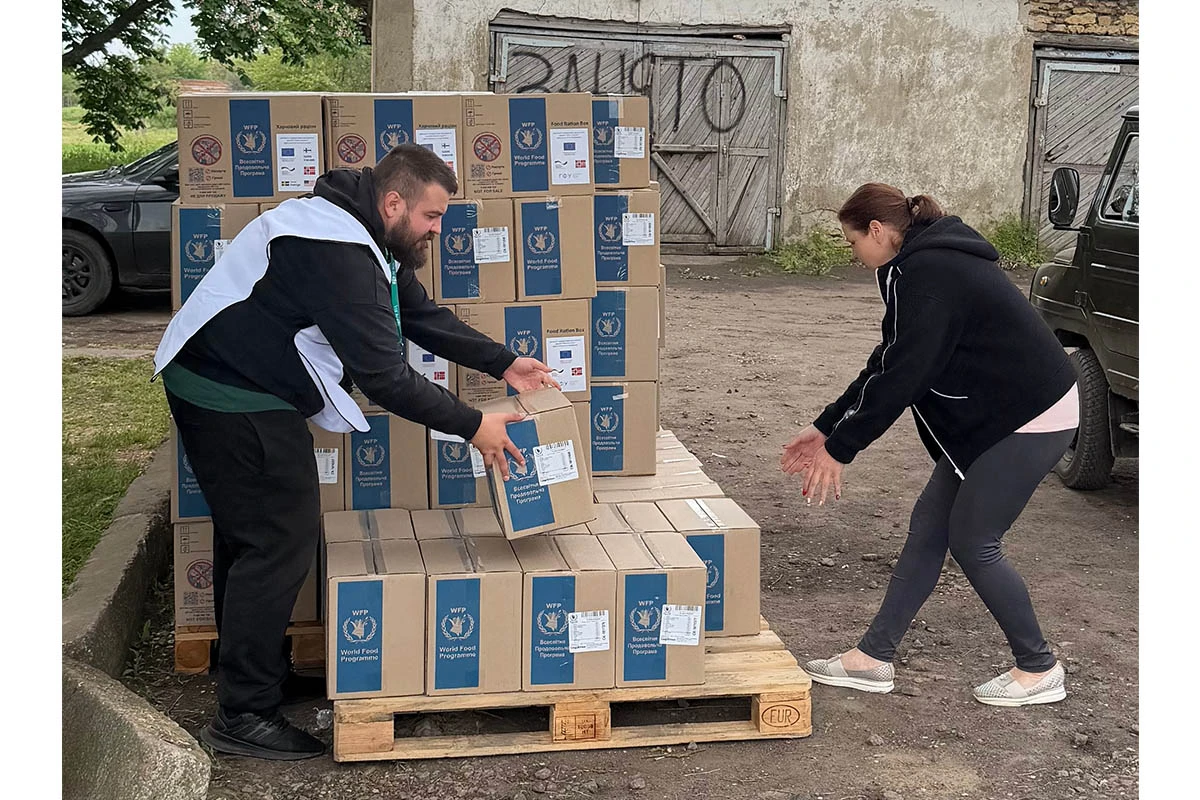
In May, the ADRA Ukraine team distributed 295 food kits from the UN World Food Programme to residents of the village of Petropavlivka, Myliv community, Kherson region. Assistance is provided with the support ...
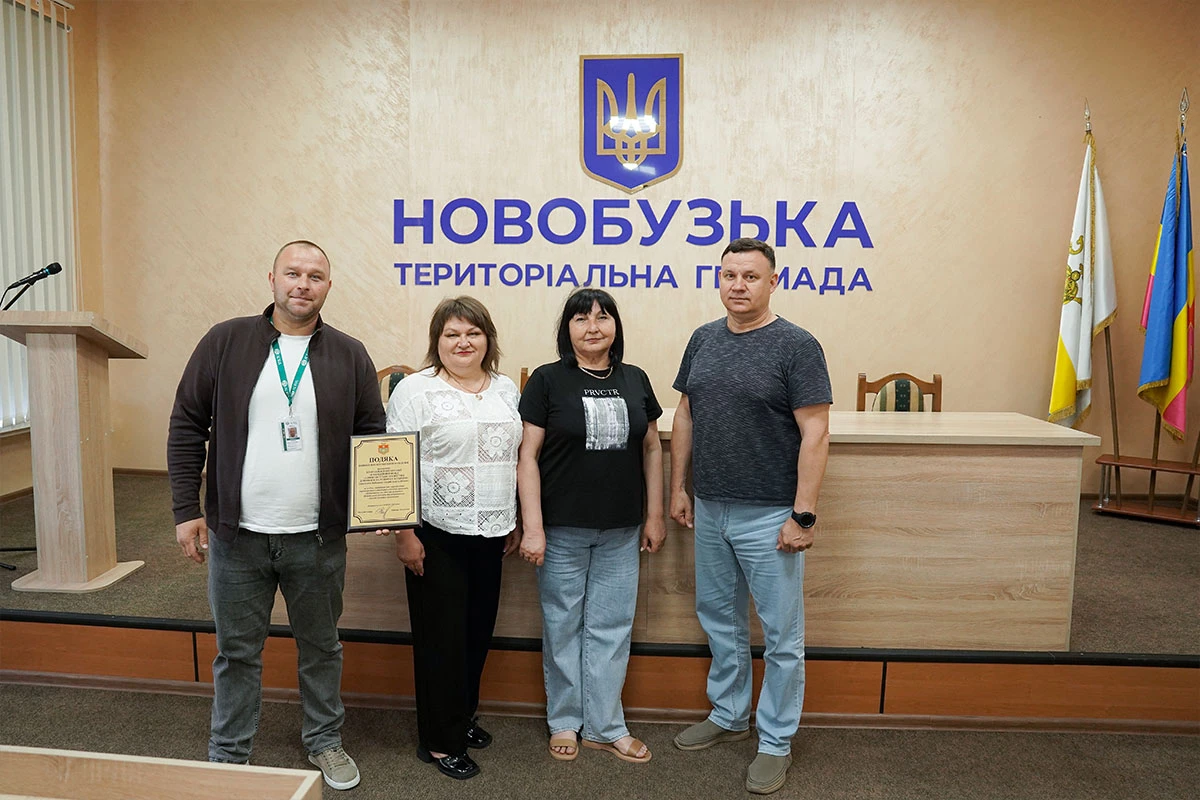
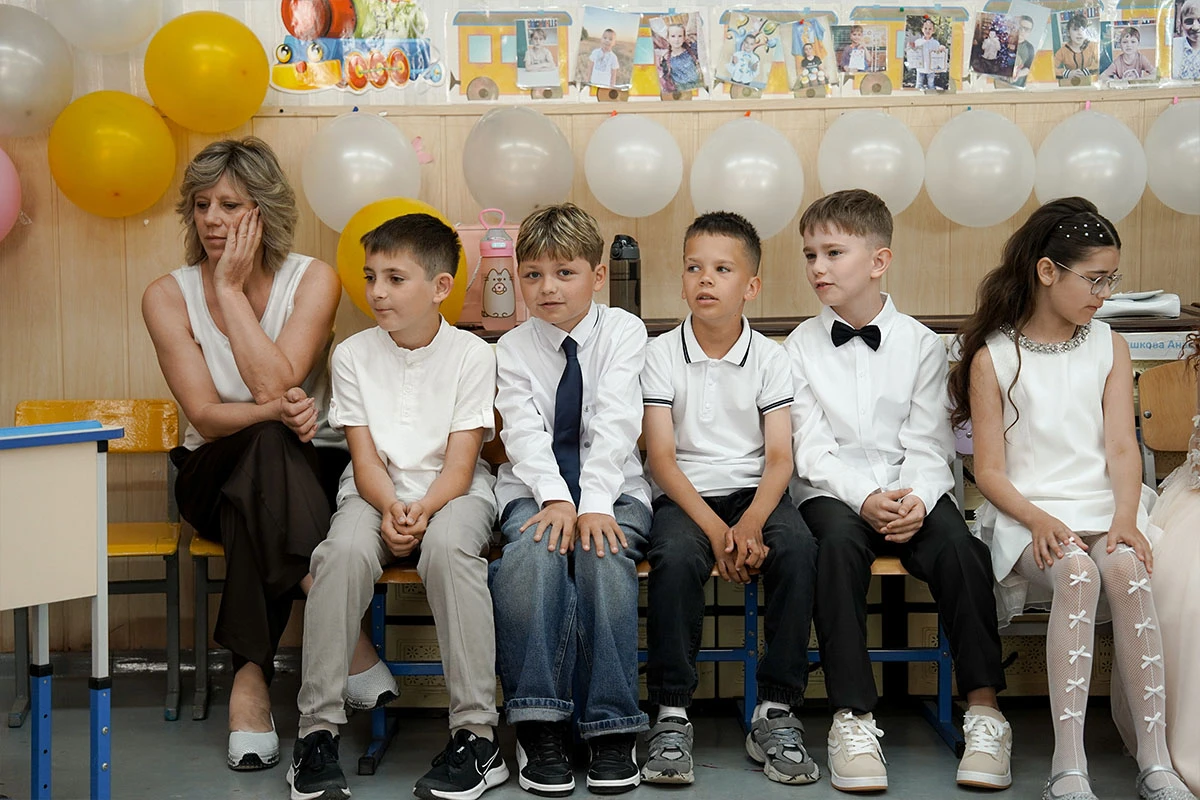
On May 26, the ADRA Ukraine team visited the Novobuzk community of the Mykolaiv region, where one of the educational institutions was restored as part of the “Reconstruction of social infrastructure in ...
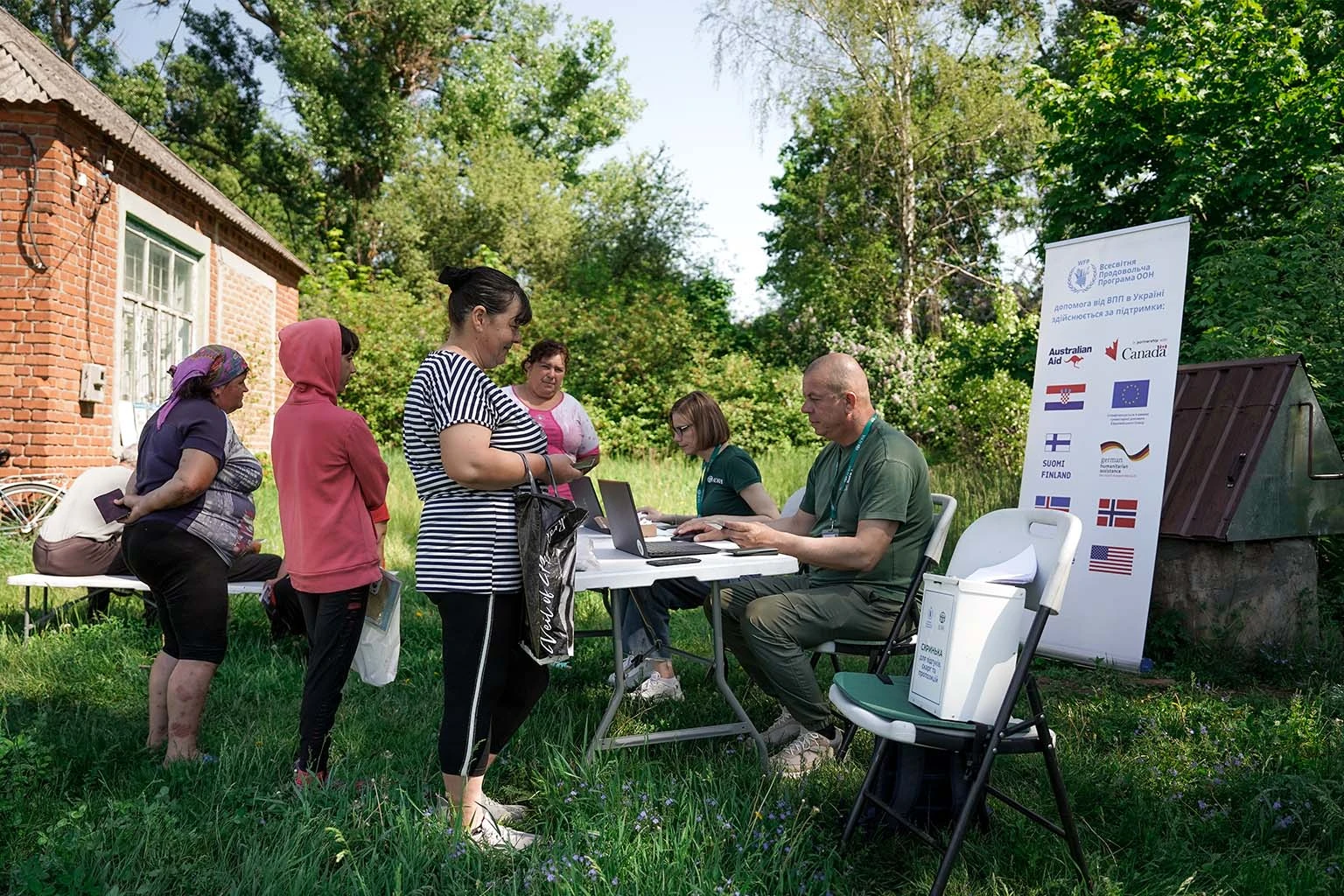
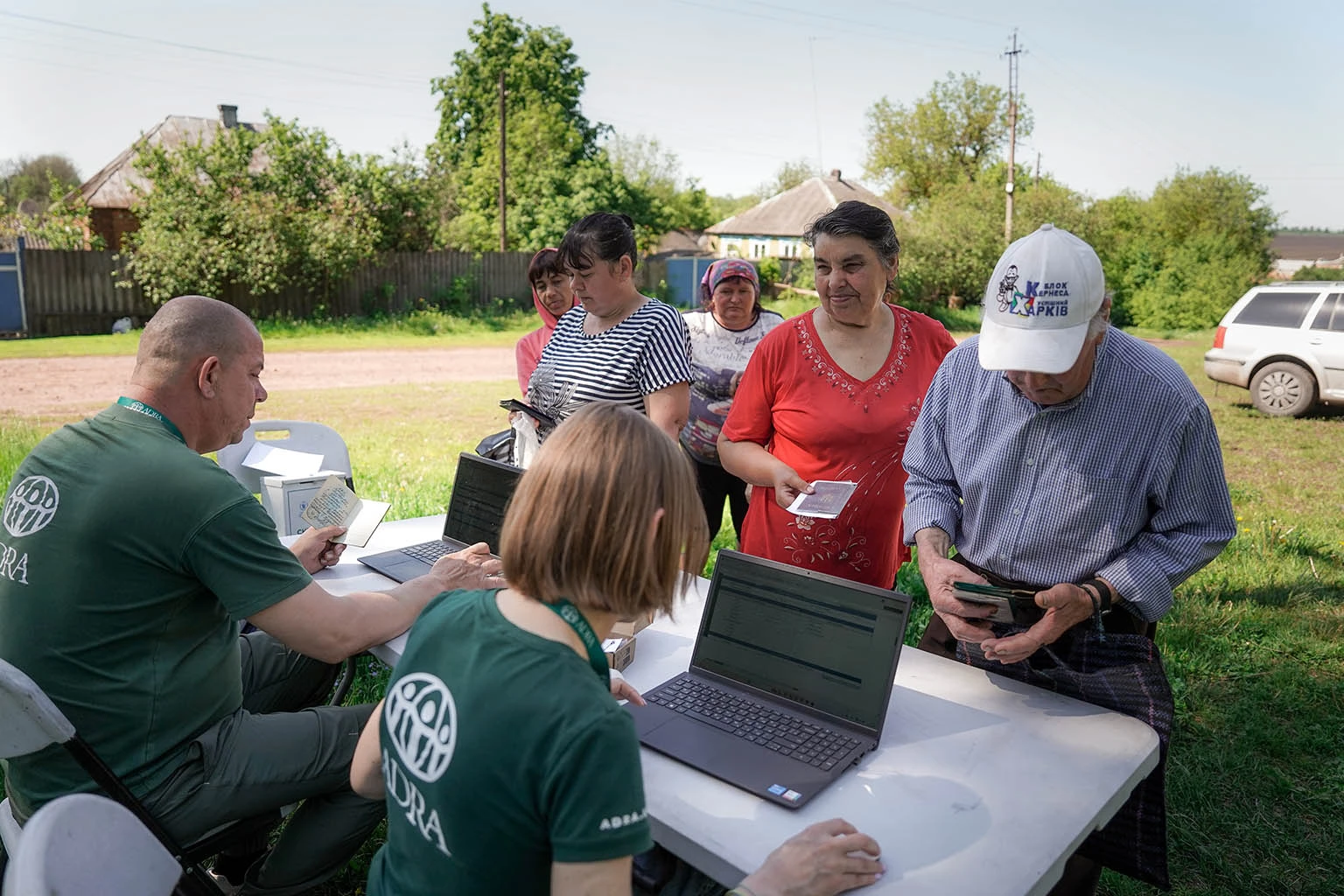
In the Kharkiv region, in particular in the communities of the Bogodukhiv district, support for residents who suffered as a result of the war continues. Food kits are provided by the UN ...
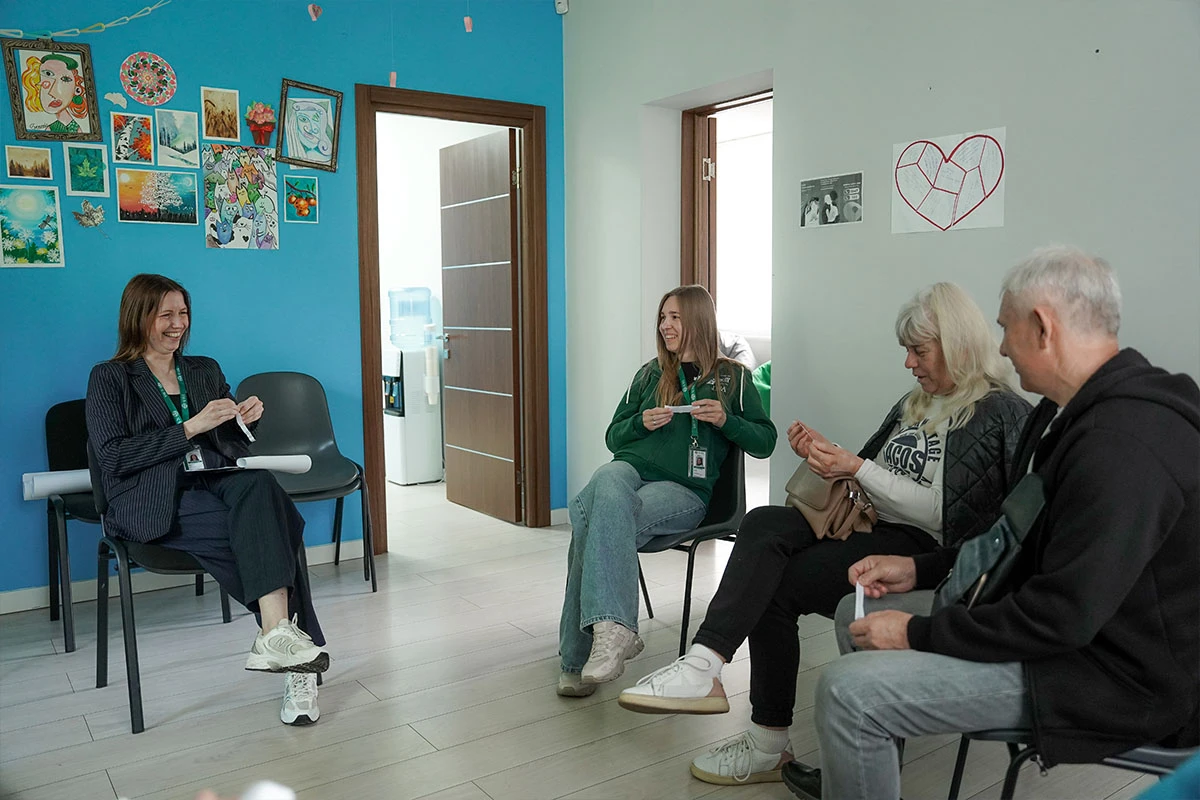
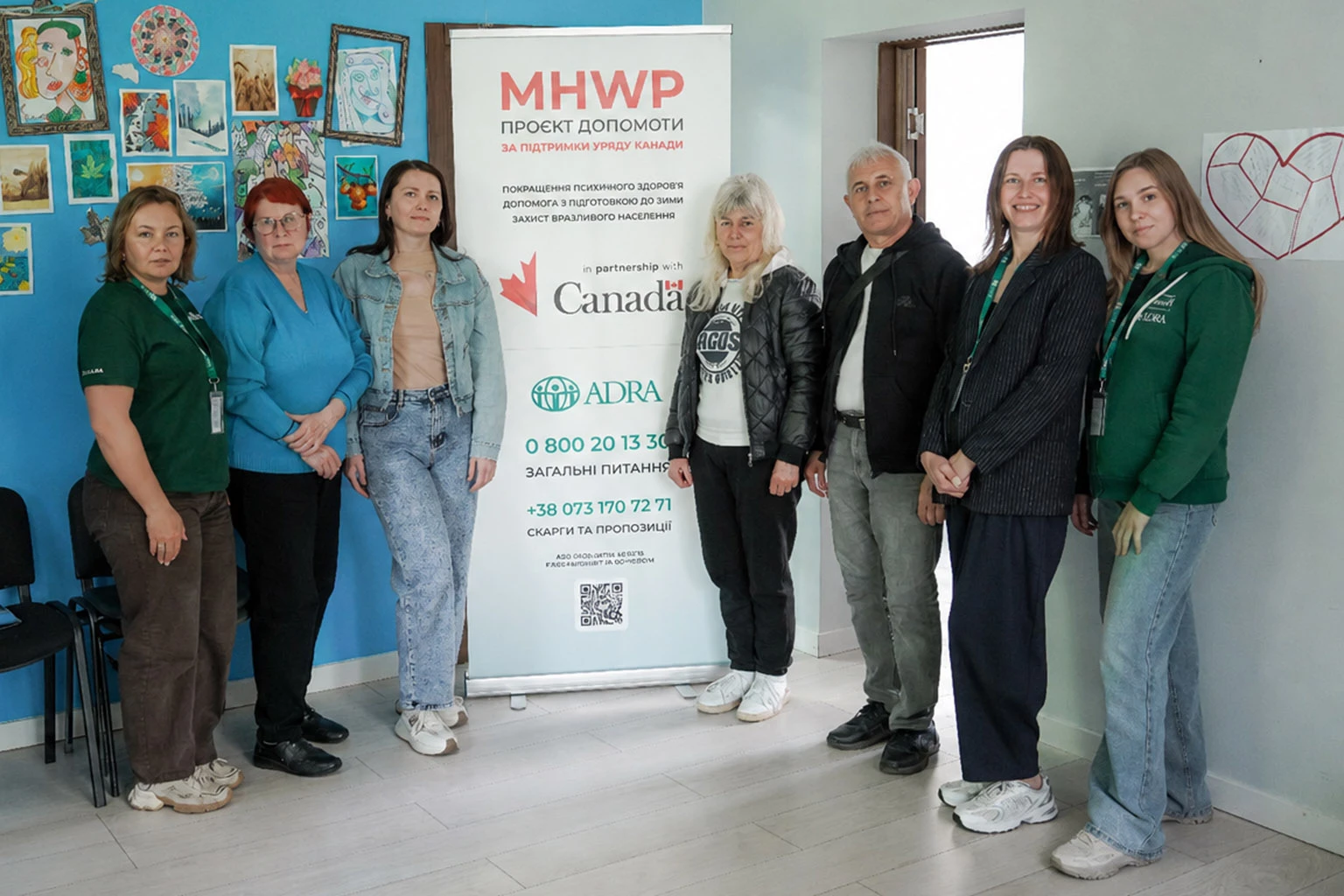
An event on the topic «Restoration of own resources» was held at the Center for Protection and Support of ADRA Ukraine in the city of Dnipro. It was conducted by the center’s ...
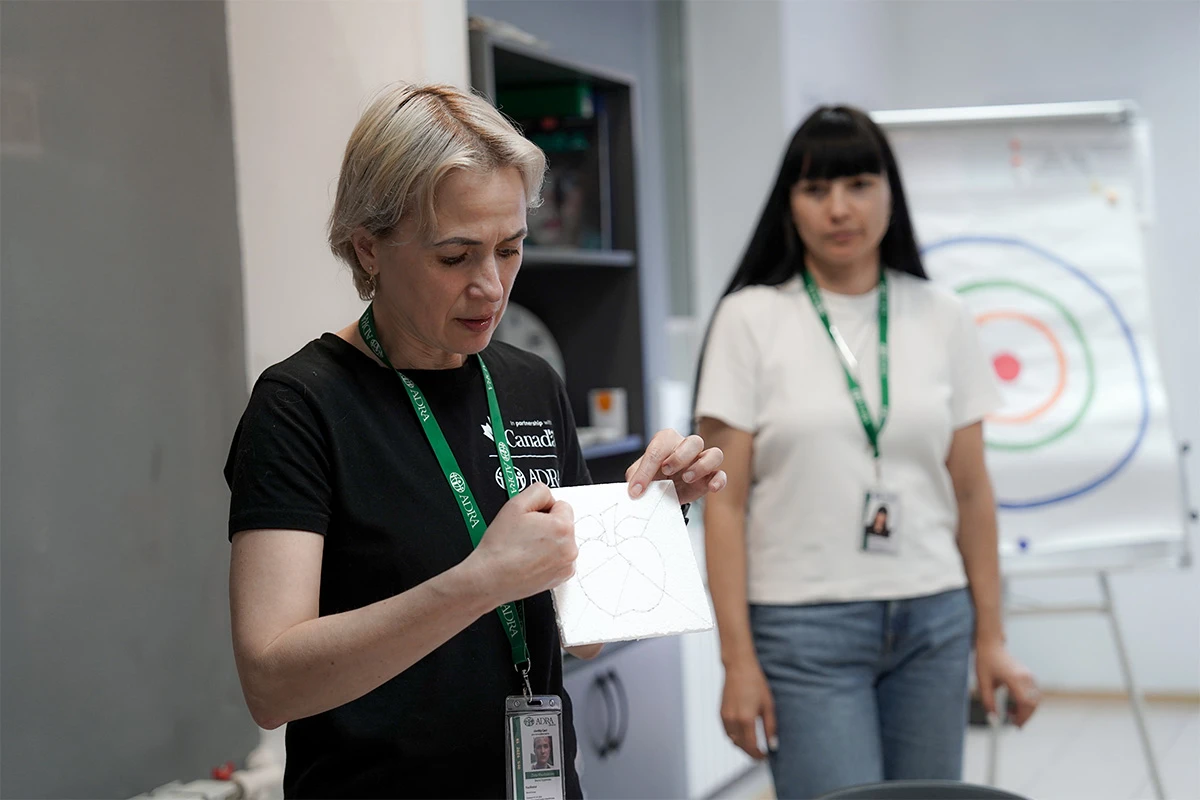
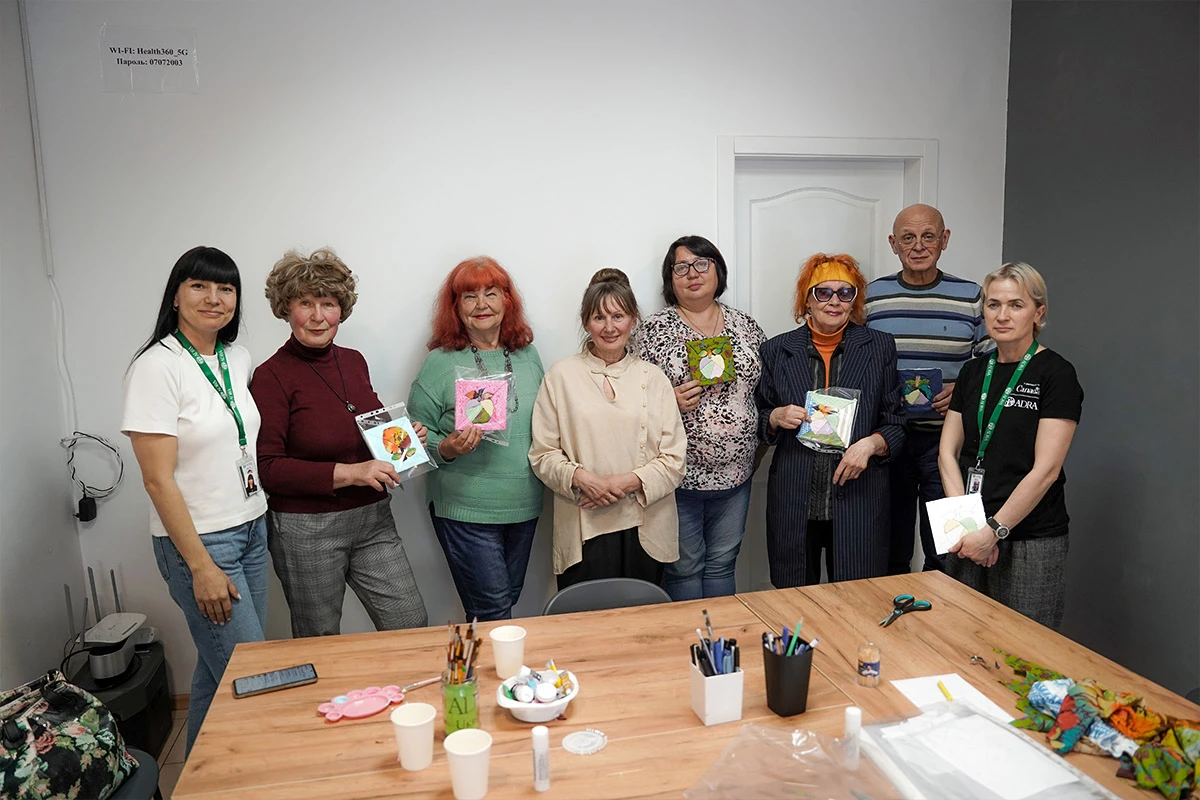
Psychological training «Development of the resource, ecological ways of expressing accumulated emotions» took place at the Protection and Support Center of ADRA Ukraine in the city of Kryvyi Rih, located in Dnipropetrovsk ...


On May 15, a facilitation meeting of the ADRA Ukraine team with local residents to support public initiatives took place in the Bereznehuvate community of the Mykolaiv region. Those present were told about ...


During the winter months, ADRA Ukraine implemented the “FROST” project (Fodder Relief for Overcoming Severe Temperatures), aimed at supporting the livelihoods of vulnerable households. The initiative lasted three months starting in December ...

Please find below the April 2026 ADRA Ukraine Newsletter. You can download the newsletter at the following link: Newsletter – April 2026

Please find below the March 2026 ADRA Ukraine Newsletter. You can download the newsletter at the following link: Newsletter – March 2026


On May 11–12, memorandums of cooperation were signed between ADRA Ukraine, local authorities and water utilities within the framework of the implementation of one of the components of the LDS WASH 2026 ...


The ADRA Ukraine team, with the assistance of ADRA Switzerland, distributed humanitarian aid from the UN World Food Programme. Since the aid was distributed immediately in two months (May and June), the ...


On May 7 in the city of Vorzel, located in the Kyiv region, held a seminar on summing up the results of the project named «Comprehensive training on mine danger and assistance ...
