


“Building Back Better.” How ADRA Ukraine Helps Communities in Mykolaiv Region Prepare for Winter
“Building Back Better.” How ADRA Ukraine Helps Communities in Mykolaiv Region Prepare for Winter
Today’s conversation is with Sergii Gorkavyi, Project Manager of EU-DCA WASH 2025 Project. He coordinates one of those initiatives that may be invisible at first glance but make a real difference in the lives of frontline communities. The full name of the project implemented by ADRA Ukraine in partnership with ADRA Denmark and DanChurchAid (DCA) is: “Winterizing frontline communities and increasing resilience through community led initiatives, infrastructure reconstruction and green energy”. Behind these words lies genuine care for people who must face the cold season under challenging conditions.
— Sergii, tell us a bit about yourself. What is your role in this project?
— As a project manager, I coordinate all activities in Mykolaiv Region and the city of Mykolaiv — from planning to community engagement and contractor oversight. My main goal is to ensure that all activities are delivered with high quality, on time, and in line with European Commission requirements.
— Could you explain in more detail what exactly the project includes?
— Our key goal is to prepare frontline communities for winter and strengthen the resilience of critical infrastructure. The project covers several major areas:
- repairs and thermal modernization of boiler houses (replacement of windows and doors at 7 locations in Mykolaiv);
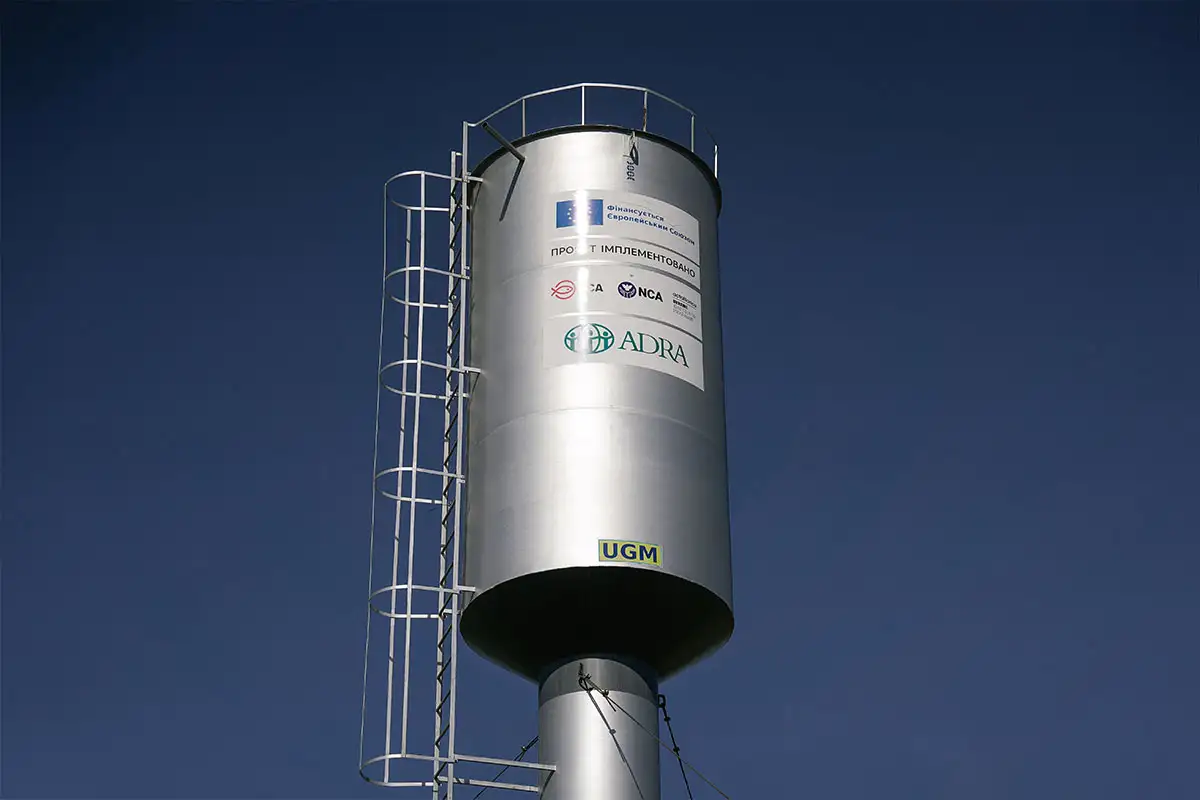
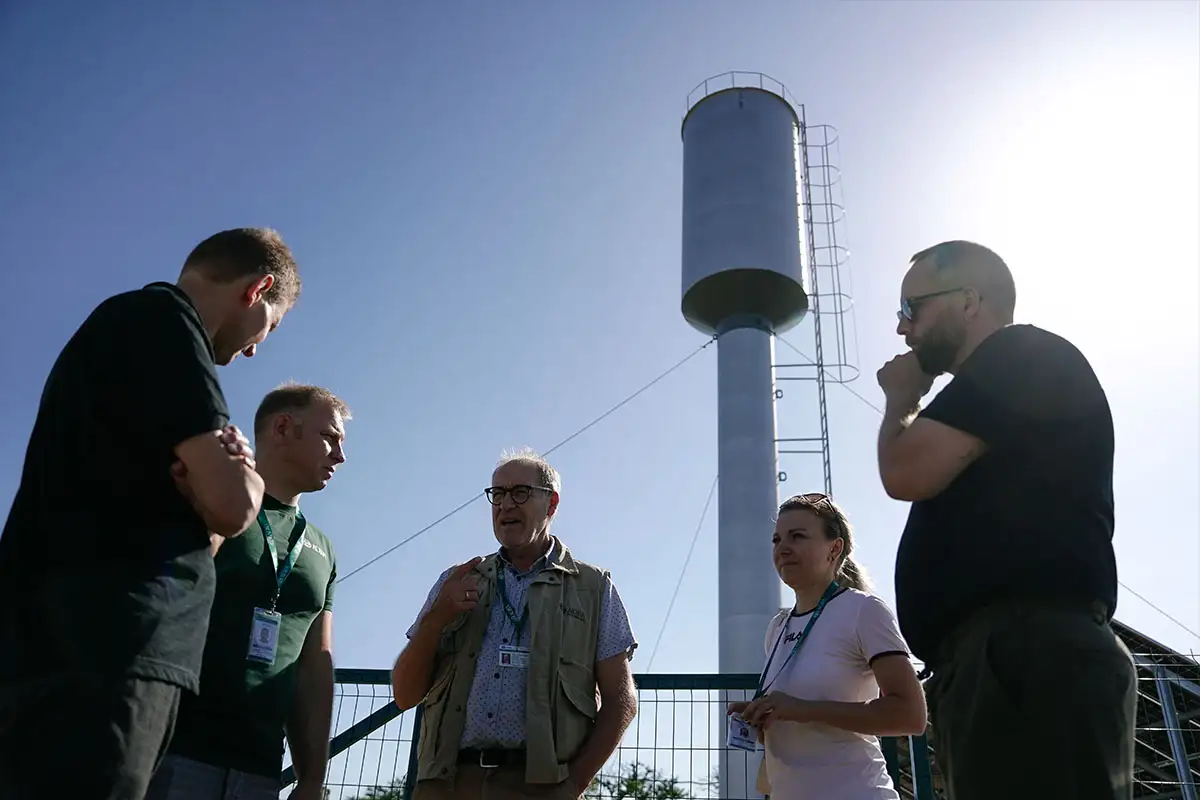
- replacement of Rozhnovsky water towers in five communities, including well rehabilitation, electronics upgrades, and installation of fencing;
- insulation of heating networks — replacement and installation of new thermal insulation for pipelines in several Mykolaiv residential areas.
All of this ensures that communities have stable heat and water supplies in winter and reduces the risk of infrastructure failures. The project is funded by the European Commission, while ADRA Ukraine is responsible for implementation on the ground. Our partners — ADRA Denmark and DCA — support coordination and implementation.
— From the work already completed, what stands out to you as most significant?
— Since April 2025, we’ve completed a substantial amount of work. In Mykolaiv Region, we are installing five new water towers with full modernization of wells and fencing at all project locations (Mykolaiv District: the urban-type settlement of Pervomaiske of Pervomaiska Community; the villages of Peresadivka and Kalynivka of Voskresenska Community; the village of Kandybyne of Kostiantynivka Community; Pervomaisk District: the village of Berizky of Kryvoozerska Community). In Mykolaiv city, seven boiler houses have received new or replaced windows and doors. We have also begun and partially completed insulation of heating networks on Oceanivska, Kurortna, and Samoilovycha streets.
— Why is it so important to carry out this work right now?
— Mykolaiv Region is a frontline area. Its infrastructure has suffered extensive damage from shelling, and community resources are limited. By restoring heating and water supply systems, we cover basic needs of residents — including displaced people — ensure functioning of medical and educational institutions, protect residential areas, and reduce the risk of emergencies. This is especially critical in winter.
— Do you already see a visible impact from the completed work?
— Yes, and it’s noticeable. Renovated boiler houses reduce heat losses and ensure stable heating throughout winter. The newly insulated pipelines help minimize the risk of freezing or ruptures in low temperatures. The new water towers will soon become operational, providing stable water supply to hundreds of households and social facilities across Mykolaiv Region. All these efforts strengthen energy efficiency, durability, and resilience of infrastructure — following the “build back better” approach.
— Working in frontline areas always brings challenges. What obstacles does your team face?
— The work is indeed difficult. Constant threats of shelling of critical sites, tight deadlines related to winter preparation requiring quick decisions, and the need to coordinate bureaucratic processes between contractors and local authorities. We closely collaborate with communities and military administrations, adjust schedules, and conduct regular safety assessments. Some activities must be performed with limited public visibility, and the team is continuously evaluating risks.
— Were there any unexpected results or discoveries during the project?
— Yes, a few positive surprises. Communities are actively involved and eager to cooperate. Replacing water towers will bring a much greater effect than expected — in some villages, residents will have reliable water supply for the first time in many years. We also realized that successful winterization requires not only repairs but constant communication among all stakeholders and project participants.
— Finally, what are the next steps?
— In the near term, we plan to finalize work on all boiler houses and sign off completed acceptance of works; monitor the final installation and connection of water towers; and complete heating network insulation. We are doing everything possible to ensure that Mykolaiv communities are well-prepared for winter and can safely make it through the heating season.
Tags
Share this publication
Our social networks
Categories
Last news
Restoration of educational and medical institutions, access to drinking water and shelters, as well as support for the initiatives of the communities themselves, these directions of the new project were discussed during ...

Please find below the Summer 2026 ADRA Ukraine Newsletter. You can download the newsletter at the following link: Newsletter – Summer 2026
Restoration of educational and medical institutions, access to drinking water and shelters, as well as support for the initiatives of the communities themselves, these directions of the new project were discussed during ...
Please find below the Summer 2026 ADRA Ukraine Newsletter. You can download the newsletter at the following link: Newsletter – Summer 2026

Psychological and legal consultations for people throughout Ukraine and assistance with heating for 150 IDPs in Zaporizhzhia region — will combine such areas with the new ADRA Ukraine project, which started in ...

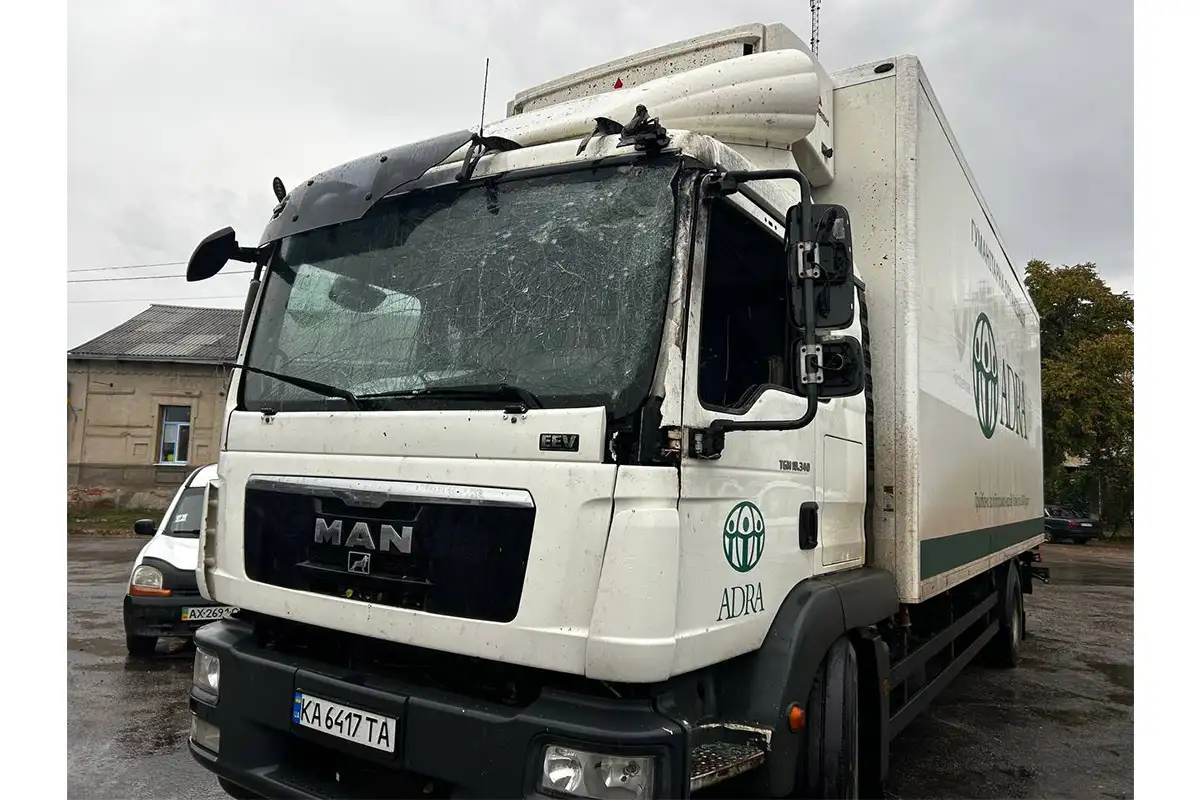
On September 23, an incident with an FPV drone occurred in the village of Zolochiv, Kharkiv region, during the distribution of food aid. Due to the team noticing the danger in time ...
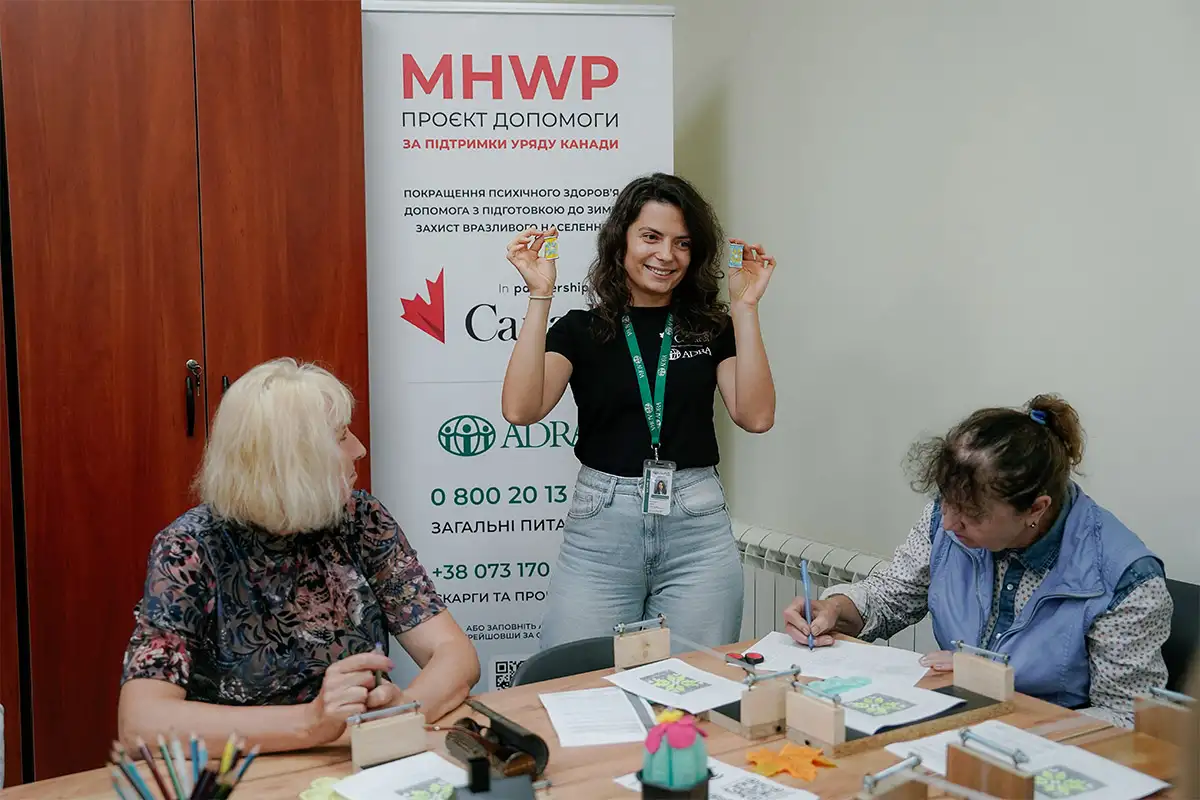
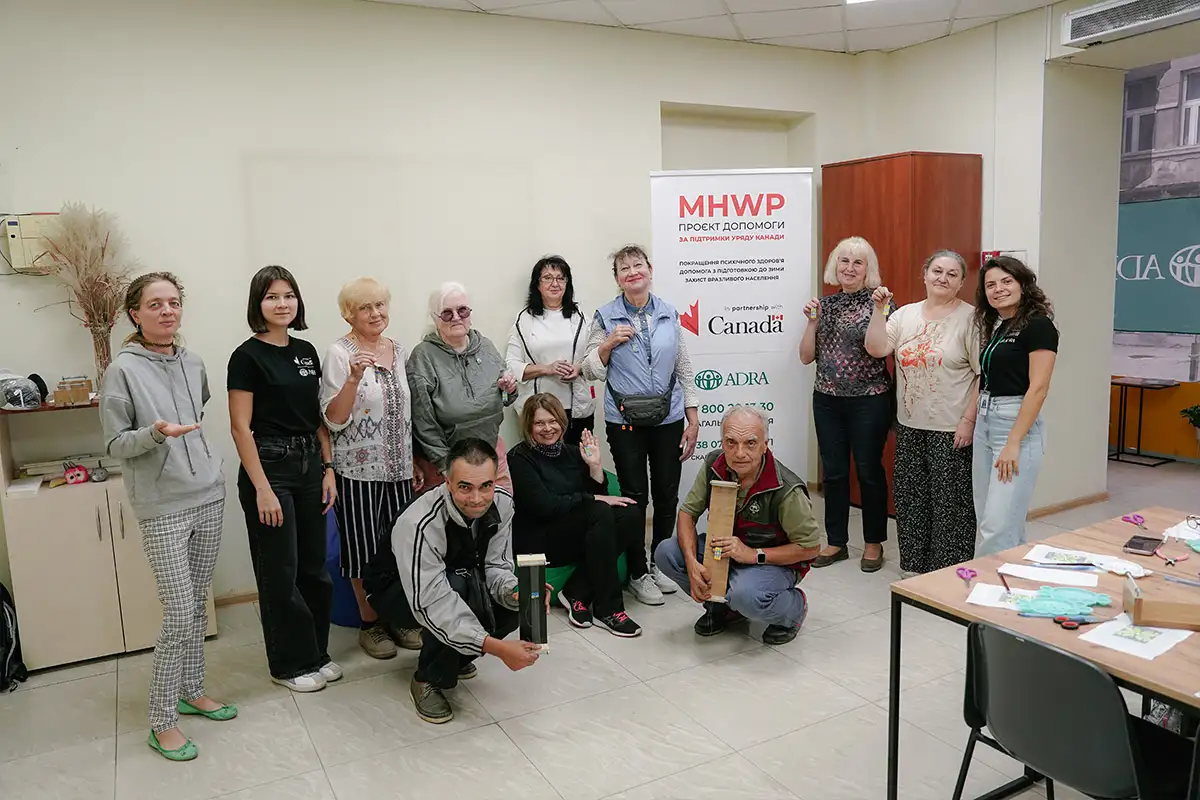
Focusing on small beads, choosing colors and gradually seeing the result of your own work — a creative activity held at the Protection and Support Center of ADRA Ukraine in Kharkiv. It ...
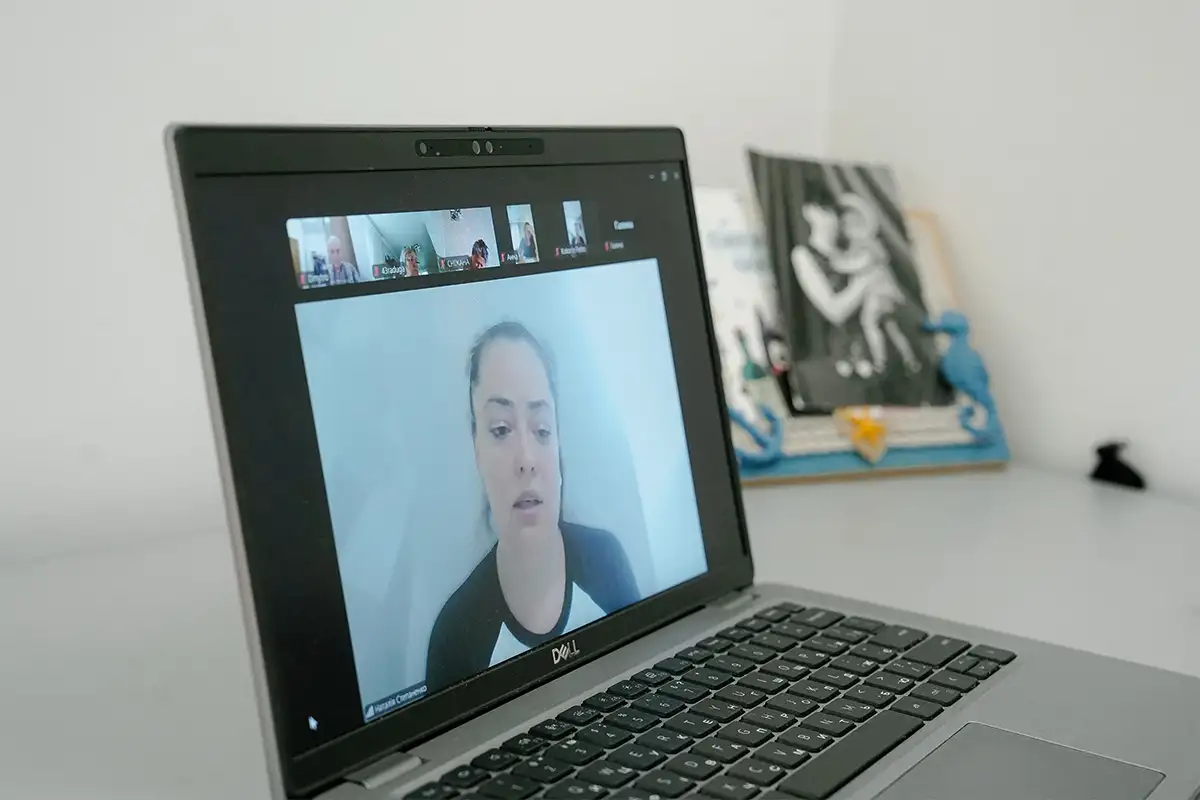
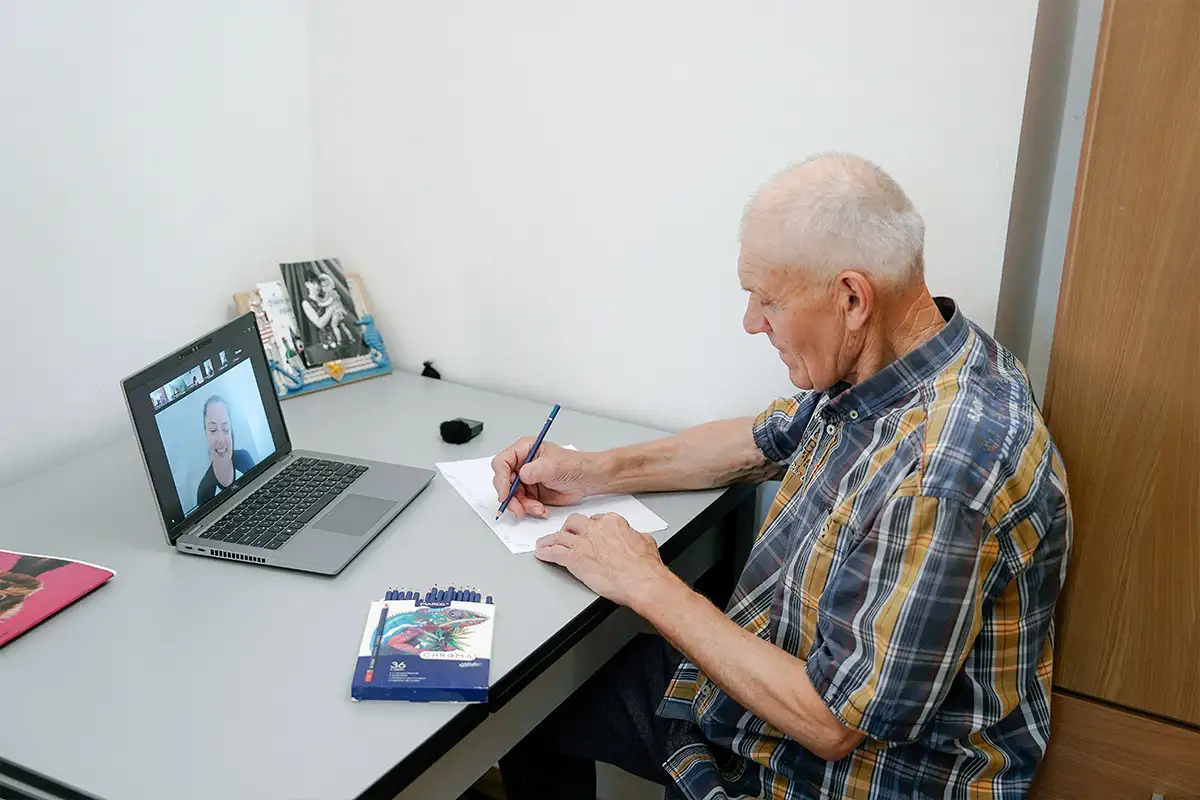
How to notice your own emotional state, cope with internal tension and find available ways of self-support? A series of online group events within the “JPF7” project was devoted to this. During ...
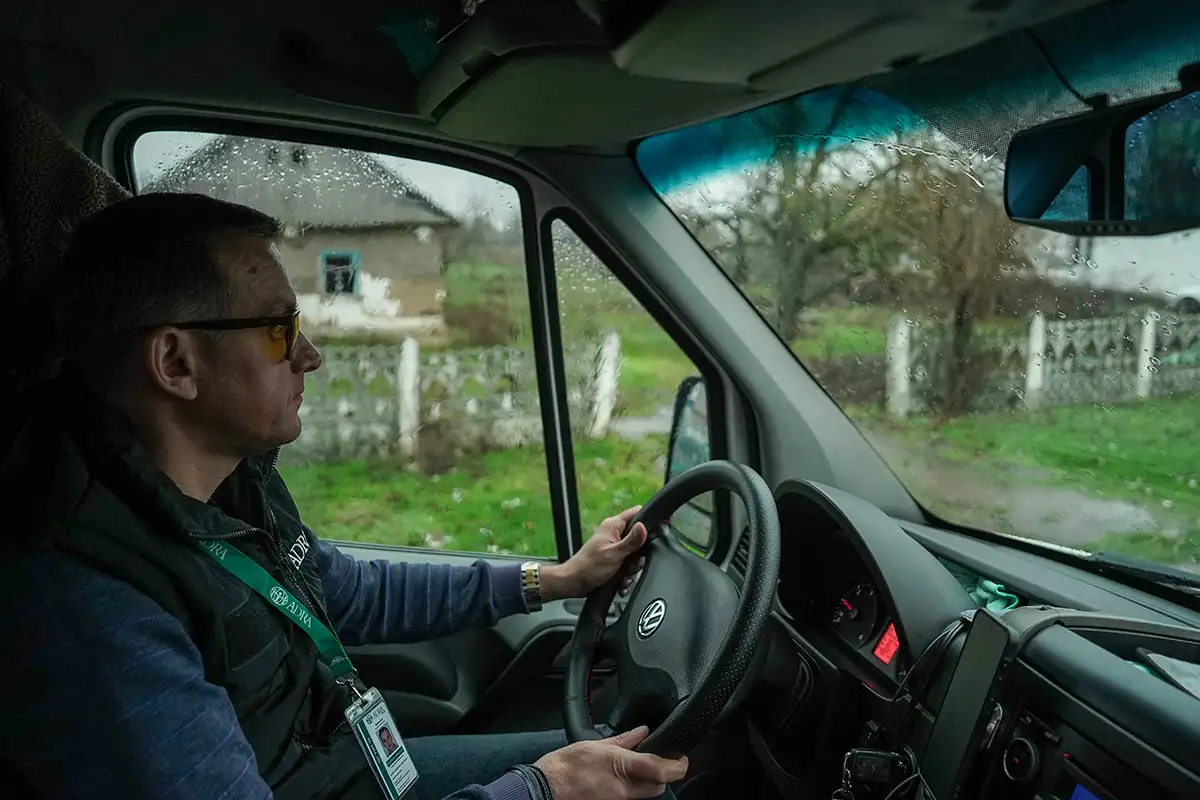
ADRA Ukraine stops humanitarian transportation in the Kherson and Zaporizhzhia regions due to high security risks on the routes. At the same time, transportation within the “REACT” project will continue in the ...

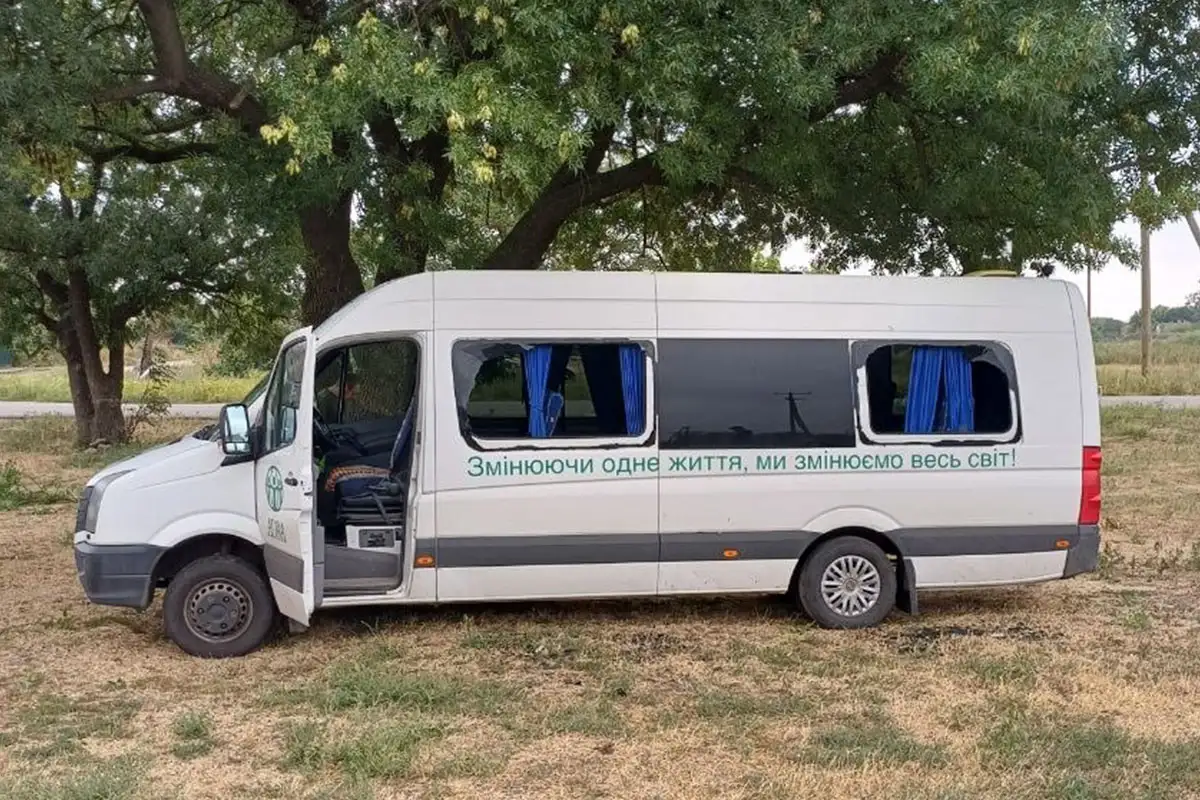
On September 14, near Myroliubivka village in the Dnipropetrovsk region, an FPV drone attacked an ADRA Ukraine bus that provides humanitarian transportation for residents of the Kherson region. At the time of ...
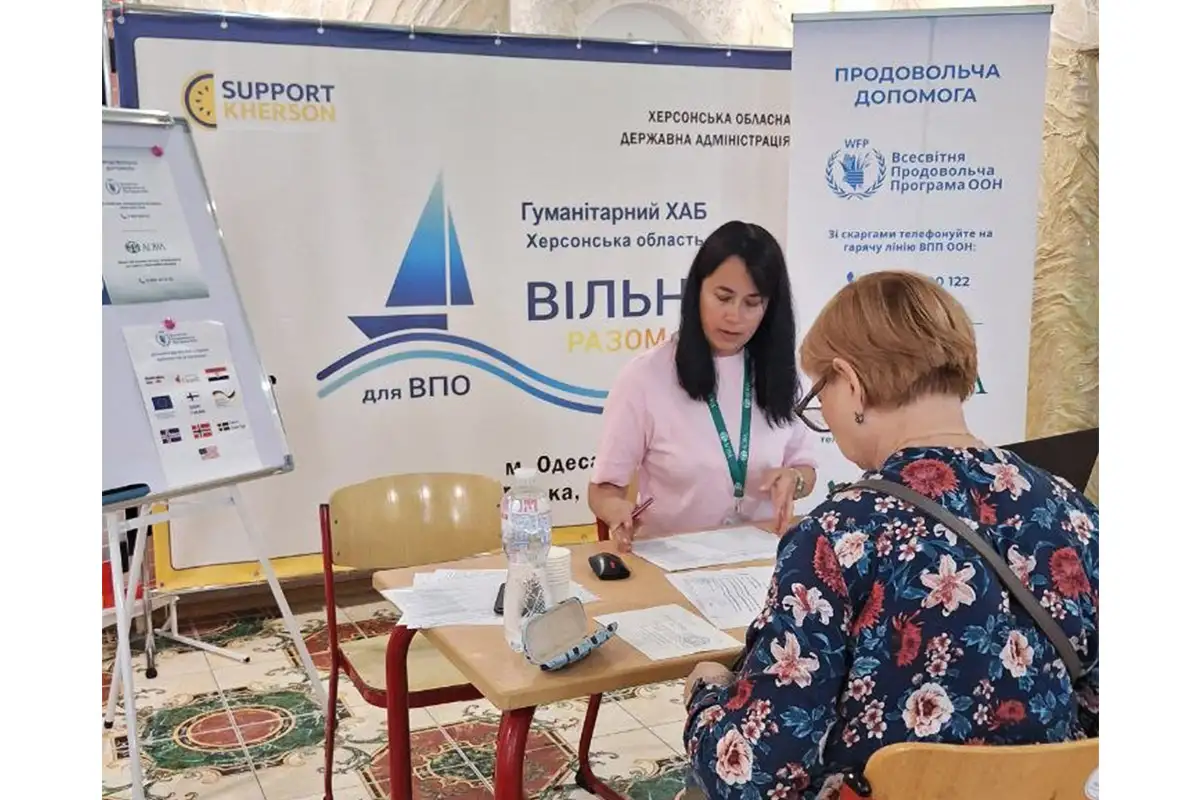
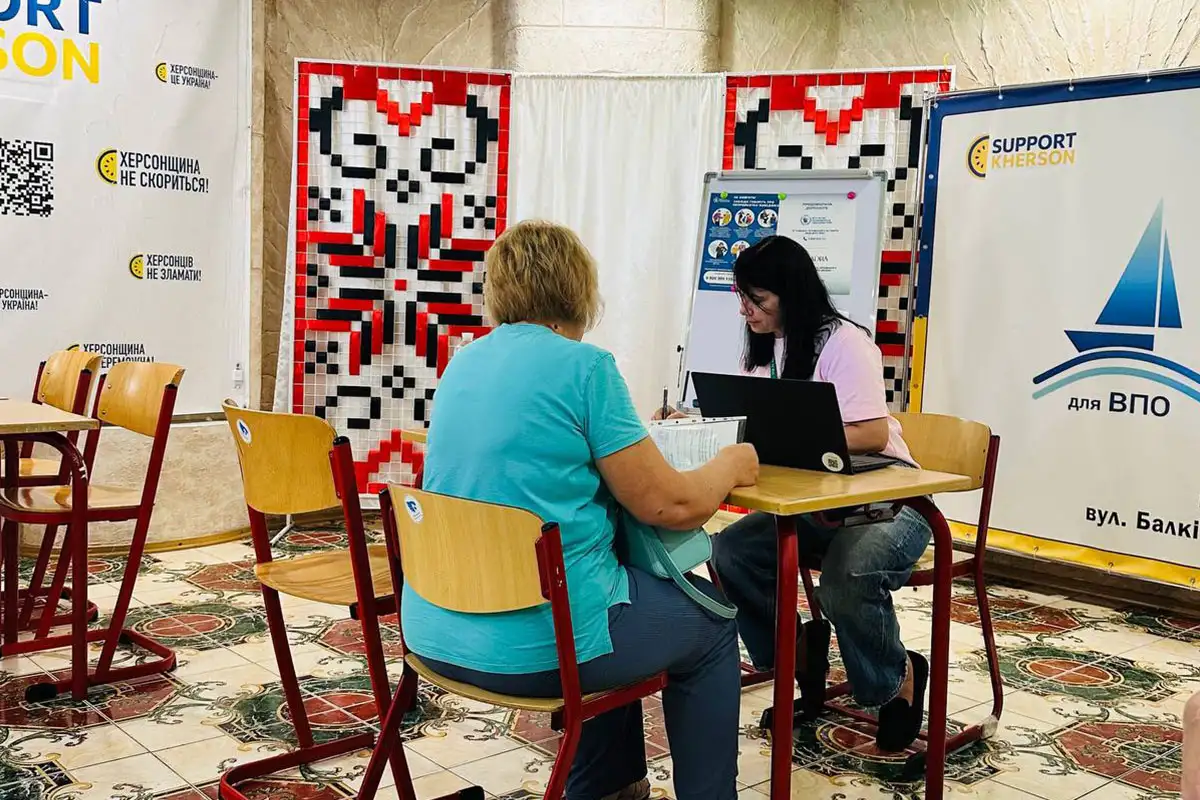
Due to the deterioration of the security situation in the city of Kherson, more and more people are evacuating the city and turning to the Kherson hub «Vilni razom» (EN: Free together) ...
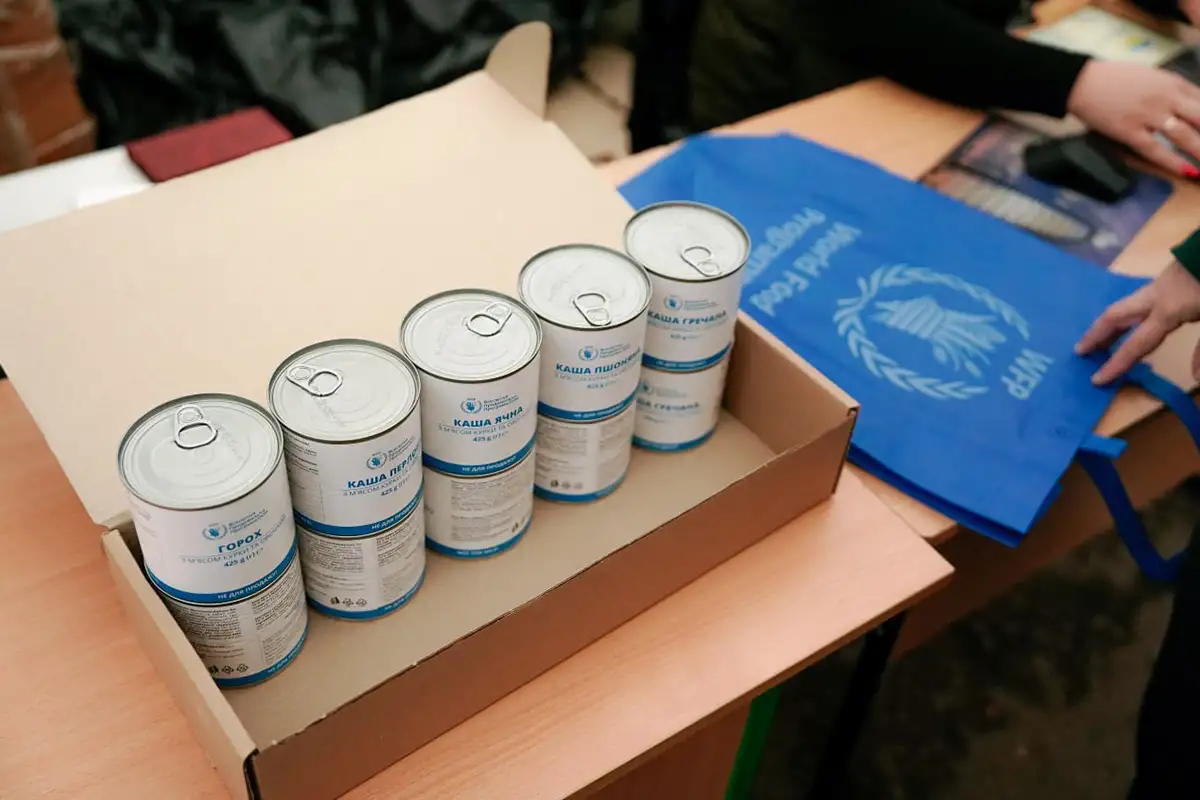
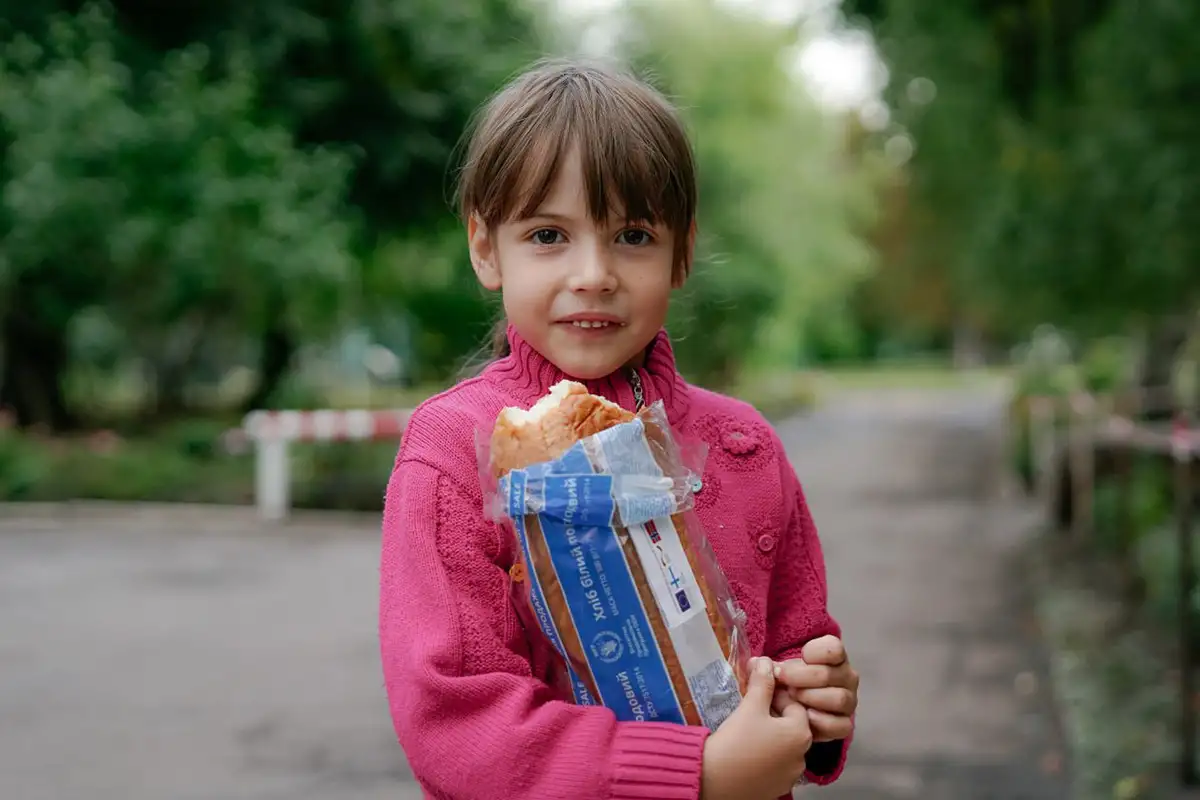
People evacuating Kramatorsk, Sloviansk and other localities in Donetsk region arrive at a transit center in Kharkiv on September 16, the ADRA Ukraine team handed them 154 ready-to-eat food kits. The peculiarity ...
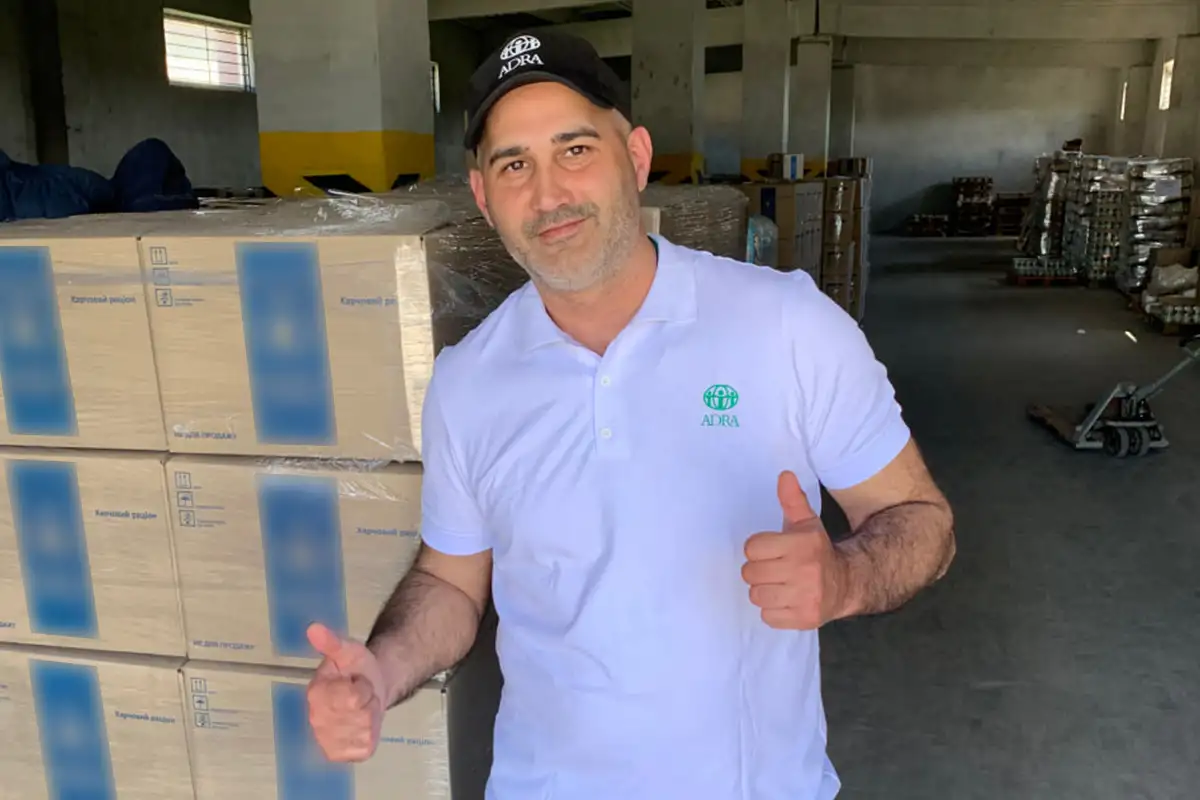
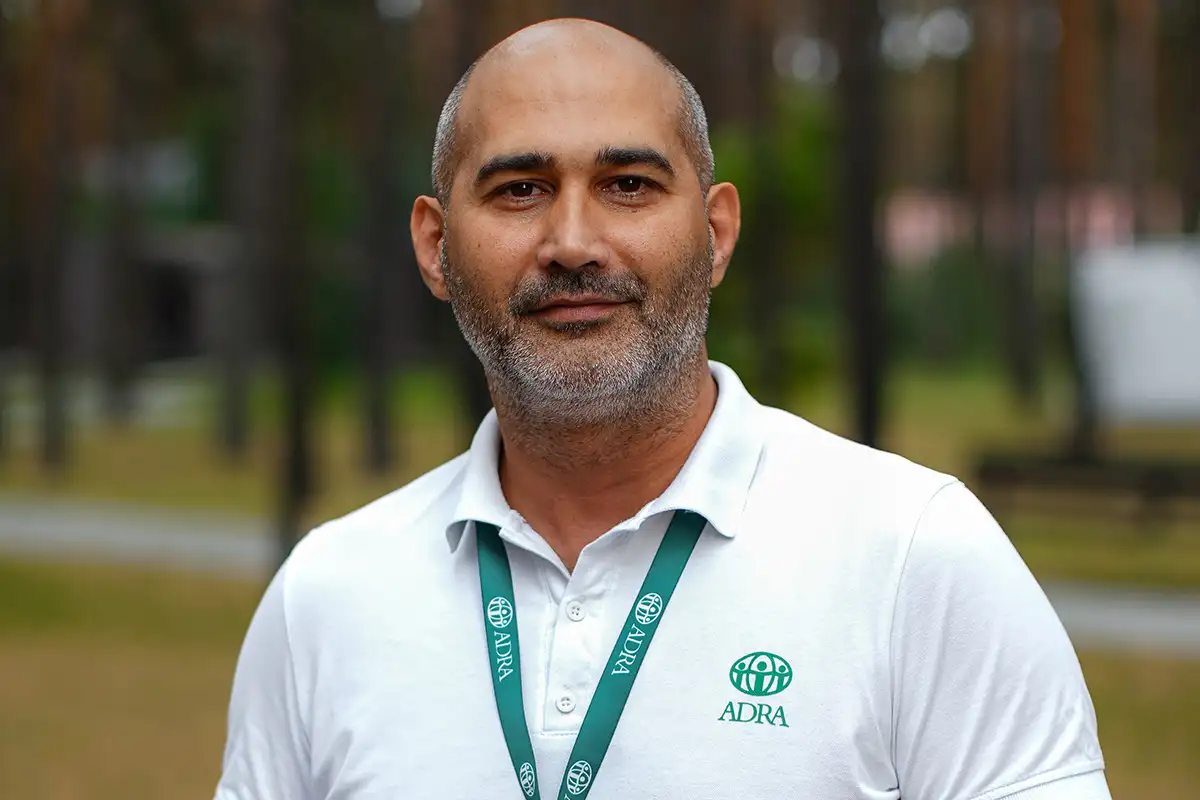
Daily shelling, FPV drones, damaged bridges and roads under anti-drone nets — in such conditions, the ADRA Ukraine team delivers food aid to people who remain in the communities of Donetsk region. ...
See alpacas and llamas up close, watch deer, ostriches and peacocks, spend the whole day in the fresh air, and most importantly — relax with the parents. For seven children from the ...
When a child is looking forward to the next class, this is probably one of the best indicators of what they are really interested in. For three months, the charity organization Save ...
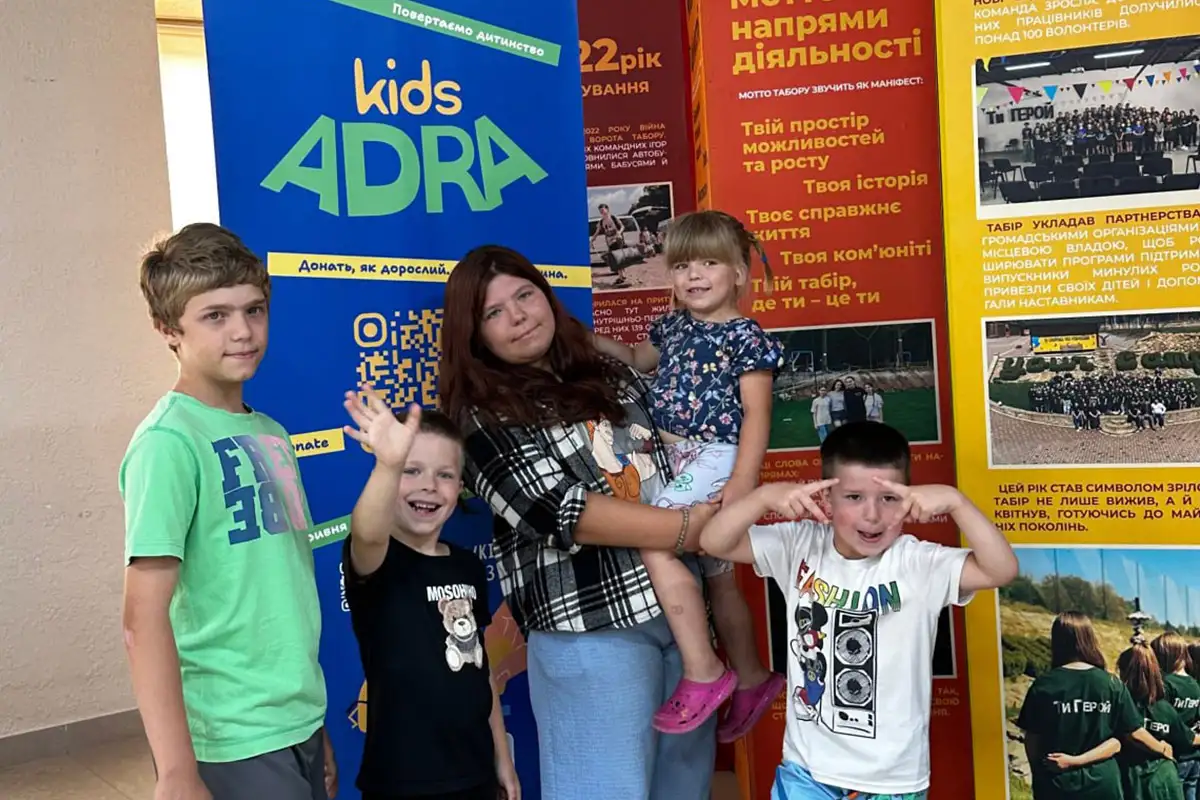
For some, a trip to summer camp is a common part of the holidays, and for some is an opportunity that might not be: to see new places, find friends, try something ...
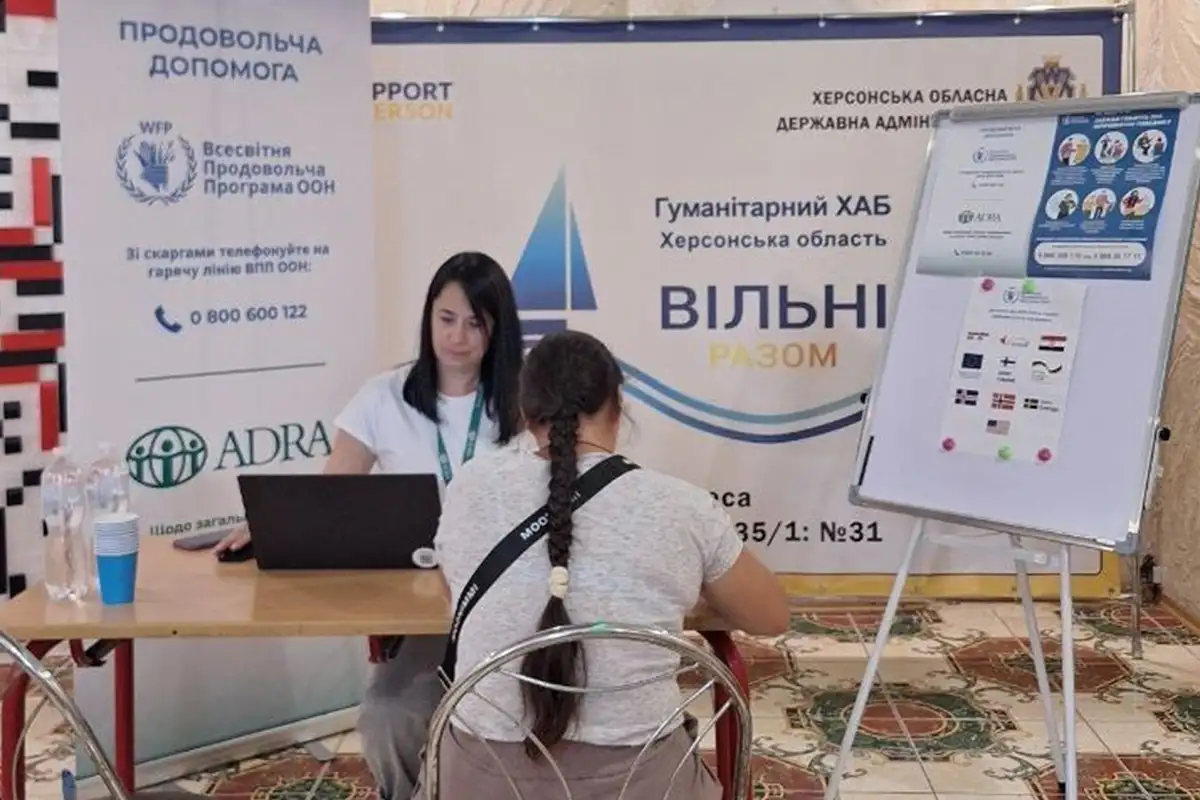
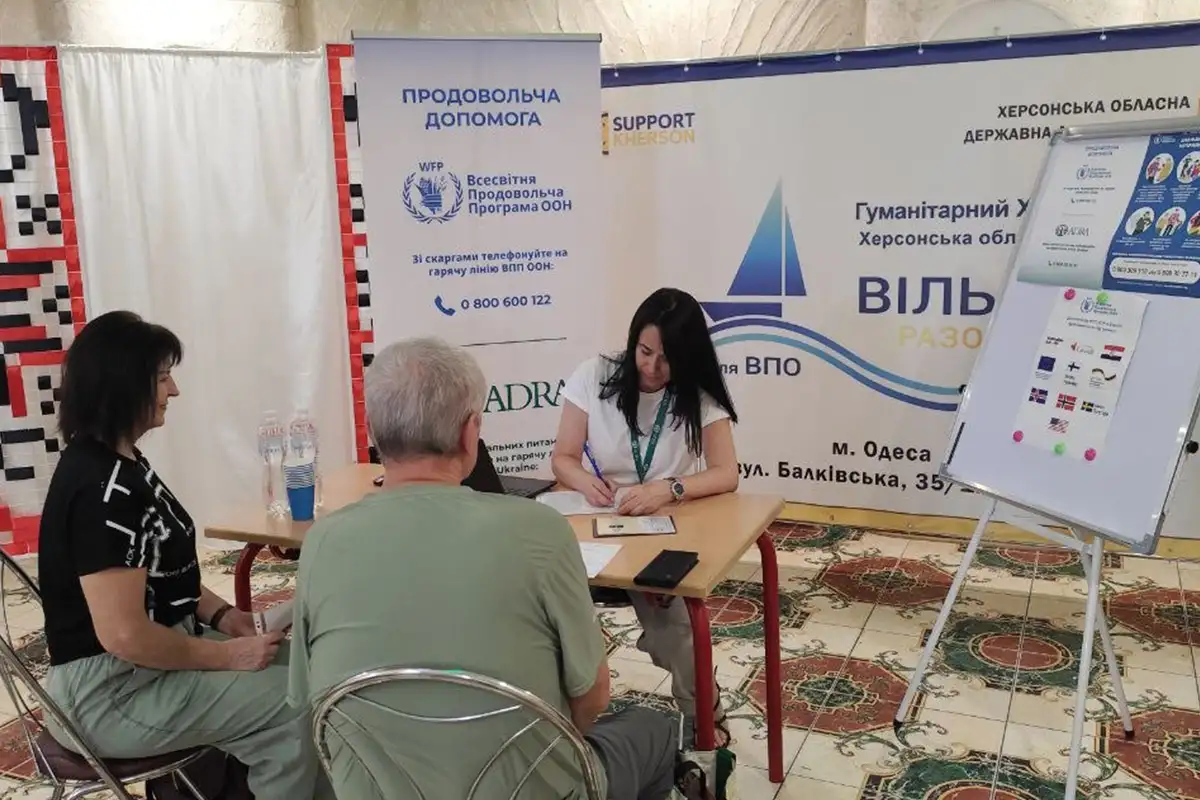
For the third month in a row, IDPs from the city of Kherson and the Kherson region, who are currently in the city of Odesa, can register for cash assistance from the ...
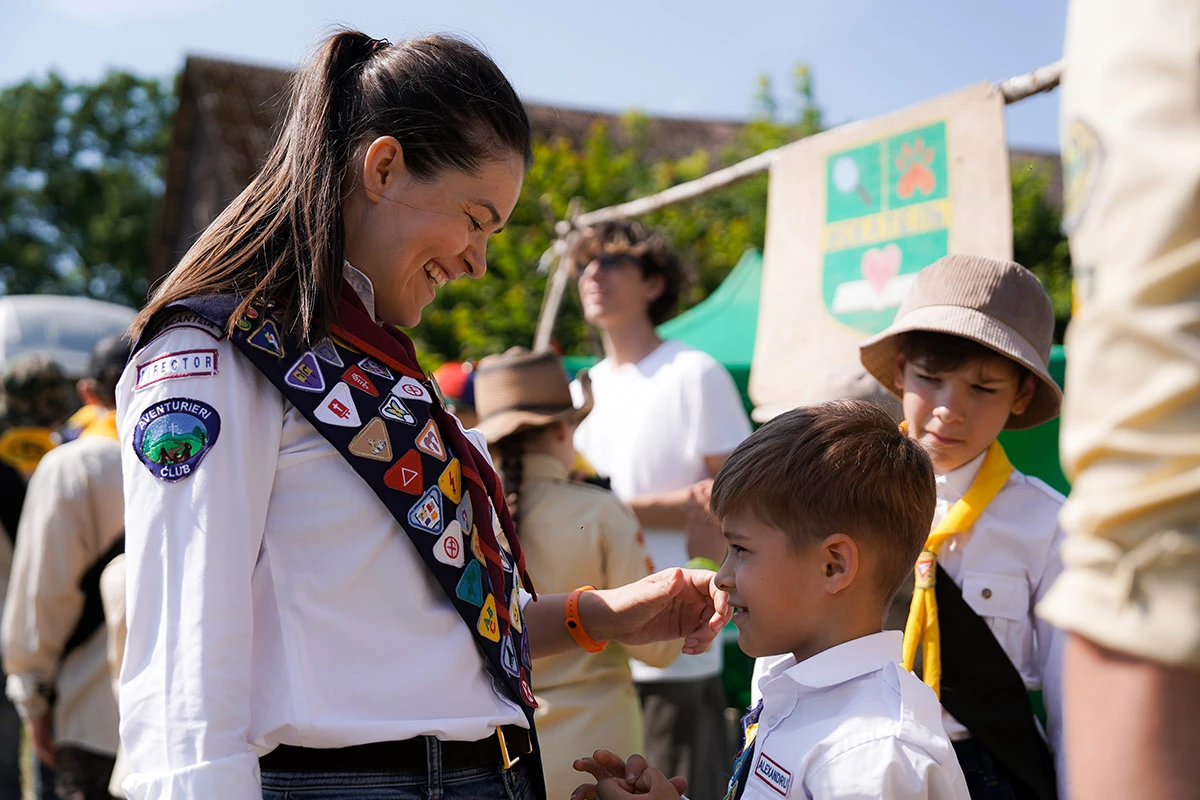
How does a humanitarian organization work, where to start assistance during a crisis and how to turn the identified problem into a specific project? This summer, children and teenagers from “The Pathfinder” ...
