


“In the south and east of Ukraine, every mayor and governor knows us because ADRA Ukraine is leading the way in providing humanitarian aid”
“In the south and east of Ukraine, every mayor and governor knows us because ADRA Ukraine is leading the way in providing humanitarian aid”
“In the south and east of Ukraine, every mayor and governor knows us because ADRA Ukraine is leading the way in providing humanitarian aid”
In 2024, the Adventist Development and Relief Agency in Ukraine was ranked first in the People’s Charity Givers competition and 12th in the annual TOP 100 Charities of Ukraine rating, having provided assistance to more than two million individual beneficiaries since the beginning of the full-scale invasion. In this activity, the charity could not be effective without coordination with the authorities. Oleksandr Alyshev, GR Director of ADRA Ukraine, talks in this article about the importance of such interaction at all levels, from local to national.
— Oleksandr, please tell us what the responsibilities of the GR Director are?
— This is a huge amount of work in terms of constant contact with the government, the Cabinet of Ministers and the heads of various ministries whose activities relate to the scope of our charity, i.e. the provision of humanitarian aid to Ukrainians. It also involves signing agreements with municipalities, governors, city and town councils.
— What does this interaction look like?
— We work with communities at different levels to organise humanitarian aid. We started by contacting town and village councils and their administrations to help people who needed to be evacuated. The support of community leaders, city and regional councils was important to us because they could facilitate the movement of our vehicles and volunteers. We have been doing this since ’22, when the full-scale invasion began. At that time, many people were begging for help, there was panic everywhere, and local leaders did not always understand what to do and how to do it. And we had concrete proposals. First we provided vehicles to evacuate people, then we delivered food and hygiene kits and gave financial support to those in need. And after a while, our organisation reached the level of cooperation with the state authorities. Today we have signed memoranda with the Ombudsman, the State Agency for Water Resources of Ukraine and the Kyiv City Employment Centre.
— When ADRA Ukraine approached them with a request to organise something, how did the heads of the local administrations react?
— They have responded very positively, willingly meeting our needs, because they could do almost nothing on their own, especially at the beginning of the war. They often have no money, no vehicles, no staff, or even if they have volunteers, they are not always there on a regular basis. And when an organisation like ADRA Ukraine enters the community and starts working, it means stability, decency and honesty. We have proven to be the best and there have been many positive comments about our work and cooperation with the authorities. In the south and east of Ukraine, every mayor, governor and head of administration knows us. This is because we are one of the leading providers of humanitarian aid. It is a huge amount of work, but people are grateful. It has helped us establish contacts with the authorities at higher levels.
— One of these levels is the Office of the Human Rights Commissioner of the Ukrainian Parliament. How can a charitable organisation and the Office be useful to each other?
— A Memorandum of Cooperation with the Office of the Ombudsman was signed in February this year. It provides for the consolidation of efforts to protect the rights and freedoms of citizens and to provide humanitarian assistance to Ukrainians affected by the war. ADRA Ukraine has joined the Advisory Board of the Human Rights Commissioner of the Ukrainian Parliament. The Office of the Ombudsman invites us to various events that take place every month or every two months. They review reports and plans, discuss what needs attention. For our part, we advise the Office’s staff. As a charity, we work with many people. One of the vulnerable groups we help is the internally displaced. So, for example, when the Office of the Ombudsman presents an analysis of the implementation of the State Policy Strategy on Internally Displaced Persons for the period up to 2025, we also take part in the discussion. Our opinion is important to them because we work ‘on the ground’ and have the most up-to-date information about people’s needs and problems. In addition, ADRA Ukraine psychologists provide psychological rehabilitation to the staff of the Ombudsman’s Office. After all, the Office’s staff deal with people who have been injured, with prisoners of war, or with people whose relatives have died. This is a very heavy psychological burden, they are confronted with negativity every day. And although the Ombudsman’s Office has a large team, they are also exhausted from almost three years of war and need psychological support.
— In May, ADRA Ukraine signed a Memorandum with the Kyiv City Employment Centre. Please tell us about it.
— As part of our cooperation with the Employment Centre, we inform people who call our call centre where they can get help with employment. Or where they can be helped to retrain, to take some courses, because a lot of people who leave the occupied territories cannot find a job in the profession they used to work in. That is why the Employment Centre can send them to courses to learn a new profession free of charge. The Employment Centre also develops grants to support small businesses. And our call centre provides information to citizens. They get in touch with representatives of the Employment Centre and these issues are resolved with them. It is a very happy job. Because Kyiv is overcrowded with IDPs, people’s movements are often not tracked, employers do not know about potential employees and vice versa, and we help in this regard. By informing people about job opportunities, we can keep people in our country, because if they find a job, they stay here. They study, communicate, meet and settle where there are vacancies and jobs. So our cooperation with the Employment Centre helps people to stay in Ukraine in a certain way.
— What kind of agreements does ADRA Ukraine have with the State Agency for Water Resources of Ukraine?
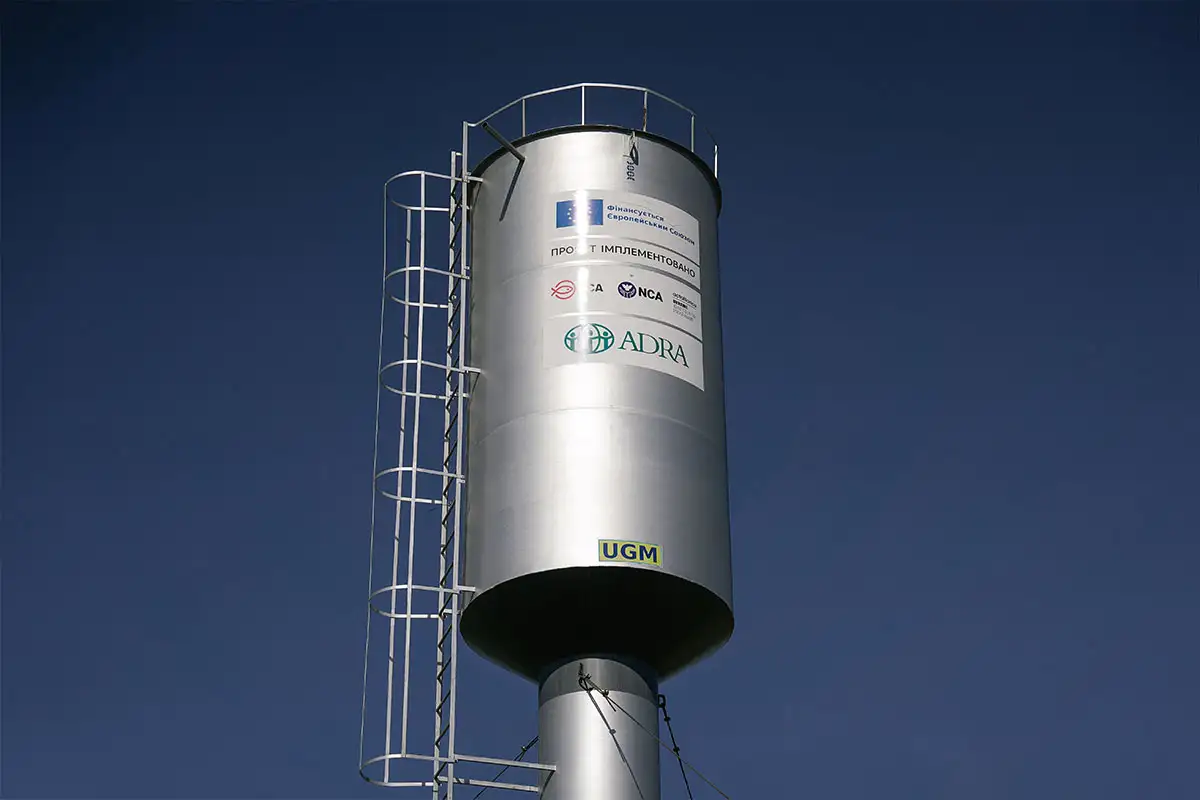
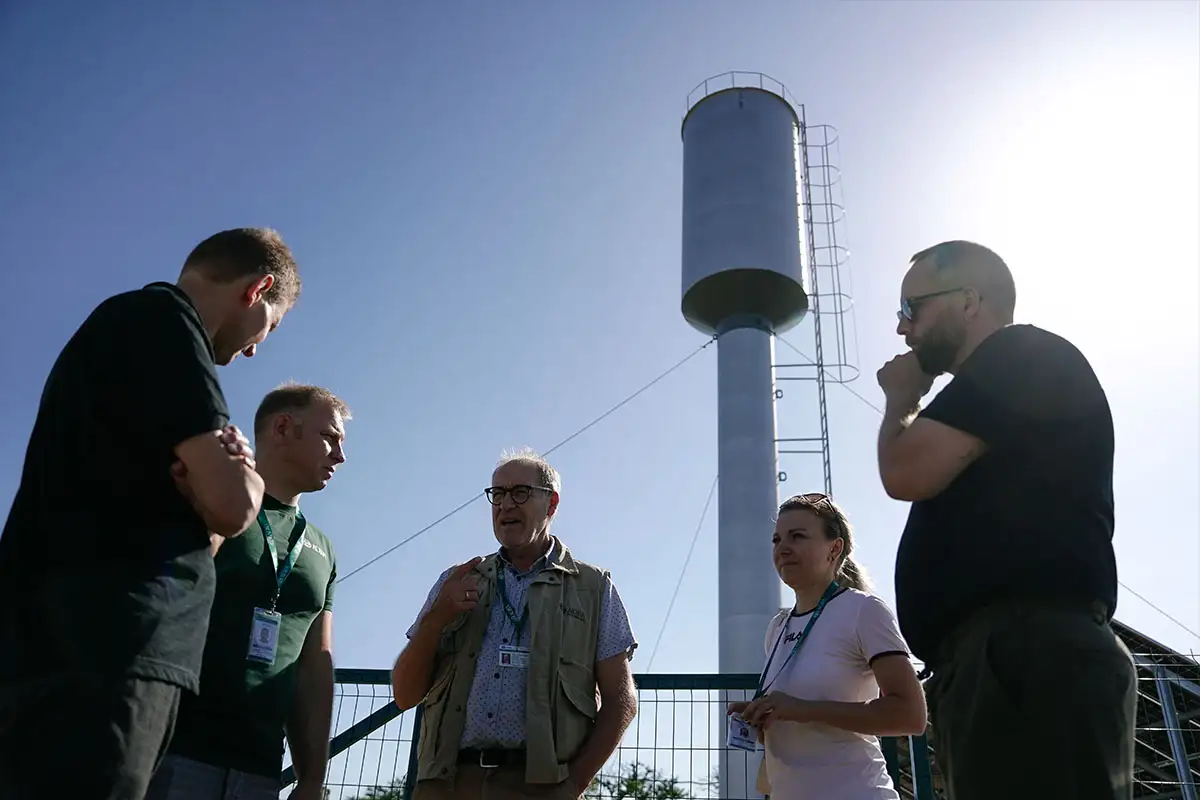
— We are just starting to work with them, we have just signed a memorandum. It opens up a huge area of cooperation. It has to do with water metering, flood control, irrigation canals, many of which are now destroyed. There is also the problem of the pollution of the rivers by garbage. What do you mean by that? Yes, our organisation’s projects provide people with access to clean drinking water – by installing treatment plants or drilling wells. But this humanitarian issue is to some extent local, it concerns Ukrainians affected by the war. But there are also more global issues, because we live in a world where there are other countries. And, for example, the rubbish that some Ukrainians are used to throwing into the rivers in the Carpathians ends up in EU countries. And there they try to deal with it, because it accumulates. And that should not be the case. What can ADRA Ukraine do to help? It can either organise volunteers to help clear certain areas of rubbish or finance equipment. We will discuss how to do this in practice at the meetings. This is a matter for the future. In other words, we are starting to work on a prospect that will be very positive for both our organisation and Ukraine, given its European integration.
Tags
Share this publication
Our social networks
Categories
Last news
Restoration of educational and medical institutions, access to drinking water and shelters, as well as support for the initiatives of the communities themselves, these directions of the new project were discussed during ...

Please find below the Summer 2026 ADRA Ukraine Newsletter. You can download the newsletter at the following link: Newsletter – Summer 2026
Restoration of educational and medical institutions, access to drinking water and shelters, as well as support for the initiatives of the communities themselves, these directions of the new project were discussed during ...
Please find below the Summer 2026 ADRA Ukraine Newsletter. You can download the newsletter at the following link: Newsletter – Summer 2026
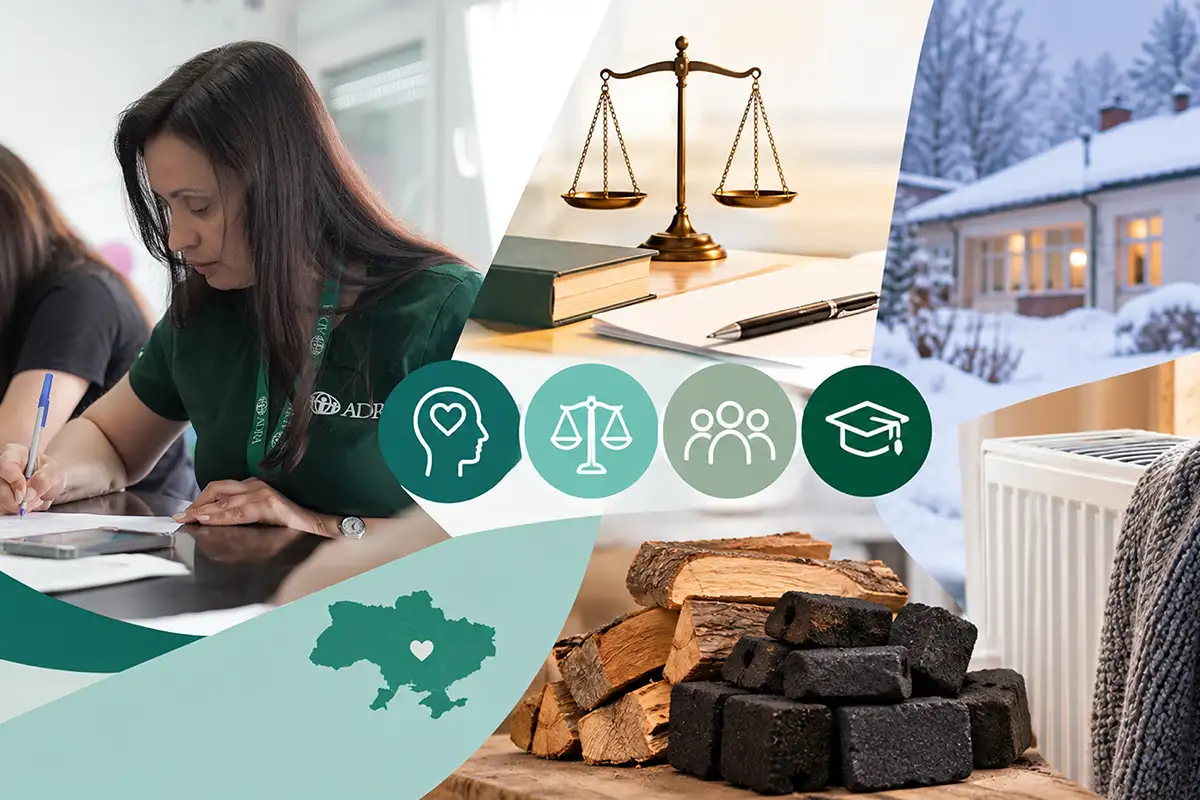
Psychological and legal consultations for people throughout Ukraine and assistance with heating for 150 IDPs in Zaporizhzhia region — will combine such areas with the new ADRA Ukraine project, which started in ...

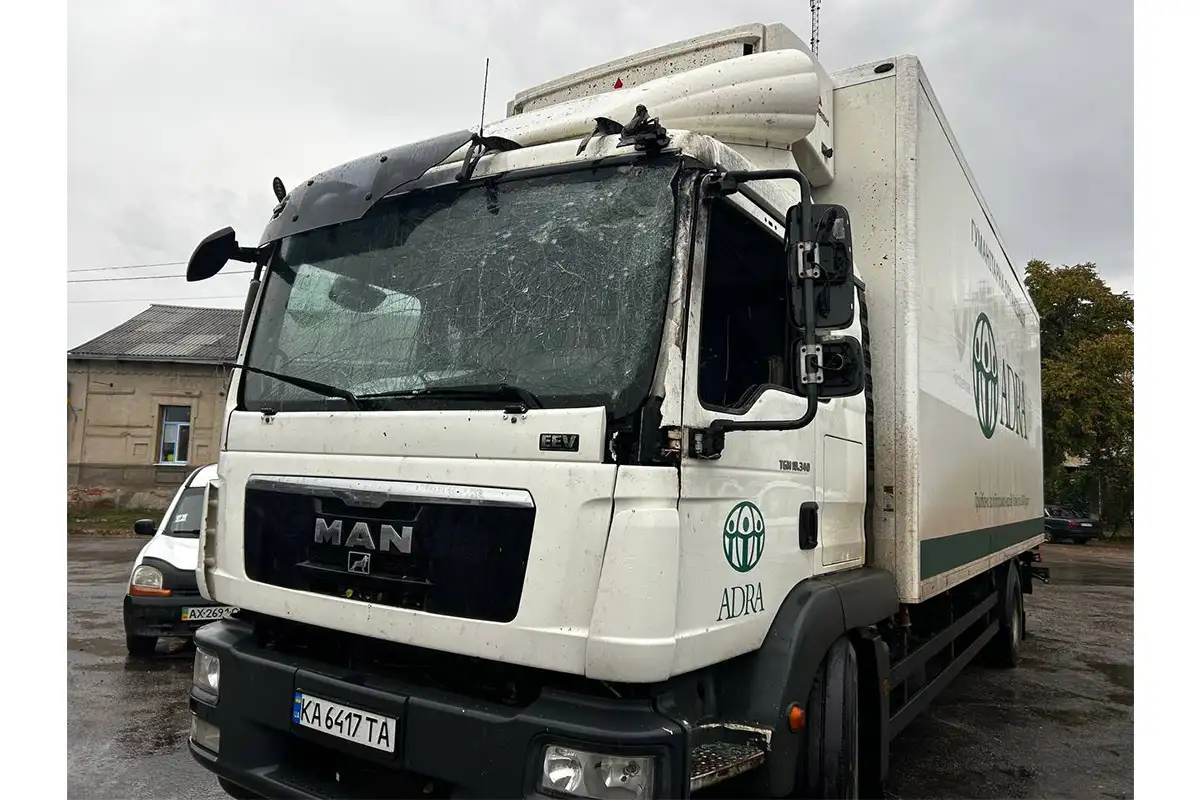
On September 23, an incident with an FPV drone occurred in the village of Zolochiv, Kharkiv region, during the distribution of food aid. Due to the team noticing the danger in time ...
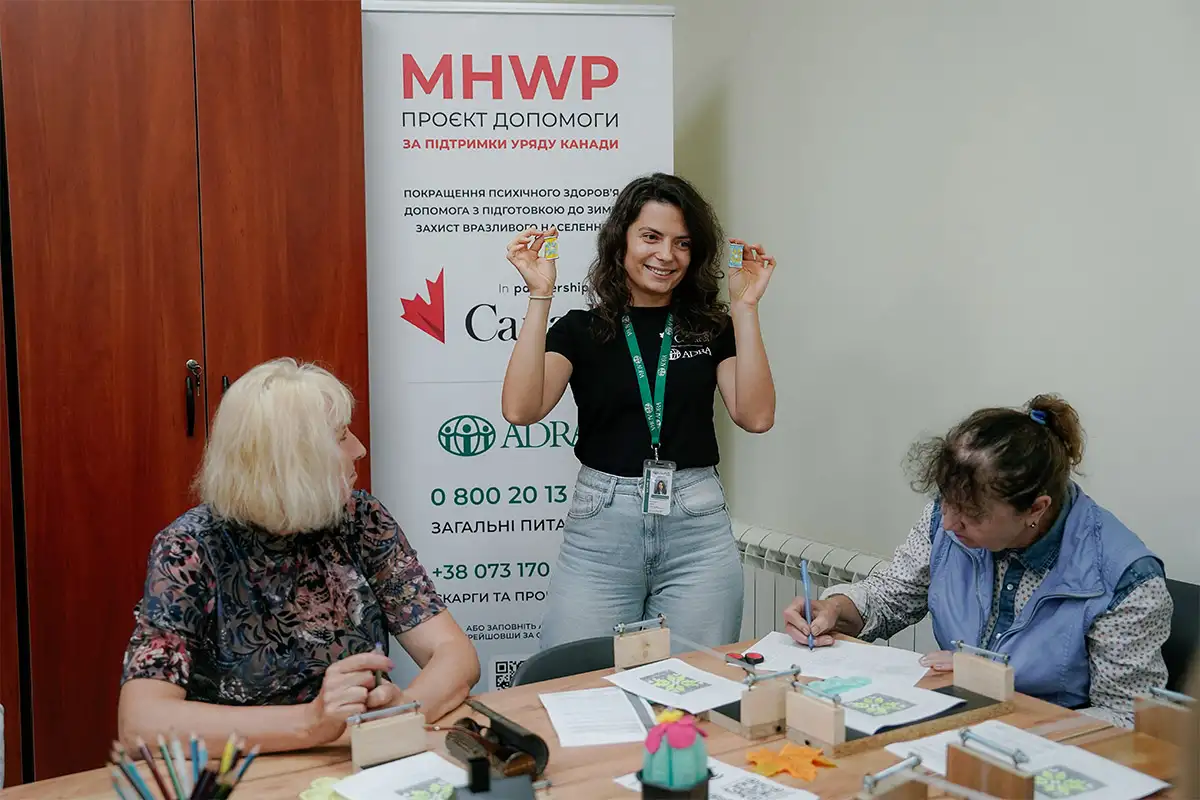
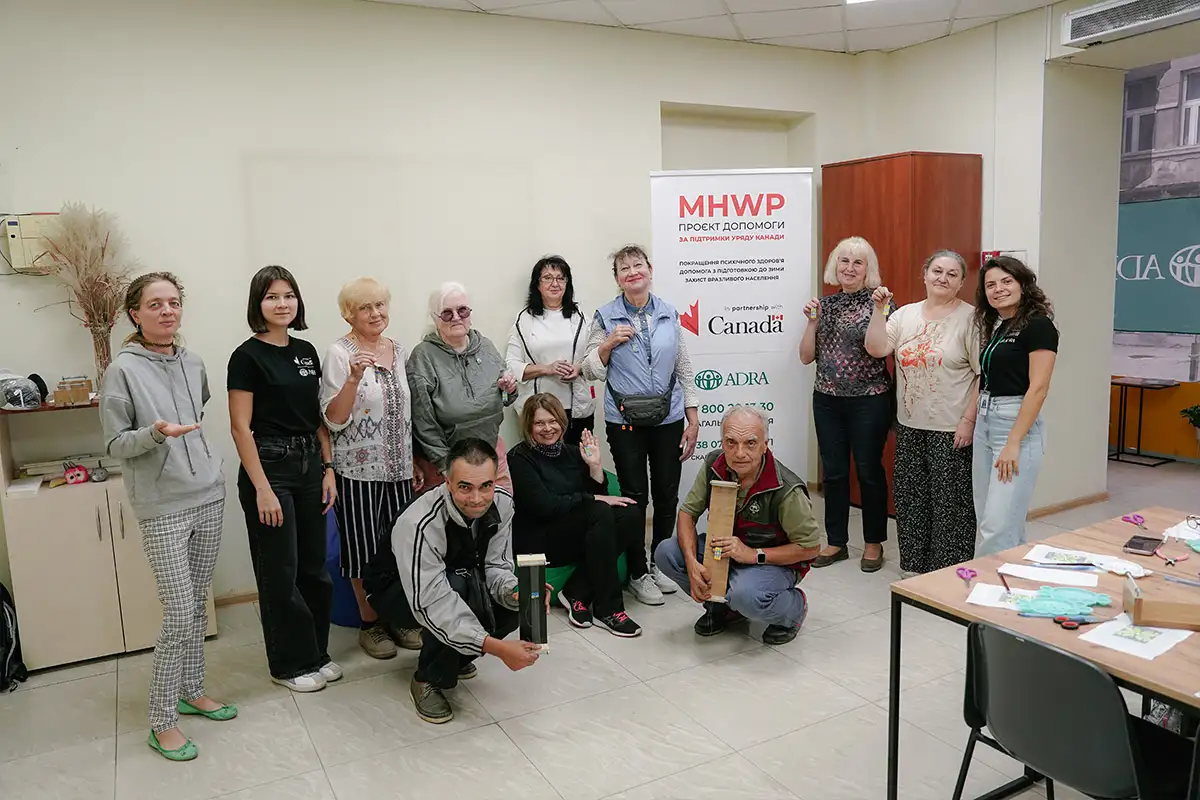
Focusing on small beads, choosing colors and gradually seeing the result of your own work — a creative activity held at the Protection and Support Center of ADRA Ukraine in Kharkiv. It ...
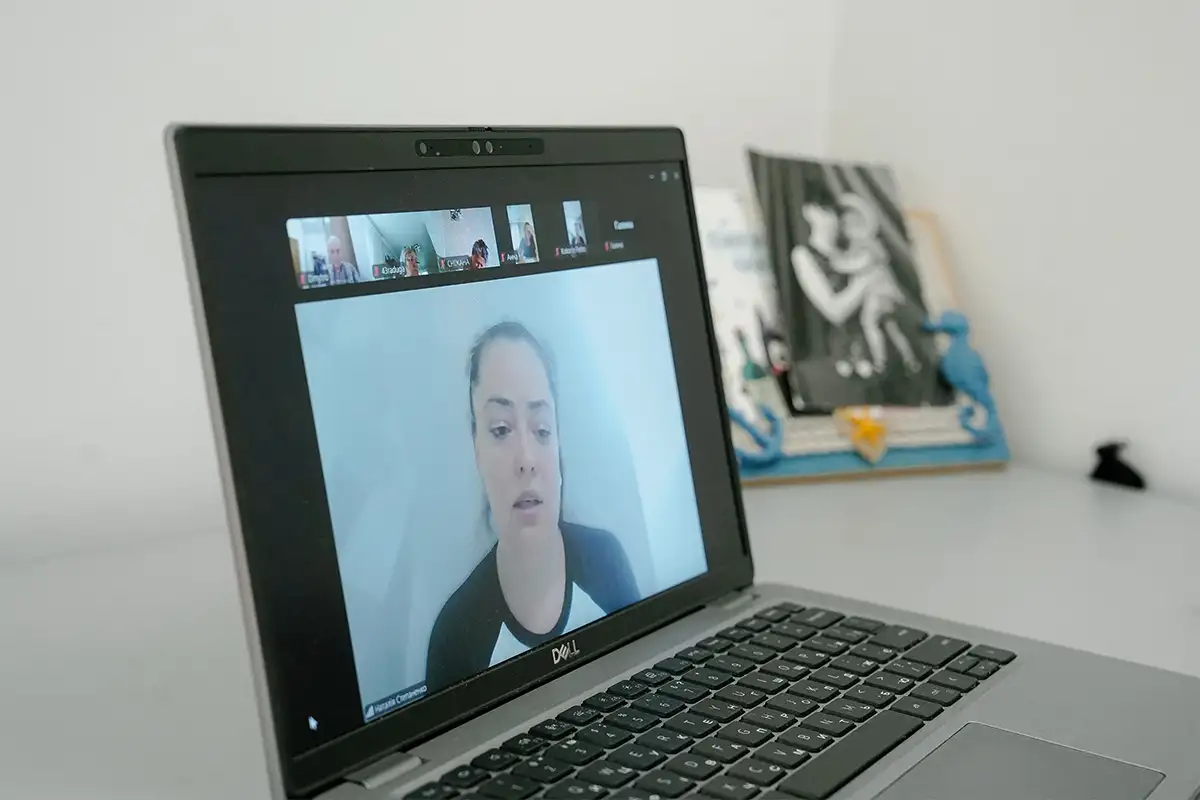
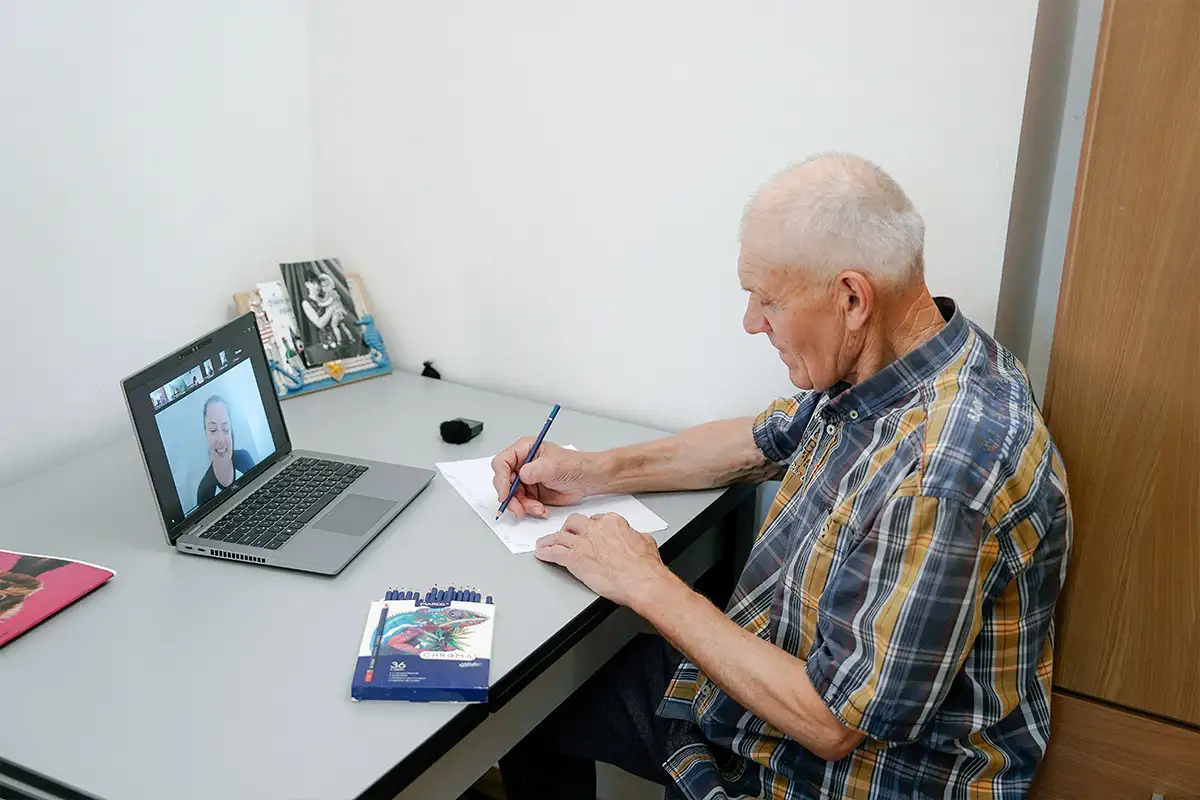
How to notice your own emotional state, cope with internal tension and find available ways of self-support? A series of online group events within the “JPF7” project was devoted to this. During ...
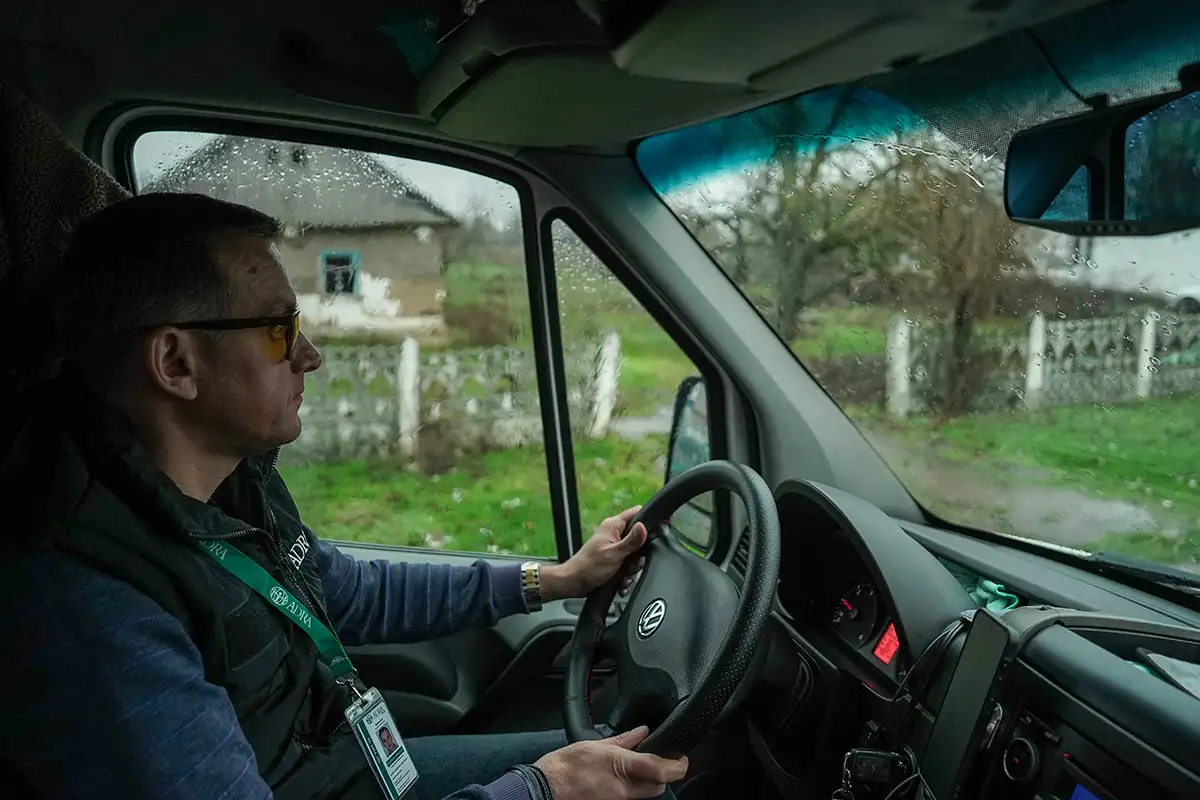
ADRA Ukraine stops humanitarian transportation in the Kherson and Zaporizhzhia regions due to high security risks on the routes. At the same time, transportation within the “REACT” project will continue in the ...

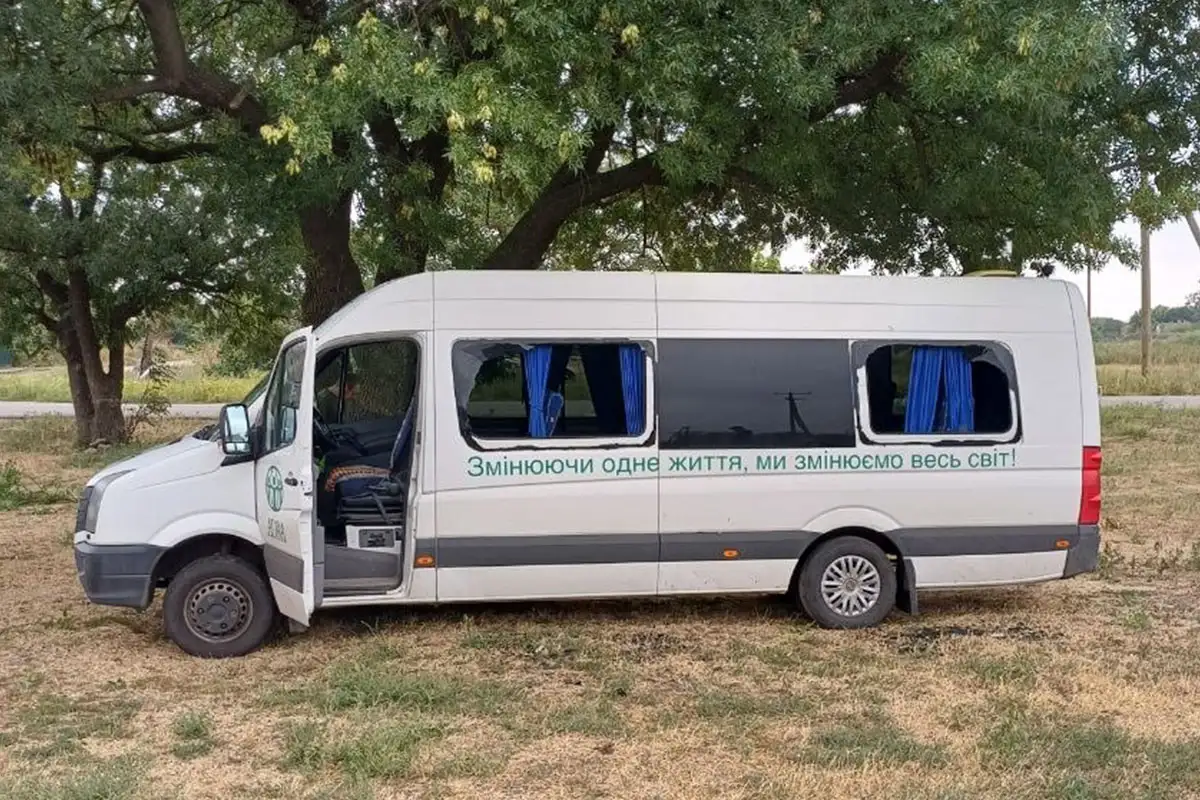
On September 14, near Myroliubivka village in the Dnipropetrovsk region, an FPV drone attacked an ADRA Ukraine bus that provides humanitarian transportation for residents of the Kherson region. At the time of ...
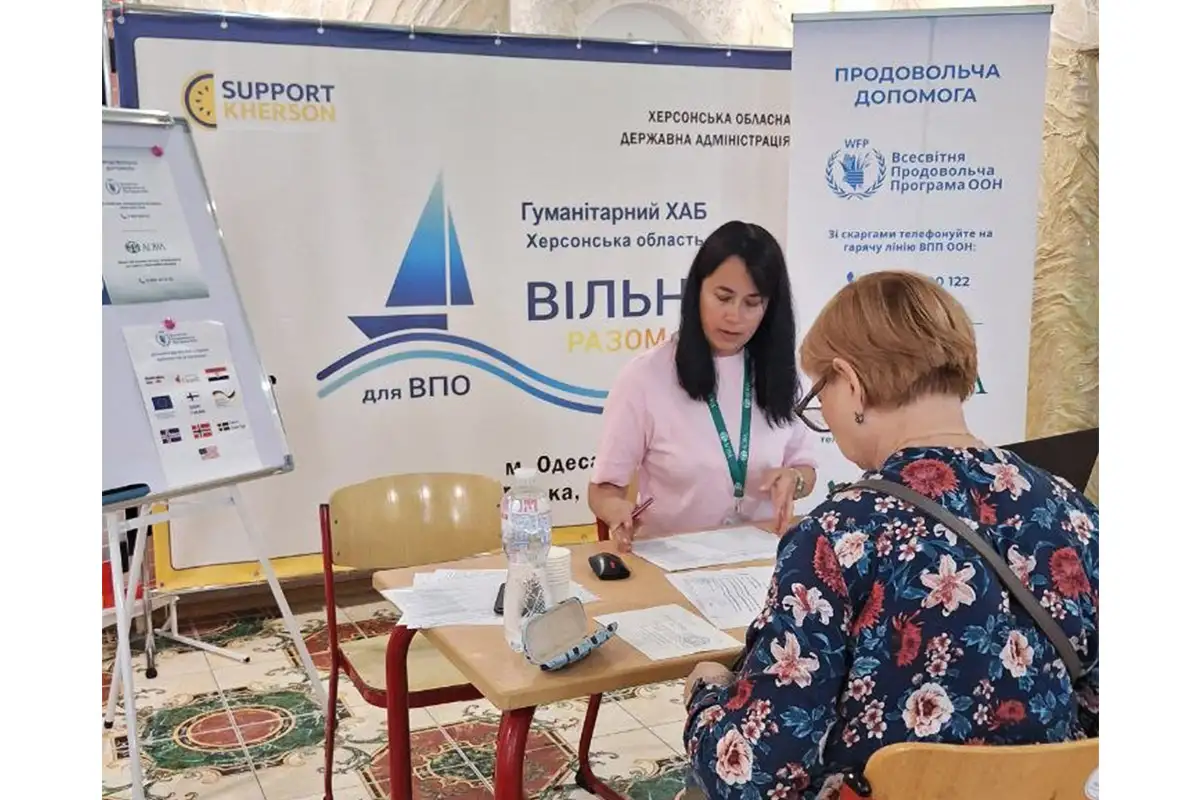
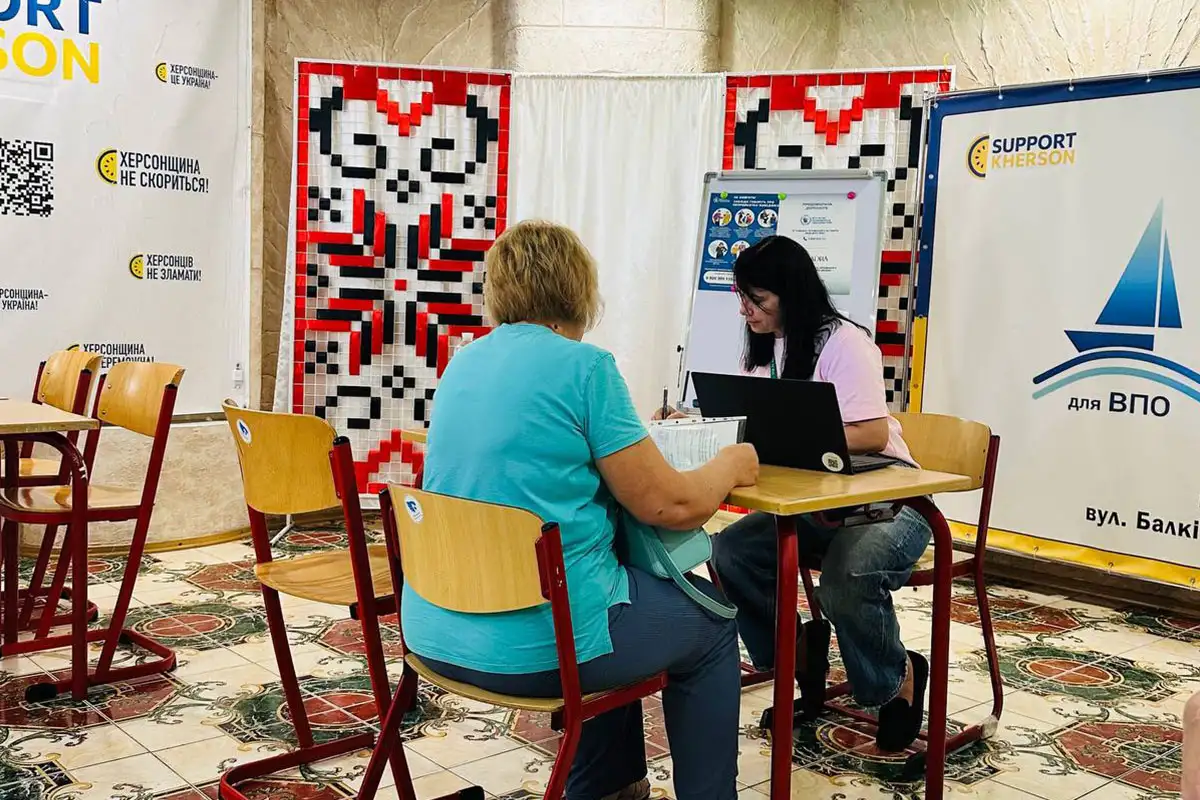
Due to the deterioration of the security situation in the city of Kherson, more and more people are evacuating the city and turning to the Kherson hub «Vilni razom» (EN: Free together) ...
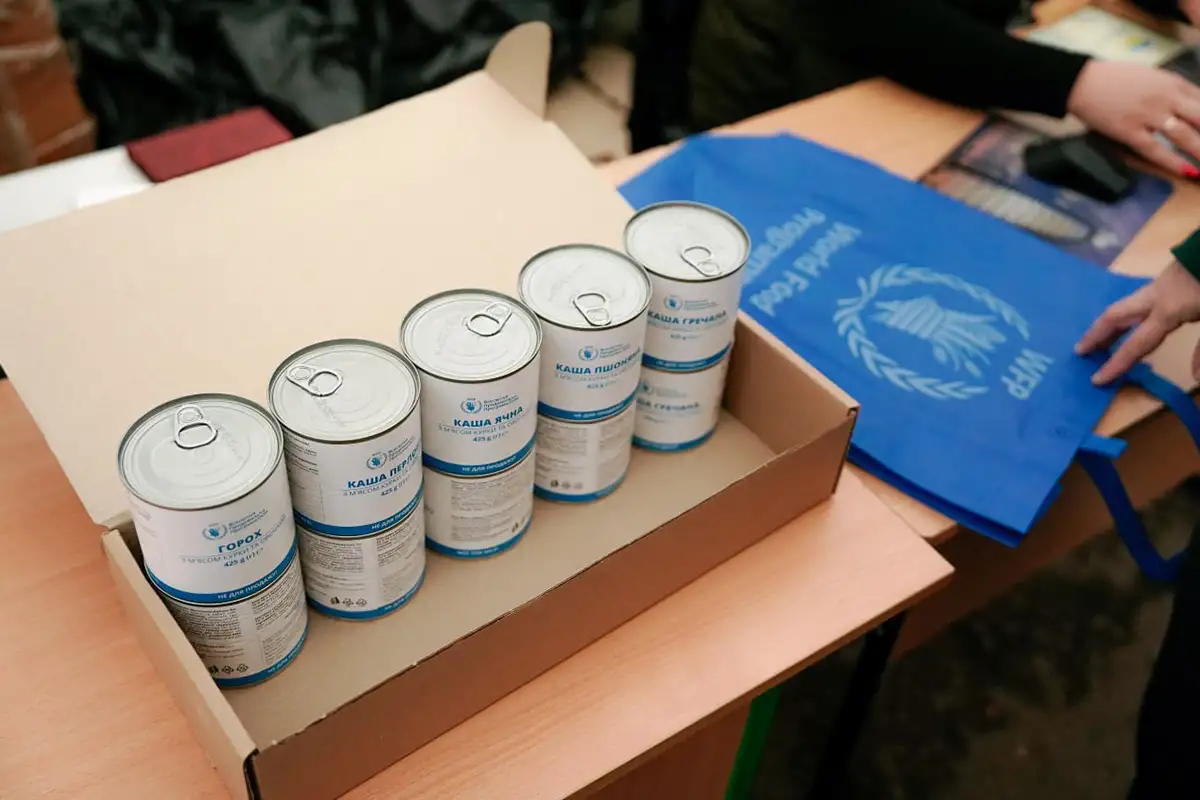
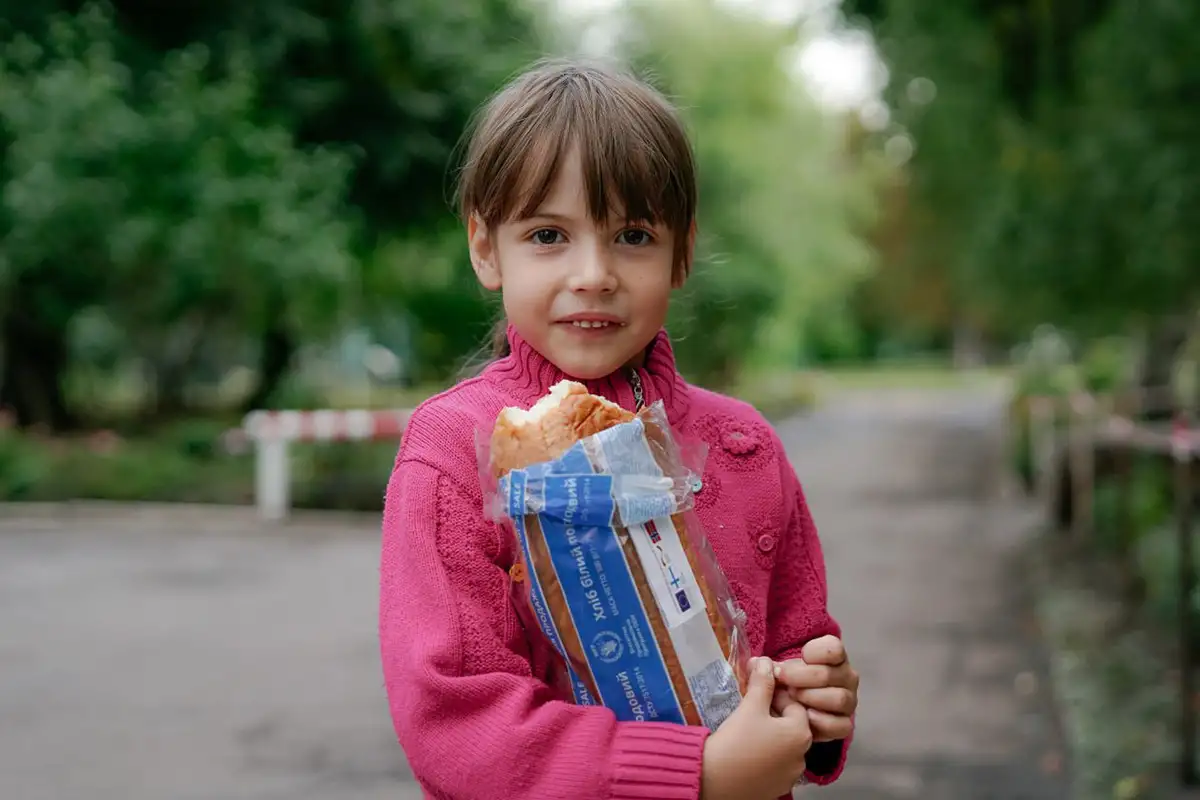
People evacuating Kramatorsk, Sloviansk and other localities in Donetsk region arrive at a transit center in Kharkiv on September 16, the ADRA Ukraine team handed them 154 ready-to-eat food kits. The peculiarity ...
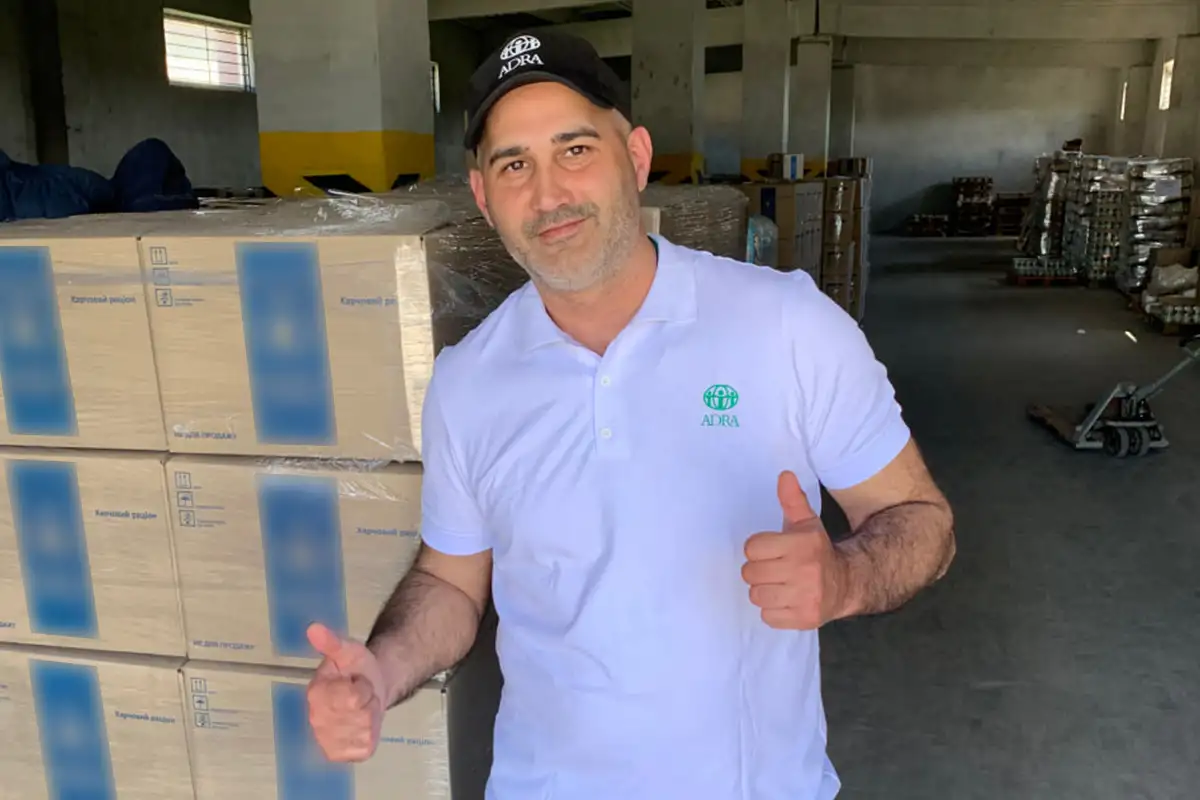
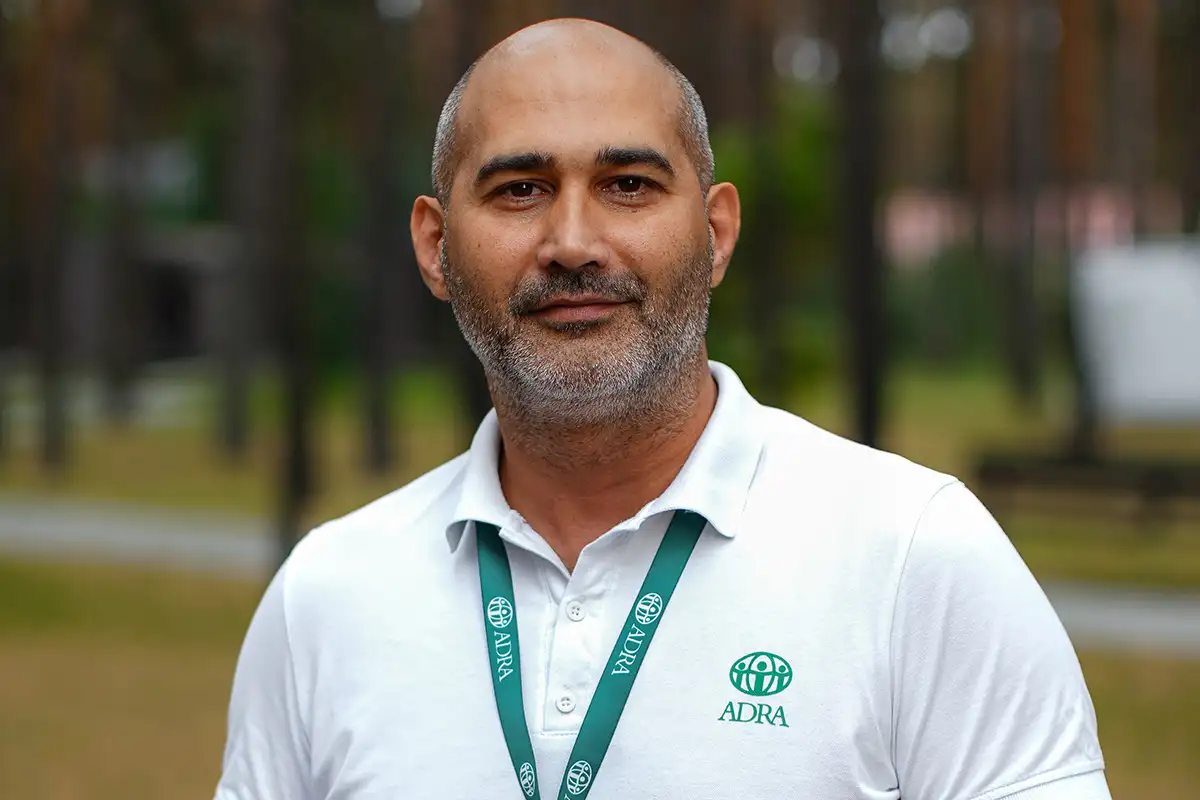
Daily shelling, FPV drones, damaged bridges and roads under anti-drone nets — in such conditions, the ADRA Ukraine team delivers food aid to people who remain in the communities of Donetsk region. ...
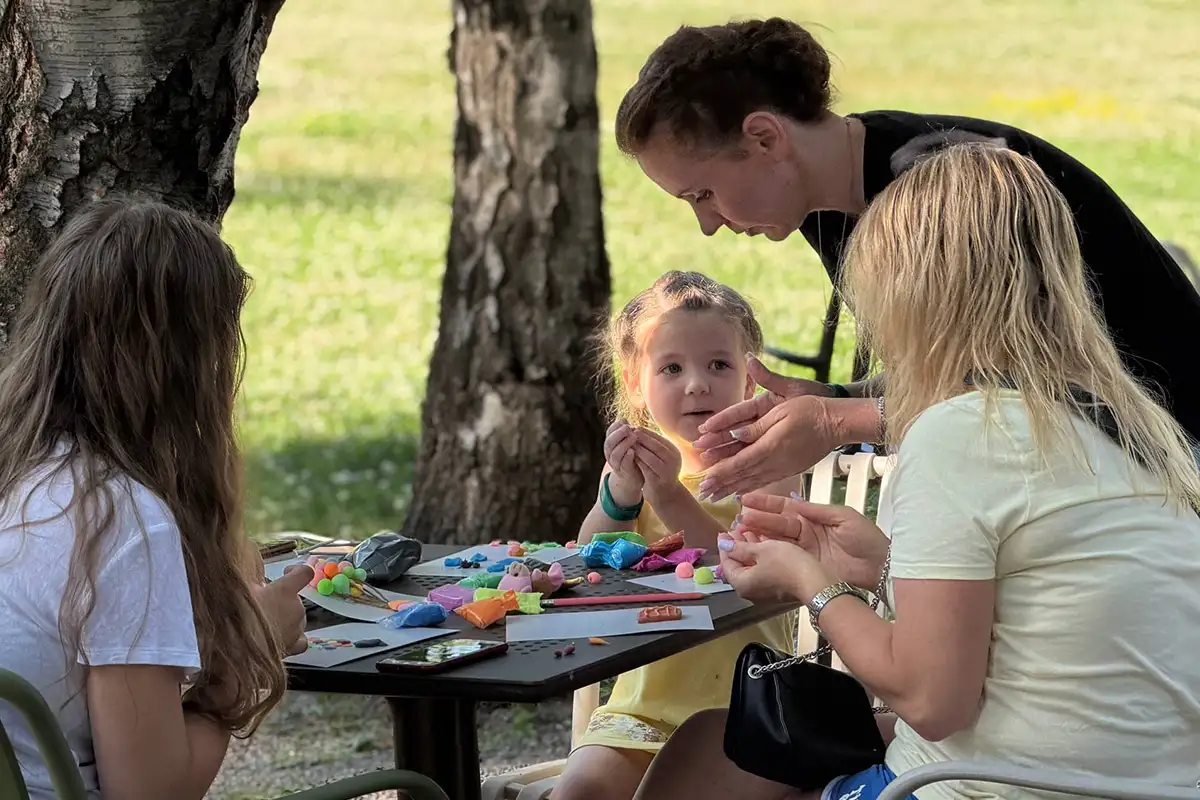
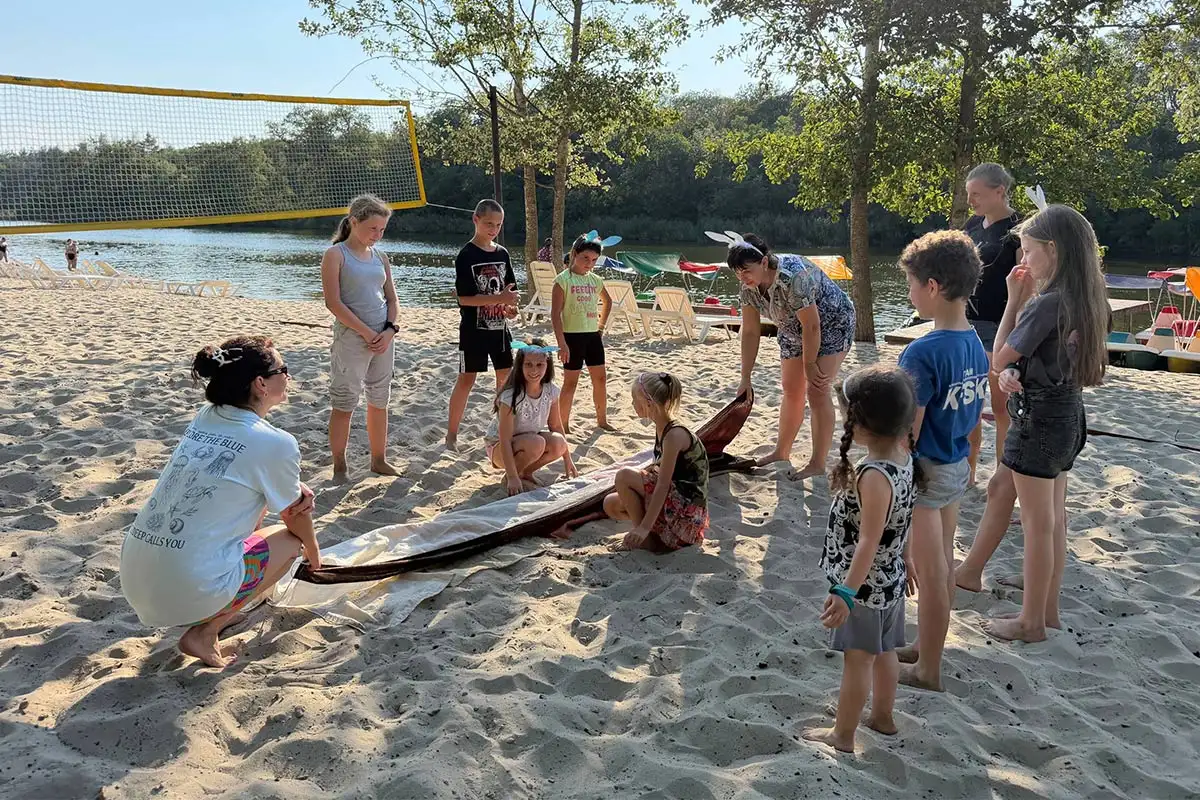
See alpacas and llamas up close, watch deer, ostriches and peacocks, spend the whole day in the fresh air, and most importantly — relax with the parents. For seven children from the ...
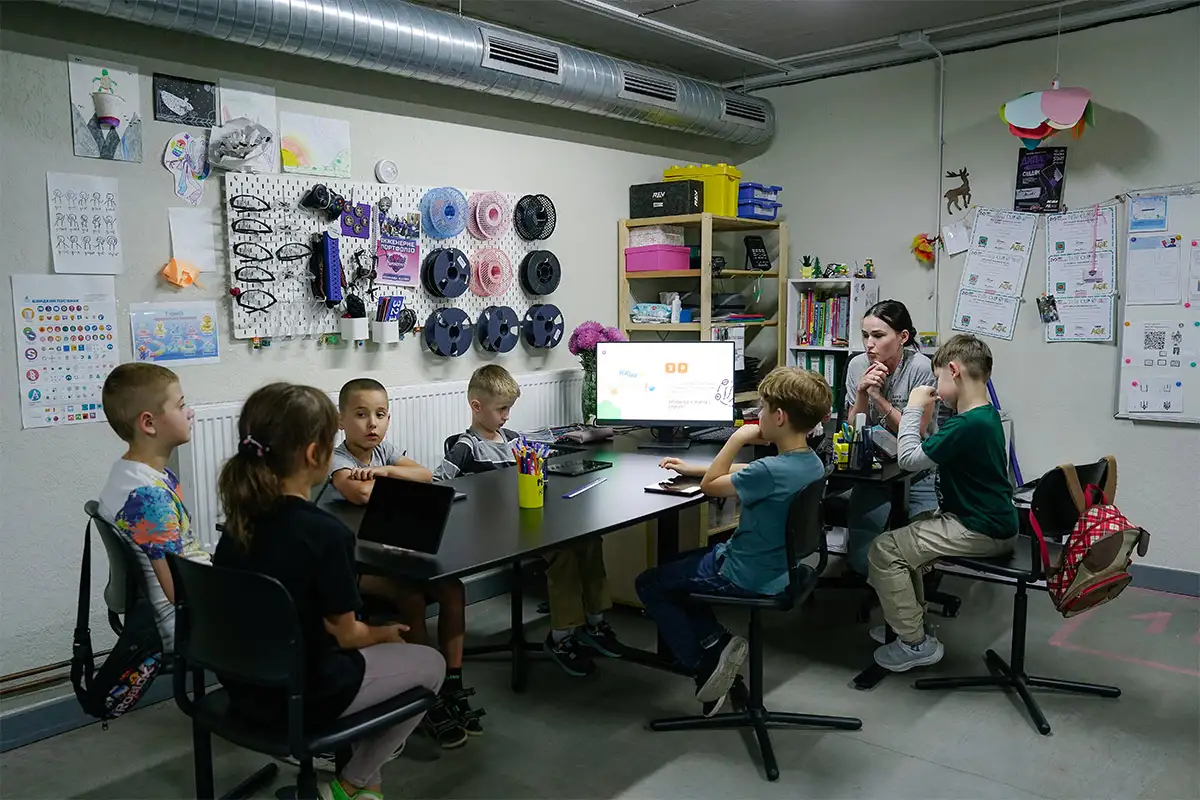
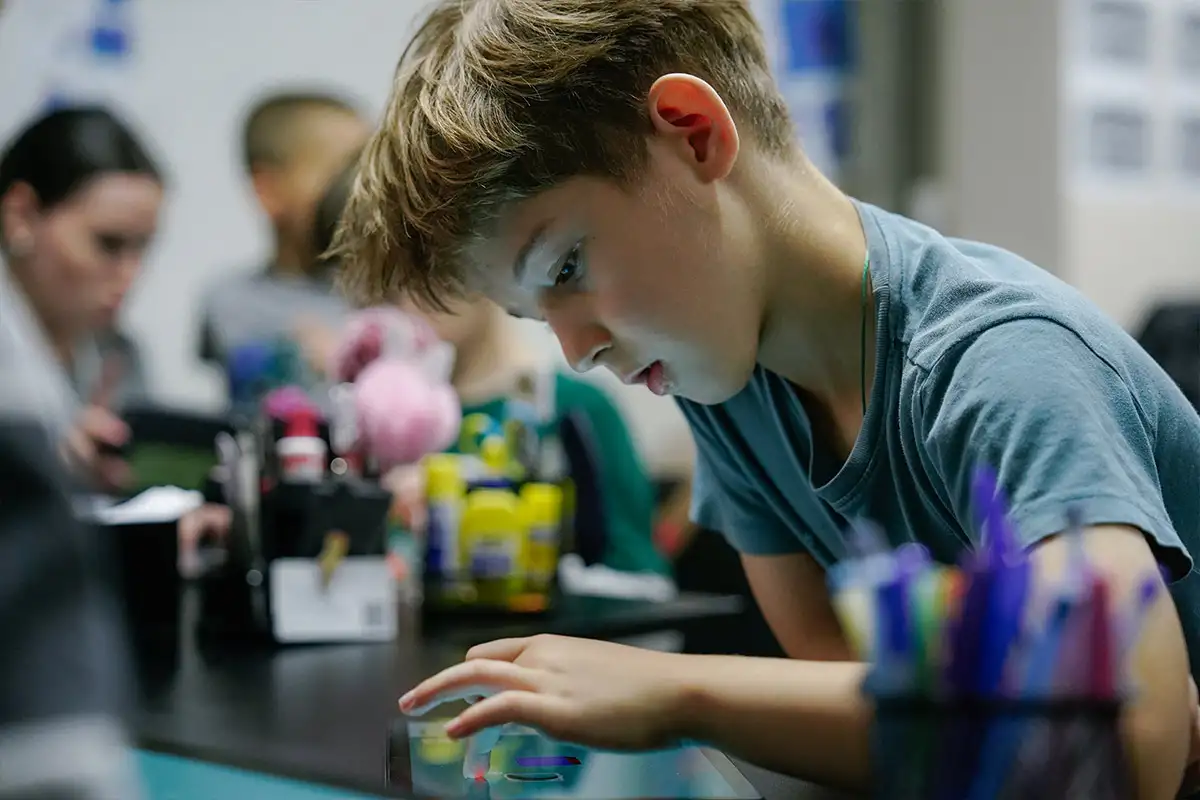
When a child is looking forward to the next class, this is probably one of the best indicators of what they are really interested in. For three months, the charity organization Save ...
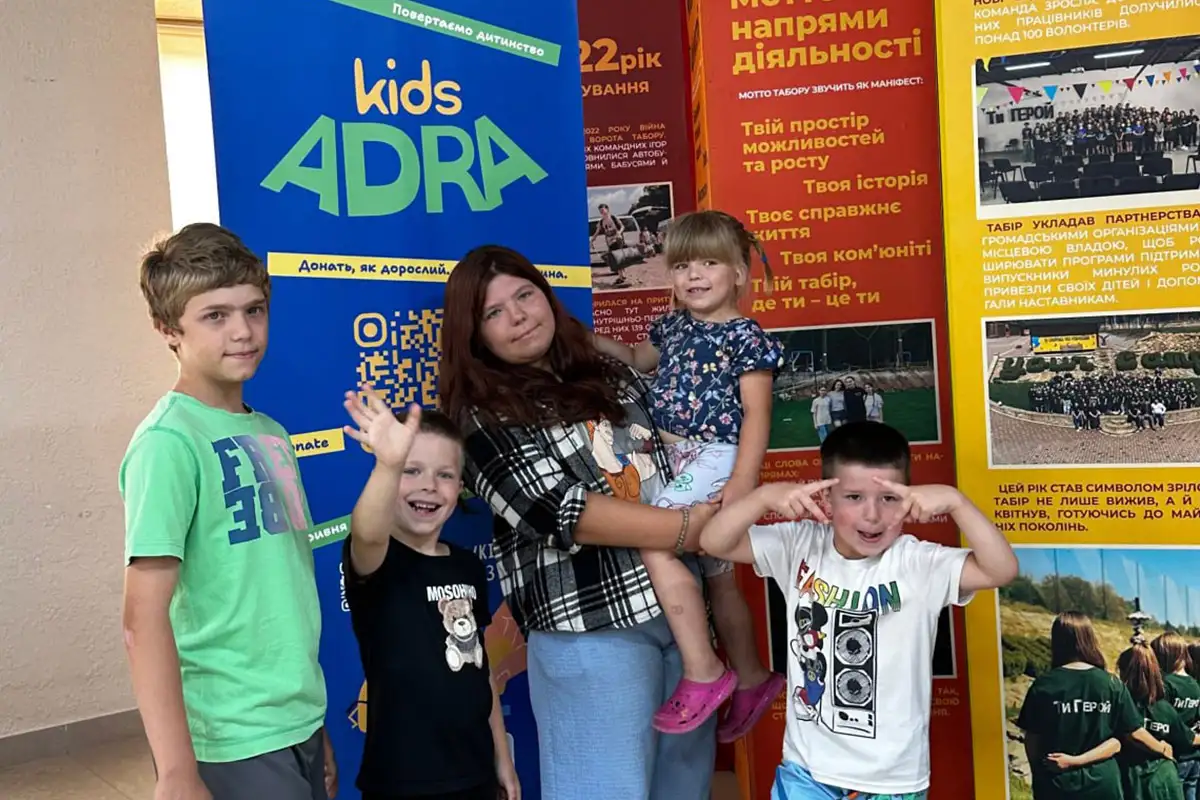
For some, a trip to summer camp is a common part of the holidays, and for some is an opportunity that might not be: to see new places, find friends, try something ...
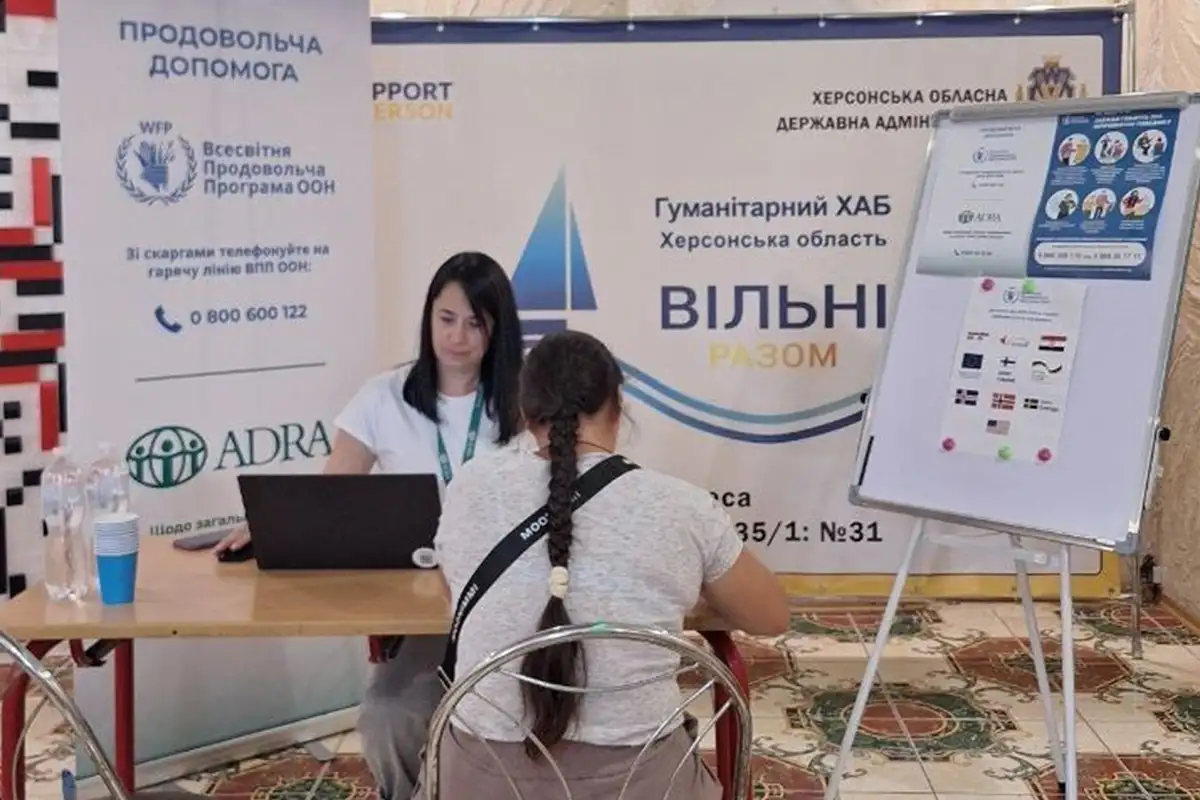
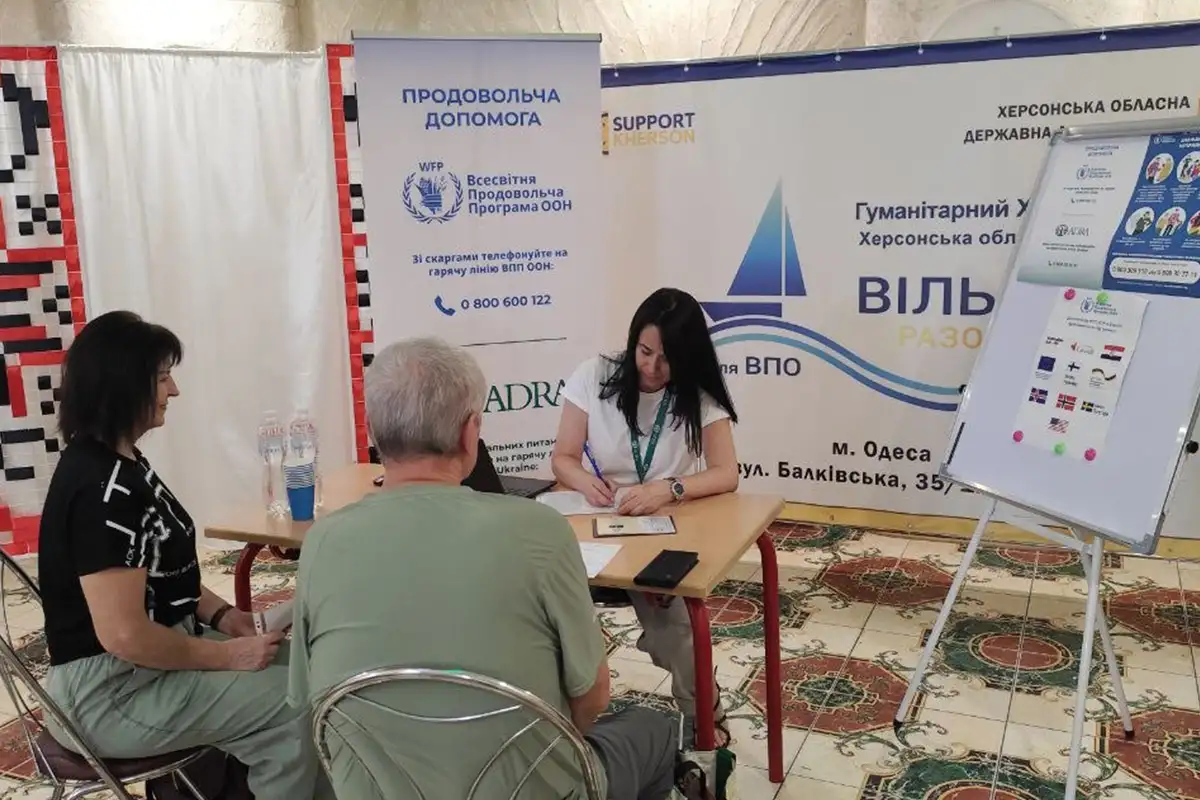
For the third month in a row, IDPs from the city of Kherson and the Kherson region, who are currently in the city of Odesa, can register for cash assistance from the ...
How does a humanitarian organization work, where to start assistance during a crisis and how to turn the identified problem into a specific project? This summer, children and teenagers from “The Pathfinder” ...
