


“Incredible people! For them, helping the victims is not just a job, it is the meaning of life”
“Incredible people! For them, helping the victims is not just a job, it is the meaning of life”
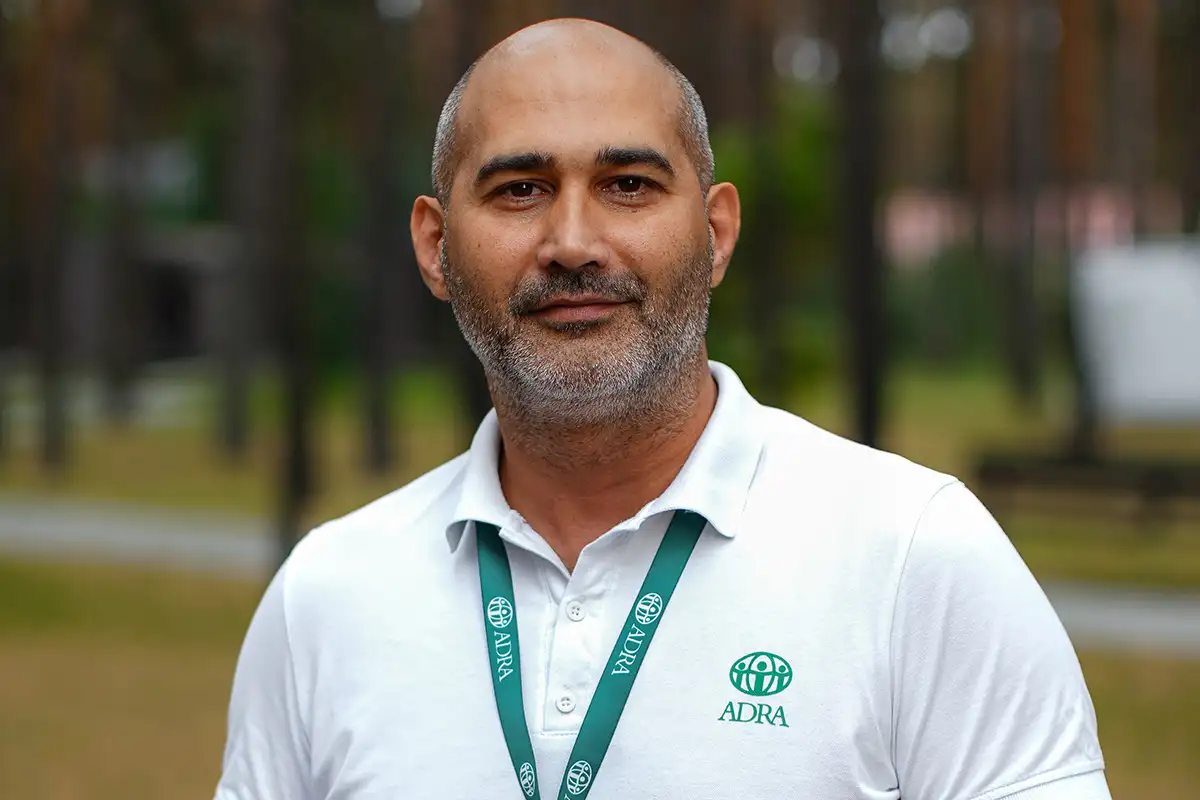
ADRA Ukraine has been working with the World Food Programme for several years. From the start of the full-scale invasion in 2022 until June 2024, 11,713,792 Ukrainians received various types of food aid thanks to the joint project. Roman Orlov, project manager, tells us more about this activity.
– Roman, could you please tell us when the partnership between ADRA Ukraine and WFP UN started and what the cooperation looks like?
– I have been working in the project since June 2023. In general, this project of the UN World Food Programme in Ukraine has been operating since 2014, when the war in Donbass began. And since the beginning of the full-scale invasion, in May 2022, WFP has been working in partnership with ADRA Ukraine. The Adventist Relief and Development Agency in Ukraine is one of WFP’s key partners. We were one of the first organisations to respond to the partnership in 2022. And ADRA Ukraine was one of the first to implement this project in Ukraine
– What does the project involve?
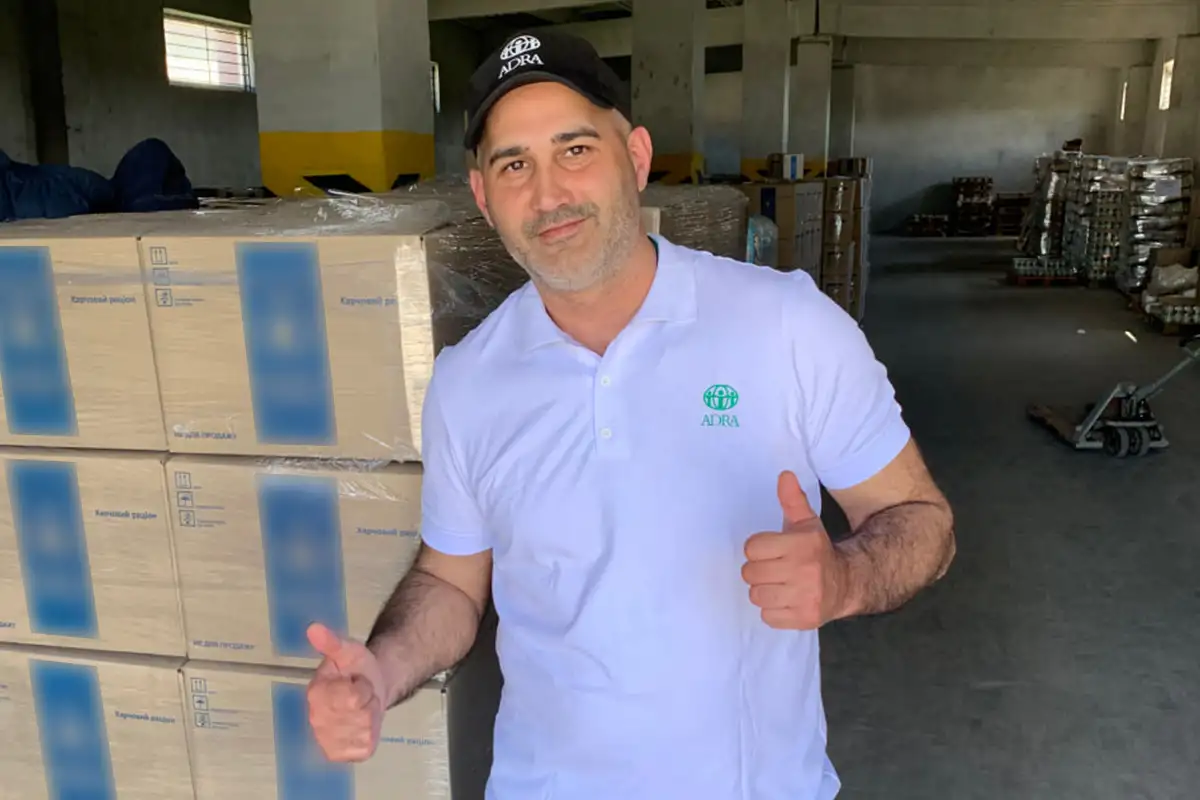
– The World Food Programme (WFP) provides humanitarian assistance in the form of food and cash to people most affected by the hostilities, including the IDPs (internally displaced). Together with the WFP management, we select the areas where we will carry out our activities. Currently, these are two large districts in Kharkiv Oblast – Izyum and Kupyansk. And the entire Mykolaiv and Kherson regions. Earlier, in 2022, we covered about 13 regions. In 2023 we covered six regions. And now it’s three regions, but with a large amount of aid. Kherson, Mykolaiv and Kharkiv oblasts are areas where shops are closed because of the hostilities, where infrastructure has been destroyed and where it is almost impossible to buy food. We are providing in-kind aid in the form of food parcels. This parcels includes products of primary necessity, balancing with total calories and microelements that one person needs for a month. Sunflower oil, flour, canned vegetables (peas, beans), canned meat, salt, sugar, cereals (buckwheat, millet, oatmeal). The total weight of a one-month box for one person is about 13-14 kilograms, depending on the set included. Between 2022 and 2024, vulnerable Ukrainians received 5,090,447 of these kits.
In addition, over these years we have distributed 1,515,173 ready-to-eat food parcels (consisting of tinned meat and beans and two loaves of bread) weighing 2.9 kg. Families with children under the age of 5 received 365,241 packs of baby food.
In regions where the security situation has stabilized and infrastructure such as shops, banks and post offices has begun to recover, WFP is introducing a transition to cash assistance. Last year, people were given vouchers that allowed them to buy a certain amount of food in a shop. Now we have moved to cash assistance, which WFP transfers to bank cards. Since the end of 2023, some settlements have already switched to cash assistance, such as the city of Mykolaiv. Since spring 2024, the Balakliya settlement in Izyum district and several settlements in the Mykolaiv region have switched to cash transfers.
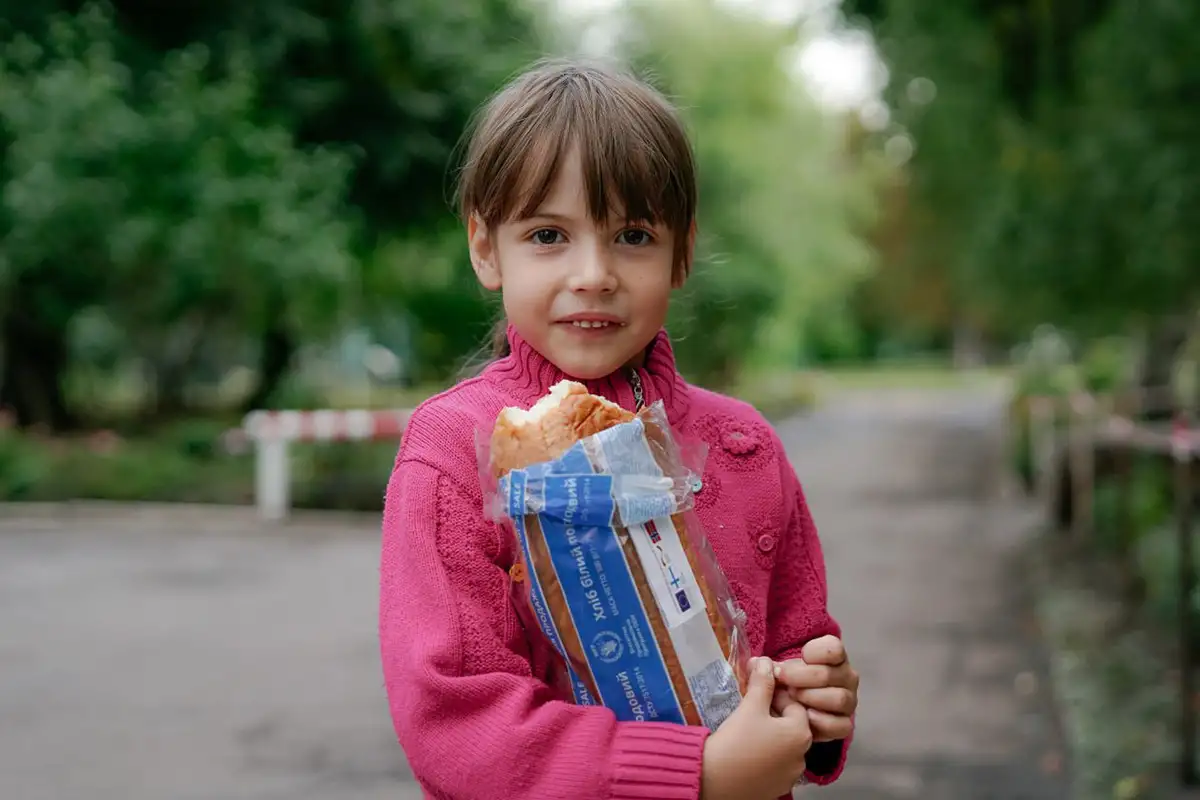
We also distribute WFP bread in many communities close to the frontline. There is constant bombing and shelling, bakeries and shops are not functioning and bread is not being delivered. These are special communities where people have nowhere to buy bread, so we distribute it to everyone without exception. Bread is delivered to these areas every week, at a rate of 4 loaves per person per month. The volume of bread aid is very large. We have distributed a total of 26,659,037 loaves of bread since the start of the full-scale invasion.
So we distribute aid to everyone without exception in areas close to the frontline, which is about a 30-kilometre zone, because that is where virtually everyone needs help. We also take into account factors such as roads, crossings and whether they are under drone or artillery fire. So each district is decided on a case-by-case basis with the WFP UN.
In regions further away from the front line, assistance is targeted only at vulnerable groups and household members. These categories include lonely elderly people aged 60 and over, internally displaced people, people with disabilities, large families, low-income families, people in difficult circumstances and the unemployed. At the request of the WFP UN, the list of categories of vulnerable groups has now been reduced. Internally displaced persons and vulnerable groups have been removed from the list. Any changes to implement the new rules for the provision of food aid must be approved by the WFP UN.
– What can you tell us about the team of this project?
– In general, this is ADRA Ukraine’s largest project at the moment. It was the biggest in terms of budget and number of staff. We currently have more than 170 employees. And if you include all the volunteers who help us in the field, we have a team of around 270 people. When we arrive in a particular place, freelance volunteers come and help us unload the trucks or welcome people. These are mostly local people, representatives of the authorities, town and village councils. They are not part of our staff, but they help us a lot.
– Among them, I remember, were victims of a missile attack.
– A freelance volunteer died in the village of Groza, Kupiansk district, Kharkiv region, on 5 October 2023. There was a wake in a cafe, some people gathered there, and a rocket flew straight into the cafe. 59 people were killed, half the village was killed there. And among them was our volunteer, who had been helping since the first days of the war. Her house was our humanitarian headquarters, where we distributed aid. Also our volunteers are still suffering from contusions caused by the ammunition attack.
In the summer of ’23, our volunteer Marina, who works for ADRA Ukraine, was hit by a drone in Beryslav, Kherson Oblast. The volunteers were delivering food parcels when a drone spotted them and started dropping ammunition. Maryna received a contusion. In addition, both the car and the trailer were damaged. And recently, our volunteers in the Kherson region were also attacked, just a week ago, as they were moving from place to place. But thank God everyone is alive and well, they managed to hide, although the car was damaged by shrapnel.
– Given these dangers, what can you say about the personal qualities of the volunteers involved in this project? Especially those working in the frontline areas?
– Currently, the two most dangerous regions where ADRA Ukraine operates are Kupiansk district in Kharkiv region and Kherson region. These regions are under constant shelling. I want to say right away that the people who go there are incredible. I go there too, but mostly for monitoring and control, so I don’t go there all the time. But these people go to these villages every day, despite the heat, despite the bad roads, despite the broken crossings. By the way, bridges and crossings are a big problem in Kupiansk district of Kharkiv region. They are being blown up all the time because the Russians know all the points and are constantly targeting them. As soon as they build a crossing, it is destroyed within a day or two. Vehicles have to travel a long way to get to these places. That’s why our teams who go there to help the local people are incredible people. I am really proud of my team, firstly because they are all brave and secondly because they are very dedicated. And for these volunteers, helping is not just a job, it is their choice, their purpose in life, to be useful to their country, to help the affected Ukrainians, despite the shelling, knowing that it’s a danger every day, they go and do this work.
Even when they go to villages where there are only a few people left, maybe up to 10, they still go because they know that their grandparents who are still there are waiting for them. That’s why everyone who works on the project now is a proven person who has shown their commitment to a very difficult and often dangerous job. Of course, they have bulletproof vests and helmets, but that is unlikely to save them if something serious happens. But thank God there have been no tragic situations with our regular volunteers and God has protected them all the time.
– The project is also supported by the WFP and the Swiss office of ADRA. What is the role of the Swiss?
— The UN WFP project budget covers the main expenses, and ADRA Switzerland supports the implementation of the project. We are provided with branded clothes and various technical features – for example, are radios, modems, computers, tablets, GPS trackers, personal protective equipment, helmets, vests, first aid kits, tourniquets… These are all the products of ADRA Switzerland and also several branches of ADRA from various countries. Also, thank to our partners, we are involved in the project of several vintage cars with the brand logo. Also, recently there was a financial support from the people of Japan, who made donations through ADRA Japan. This is a great support for the project.
– How do the people who receive the aid react to it?
– Our staff, who go to different settlements every day and distribute the aid, receive a lot of gratitude from the people. The local people are waiting for the volunteers, it is very important for them, so there are a lot of personal thanks. First of all, in the areas where there are no shops, where there is no transport, people are very grateful to us for coming and delivering food. Products like bread are a matter of life and death for many people, so they are particularly grateful for the help. And it has to be said that ADRA Ukraine is at the forefront of this project because no one else goes into some of the areas where our charity delivers aid.
– What does the project team need to take the project forward?
– In communities that are moving to financial support, it is very important to have an internet connection to register people and we need computer equipment to work with. As the electricity situation in the country is quite difficult, we need somewhere to charge mobile phones, tablets and power computers, so we really need EcoFlow chargers and Starlinks for internet access. This is something we still lack.
Tags
Share this publication
Our social networks
Categories
Last news
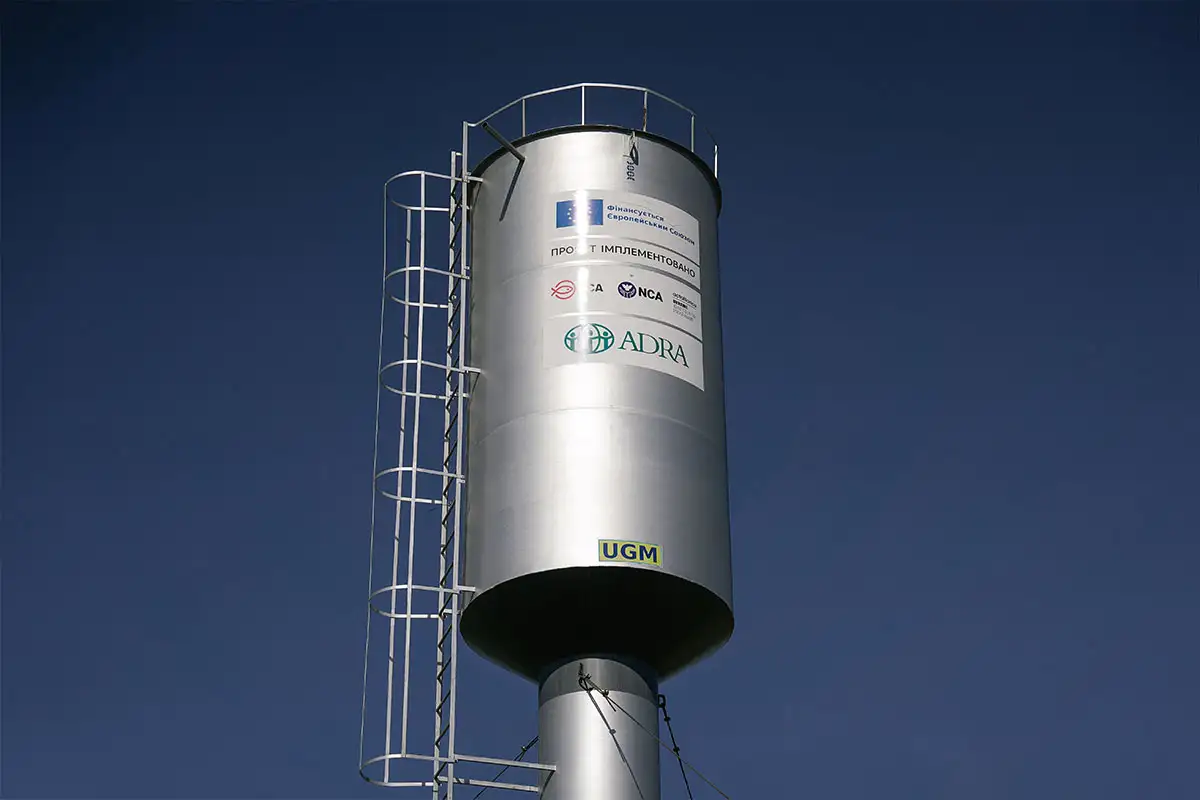
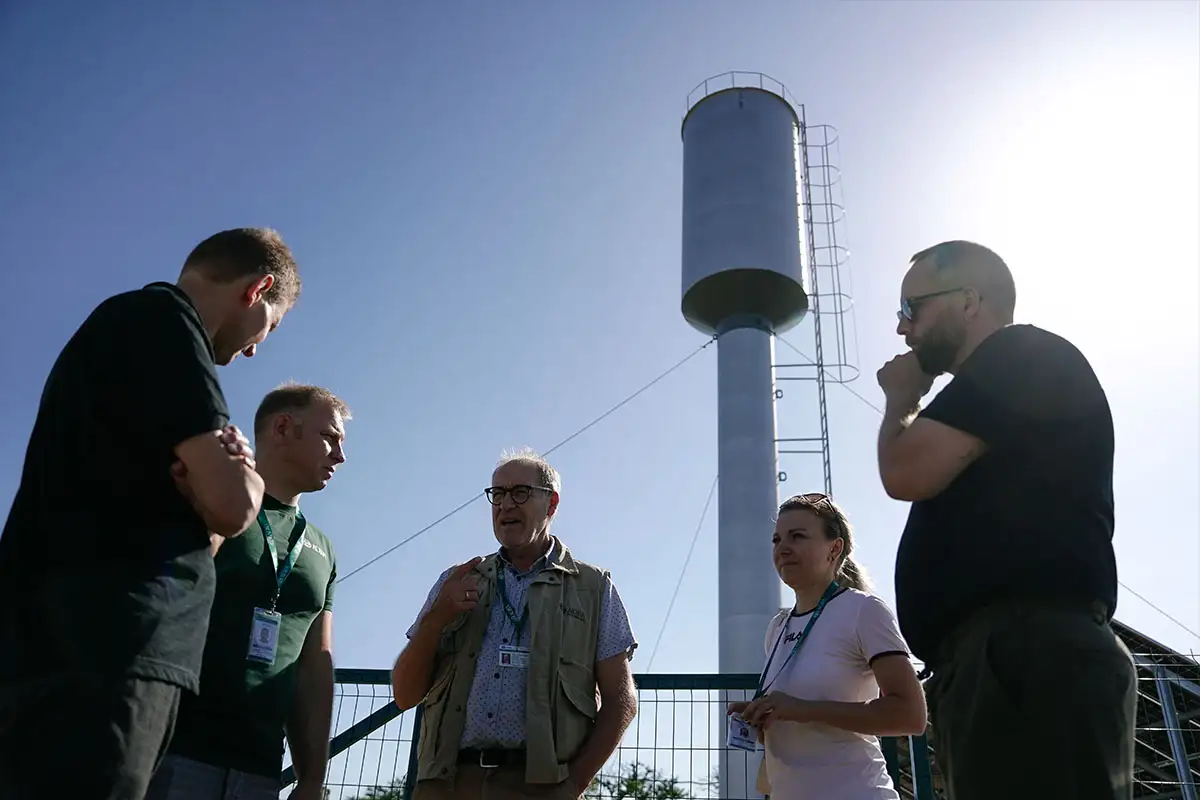
Restoration of educational and medical institutions, access to drinking water and shelters, as well as support for the initiatives of the communities themselves, these directions of the new project were discussed during ...
Please find below the Summer 2026 ADRA Ukraine Newsletter. You can download the newsletter at the following link: Newsletter – Summer 2026
Restoration of educational and medical institutions, access to drinking water and shelters, as well as support for the initiatives of the communities themselves, these directions of the new project were discussed during ...
Please find below the Summer 2026 ADRA Ukraine Newsletter. You can download the newsletter at the following link: Newsletter – Summer 2026
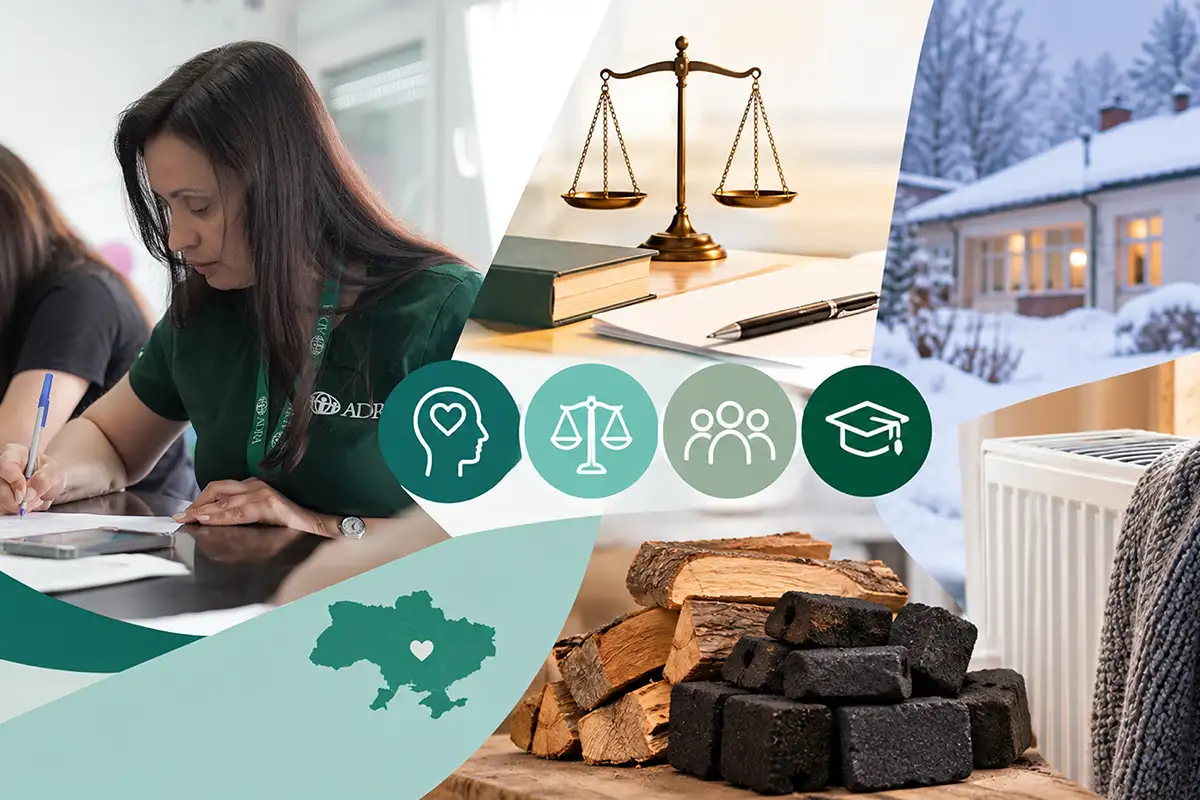
Psychological and legal consultations for people throughout Ukraine and assistance with heating for 150 IDPs in Zaporizhzhia region — will combine such areas with the new ADRA Ukraine project, which started in ...

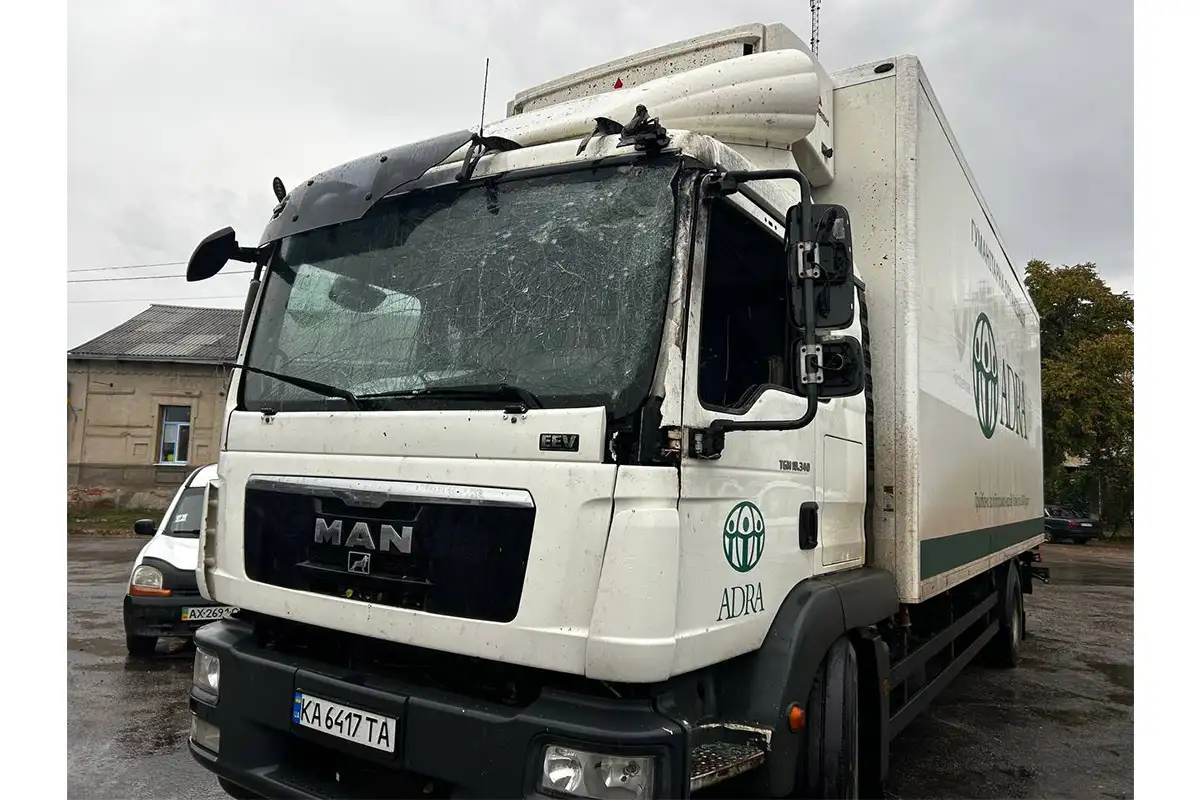
On September 23, an incident with an FPV drone occurred in the village of Zolochiv, Kharkiv region, during the distribution of food aid. Due to the team noticing the danger in time ...
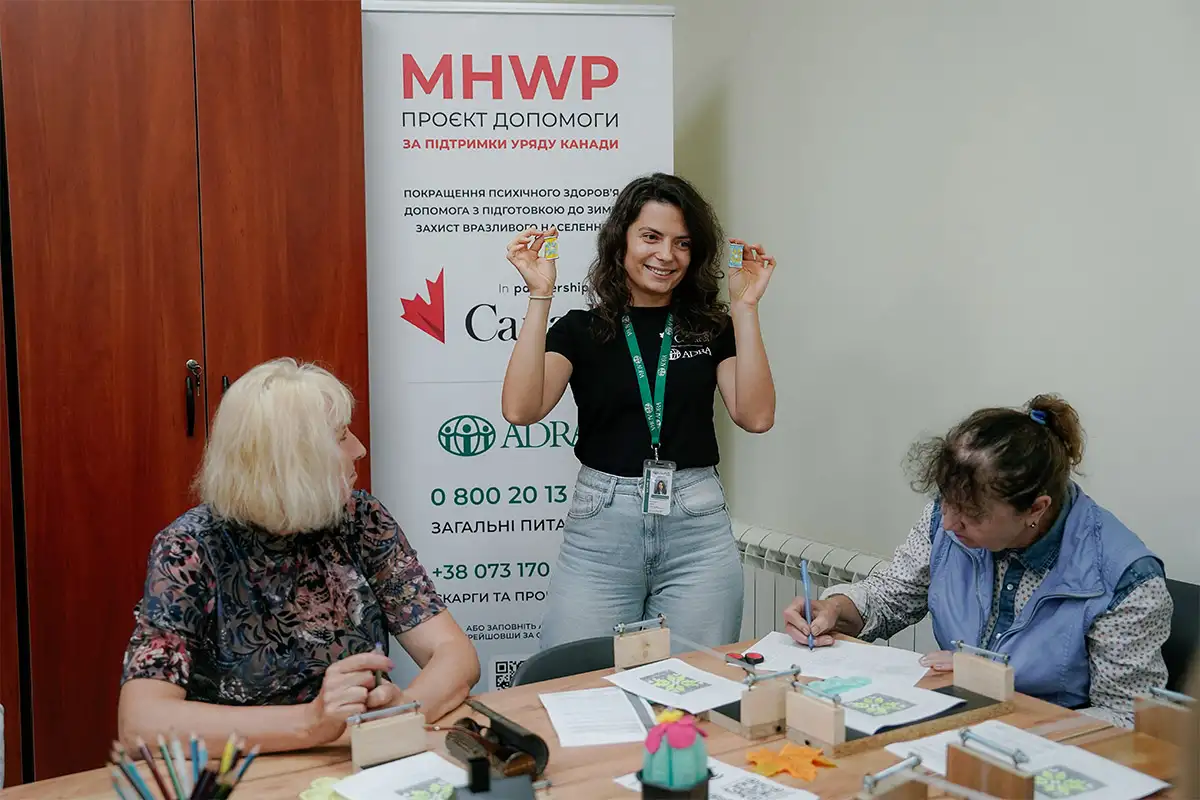
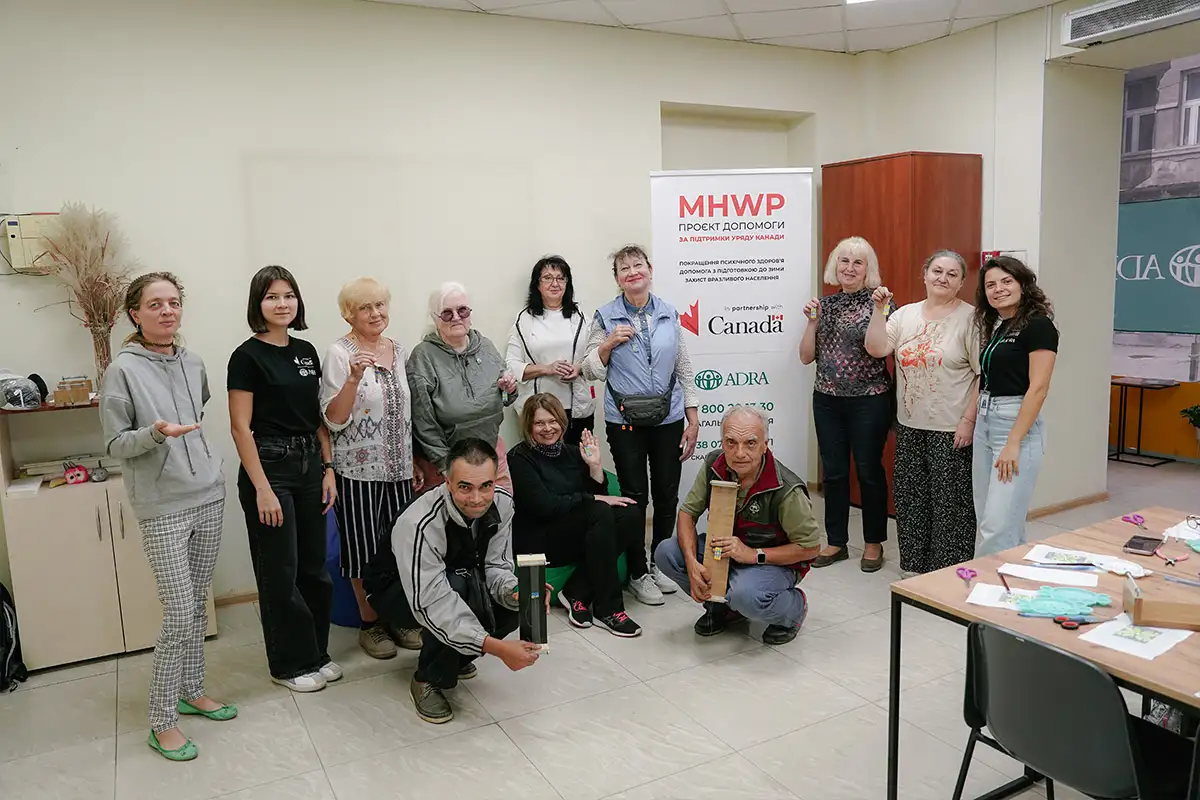
Focusing on small beads, choosing colors and gradually seeing the result of your own work — a creative activity held at the Protection and Support Center of ADRA Ukraine in Kharkiv. It ...
How to notice your own emotional state, cope with internal tension and find available ways of self-support? A series of online group events within the “JPF7” project was devoted to this. During ...
ADRA Ukraine stops humanitarian transportation in the Kherson and Zaporizhzhia regions due to high security risks on the routes. At the same time, transportation within the “REACT” project will continue in the ...
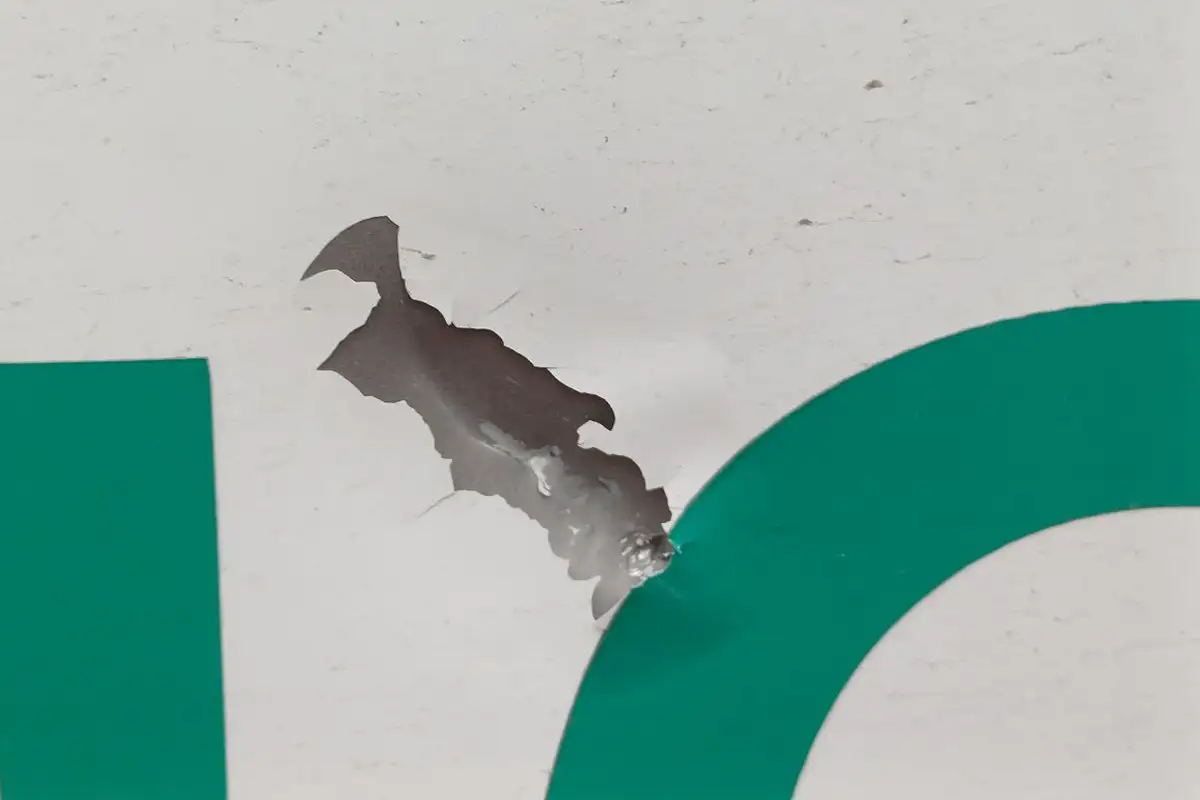
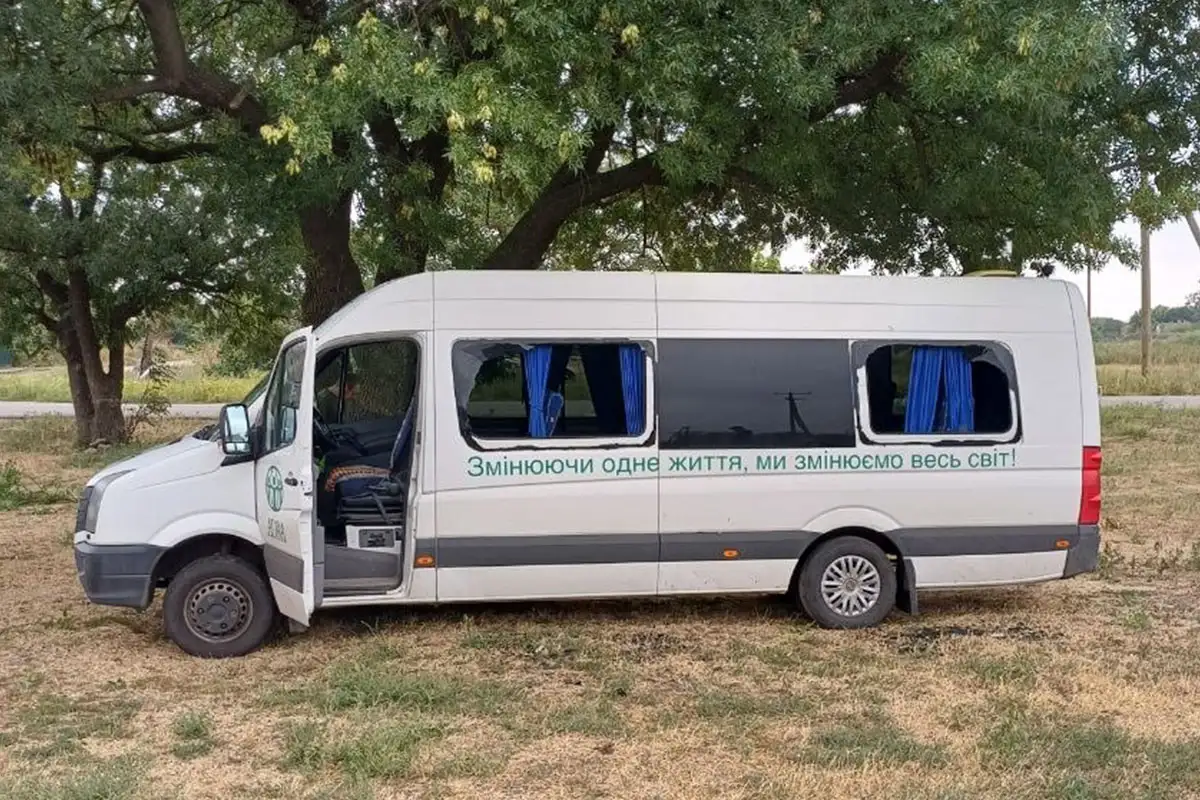
On September 14, near Myroliubivka village in the Dnipropetrovsk region, an FPV drone attacked an ADRA Ukraine bus that provides humanitarian transportation for residents of the Kherson region. At the time of ...
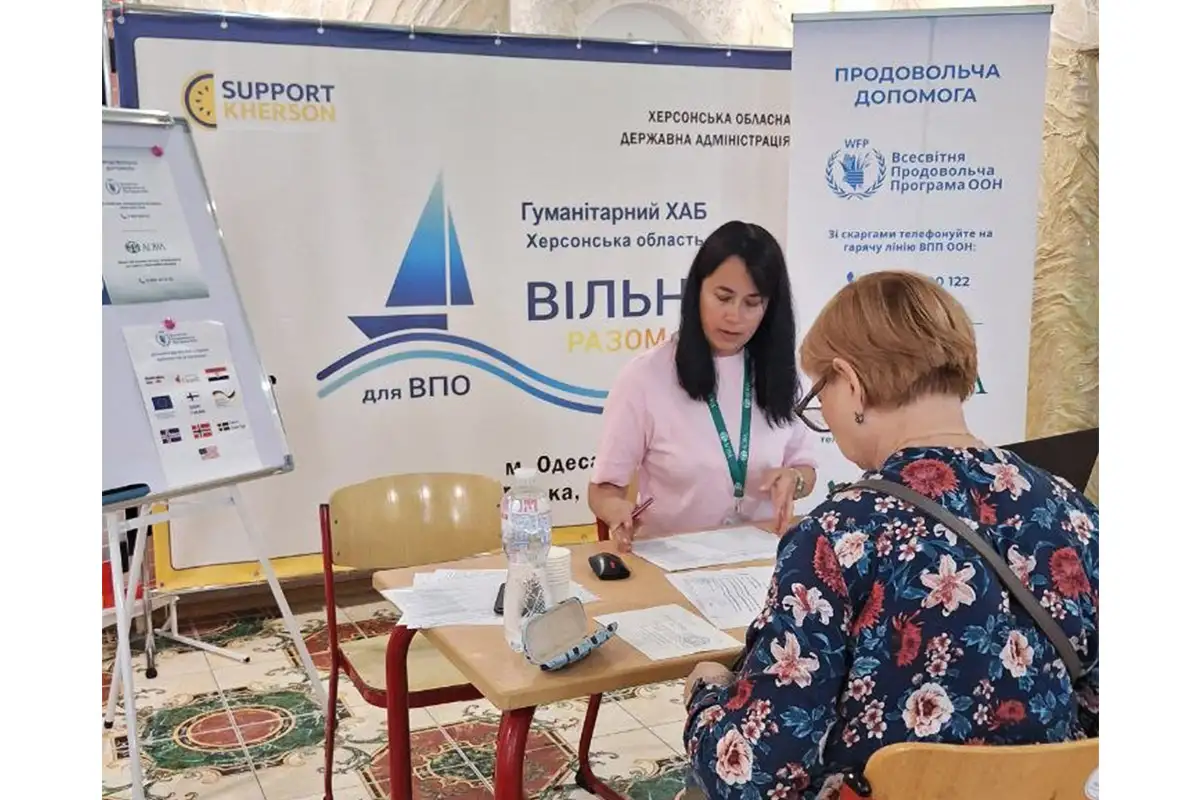
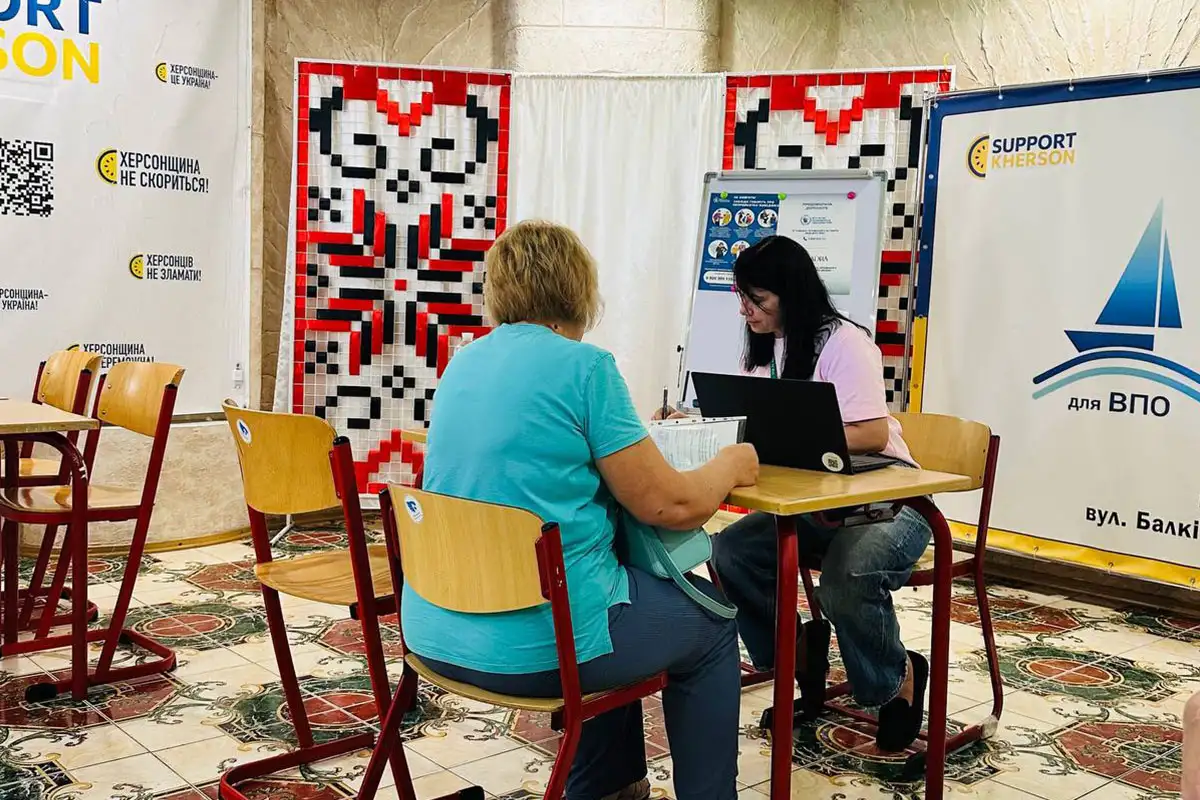
Due to the deterioration of the security situation in the city of Kherson, more and more people are evacuating the city and turning to the Kherson hub «Vilni razom» (EN: Free together) ...
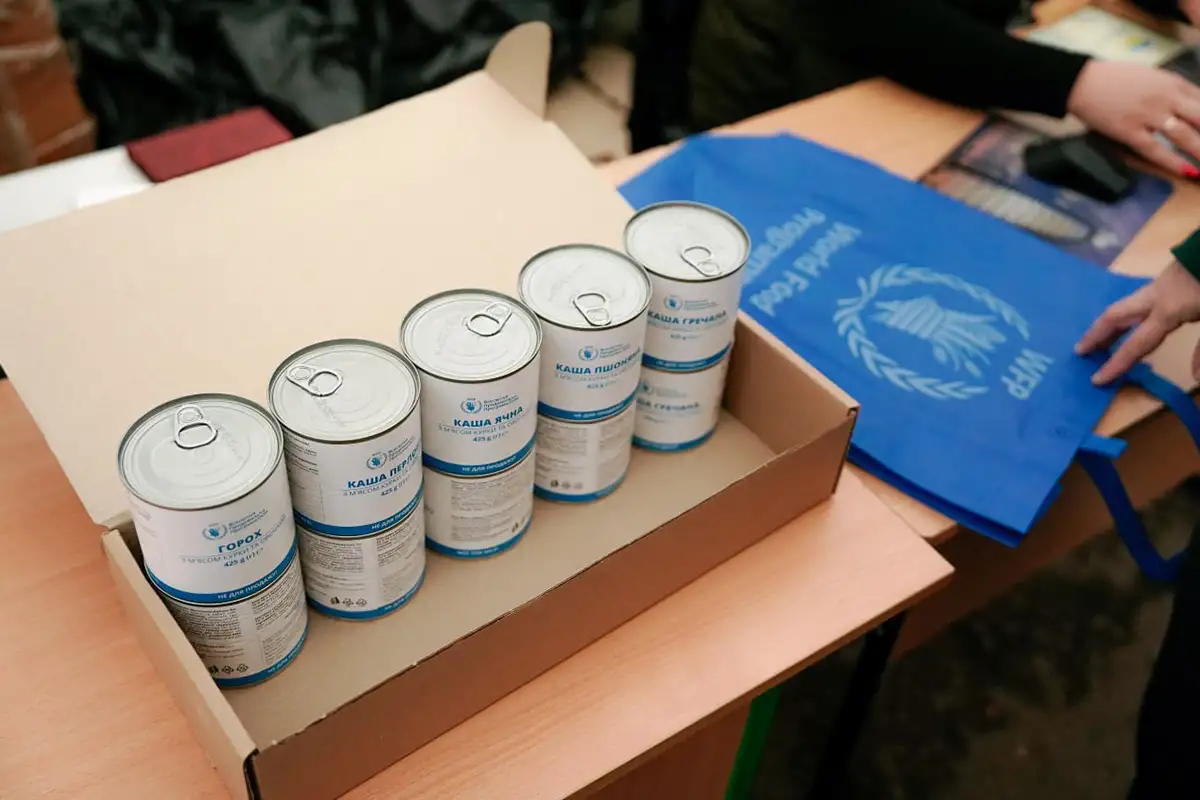
People evacuating Kramatorsk, Sloviansk and other localities in Donetsk region arrive at a transit center in Kharkiv on September 16, the ADRA Ukraine team handed them 154 ready-to-eat food kits. The peculiarity ...
Daily shelling, FPV drones, damaged bridges and roads under anti-drone nets — in such conditions, the ADRA Ukraine team delivers food aid to people who remain in the communities of Donetsk region. ...
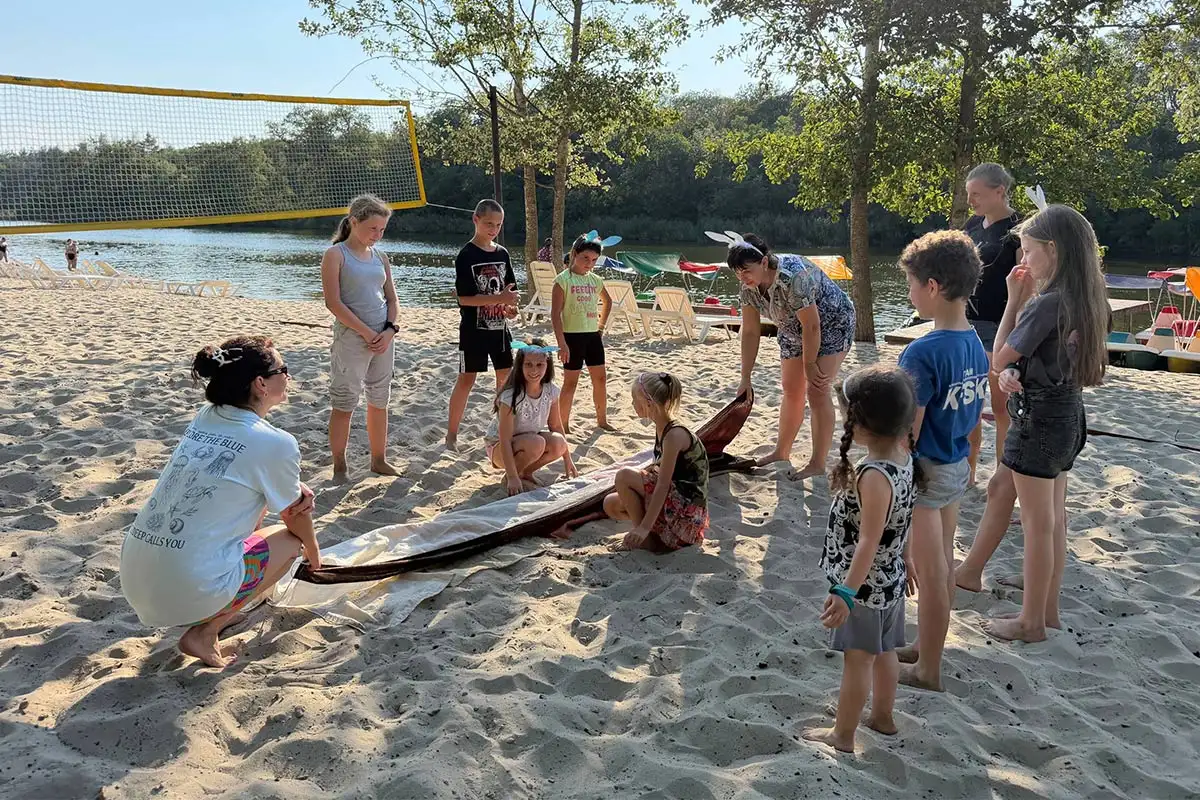
See alpacas and llamas up close, watch deer, ostriches and peacocks, spend the whole day in the fresh air, and most importantly — relax with the parents. For seven children from the ...
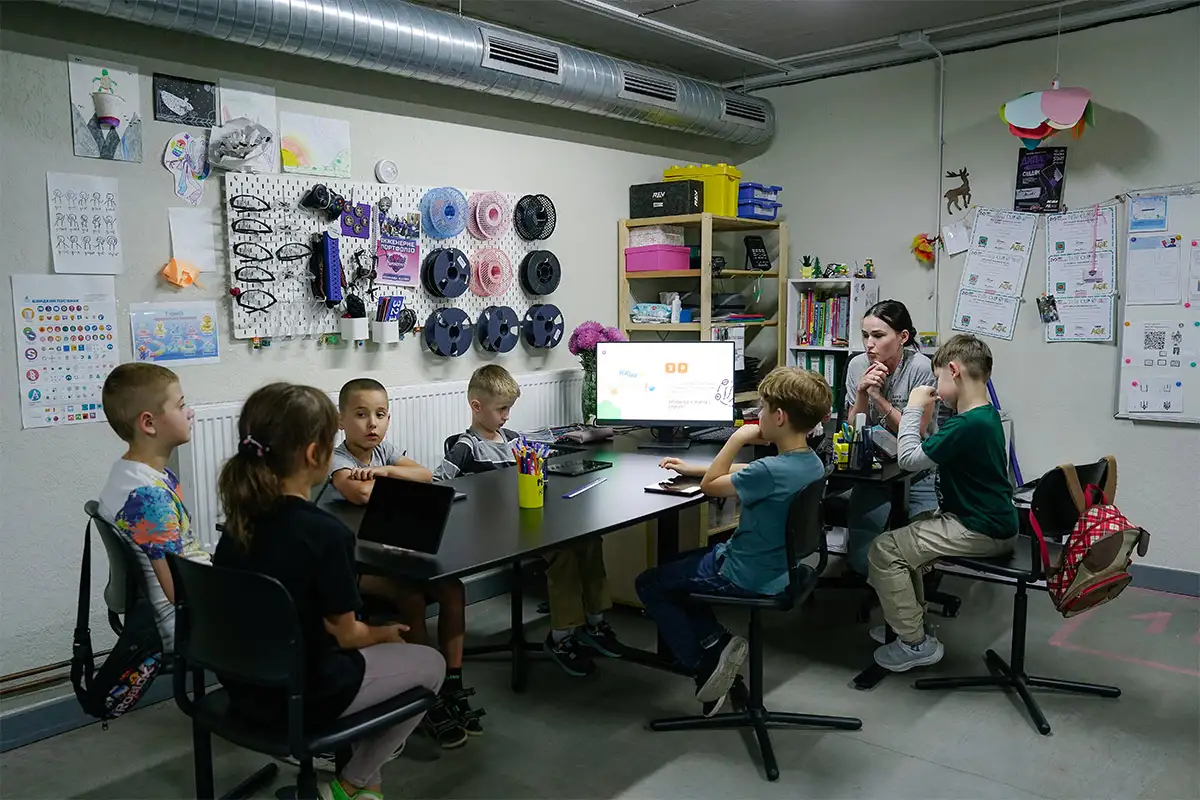
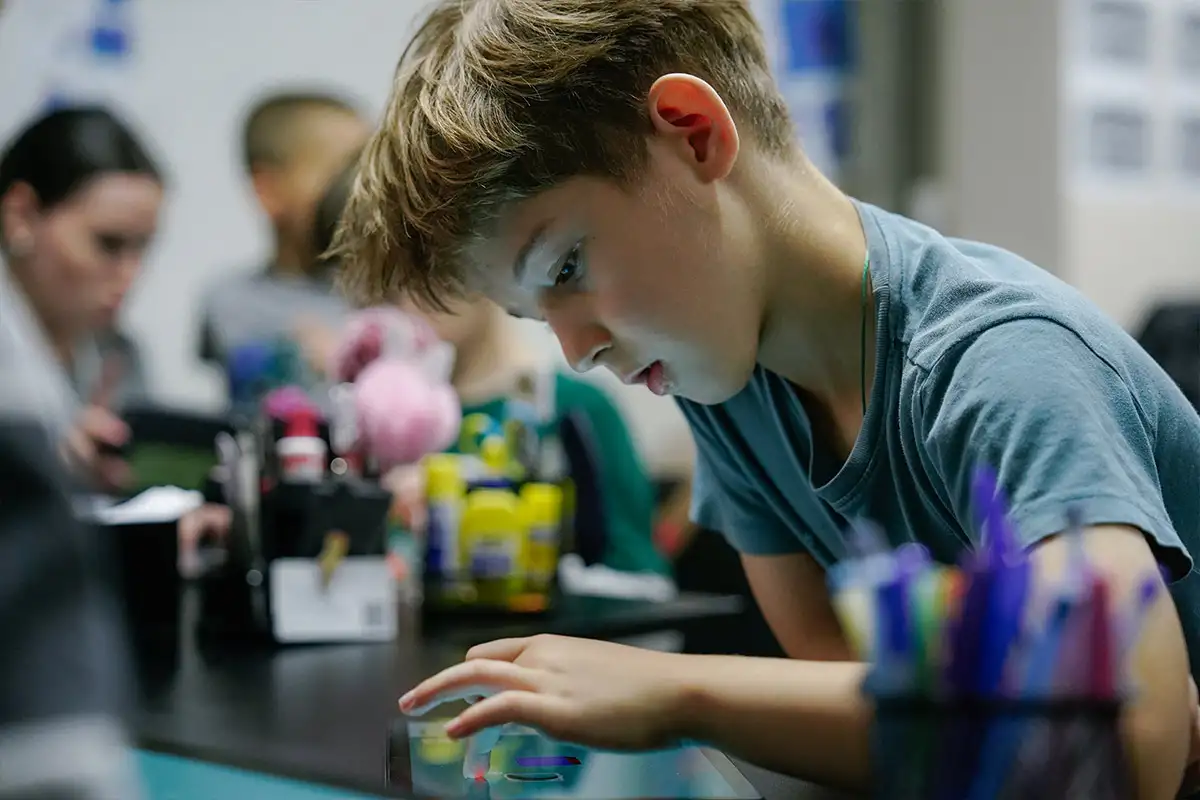
When a child is looking forward to the next class, this is probably one of the best indicators of what they are really interested in. For three months, the charity organization Save ...
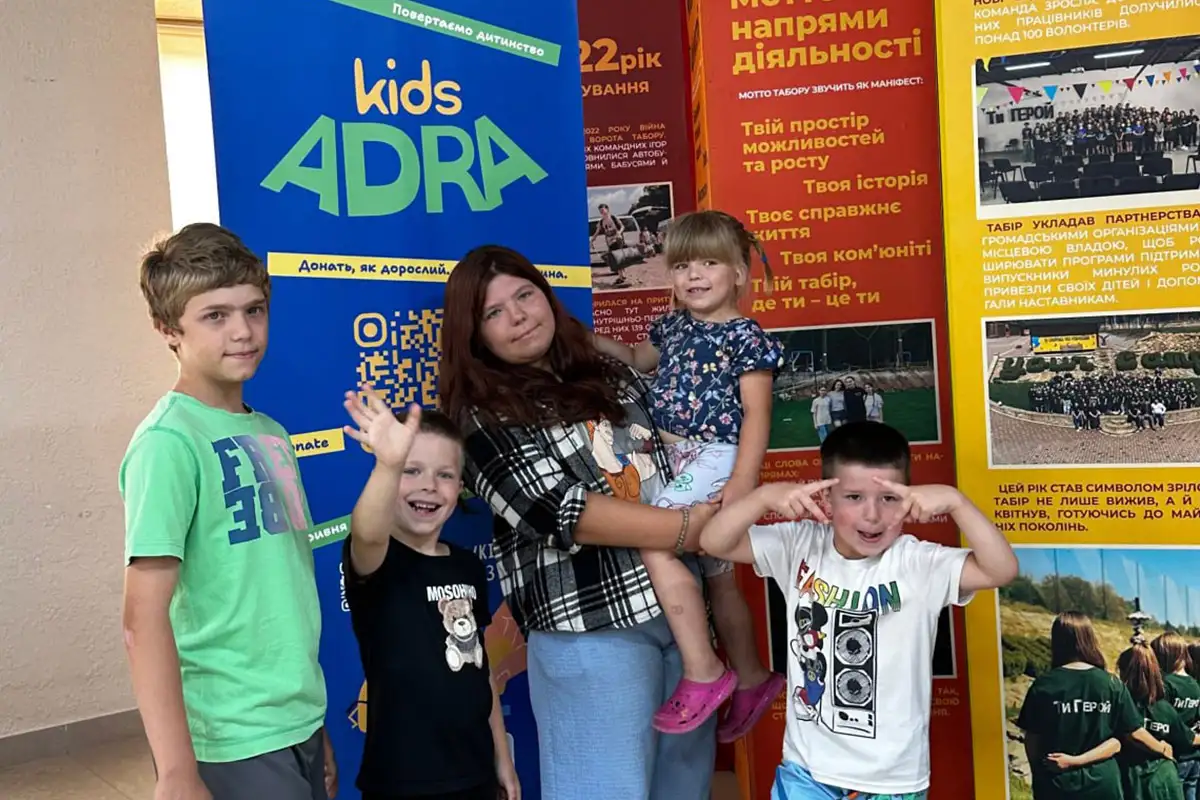
For some, a trip to summer camp is a common part of the holidays, and for some is an opportunity that might not be: to see new places, find friends, try something ...
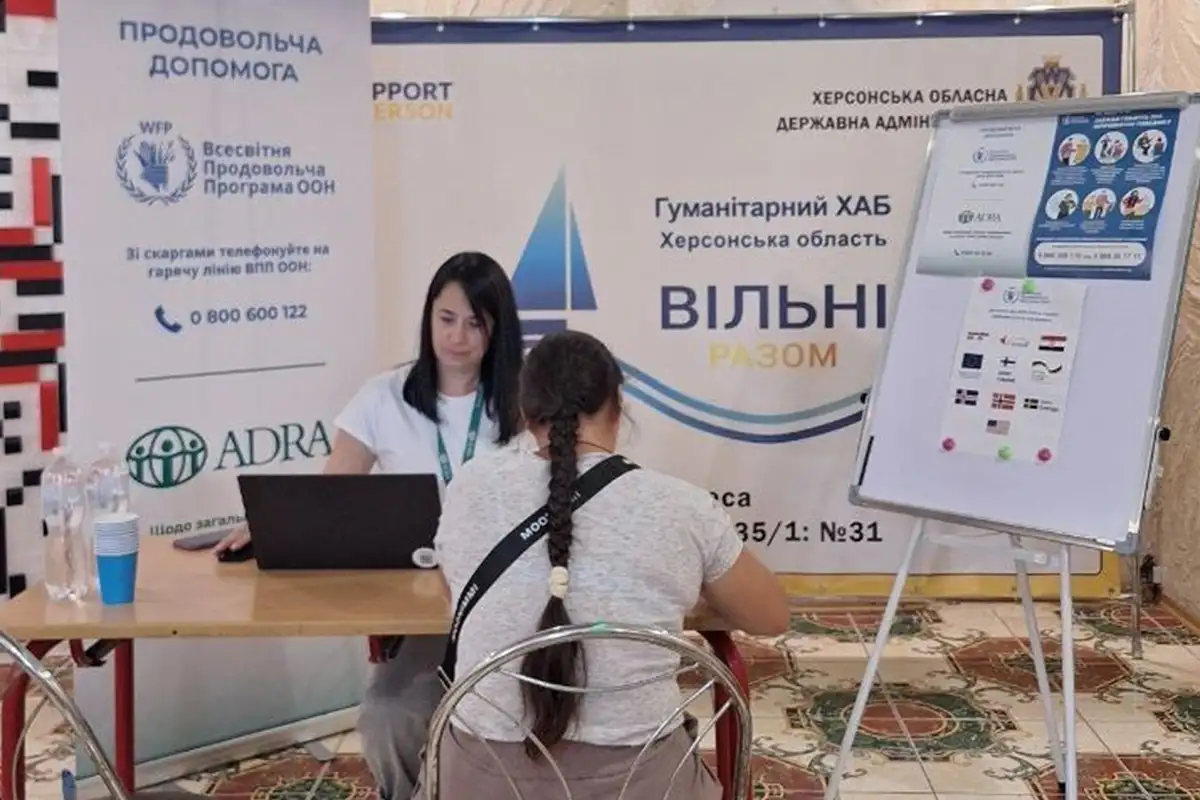
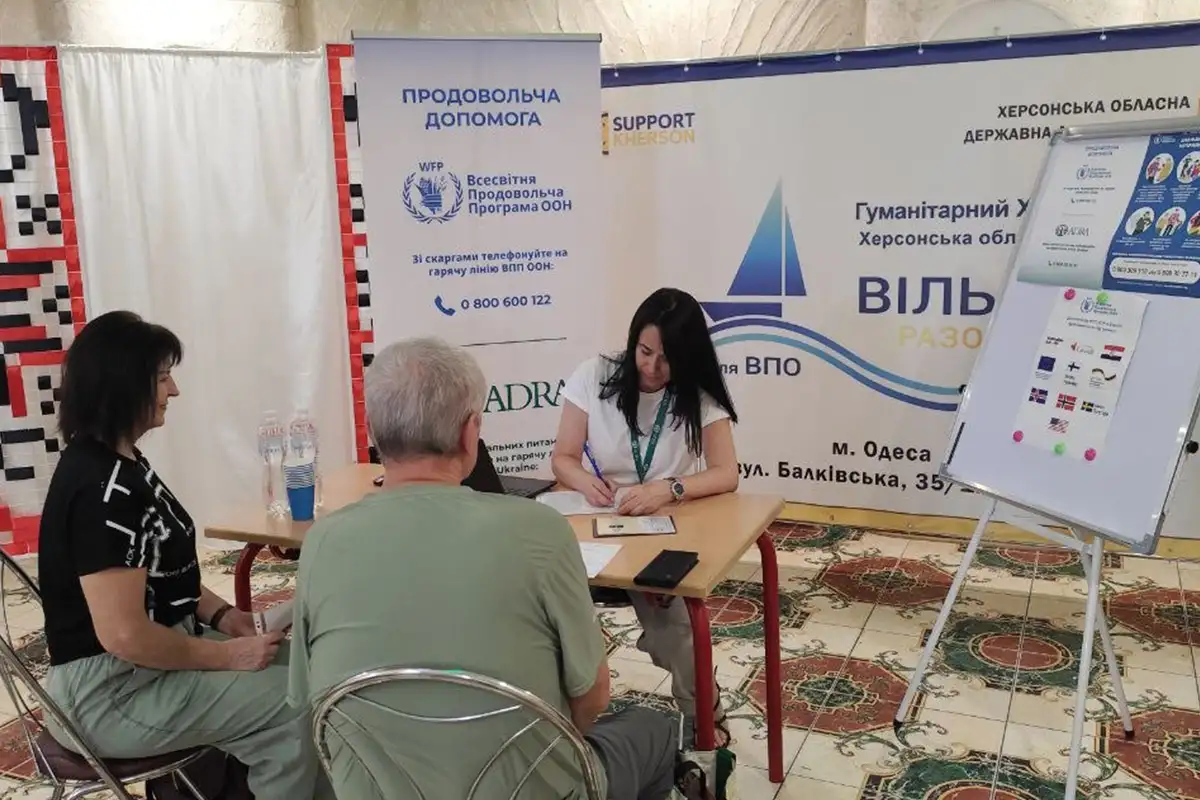
For the third month in a row, IDPs from the city of Kherson and the Kherson region, who are currently in the city of Odesa, can register for cash assistance from the ...
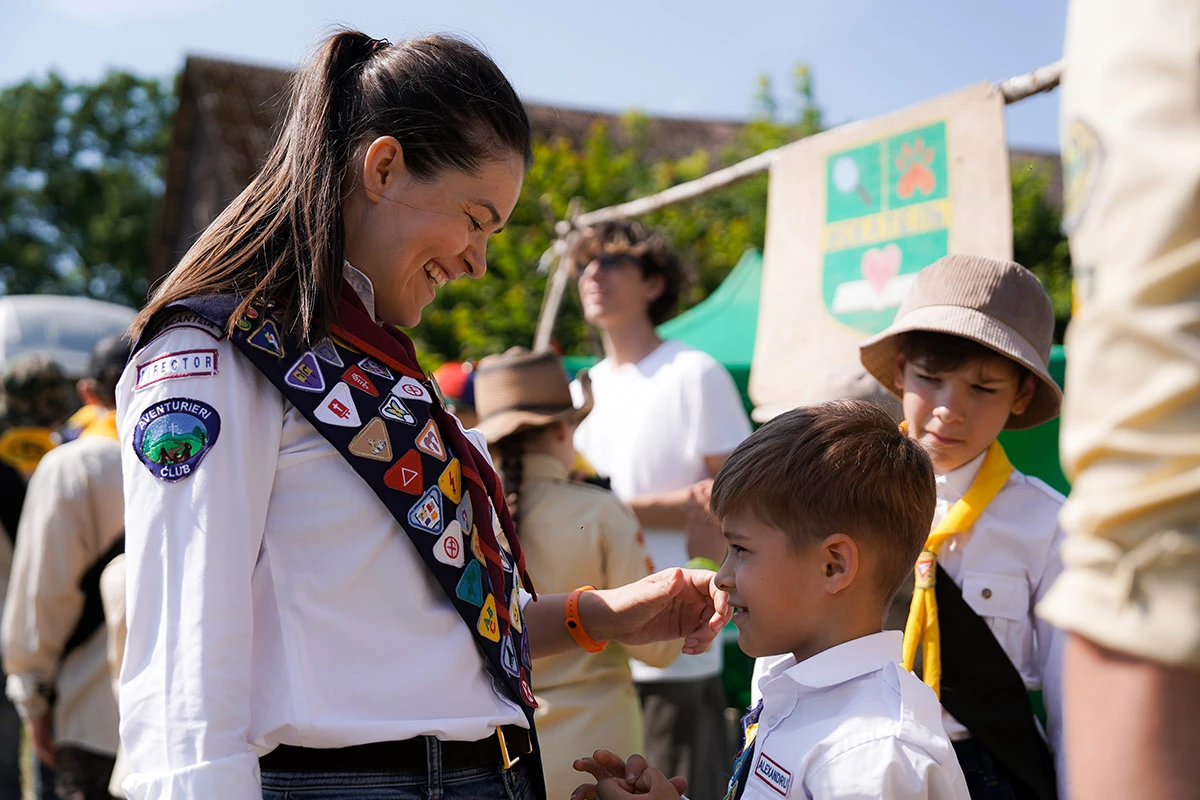
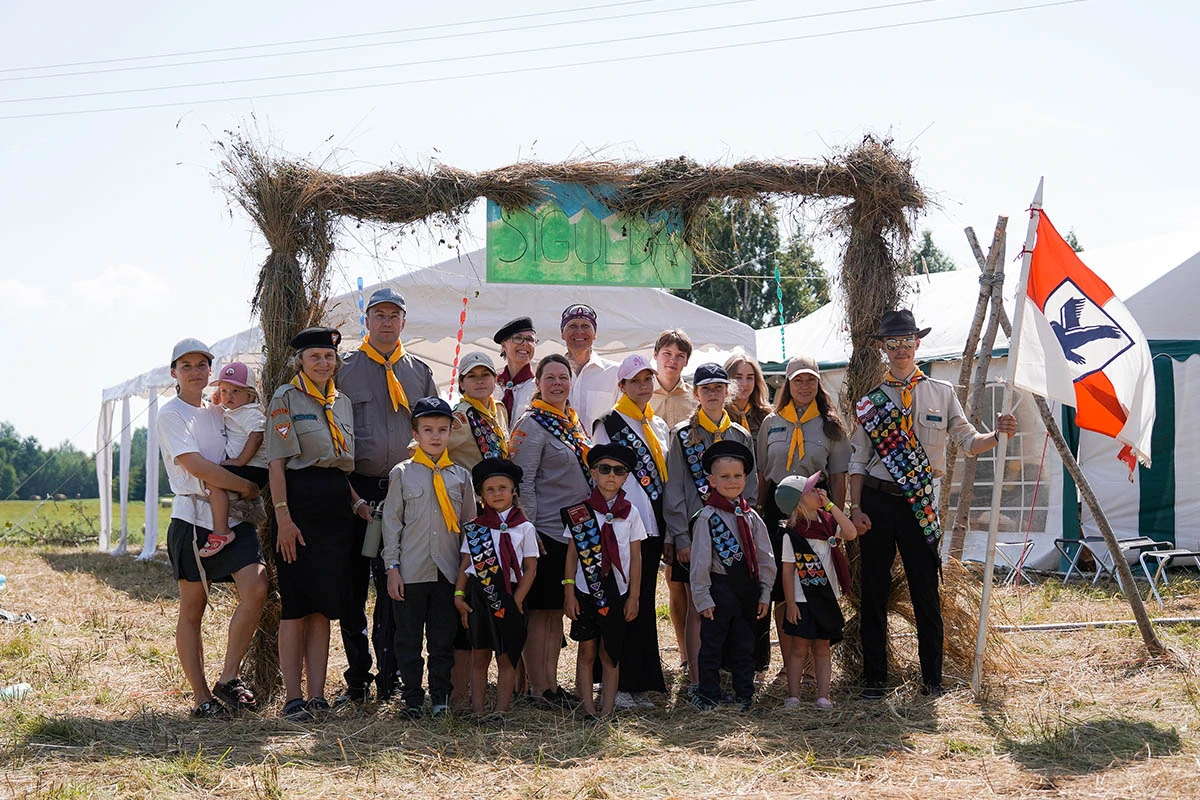
How does a humanitarian organization work, where to start assistance during a crisis and how to turn the identified problem into a specific project? This summer, children and teenagers from “The Pathfinder” ...
