


Representatives of the Danish Foreign Ministry visited the Sofiivka Lyceum, where, with the support of DANIDA, the ADRA team and DanChurchAid repaired the shelter
Representatives of the Danish Foreign Ministry visited the Sofiivka Lyceum, where, with the support of DANIDA, the ADRA team and DanChurchAid repaired the shelter
On November 5, a delegation from the Ministry of Foreign Affairs of Denmark together with representatives of ADRA Ukraine visited the Sofiivka Lyceum in the Mykolaiv region. Here, within the framework of the «Reconstruction of social infrastructure in mykolaiv through the strong civil society» project, ADRA Ukraine and ADRA Danmark together with DanChurchAid (DCA) repaired the shelter. Thanks to this, children can continue their studies even during air alarms, being in safe conditions.
During the meeting, representatives of the local authorities and the director of the lyceum told the guests about the urgent needs of the community’s educational institutions. The delegation inspected the shelter before and after the repairs, convinced of significant changes. The guests emphasized their readiness to continue supporting the restoration of Ukrainian schools.
The renovated shelter was inspected by representatives of the Danish Foreign Ministry and the coordination office of the Danish Embassy in Mykolaiv, in particular:
Ms. Anne Kahl – Team Leader (Ukraine Reconstruction);
Mr. Sahil Adnan – Head of Section, EUNABO;
Mr. Lars Olaf Søvndahl Petersen – Deputy Head of Mission;
Mr. Serhii Babkin – Cooperation Advisor;
Ms. Mariia Kupris – Cooperation Advisor.
Tags
Share this publication
Our social networks
Categories
Last news
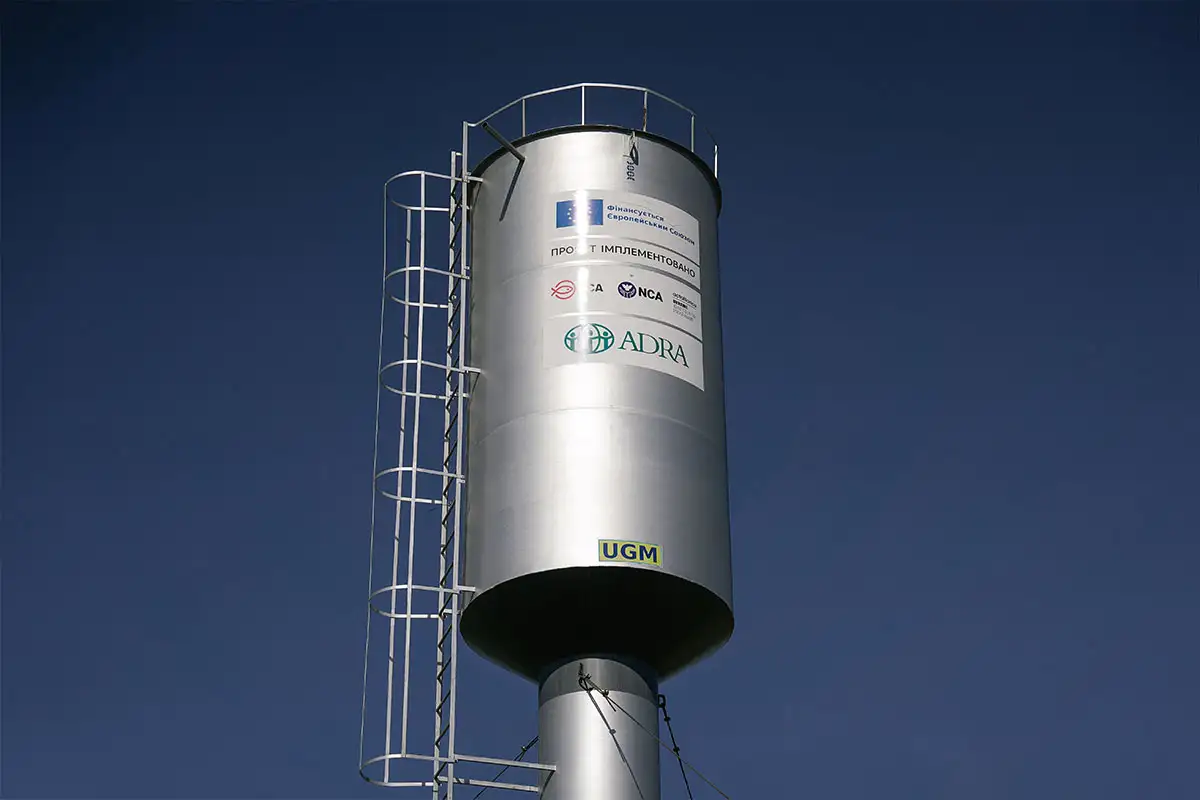
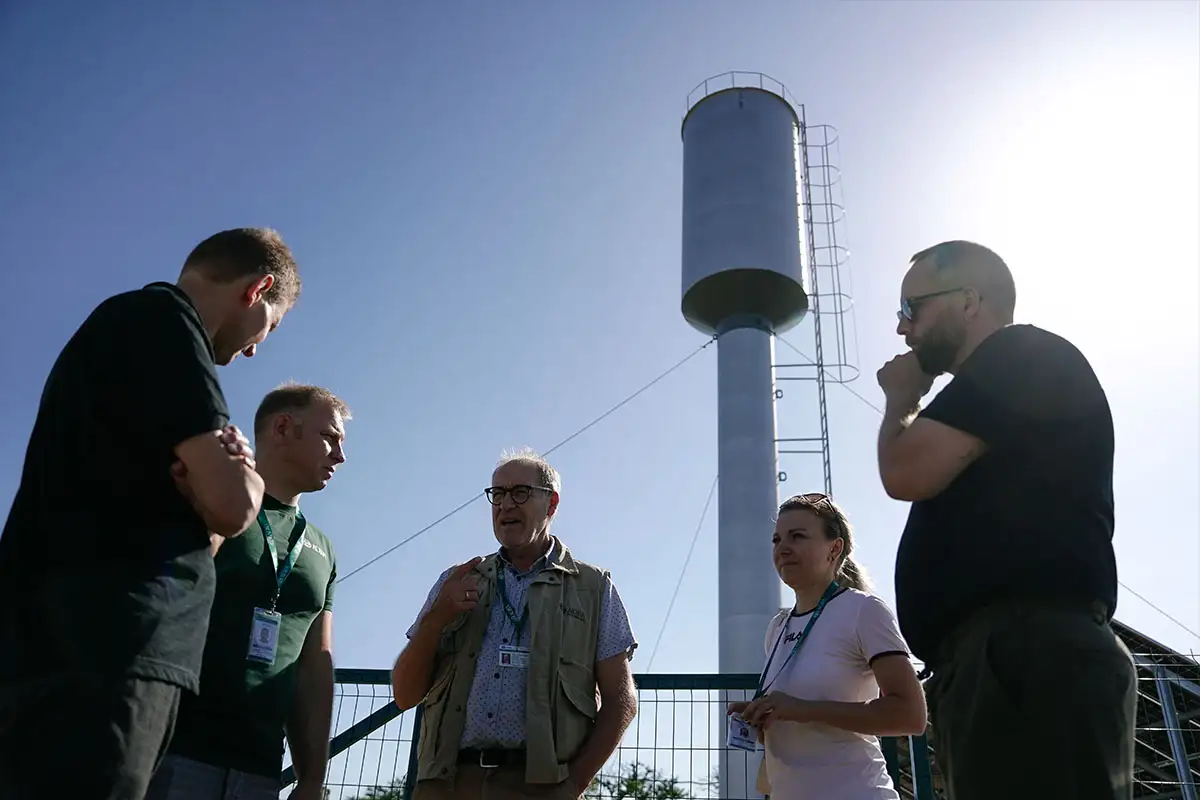
Restoration of educational and medical institutions, access to drinking water and shelters, as well as support for the initiatives of the communities themselves, these directions of the new project were discussed during ...

Please find below the Summer 2026 ADRA Ukraine Newsletter. You can download the newsletter at the following link: Newsletter – Summer 2026
Restoration of educational and medical institutions, access to drinking water and shelters, as well as support for the initiatives of the communities themselves, these directions of the new project were discussed during ...
Please find below the Summer 2026 ADRA Ukraine Newsletter. You can download the newsletter at the following link: Newsletter – Summer 2026

Psychological and legal consultations for people throughout Ukraine and assistance with heating for 150 IDPs in Zaporizhzhia region — will combine such areas with the new ADRA Ukraine project, which started in ...

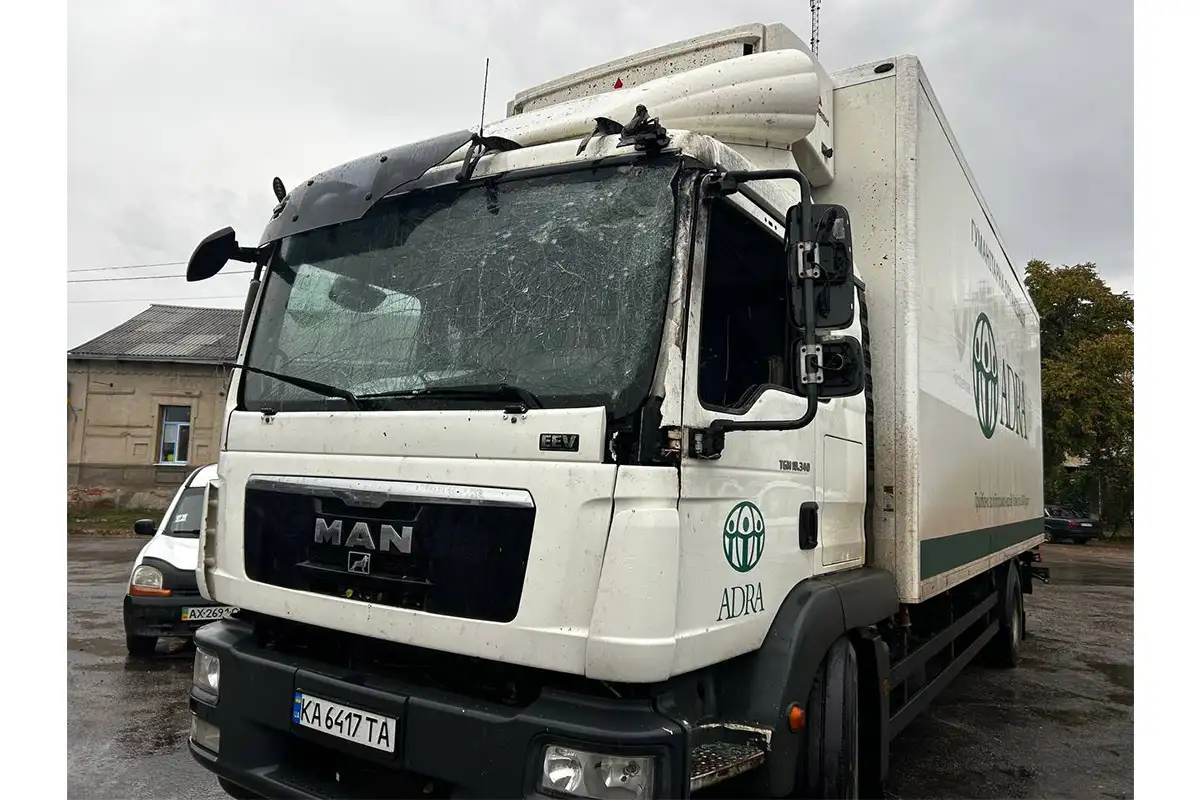
On September 23, an incident with an FPV drone occurred in the village of Zolochiv, Kharkiv region, during the distribution of food aid. Due to the team noticing the danger in time ...
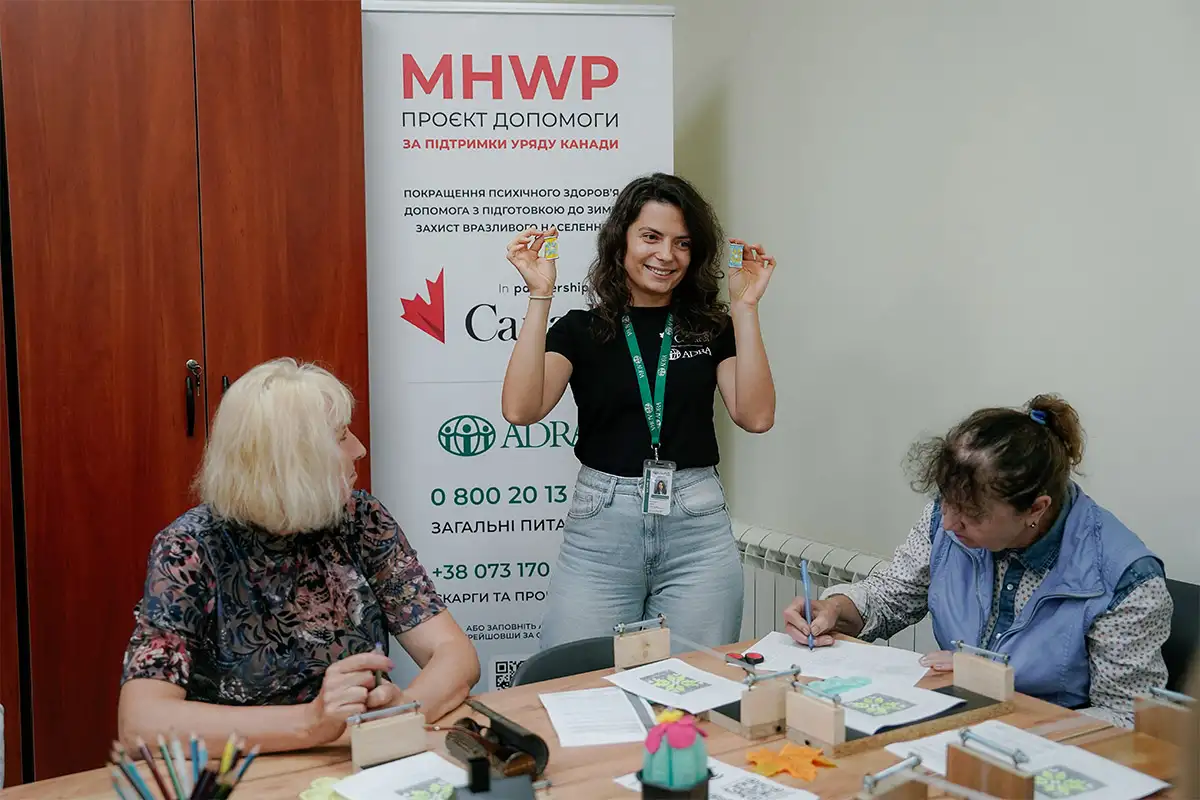
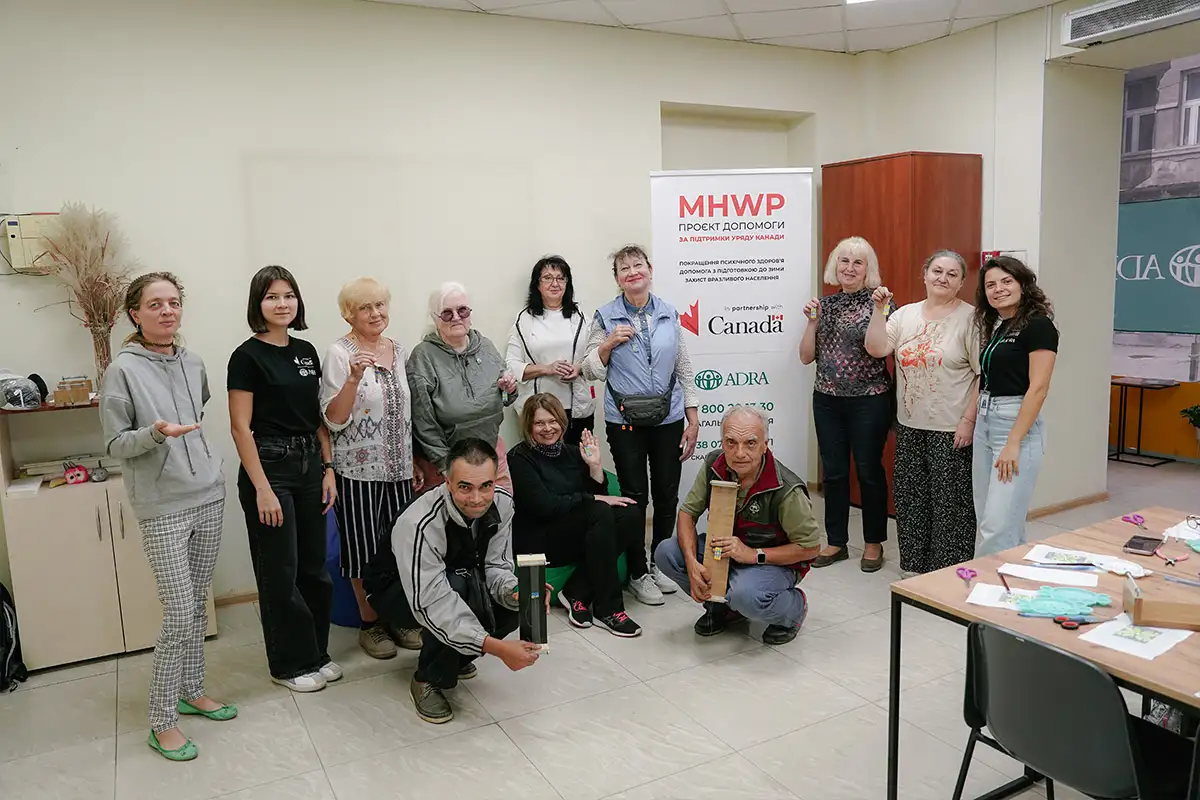
Focusing on small beads, choosing colors and gradually seeing the result of your own work — a creative activity held at the Protection and Support Center of ADRA Ukraine in Kharkiv. It ...
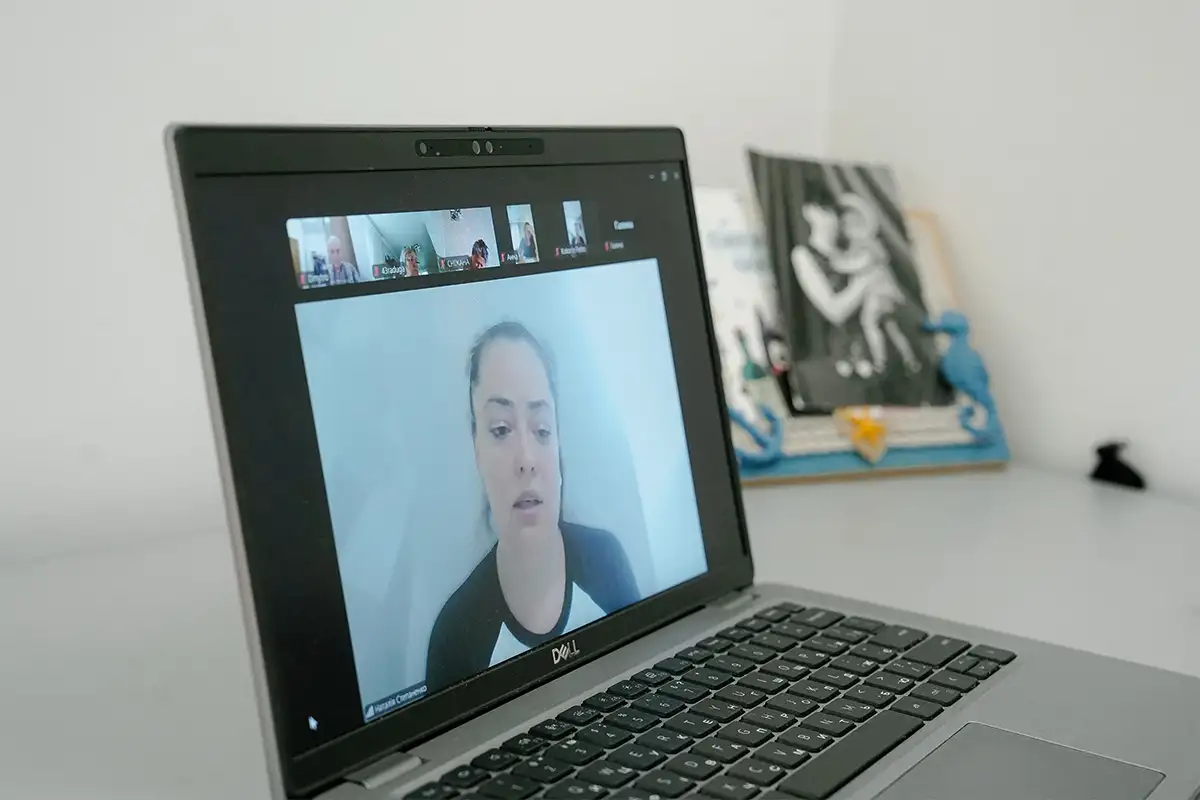
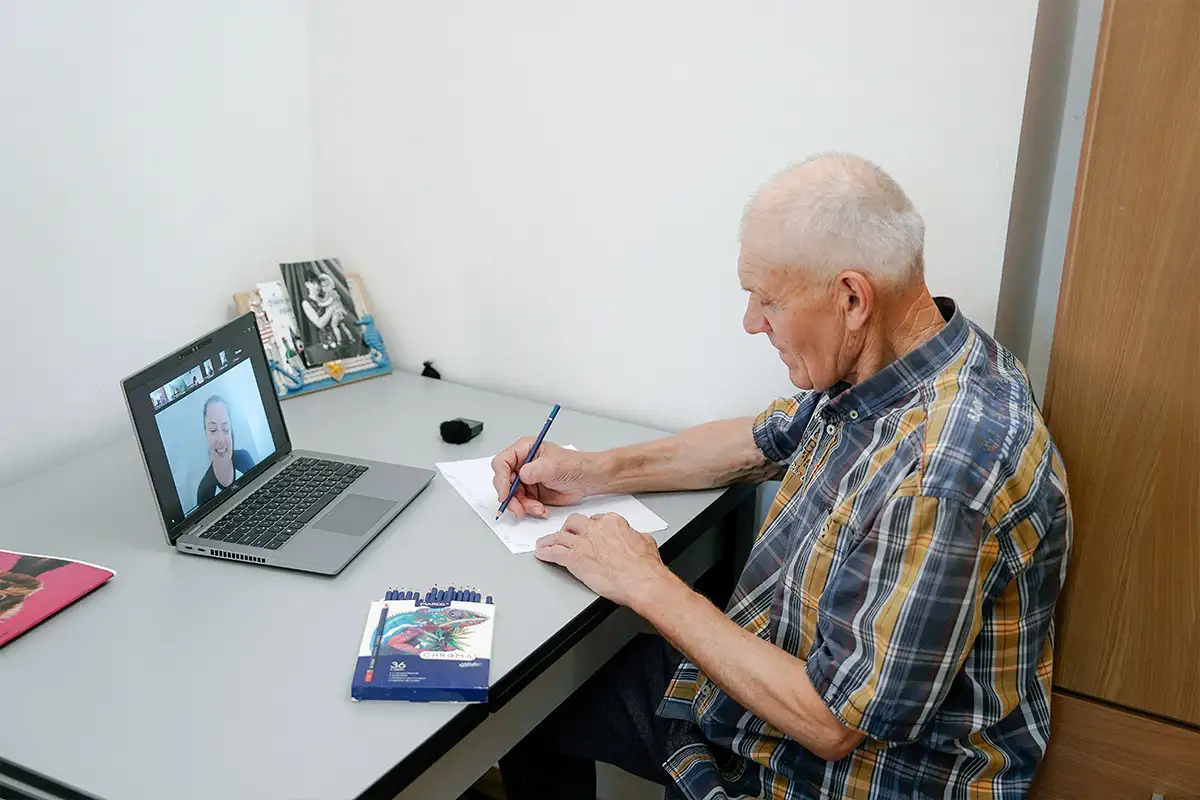
How to notice your own emotional state, cope with internal tension and find available ways of self-support? A series of online group events within the “JPF7” project was devoted to this. During ...
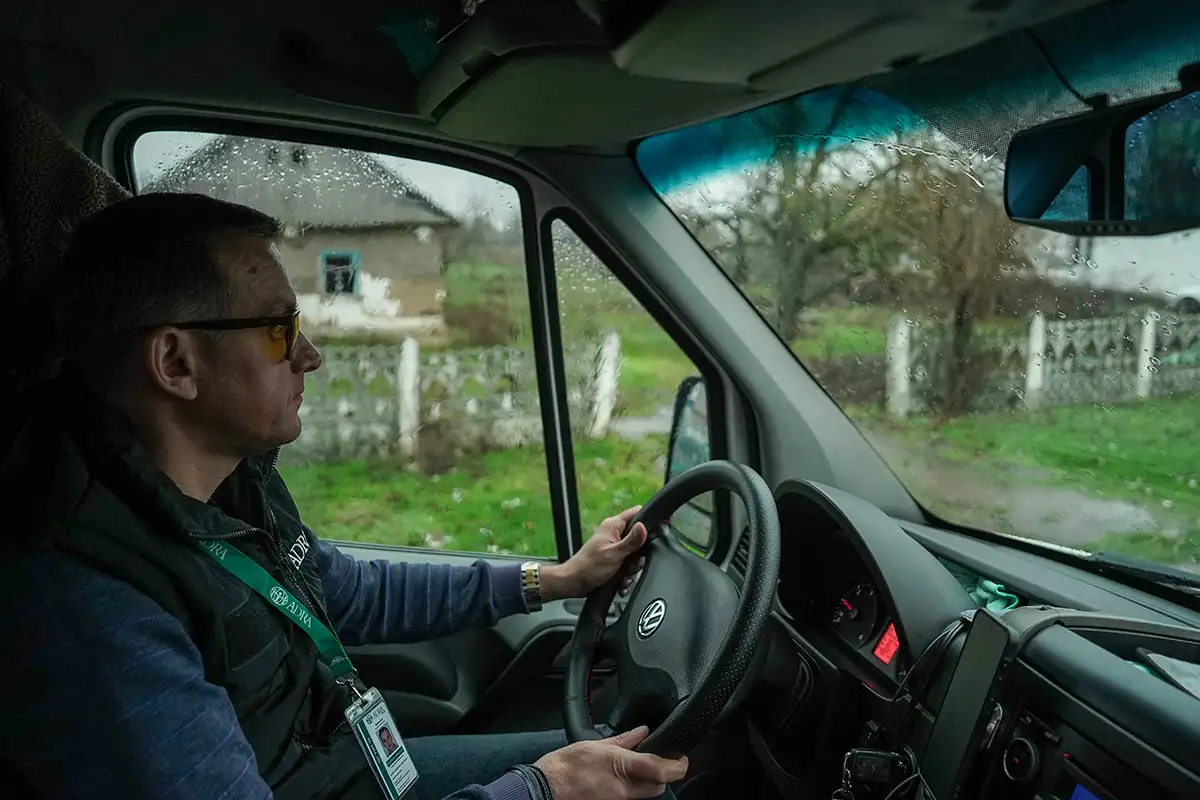
ADRA Ukraine stops humanitarian transportation in the Kherson and Zaporizhzhia regions due to high security risks on the routes. At the same time, transportation within the “REACT” project will continue in the ...

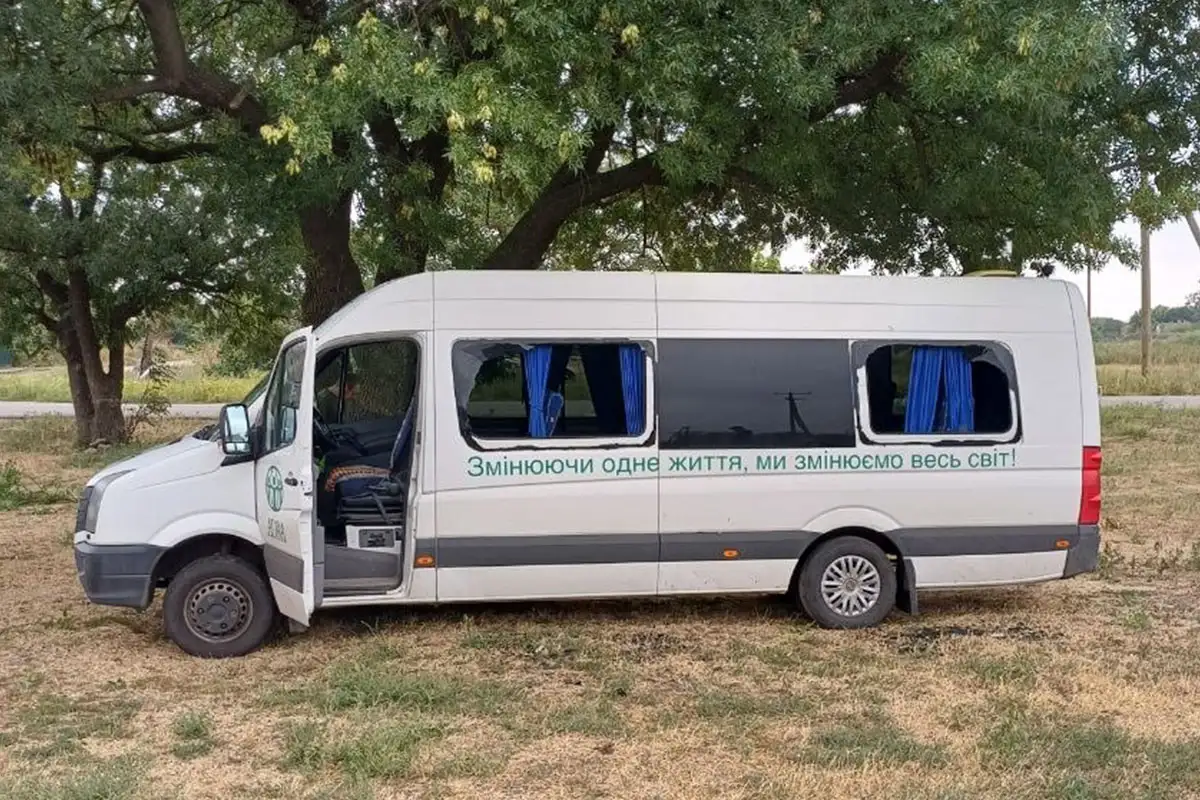
On September 14, near Myroliubivka village in the Dnipropetrovsk region, an FPV drone attacked an ADRA Ukraine bus that provides humanitarian transportation for residents of the Kherson region. At the time of ...
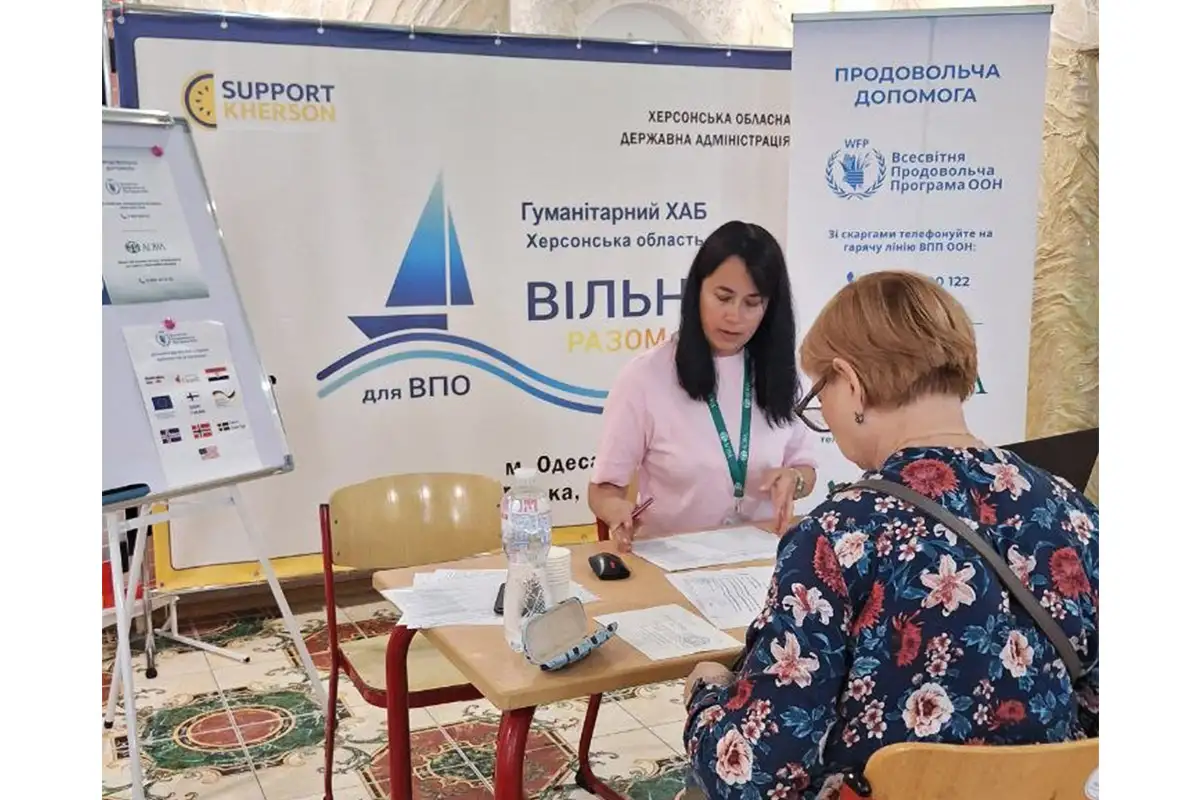
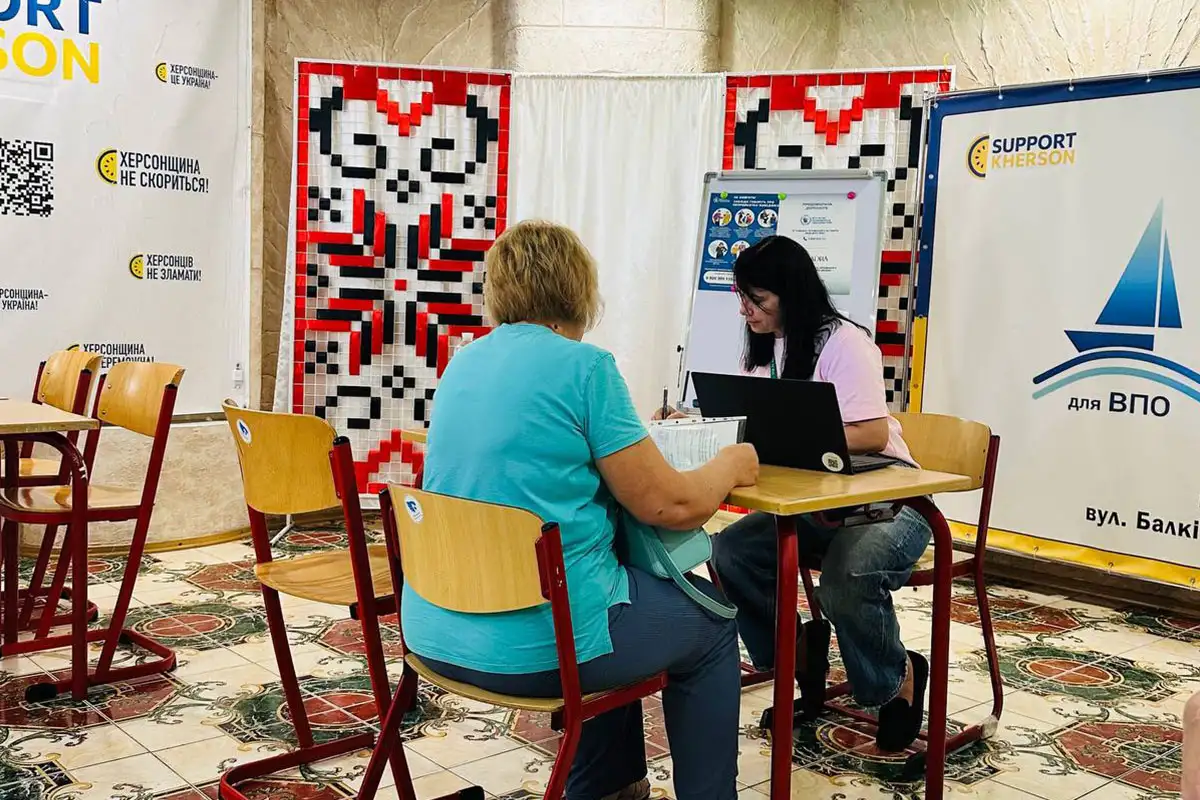
Due to the deterioration of the security situation in the city of Kherson, more and more people are evacuating the city and turning to the Kherson hub «Vilni razom» (EN: Free together) ...
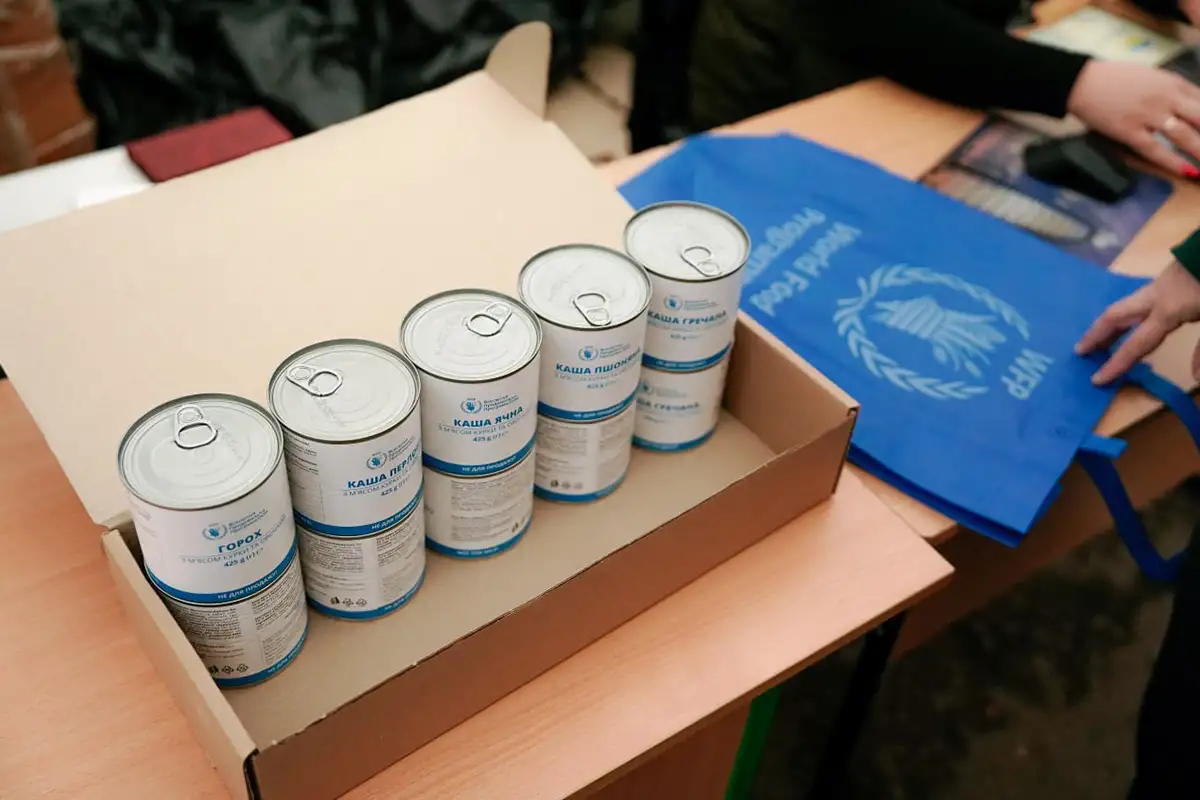
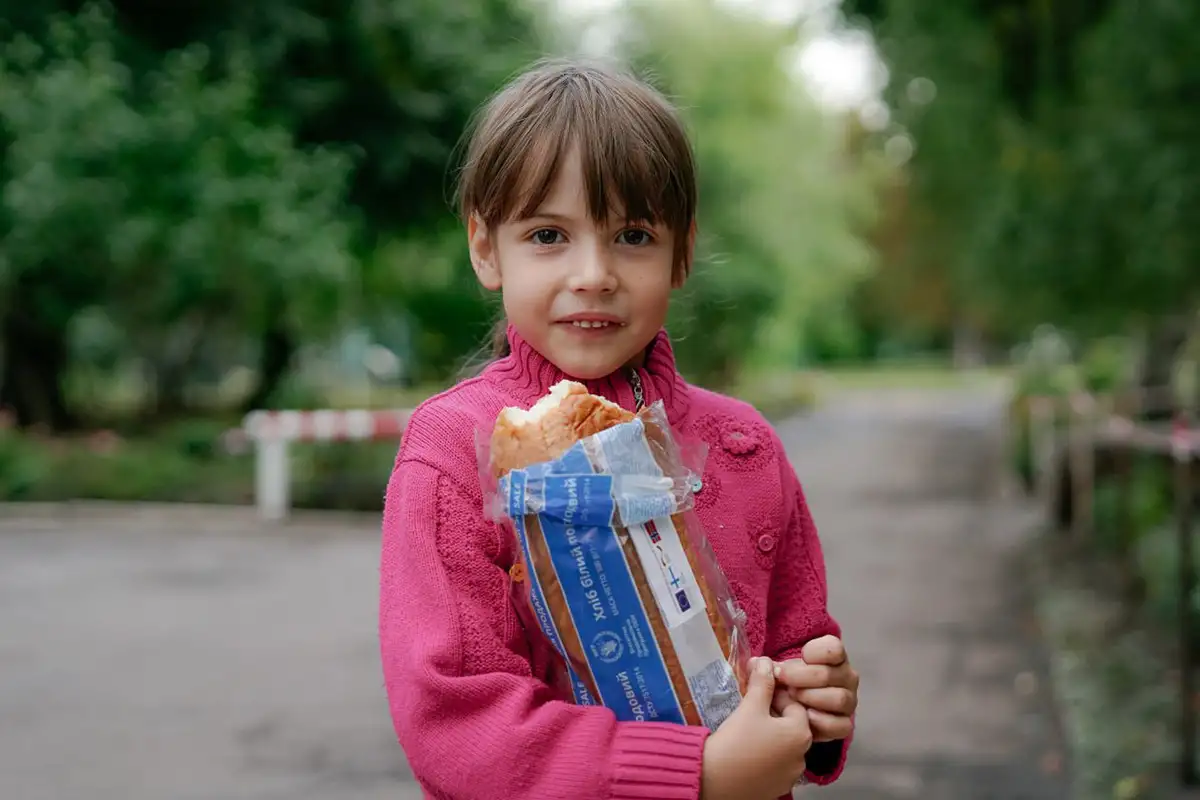
People evacuating Kramatorsk, Sloviansk and other localities in Donetsk region arrive at a transit center in Kharkiv on September 16, the ADRA Ukraine team handed them 154 ready-to-eat food kits. The peculiarity ...
Daily shelling, FPV drones, damaged bridges and roads under anti-drone nets — in such conditions, the ADRA Ukraine team delivers food aid to people who remain in the communities of Donetsk region. ...
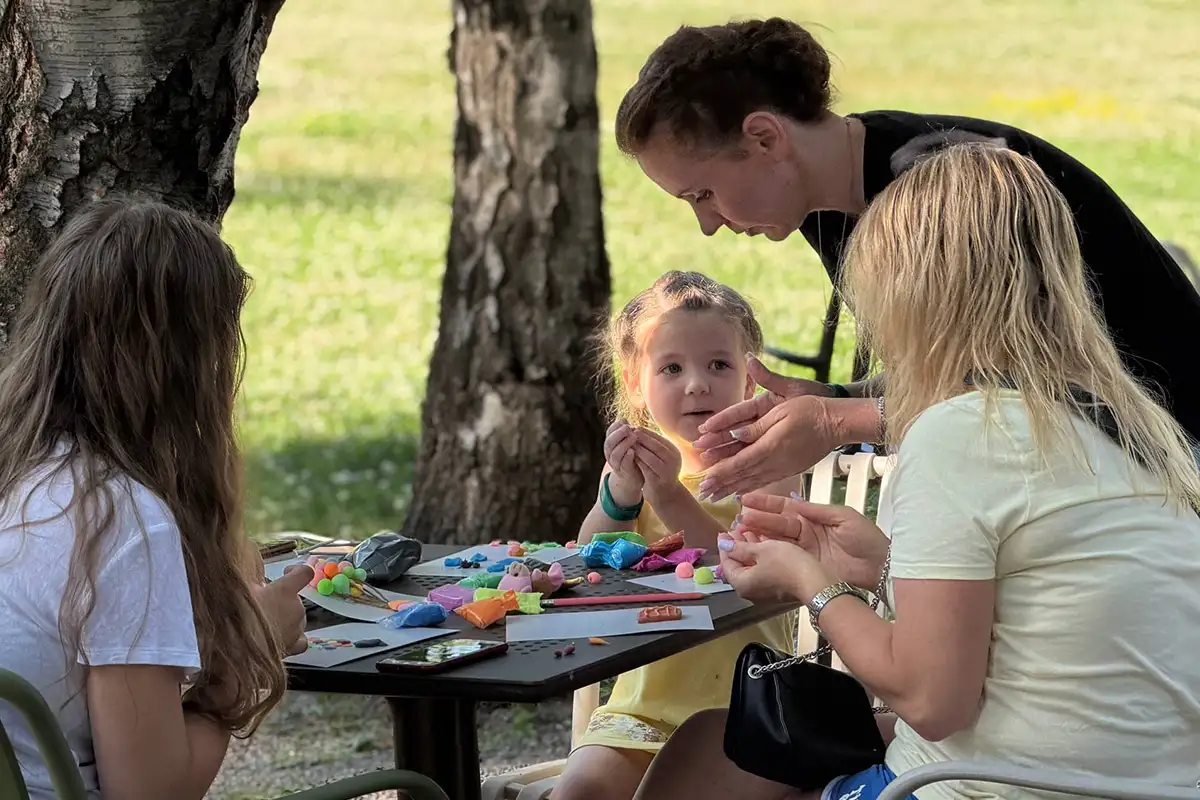
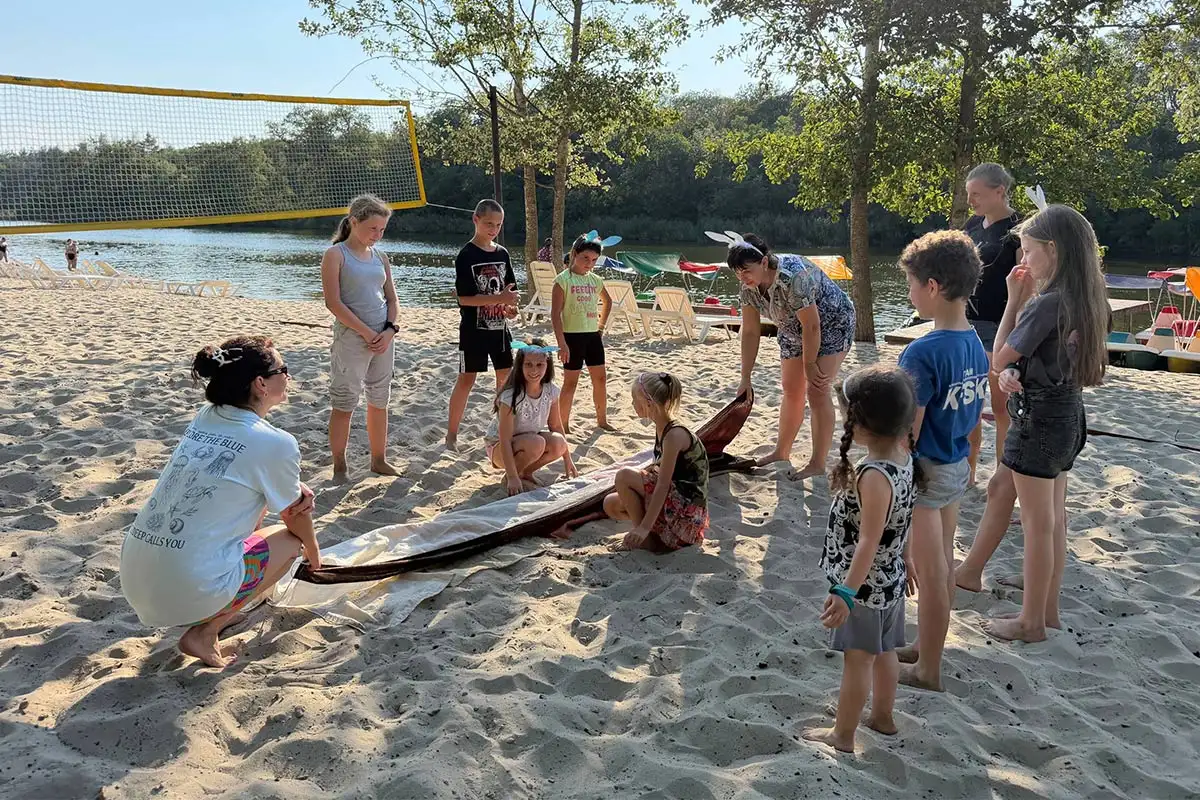
See alpacas and llamas up close, watch deer, ostriches and peacocks, spend the whole day in the fresh air, and most importantly — relax with the parents. For seven children from the ...
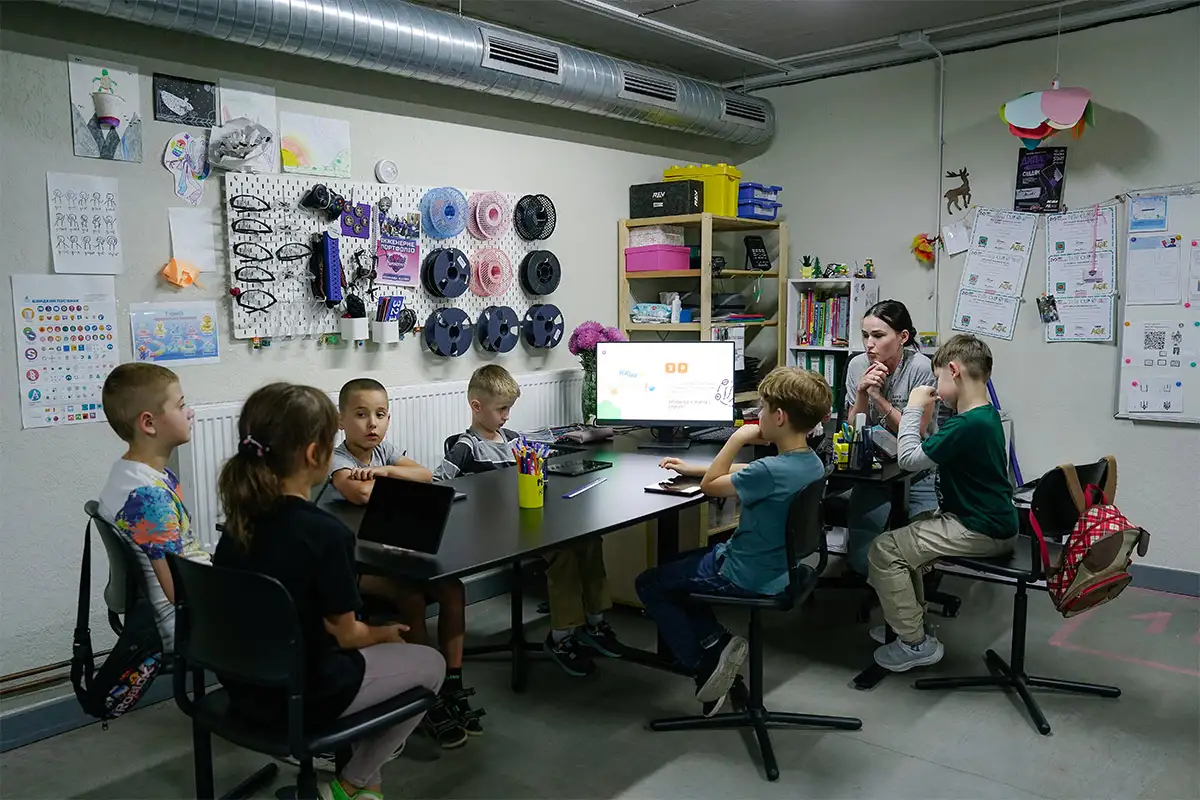
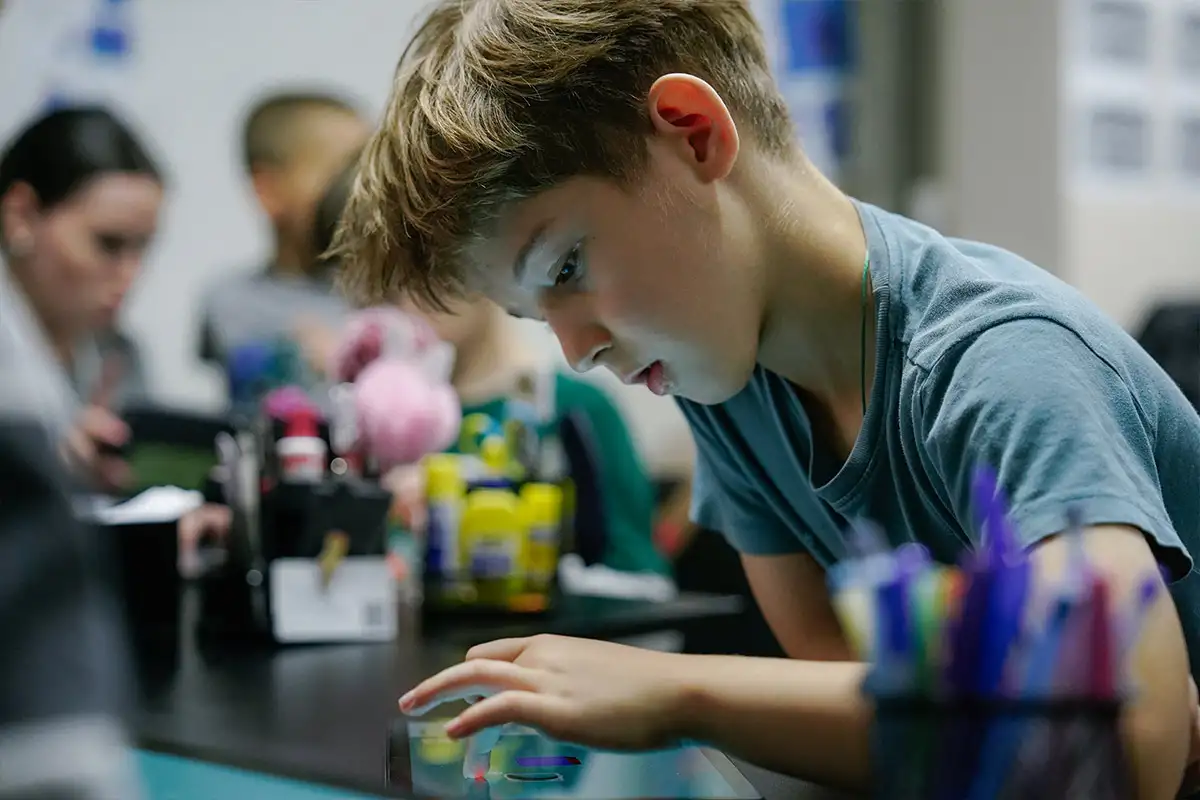
When a child is looking forward to the next class, this is probably one of the best indicators of what they are really interested in. For three months, the charity organization Save ...
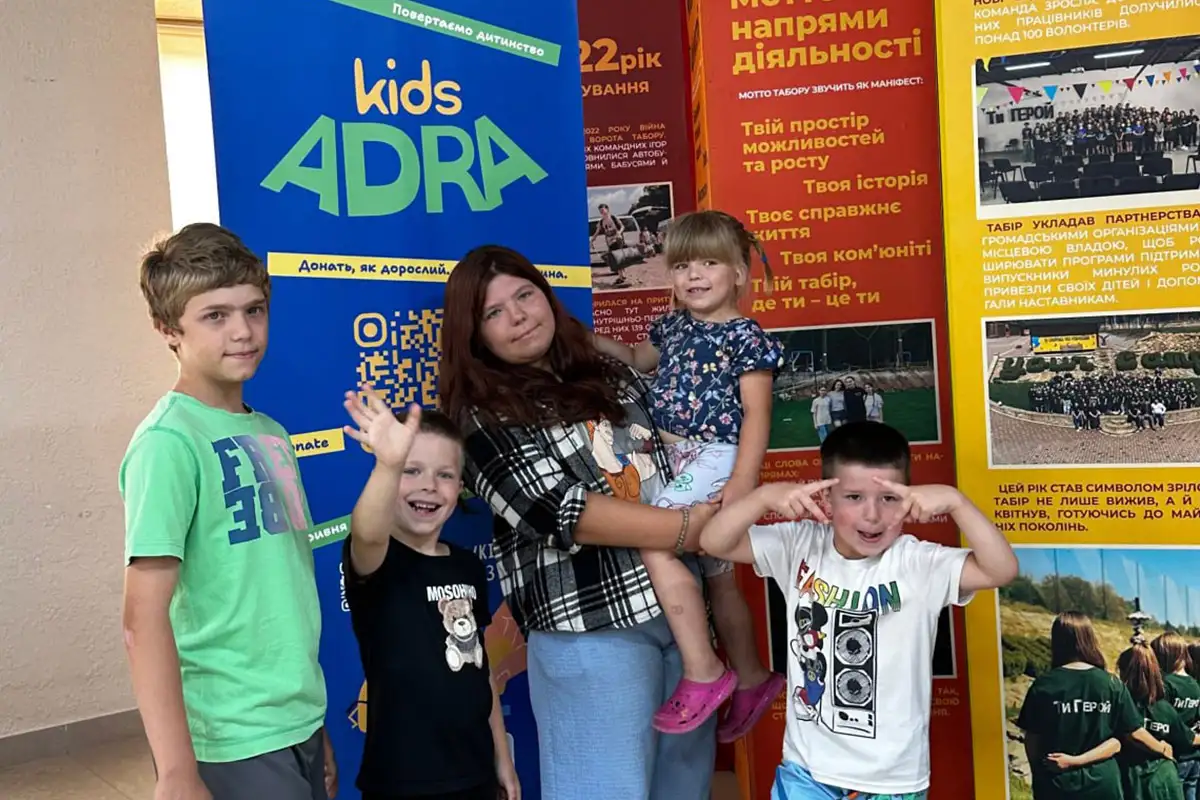
For some, a trip to summer camp is a common part of the holidays, and for some is an opportunity that might not be: to see new places, find friends, try something ...
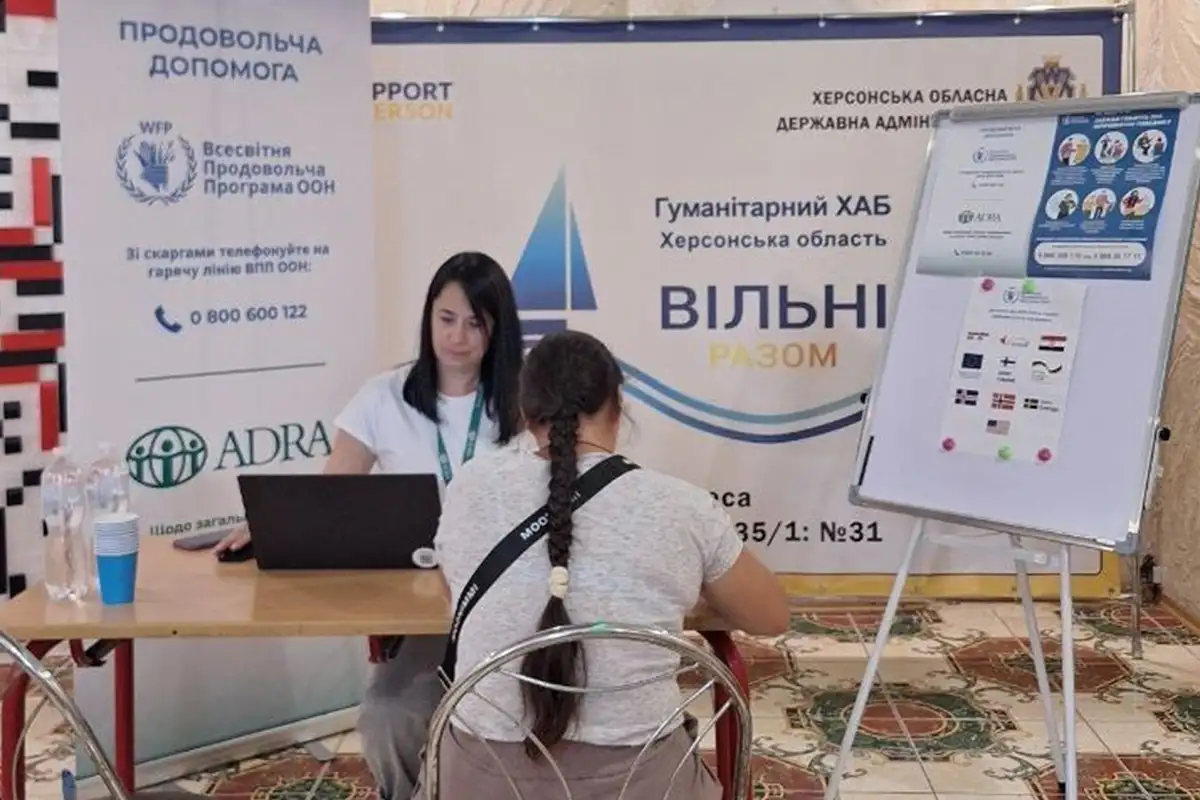
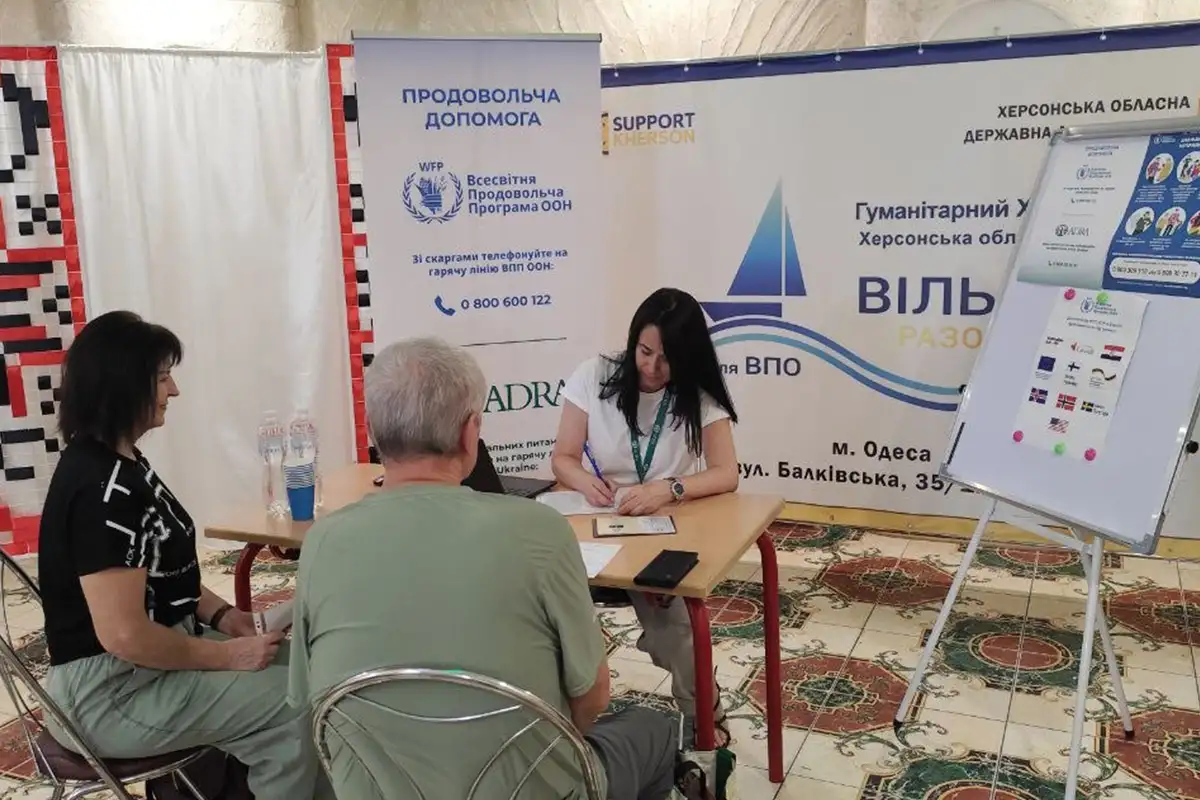
For the third month in a row, IDPs from the city of Kherson and the Kherson region, who are currently in the city of Odesa, can register for cash assistance from the ...
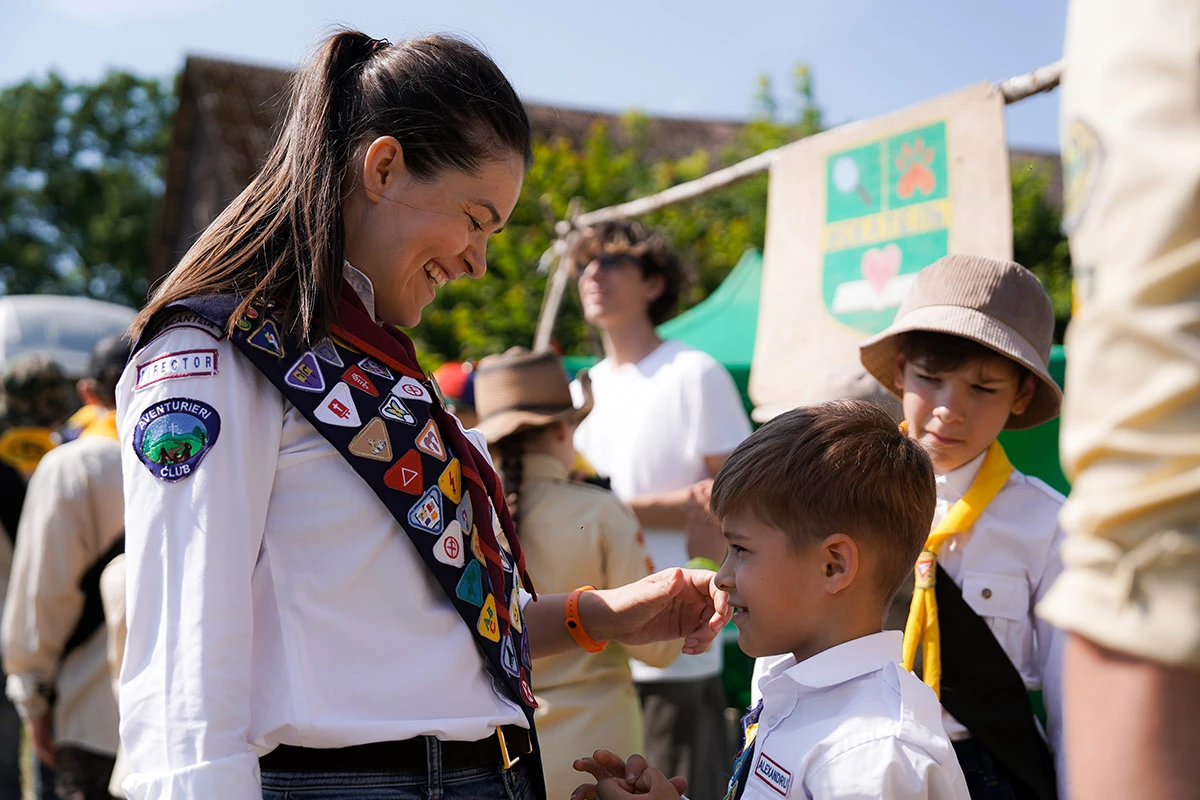
How does a humanitarian organization work, where to start assistance during a crisis and how to turn the identified problem into a specific project? This summer, children and teenagers from “The Pathfinder” ...
