


Water, Heat, Restored Schools and Shelters: How ADRA Ukraine Is Changing Communities’ Lives
Water, Heat, Restored Schools and Shelters: How ADRA Ukraine Is Changing Communities’ Lives
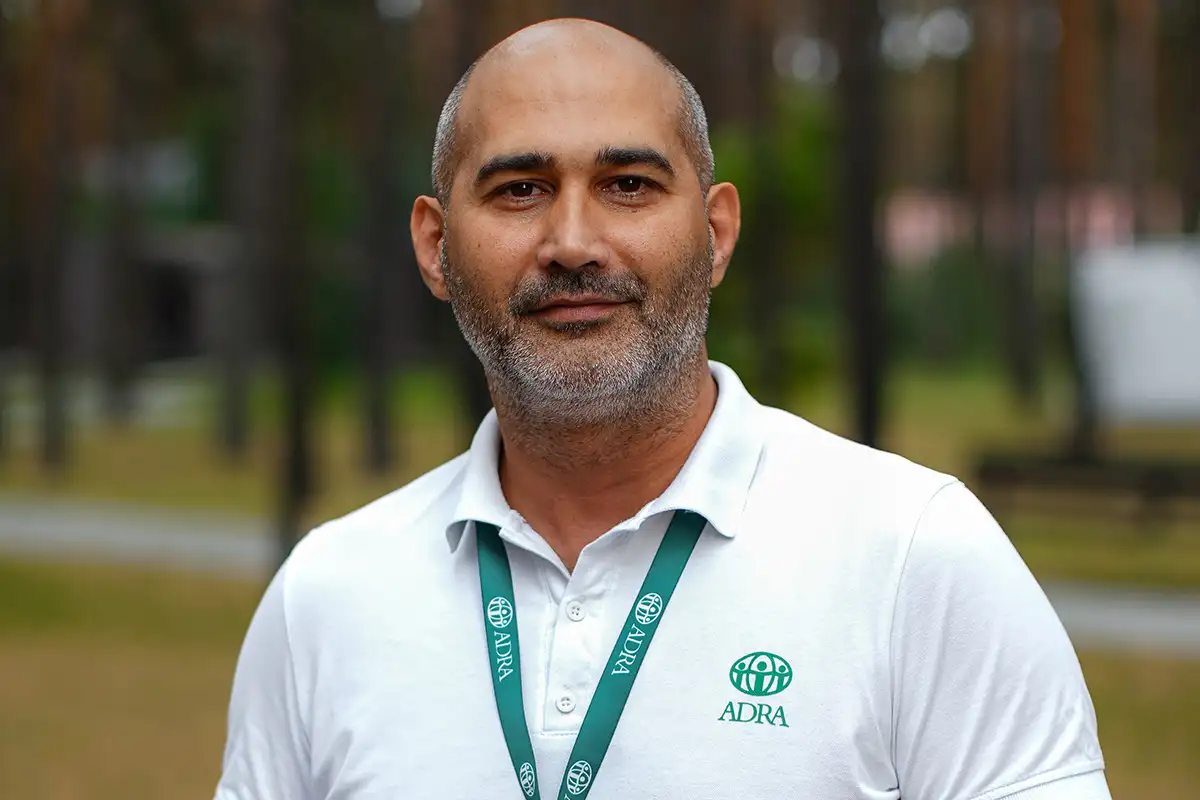
During wartime, infrastructure recovery becomes not only a matter of comfort but of survival. Water, heating, safe schools and hospitals with uninterrupted access to water supply are basic necessities without which communities cannot function. Kostiantyn Herasymov, Shelter & WASH Coordinator at ADRA Ukraine, speaks about how recovery projects are implemented, the challenges engineers face, and what truly lies behind the term “humanitarian aid.”
— Kostiantyn, please tell us a bit about yourself and your professional journey. How did you come to work at ADRA Ukraine?
— I have a technical education in construction, as well as a degree in Management. I have been working in engineering and project management for over ten years. With the start of the full-scale war, I clearly understood that my knowledge should be applied where it can bring the greatest benefit to people.
ADRA Ukraine became a place where my profession aligns with a calling to help communities restore housing, infrastructure, and basic living conditions.
— What is your role in ADRA projects and what are your daily responsibilities?
— I work in the Shelter and WASH sectors, and my area of responsibility is the technical component of projects. My daily work includes several components. First of all, technical assessments of sites, especially during peak periods, for understanding the real conditions and needs on the ground. I hold meetings with project managers and engineers, coordinate engineering teams, because the speed and quality of our solutions depend on effective teamwork. I develop and adjust SOPs (Standard Operating Procedures).
In the process, I often need to develop tailored approaches for specific cases, especially when it comes to repair work under complex conditions. At the same time, I create work schedules for different project components to ensure everything progresses clearly and without delays.
An important part of the work is constant interaction with communities and local authorities, as without this it is impossible to fully understand people’s needs and circumstances. I ensure that all solutions comply with both Ukrainian building regulations and international humanitarian standards.
I would also like to highlight our team of construction engineers. These are strong professionals and true like-minded individuals who work with full dedication. We share the same approach to quality, safety, and responsibility toward people. Thanks to teamwork, we are able to implement complex projects even under the most difficult conditions. When you are surrounded by such professionals, you realize that together you can move mountains.
In essence, our task is to ensure that assistance is not only fast, but also high-quality, timely, and sustainable.
— What types of facilities does ADRA Ukraine most often restore?
Starting from 2024, we have been actively working on restoring educational infrastructure in Mykolaiv region. This is an important element of early recovery alongside other critical sectors, as educational institutions play a key role in rebuilding communities and returning people to normal life.
Most often, we work with schools and kindergartens, repairing buildings, equipping shelters, restoring heating and water supply, and improving sanitation conditions. All of this is aimed at enabling children to return to in-person learning in safe conditions, which is important not only for education but also for their psycho-emotional well-being.
We also work with social facilities, supporting basic community infrastructure. Often, we have to restore elements of water infrastructure, because access to water cannot be postponed.
We also work with critical infrastructure, for example, repairing boiler houses on which entire settlements depend.
— What does the restoration of educational institutions include?
It is always a complex of works depending on the condition of a specific facility. Within the project on restoring social infrastructure in Mykolaiv region, we take a systematic approach.
First of all, we address basic elements: repairing roofs and replacing windows so that buildings are protected, energy-efficient, and suitable for use. At the same time, we restore heating and ventilation systems, as without them it is impossible to create proper learning conditions.
We also repair sanitation facilities and carry out electrical work to ensure safety and compliance with modern standards. A separate priority is the arrangement of shelters, as this is directly a matter of children’s safety and the possibility of resuming offline education.
We also focus on architectural accessibility: installing ramps and other barrier-free elements.
Our goal is not just to repair a facility, but to create a safe, comfortable, and accessible educational environment where children can learn, develop, socialize, and feel protected.
— How do you control the quality of work?
— We approach this systematically, because quality determines both safety and durability. We regularly visit sites to personally monitor progress and ensure everything is done properly.
We conduct photo and video documentation to track the process and record key stages. Work is accepted in stages to verify correctness at every step.
We also monitor materials and the actual volume of completed work, which is important both technically and from a transparency standpoint. Of course, all processes must comply with Ukrainian building standards.
— What WASH projects is ADRA Ukraine currently implementing?
— We are working to restore access to water in communities affected by the war or with limited resources, particularly in Mykolaiv and Dnipropetrovsk regions.
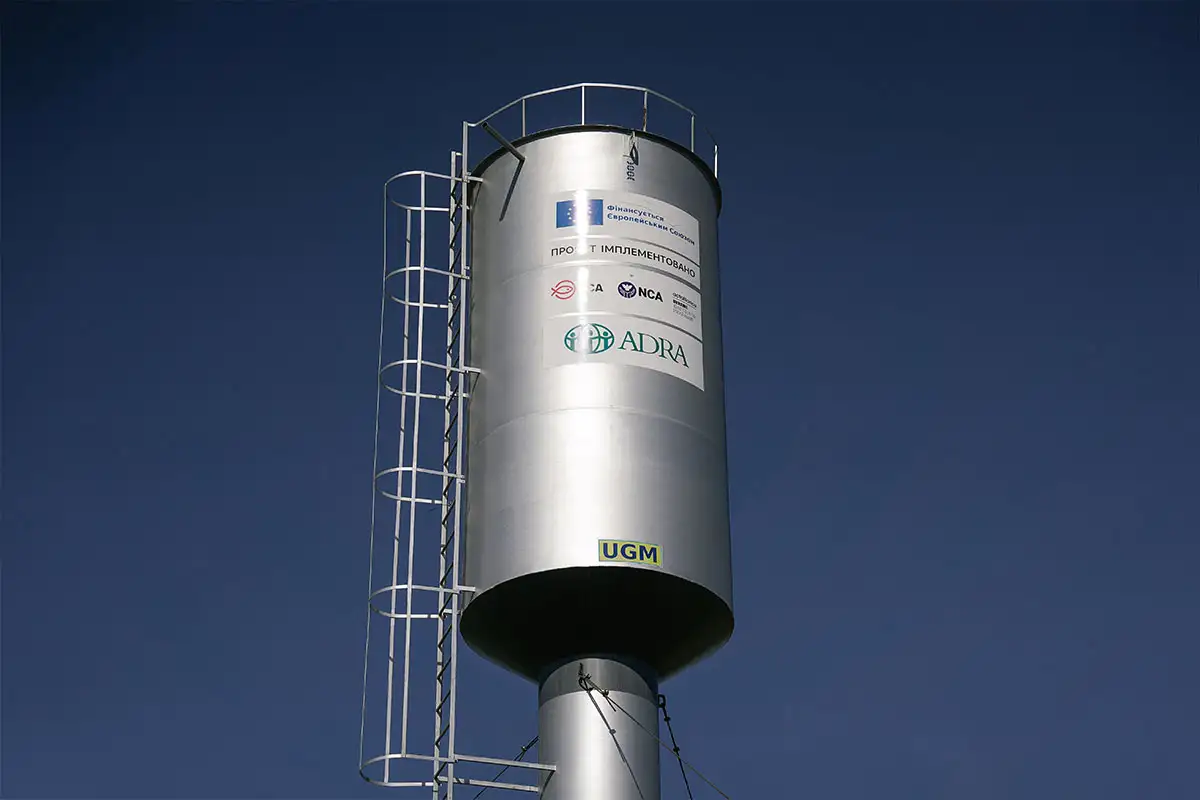
This is also a complex of works. In particular, we repair or install Rozhnovskyi water towers, which supply water to schools, hospitals, and to residents. Where necessary, we drill new wells and install pumping equipment to ensure constant access to water.
Another area is the restoration of water supply networks, because even if a source of water exists, it does not always reach people. We also implement water purification systems to ensure it is safe for consumption.
Equally important is the repair of wastewater treatment systems, including septic systems, to ensure a full water cycle and reduce environmental impact. Our new direction is the installation of modern wastewater treatment systems such as “BIOTAL” and “BioSeptik” for educational institutions.
We also try to help communities install drinking water purification stations based on reverse osmosis in hospitals, schools, and kindergartens.
Within our work, we often apply a complex approach: well installation is complemented by water treatment systems, allowing educational and medical institutions to become more autonomous and fully meet their water supply needs.
— Why does the maintenance of Rozhnovskyi towers remain a relevant solution?
— In fact, it is a very effective and practical solution for many communities. Such towers stabilize pressure in the water supply system, which is especially important in unstable infrastructure conditions.
They also allow water storage, ensuring supply even during power outages. This is critical for villages where alternatives are often unavailable.
Moreover, these towers significantly increase the autonomy of both social institutions and entire communities: schools, hospitals, and households can function more reliably even under difficult conditions.
For many settlements, this is not just infrastructure, it is a basic condition for normal life.
— What challenges do you face?
— There are quite a few challenges, most of them related to working conditions. Often infrastructure is destroyed or severely outdated and must be rebuilt almost from scratch.
Unstable electricity supply complicates both the work process and further operation. In frontline regions, logistics is another issue: reaching settlements can be difficult and dangerous.
There is also a constant shortage of resources, so we must balance capabilities with real needs. At the same time, it is important to act quickly without compromising quality, because we are dealing with safety and basic living conditions.
— How do you determine priorities?
— ADRA Ukraine is a permanent participant in national clusters: Shelter, WASH, Education, and others. At these meetings, information about community needs is shared. We also receive many direct requests from communities.
With this information, we visit locations, conduct technical assessments, and analyze data across several departments. We evaluate needs, risks, and ADRA’s capacity, after which decisions are made.
We analyze:
- Size of population;
- Availability of alternative water sources;
- Condition of infrastructure;
- Risks for health;
- Requests of communities.
Priority is given where the lack of water creates a critical humanitarian threat.
— Which project has been most memorable for you?
— The strongest emotions come from projects where you immediately see the result in people’s eyes. For example, when children return to school after restoration and parents say they feel safe again, that reminds us why we work. Such projects strengthen community resilience during wartime.
— When do you feel that your work really changes lives?
— Probably in those moments when you see real results. When a community receives stable water for the first time and it becomes a normal part of life. When heating appears in homes, people can finally breathe with relief.
It is especially meaningful when children return to safe, restored schools. Or when people say, “life has become easier” — this is the simplest and most accurate indicator.
Especially when people begin returning to their homes and communities. At such moments, you understand that this is not just about infrastructure. It is about dignity, a sense of home, and hope.
— What motivates you?
— I am motivated by the understanding that our work has a real impact. In essence, it is a service to people.
Each project is not just a completed task. It is about safety, access to basic conditions for all participants in the educational process, and restoring normal daily life. It is also about supporting people in difficult times, when even the simplest things matter.
Another important factor is the team, people who work not formally, but with heart. This makes our work meaningful.
And of course, all our projects would not be possible without the support of our partners:
- Ministry of Foreign Affairs of Denmark (DANIDA)
- European Commission
- Aktion Deutschland Hilft
- ADRA Denmark
- ADRA Germany
- ADRA Czech Republic
- DanChurchAid & Norwegian Church Aid in Ukraine
- The Church of Jesus Christ of Latter-day Saints
We deeply appreciate their support and are grateful for the opportunity to work together for people.
Tags
Share this publication
Our social networks
Categories
Last news
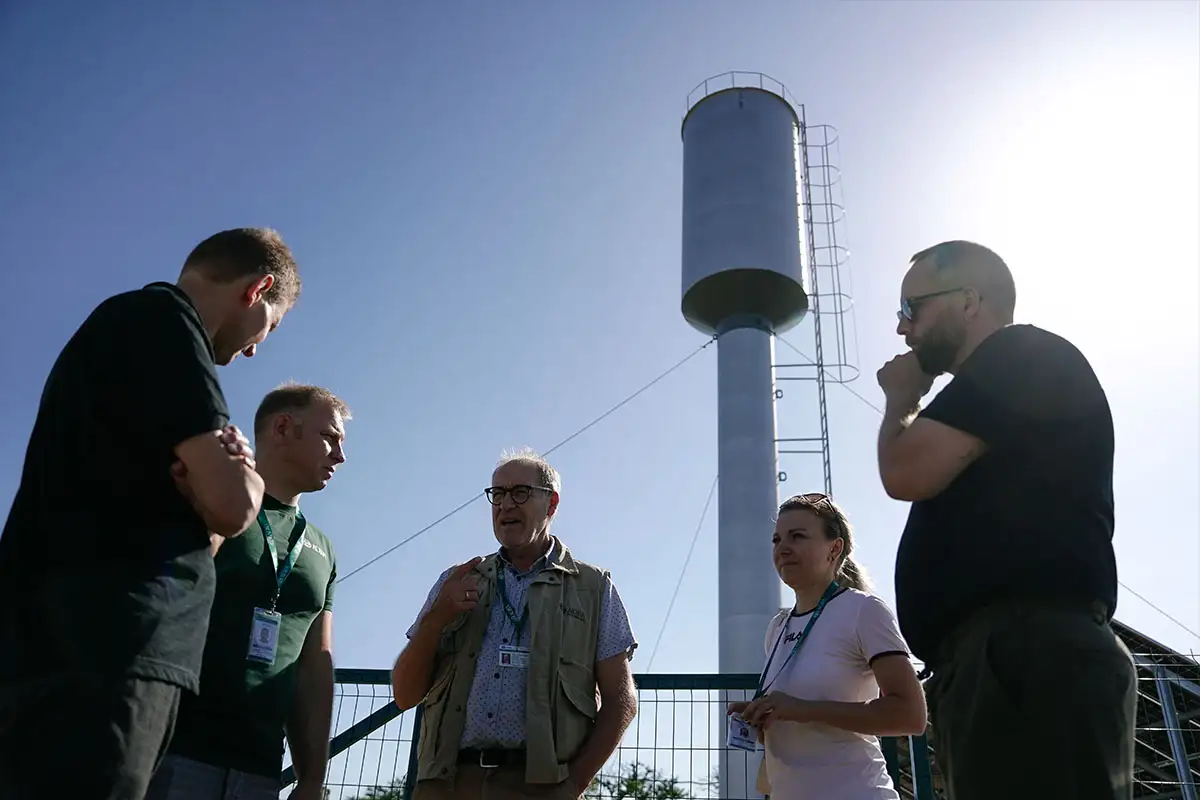
Restoration of educational and medical institutions, access to drinking water and shelters, as well as support for the initiatives of the communities themselves, these directions of the new project were discussed during ...

Please find below the Summer 2026 ADRA Ukraine Newsletter. You can download the newsletter at the following link: Newsletter – Summer 2026
Restoration of educational and medical institutions, access to drinking water and shelters, as well as support for the initiatives of the communities themselves, these directions of the new project were discussed during ...
Please find below the Summer 2026 ADRA Ukraine Newsletter. You can download the newsletter at the following link: Newsletter – Summer 2026
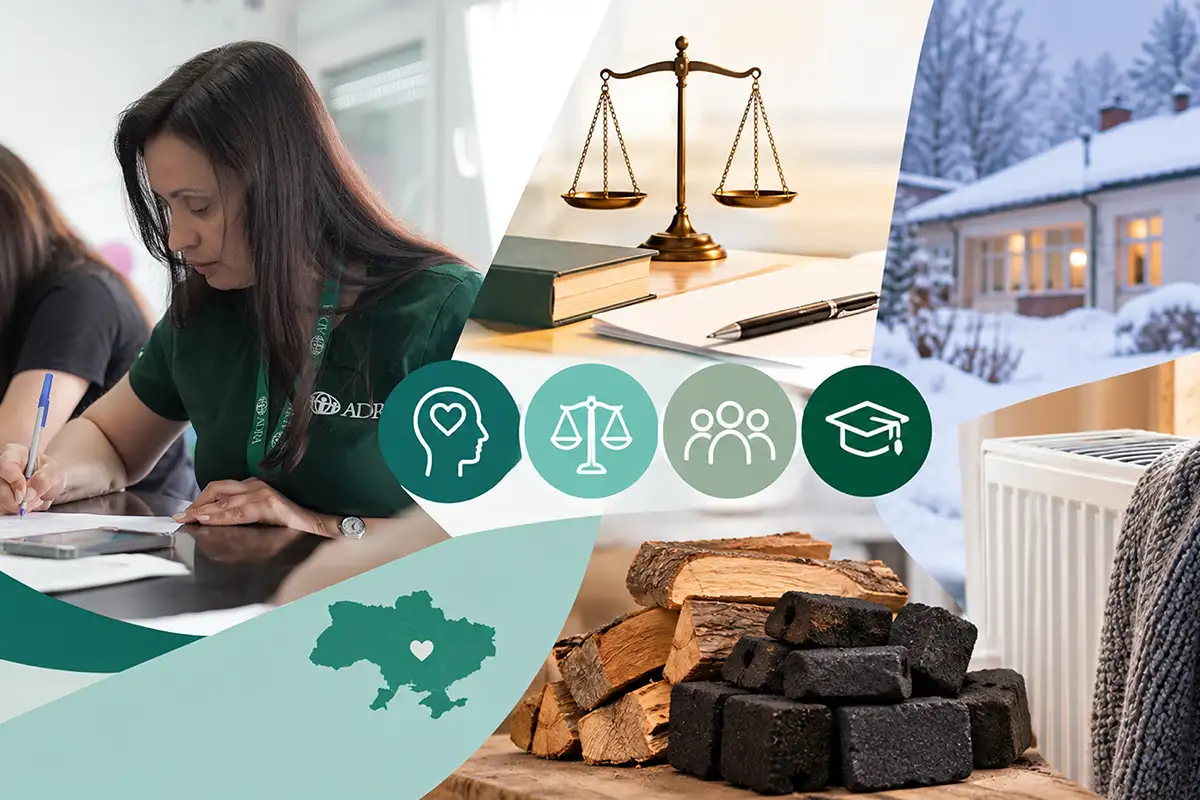
Psychological and legal consultations for people throughout Ukraine and assistance with heating for 150 IDPs in Zaporizhzhia region — will combine such areas with the new ADRA Ukraine project, which started in ...

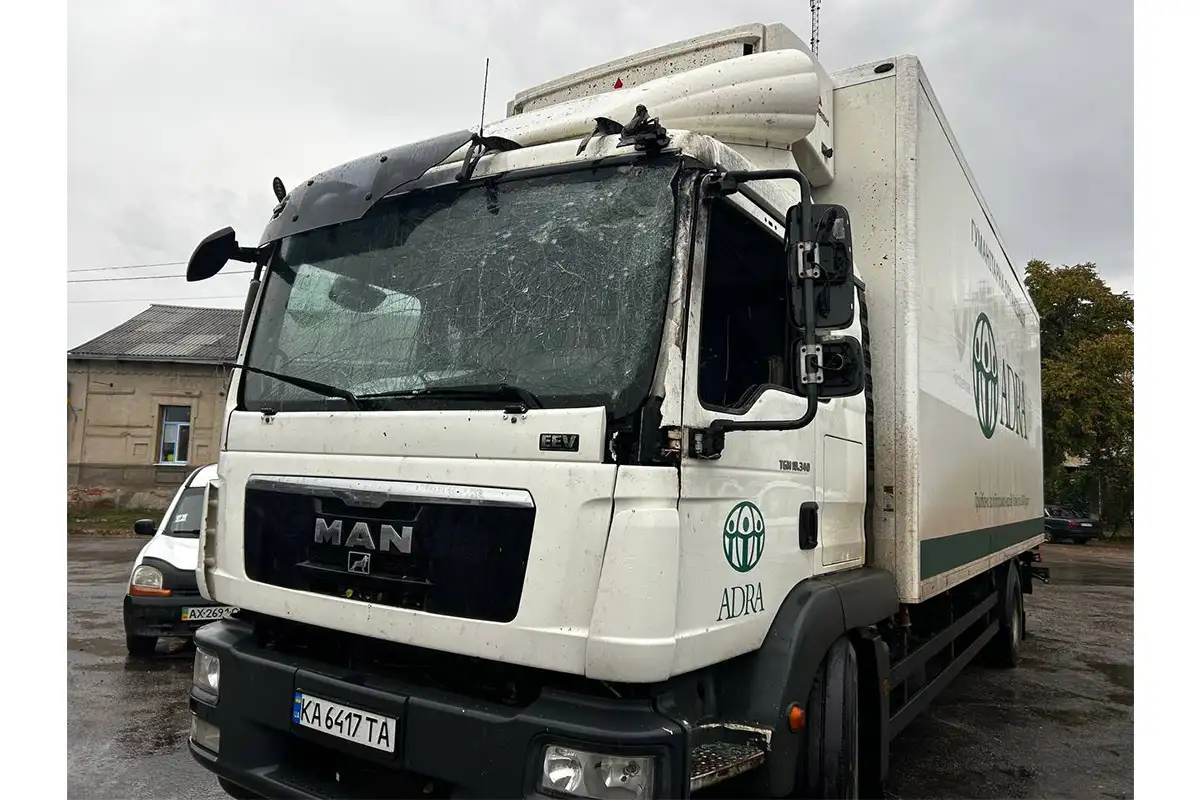
On September 23, an incident with an FPV drone occurred in the village of Zolochiv, Kharkiv region, during the distribution of food aid. Due to the team noticing the danger in time ...
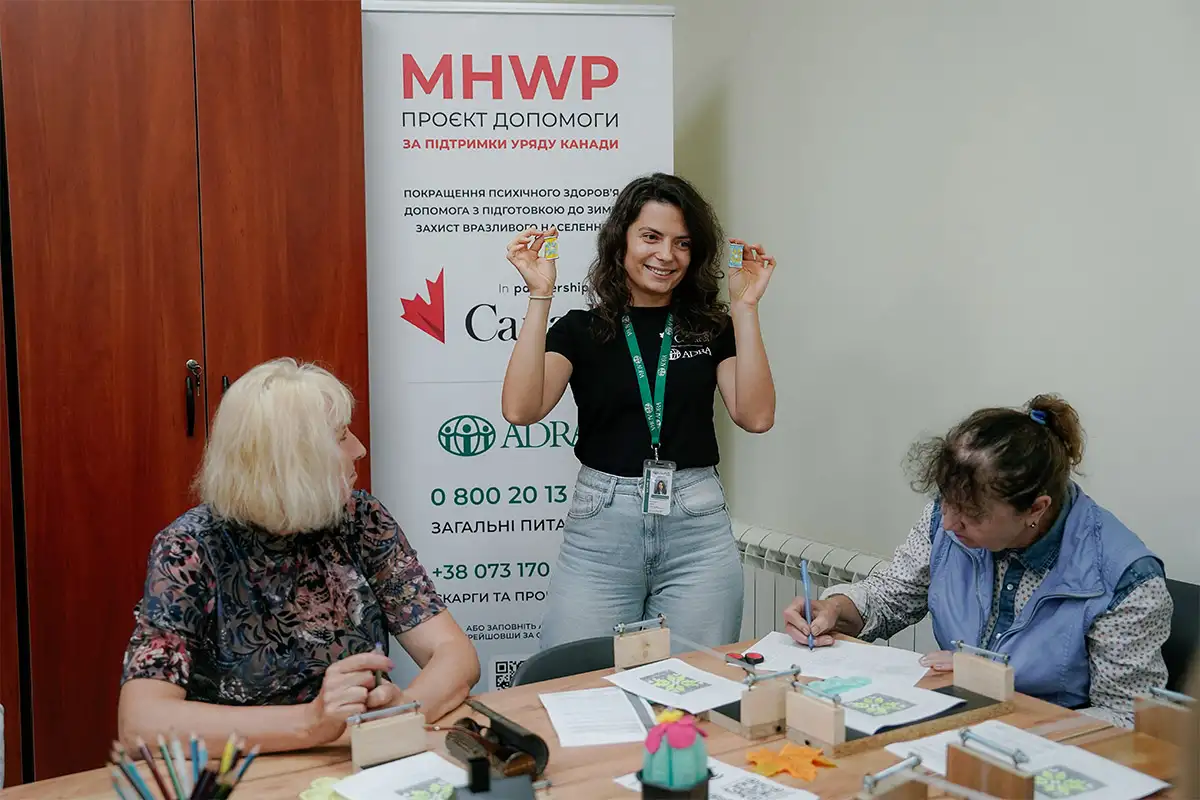
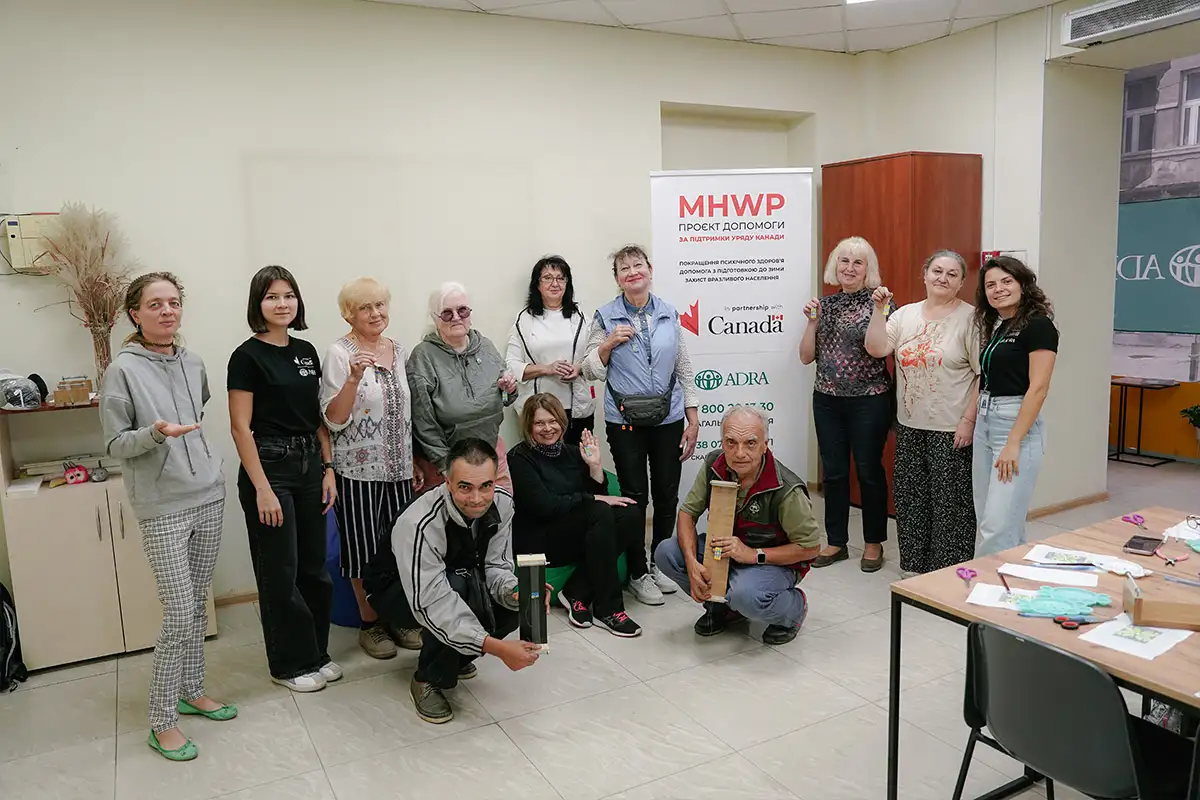
Focusing on small beads, choosing colors and gradually seeing the result of your own work — a creative activity held at the Protection and Support Center of ADRA Ukraine in Kharkiv. It ...
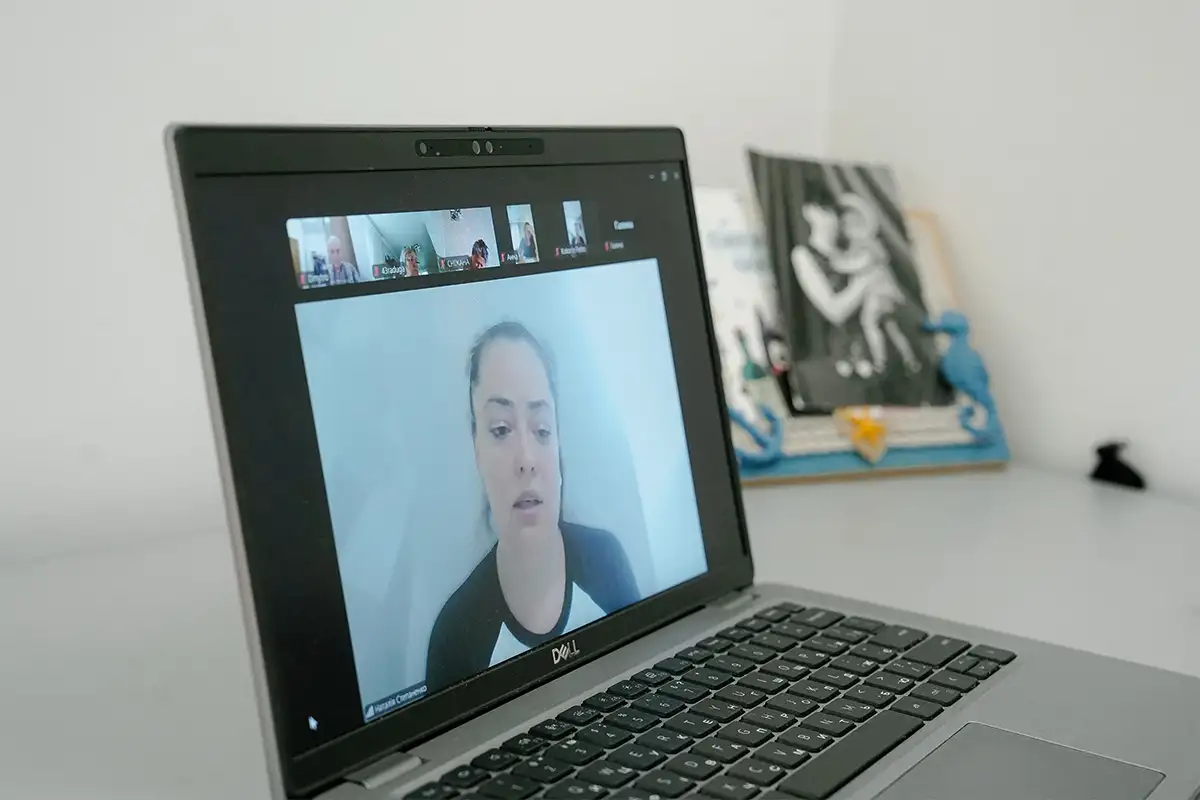
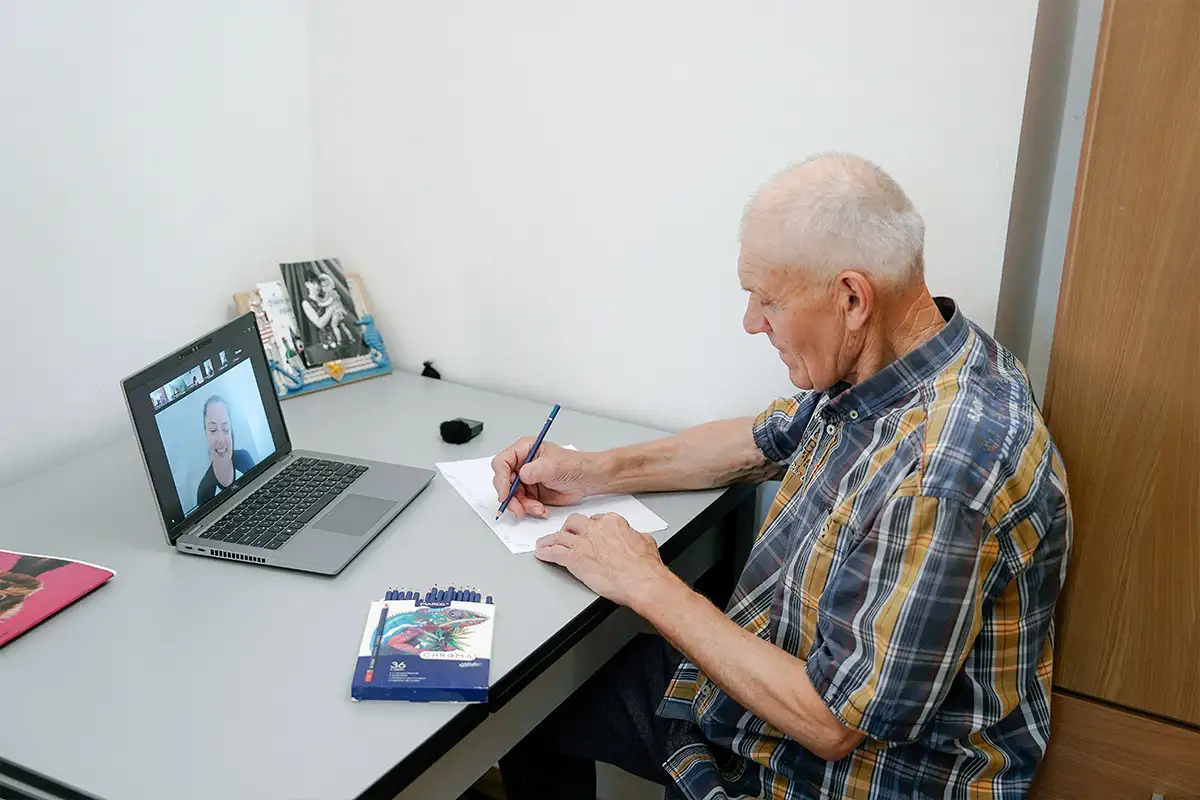
How to notice your own emotional state, cope with internal tension and find available ways of self-support? A series of online group events within the “JPF7” project was devoted to this. During ...
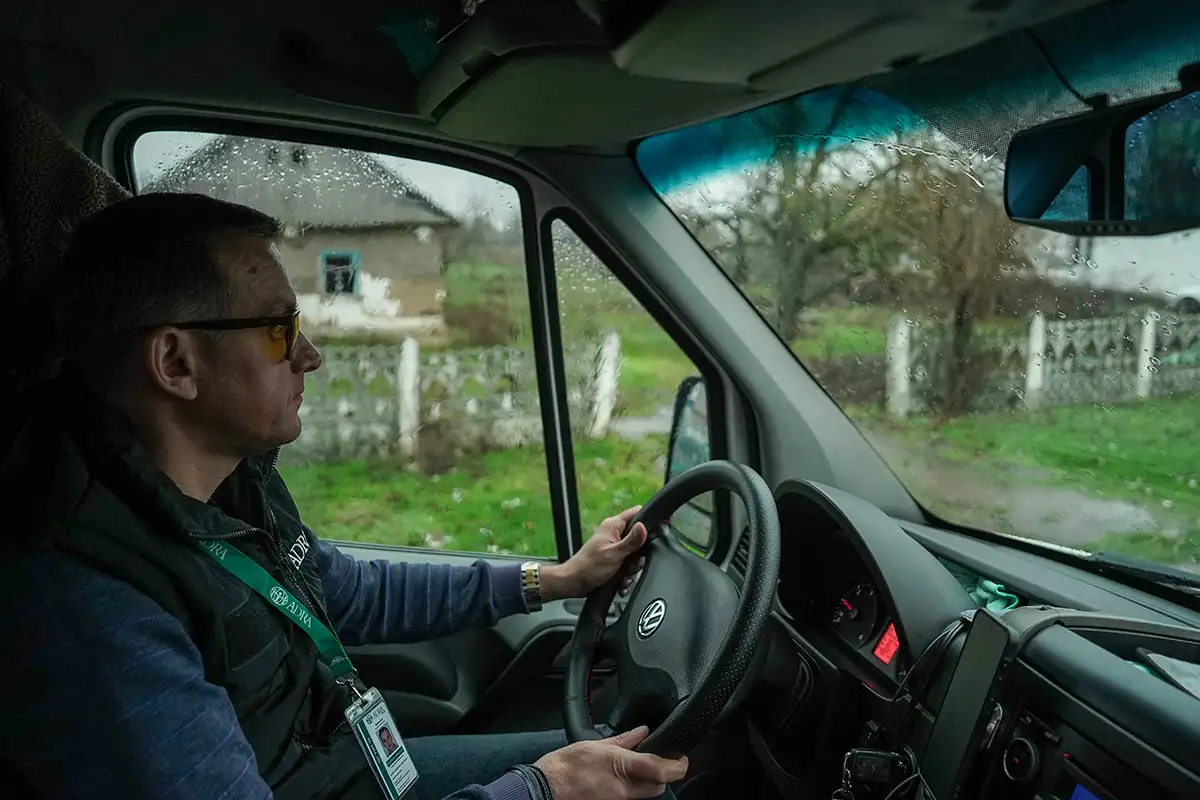
ADRA Ukraine stops humanitarian transportation in the Kherson and Zaporizhzhia regions due to high security risks on the routes. At the same time, transportation within the “REACT” project will continue in the ...

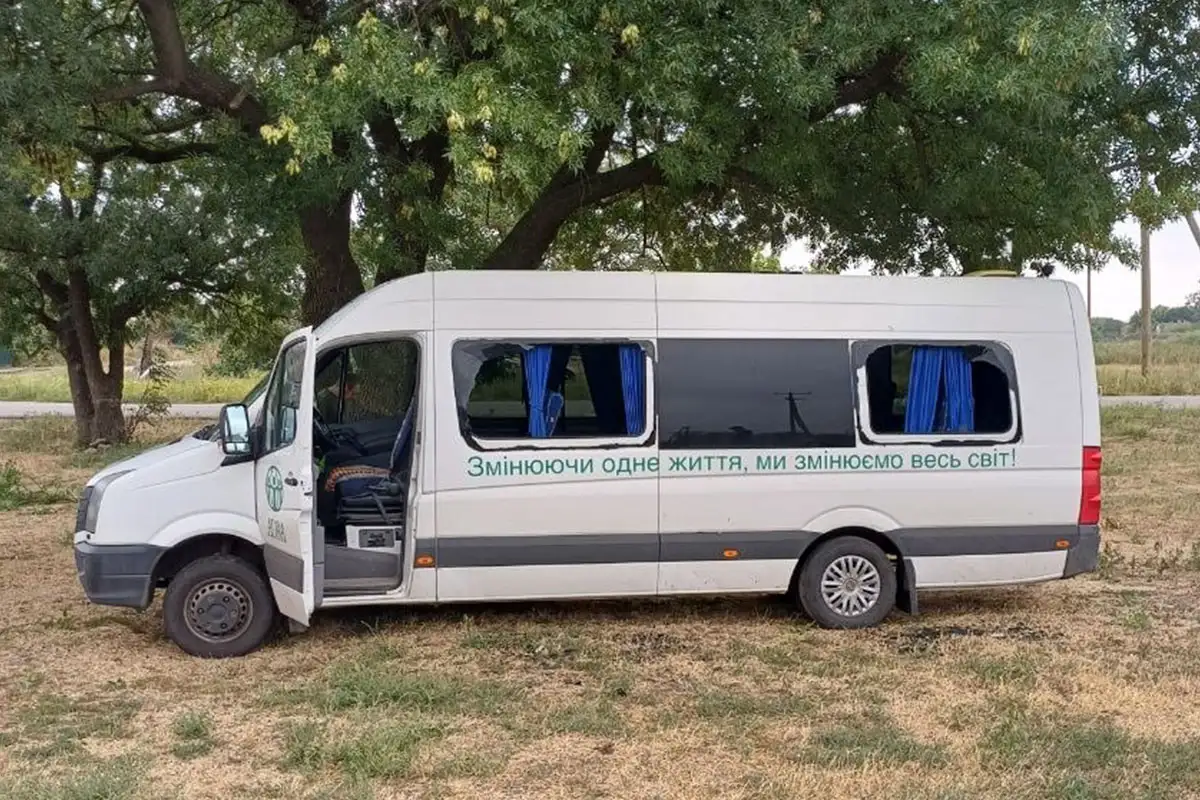
On September 14, near Myroliubivka village in the Dnipropetrovsk region, an FPV drone attacked an ADRA Ukraine bus that provides humanitarian transportation for residents of the Kherson region. At the time of ...
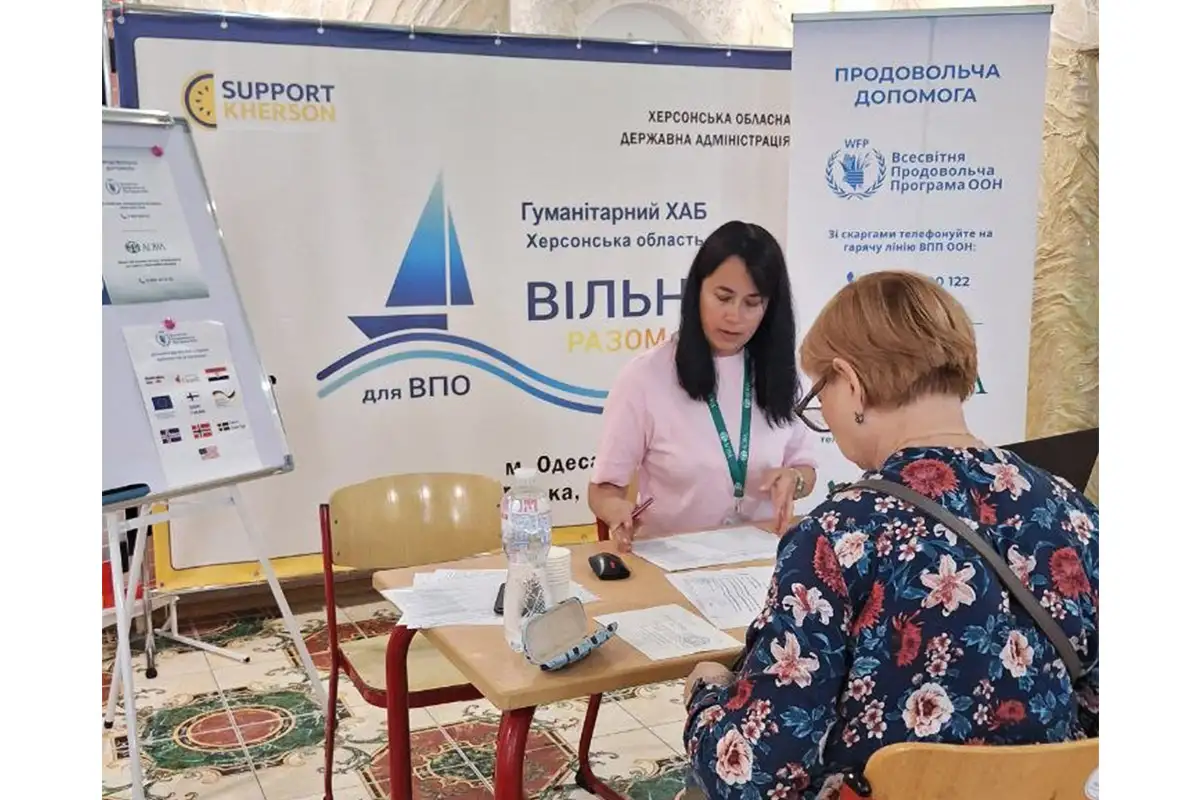
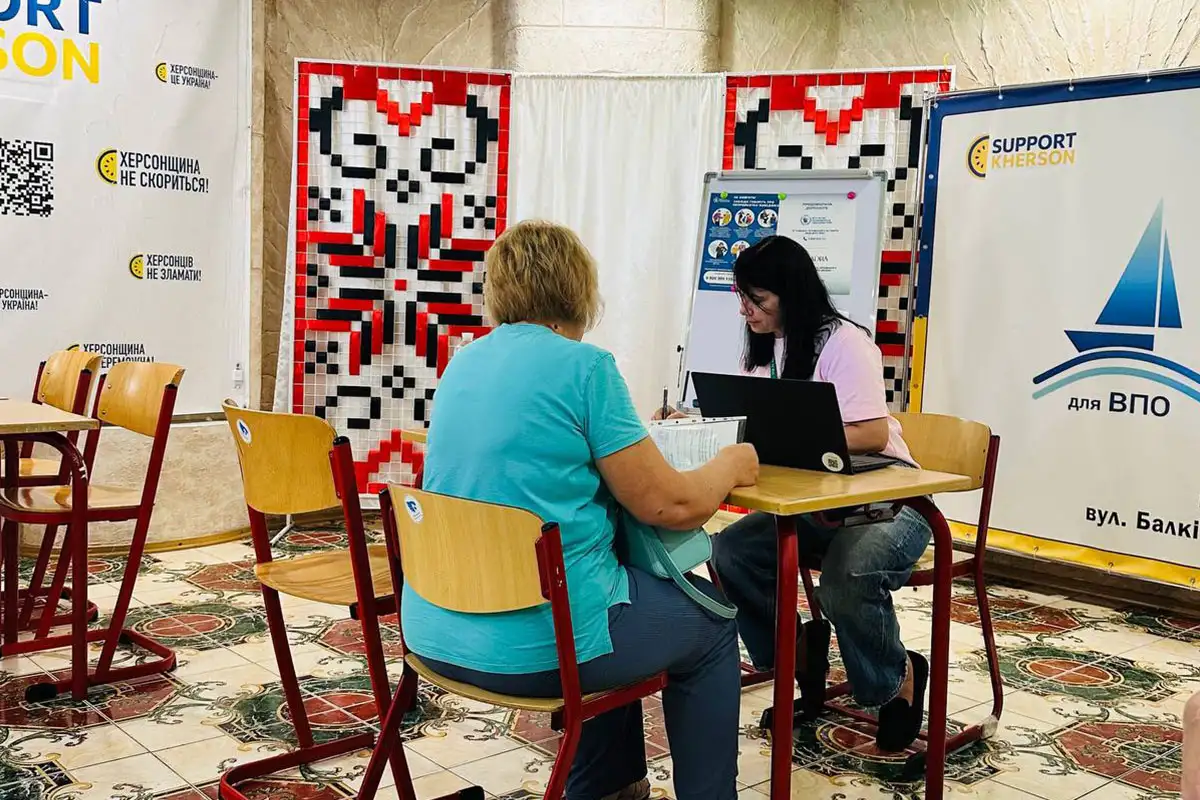
Due to the deterioration of the security situation in the city of Kherson, more and more people are evacuating the city and turning to the Kherson hub «Vilni razom» (EN: Free together) ...
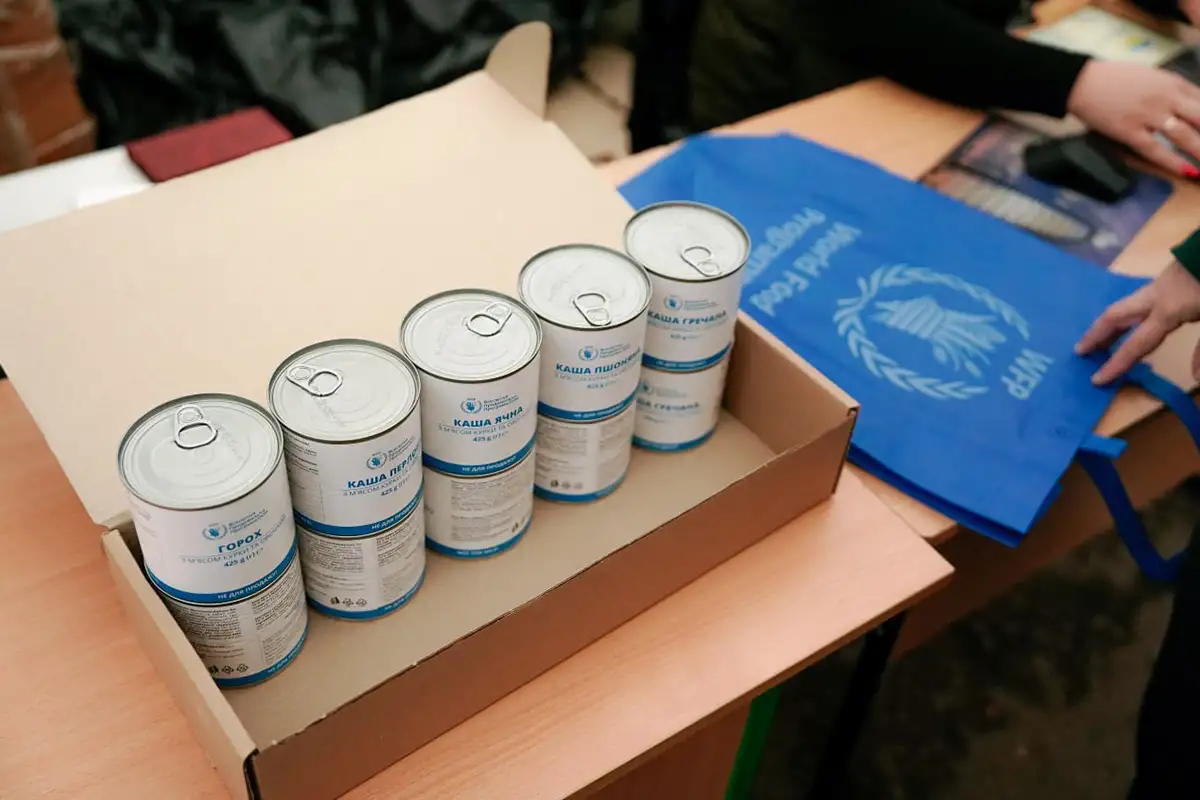
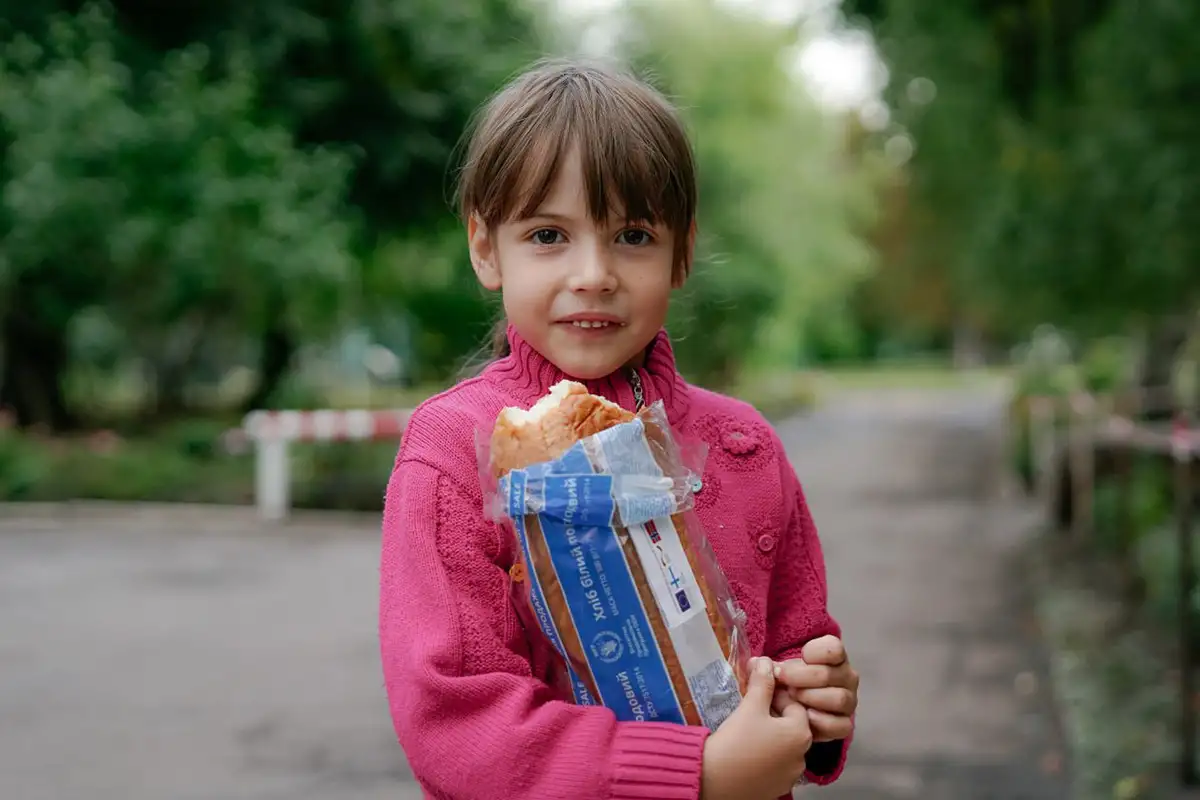
People evacuating Kramatorsk, Sloviansk and other localities in Donetsk region arrive at a transit center in Kharkiv on September 16, the ADRA Ukraine team handed them 154 ready-to-eat food kits. The peculiarity ...
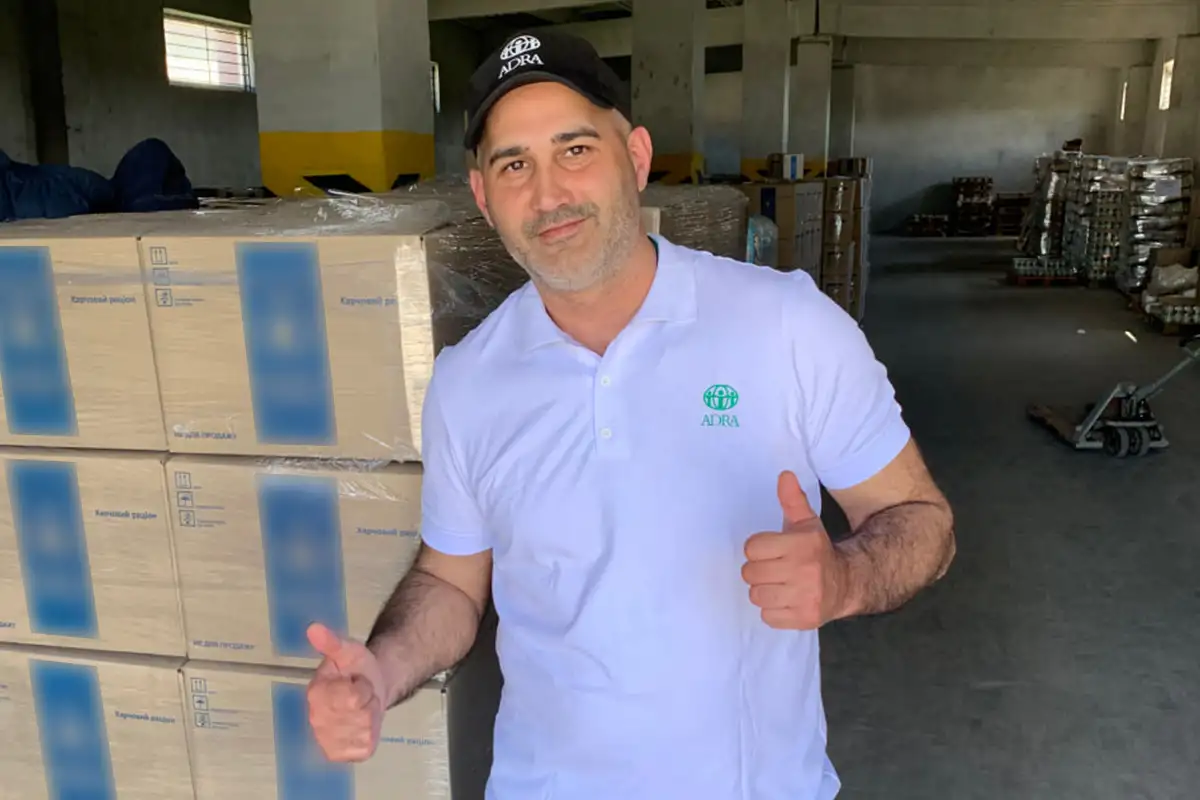
Daily shelling, FPV drones, damaged bridges and roads under anti-drone nets — in such conditions, the ADRA Ukraine team delivers food aid to people who remain in the communities of Donetsk region. ...
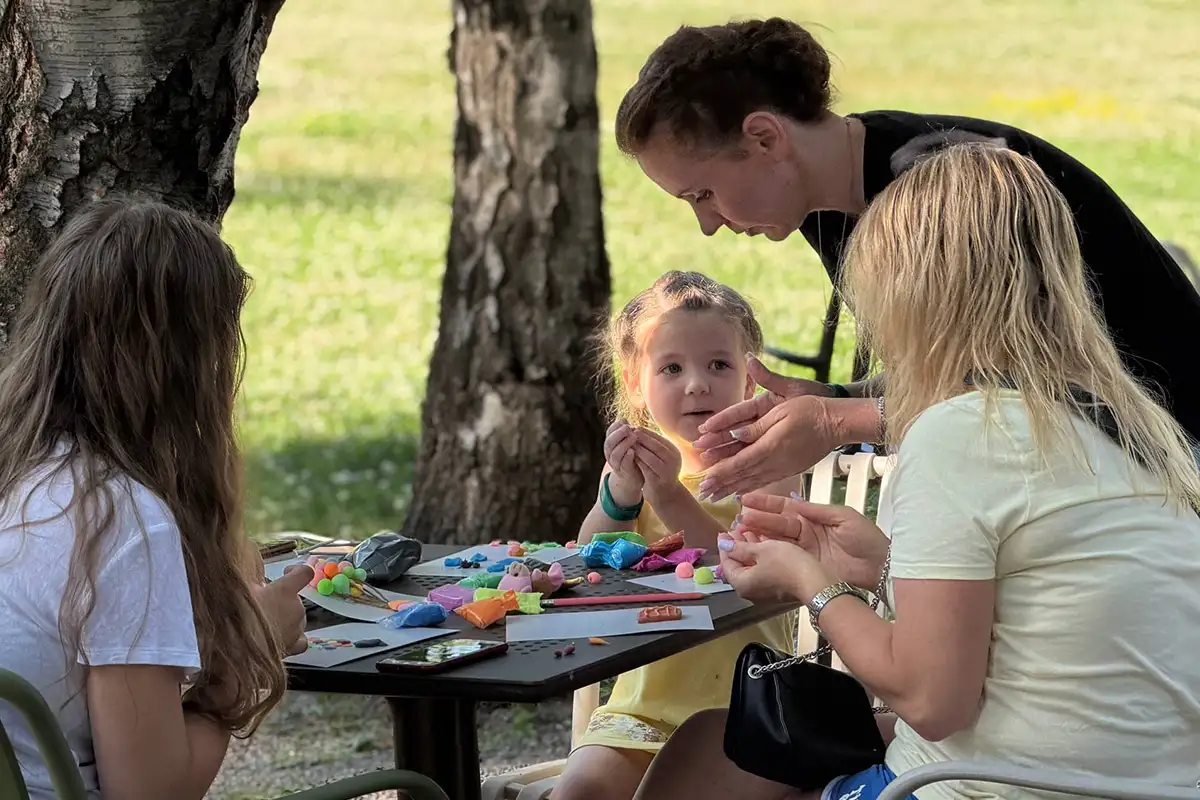
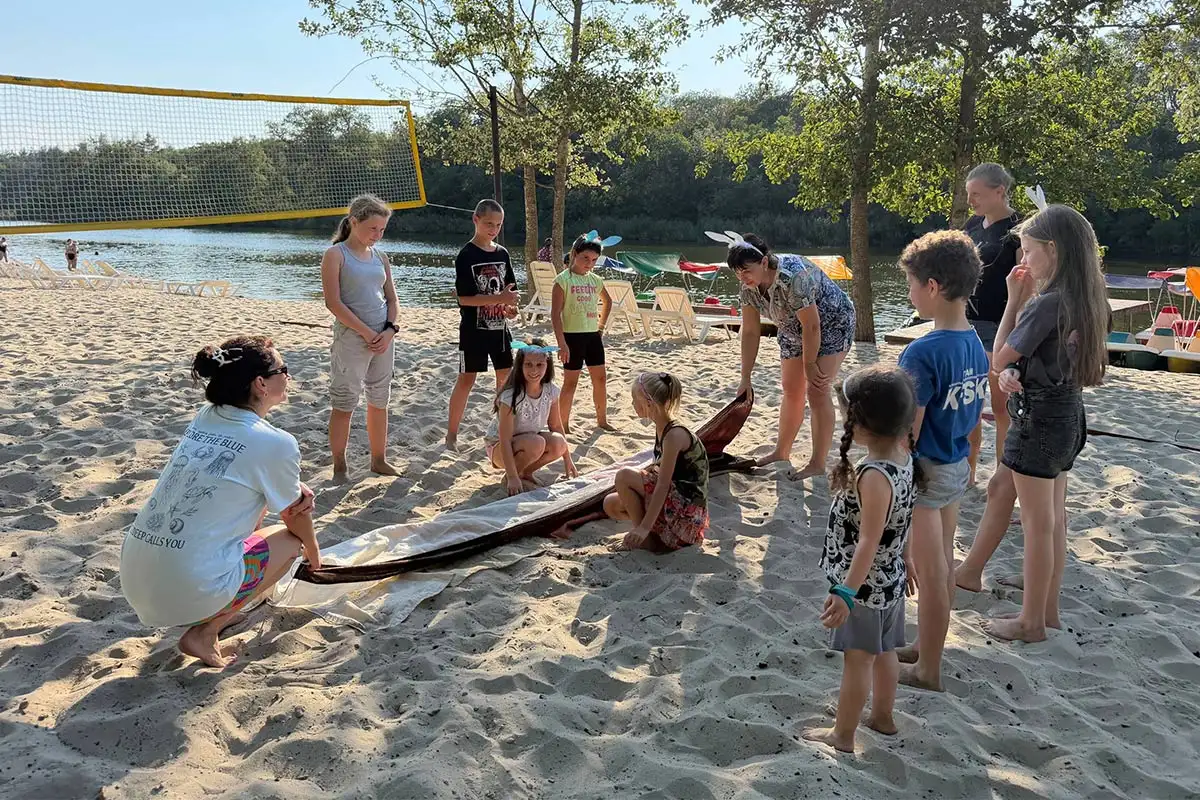
See alpacas and llamas up close, watch deer, ostriches and peacocks, spend the whole day in the fresh air, and most importantly — relax with the parents. For seven children from the ...
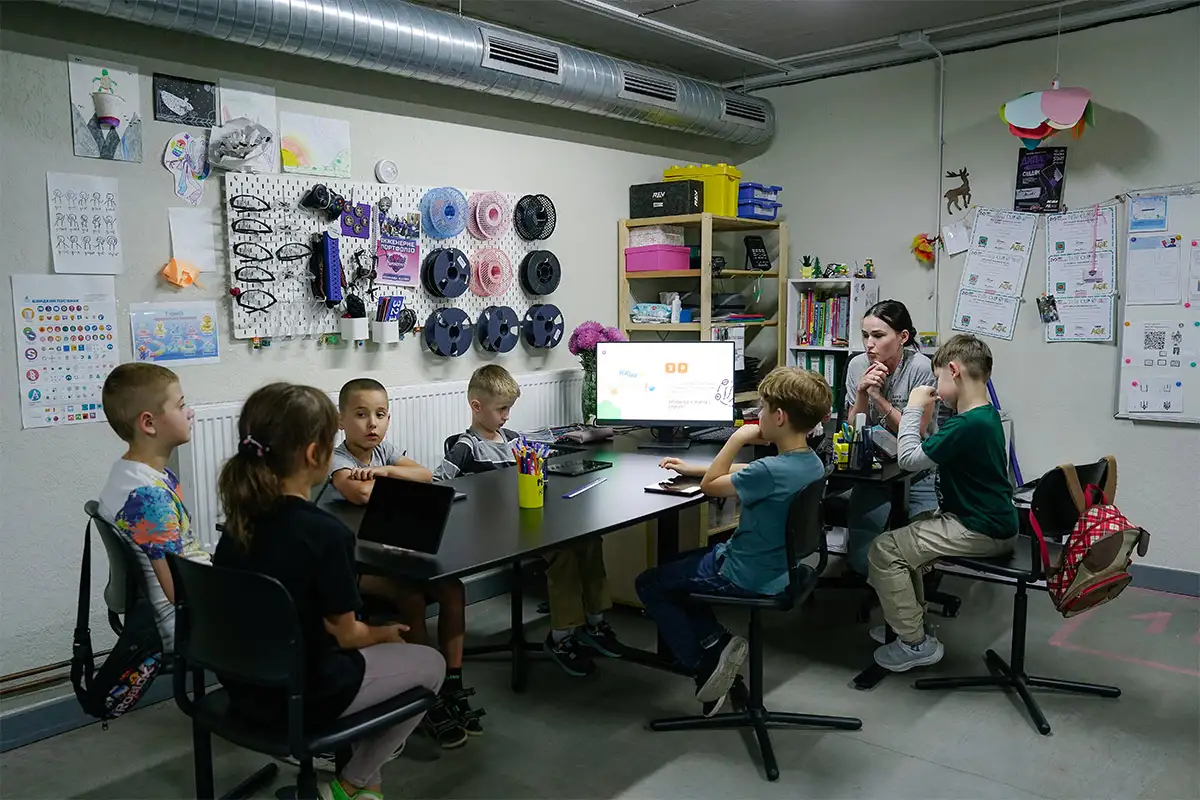
When a child is looking forward to the next class, this is probably one of the best indicators of what they are really interested in. For three months, the charity organization Save ...
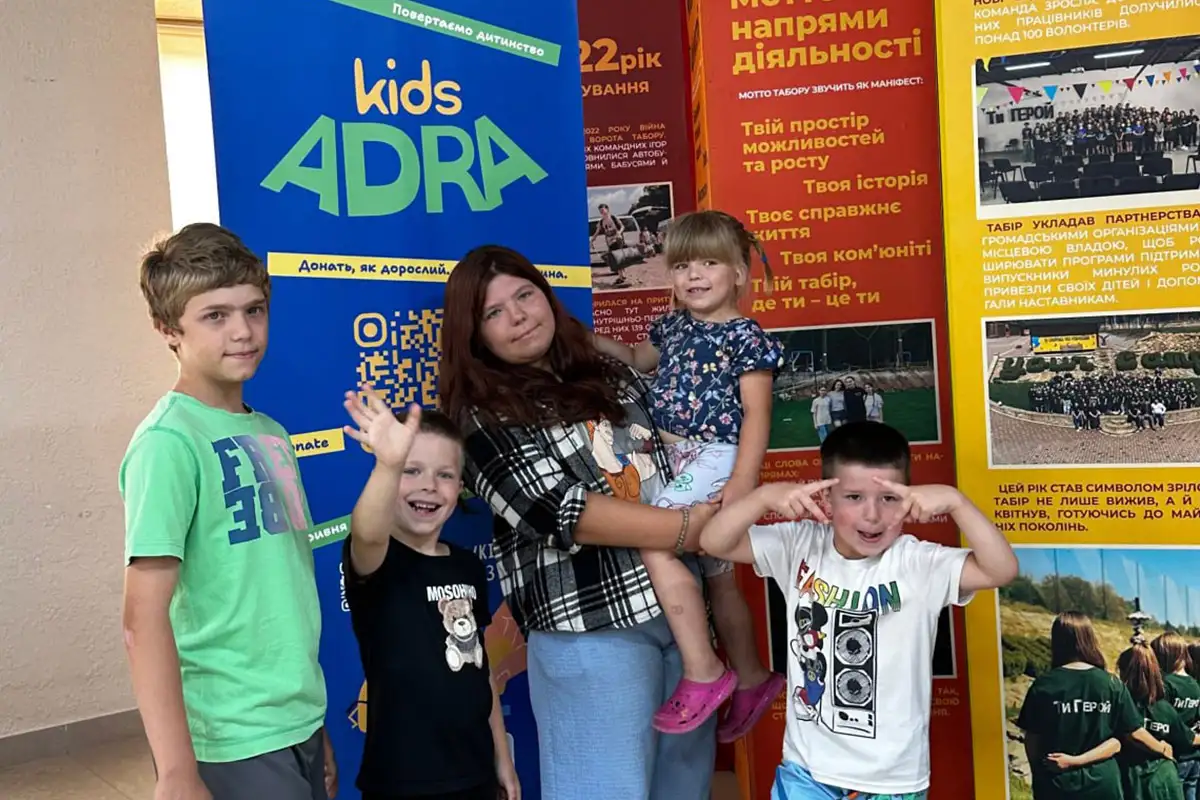
For some, a trip to summer camp is a common part of the holidays, and for some is an opportunity that might not be: to see new places, find friends, try something ...
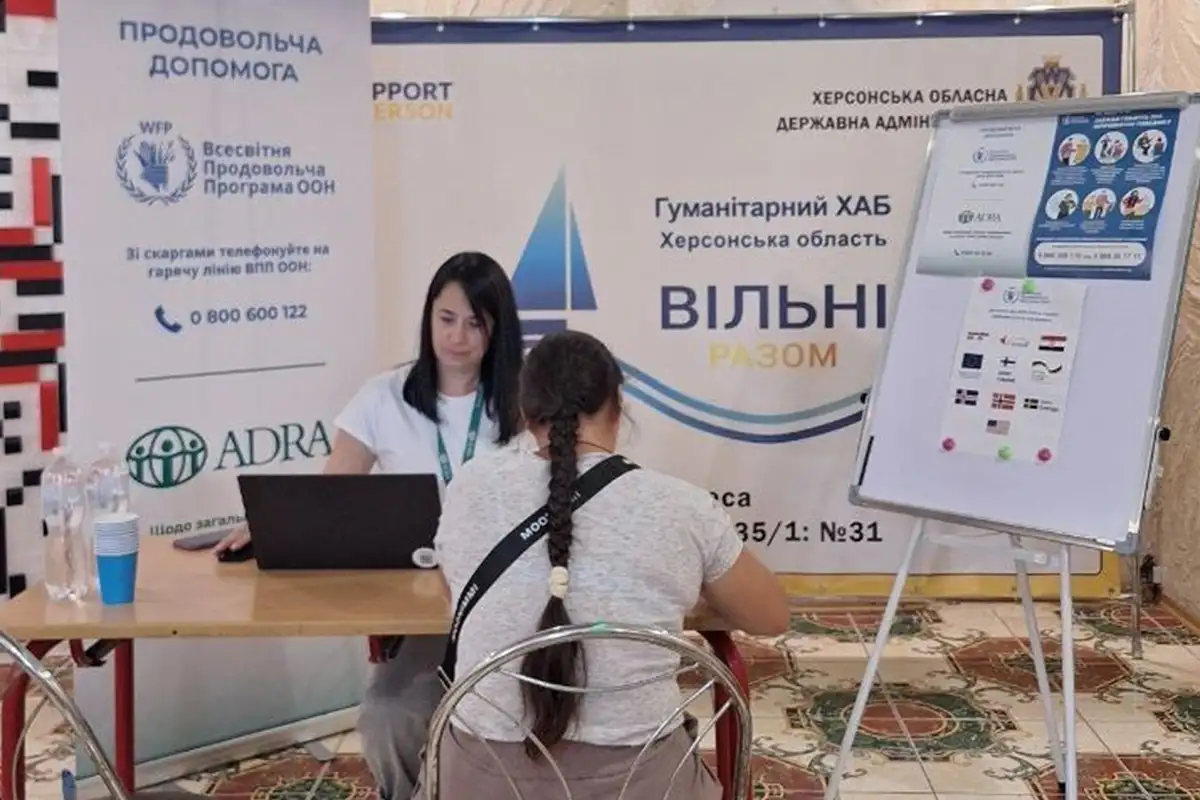
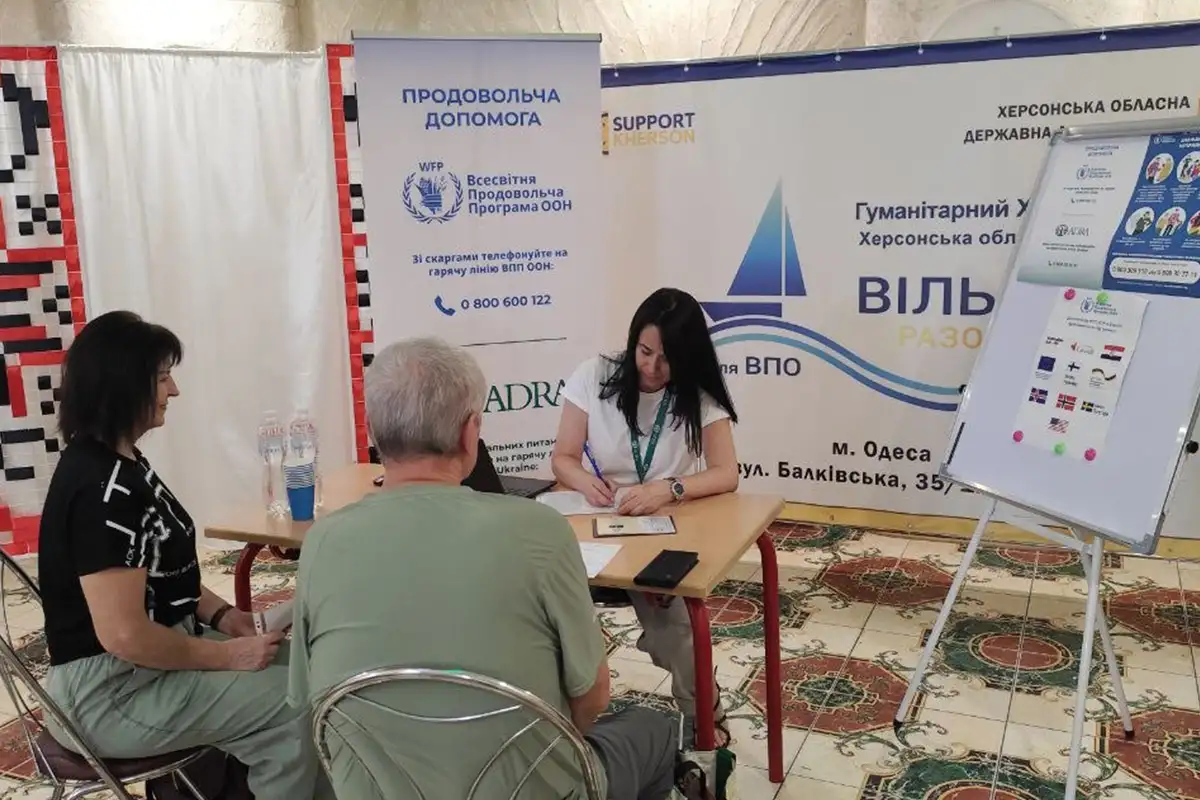
For the third month in a row, IDPs from the city of Kherson and the Kherson region, who are currently in the city of Odesa, can register for cash assistance from the ...
How does a humanitarian organization work, where to start assistance during a crisis and how to turn the identified problem into a specific project? This summer, children and teenagers from “The Pathfinder” ...
