


‘We used to be just a train, but now we are also becoming a track’ – How ADRA Ukraine’s strategy is changing
‘We used to be just a train, but now we are also becoming a track’ – How ADRA Ukraine’s strategy is changing
Kostiantyn Sych is an advisor to the president of the charity ADRA Ukraine. He is responsible for the organisation’s development strategy, optimising business processes and ensuring effective cooperation between departments and staff. In this interview he talks about the dynamics of change in the charity and his vision for the future.
— Kostiantyn, how do you assess the overall performance of ADRA Ukraine during the years of full–scale invasion?
— It is difficult to evaluate the strategy of ADRA Ukraine as an organization until 2023, since in the first year of the full-scale invasion, 2022, many decisions had to be made urgently due the uncertainty situation. We were forced to respond to emergencies without the possibility of planning. At that time, there were mainly short-term strategies for individual projects. Our organization has shown high results. This applies both to the participation of ADRA Ukraine in the humanitarian direction, in particular in the UN World Food Programme (WFP), and in separate programs with other countries – Canada, Japan, Slovakia. Many projects were introduced, all of them at the beginning of the war were initiated by partners of ADRA Ukraine from other countries. This was implemented effectively, as confidence in our organization was strengthened, although on this path there were both successes and mistakes, achievements and losses. ADRA Ukraine was at the forefront of changes, and it was not easy. Nevertheless, the organization accepted the challenges of that time and have implemented powerful projects. After 2023, there was an opportunity to build a full strategy for the organization due to the fact that the situation in the country has stabilized, certain rules of the humanitarian sphere have begun to be accepted and the need for long-term planning has appeared. Watching the results now, I can say that the organization’s activities over the years became high level.
— Have you noticed any changes during your tenure, and if so, what have they been?
— Yes, the first year was very difficult, as I mentioned. When I joined the team in June 2023, more than a year had passed since the start of the full-scale war. I can say that from 2023 to September 2024, ADRA Ukraine changed significantly, and the changes were for the better. In particular, a development strategy for the next 2-3 years was developed, management levers and responsibilities were introduced, and it was decided to reorganise many departments. For example, the psychological service was reorganised – all the psychologists were brought together in a single psychological service of ADRA Ukraine. We also conducted research to create our own online health and medical platform. KPIs (Key Performance Indicators) were introduced for project management, the project department and project managers. Although these KPIs are specific to project managers, they affect all other departments and unite the organisation to work more efficiently. Many changes have taken place, the quality component and the team approach have improved. Some people have left projects and new people have come in, but in general the quality approach now prevails. This has resulted in a strong team, new projects, new donors and significant funds being entrusted to us as an organisation. So, these are big and serious changes that have been noticed even externally, and in September 2024, ADRA Ukraine entered the top 50 charities in Ukraine, ranking 13th in the ranking according to Forbes Ukraine magazine.
— Speaking of the strategy that has emerged, what does it look like at the moment and in what direction will the organisation now develop?
— Until 2023, the main strategy of the organisation can be described as follows: symbolically, it looks like a train that transports goods from point A to point B and provides this service efficiently. Donors trusted certain humanitarian projects, and ADRA Ukraine’s task was to deliver their aid to the final beneficiaries as quickly and efficiently as possible by implementing the relevant projects. Now we continue this work, but we also develop our own products, our own projects or joint projects with other donors to have our own solutions. We have implemented support programmes, including grants to private initiatives for displaced people and organisations that support social entrepreneurship. These grants are aimed at developing businesses. We are initiating many new projects to become a platform for the development of other organisations. This means that we are now not only a ‘train’ that delivers humanitarian goods from point A to point B, but also a ‘track’ on which other similar ‘trains’ can move. We are developing as a platform, including a digital one, to help in the areas of health and education, which are our two priorities – the development of health and education for every Ukrainian.
— That is very interesting, especially the comparison with the railways. And speaking of goals or objectives, could you be more specific about what you are planning in the education and health sectors?
— In the health sector, the first priority was to optimise the work of psychologists. We have created the ADRA Ukraine Psychological Service, which includes all staff psychologists. They provide services to the final beneficiaries independently of the projects. This is very important for us because it is the first step towards creating an independent psychological service unit at ADRA Ukraine. We plan to develop this service and create an online platform where people can apply not only with donor funding but also at their own expense to receive psychological assistance and work with our psychologists on an individual basis. This is our second such ‘track’. It used to be donor-funded only, but now people can pay for it themselves if they see the need and it makes sense to them. The projects have many components of psychological support, but it is often limited in time due to financial constraints. However, if a person sees results, benefits, and has the opportunity to continue to receive such support at their own expense, we want to facilitate this as much as possible. This also reduces the financial burden on donors in cases where the client is able to pay for the services they have ordered.
The second thing we are doing is developing and creating an app and a platform where we can expand other health services. This will include endocrinology, traumatology, rehabilitation, where people will be able to find doctors and get help and, if possible, funding from ADRA Ukraine. In addition, users will be able to donate funds for others when someone needs help. We are actively developing this product.
The third stage of our goal is to launch the health platform by the end of this year. In two or three months we will start a test phase for its implementation. And from the new year, we plan to launch educational programmes that will be implemented in cooperation with educational institutions. They will combine physical development and practical areas of work such as greenhouses, agriculture, etc. Educational programmes are very important to us. We are working on developing materials for working with veterans, as well as protocols for supporting children of war.
These training programmes aim to equip their participants with the knowledge to work with veterans, victims and children who have found themselves in extremely difficult circumstances and are likely to be classified as children of war in the future. The programmes provide professional support for doctors, psychologists and other professionals working with vulnerable groups, which currently make up 99% of the Ukrainian population. We are all vulnerable, living under the daily threat of rockets and bombs.
— In terms of educational programmes, do you work directly with schools or universities?
— Not only that. We also mean work with schools, with students, with pupils, as well as professional preparation of materials for doctors, teachers and other professionals, including psychologists who work with people. We always have two tracks in mind. These are joint projects with universities and schools where we want to introduce practical agricultural skills so that students can see how everything grows and develops and understand the principle of ‘what you sow, you reap’. There are many innovations in this area that we will be sharing with you in the new year.
— Is agriculture for schoolchildren or students, so that graduates of such institutions can then use this knowledge to boost Ukraine‘s economy?
— In global terms, we are talking about creating conscious citizens who know what they are doing. It is perhaps less about the economy and more about these people staying in Ukraine, being conscious and investing their energy and their minds in the prosperity of the country.
— Are there any changes or planned changes in ADRA Ukraine’s partners and donors?
— Yes, there are changes. When we developed the strategy, we decided that the strategy is not only what we do, but also what we don’t do. Therefore, it was decided not to take on small and medium projects because our organisation is very large and global partnerships with international and national foundations are important to us. We cannot support or take on small projects or tasks, so we delegate them to smaller and more flexible foundations. Our strategy involves a shift from quantity of projects and donors to quality. Although the number of projects has decreased, the projects themselves have become much larger – both in terms of funding, coverage and number of beneficiaries. We are joining large and powerful projects because ADRA Ukraine is a strong organisation that now focuses on high quality and large-scale initiatives.
— As the war continues, is there a problem of foreign partners or donors getting tired of Ukraine, tired of helping it?
— This is a general trend. In fact, in 2024, compared to 2023, there was a significant decrease in donations and support for Ukraine. We can see this in the number of donations on the public fundraising platform UNITED24, as well as in the reduction of funding from the five largest donor organisations. This is a challenge, and that is why we are gradually moving from a strategy where we act as a ‘train’ delivering aid from point A to point B to a strategy that allows us to be more independent, to introduce more of our own products and to develop. But globally, yes, funding has decreased.
Thanks to our strategy, our effective work and the direction of ADRA Ukraine’s development, we are not facing a decrease in funding. Projects continue to come in, they are large and have significant funding, which is an indicator of a high level of trust from donors. Therefore, despite the general trend of decreasing funding, ADRA Ukraine is seeing an increase in the number of partnership agreements and contracts. This is a challenge, but we are working successfully and, in my opinion, very effectively.
— What other challenges or difficulties have you had to overcome?
— A major challenge for us has been the safety of our staff. Our evacuation buses and vehicles work around the clock in difficult conditions, but they were not protected from being sent to the front line. So one of the challenges was to ensure the protection of the people who have been working since the beginning. Recently, we were given this opportunity: ADRA Ukraine has been recognised as a critical infrastructure organisation, which gives us the right to book staff. This is an important decision that will allow us to continue to help Ukraine with a permanent team, without the risk of losing specialists. Our staff were aware of the risks, but many of them were reluctant to take up arms, mainly for religious reasons. So that was our first challenge, and thank God it was overcome.
The second challenge is to support our team under heavy workloads. ADRA Ukraine invests its own resources and seeks additional funding to organise team trips, training and support for staff. Every week we hold a general online meeting in ZOOM where everyone can share their concerns and needs. On Mondays we have online prayer meetings where we support each other and discuss spiritual issues. This helps us to focus on the team and not lose sight of them.
The third challenge is insufficient funding to support the professional staff who work 40-46 hours a week. We are constantly looking for additional sources of funding to support the team beyond donor funding. We are working to develop other areas that will help ensure the financial stability of the organisation.
These are the three main challenges we have faced. We have solved the first. The second is the ongoing training and development of the team. And the third is to retain the team through constant attention to each of its members.
— What do volunteers need to make the work of ADRA Ukraine successful? Do you have any wishes for the volunteers?
— We already have a united spirit, common goals and trust in each other. We have gone through difficult times and have moved from chaos to systematic work. Our team is very strong and I am confident that we are moving according to the plan we have been working on. Now we just have to keep going and keep going, because we have everything we need to succeed. My wish is my credo: ‘Full steam ahead’. We are moving forward, to every beneficiary who is waiting for our help. So every day is full steam ahead!
Tags
Share this publication
Our social networks
Categories
Last news
Restoration of educational and medical institutions, access to drinking water and shelters, as well as support for the initiatives of the communities themselves, these directions of the new project were discussed during ...

Please find below the Summer 2026 ADRA Ukraine Newsletter. You can download the newsletter at the following link: Newsletter – Summer 2026
Restoration of educational and medical institutions, access to drinking water and shelters, as well as support for the initiatives of the communities themselves, these directions of the new project were discussed during ...
Please find below the Summer 2026 ADRA Ukraine Newsletter. You can download the newsletter at the following link: Newsletter – Summer 2026

Psychological and legal consultations for people throughout Ukraine and assistance with heating for 150 IDPs in Zaporizhzhia region — will combine such areas with the new ADRA Ukraine project, which started in ...

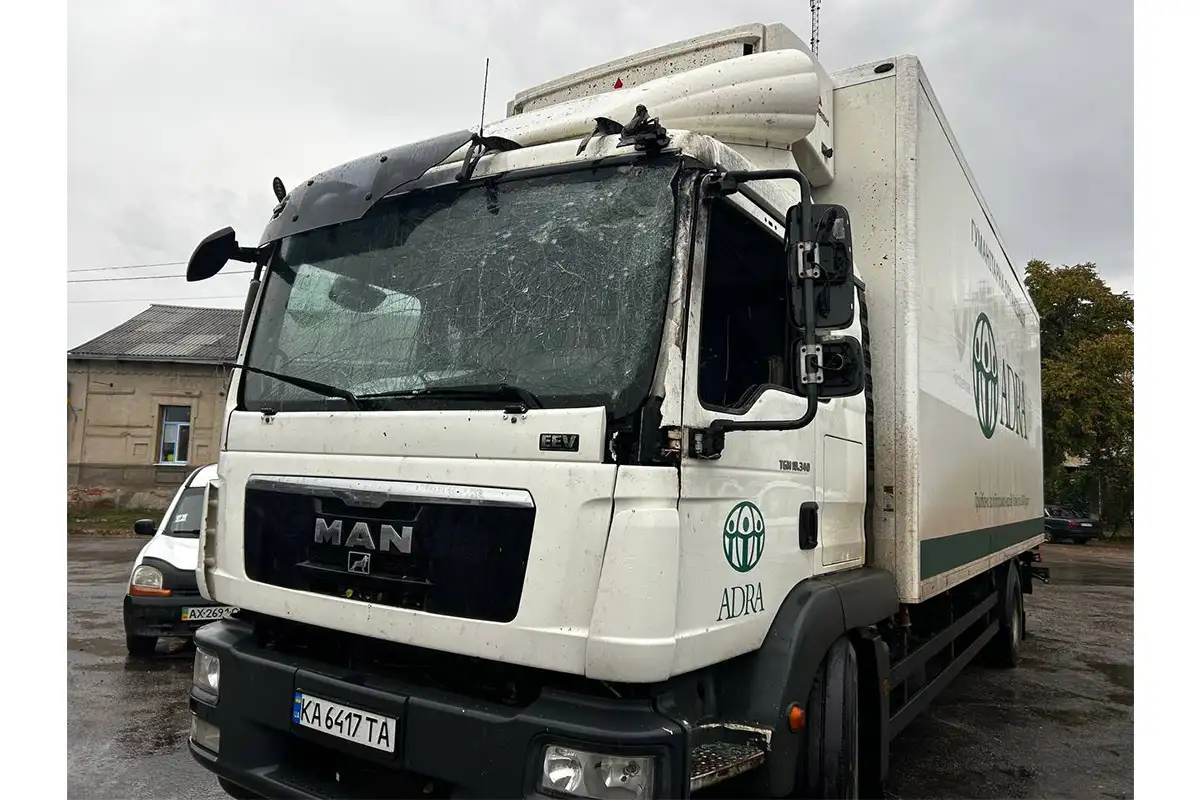
On September 23, an incident with an FPV drone occurred in the village of Zolochiv, Kharkiv region, during the distribution of food aid. Due to the team noticing the danger in time ...
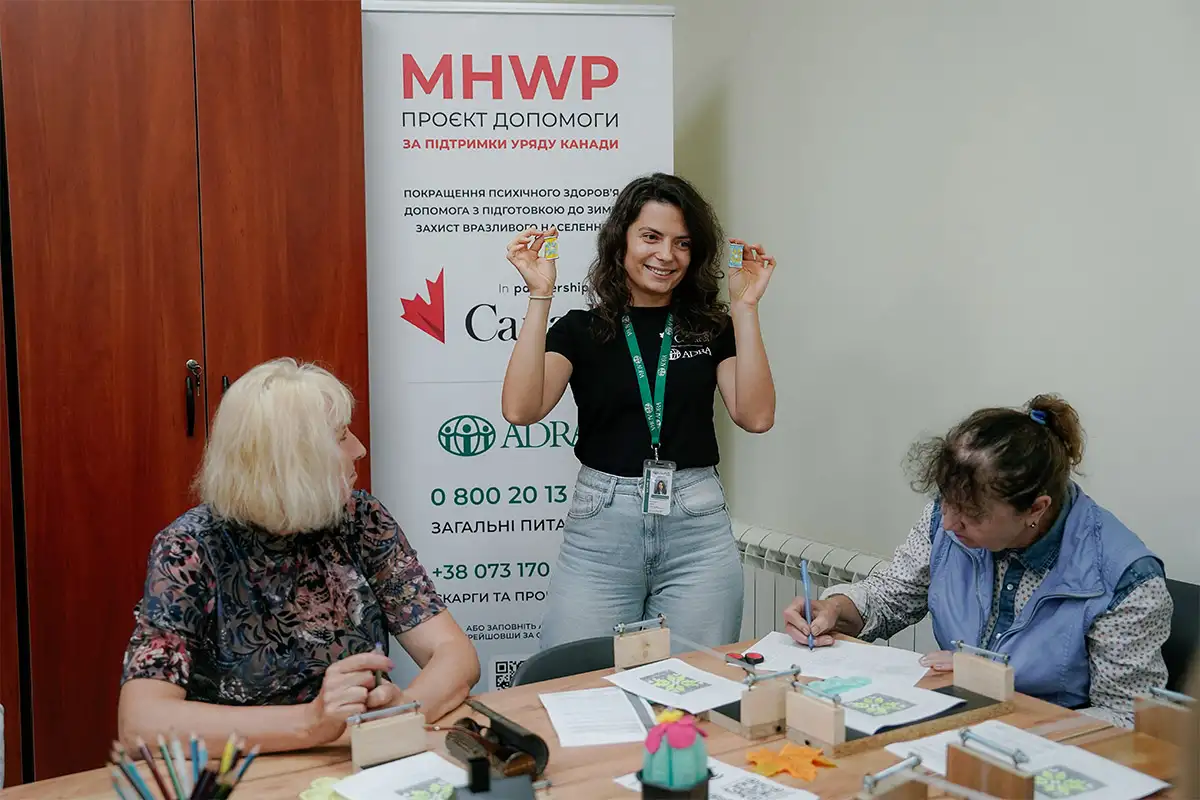
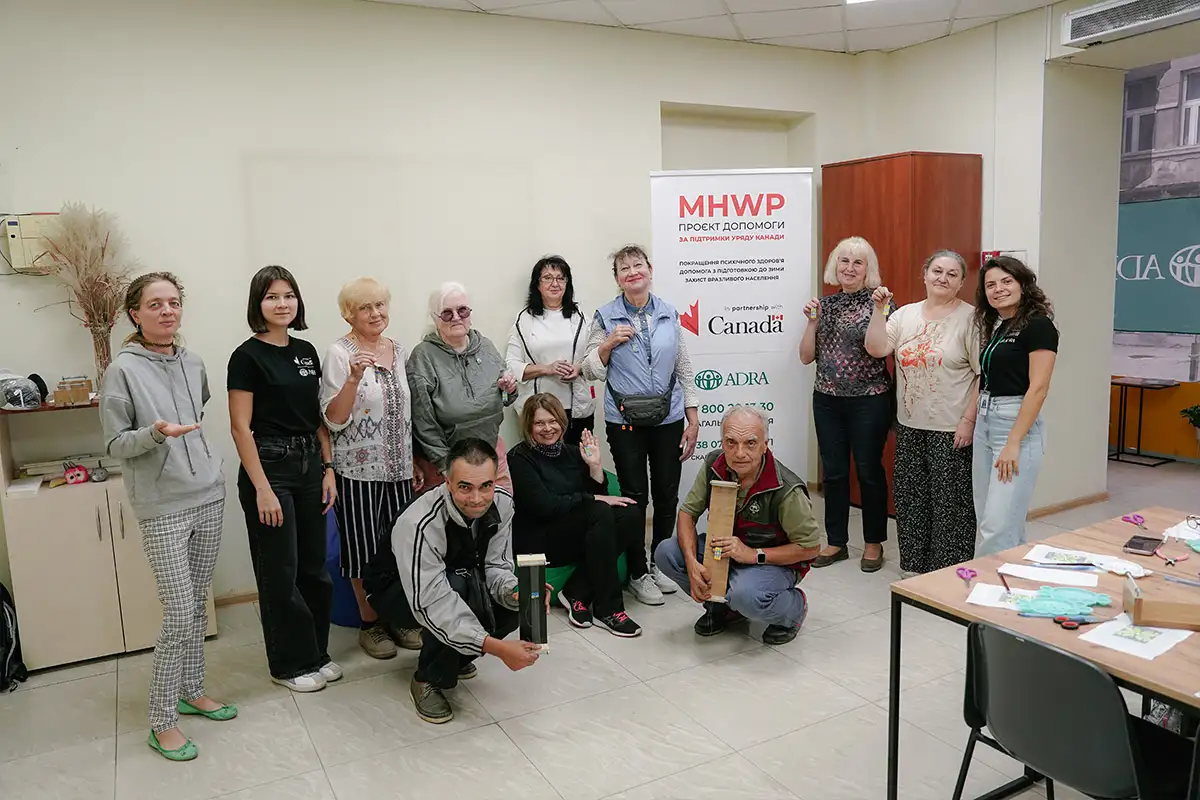
Focusing on small beads, choosing colors and gradually seeing the result of your own work — a creative activity held at the Protection and Support Center of ADRA Ukraine in Kharkiv. It ...
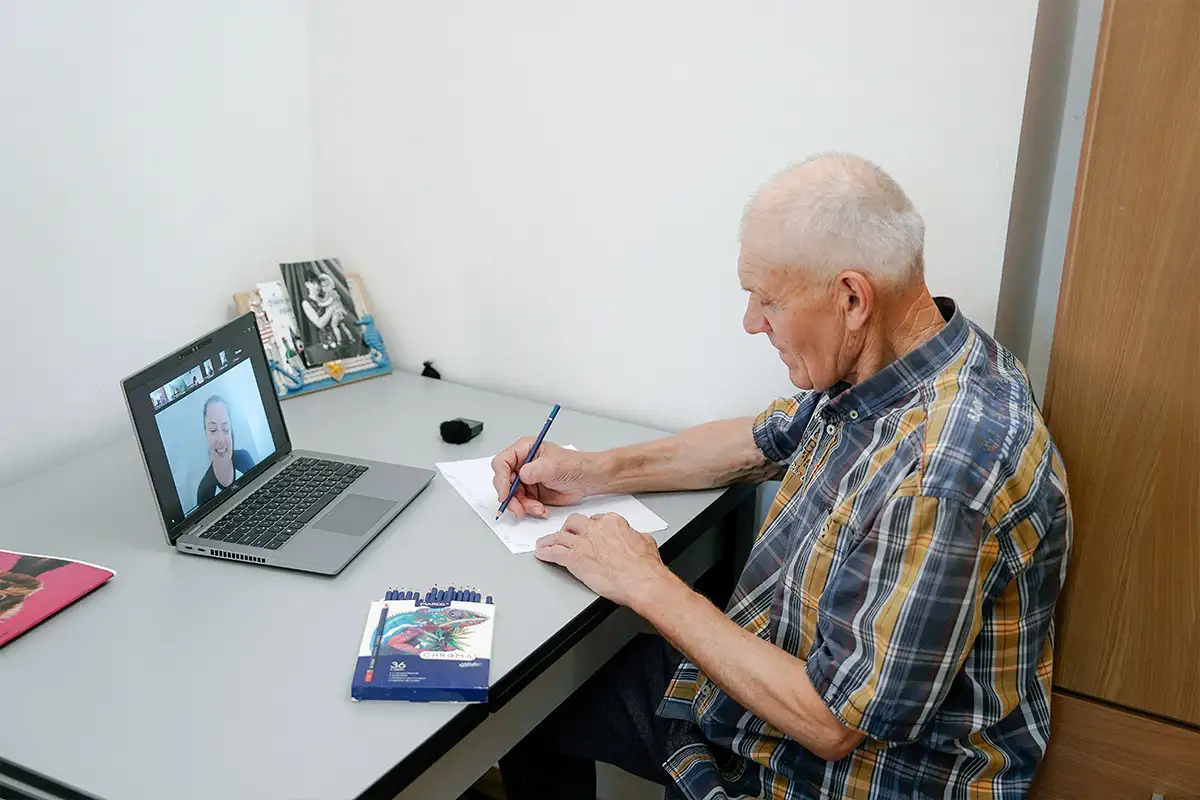
How to notice your own emotional state, cope with internal tension and find available ways of self-support? A series of online group events within the “JPF7” project was devoted to this. During ...
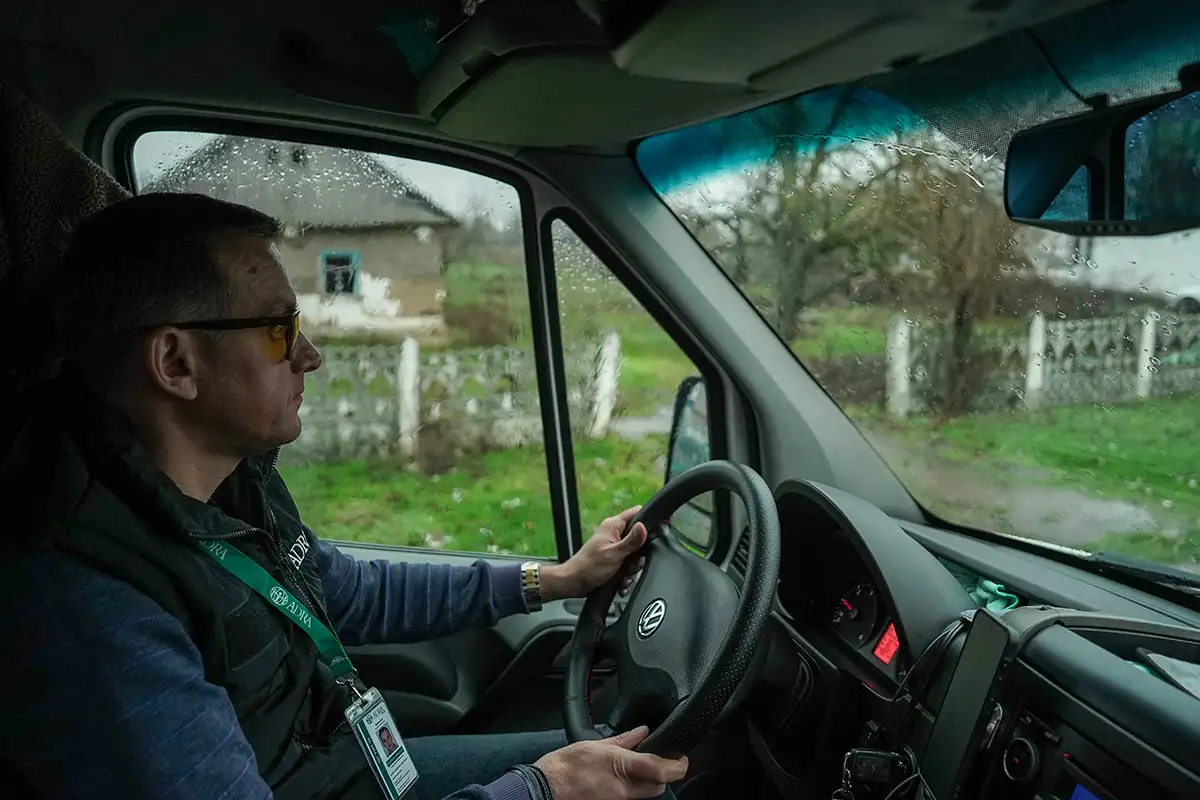
ADRA Ukraine stops humanitarian transportation in the Kherson and Zaporizhzhia regions due to high security risks on the routes. At the same time, transportation within the “REACT” project will continue in the ...

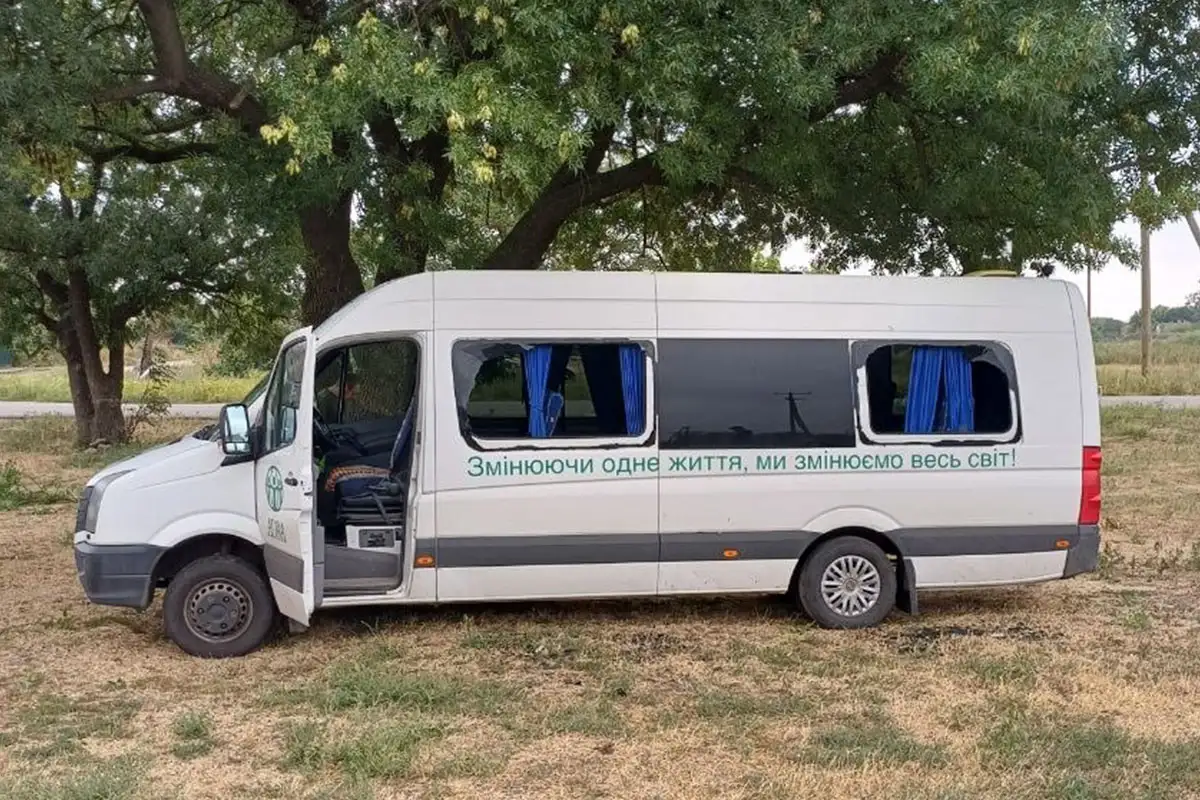
On September 14, near Myroliubivka village in the Dnipropetrovsk region, an FPV drone attacked an ADRA Ukraine bus that provides humanitarian transportation for residents of the Kherson region. At the time of ...
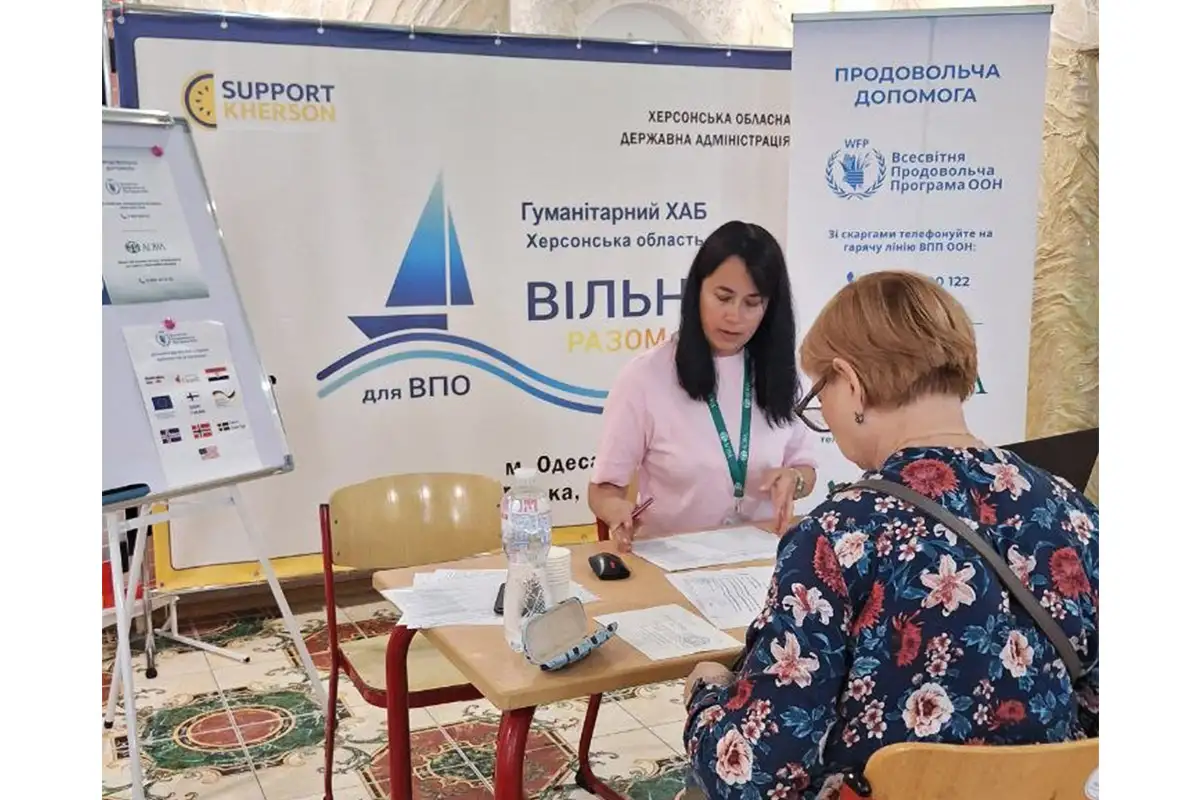
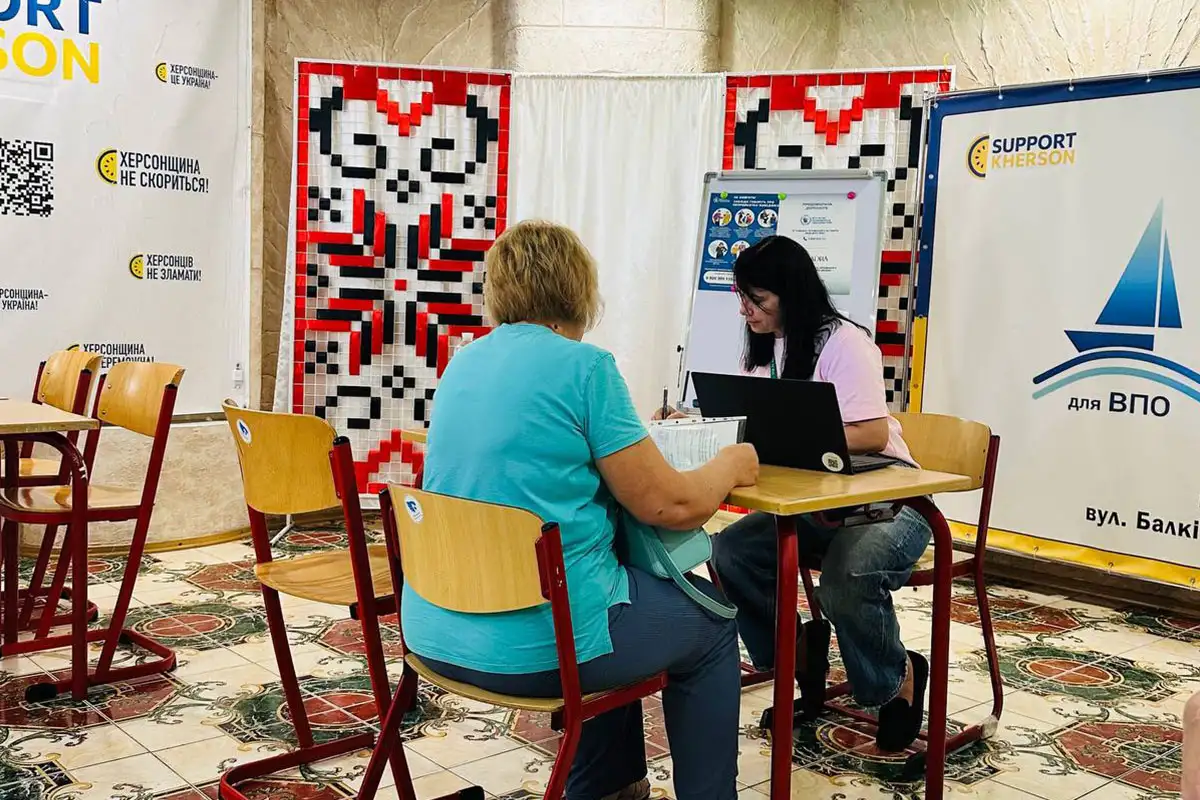
Due to the deterioration of the security situation in the city of Kherson, more and more people are evacuating the city and turning to the Kherson hub «Vilni razom» (EN: Free together) ...
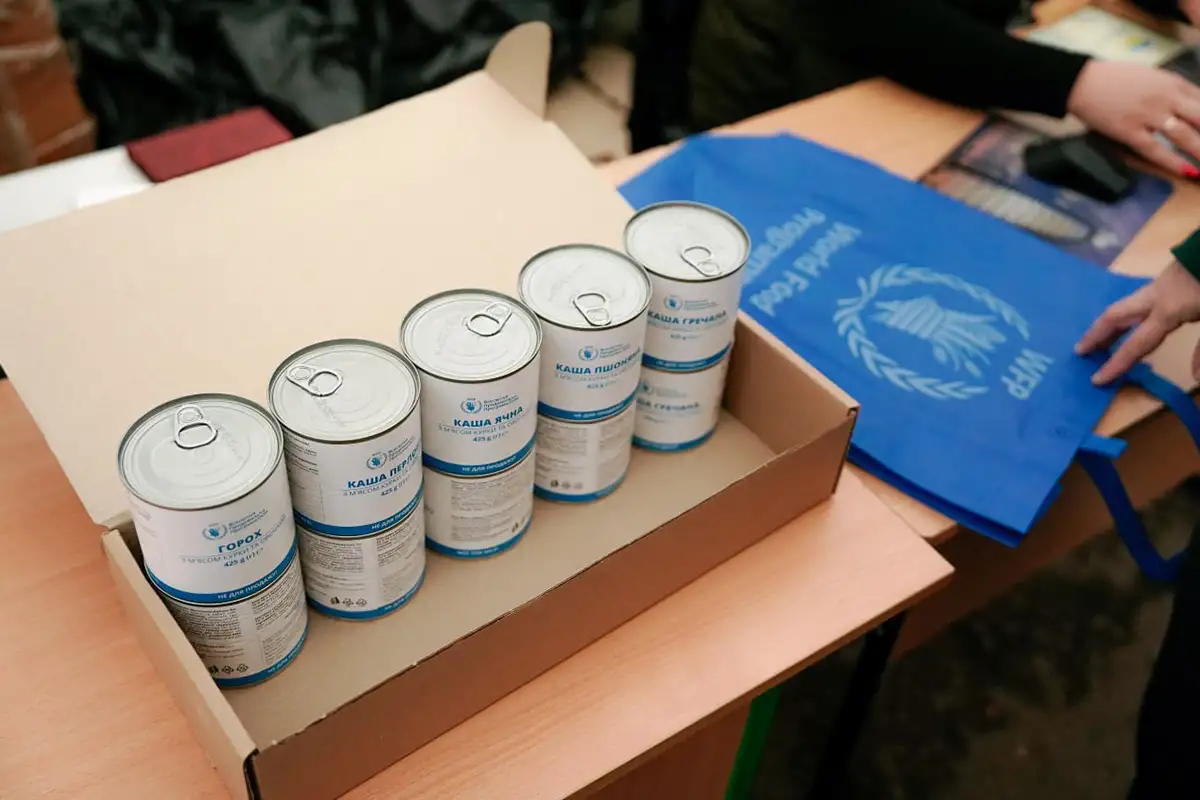
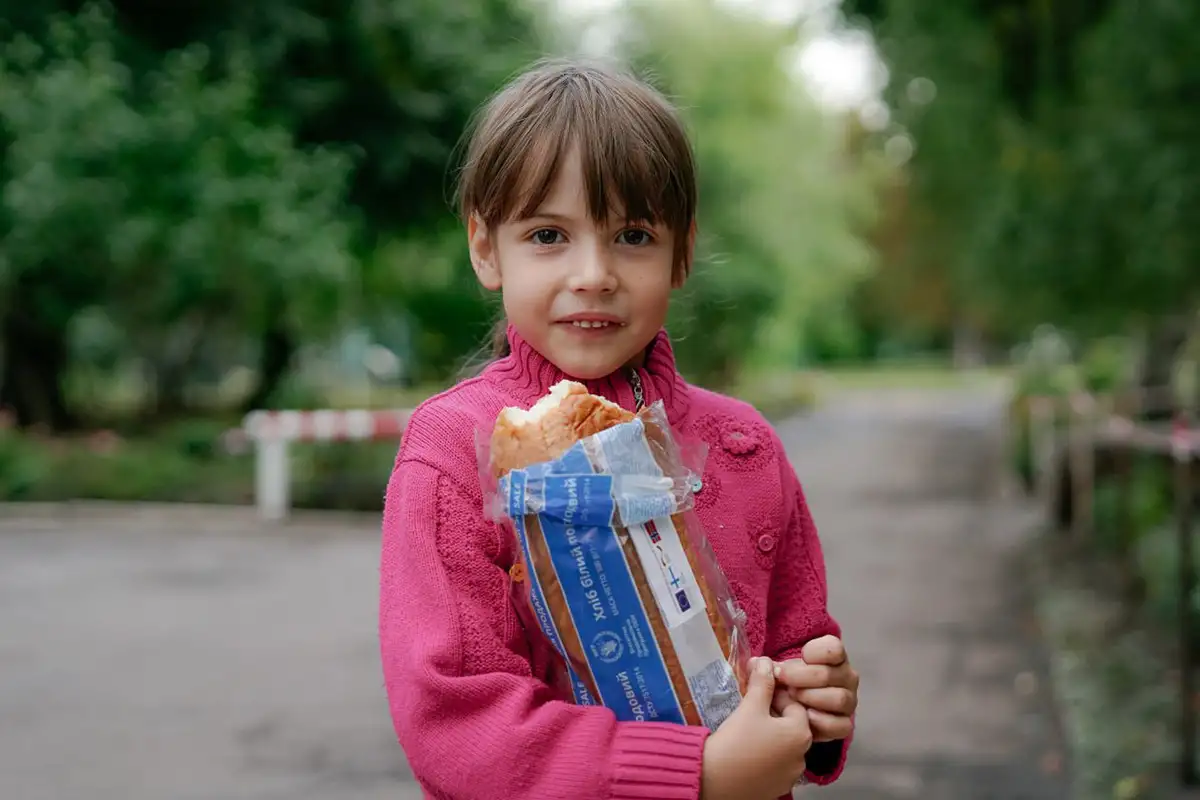
People evacuating Kramatorsk, Sloviansk and other localities in Donetsk region arrive at a transit center in Kharkiv on September 16, the ADRA Ukraine team handed them 154 ready-to-eat food kits. The peculiarity ...
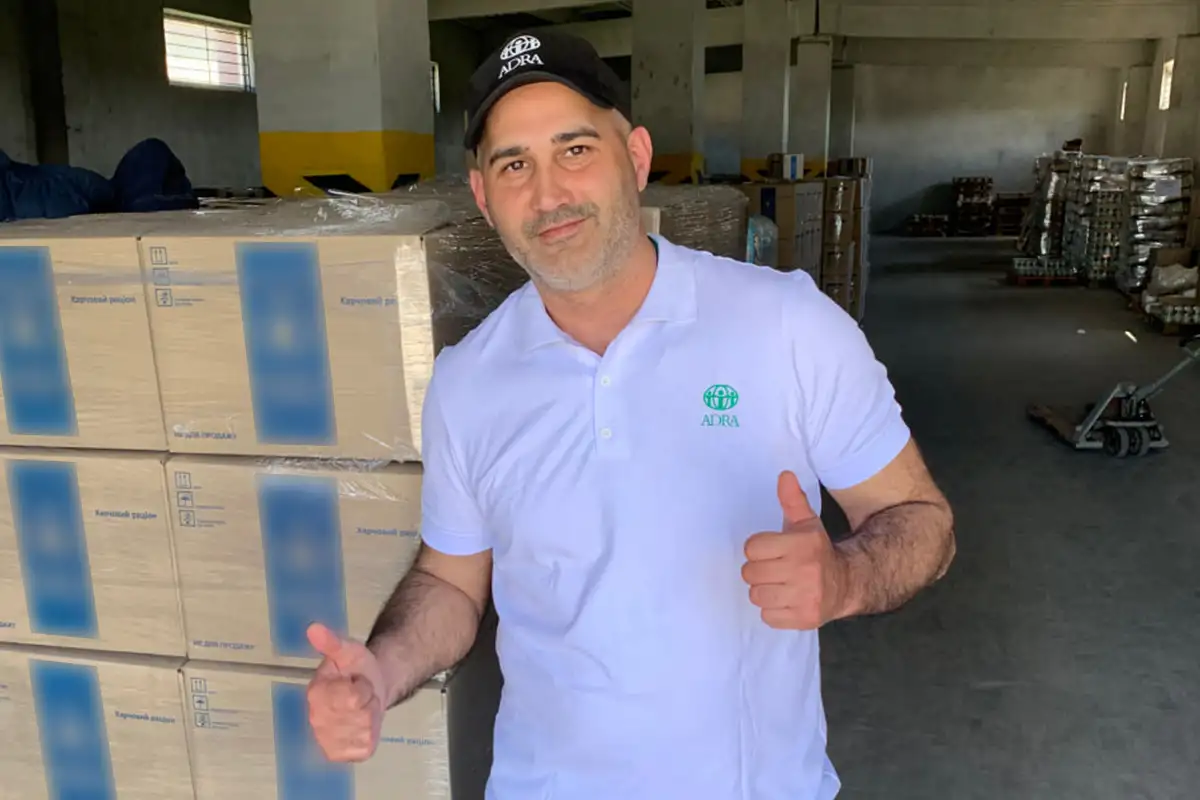
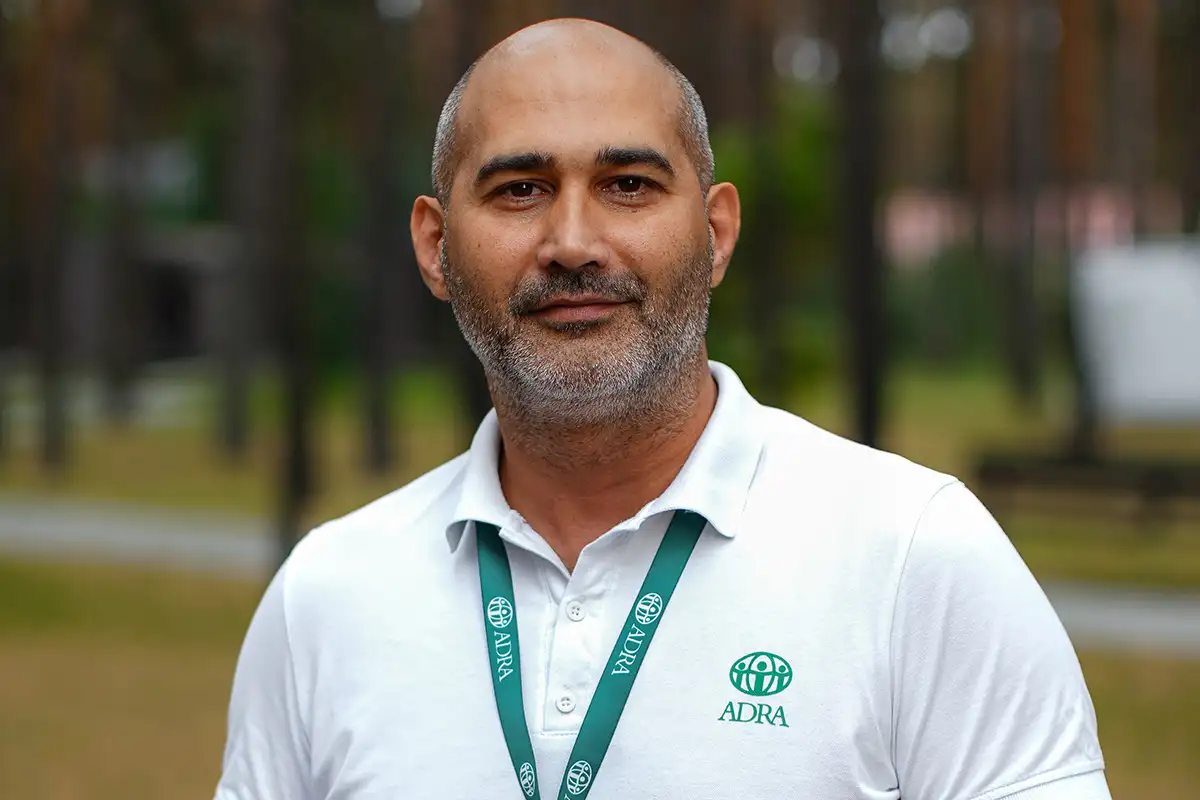
Daily shelling, FPV drones, damaged bridges and roads under anti-drone nets — in such conditions, the ADRA Ukraine team delivers food aid to people who remain in the communities of Donetsk region. ...
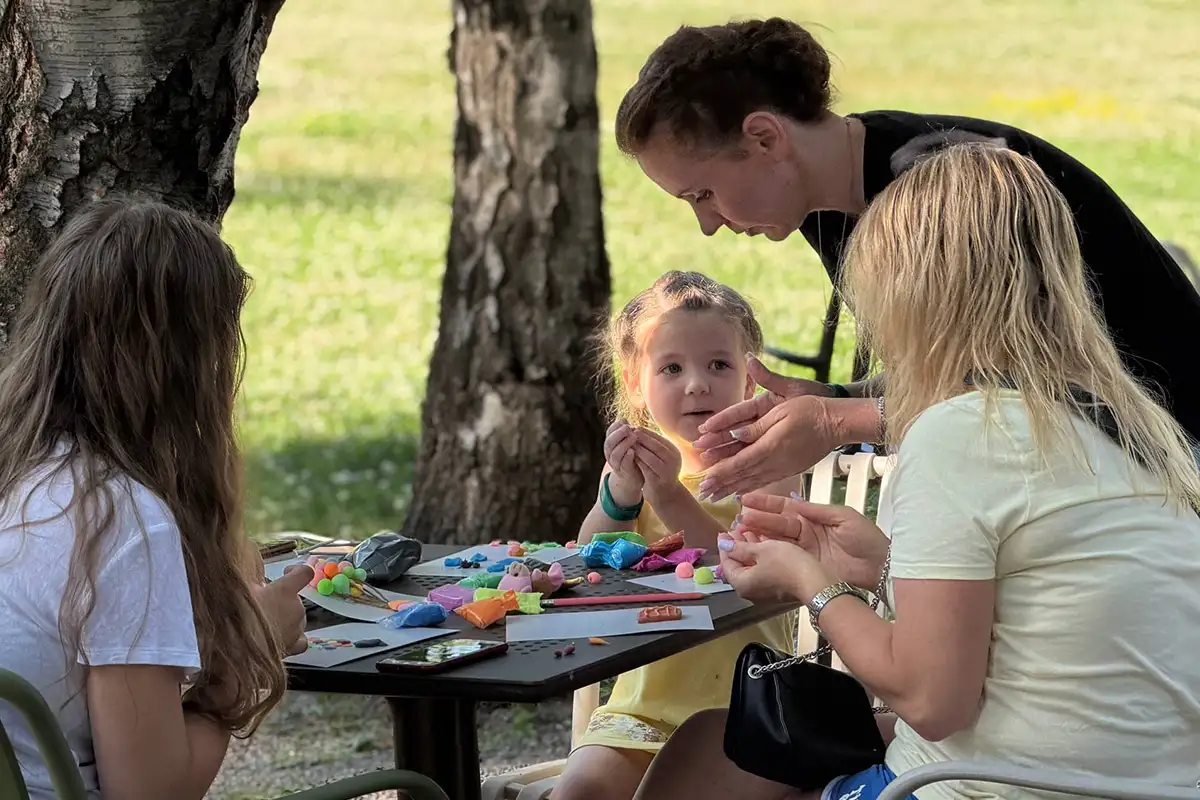
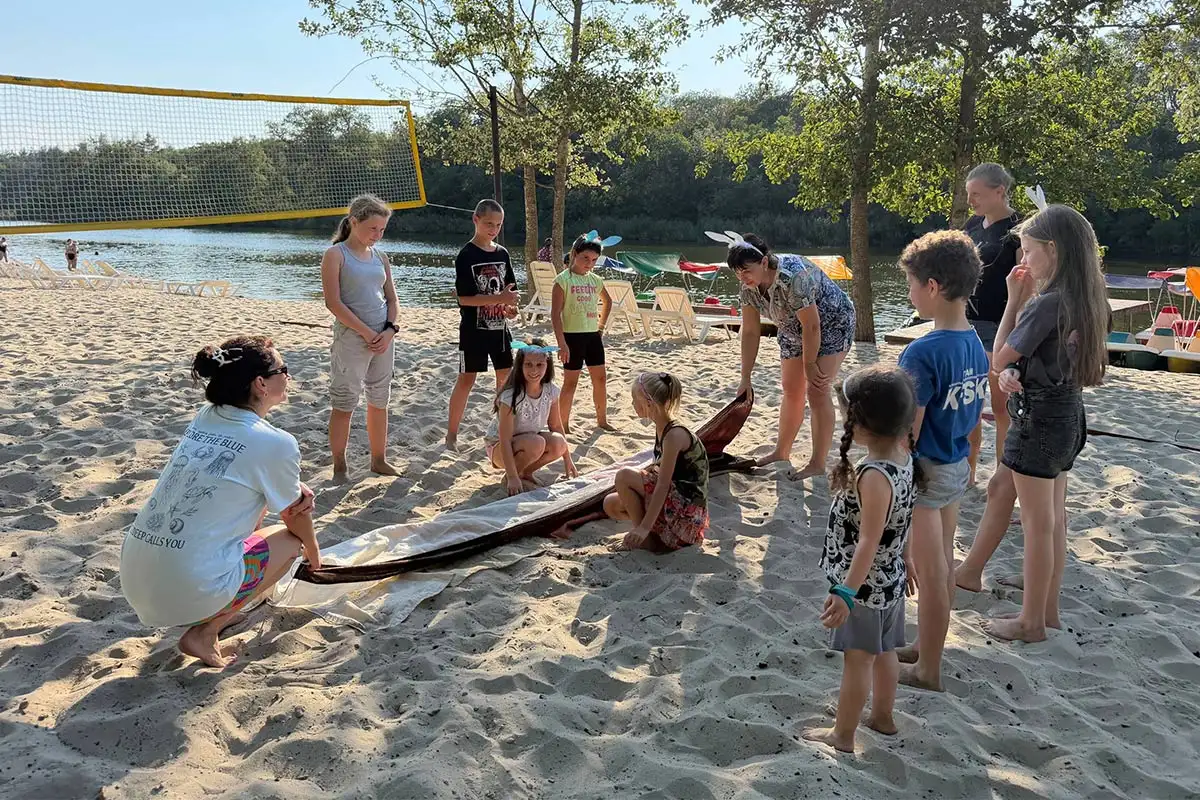
See alpacas and llamas up close, watch deer, ostriches and peacocks, spend the whole day in the fresh air, and most importantly — relax with the parents. For seven children from the ...
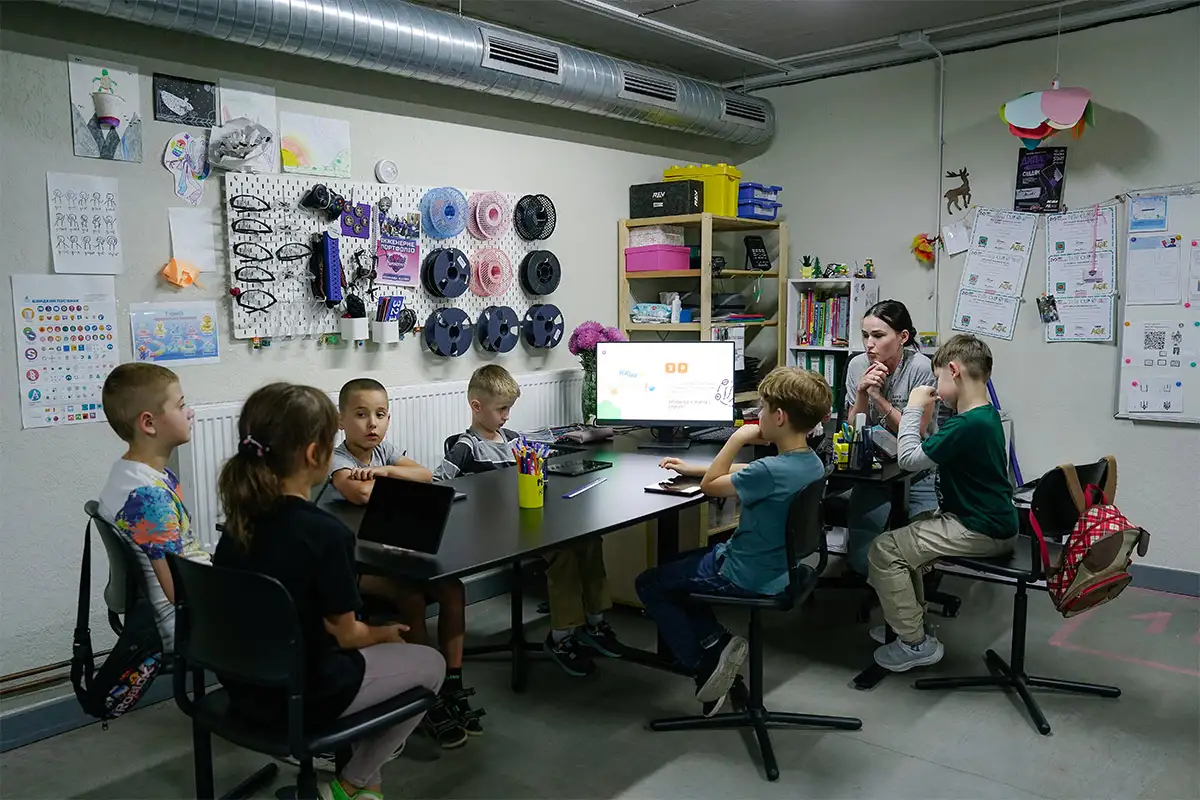
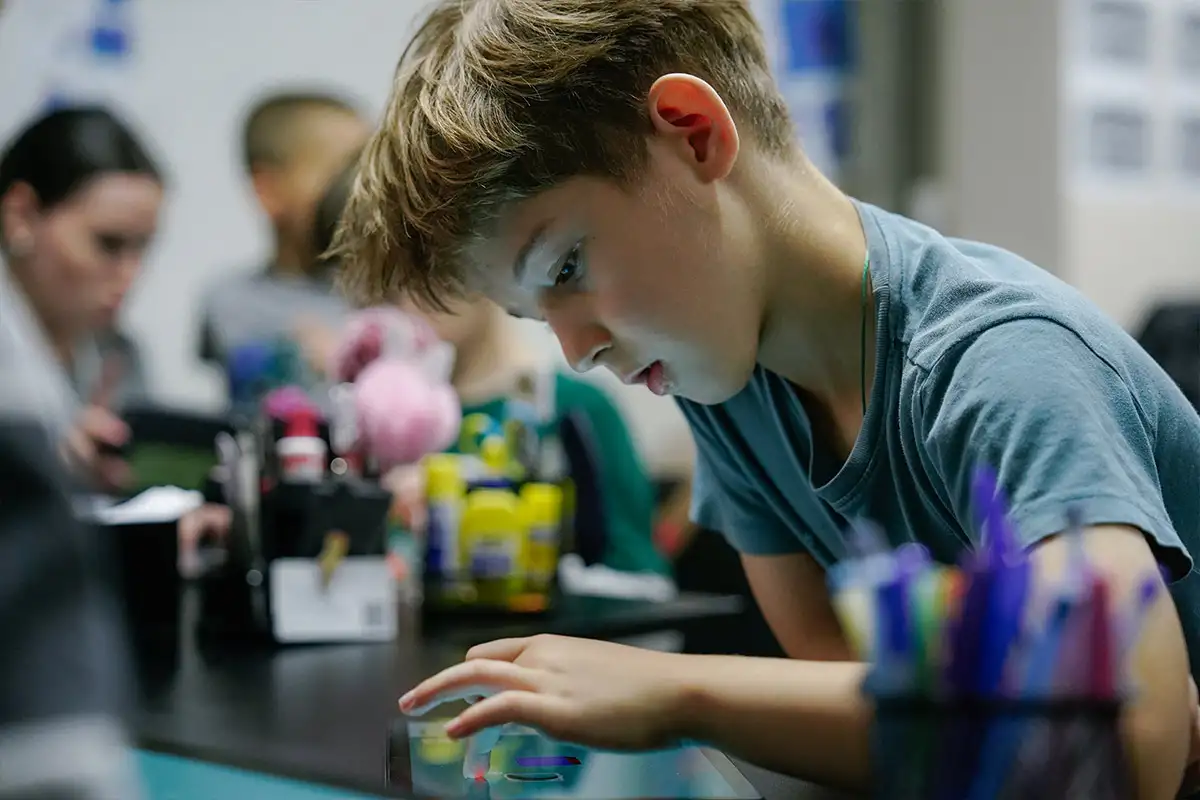
When a child is looking forward to the next class, this is probably one of the best indicators of what they are really interested in. For three months, the charity organization Save ...
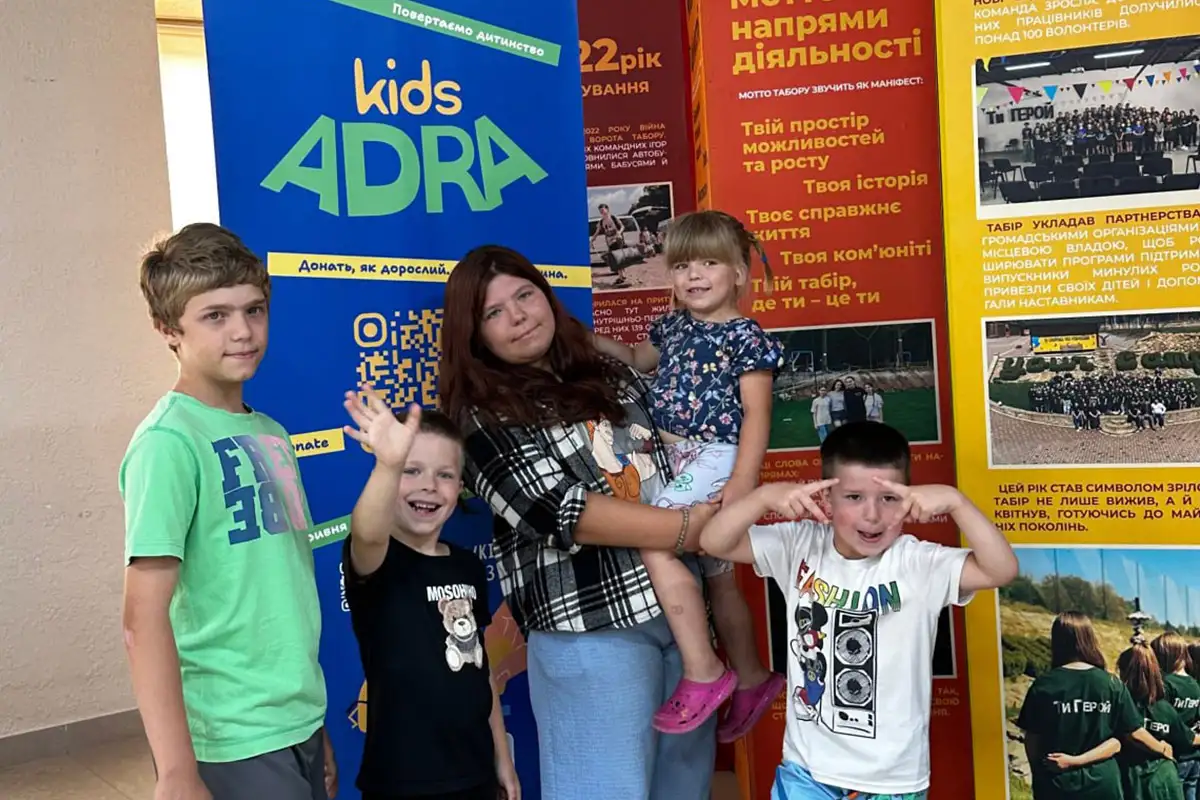
For some, a trip to summer camp is a common part of the holidays, and for some is an opportunity that might not be: to see new places, find friends, try something ...
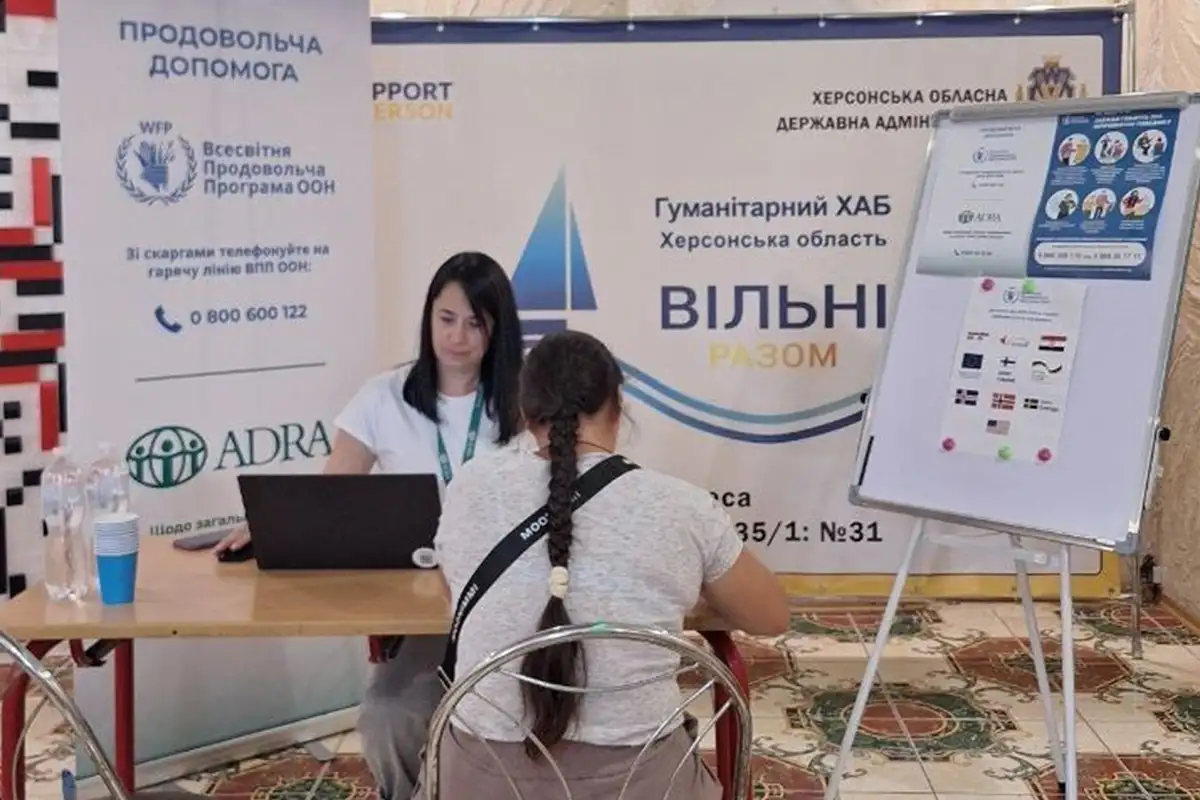
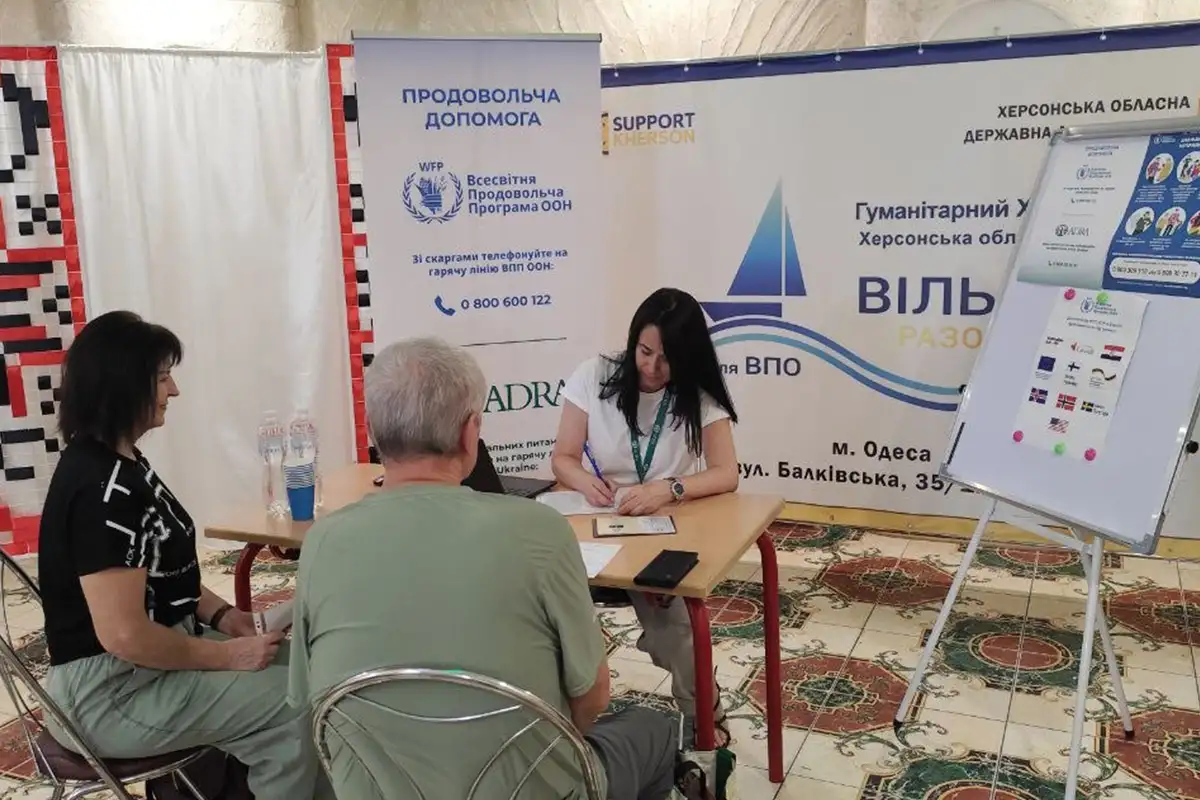
For the third month in a row, IDPs from the city of Kherson and the Kherson region, who are currently in the city of Odesa, can register for cash assistance from the ...
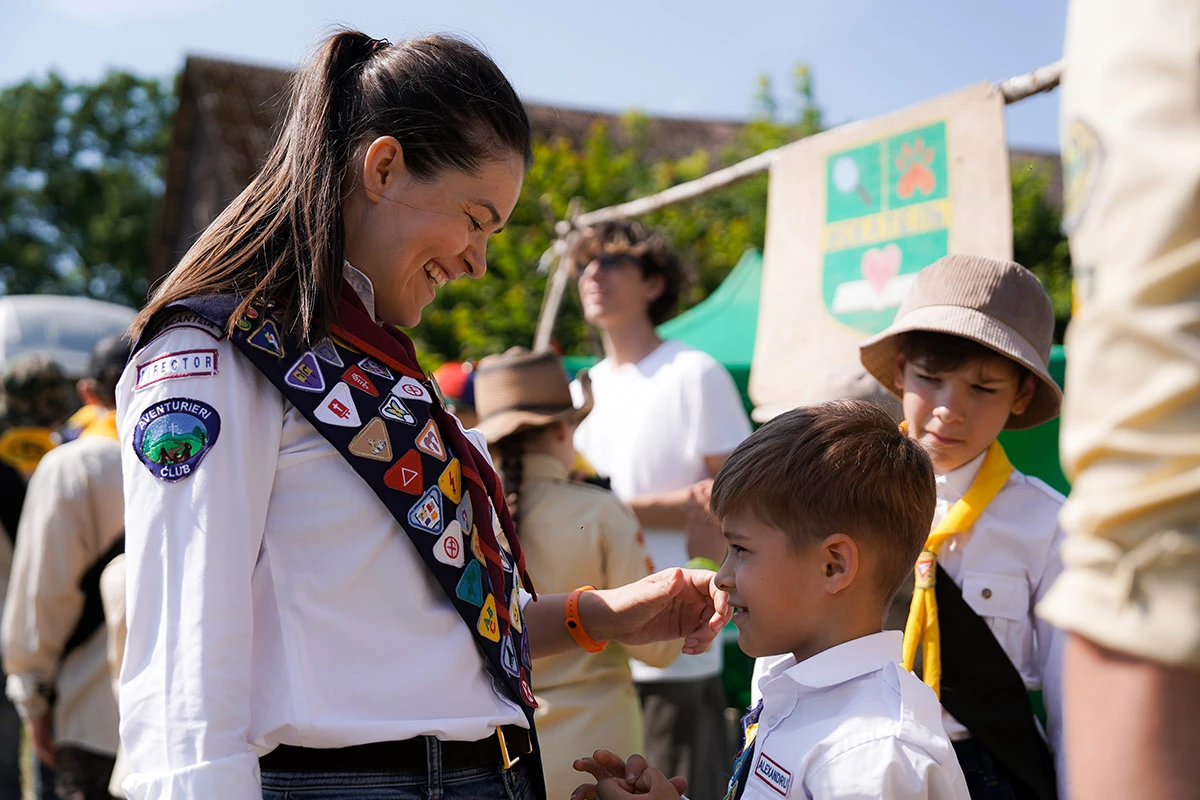
How does a humanitarian organization work, where to start assistance during a crisis and how to turn the identified problem into a specific project? This summer, children and teenagers from “The Pathfinder” ...
