


“When people say that no one can understand them, I reply: I’m an internally displaced person just like you.”
“When people say that no one can understand them, I reply: I’m an internally displaced person just like you.”
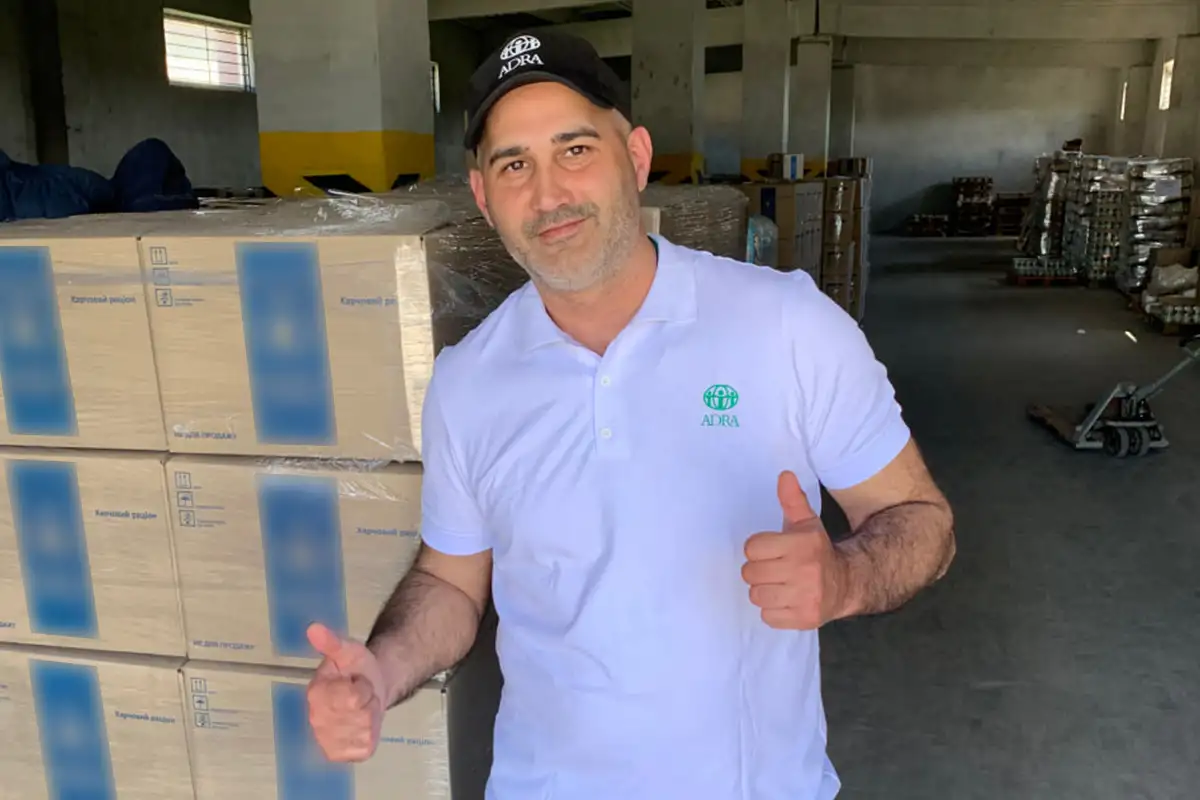
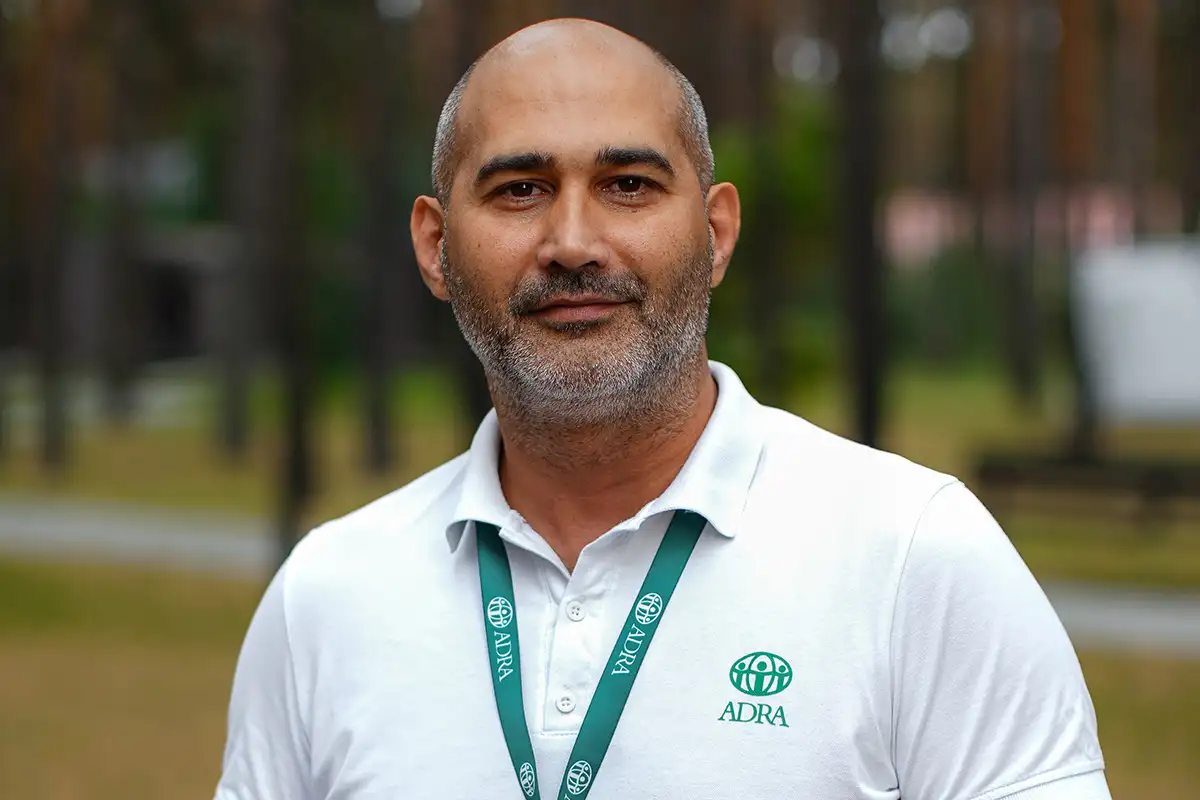
Andrii Semeniuk is a Project Manager at the humanitarian organization ADRA Ukraine and an internally displaced person from the city of Mariupol of the Donetsk region. In this conversation, he talks about the work of humanitarian programs during the war, from distributing food vouchers across Ukraine to delivering generators from Slovak partners.
— Andrii, please tell us briefly about yourself. How did you join ADRA Ukraine and what projects are you working on?
— I joined ADRA Ukraine in April 2022. I was invited to join the team. Before the beginning of the full-scale war, I worked as a project manager in a large organization. When the war began, I decided to change the direction of my work and agreed to join ADRA Ukraine for a three-month pilot project.
It was a project of the UN World Food Programme (WFP) that involved distributing cash vouchers with QR codes. The project operated in the Zakarpattia region and was aimed at people who had moved there from other parts of Ukraine because of the war. The assistance amounted to 2,200 UAH per month and was provided for three months.
After this stage ended, I returned to Kyiv. Some time later, I received a call from the HR department of ADRA Ukraine inviting me to join the team at ADRA office in Kyiv. At that time, a large multi-component project supported by the German Federal Foreign Office (GFFO) was beginning.
I joined its implementation and later continued working on other programs. Today I’m responsible for two projects.
The first is a large-scale humanitarian project providing assistance to people across Ukraine: internally displaced persons, people with disabilities, single parents, and families facing difficult life circumstances. It’s implemented in partnership with The Church of Jesus Christ of Latter-day Saints, which acts as the donor of the assistance. Within this project, ADRA Ukraine receives 6,500 vouchers for “ATB” supermarket stores every month with a total value of 3,250,000 UAH and distributes them to people in different regions of the country.
The second project is called “Warmth for Ukraine” (Slovak: Teplo pre Ukrajinu). It involves the transfer of generators to Ukraine from Slovakia. In this project, I’m responsible for logistics and communication. It’s now in its final stage, generators of various capacities have already been delivered to Chernihiv, Kyiv, and Odesa cities.
— You are an internally displaced person. How does this influence your work? Does it help you understand people better?
— Yes, I’m an internally displaced person from the city of Mariupol. And I will say honestly, it helps a lot in humanitarian work.
Very often, when we visit distribution sites, people say: “You don’t understand what we have lost.” And at that moment I can say: “I’m a displaced person just like you. I live under the same conditions, I rent housing, I don’t have a permanent home, and I depend on many external factors just like everyone else.” That is why helping displaced people is not simply a job duty for me. It’s an understanding of the situation from the inside, because I live through this experience every day.
— Tell us more about the ATB vouchers project. Who are your partners and how does this system of assistance work?
— The ATB vouchers distribution project is a large nationwide program supporting people who have found themselves in difficult circumstances. These include displaced persons, people with disabilities, elderly people, single parents, and those who have lost their jobs or stable income.
The donor is The Church of Jesus Christ of Latter-day Saints.
We also cooperate with representatives of the Seventh-day Adventist Church. In each region there is a church representative who receives a certain number of vouchers every month. Then, with the help of volunteers from local church communities, they distribute these vouchers to people who meet the vulnerability criteria.
In addition, we have been cooperating for many years with humanitarian hubs in the city of Kharkiv. These hubs were created on the basis of support centers for displaced people from the Kupianska, Kurylivska, Dvorichnska, and Kindrashivska communities of the Kharkiv region.
These are people who were forced to leave their homes due to destruction and constant shelling. Now they live in the city of Kharkiv or the surrounding region and come to these hubs where they are registered in order to receive assistance.
Recently we also began cooperation with the Kramatorsk and Pokrovsk cities hubs operating in the city of Dnipro. There displaced people can receive vouchers and use them to purchase essential items. After all, many people simply didn’t have the opportunity to take everything they needed with them during evacuation.
— How large is this project? Does it cover the real needs of people?
— In terms of scale, during the years of the full-scale war this has been one of the largest projects covering the entire territory of Ukraine.
Every month we distribute 6,500 vouchers. That is a significant number, but even this amount is not enough to help everyone.
It’s important to understand that this is targeted assistance. One voucher has a value of 500 UAH. Today, considering inflation, this is not a very large amount. However, it allows people to purchase basic food products or other essential items they need for daily life.
So the project is large and very important, but unfortunately people’s needs are still much greater.
— What team works on implementing this project?
— If we talk about the ADRA Ukraine staff involved in the project, the team is relatively small. However, the volunteer team is much larger. Distributions take place at around 15 locations, and at each of them at least two or three volunteers are working. Thanks to their support, we are able to organize monthly voucher distributions for people in need.
— Please tell us about the humanitarian assistance related to the delivery of generators from Slovakia.
— In the second half of January of 2026, at the initiative of the Embassy of Ukraine in the Slovak Republic, a large fundraising campaign called “Warmth for Ukraine” was launched in Slovakia. It was carried out in cooperation with the largest Slovak fundraising platform named “Donio” and several public and charitable organizations, including ADRA Slovakia.
This was a large emergency response project. Thousands of people joined the initiative. By mid-February of 2026, according to official data, about 1,100,000 euros had been raised from more than 19,500 donors. With these funds, generators were purchased for Ukraine, for people who found themselves in difficult conditions without electricity, heating, or power supply. In Ukraine this project is implemented by ADRA Ukraine, ADRA Slovakia, and other Ukrainian NGOs.
— What role does ADRA Ukraine play in this project?
— We assist with logistics, communication, and further monitoring. We check where exactly the generators are installed, whether they have been launched, and whether they are functioning properly.
— Which cities have already received generators?
— The first city was Chernihiv. At that stage ADRA Ukraine was not involved. The second city was Kyiv, where our team also worked. The third city was Odesa.
Currently the Slovak partners are considering one more city. Some funds remain within the campaign, and they are analyzing the budget to determine how many additional generators can be purchased and where it would be most appropriate to deliver them. This decision is coordinated with the Ministry of Foreign Affairs of Slovakia.
In all cities, the generators are transferred under official documentation to municipal enterprises responsible for their further distribution.
— What does the actual transfer process look like?
— There are certain conditions. In all the cities — Chernihiv, Kyiv, and others, the Slovak side had a clear vision of the assistance transfer process. When generators are delivered to a city, they are first presented to the local authorities. After that, at least part of the equipment is immediately delivered to specific locations. The idea is that generators should not simply remain in warehouses. They are delivered to places where they are truly needed: schools, hospitals, “Points of Invincibility,” or other infrastructure facilities.
— The arrival of the generators in Kyiv, where they were received by Mayor Vitalii Klitschko, was widely covered in the media. How did that meeting take place?
— When the generators arrived in Kyiv, on the first day there was a meeting with the Mayor of the City. It took place in the inner courtyard of the Kyiv City State Administration. Trucks carrying the generators drove into the courtyard, and the mayor personally came out to meet them. The atmosphere was very friendly. Vitalii Klitschko thanked the Slovak partners for their support and noted that such assistance is extremely important for Ukraine.
After that, documents confirming the transfer of the equipment were signed. Then we delivered the first generators to three locations: one to a lyceum in the Pecherskyi district, the second to a lyceum in the Solomianskyi district, and the third to a lyceum in the Dniprovskyi district.
The remaining generators were sent to a warehouse, from which further distribution took place. In total, 16 generators of various capacities (from 2.4 kW to 180 kW) and two “EcoFlow DELTA Pro 3” systems with reinforced batteries were delivered to Kyiv.
— Who decides where the generators should be installed?
— According to the documentation, we transfer the generators to municipal enterprises. They then distribute them according to incoming requests. Requests may come from state institutions, educational institutions, sports facilities, or even residential complexes. In Kyiv such requests are reviewed by the Kyiv City State Administration. Institutions submit official letters, after which a decision is made and the generator is delivered to the appropriate location.
It’s important to understand that after the equipment is transferred, ADRA Ukraine or ADRA Slovakia can no longer influence these decisions, everything is handled through official government structures.
— This winter there was active discussion about the energy system, centralization versus decentralization. How do you see this issue?
— Here I can express my personal opinion because by education I’m an electrical engineering specialist. Almost all of my education is related to electricity.
The problem of centralization does indeed exist. Generators partially help to solve it. But there is also another problem — financial.
For example, in residential complexes residents can often organize a fundraising and collect funds to install and connect a generator, purchase additional equipment, and maintain it. But if we are talking about state institutions like schools, kindergartens, lyceums, it’s much more difficult for them.
We provide them with generators, but their installation, additional automation equipment, and maintenance are paid for from local budgets. As the experience of previous projects shows, finding these funds takes a lot of time. It’s not a matter of a week or two, because the budget must be approved at extraordinary sessions of local authorities. There are certain bureaucratic aspects which, unfortunately, are difficult to avoid in our country. For example, some generators that we delivered to the Kharkiv region within a previous project began operating only a month after delivery precisely because of budgetary and bureaucratic procedures.
— What additional assistance is currently most needed within energy projects?
— Generators are certainly needed. But today other types of equipment are also very important. For example, powerful hybrid inverters that can work together with generators and also solar panels. This makes it possible to create autonomous energy systems.
I have seen such examples. For instance, at the “Harmonia” Sanatorium in the city of Novomoskovsk of the Dnipropetrovsk region, which has become a collective center for displaced people from different regions of Ukraine, they are actively transitioning to autonomous solutions. And that is the right direction.
Another huge problem is that in almost all cases humanitarian organizations delivered only generators, without connection cables or additional equipment. Sometimes additional electronics are also required, called “Reverse Automation Systems.” To purchase all this, extraordinary sessions of local authorities must be held to review the budget. Unfortunately, none of the humanitarian funds provide financing for additional equipment.
Therefore, there is a need for a large project that would supply generators with everything required for rapid connection. A generator is an engine that can break down over time and requires maintenance. A project that includes service contracts (for example, for three years) with specialists responsible for maintaining the equipment could solve this problem. Compared to the cost of generators, these are relatively small amounts. Such a project, if supported by donors, could make a very significant positive contribution to Ukraine’s energy sector.
— Do you experience burnout? How do you cope with difficult situations?
— I will say this: I’m a very positive person.
Of course, there are difficult moments, conflicts, and tense situations. But perhaps because I’m a displaced person from Mariupol and lost practically everything I had built by the age of 38, I look at difficulties a little differently.
During the entire war I have never once turned to a psychologist or psychotherapist. My work itself helps me.
I truly enjoy humanitarian work. What is especially important for me is that, as a displaced person, I can help other displaced people. When I come to distribution locations, I try above all to bring people positive emotions.
— What are your plans for the future?
— I like working in the humanitarian field.
I don’t plan to leave the country. I want to stay here and help people for as long as it’s needed. For me it’s important to be useful to society.
Tags
Share this publication
Our social networks
Categories
Last news
Restoration of educational and medical institutions, access to drinking water and shelters, as well as support for the initiatives of the communities themselves, these directions of the new project were discussed during ...
Please find below the Summer 2026 ADRA Ukraine Newsletter. You can download the newsletter at the following link: Newsletter – Summer 2026
Restoration of educational and medical institutions, access to drinking water and shelters, as well as support for the initiatives of the communities themselves, these directions of the new project were discussed during ...
Please find below the Summer 2026 ADRA Ukraine Newsletter. You can download the newsletter at the following link: Newsletter – Summer 2026
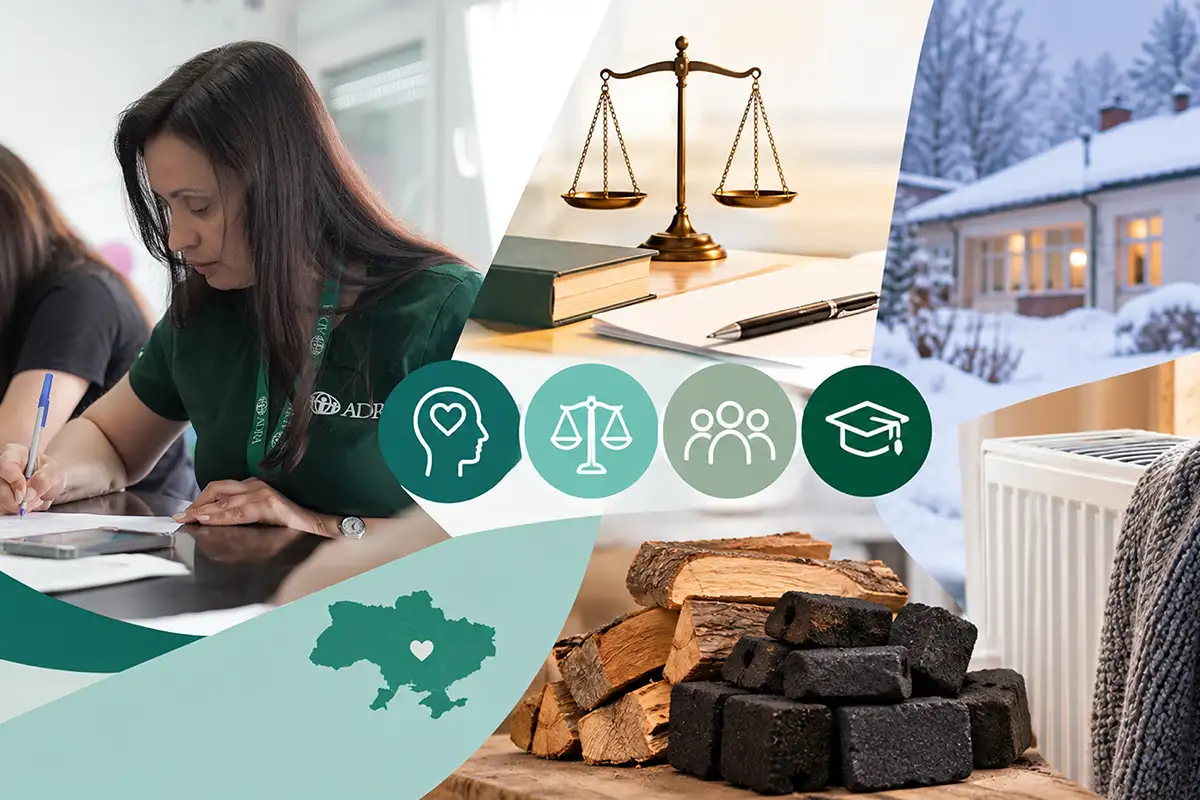
Psychological and legal consultations for people throughout Ukraine and assistance with heating for 150 IDPs in Zaporizhzhia region — will combine such areas with the new ADRA Ukraine project, which started in ...

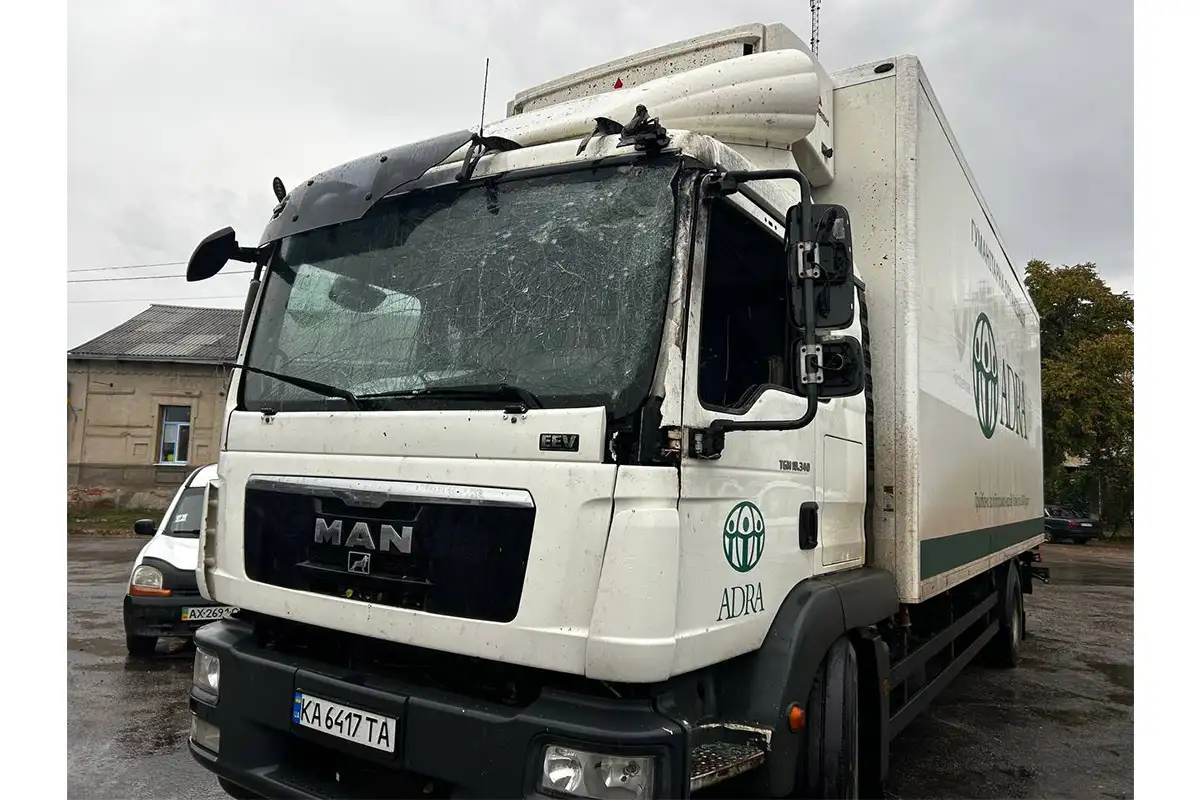
On September 23, an incident with an FPV drone occurred in the village of Zolochiv, Kharkiv region, during the distribution of food aid. Due to the team noticing the danger in time ...
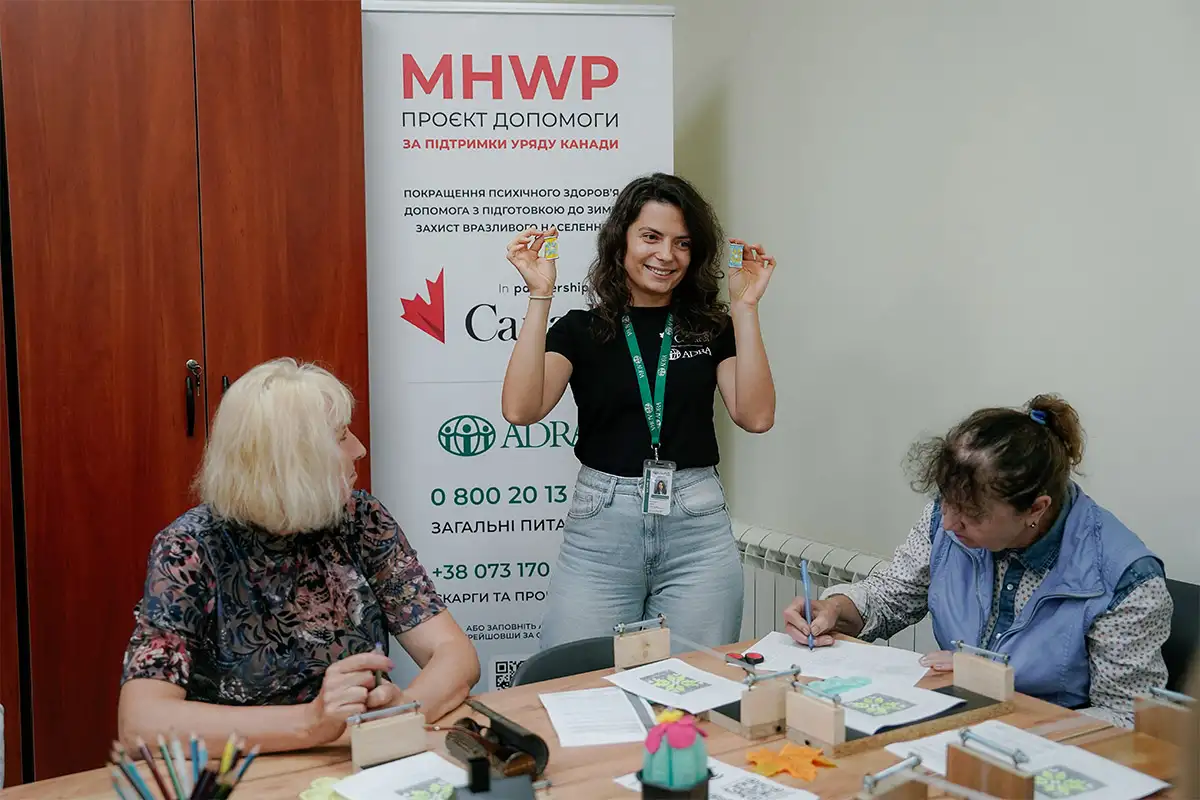
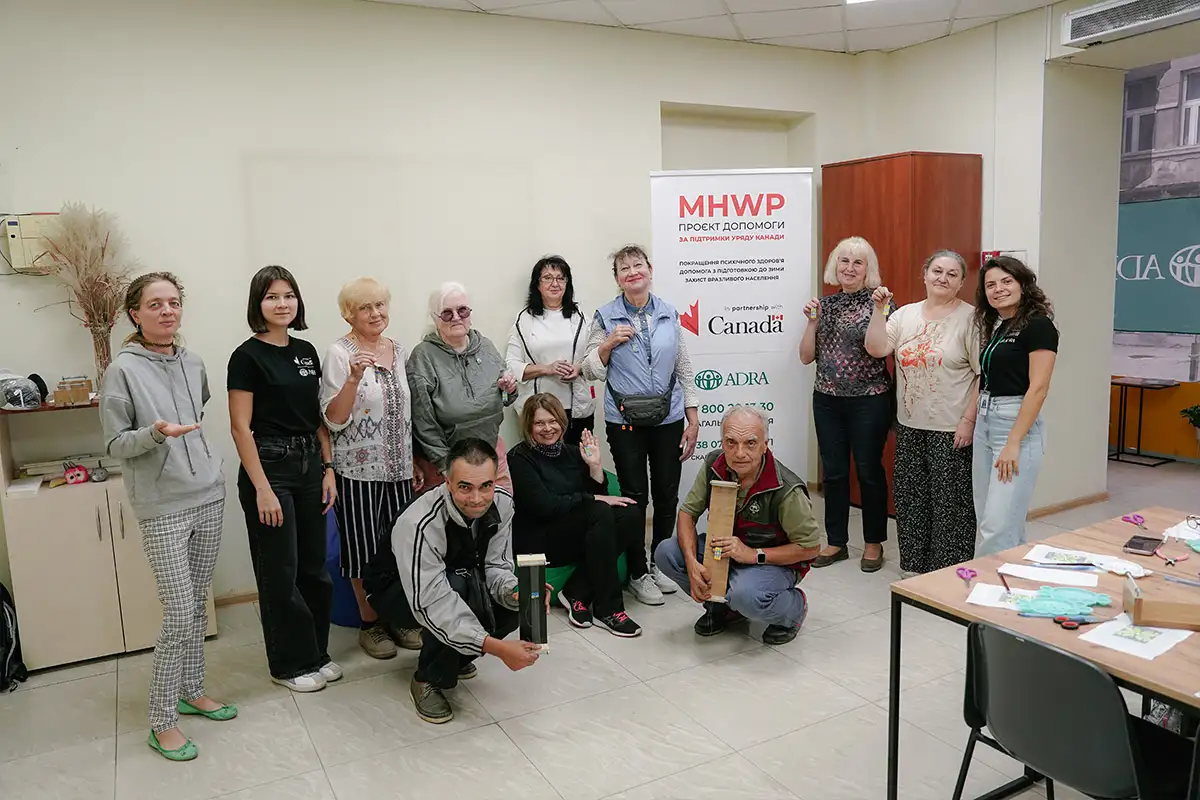
Focusing on small beads, choosing colors and gradually seeing the result of your own work — a creative activity held at the Protection and Support Center of ADRA Ukraine in Kharkiv. It ...
How to notice your own emotional state, cope with internal tension and find available ways of self-support? A series of online group events within the “JPF7” project was devoted to this. During ...
ADRA Ukraine stops humanitarian transportation in the Kherson and Zaporizhzhia regions due to high security risks on the routes. At the same time, transportation within the “REACT” project will continue in the ...

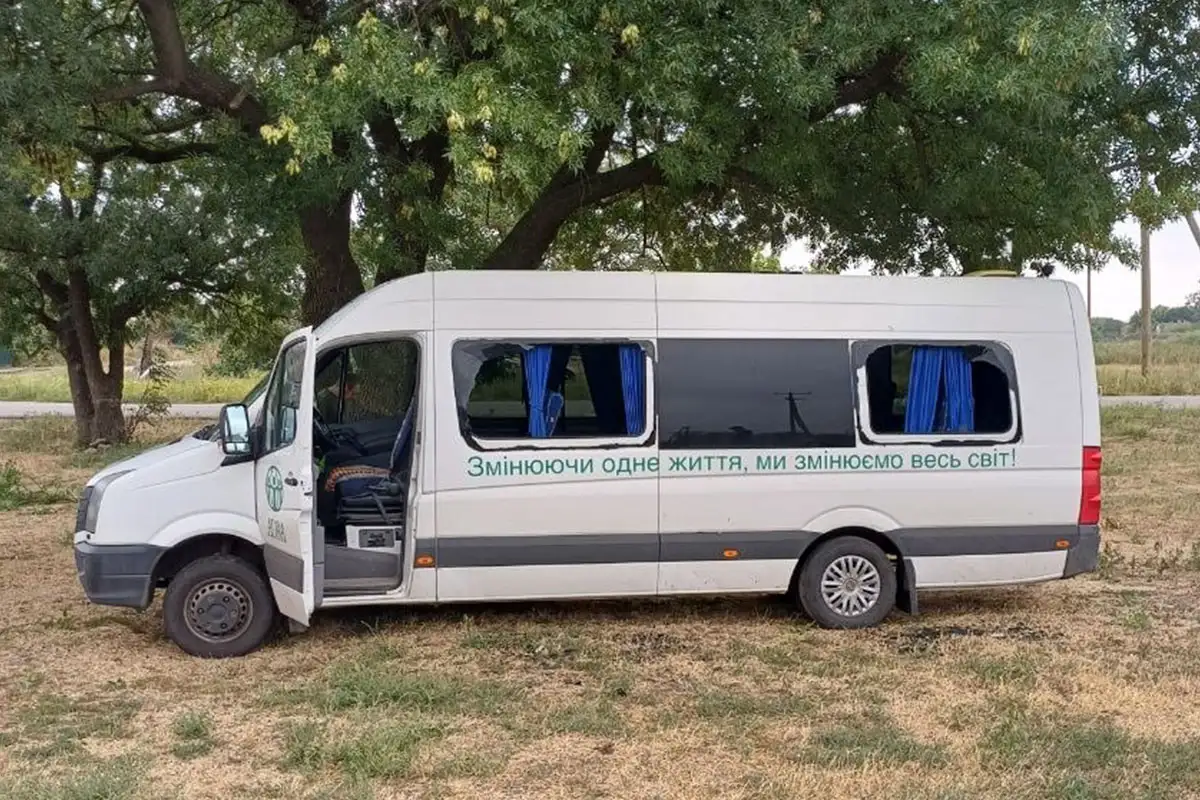
On September 14, near Myroliubivka village in the Dnipropetrovsk region, an FPV drone attacked an ADRA Ukraine bus that provides humanitarian transportation for residents of the Kherson region. At the time of ...
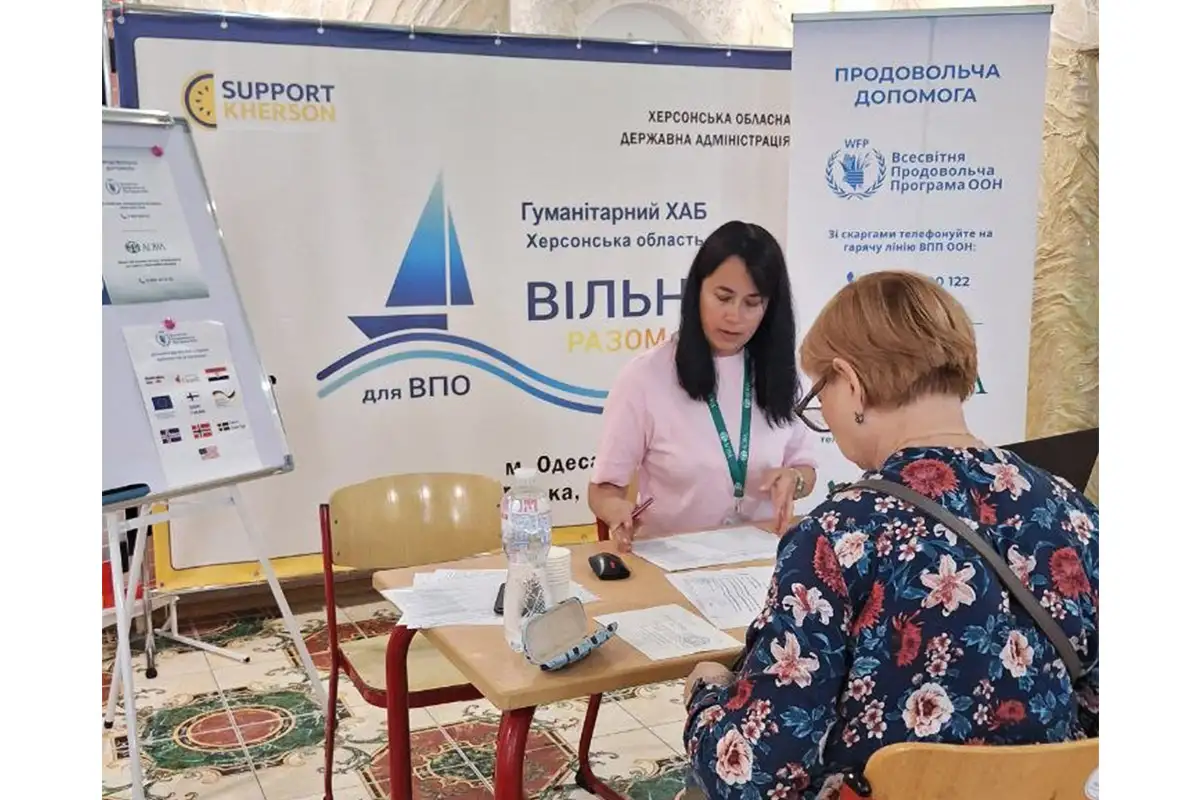
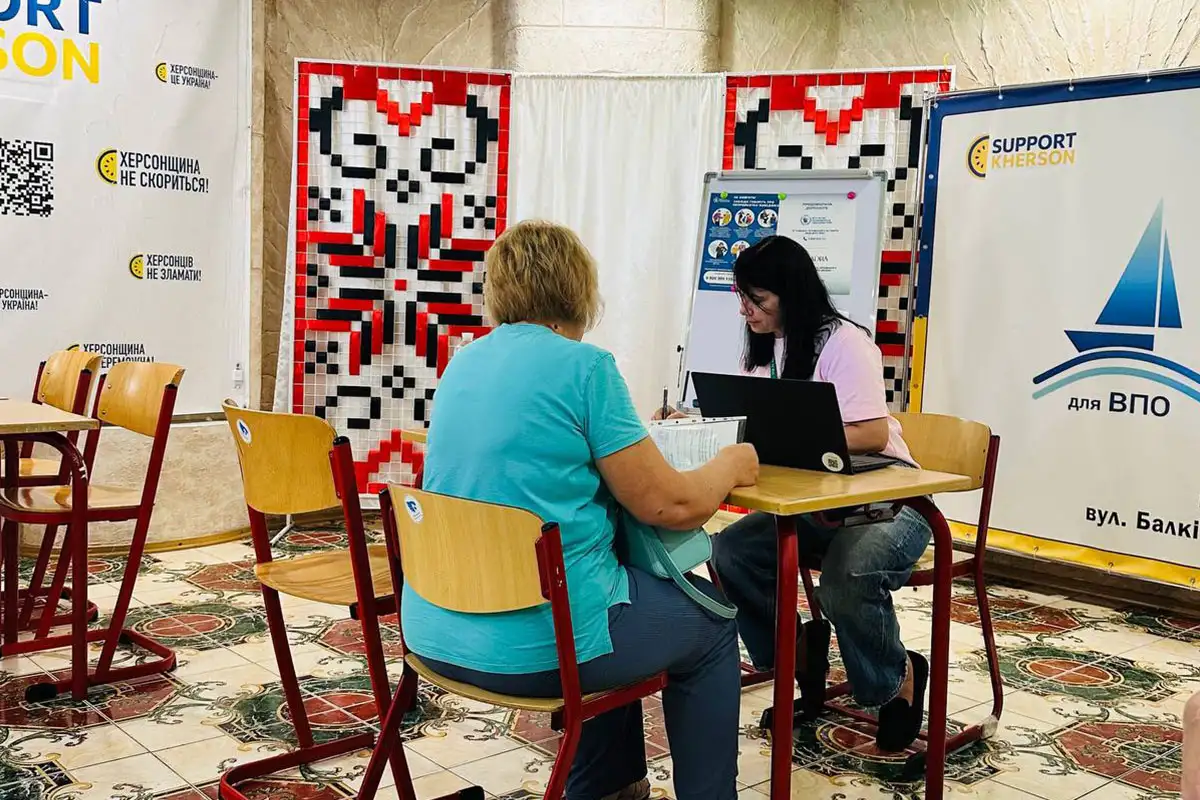
Due to the deterioration of the security situation in the city of Kherson, more and more people are evacuating the city and turning to the Kherson hub «Vilni razom» (EN: Free together) ...
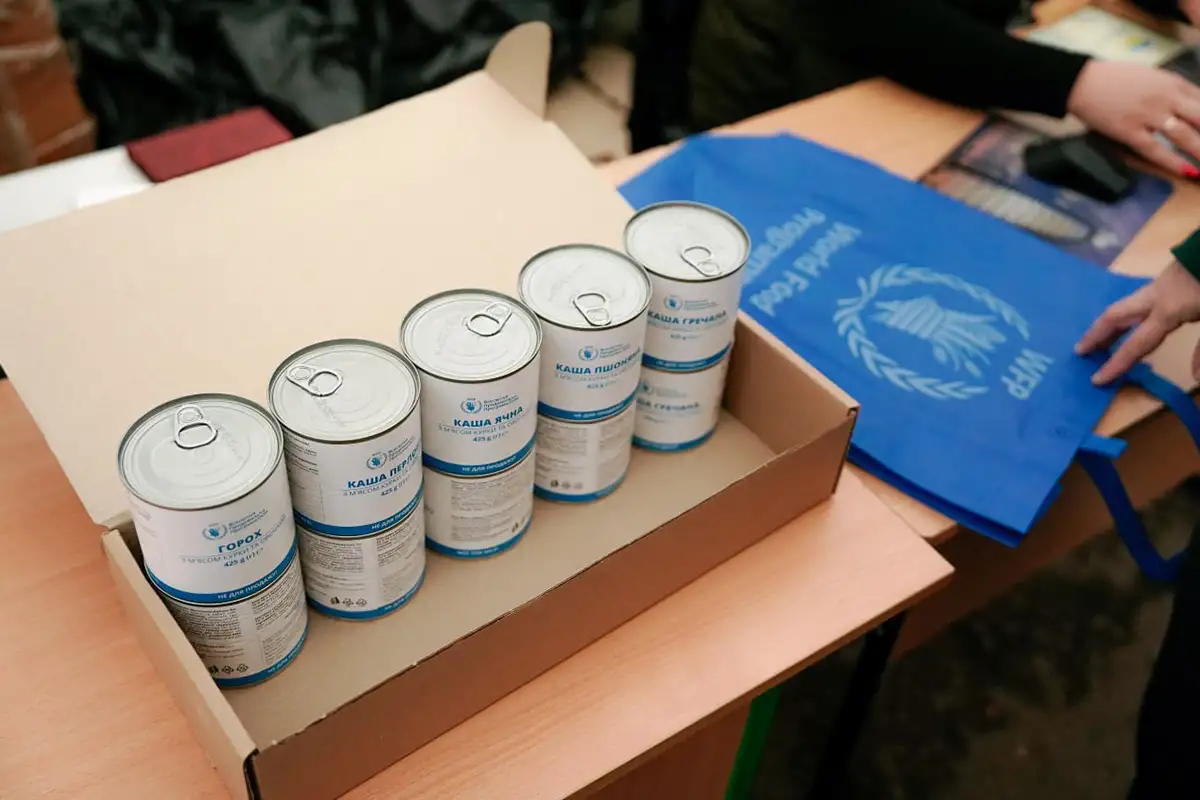
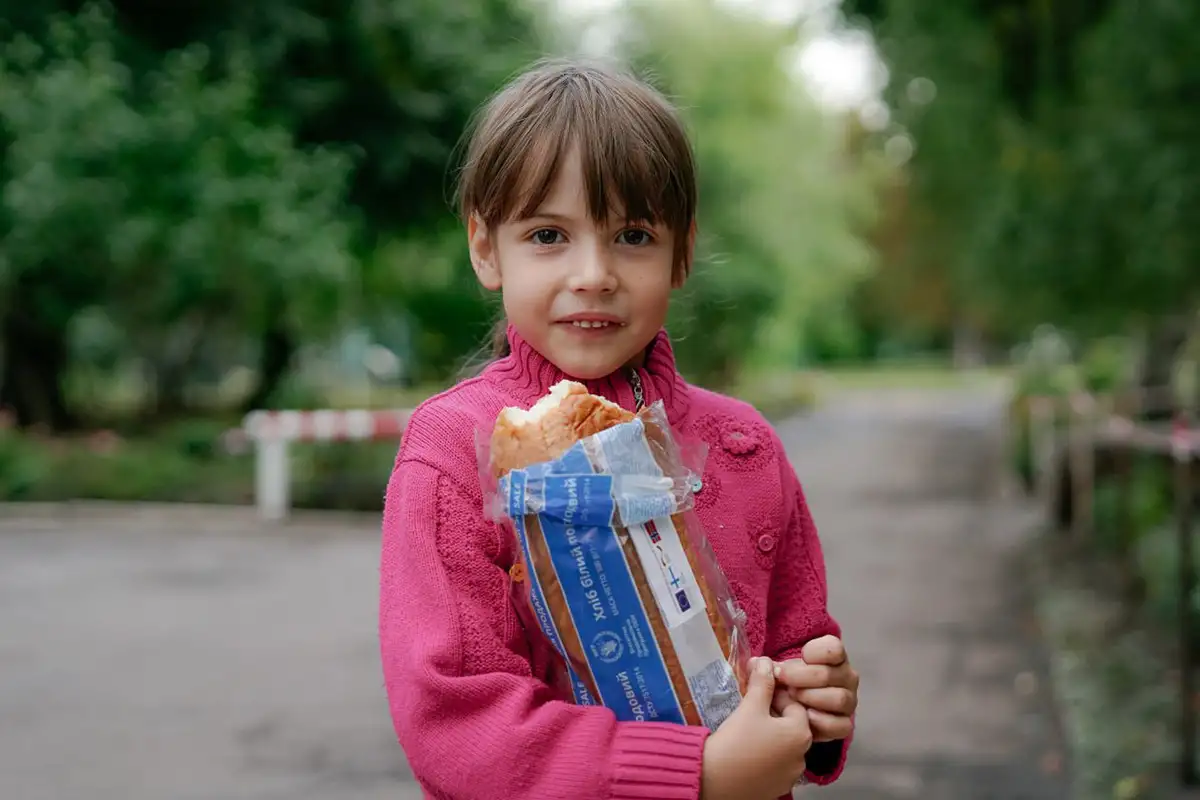
People evacuating Kramatorsk, Sloviansk and other localities in Donetsk region arrive at a transit center in Kharkiv on September 16, the ADRA Ukraine team handed them 154 ready-to-eat food kits. The peculiarity ...
Daily shelling, FPV drones, damaged bridges and roads under anti-drone nets — in such conditions, the ADRA Ukraine team delivers food aid to people who remain in the communities of Donetsk region. ...
See alpacas and llamas up close, watch deer, ostriches and peacocks, spend the whole day in the fresh air, and most importantly — relax with the parents. For seven children from the ...
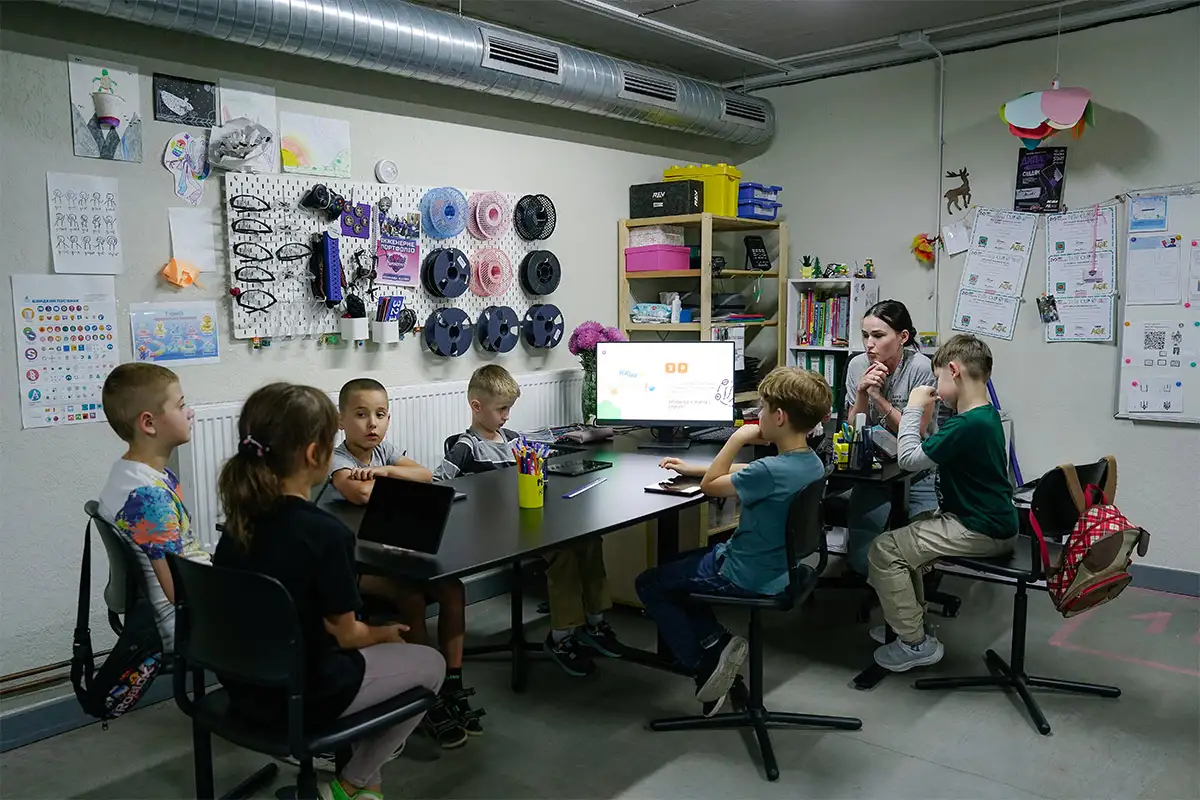
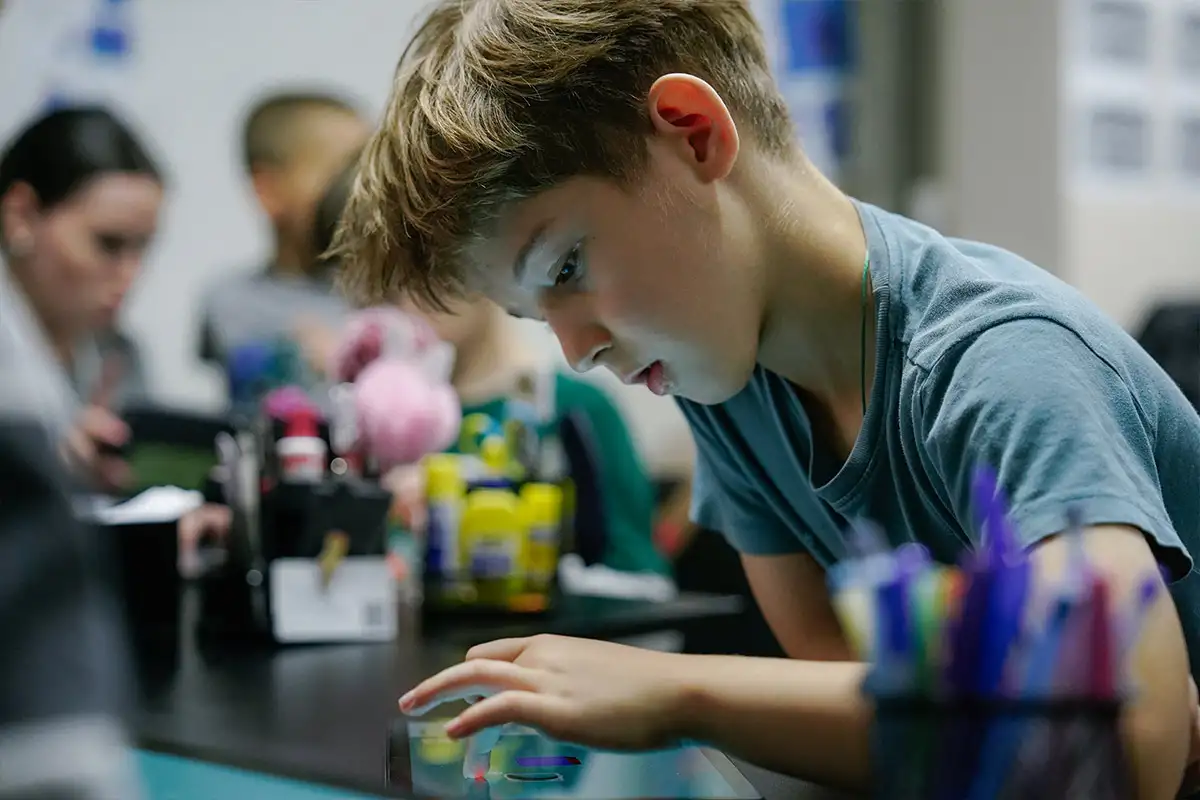
When a child is looking forward to the next class, this is probably one of the best indicators of what they are really interested in. For three months, the charity organization Save ...
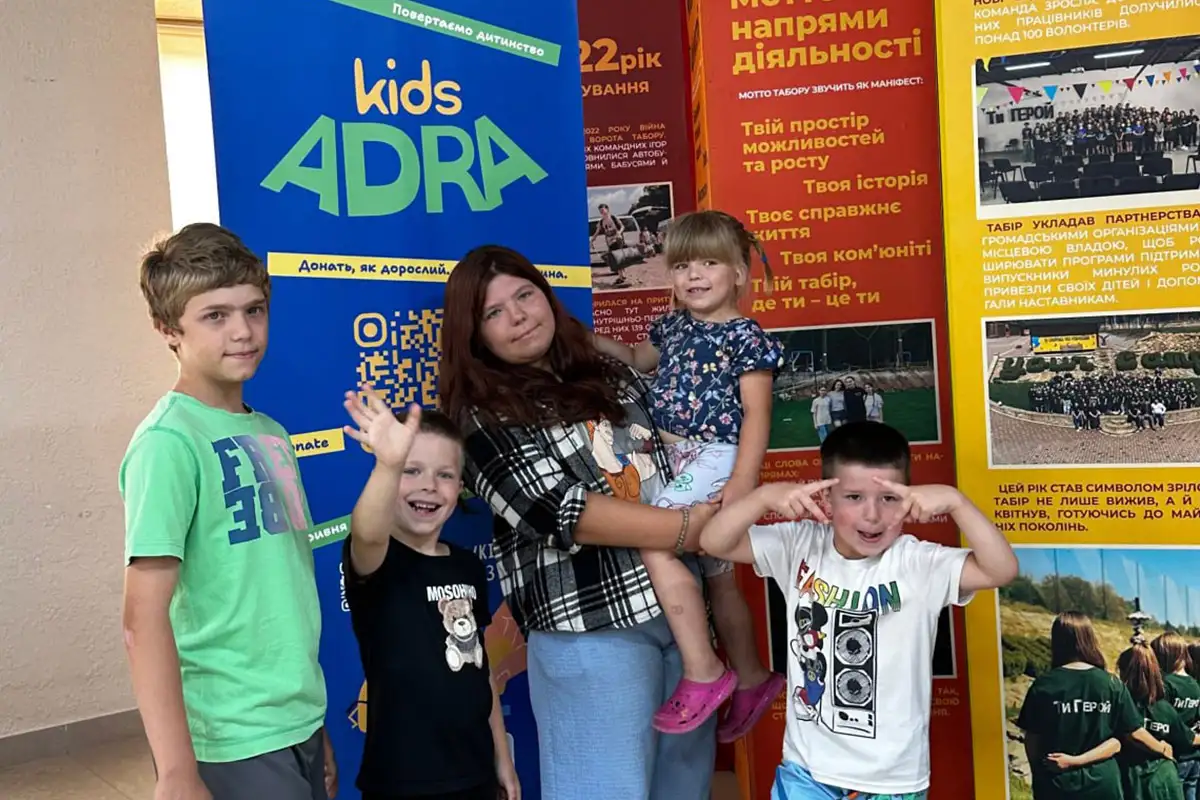
For some, a trip to summer camp is a common part of the holidays, and for some is an opportunity that might not be: to see new places, find friends, try something ...
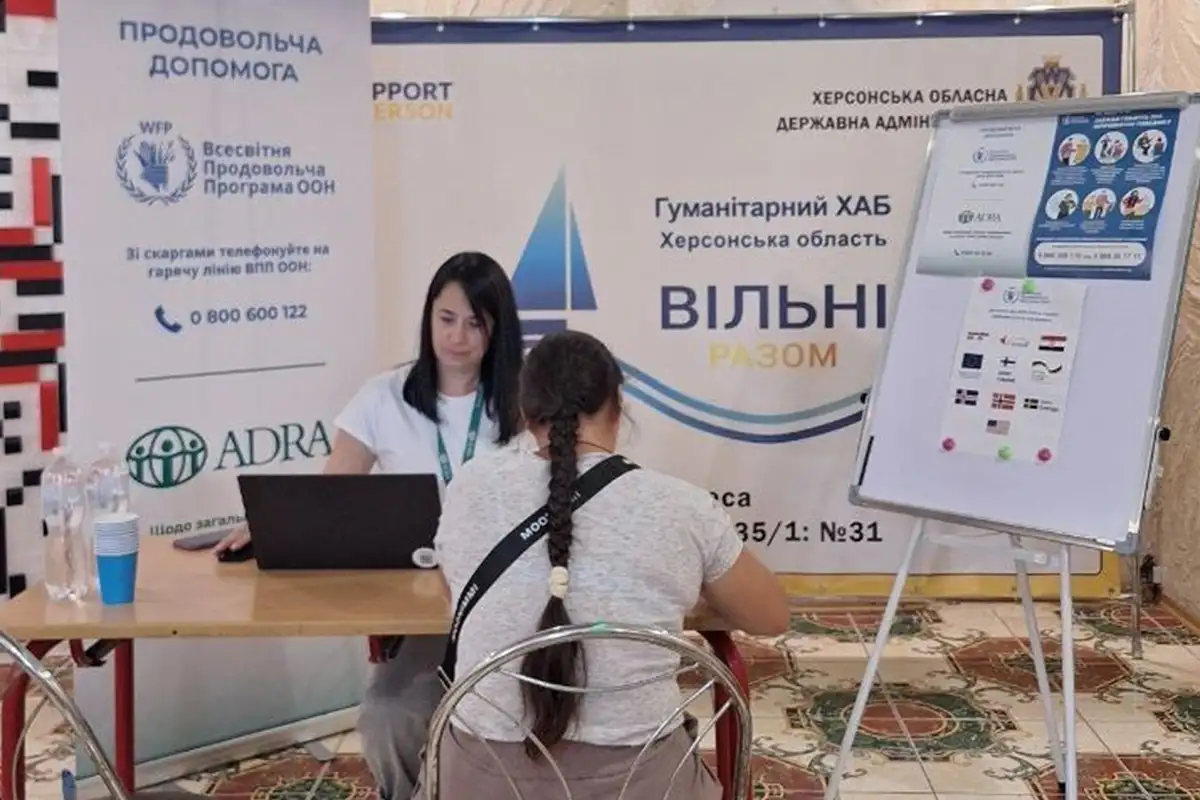
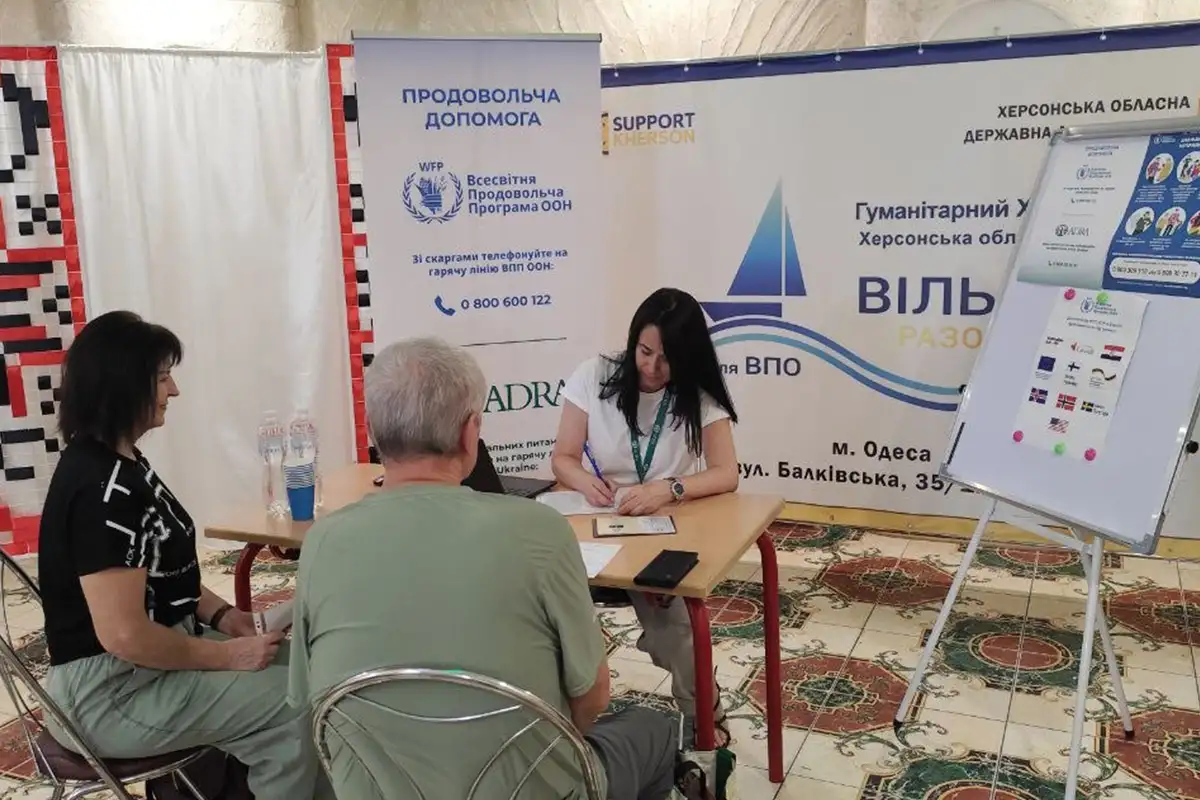
For the third month in a row, IDPs from the city of Kherson and the Kherson region, who are currently in the city of Odesa, can register for cash assistance from the ...
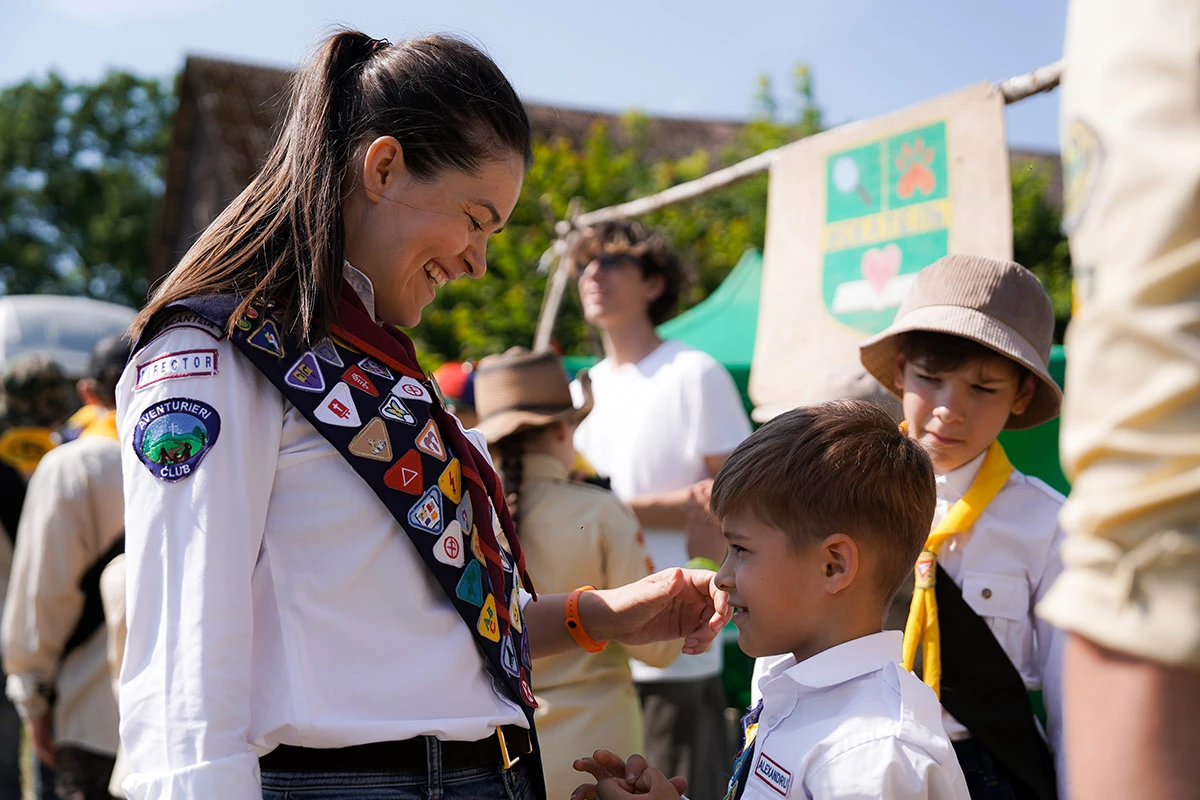
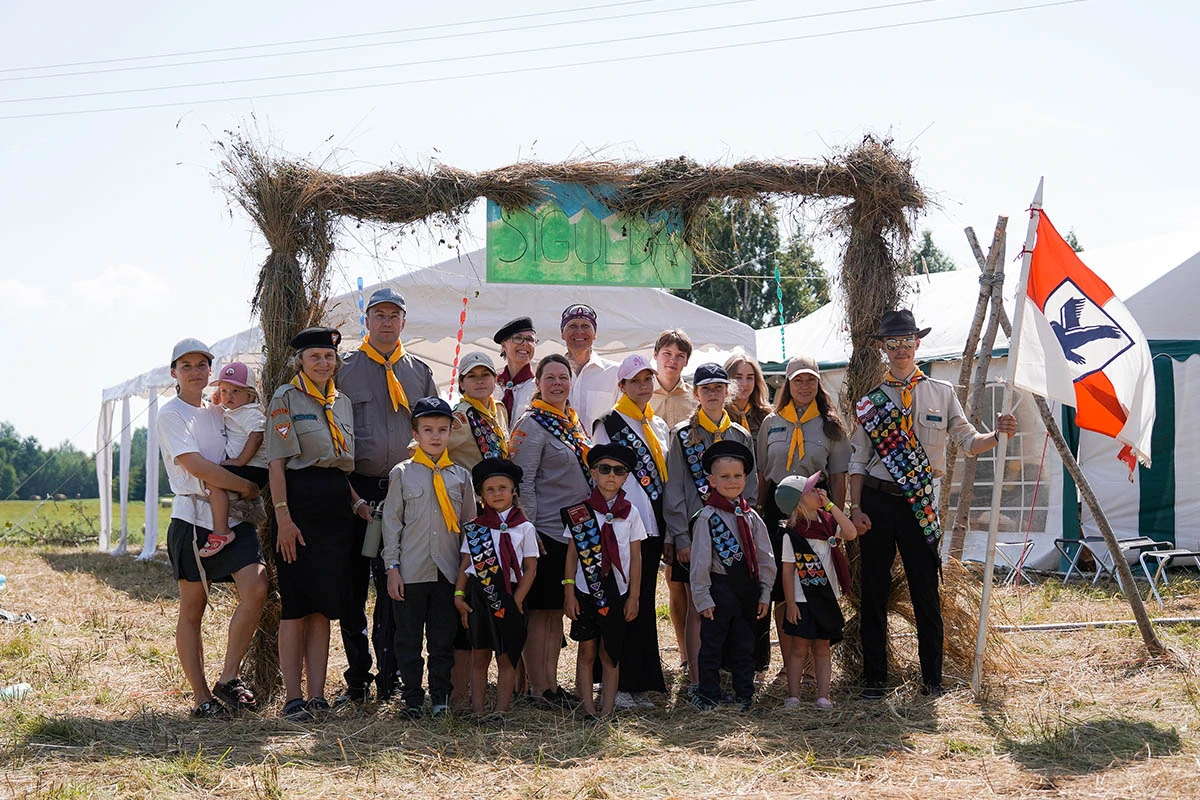
How does a humanitarian organization work, where to start assistance during a crisis and how to turn the identified problem into a specific project? This summer, children and teenagers from “The Pathfinder” ...
