



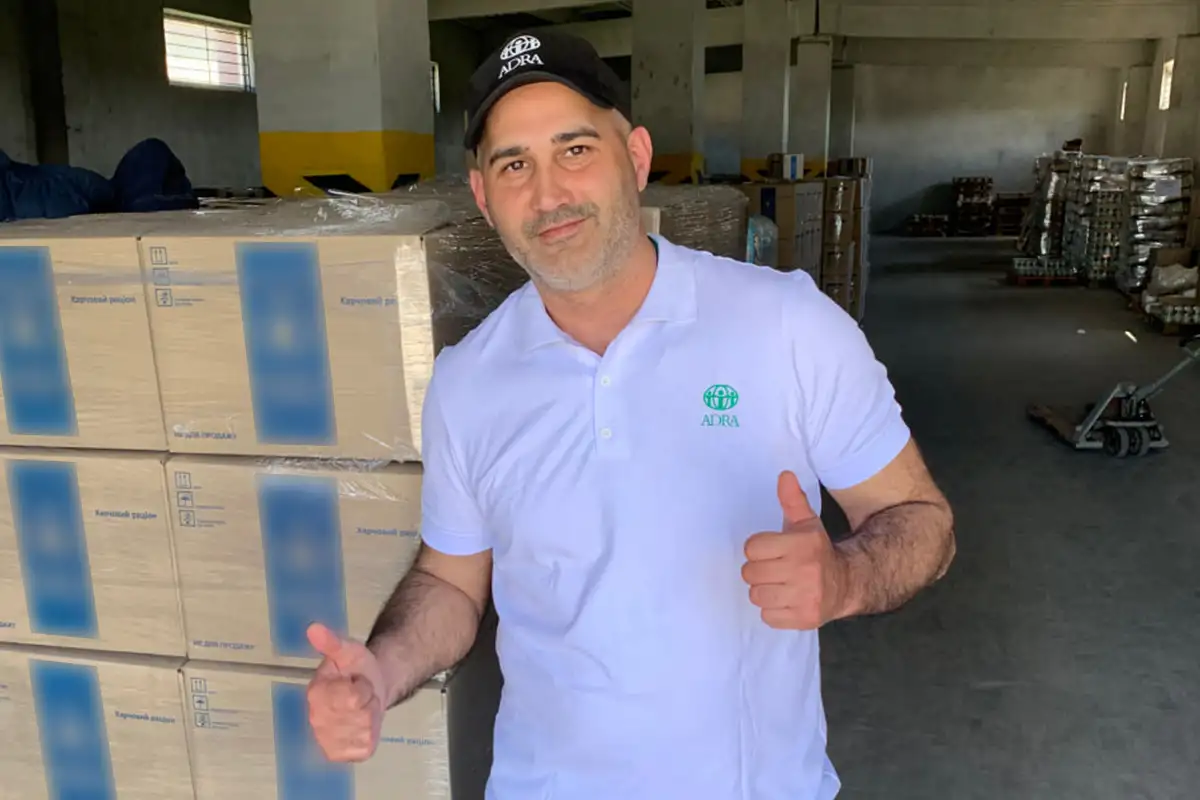
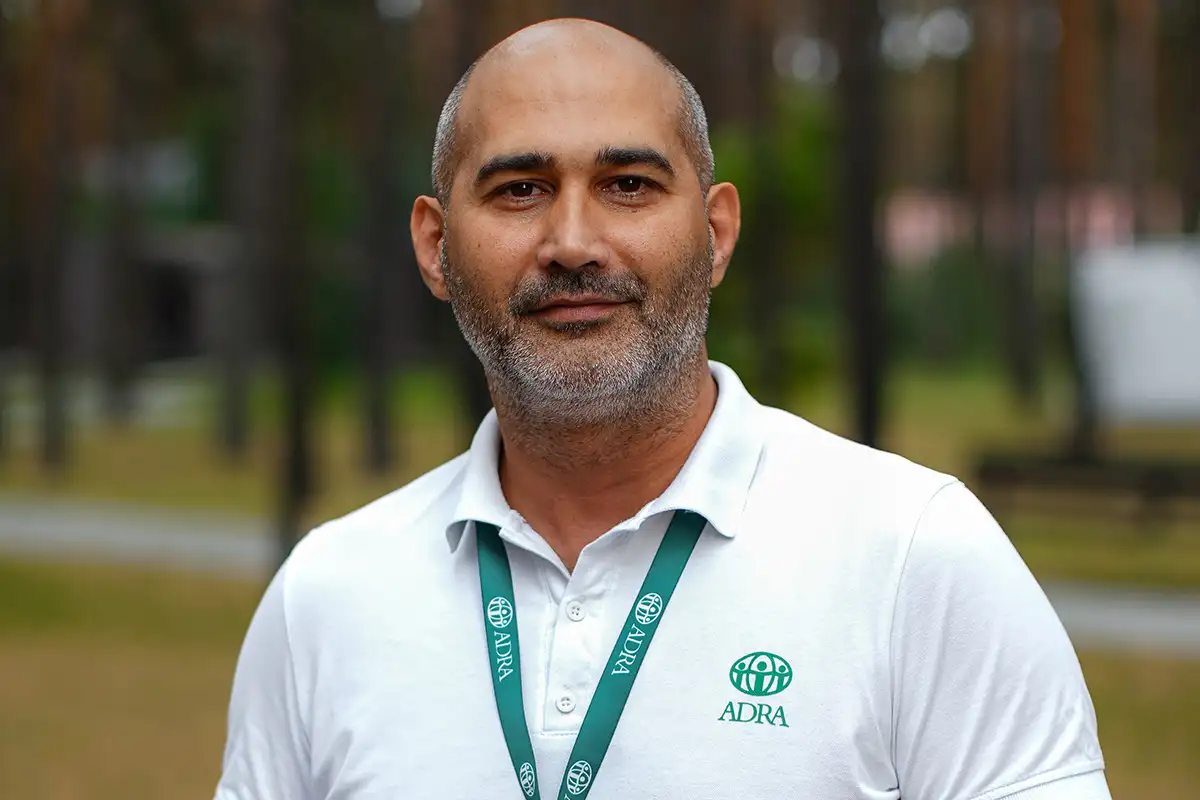
“Working in the humanitarian sphere is exactly what we should do today” – photo and videographer Dmytro Bilyi
“Working in the humanitarian sphere is exactly what we should do today” – photo and videographer Dmytro Bilyi
To shoot humanitarian stories is not only about reportage, but also about empathy, courage, endurance. Dmytro Bilyi, cameraman and photographer of the charitable organization ADRA Ukraine, talks about his professional vocation, creativity under fire, filming evacuations and the lives of people in the combat zone. And also – about why work in the humanitarian sphere gives meaning and keeps in Ukraine.
— Dmytro, tell us a little about yourself. How did you enter the profession and find yourself in the ADRA Ukraine team?
— I graduated from the Kiev National I. K. Karpenko-Karyi University of theatre, cinema and television – I studied at the film and television operator, photographer. For 17 years I have been working in a specialty. I live in the city of Bucha in Kyiv region. It was there that I met the full-scale war – the first week my family and I spent under fire, and then evacuated to Zakarpattia region to friends.
There I began to volunteer – together with other displaced persons, we received food products from ADRA Ukraine and delivered them to nearby villages. At some point I started filming – how we distribute assistance, how people live. It was such reporting content – both photos and videos. Subsequently, the PR department of the organization began to attract me, they asked me to do some more shooting. On some of the shots taken then, there is my wife and daughter – her photo is published in the reporting magazine “Protecting the heart of the nation in the war period.”
When we returned to Kyiv (it was the end of 2022), I learned about the vacancy of a photographer and videographer in ADRA Ukraine. I passed the interview – and from March 2023 I was officially in the team. For me, this is not just a job – I really found a meaning in this area that responds to my inner convictions.
— You said that you found meaning in this work. What do you think is the mission of the photographer in a humanitarian context?
— Before the war, I worked as a photo reporter in the news. And I always thought that military photographers had the most extreme and interesting kind of shooting. It looked difficult, but at the same time romantic – as if you can show yourself, earn more, show professional qualities. But when the war came to my house, such a vision collapsed. My family and I were locked down in Bucha. My daughter was only two years old. We lived in the basement for a week, trying to find a safe escape route. And only on March 4 managed to leave. I then saw the true face of the war and became convinced that there was nothing romantic about it. After that, I never looked at the war as something “interesting to shoot.” War is about pain, fear and loss…
And when I began to cooperate with ADRA Ukraine, I saw how humanitarian aid really changes people’s lives. And I realized: I can be useful. I have had periods in my life when I was either engaged in documentary, or news, or even filmed a wedding. But now, during the war, the humanitarian sphere – I think this is exactly what to do. My camera is a tool to bring people’s stories to the world. And it became a real mission: to help through my profession. That’s what keeps me here in Ukraine. I don’t want to go – I want to be part of a common cause that brings the victory closer.
— What exactly do you shoot in your daily work?
— 90% is reporting. I take photos, videos, make short stories. The first is reporting to donors. This is a mandatory part. But at the same time, it is a way to show the world that humanitarian aid is really reaching the people who need it. That this support is still very much needed.
It is important for me not only to record the event, but to convey the history of a person. If this is, let’s say, the issuance of food kits – then I try to show who these people are, how they live, what conditions they have. I often interview them to gather information for future projects. In the frame – not just a portrait, but the circumstances of life, background, details that tell more than words.
Especially I remember the filming of evacuations – when we took people out of the city of Ukrainka (Kyiv region) and the towns near Kurakhovo and Selidovo (Donetsk region). They were sick and disabled people. They were sometimes on wheelchairs, sometimes they were carried out of houses in arms of volunteers, with things, with pets – cats, dogs. We helped them go to safer regions. Now these cities, from where we took people out, are either already occupied, or the enemy has come very close.
I also remember many shootings in the Donetsk region, in cities such as Liman, Slavyansk, Kramatorsk, where social transport transported people from remote villages to cities where infrastructure operated. These are mostly elderly people who have not left the home. Our drivers work there, and they take risks every day, but they make their lives a little easier. To shoot such stories is not about spectacular shots, but about human dignity, which you want to preserve.
— It’s a very stressful job. A lot of road, yes?
— Sure. Only in trains for 2024 did I spend 20 days – this is excluding car trips. Sometimes I drive myself, sometimes with someone from the team, it happens – I use BlaBlaCar. But most of all is the railway. Ukrzaliznytsia (Ukrainian railroad system) is now at its best – both comfort and schedule. I wonder how well its infrastructure works in such conditions.
— How do you stand it? Are there times when it’s too heavy?
— Often. For example, when we were in Zaporizhzhia, guided aerial bombs fell near us. We were just filming the issuance of building materials, and nearby the evacuation of the wounded and dead began. Such situations leave a mark. After some filming – we can’t eat anything, can’t drink, and are silent for hours.
And it happens differently – when you go to an interview, and you choose people with the most painful stories. In a day I can talk to ten, and almost everyone – with tears. We pass it all through ourself, and in the evening we just want to talk only to a psychologist. Such emotional stress is part of this work.
— How do you recover?
— Nature. Daughter. Family. The best rest for me is somewhere in nature. The Zakarpattia mountains then, in 2022, gave me the feeling that I was still alive. And still, when I want to recover, I go to the forest, just walk, listen to silence.
— Tell us a little bit about the technical side. What technique do you work with and what is important for you in shooting?
— When I joined the ADRA Ukraine team and realized what my task would be, I asked what I needed for quality work. The PR department took this seriously. Everything needed to work in the field was purchased. Now I have high-quality, professional equipment – exactly the one that can withstand rain, dust, blows – everything you encounter in locations. For reportage photos and videos, the technique is critical. This is not a studio, here you do not have the right to many takes. Everything should be mobile, fast and reliable. And, of course, this technique is not cheap. But this is a tool through which you can do your job qualitatively.
— What about creativity? Do you have space for it, or does everything dictate the situation?
— For me it is very important. I am generally a creative person. I love art, I am inspired by painting, cinema, the works of great directors. And I try to use their techniques in my work. I constantly try to bring something of my own to each shooting – from composition to lighting. That is, I try to make the percentage of the creative component greater than the percentage of the technical-routine one. Sometimes there are locations where, it seems, you will not remove anything interesting. But even then I try to find an angle, detail, face, which will make the frame expressive. When possible, I make a series of frames, stories. To have not just a photo from the “transfer of assistance,” but a certain visual narrative. It is important for me to convey the essence. Therefore, I often say: photography should have its own direction. This is about how to fix an emotion, a meaning, a moment that will say more than words.
— Are there any shots you are particularly proud of?
— There are series to which I return from time to time. For example, a shooting in the village of Novohryhorivka in the Mykolaiv region. There were almost no whole houses left – everything was completely destroyed. And there were a lot of artifacts of war – fragments of missiles, shells… We filmed grandmothers who were preparing for winter, and had nothing to cover the roof. I was there three times – and each time the shots came out strong, real.
Another memorable moment is the city of Kupyansk in Kharkov region. Very close to the front, a lot of destruction, tension in the air – but also a lot of humanity and strength. There were also powerful photos.
Also is the story of a boy somewhere near the city of Izyum: he sits in a car among boxes of humanitarian aid, and his eyes are extremely expressive.
I remember the day when I arrived at the Okhmatdyt Children’s Hospital in Kyiv. I was just nearby – with a camera. I knew that ADRA Ukraine went there with the first aid team. I arrived at the place immediately after the strike. There were many people – both children and adults, doctors, volunteers who dismantled the rubble. This shooting was very emotional – just in the first minutes after the tragedy. We then shot a short video. In the frame there were both wounded and, unfortunately, dead. Not all photos we published – some are too heavy. But several posts from this series are on Instagram. This is one of those shootings that are not forgotten – it is about the true cost of war.
Another memorable series is the shooting in the city Kharkiv, when there was a threat of occupation of the city. That was last spring (2024). I was sent there to show how the city lives in these anxious days. The one Kharkiv man took me to different locations, we recorded a lot – both anxiety and resilience. People then were very worried that the city could be captured at any moment. This series is also important for me. We often return to it when we need shots about Kharkiv. It’s very eloquent.
— What about the ethical side of filming? For example, I heard the story of one famous photograph: the photographer Kevin Carter in Africa in the 90s filmed hunger in South Sudan, and filmed a child who fell from hunger, and how a vulture was waiting for her death. The picture helped in raising funds for African children, but also caused discussions whether shooting in such a situation is ethical. And do you have moments when you hesitate – to shoot correctly or not?
— There are. And they’re not easy. One man told me that at the beginning of the war he received a humanitarian aid – and he was very ashamed when he was removed with a box in his hands. And although I try to shoot carefully, with respect, such stories are thought-provoking. Of course, we do not have such extreme shootings, where it is necessary to save someone instead of shooting. But there are emotionally difficult shooting. I used to work as a news operator on news channels, it is customary to shoot some stories at any cost. Reporters, correspondents have a certain professional deformation in this regard. We have not. I always try to balance, not to get into the face, not to shoot where a person is uncomfortable, but rather to “catch” the moment from the outside. But difficult situations, where there is a fine line, still happen.
— You mentioned that your shots are sometimes taken by international partners. Does it really work?
— Yes. Although it is not always immediately noticeable. This is the teamwork of our PR department. We constantly publish reports, photos, stories – and ADRA offices in other countries see it. International organizations, such as the UN World Food Programme, often take our shooting. Our photos live their lives – somewhere in reports, somewhere in publications. And they really affect.
Because if something happened, and this was not filmed or told – sometimes it seems like it did not happen. In the age of visual information, a camera is a tool no less important than logistics.
— And finally: what would you advise those who want to work in this area?
— First of all – to understand why you do it. Motivation must be honest, otherwise you will not stay long. Then – do not be afraid. Undergo safety and first aid trainings. And – always have a camera at hand. Shoot, notice, capture moments of life. That’s really important.
Photo by Dmytro Bilyi
You can see the fullsized photos by the following link:
link
Tags
Share this publication
Our social networks
Categories
Last news
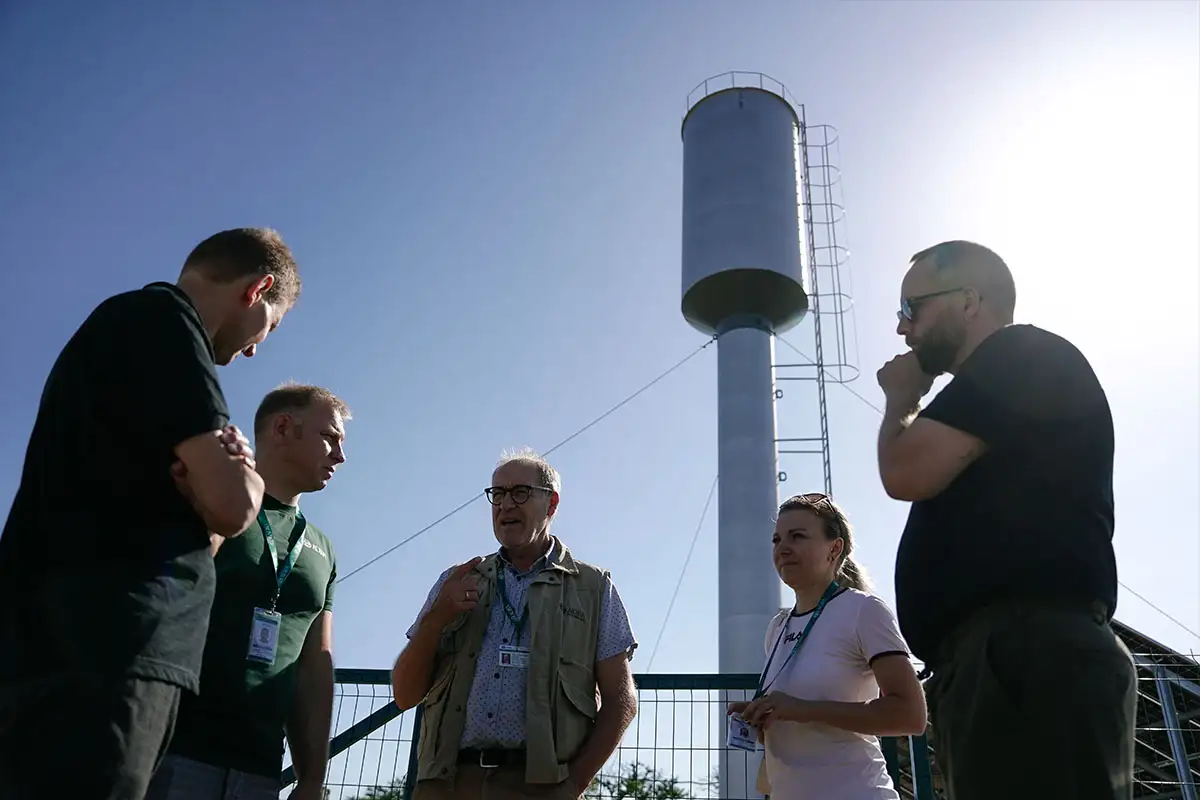
Restoration of educational and medical institutions, access to drinking water and shelters, as well as support for the initiatives of the communities themselves, these directions of the new project were discussed during ...
Please find below the Summer 2026 ADRA Ukraine Newsletter. You can download the newsletter at the following link: Newsletter – Summer 2026
Restoration of educational and medical institutions, access to drinking water and shelters, as well as support for the initiatives of the communities themselves, these directions of the new project were discussed during ...
Please find below the Summer 2026 ADRA Ukraine Newsletter. You can download the newsletter at the following link: Newsletter – Summer 2026
Psychological and legal consultations for people throughout Ukraine and assistance with heating for 150 IDPs in Zaporizhzhia region — will combine such areas with the new ADRA Ukraine project, which started in ...

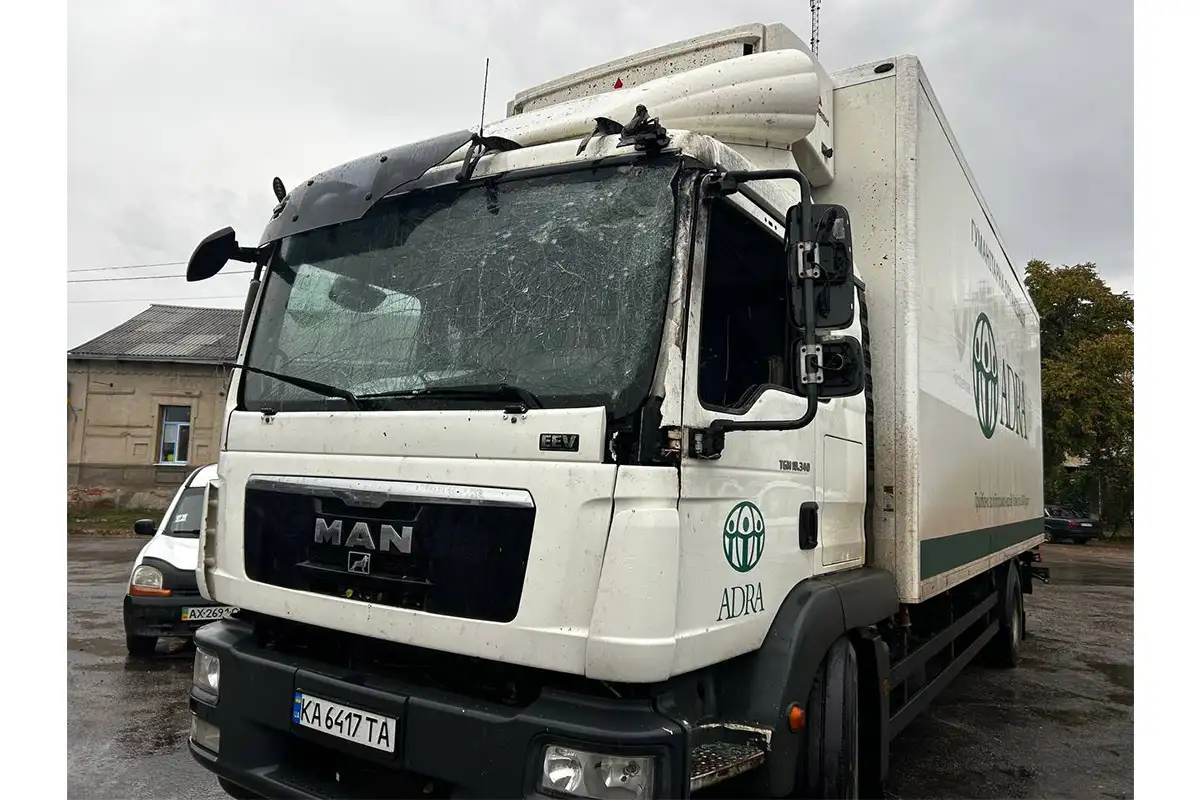
On September 23, an incident with an FPV drone occurred in the village of Zolochiv, Kharkiv region, during the distribution of food aid. Due to the team noticing the danger in time ...
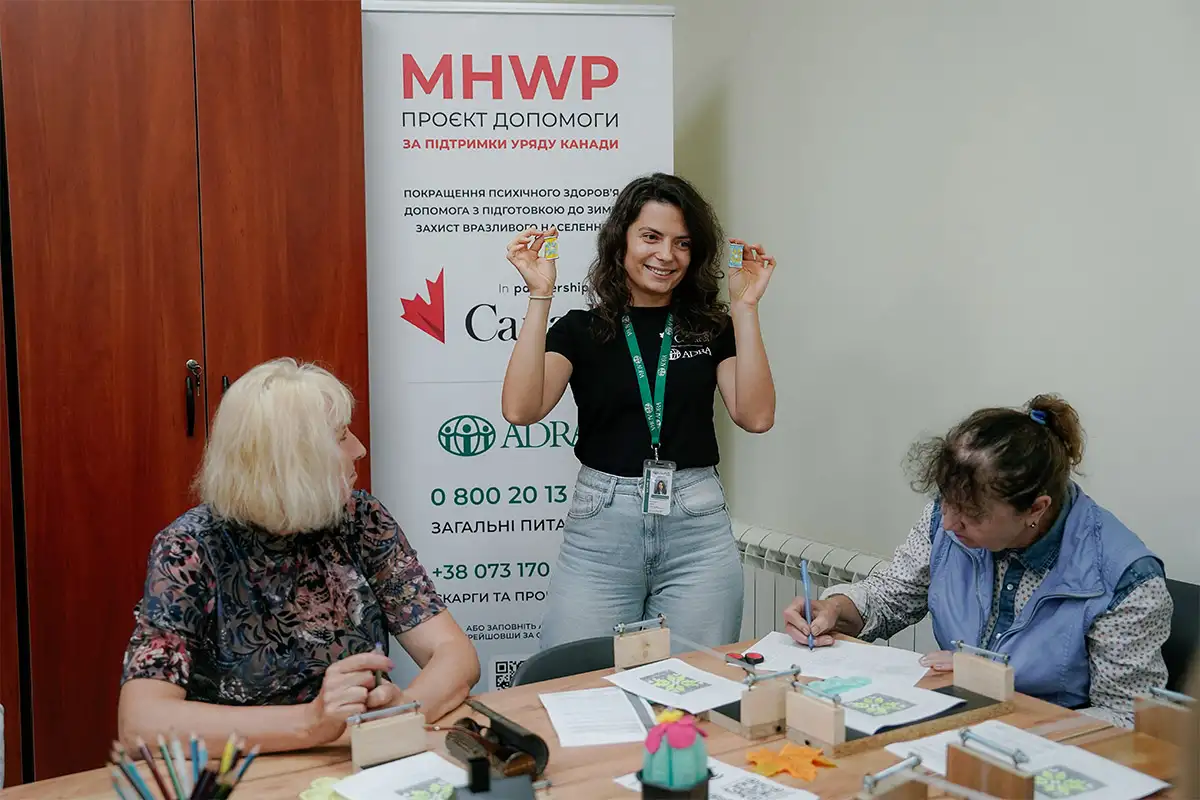
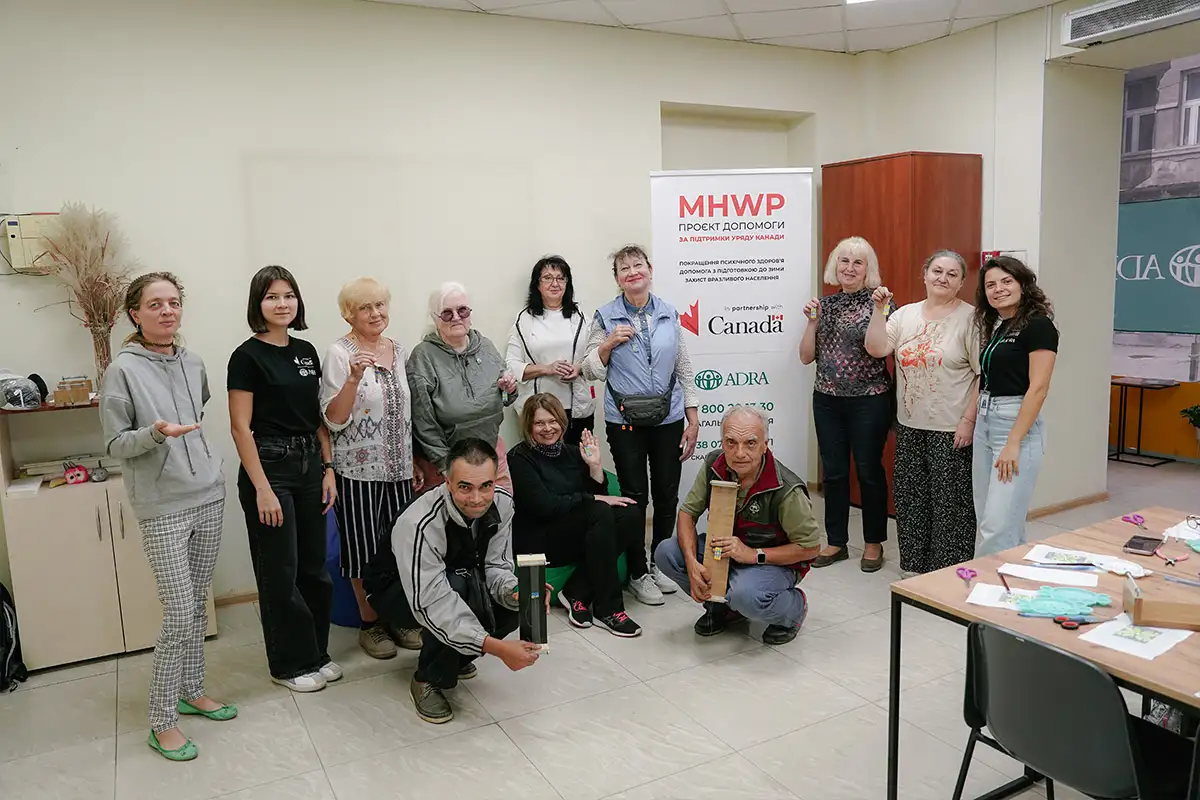
Focusing on small beads, choosing colors and gradually seeing the result of your own work — a creative activity held at the Protection and Support Center of ADRA Ukraine in Kharkiv. It ...
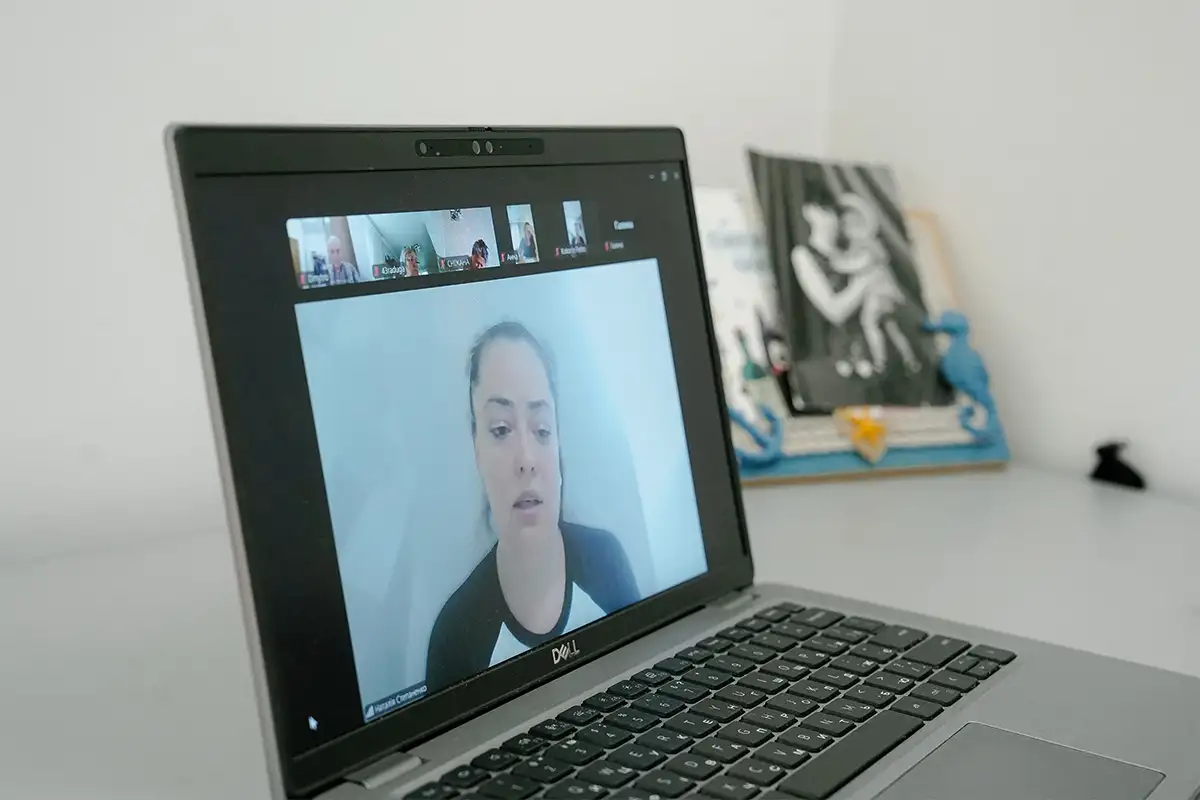
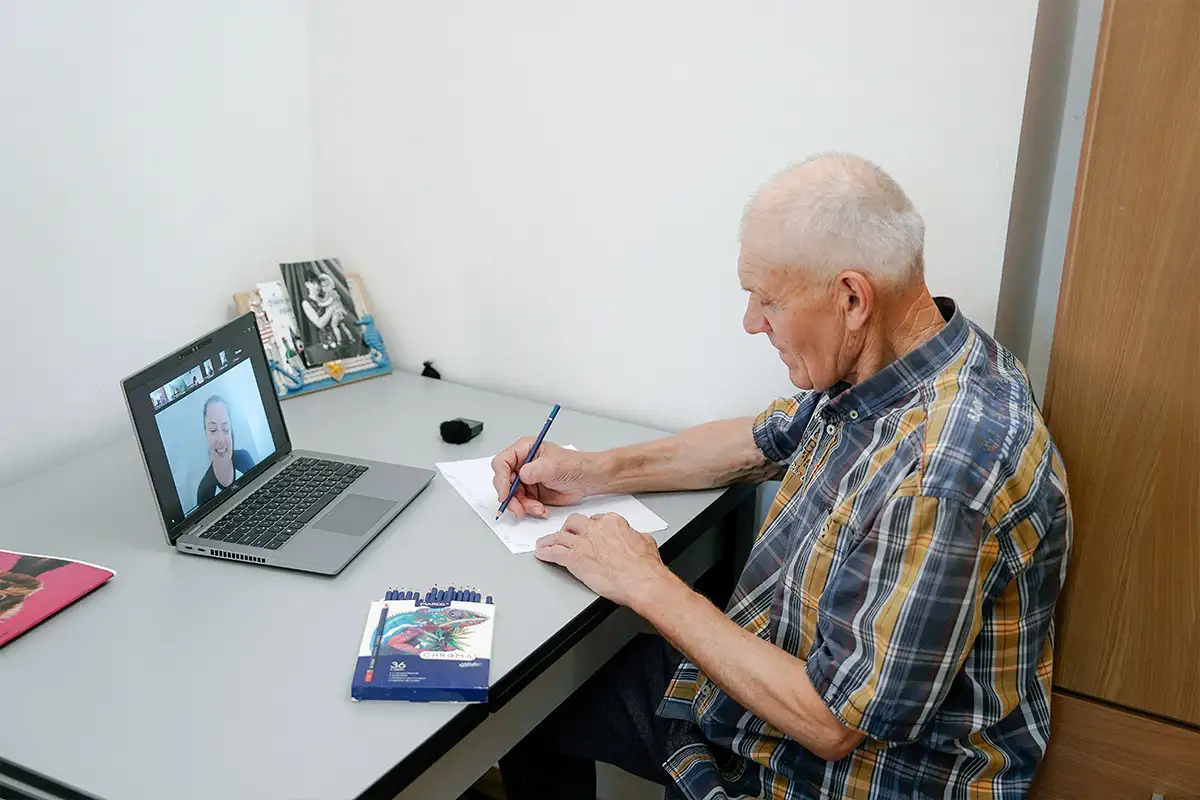
How to notice your own emotional state, cope with internal tension and find available ways of self-support? A series of online group events within the “JPF7” project was devoted to this. During ...
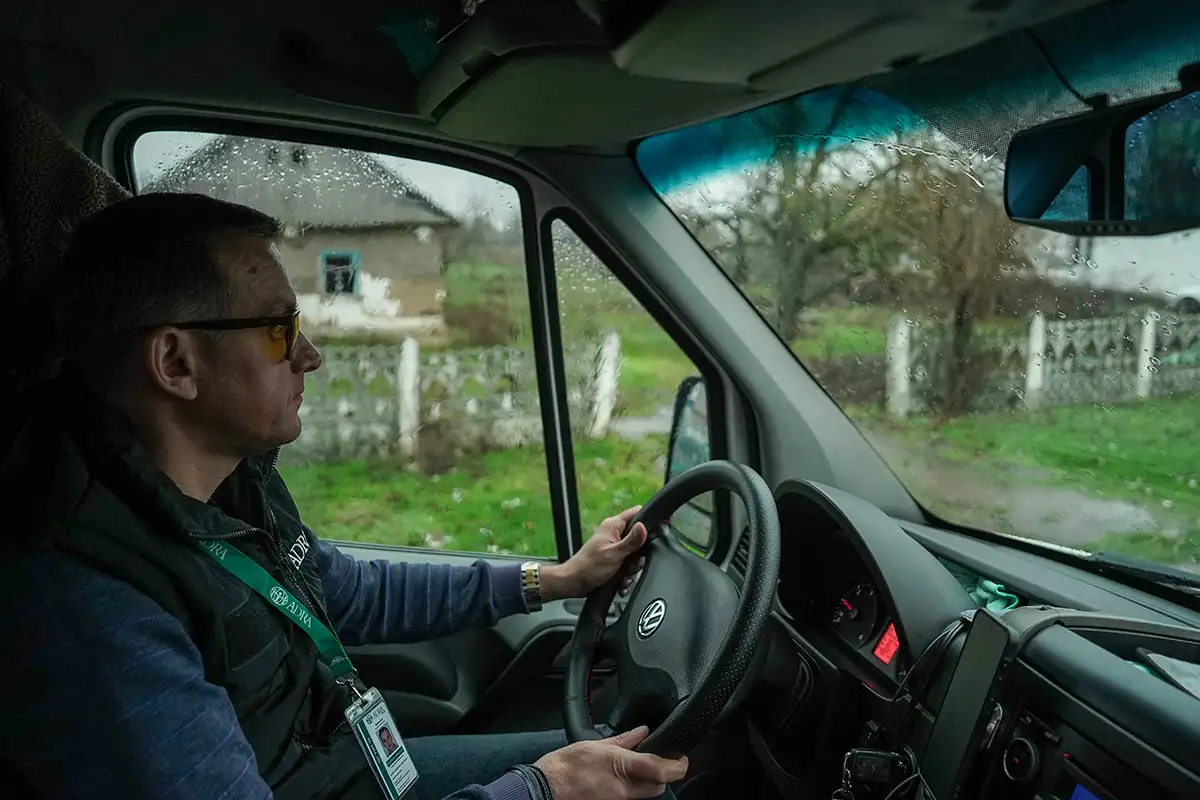
ADRA Ukraine stops humanitarian transportation in the Kherson and Zaporizhzhia regions due to high security risks on the routes. At the same time, transportation within the “REACT” project will continue in the ...
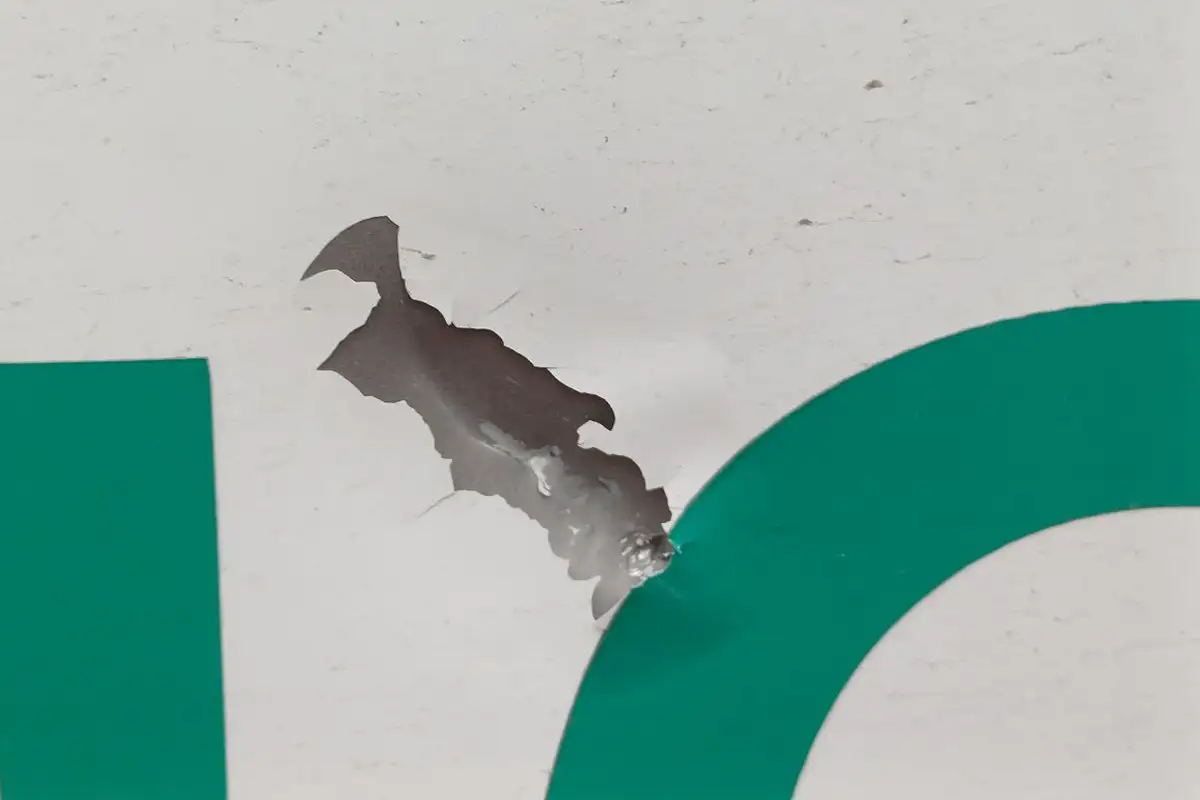
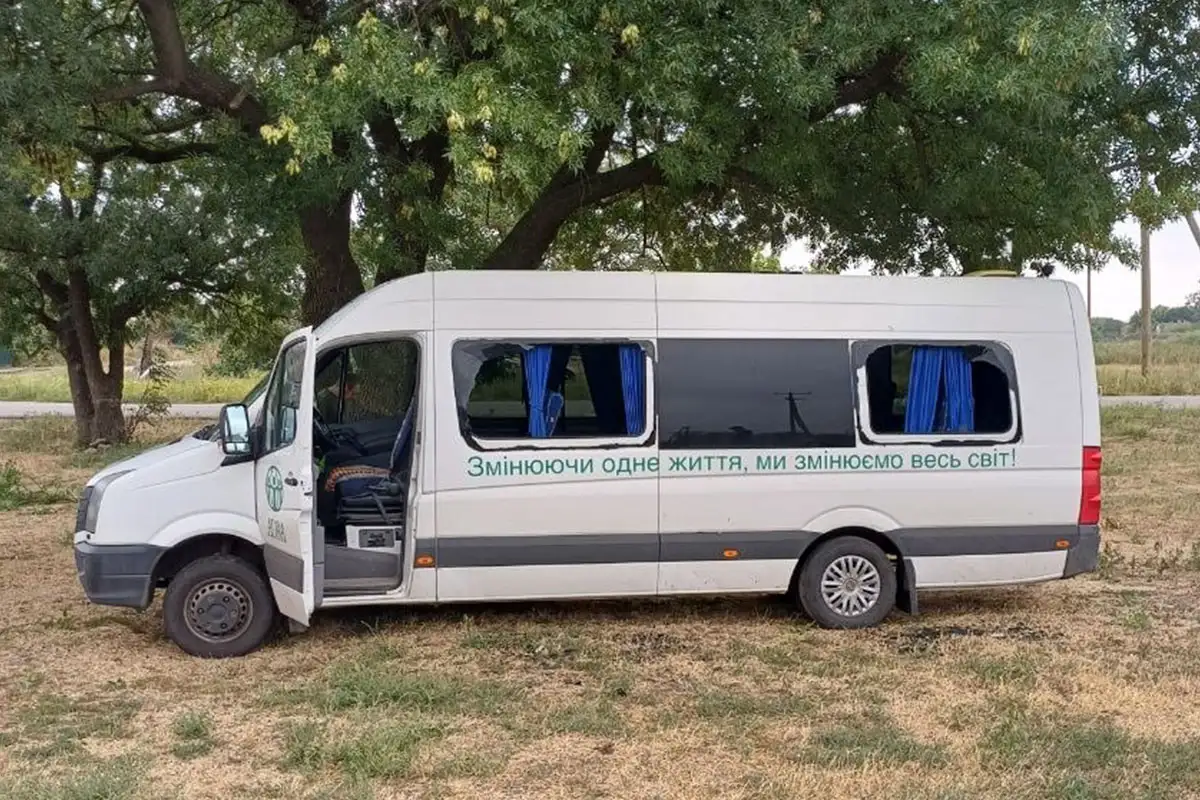
On September 14, near Myroliubivka village in the Dnipropetrovsk region, an FPV drone attacked an ADRA Ukraine bus that provides humanitarian transportation for residents of the Kherson region. At the time of ...
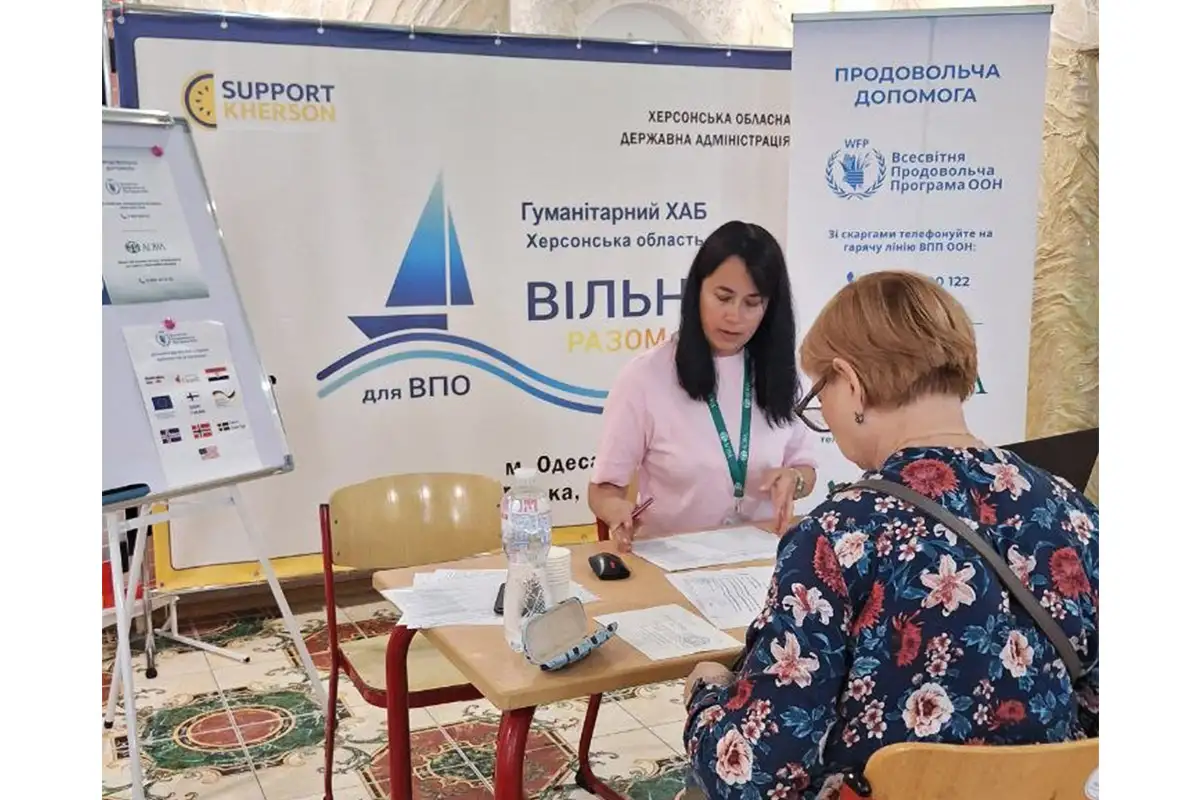
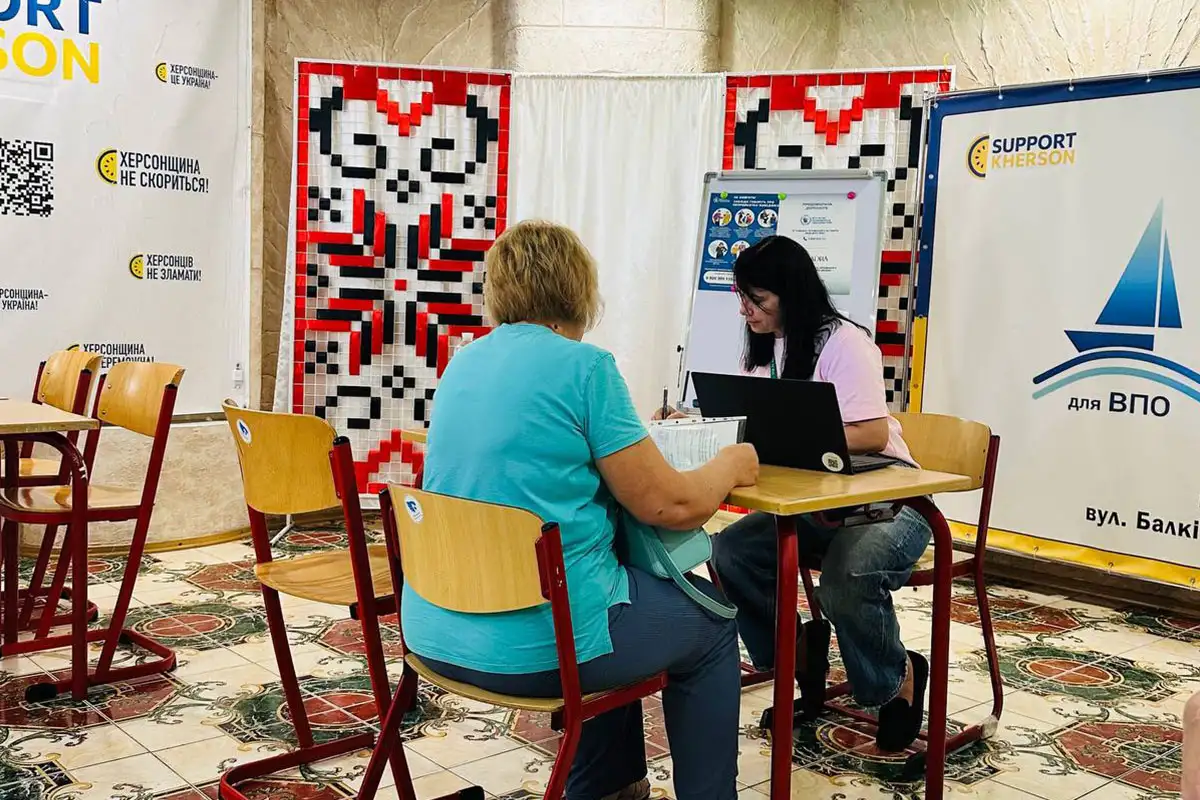
Due to the deterioration of the security situation in the city of Kherson, more and more people are evacuating the city and turning to the Kherson hub «Vilni razom» (EN: Free together) ...
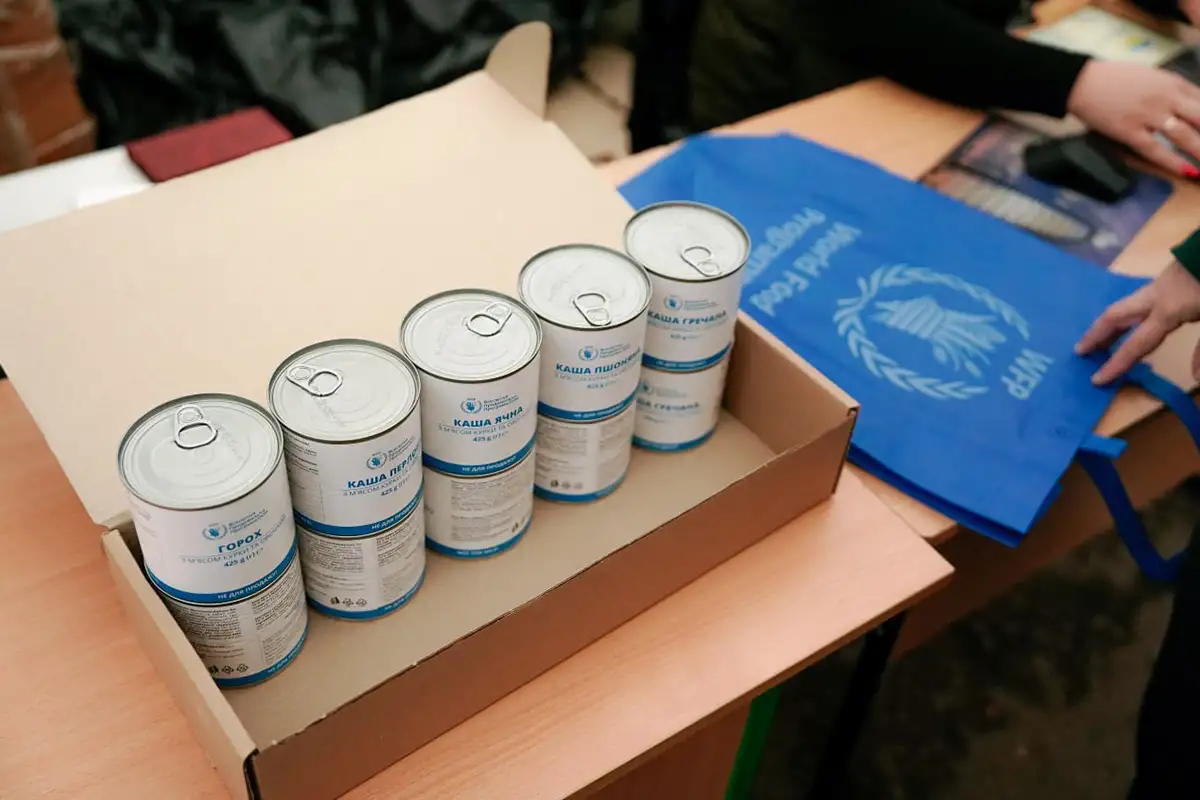
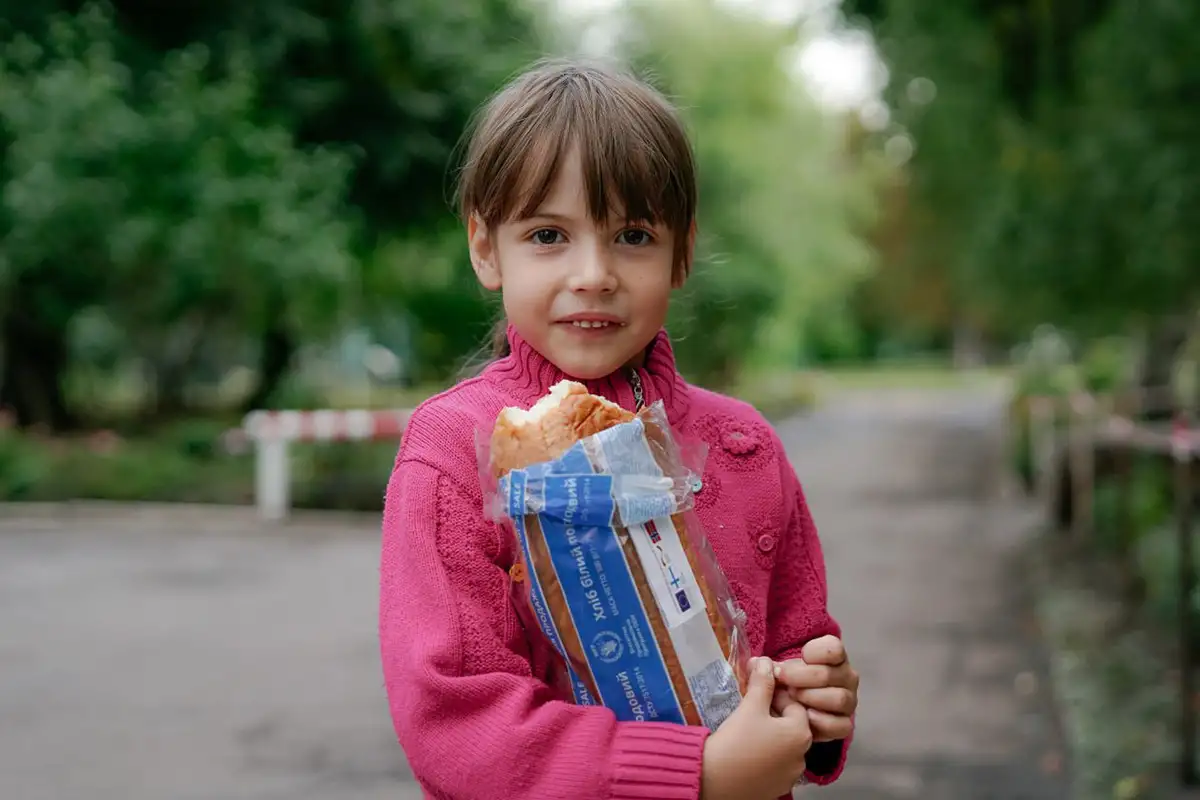
People evacuating Kramatorsk, Sloviansk and other localities in Donetsk region arrive at a transit center in Kharkiv on September 16, the ADRA Ukraine team handed them 154 ready-to-eat food kits. The peculiarity ...
Daily shelling, FPV drones, damaged bridges and roads under anti-drone nets — in such conditions, the ADRA Ukraine team delivers food aid to people who remain in the communities of Donetsk region. ...
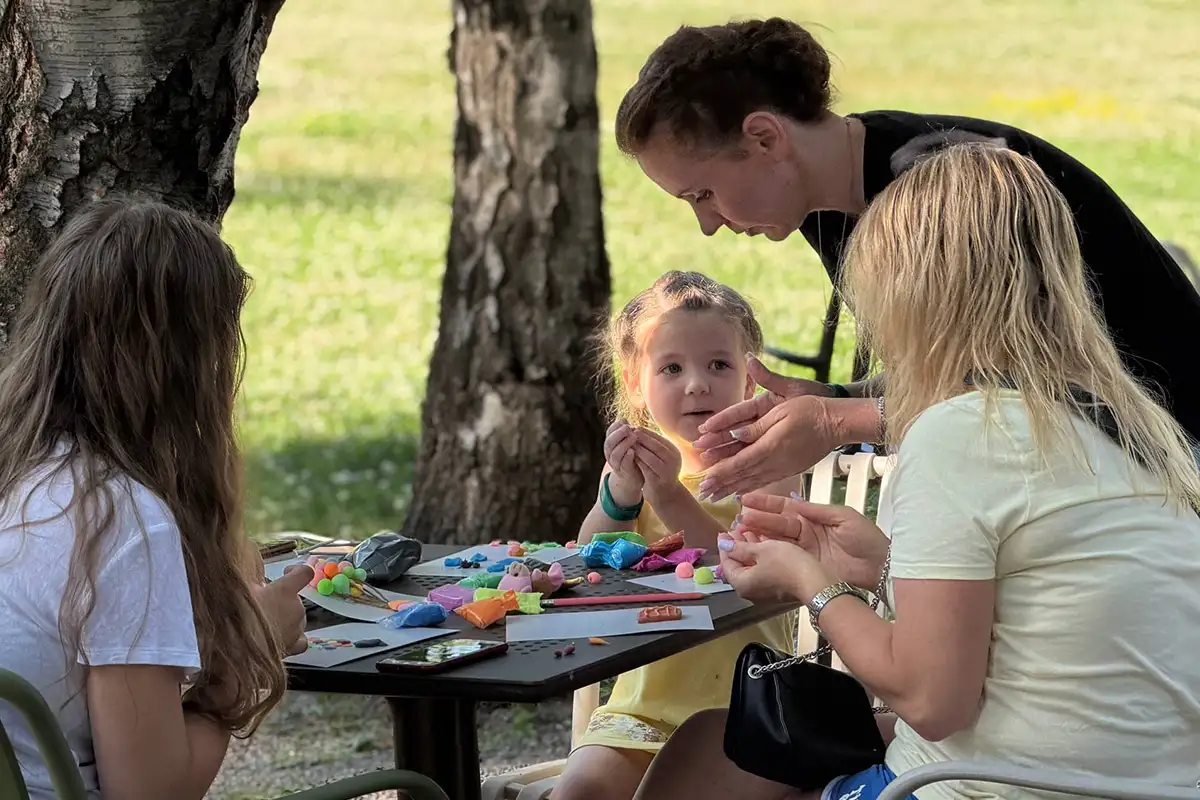
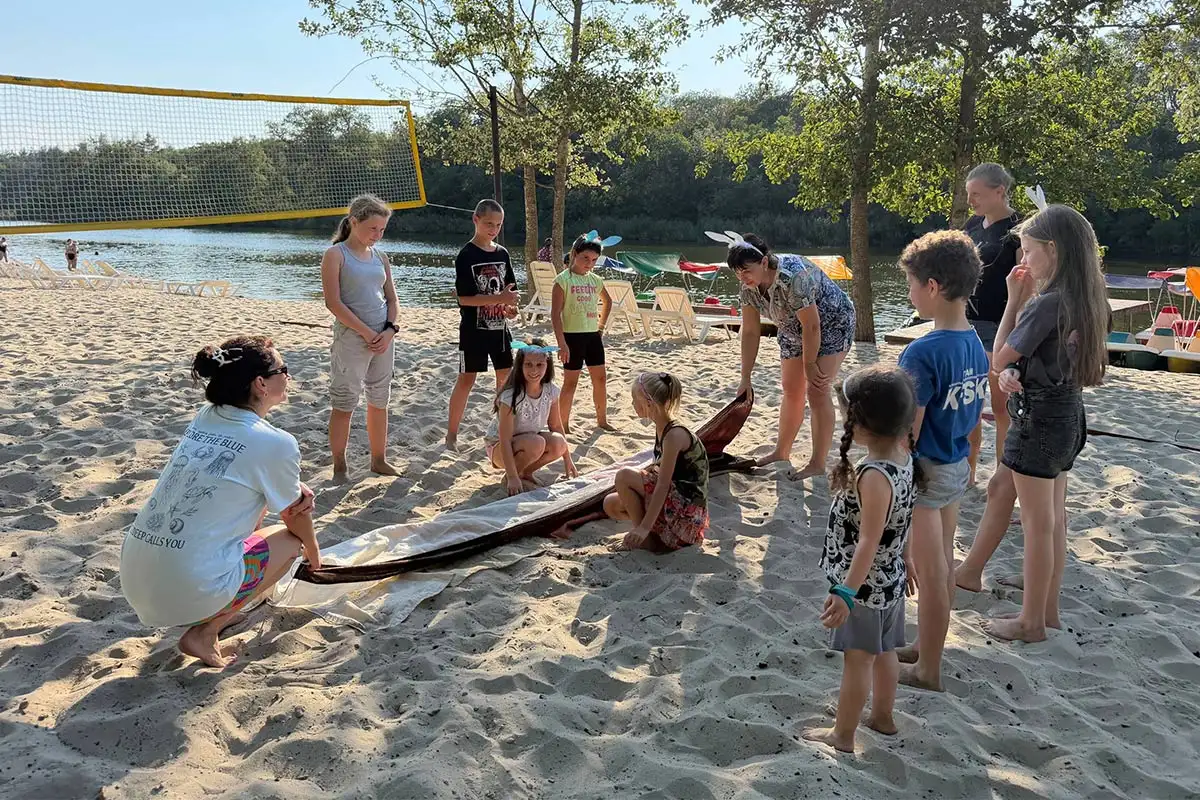
See alpacas and llamas up close, watch deer, ostriches and peacocks, spend the whole day in the fresh air, and most importantly — relax with the parents. For seven children from the ...
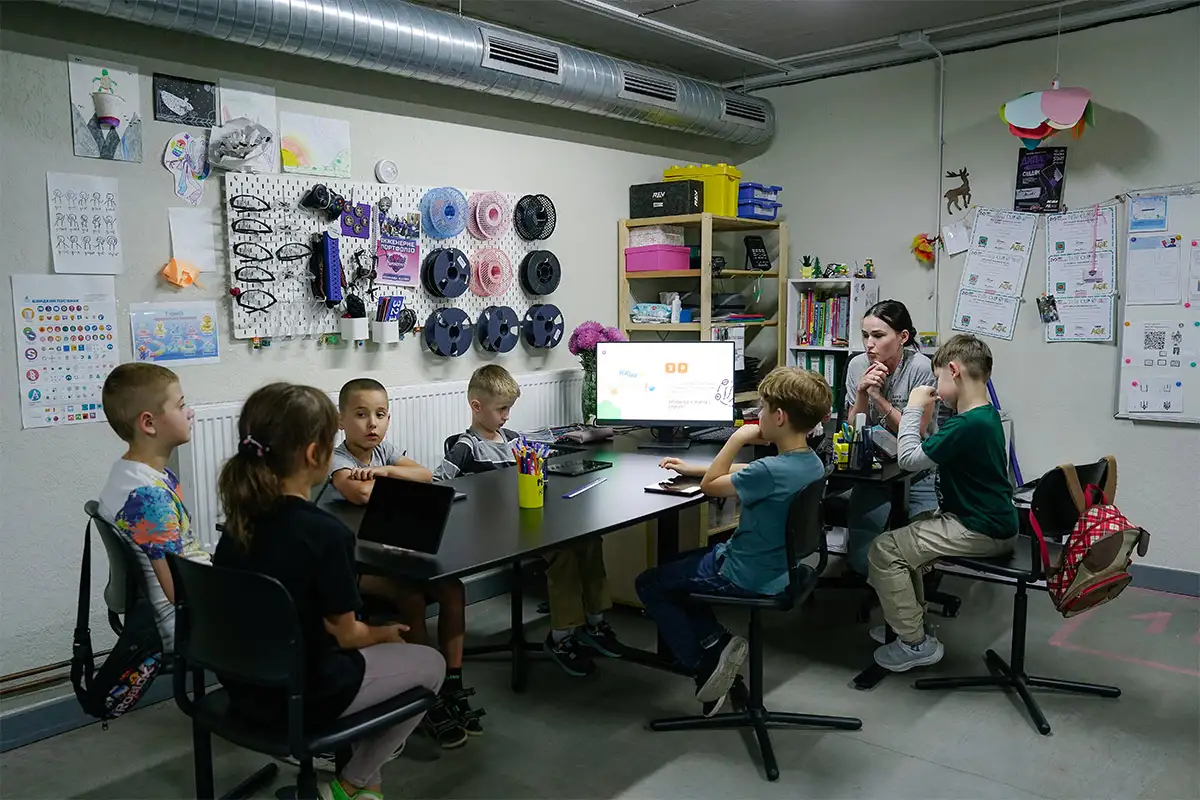
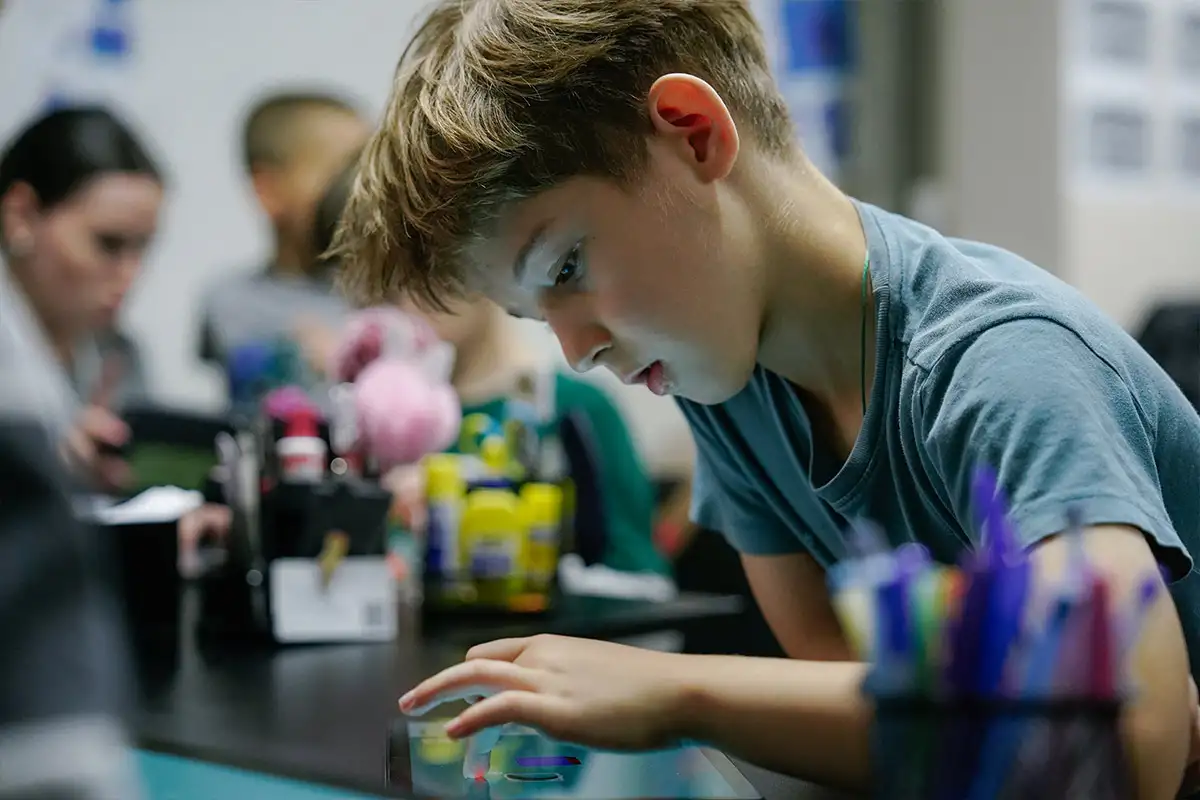
When a child is looking forward to the next class, this is probably one of the best indicators of what they are really interested in. For three months, the charity organization Save ...
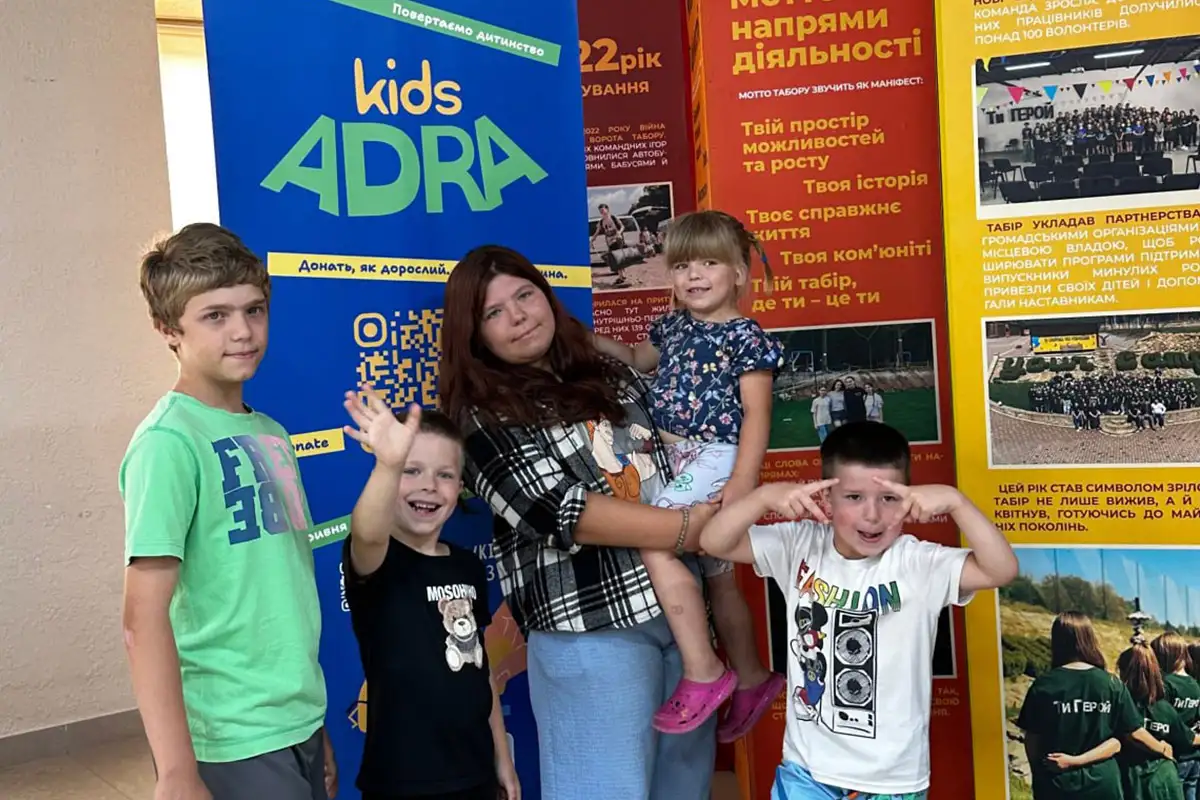
For some, a trip to summer camp is a common part of the holidays, and for some is an opportunity that might not be: to see new places, find friends, try something ...
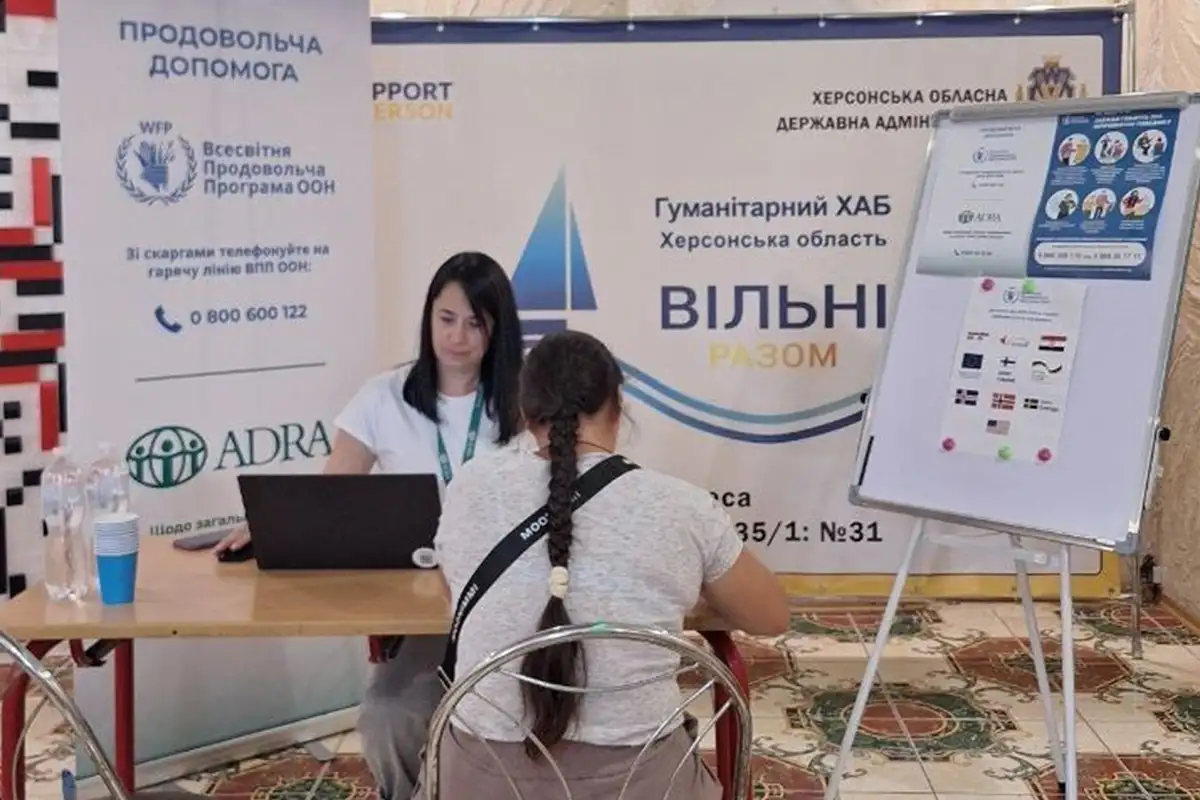
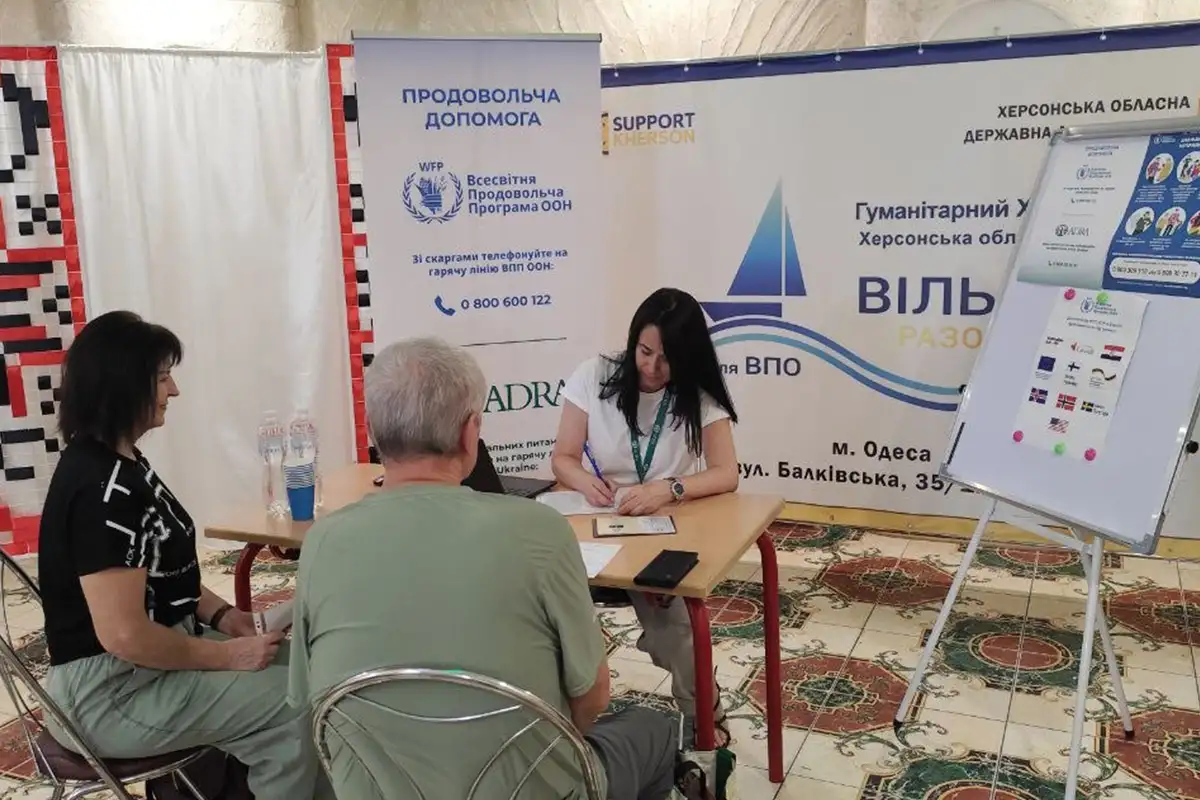
For the third month in a row, IDPs from the city of Kherson and the Kherson region, who are currently in the city of Odesa, can register for cash assistance from the ...
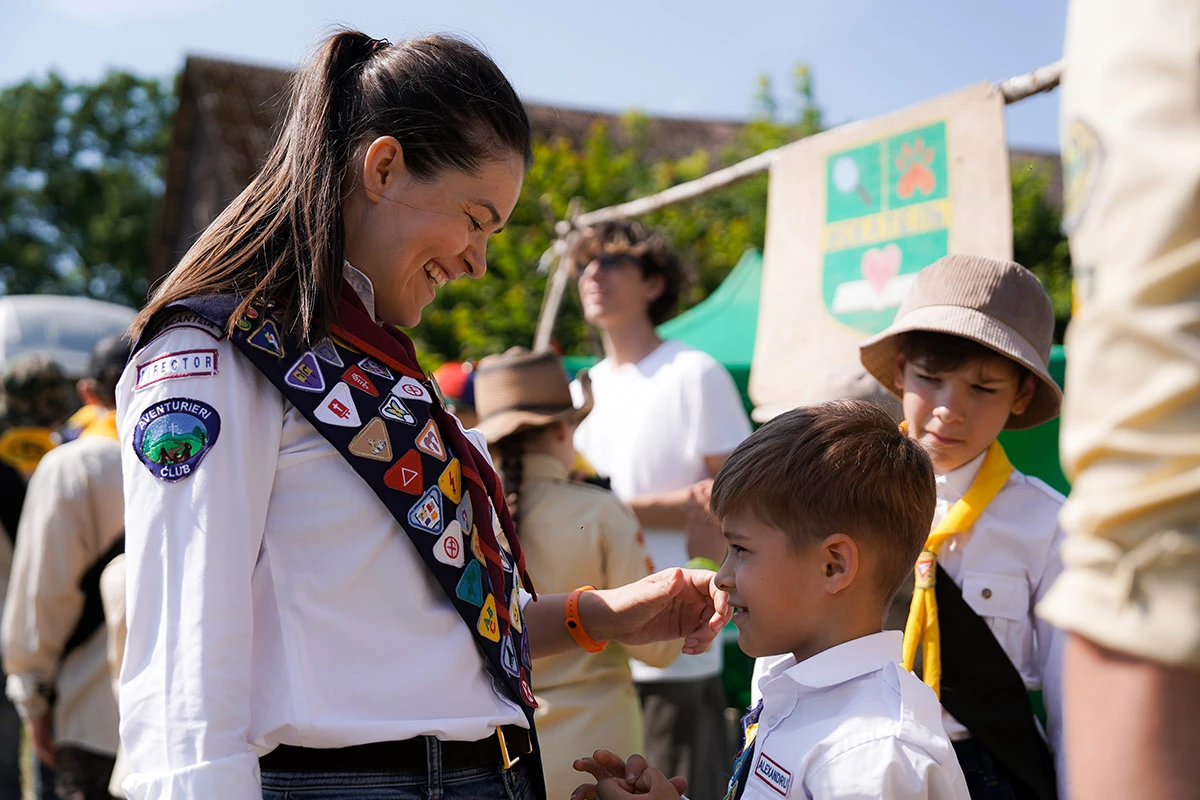
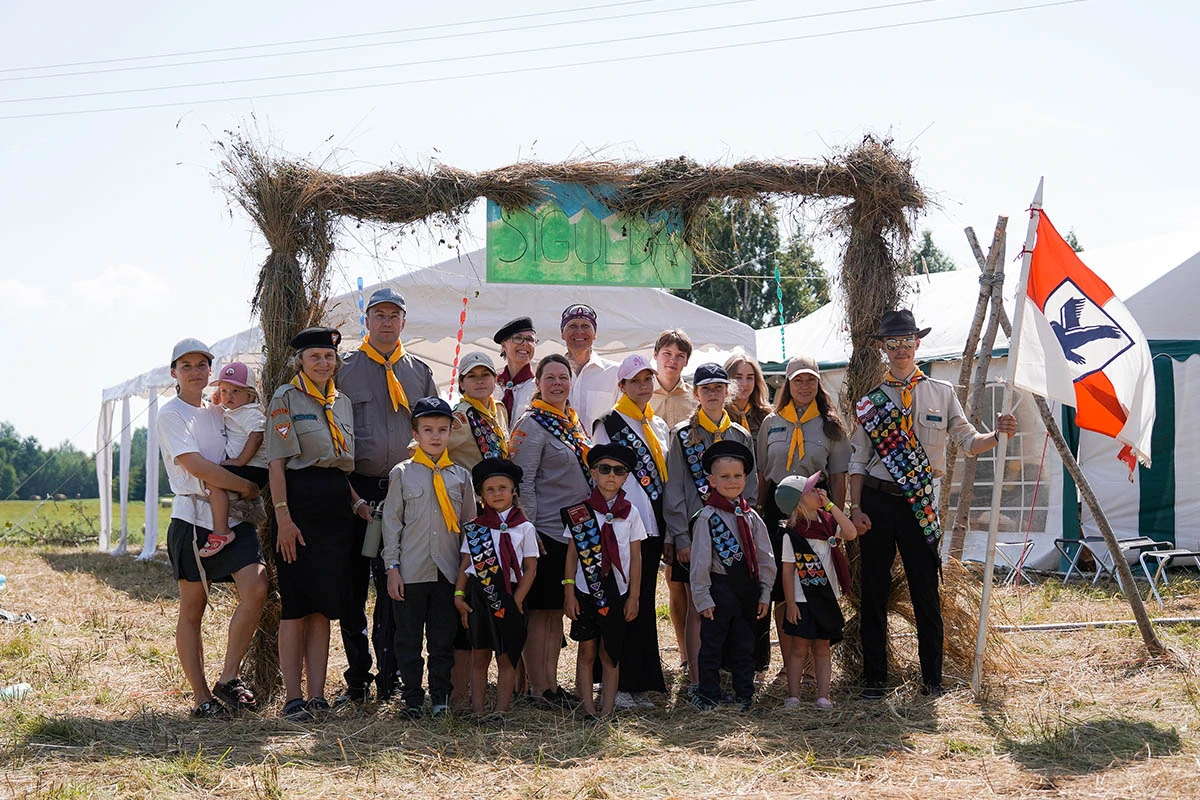
How does a humanitarian organization work, where to start assistance during a crisis and how to turn the identified problem into a specific project? This summer, children and teenagers from “The Pathfinder” ...
