


Project activity assessment and analytics for partners – how the MEAL department of ADRA Ukraine works
Project activity assessment and analytics for partners – how the MEAL department of ADRA Ukraine works
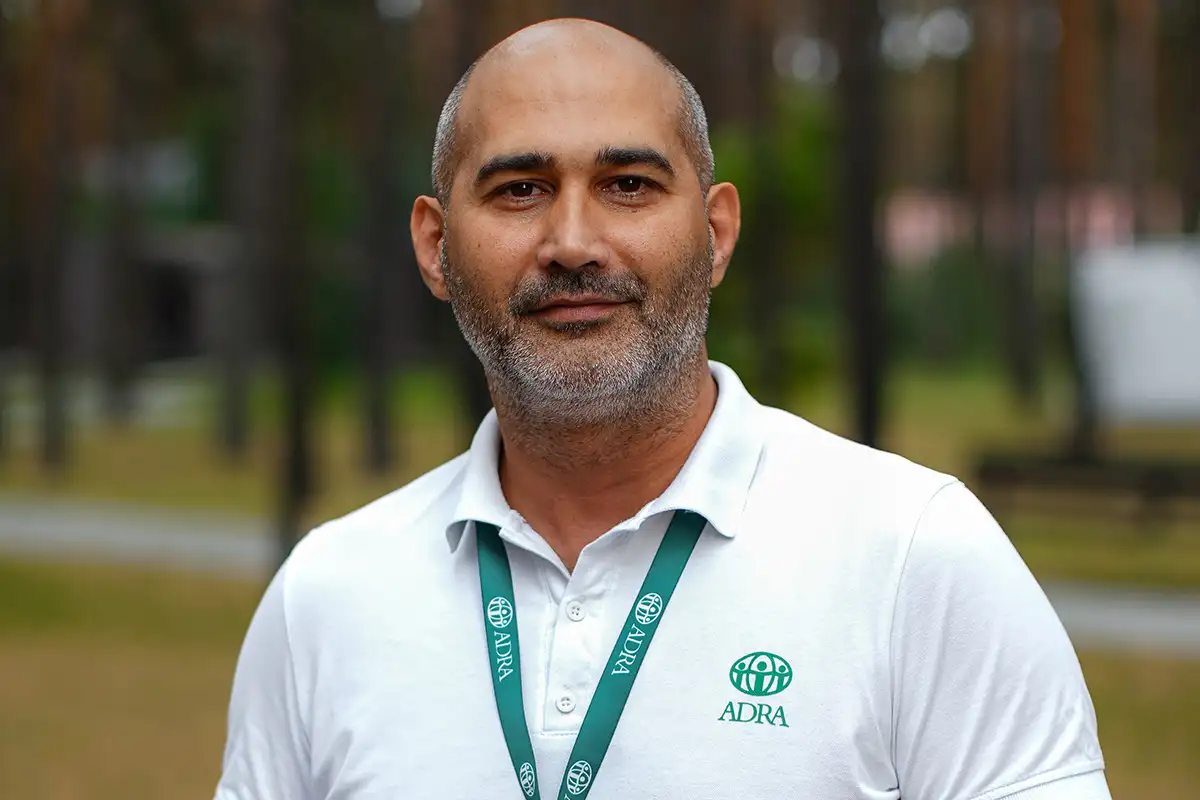
The effectiveness of the humanitarian initiatives of ADRA Ukraine largely depends on the work of the MEAL department. After all, thanks to the analysis and visualization of the collected data on the ground by project teams, the charitable organization constantly improves the approach to the implementation of projects and increases the level of accountability to beneficiaries, partners and donors. Today we communicate with Mark Kulik, coordinator of the ADRA Ukraine MEAL department.
– Mark, tell us what your department does and what role does it play in the charity?
– MEAL is an acronym for Monitoring, Evaluation, Accountability and Learning. The department consists of: MEAL coordinator – the one who heads the department, two MEAL officers – specialists who directly interact with projects and carry out MEAL for each of them. Each project has a component of MEAL – data monitoring, evaluation, analysis of information during the project implementation and post-monitoring. There are several types of evaluation, for example, evaluation within a project, which helps to adjust it in the process of implementation and contributes to decision-making.
MEAL-officers communicate with project managers and / or coordinators of directions, analyze the collected data, conduct post-monitoring and evaluation of the assistance provided and the project as a whole. A MEAL database specialist interacts with each MEAL officer. This is somewhat different from the usual position of a database specialist, because within our organization there are specialists who simply collect data and enter them into the database within a specific project. Instead, the MEAL database specialist analyzes this information together with the MEAL officer, checks its integrity, correctness of entering and correctness of processing.
Further, in cooperation with the MEAL officer, data verification (QA – Quality Assurance) takes place. For example, if a certain number of food or hygiene kits were distributed, the beneficiary, upon receipt, provides his personal data, such as name or identification code, to confirm his identity. This avoids fraud, provides transparency and accountability.
Thus, we can make sure that a particular person really got assistance. If necessary, we will be able to confirm this documented: we have completed databases and copies of supporting documents. This is the accountability component that MEAL officers and MEAL database specialists deal with in collaboration.
Our department also includes two MEAL call center operators. They are responsible for processing appeals, feedback from beneficiaries, entering data into the database of received complaints or proposals and working on the hotline. In addition, they help in post-monitoring, which is currently ongoing. This is a survey of beneficiaries after receiving assistance, which allows you to evaluate its effectiveness and find out whether it really went to people who need it most. The survey is conducted only for a sample of recipients, since there is no sense and opportunity to call all thousands of beneficiaries.
– How is the training component implemented in your department?
– Learning component involves the analysis of lessons learned. Now we are developing a template for such an assessment. We plan to organize meetings with project teams to discuss strengths that should be preserved and used in future projects. We will also examine the problematic aspects to understand what could have been done differently and what solutions would have been more effective.
– Can you describe the work of MEAL department on the example of a particular project?
– MEAL is an integral part of every project. MEAL officers evaluate it from an independent point of view. For example, one of the big projects I worked on was “LEAP” (supported by the Government of Canada and ADRA Canada).
I joined this project in the middle of the second phase. It consisted of two components: A and B. The first part was implemented from 2022 to April 2023, and the second – from April 2023 to July 2024. Within the framework of the project, the following activities were carried out: evacuation (along with the return of people home), MPCA (cash assistance), MHPSS (psychosocial assistance), and component B added more funding for shelters (CCCM) in the Dnipropetrovsk, Lviv and Chernivtsi regions.
On the part of MEAL, we helped to develop databases for psychologists, collected and analyzed statistics weekly, and conducted post-monitoring of MPCA activity. Due to the change in the amount of payments, we prepared two post-monitoring reports for the project manager. We also helped verify evacuation databases and developed a feedback form and checklist for shelters. Throughout the project, we worked closely with project managers and coordinators, analyzed the situation and found ways to improve processes.
– You have announced a new tool – dashboard. What is it and how does it work?
– It is a visual tool to display data regarding covered beneficiaries and assistance provided. It will be used by our partners, donors and offices that support us. The dashboard contains all available collected data from 2022 to the present day.
The idea of its creation arose even before my arrival in the department. In 2024, our database specialists began to actively study Microsoft Power BI – a tool for data visualization and analytics. They experimented, created dashboards for each project, and in parallel developed a common dashboard that displays information about all covered categories, amounts of assistance and regions of its provision.
On the first page of the dashboard there is a map of Ukraine, where you can see help for sectors, donors and projects. All elements are interactive, that is, you can select a sector, view activities, deadlines and basic indicators.
The second tab contains information about the budgets of all projects of the organization. Here you can find out information about all projects from 2022 to the present, their donors, time frames and budget.
This tool allows partners and donors to conveniently and quickly view information, select the desired categories and receive analytics. Dashboard is hosted on corporate SharePoint and our managers can provide access to stakeholders.
Tags
Share this publication
Our social networks
Categories
Last news
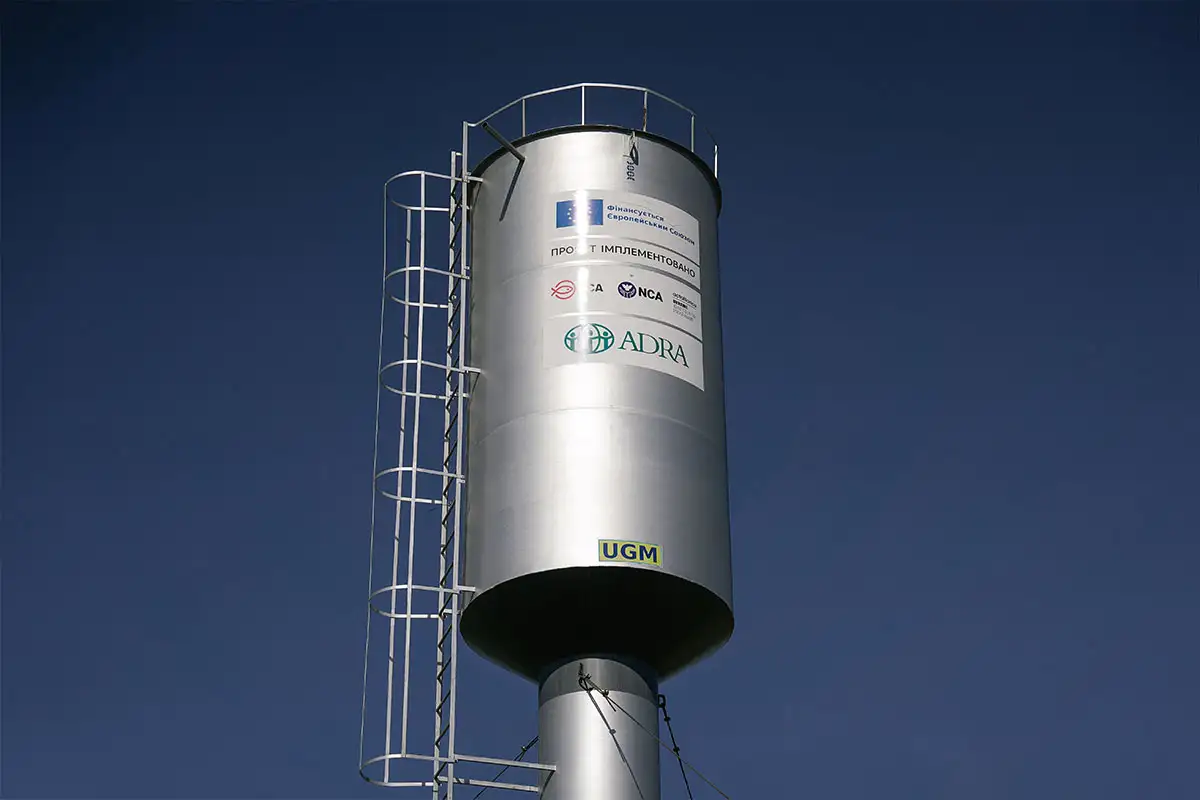
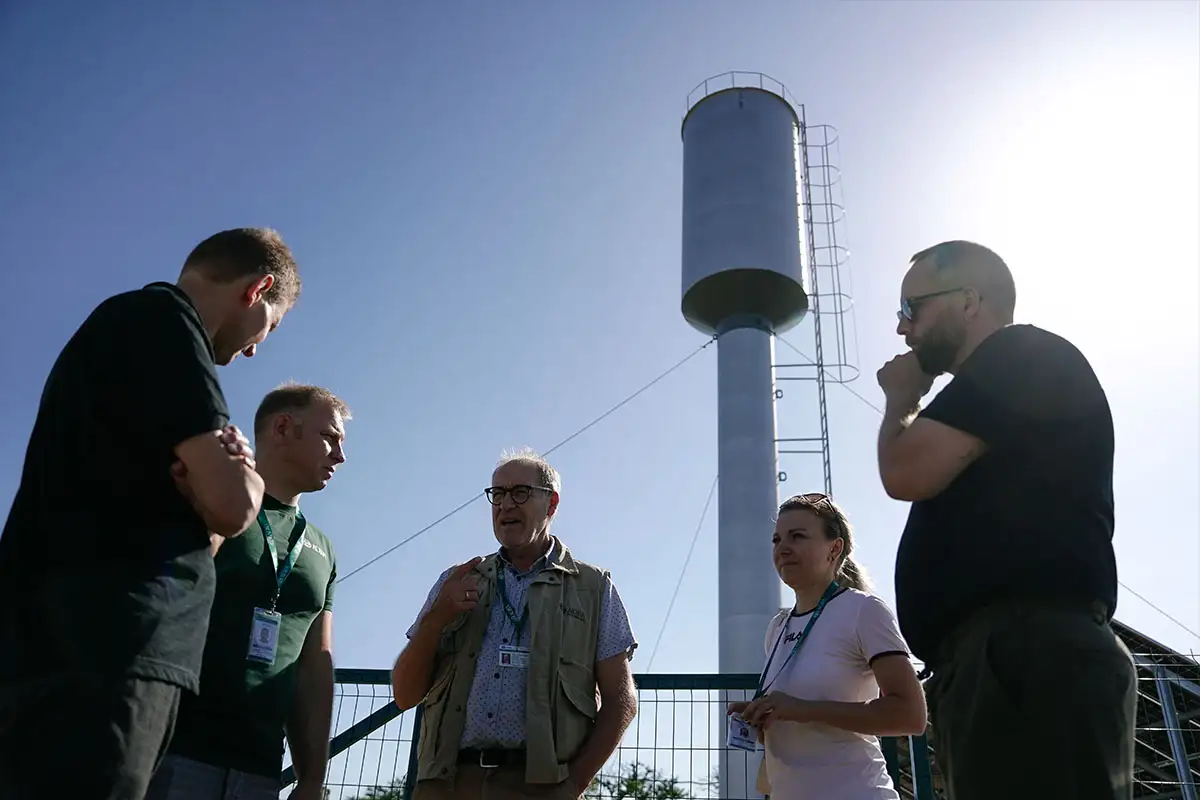
Restoration of educational and medical institutions, access to drinking water and shelters, as well as support for the initiatives of the communities themselves, these directions of the new project were discussed during ...
Please find below the Summer 2026 ADRA Ukraine Newsletter. You can download the newsletter at the following link: Newsletter – Summer 2026
Restoration of educational and medical institutions, access to drinking water and shelters, as well as support for the initiatives of the communities themselves, these directions of the new project were discussed during ...
Please find below the Summer 2026 ADRA Ukraine Newsletter. You can download the newsletter at the following link: Newsletter – Summer 2026

Psychological and legal consultations for people throughout Ukraine and assistance with heating for 150 IDPs in Zaporizhzhia region — will combine such areas with the new ADRA Ukraine project, which started in ...

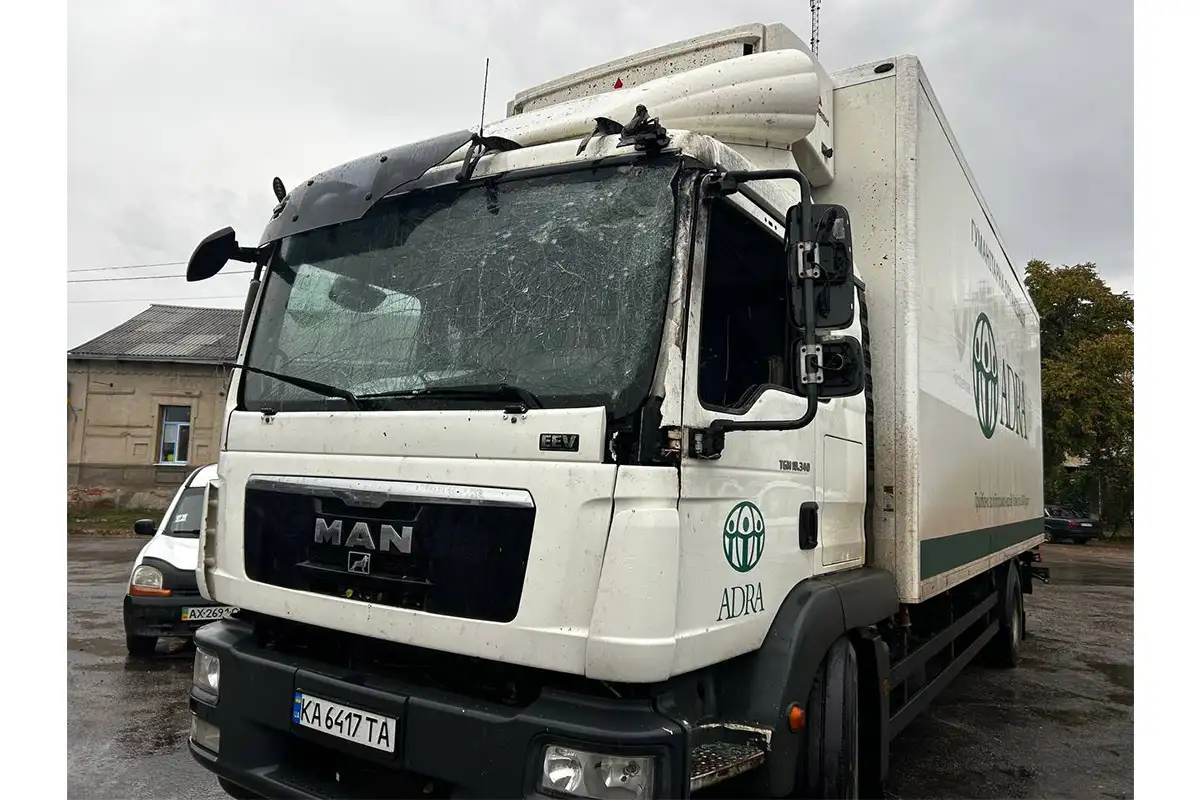
On September 23, an incident with an FPV drone occurred in the village of Zolochiv, Kharkiv region, during the distribution of food aid. Due to the team noticing the danger in time ...
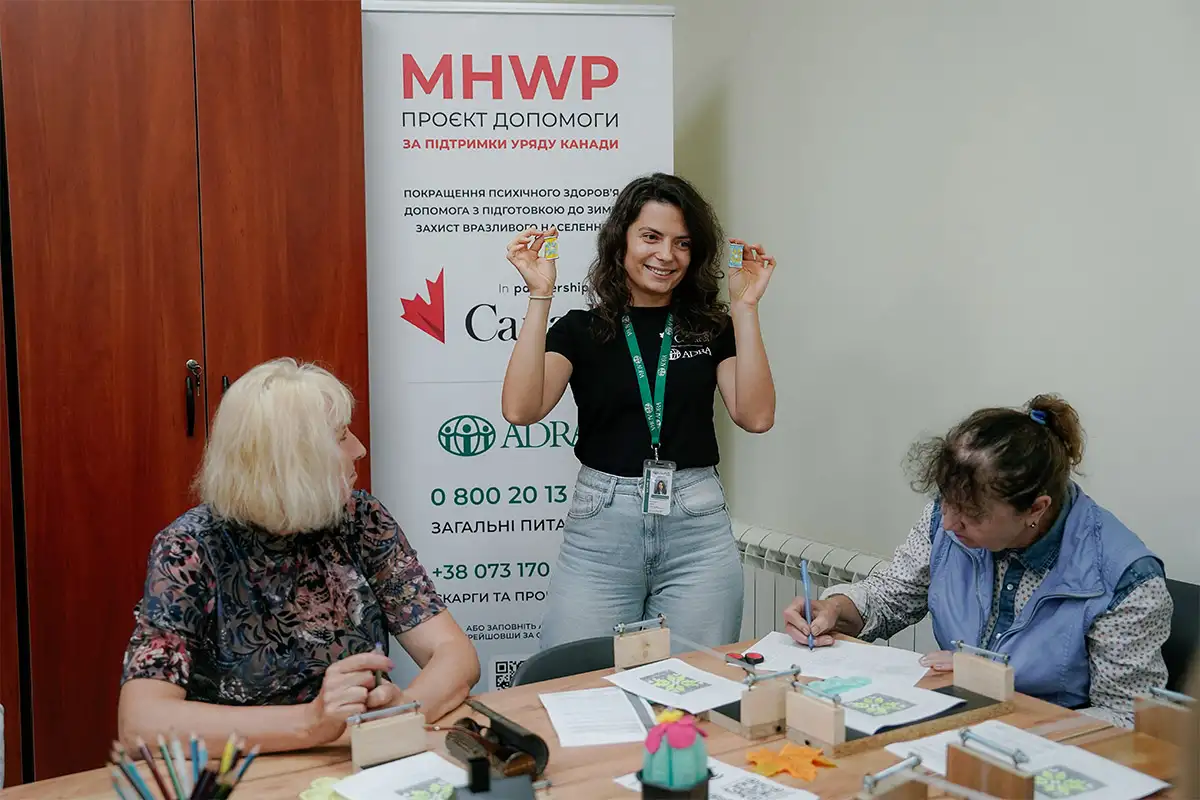
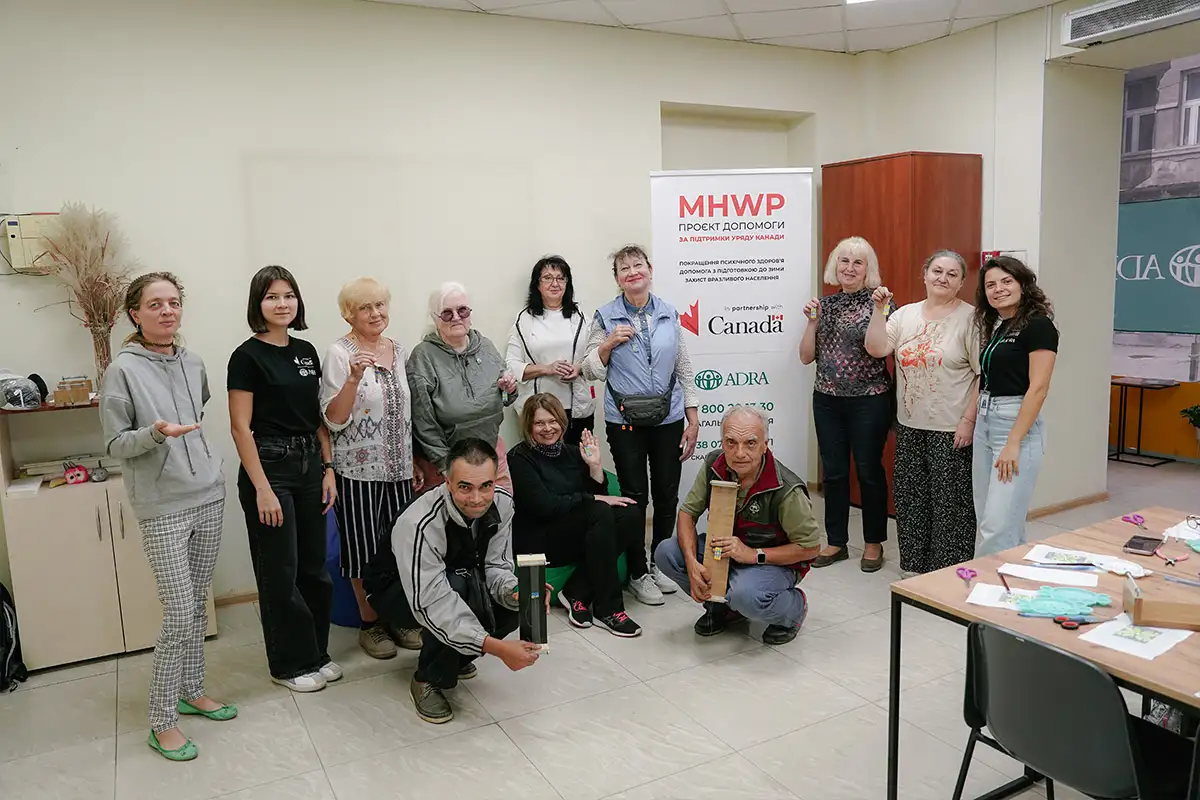
Focusing on small beads, choosing colors and gradually seeing the result of your own work — a creative activity held at the Protection and Support Center of ADRA Ukraine in Kharkiv. It ...
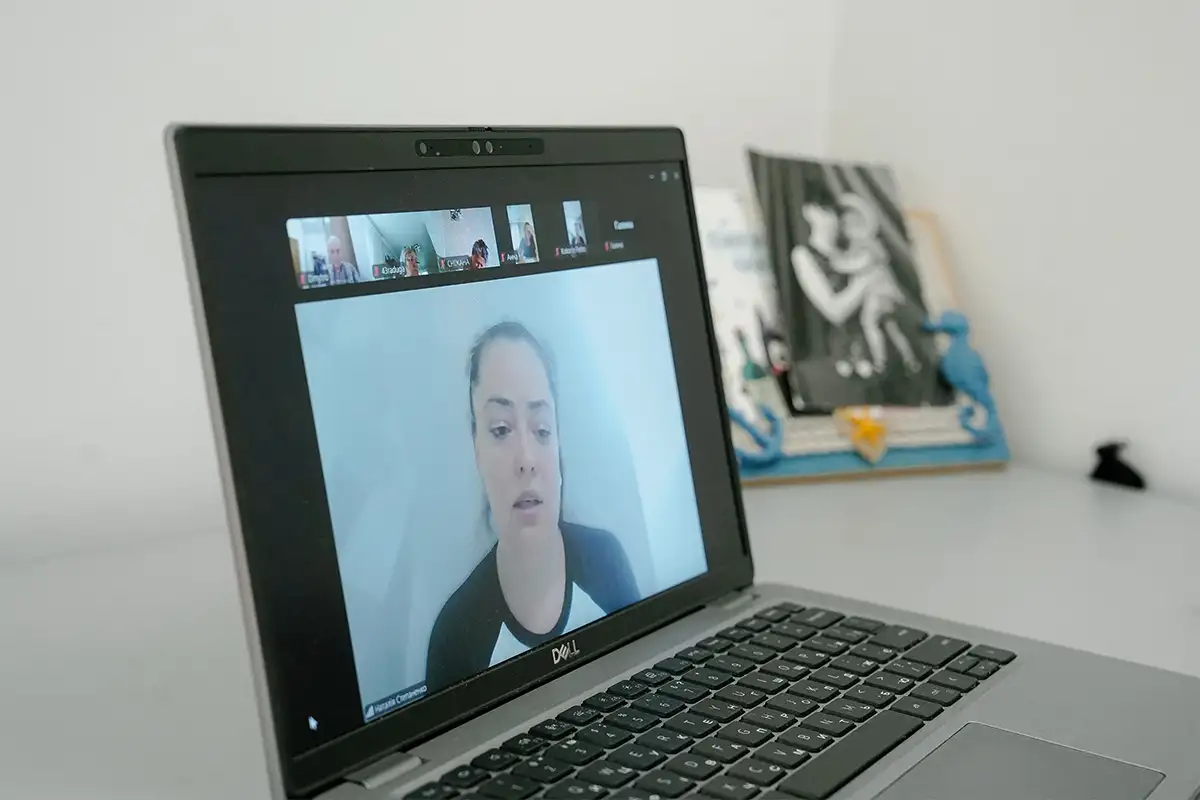
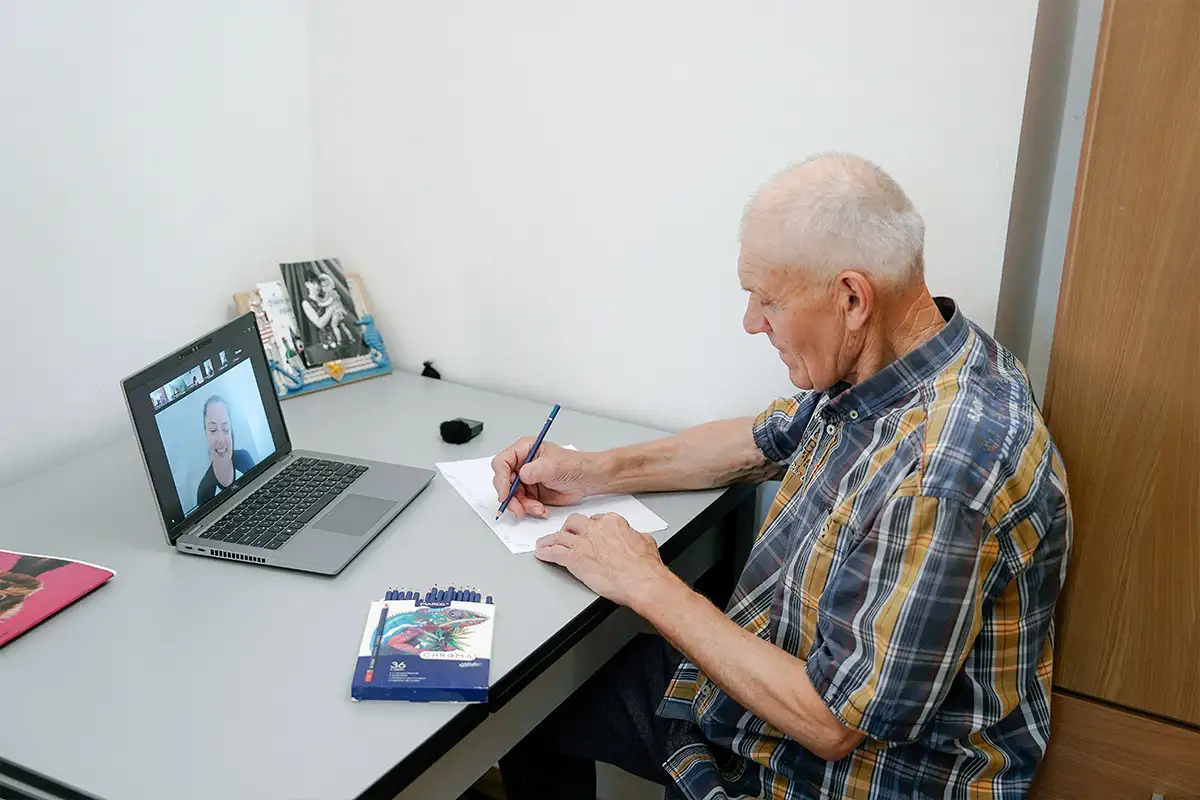
How to notice your own emotional state, cope with internal tension and find available ways of self-support? A series of online group events within the “JPF7” project was devoted to this. During ...
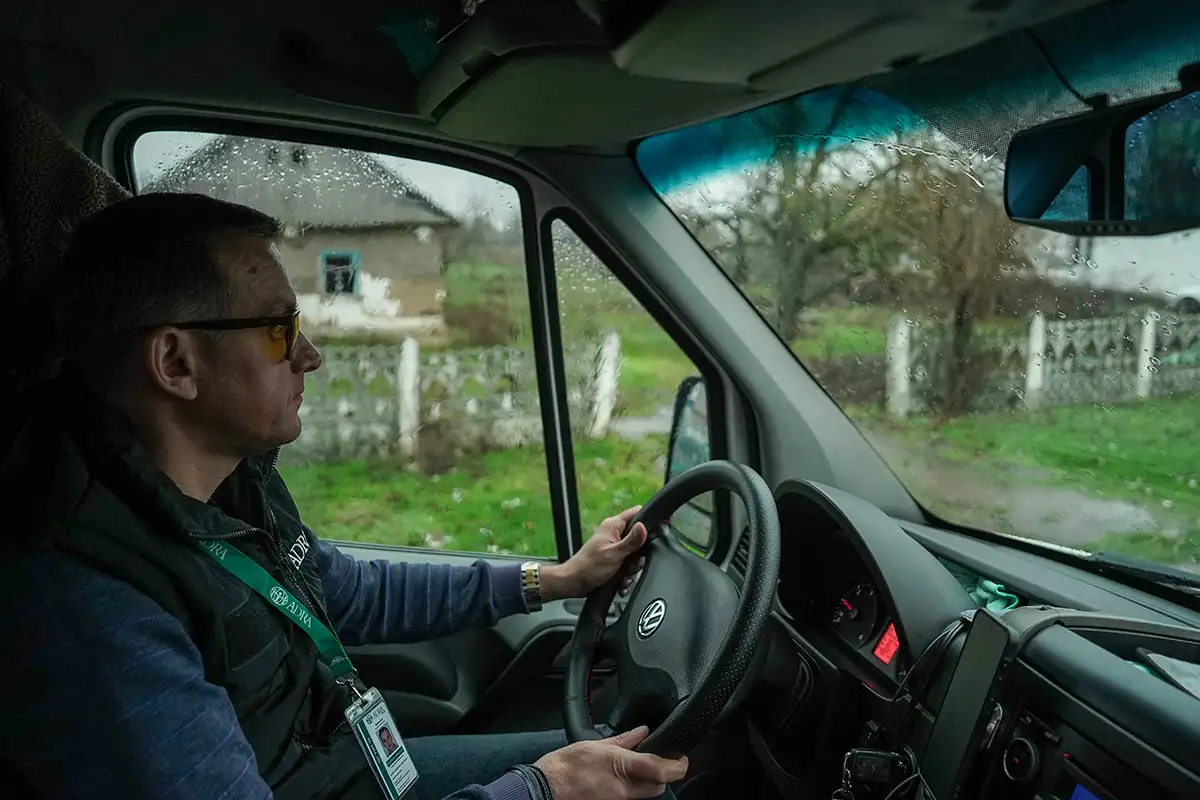
ADRA Ukraine stops humanitarian transportation in the Kherson and Zaporizhzhia regions due to high security risks on the routes. At the same time, transportation within the “REACT” project will continue in the ...

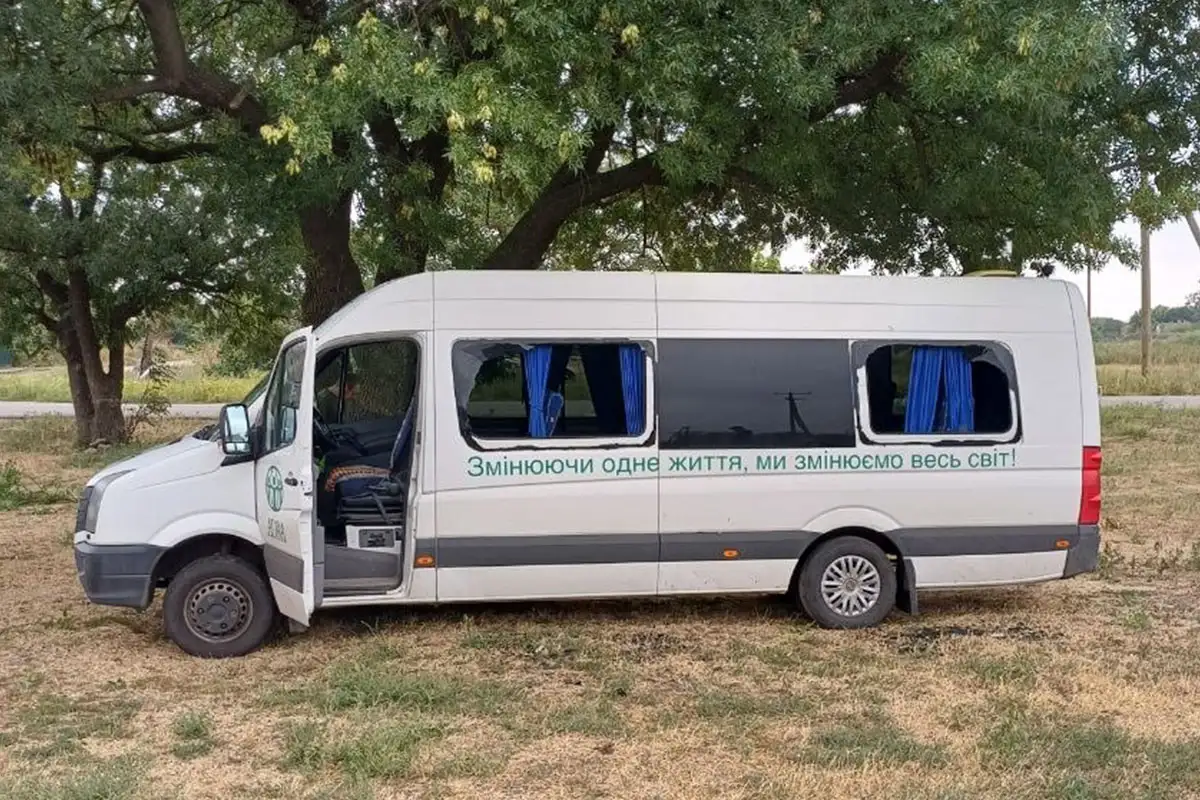
On September 14, near Myroliubivka village in the Dnipropetrovsk region, an FPV drone attacked an ADRA Ukraine bus that provides humanitarian transportation for residents of the Kherson region. At the time of ...
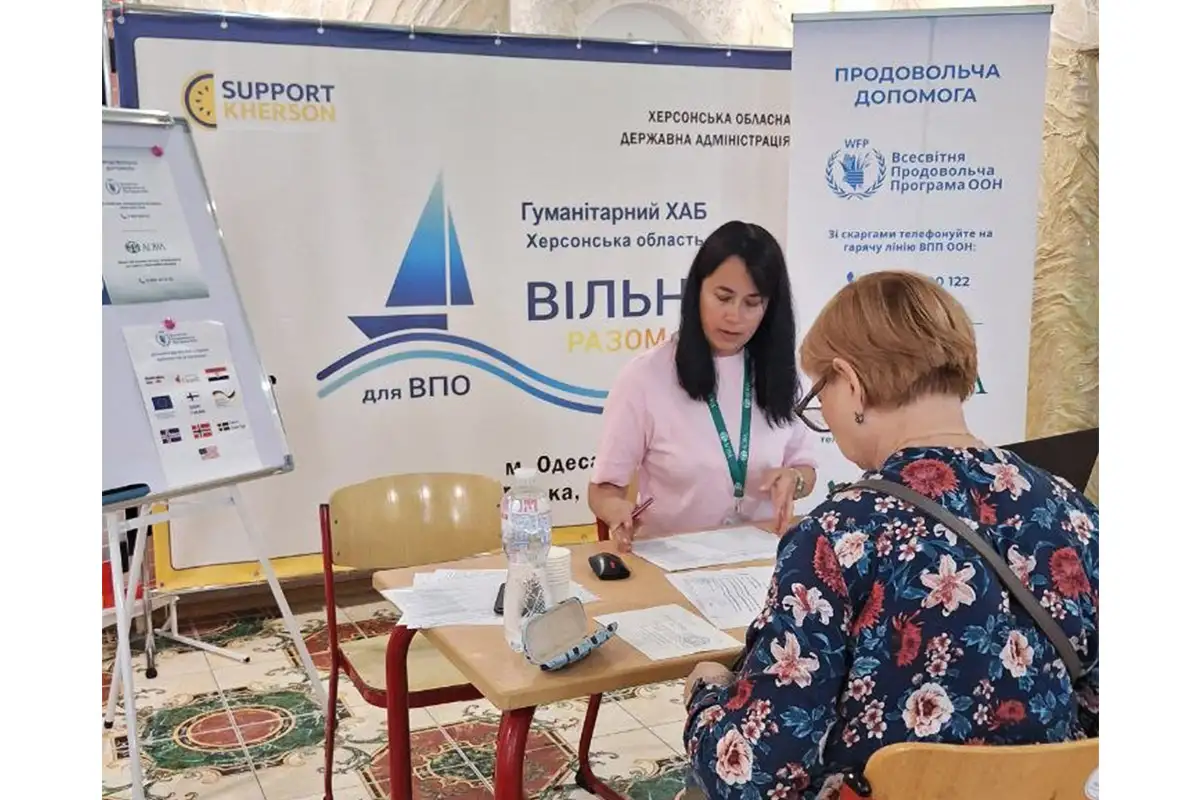
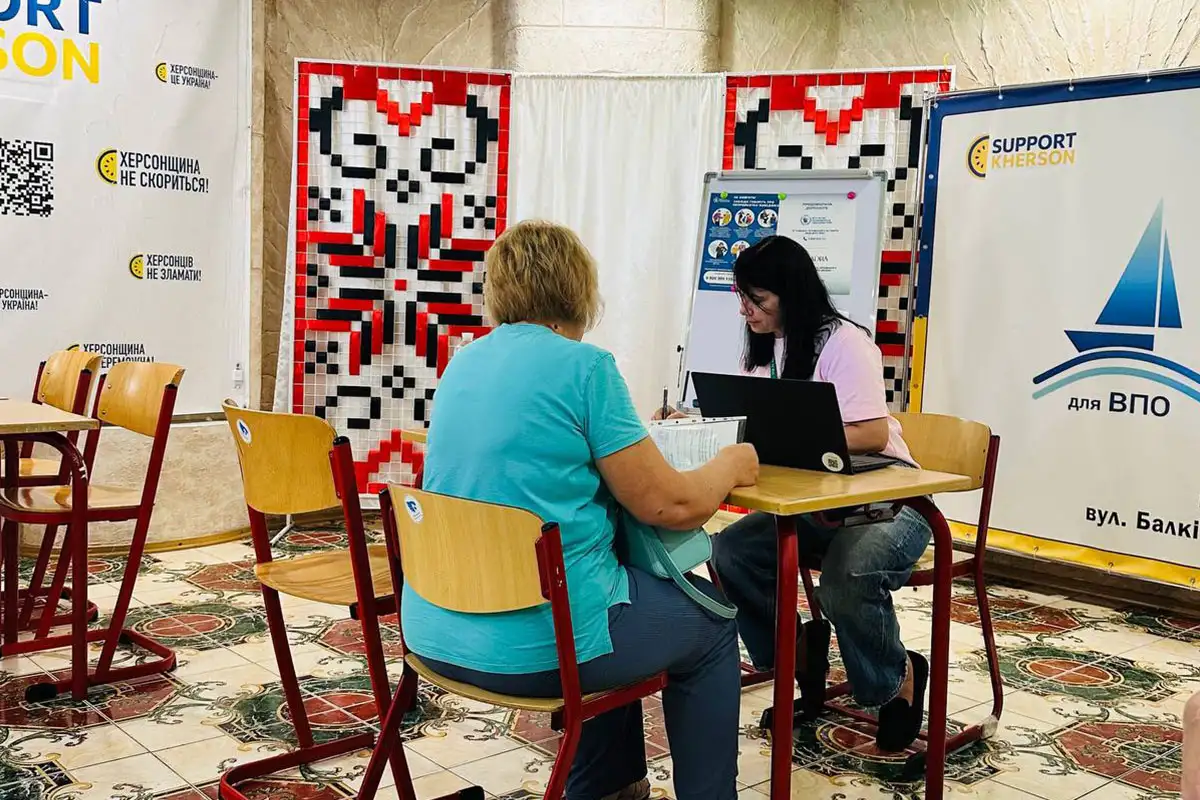
Due to the deterioration of the security situation in the city of Kherson, more and more people are evacuating the city and turning to the Kherson hub «Vilni razom» (EN: Free together) ...
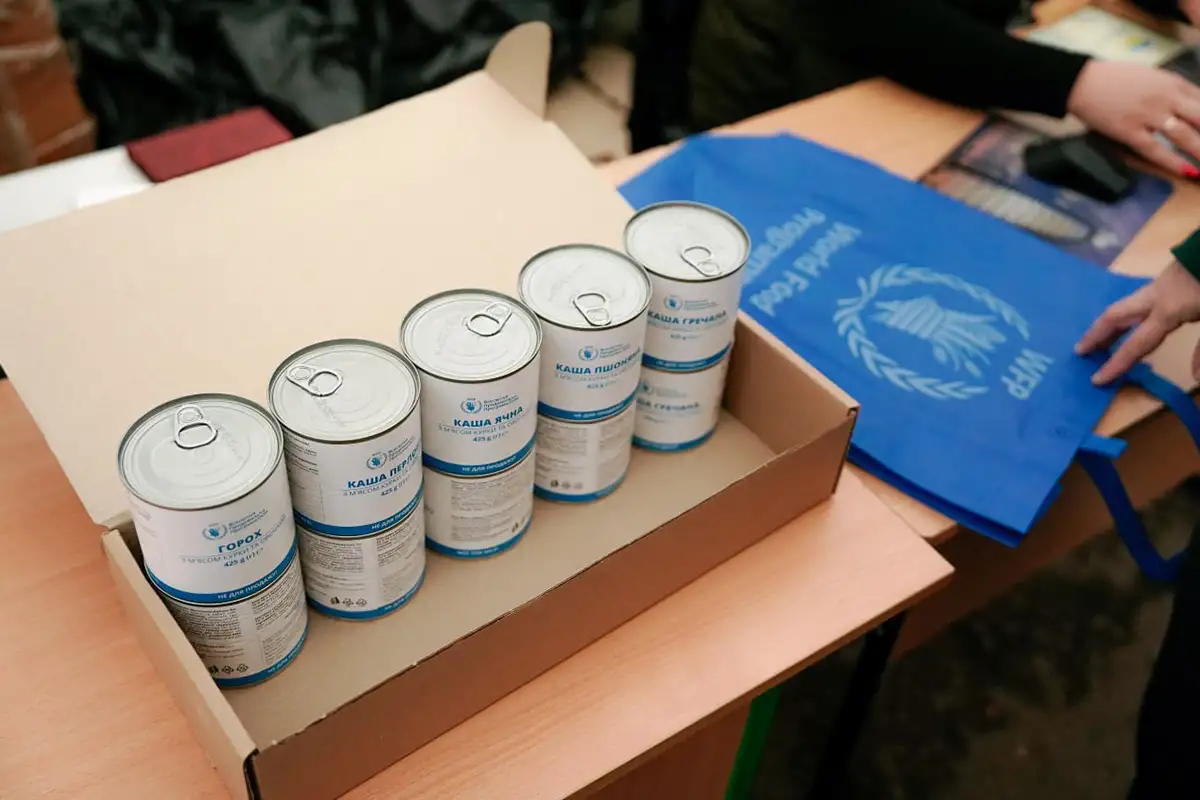
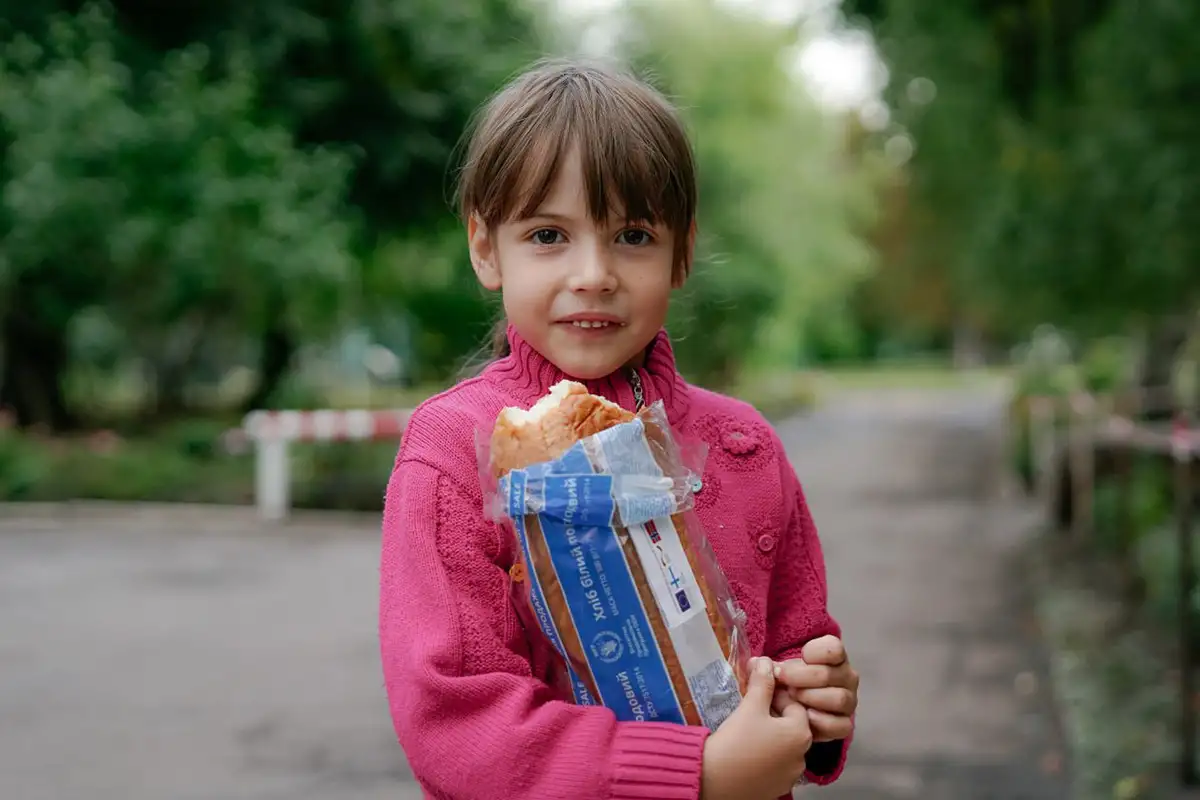
People evacuating Kramatorsk, Sloviansk and other localities in Donetsk region arrive at a transit center in Kharkiv on September 16, the ADRA Ukraine team handed them 154 ready-to-eat food kits. The peculiarity ...
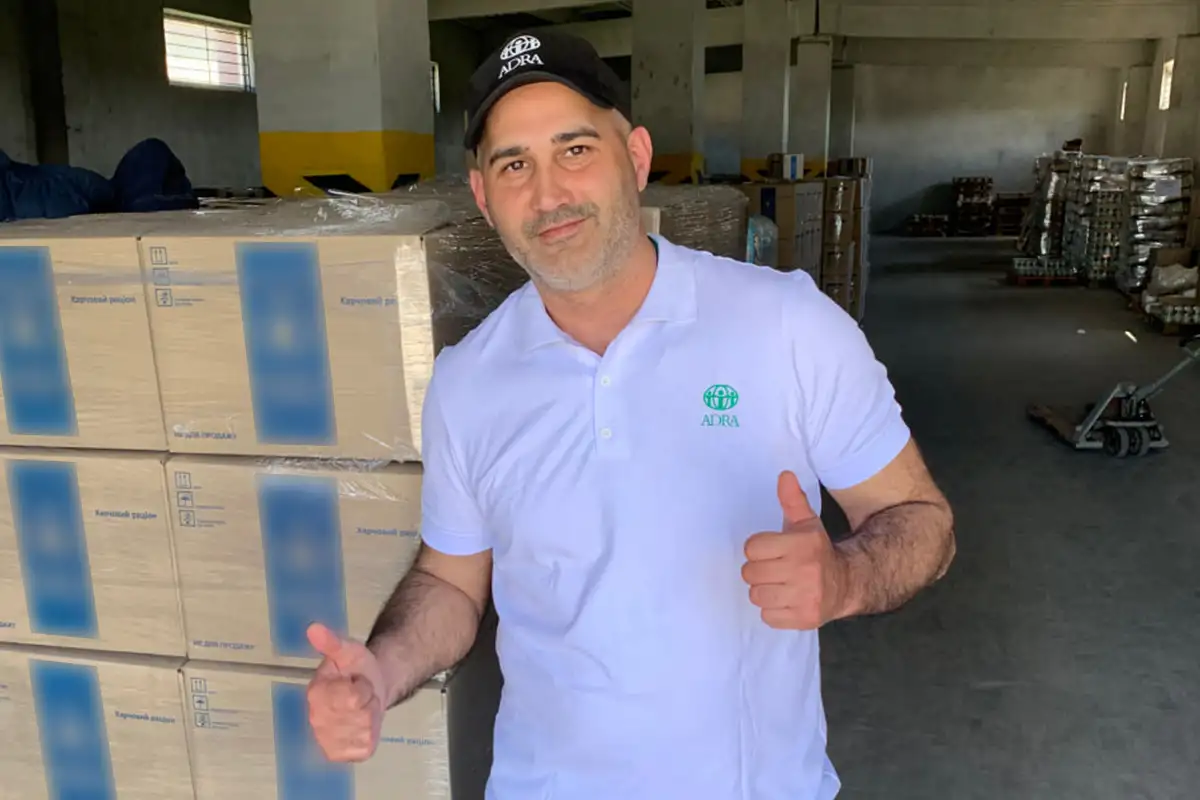
Daily shelling, FPV drones, damaged bridges and roads under anti-drone nets — in such conditions, the ADRA Ukraine team delivers food aid to people who remain in the communities of Donetsk region. ...
See alpacas and llamas up close, watch deer, ostriches and peacocks, spend the whole day in the fresh air, and most importantly — relax with the parents. For seven children from the ...

When a child is looking forward to the next class, this is probably one of the best indicators of what they are really interested in. For three months, the charity organization Save ...
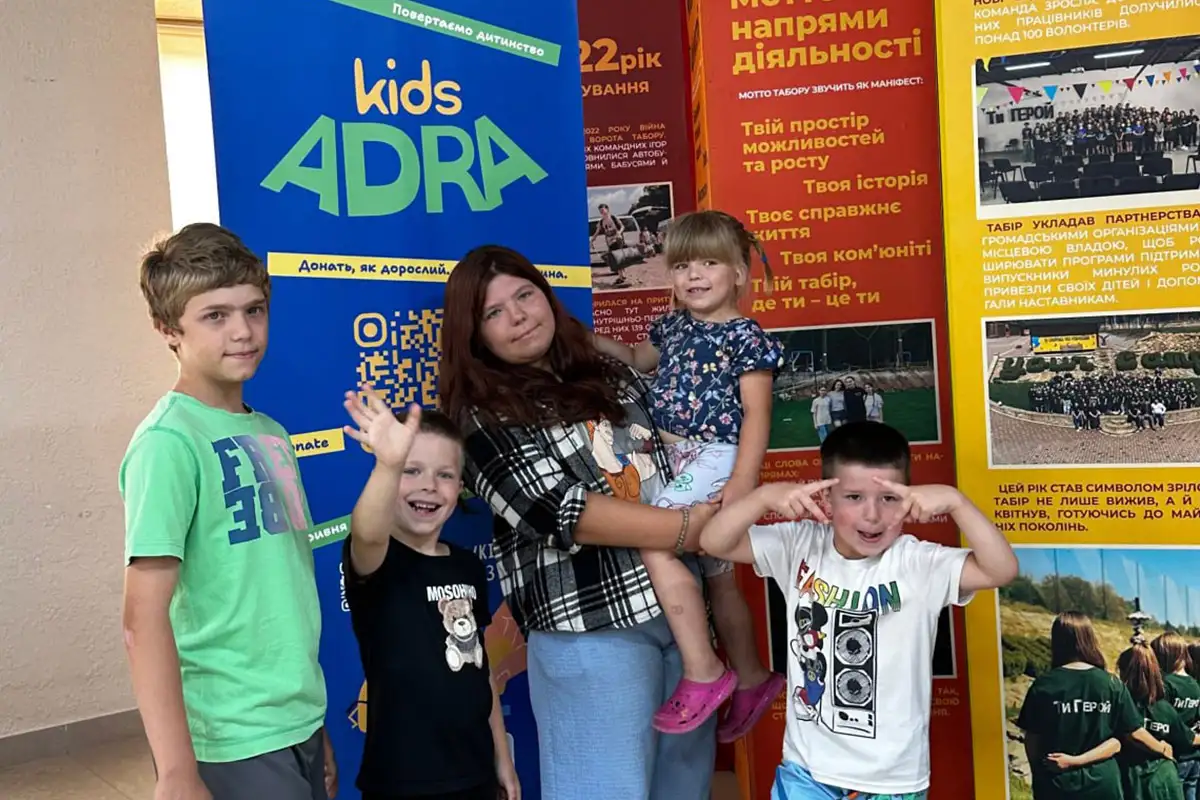
For some, a trip to summer camp is a common part of the holidays, and for some is an opportunity that might not be: to see new places, find friends, try something ...
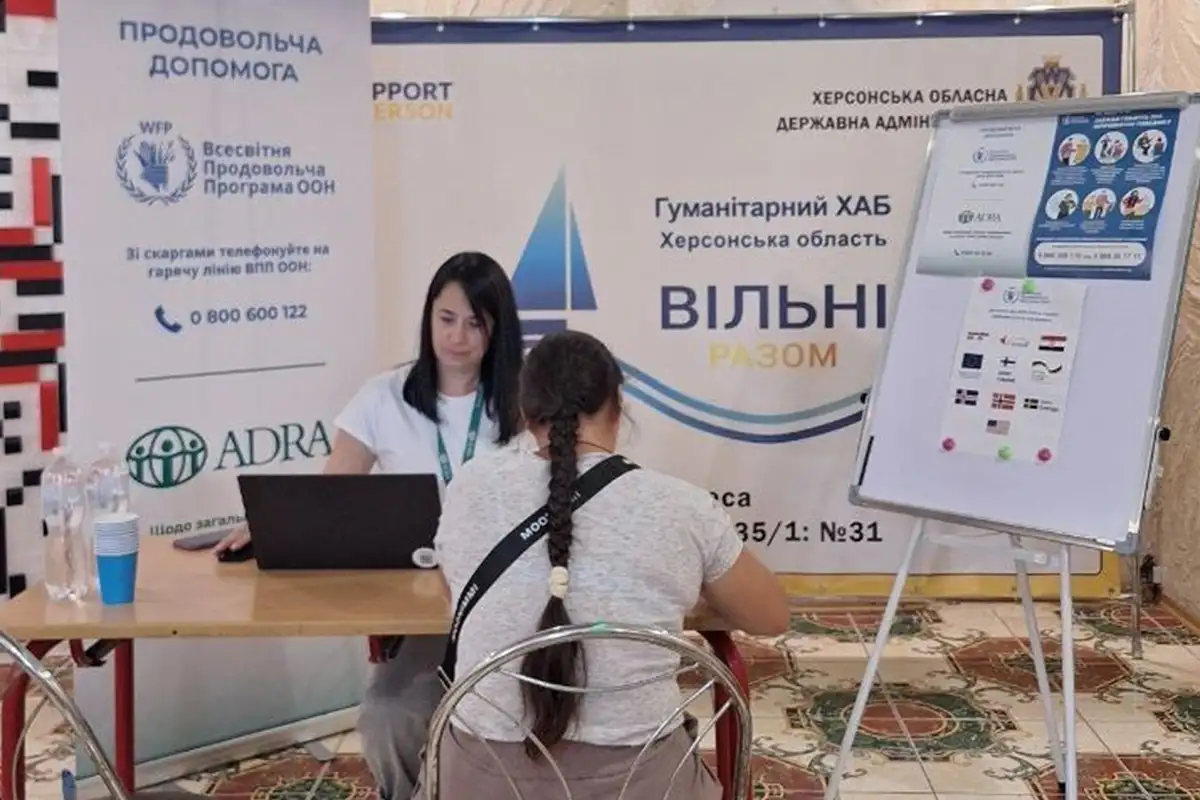
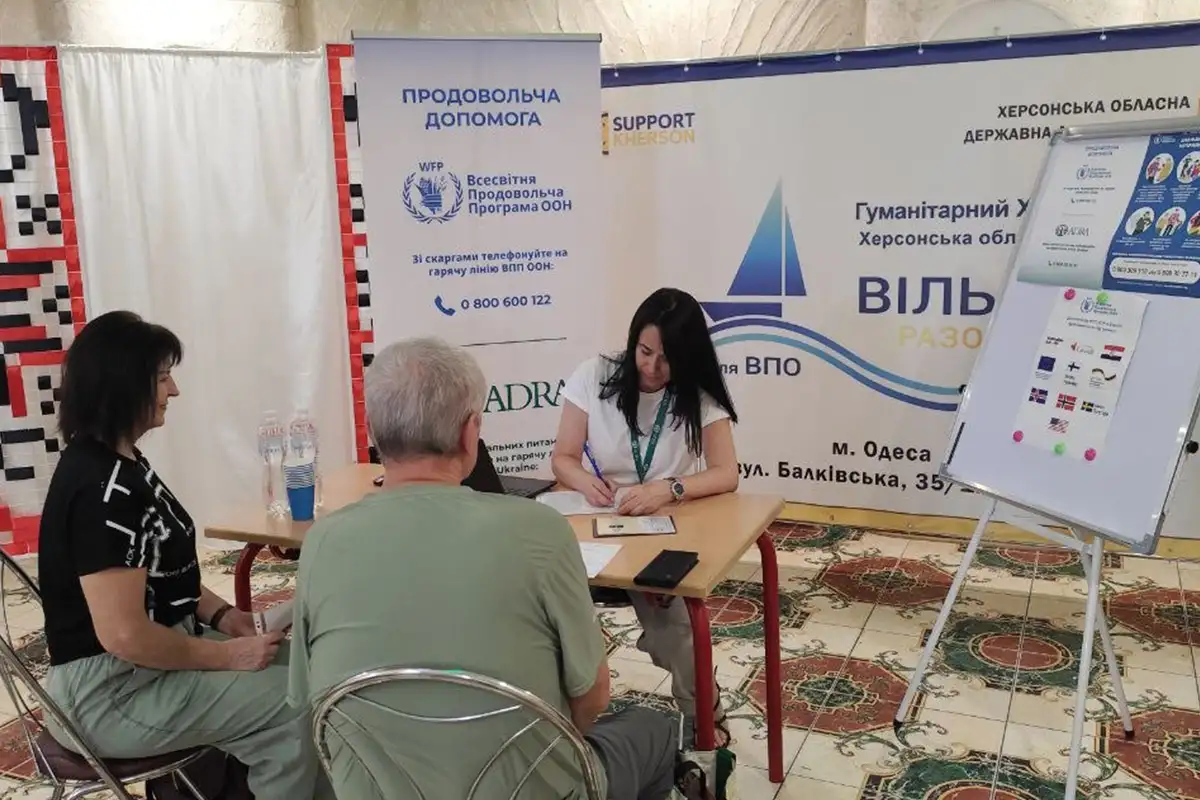
For the third month in a row, IDPs from the city of Kherson and the Kherson region, who are currently in the city of Odesa, can register for cash assistance from the ...

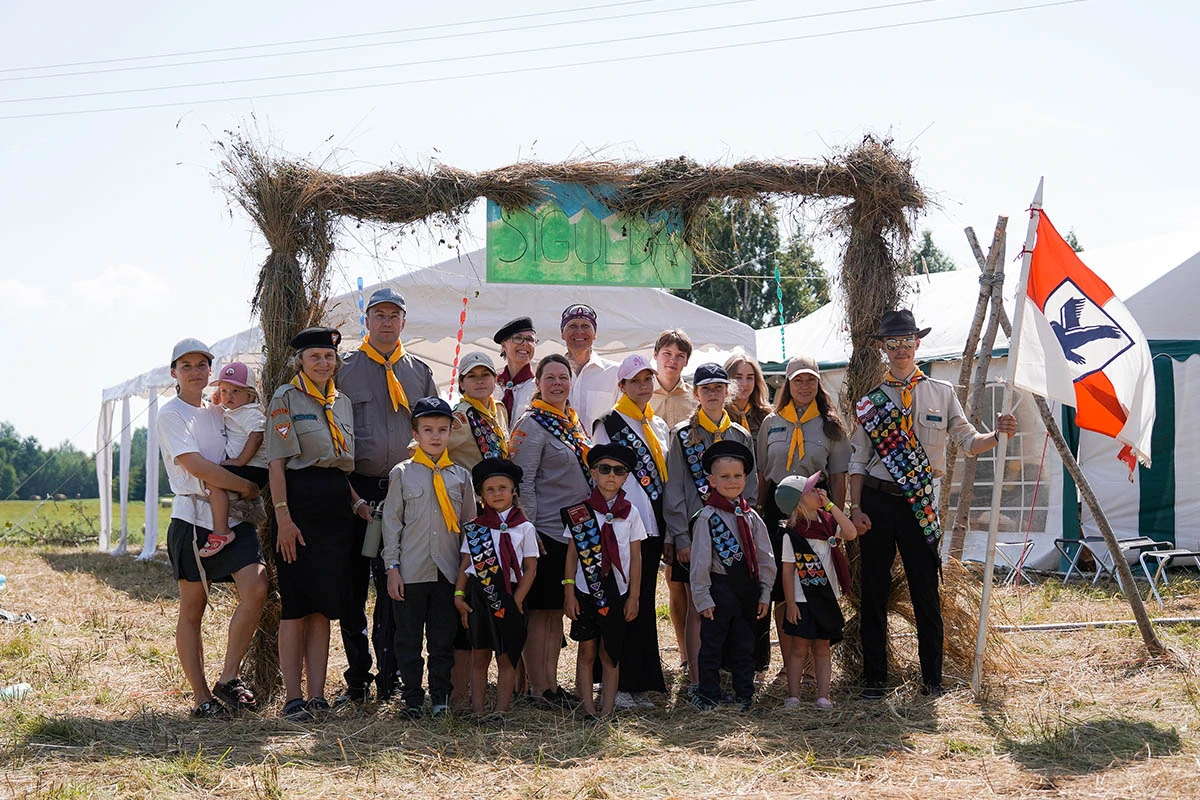
How does a humanitarian organization work, where to start assistance during a crisis and how to turn the identified problem into a specific project? This summer, children and teenagers from “The Pathfinder” ...
