
When leadership means being right here: ADRA Ukraine women about working during the war
When leadership means being right here: ADRA Ukraine women about working during the war
During war, humanitarian work requires not only professionalism, but also great internal strength. Women who lead teams, coordinate projects and work with affected communities, make decisions every day that depend on helping people. Leaders and managers of the charity organization ADRA Ukraine tell how the war changed them as leaders and why it is so important to combine determination with humanity in the humanitarian sphere.

Anna Matvienko, head of the psychological service
— What changed you the most in this war as a person and as a leader?
— For me, the war started back in 2014, when many of my loved ones went to fight. She probably changed me the most towards greater empathy. Where I used to be tougher, I understand much better now: we don’t know what a person is going through, and every day can really be someone’s last. Therefore, I became more sensitive to other people’s pain, to requests, to human weakness. Sometimes I can do something for a person or pick them up where they just can’t, even if they can’t always explain it. As a leader, I have also changed a lot: less formality, more humanity.
— What would you say to women who want to do something important to people but doubt their abilities?
— Start doing. Even if it won’t be perfect at first. Even if the first time it turns out a little crooked, a little different from what we drew in our heads. But until we start, nothing will change. Neither in our lives nor in the lives of other people. Therefore, you have to get up and do. Because almost everyone has doubts, it’s just that some stay in them, and others still go on.
— What feature helps a woman to be a good leader the most?
— I think it’s not to be afraid to take on some of the work and not stand aside. To be not the leader of «somewhere on top of», but a person who knows how to stand next to the team and do with it. For me, this very feeling of community is very important: when something collapses, you are not looking for someone to transfer responsibility to, but you understand that it is a common cause and a common responsibility. This is probably one of the strongest features of the head: not distance, but inclusion.
— What helps you not to lose strength when there is so much human pain around?
— A very simple and very sober understanding helps me: I can change it. Not everything, not globally and not magically, but I know for sure that I, my team and every psychologist, lawyer, facilitator of mine have changed hundreds of thousands of human lives over the years. We helped make someone’s pain smaller, we supported someone at a time when a person hardly held on. And this is what gives strength to continue working.
— How has the role of women in humanitarian work changed in recent years?
— I will say, maybe a little feminist, but honestly: there are a lot of women in humanitarian work where you have to really work, pull, organize, support, decide and be close to people. But there are still not as many of them in management positions as they could be and as they would like. But the role of women has definitely strengthened a lot. And I see it both in my organization and in the humanitarian sector in general. Women make this work stronger, more empathetic, more attentive to a person. And, no matter how it sounds, everything a woman touches very often becomes not only effective, but also humanly warm and beautiful.

Maryna Potekha, project manager of the UN WFP
— What changed you the most in this war as a person and as a leader?
— This war taught me to make decisions very quickly and take responsibility for them. When you work in the humanitarian sphere, a lot depends on your decisions. As part of the UN WFP project: will people receive food, will help be delivered to those settlements that are difficult to reach.
As a person, I became more stable. Considering the fact that I saw a lot of complex stories of people who lost their homes, jobs, loved ones, it developed a resilience of character in me. After all, you have to be strong all the time: either you adapt to all these changes, or these changes will break you.
Also, the war made us look at life differently — appreciate simple things and understand that our work makes real sense. As a leader, I learned to trust and support my team more. Because in such work it is very important that people feel that they are not alone.
— What would you say to women who want to do something important to people but doubt their abilities?
— I think doubts is normal. Almost every woman at least once thought that she was not experienced enough or not ready. But actually the most important thing is to start. There is no need to wait for the perfect moment or a feeling of complete confidence. Experience comes in the process.
Women often have very strong empathy, responsibility and the ability to see people behind numbers and processes. In humanitarian work, this is a huge force. Therefore, my advice is simple — not to be afraid to take responsibility and be strong.
— What feature helps a woman to be a good leader the most?
— For me, it is a combination of two things — determination and humanity. A good manager must be able to make difficult decisions, sometimes very quickly. But at the same time, it is important not to lose the humanity to understand your team, hear the people you work with and remember why you do it. In the humanitarian sphere, it is especially important that the manager does not forget that real people are behind each project.
— What helps you not to lose strength when there is so much human pain around?
— I am very supportive of understanding that our work really helps people. When you see that humanitarian aid reaches people, that families receive support, that communities feel that they have not been forgotten — it gives strength to continue.
A team is also very important. When there are people around who share the same values and work for a common goal, it adds internal support. And, of course, it is important to find time for simple things in the life of a family, rest, moments that help restore the resource.
— How has the role of women in humanitarian work changed in recent years?
— In recent years, the role of women has become much more visible. Many women today occupy leadership positions in humanitarian organizations, coordinate large programs, and work in difficult and dangerous conditions.
I see that women often bring a very important component of humanitarian work, a deep understanding of people’s needs and the ability to build trust with communities. Today, women are not just involved in humanitarian processes, they shape them, make decisions and influence how help is provided to people.

Kateryna Serebriakova, PR manager
— What changed you the most in this war as a person and as a leader?
— At the start of the full-scale war, my leadership traits had already been formed, because I had previous experience in management positions. At the same time, the war had a great impact on me as a person. When you see people’s pain and suffering with your own eyes, it greatly increases compassion and sensitivity to the trials of others. It was this experience that further shaped my understanding of people’s pain and responsibility to help.
— What would you say to women who want to do something important to people but doubt their abilities?
— Women often doubt for too long and analyze everything in depth. But if you have an idea that can be useful to people, it’s worth just starting to act. Even if there is doubt, the experience you will gain almost always proves that it was worth doing.
— What feature helps a woman to be a good leader the most?
— In my opinion, one of the strongest features of a female manager is the ability to combine goal setting with caring for people. This does not mean that men do not value support or mutual respect, but it is inherent in women, along with achieving results, to focus on the community on the team, on creating an atmosphere of trust. It is this combination that helps to form a team where people feel important and involved in a common goal.
— What helps you not to lose strength when there is so much human pain around?
— It is the pain and difficulties that motivate me to stay in the resource. Realizing that I can be useful to those who are going through more difficult trials gives me the energy to move on. Caring for others and being willing to support them turns challenges into a source of strength, not fatigue.
— How has the role of women in humanitarian work changed in recent years?
— In the conditions of war, the role of women in Ukraine has become much more noticeable. Historically, this is repeated: as long as men physically defend the country, women become a visible support for society. Today, they lead teams, organize logistics, procurement and aid coordination, becoming real leaders in the humanitarian sphere.

Maryna Savchuk, director of development programs
— What changed you the most in this war as a person and as a leader?
— War taught me to make decisions faster. Often there is simply no time to think or doubt for a long time. I began to hesitate less, focus more on today, but at the same time always have plan B and plan C. I also began to understand complex issues more carefully and scrupulously, because very often someone’s life depends on our decisions. As a woman, I probably felt my role even more both as a leader and as a person who takes responsibility.
— What would you say to women who want to do something important to people but doubt their abilities?
— Just start. Even if there are mistakes, it’s normal. It is important to take the first step, even from small and simple things. In fact, there are no minor cases. Every action matters. If you have a big goal, divide it into small steps. Then it will stop seeming so scary and unattainable.
— What feature helps a woman to be a good leader the most?
— To be honest, I don’t divide professional roles into «female» and «male». Everything is simple in the profession: either you are a professional or you are not. It is important to adhere to standards and take responsibility for your work. But if we talk about the qualities that help, it is a combination of flexibility and adaptability on the one hand and loyalty to one’s principles on the other hand. It’s important to have values that you hold on to both yourself and your team.
— What helps you not to lose strength when there is so much human pain around?
— I am supported by the stories of the people we managed to help. When you see the result of your work, you understand that it matters. It is these stories that give strength to continue.
— How has the role of women in humanitarian work changed in recent years?
— In general, the number of people involved in humanitarian work has increased significantly in Ukraine. And the role of women in this area has also become noticeably greater. Today, many women hold leadership positions, coordinate projects and work in the humanitarian sphere. This is partly due to the fact that many men are now on the frontline.

Anastasia Varfolomieieva, project manager and cash coordinator
— What changed you the most in this war as a person and as a leader?
— The war has rearranged priorities: position is only a function, and the greatest value is people. Having visited both sides of the barricades both as a subordinate and as a coordinator, I developed my own vision of the team’s work. The war has brought enough chaos, uncertainty and high risks, and the main skill I have acquired is to be flexible and adapt to change as quickly as possible. War taught to have plan A, B, C and even plan D not only in work, but also in life.
— What would you say to women who want to do something important to people but doubt their abilities?
— I’ll be honest: I’m still fighting with “impostor syndrome” in myself. I was very helped by the psychotherapy and unconditional faith of my relatives — they just said: «You can do everything» and it became my fuel. If you doubt — it’s okay. This is a sign that you are aware of responsibility. Don’t wait for the moment when the fear disappears, but just surround yourself with people who believe in you and take the first step. Your action is more important than your doubt today. The road appears under the feet of the walker.
— What feature helps a woman to be a good leader the most?
— It is a combination of flexibility and responsibility. It is important for me to see everyone’s strengths and give tasks in which a person will reveal his capabilities. I am against micromanagement, but at the same time I always emphasize: the final responsibility for the result lies with me.
— What helps you not to lose strength when there is so much human pain around?
— My main resource is my children. In the same way, I am especially happy at work when there is an opportunity to help children who suffered because of the war. Even when it seems that everything is gone, I learn to pause. It is important to remember that we live in a time of war where the risks of force majeure are extremely high and it is impossible to control everything. One phrase helps me: «Change what you can change, accept what you can’t, and learn to distinguish one from the other». This allows you not to fall into circumstances that I have no influence on and focus on real help.
— How has the role of women in humanitarian work changed in recent years?
— In my «professional bubble», women are everywhere: from field workers to cluster coordinators to leaders of large projects and humanitarian organizations. Women no longer just help «at the call of the heart», but make difficult decisions, manage logistics and security. Women have been given a space for full realization where empathy combined with experience really makes this world a better place.
Tags
Share this publication
Our social networks
Categories
Last news
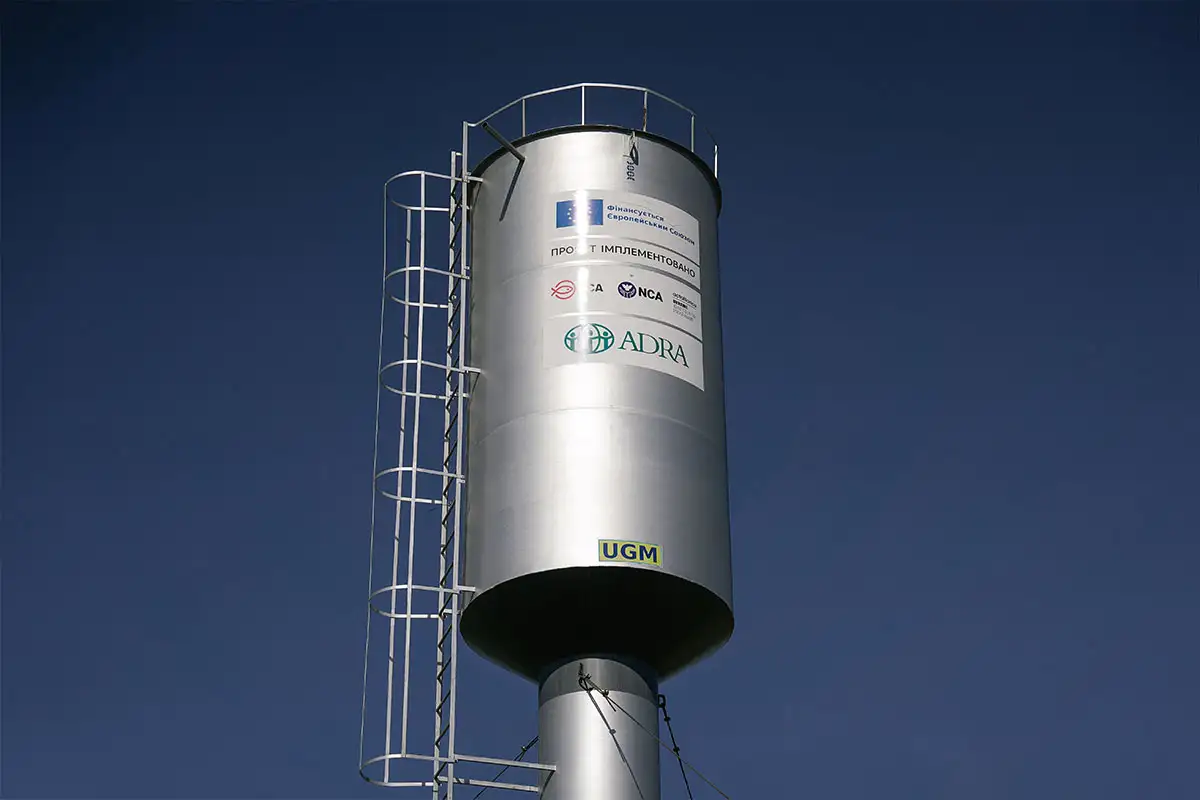
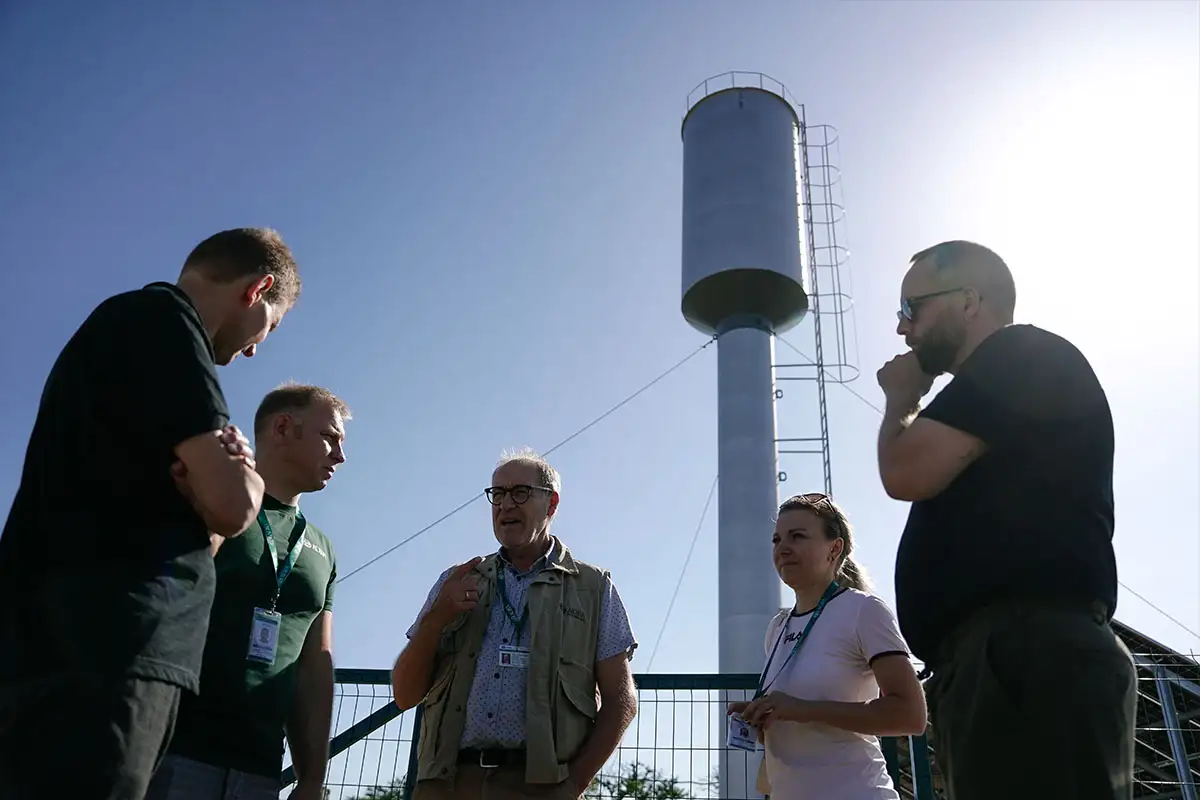
Restoration of educational and medical institutions, access to drinking water and shelters, as well as support for the initiatives of the communities themselves, these directions of the new project were discussed during ...
Please find below the Summer 2026 ADRA Ukraine Newsletter. You can download the newsletter at the following link: Newsletter – Summer 2026
Restoration of educational and medical institutions, access to drinking water and shelters, as well as support for the initiatives of the communities themselves, these directions of the new project were discussed during ...
Please find below the Summer 2026 ADRA Ukraine Newsletter. You can download the newsletter at the following link: Newsletter – Summer 2026
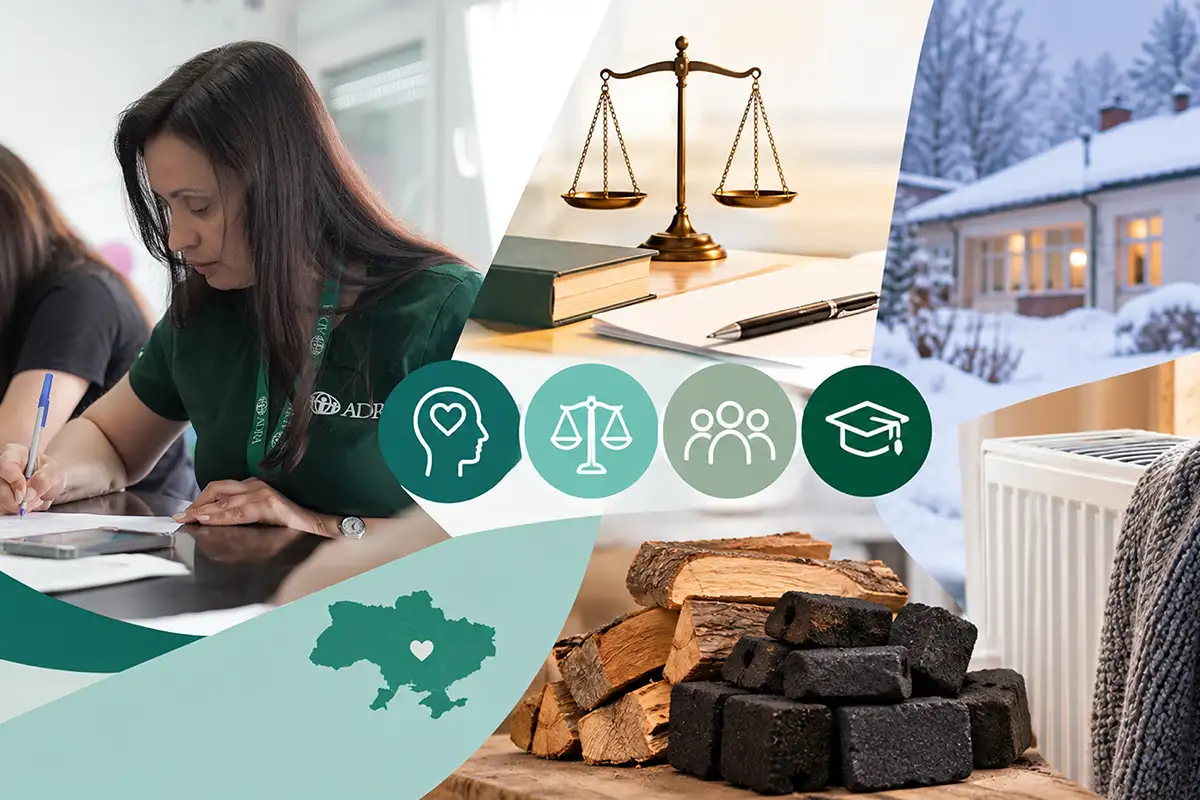
Psychological and legal consultations for people throughout Ukraine and assistance with heating for 150 IDPs in Zaporizhzhia region — will combine such areas with the new ADRA Ukraine project, which started in ...

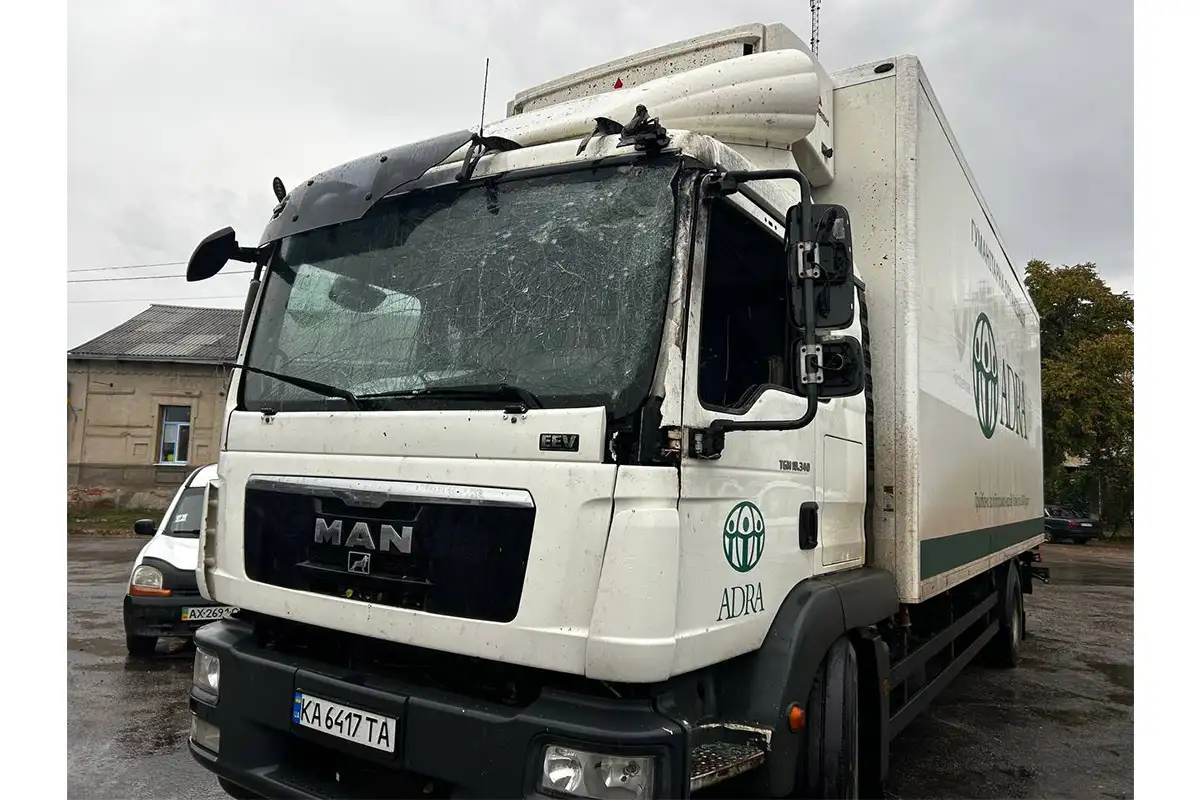
On September 23, an incident with an FPV drone occurred in the village of Zolochiv, Kharkiv region, during the distribution of food aid. Due to the team noticing the danger in time ...
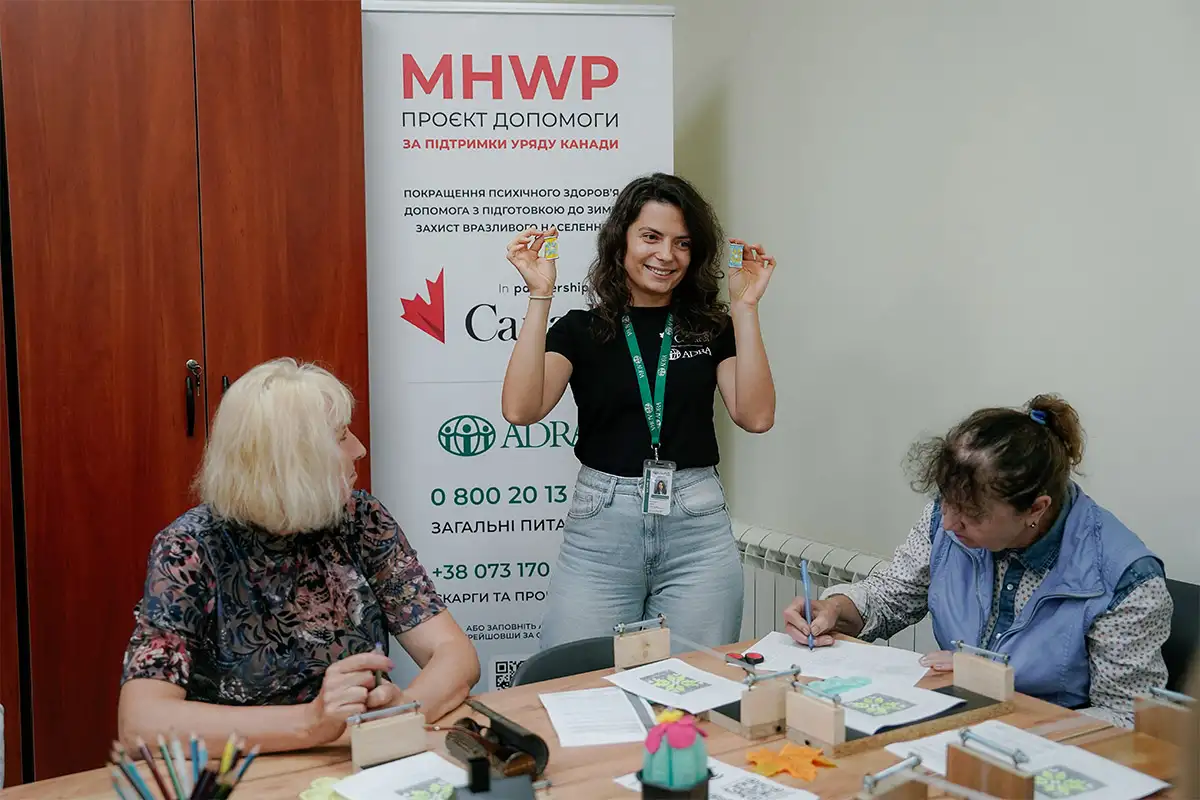
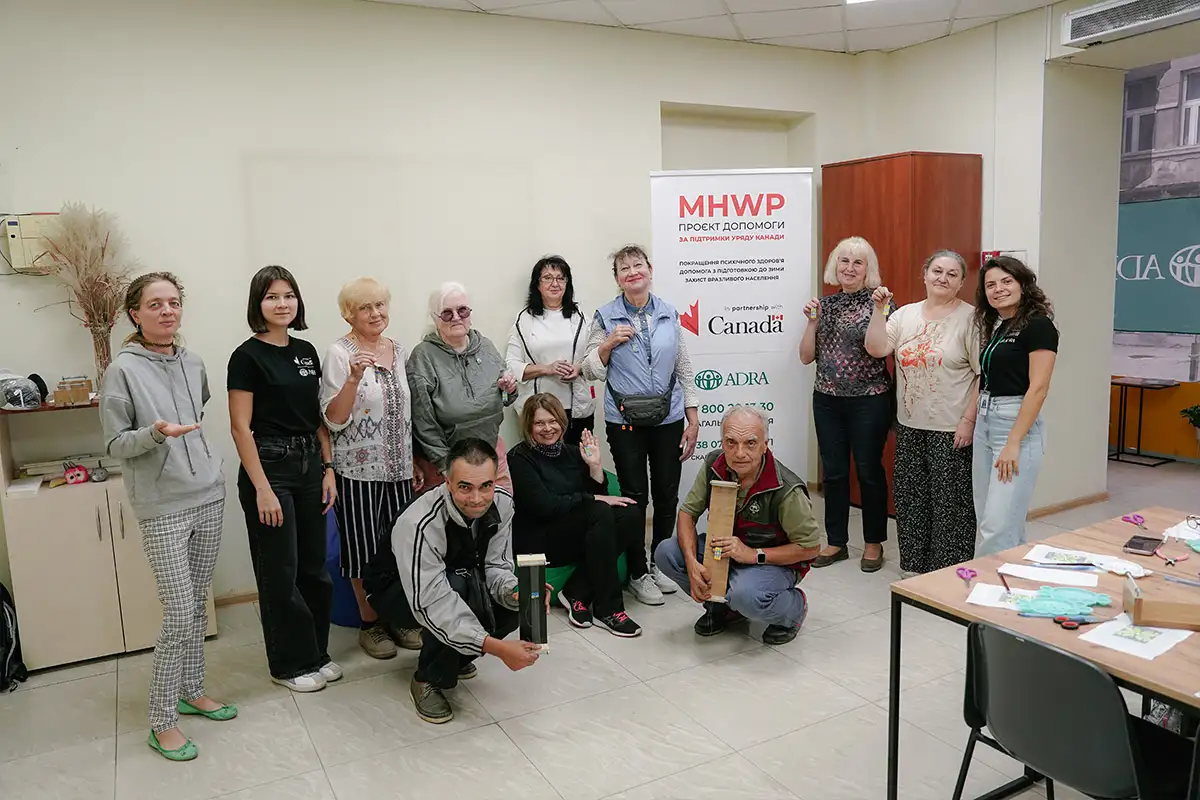
Focusing on small beads, choosing colors and gradually seeing the result of your own work — a creative activity held at the Protection and Support Center of ADRA Ukraine in Kharkiv. It ...
How to notice your own emotional state, cope with internal tension and find available ways of self-support? A series of online group events within the “JPF7” project was devoted to this. During ...
ADRA Ukraine stops humanitarian transportation in the Kherson and Zaporizhzhia regions due to high security risks on the routes. At the same time, transportation within the “REACT” project will continue in the ...
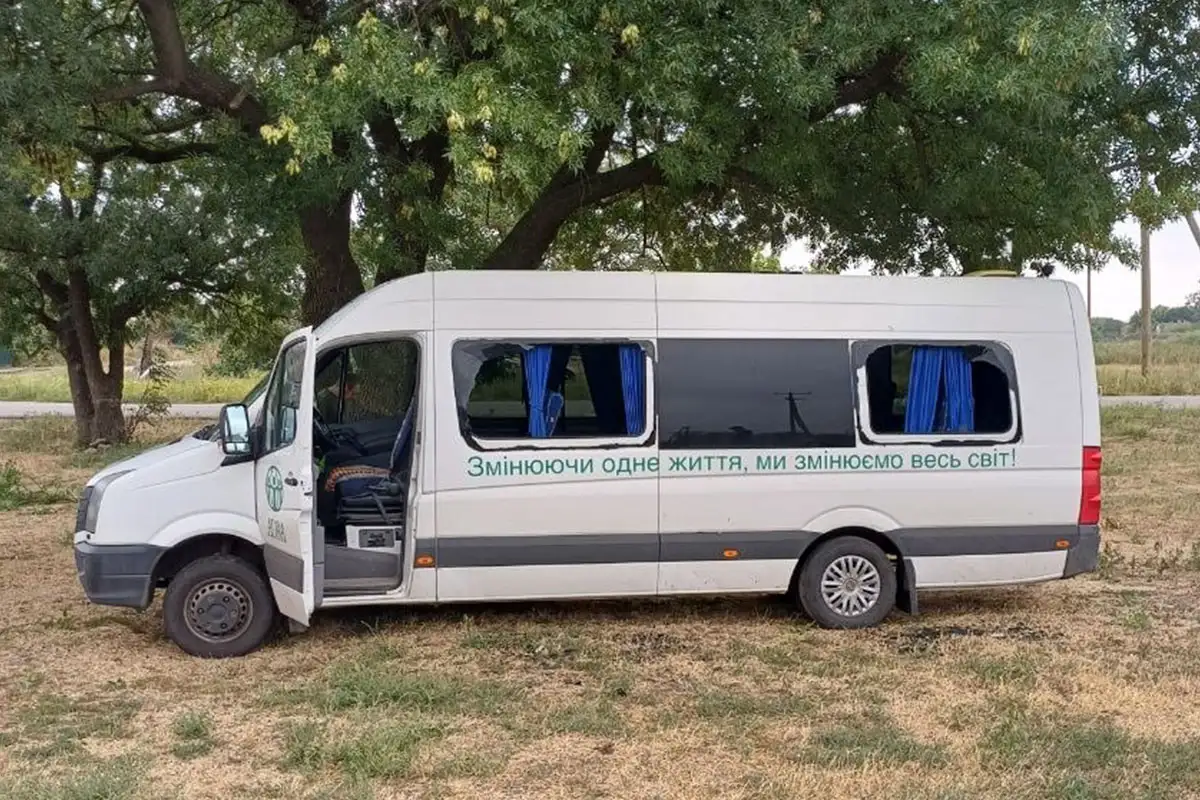
On September 14, near Myroliubivka village in the Dnipropetrovsk region, an FPV drone attacked an ADRA Ukraine bus that provides humanitarian transportation for residents of the Kherson region. At the time of ...
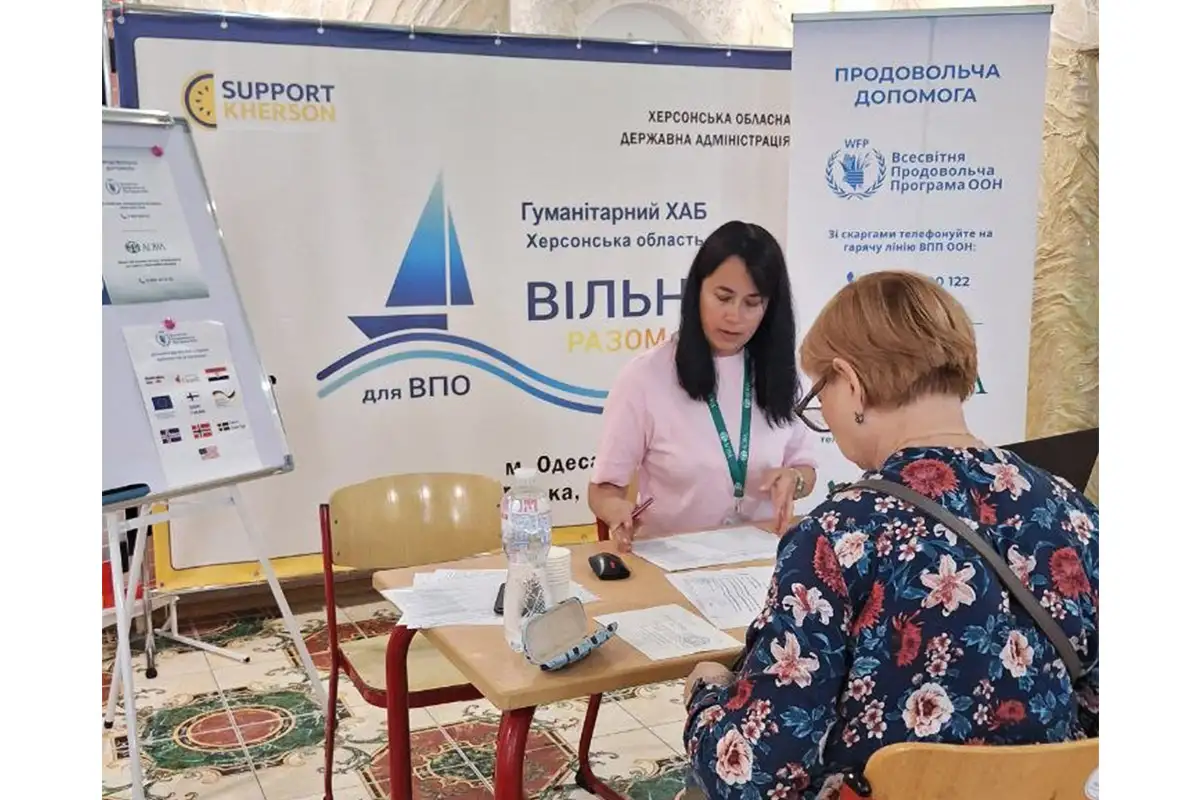
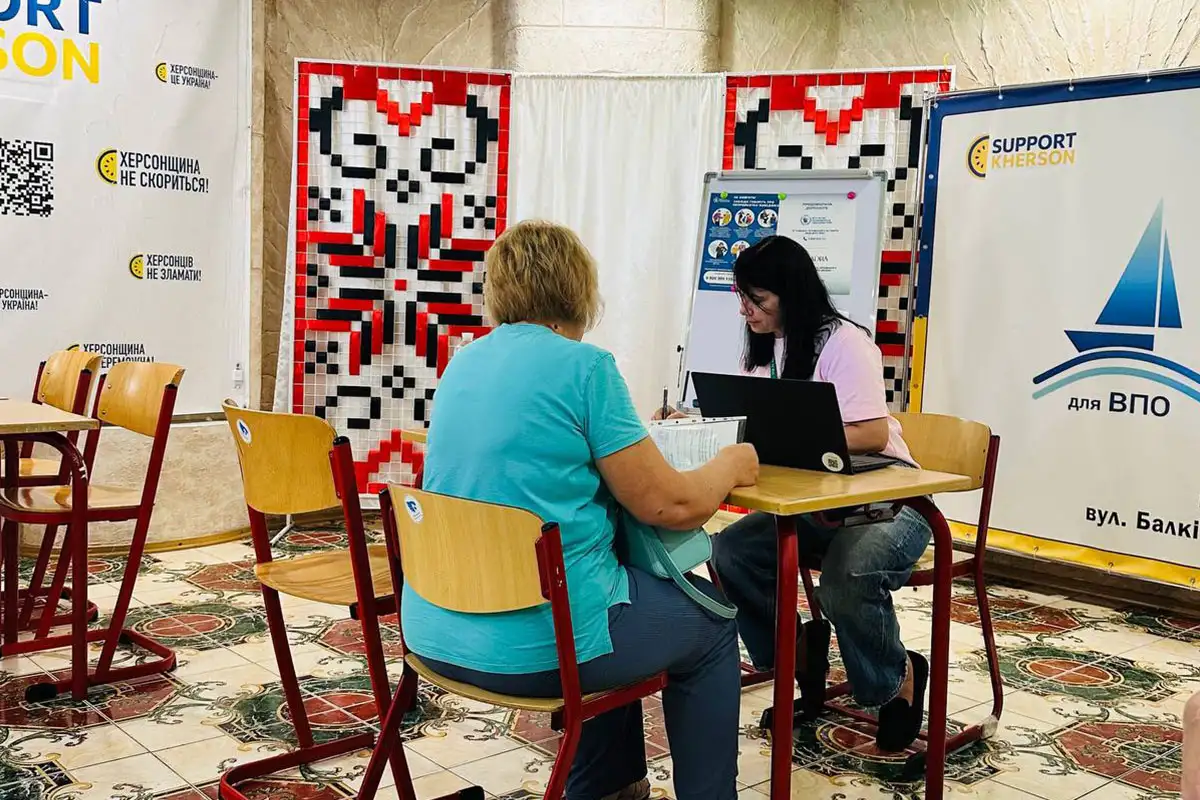
Due to the deterioration of the security situation in the city of Kherson, more and more people are evacuating the city and turning to the Kherson hub «Vilni razom» (EN: Free together) ...
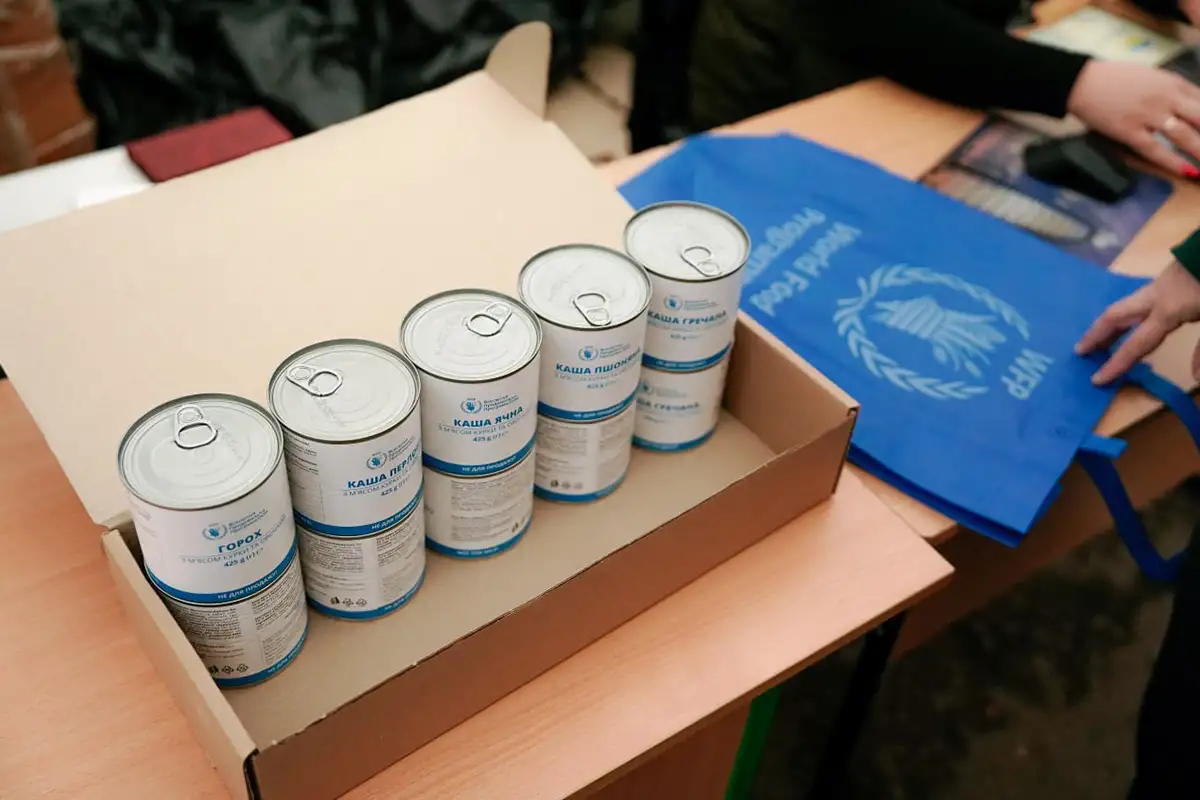
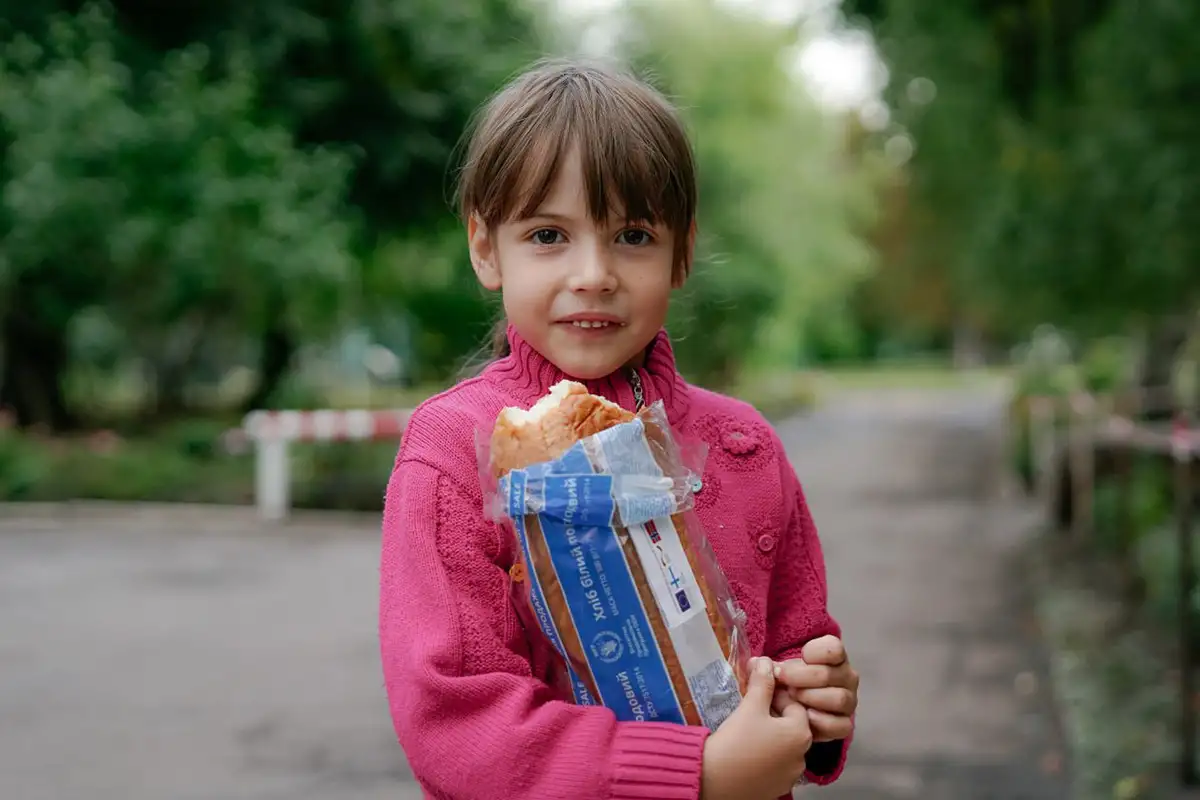
People evacuating Kramatorsk, Sloviansk and other localities in Donetsk region arrive at a transit center in Kharkiv on September 16, the ADRA Ukraine team handed them 154 ready-to-eat food kits. The peculiarity ...
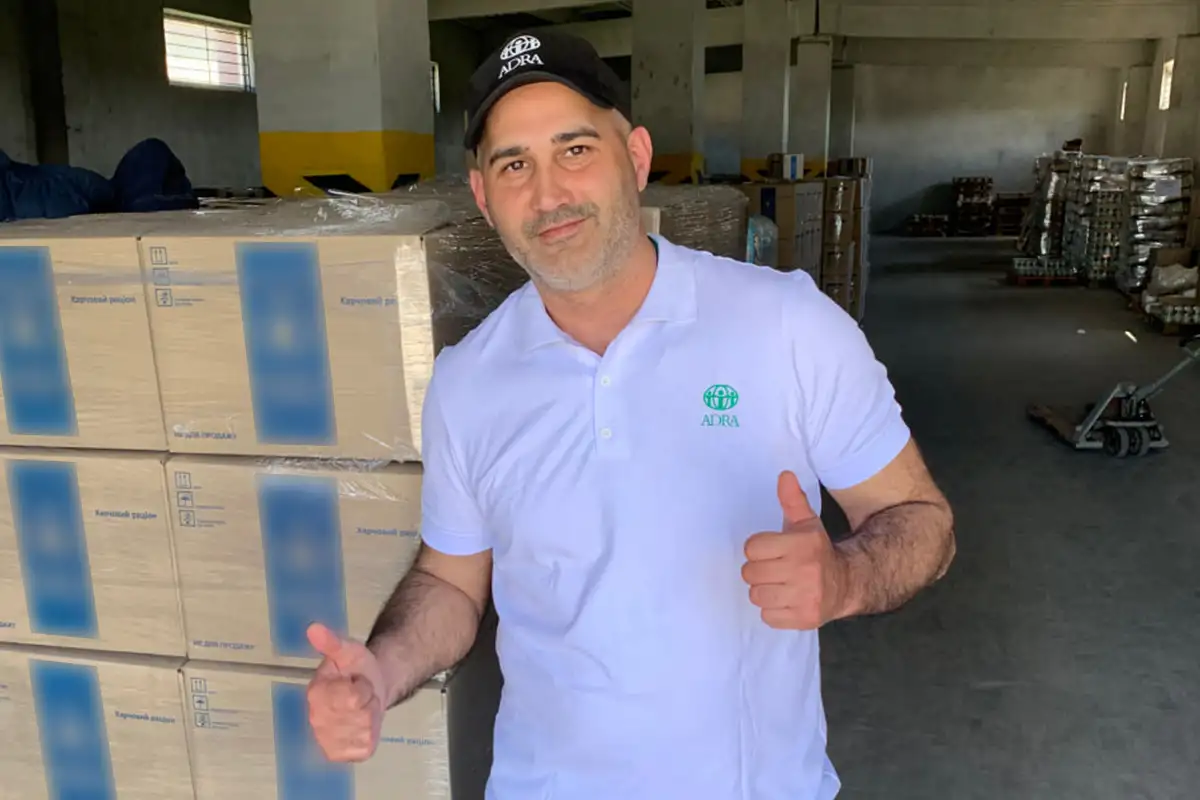
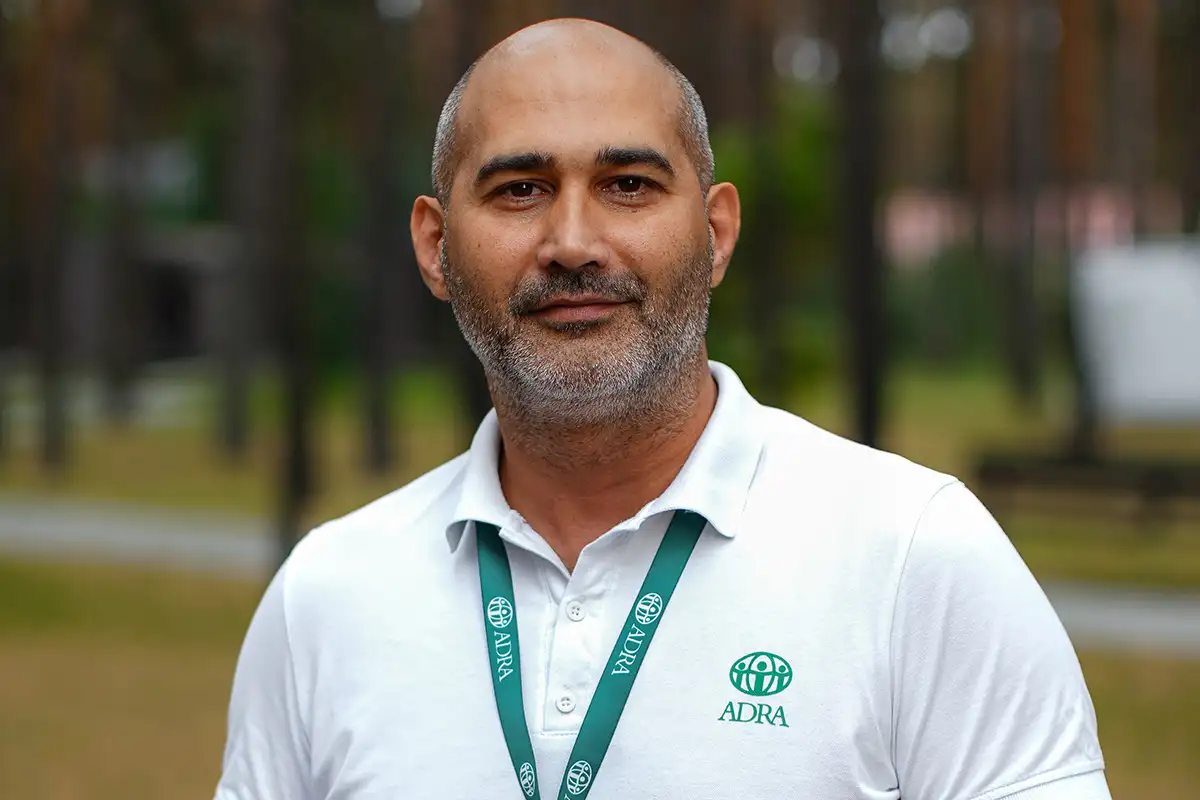
Daily shelling, FPV drones, damaged bridges and roads under anti-drone nets — in such conditions, the ADRA Ukraine team delivers food aid to people who remain in the communities of Donetsk region. ...
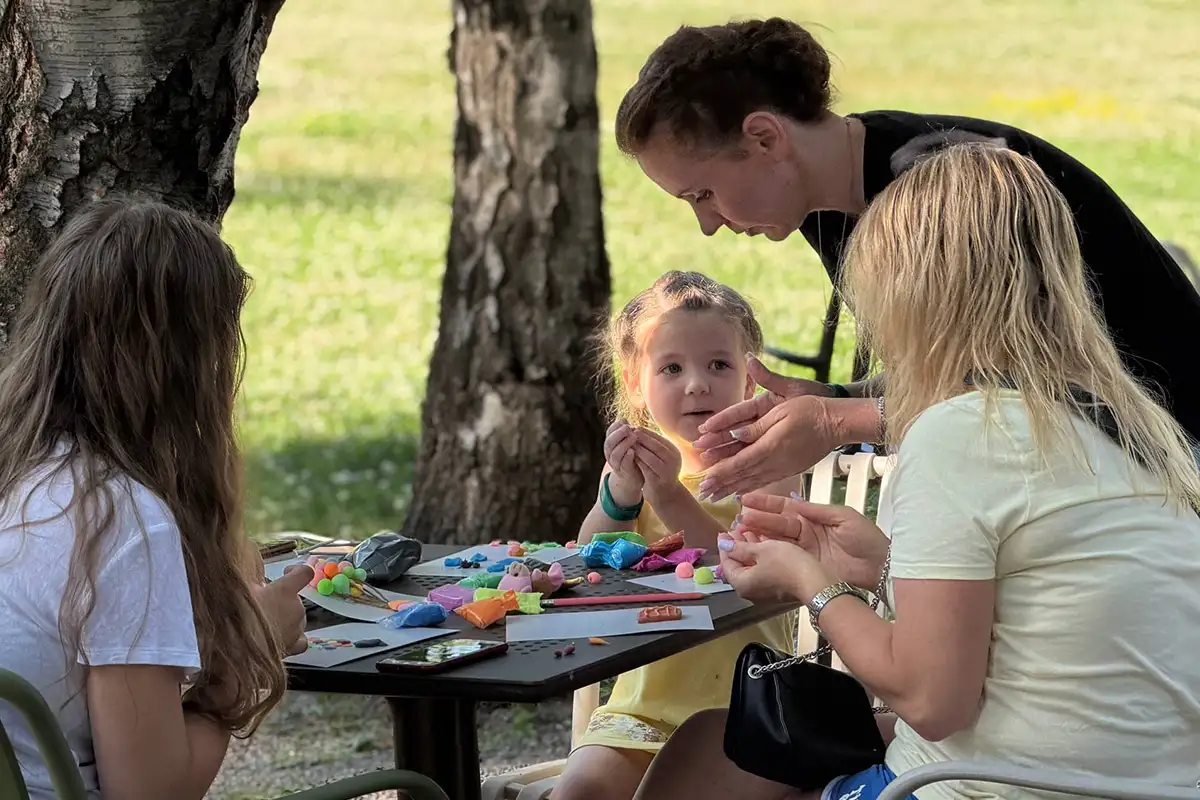
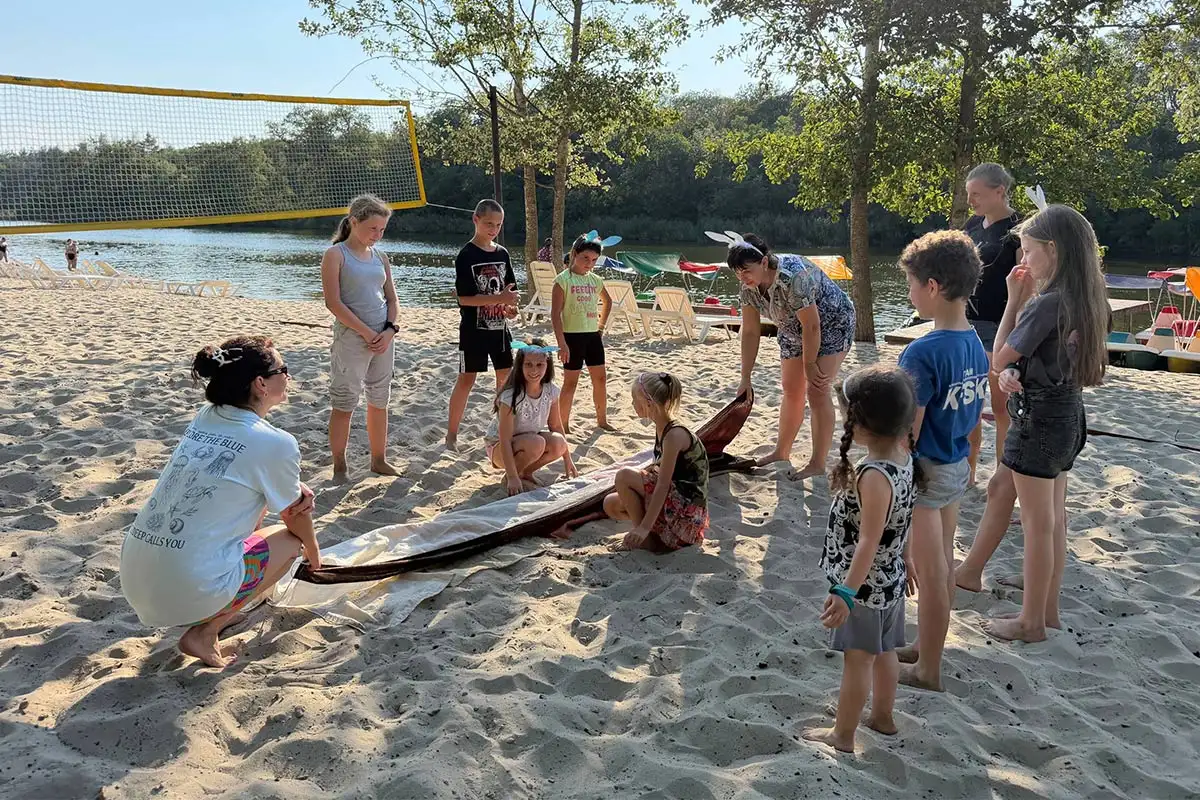
See alpacas and llamas up close, watch deer, ostriches and peacocks, spend the whole day in the fresh air, and most importantly — relax with the parents. For seven children from the ...
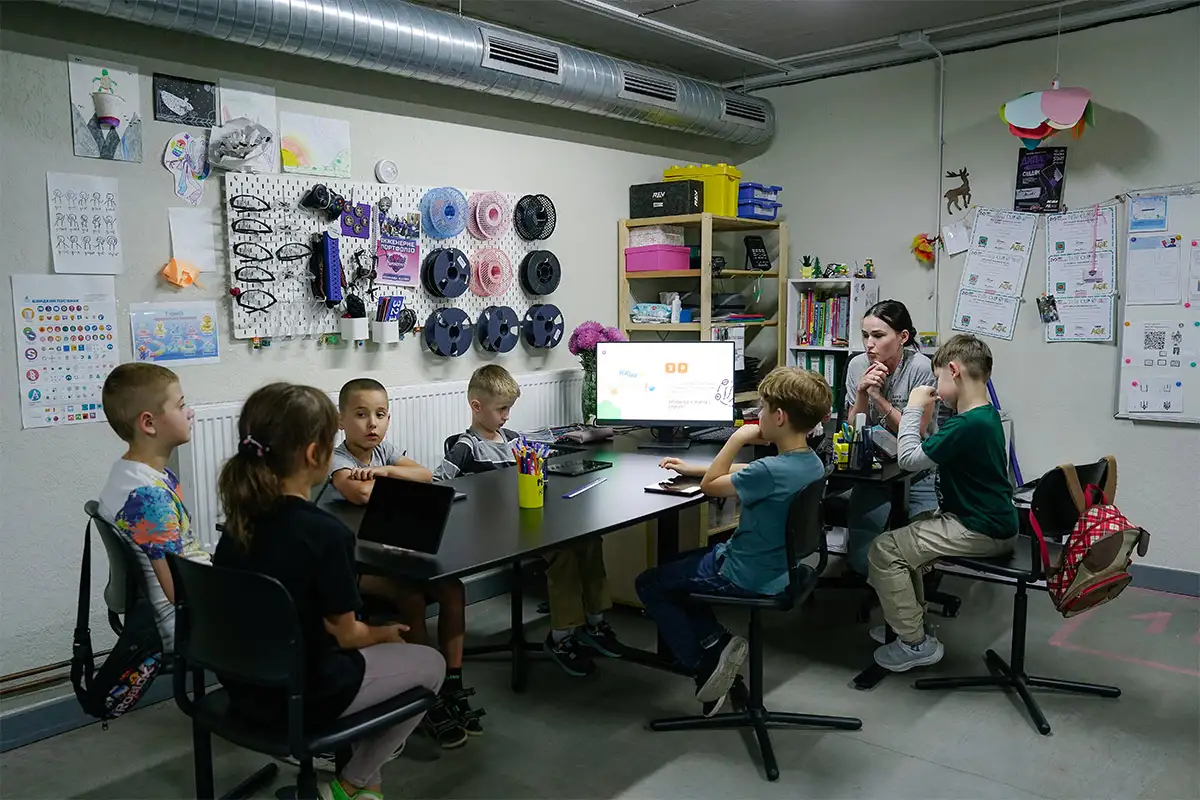
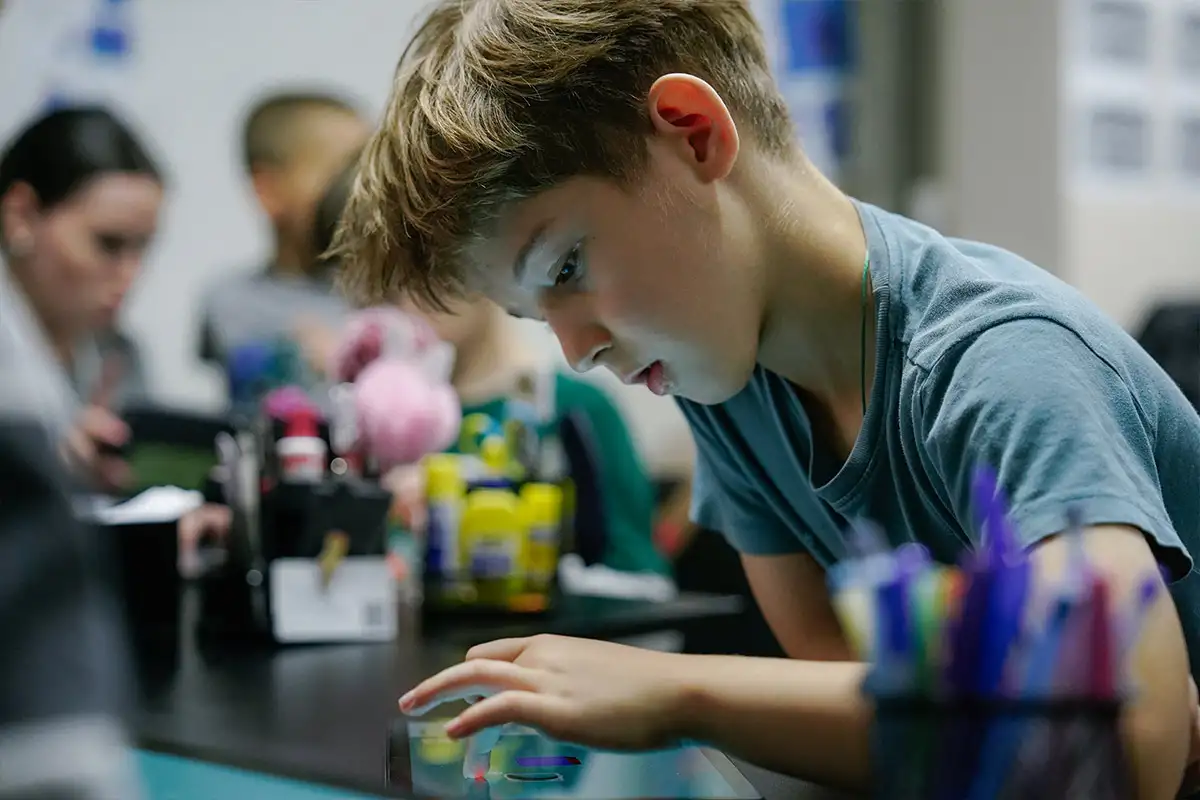
When a child is looking forward to the next class, this is probably one of the best indicators of what they are really interested in. For three months, the charity organization Save ...
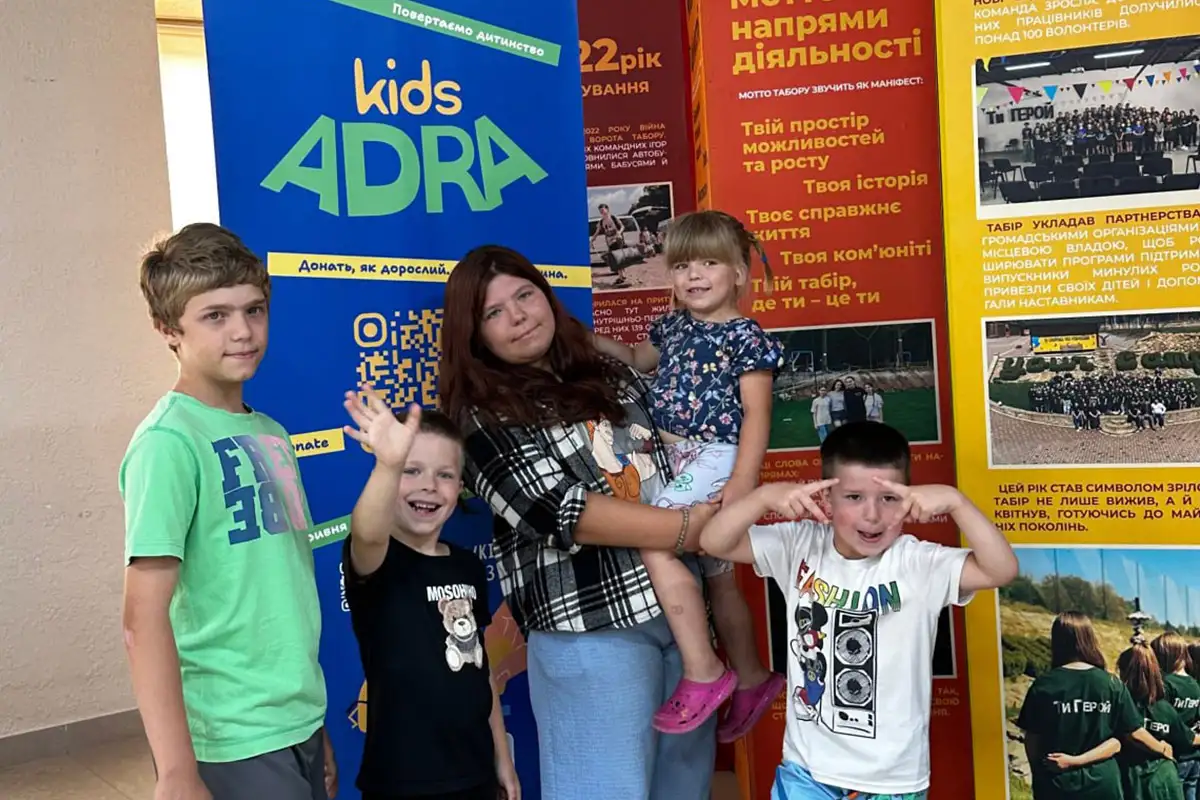
For some, a trip to summer camp is a common part of the holidays, and for some is an opportunity that might not be: to see new places, find friends, try something ...
For the third month in a row, IDPs from the city of Kherson and the Kherson region, who are currently in the city of Odesa, can register for cash assistance from the ...
How does a humanitarian organization work, where to start assistance during a crisis and how to turn the identified problem into a specific project? This summer, children and teenagers from “The Pathfinder” ...
