



“The Wheels That Bring Back Freedom”: How ADRA Ukraine Provides Wheelchairs to People with Disabilities During the War
“The Wheels That Bring Back Freedom”: How ADRA Ukraine Provides Wheelchairs to People with Disabilities During the War
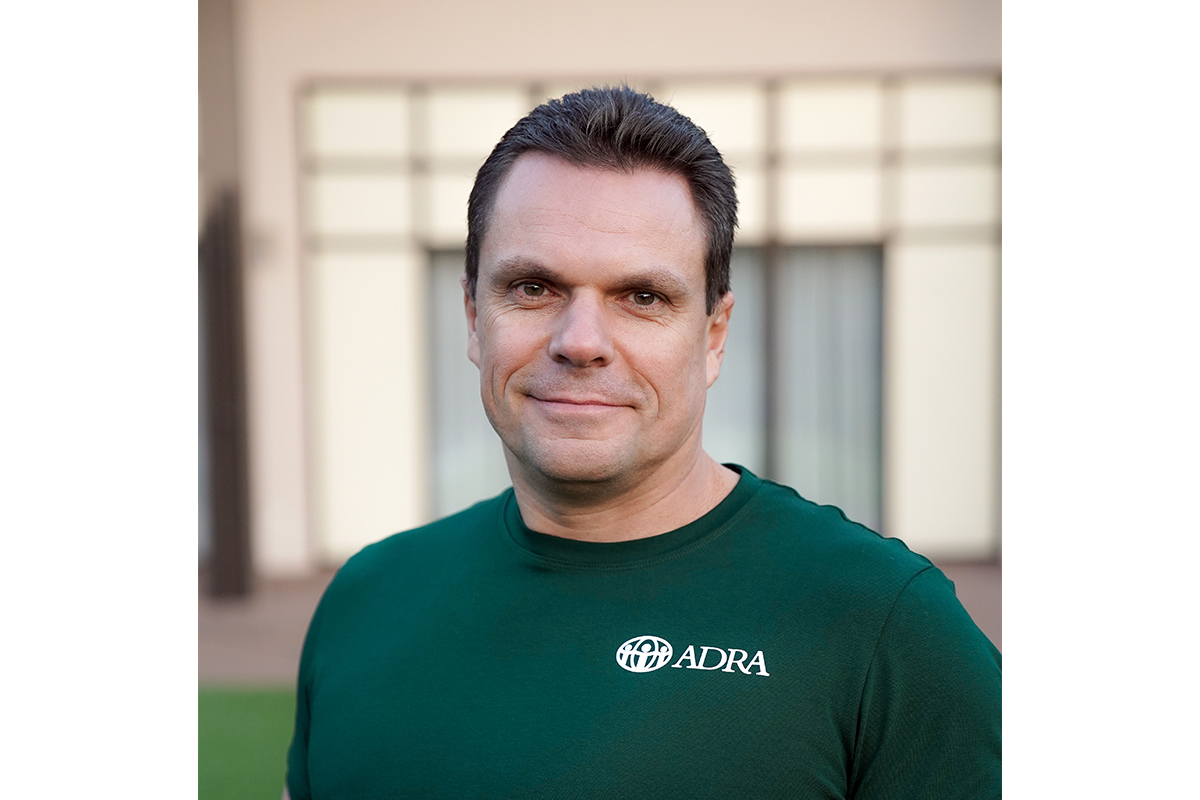
ADRA Ukraine’s wheelchair programs have become a lifeline for many Ukrainians — giving people with disabilities the chance to regain mobility and dignity in their daily lives. Implemented in cooperation with international partners — The Church of Jesus Christ of Latter-day Saints and Wheelchairs Foundation — these projects support both individuals and hospitals across Ukraine. At the heart of this effort is project manager Philip Schubert, who combines project coordination with safety management amid wartime challenges.
— Philip, tell us about your work at ADRA Ukraine. What are your responsibilities?
— Within ADRA Ukraine, I am responsible for the security component — ensuring the safety of our staff and guests. This includes planning field trips to high-risk areas, conducting risk assessments, coordinating movement, and responding to incidents.
At the same time, I work on three projects. Within the partnership with the World Food Programme (WFP), I serve as a protection officer and security advisor.
In addition, I manage two programs providing wheelchairs to people with disabilities:
LDS Wheelchairs 2025, supported by The Church of Jesus Christ of Latter-day Saints;
Wheelchairs Foundation 2025, implemented in partnership with the U.S.-based donor Wheelchairs Foundation.
— When and how did this area of assistance appear at ADRA Ukraine?
— The initiative came from The Church of Jesus Christ of Latter-day Saints, who offered to help people living with disabilities or those who had acquired disabilities due to the war by providing wheelchairs.
We saw the real need but had no capacity to respond at that time, so we agreed to cooperate, and I was appointed as the project coordinator. The partnership with LDS has continued since 2022. In May–June of this year, we agreed on a new shipment of wheelchairs, and the project is still ongoing.
Later, Wheelchairs Foundation reached out, offering additional support for Ukraine, which led to the second project — Wheelchairs Foundation 2025. The management decided to merge the coordination of both initiatives, so I oversee them together.
— How much has the need for wheelchairs increased since the start of the war?
— Unfortunately, significantly. Many people have suffered injuries during hostilities and now rely on wheelchairs to regain mobility. But hospitals also need them — the number of patients has grown, and existing wheelchairs are often insufficient.
Wheelchairs under the LDS Wheelchairs 2025 project are mainly distributed to hospitals and care homes. They are designed for assisted movement — a person cannot move independently in them.
In contrast, Wheelchairs Foundation 2025 provides semi-active, individual models with large wheels and push rims for independent movement. We distribute these directly to individuals for personal use.
— How do people or institutions apply for assistance?
— Requests come from hospitals, churches, associations of people with disabilities, and directly from individuals.
We inform communities, religious groups, and regional associations about the opportunity. Then we collect applications from hospitals and individuals and explain what documents are required. After the preparation and planning stages, we arrange deliveries to hospitals and announce the time and place where people can receive their wheelchair upon presenting the necessary documents.
— How do you determine who receives the aid first?
— It depends on the urgency of the need.
Hospitals serving both ex-combatants* and civilians in rehabilitation get the largest allocations. Local clinics requesting two or three chairs also receive assistance — because the need exists everywhere.
The same applies to associations.
For instance, the Mykolaiv Association of People with Disabilities helps evacuate people from dangerous areas. They need wheelchairs even just to move people from their homes to transport or hospitals.
— Which institutions have already received large shipments?
— The largest deliveries include:
- Svalyava Hospital (Zakarpattia region) — 30 wheelchairs;
- Kaniv, Cherkasy region — 47 wheelchairs;
- Odesa City Hospital No.10 — 72 wheelchairs;
- Mykolaiv hospitals — 22 wheelchairs.
Distribution of LDS Wheelchairs 2025 began in July, while the Wheelchairs Foundation 2025 deliveries of individual models started in September.
— How many have been delivered so far?
— Under LDS Wheelchairs, we’ve already distributed all 333 wheelchairs.
Under Wheelchairs Foundation, from 280 available, about 200 have already been delivered.
— Are there any stories that touched you the most?
— Many.
For example, in Kremenets, we delivered 45 wheelchairs to a rehabilitation center and elderly care homes. One woman shared that her acquaintance, Olena, a resident of Kryvyi Rih, had lost a limb due to illness complications. She was using a borrowed wheelchair, but when the owner needed it back, she had to return it and was left unable to move around her home. She prayed to God for help — and just a few days later, our team brought her a wheelchair.
She was deeply grateful — for her, it was literally a chance to regain life.
— What kind of feedback do you receive most often?
— People are sincerely thankful.
Many grateful responses from ex-combatants: express appreciation: while waiting for prosthetics or fundraising for expensive active wheelchairs, our semi-active models allow them to move, go outside, and reconnect with life.
— Do you have logistical support from partners?
— Yes, Nova Poshta has been a huge help.
The first large shipment — over a hundred wheelchairs to Mykolaiv and Odesa — was transported by them free of charge.
When a similar request came later, they supported us again.
Thanks to their help, we managed to deliver 107, and later another 103 wheelchairs, to frontline regions quickly and safely.
— What are the main challenges now?
— The biggest issue is transporting large shipments over long distances.
We don’t have our own heavy trucks; smaller vehicles can only carry 30–40 wheelchairs at once. So, partnerships like the one with Nova Poshta are critical for continuing this work.
— What are your plans moving forward?
— We are currently collecting requests from southern and central regions.
We expect a new shipment under the LDS Wheelchairs project and will then focus on supporting medical facilities and individuals in eastern Ukraine — particularly in Kharkiv and Dnipropetrovsk regions, where the needs are greatest.
Our goal is simple: to make wheelchairs accessible across the country and improve the quality of life for people with limited mobility.
* The term “ex-combatants” is used exclusively for persons discharged from military service.
Tags
Share this publication
Our social networks
Categories
Last news

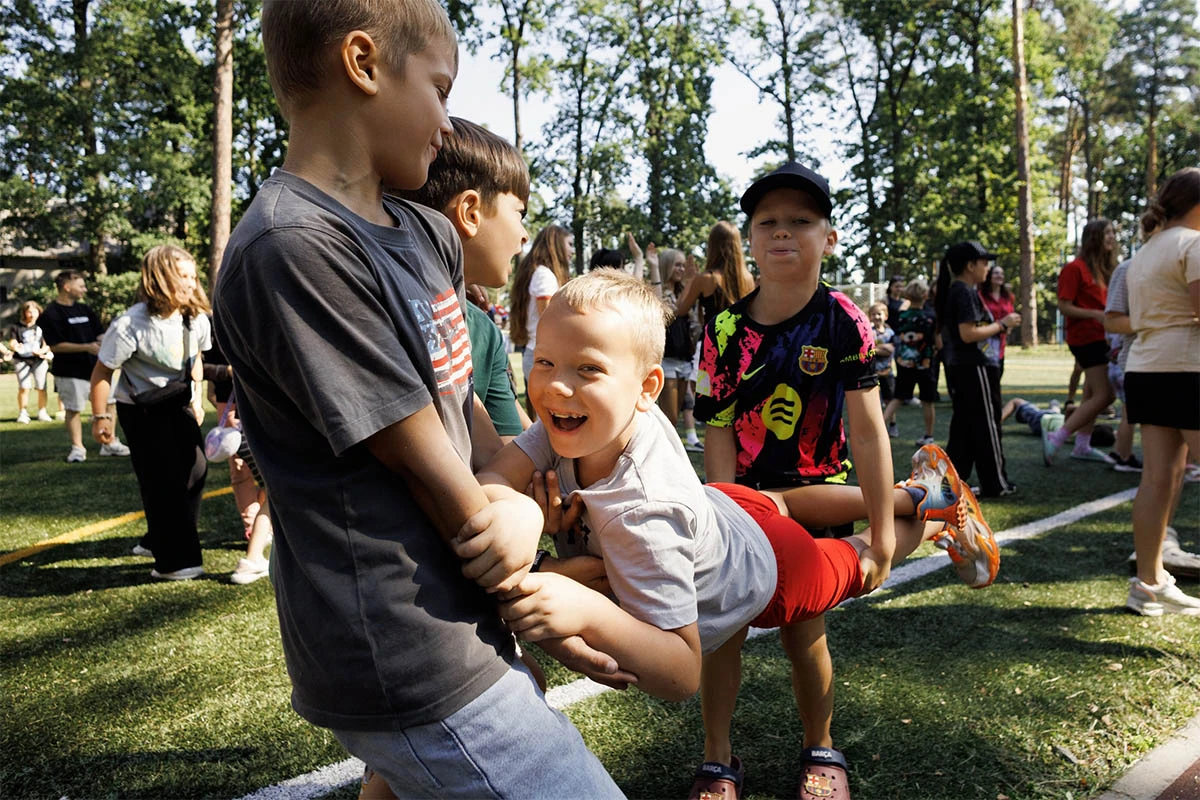
There are meetings that children wait for all year round. For many of them, the summer camp in the city of Bucha — is an opportunity to see old friends again, meet ...
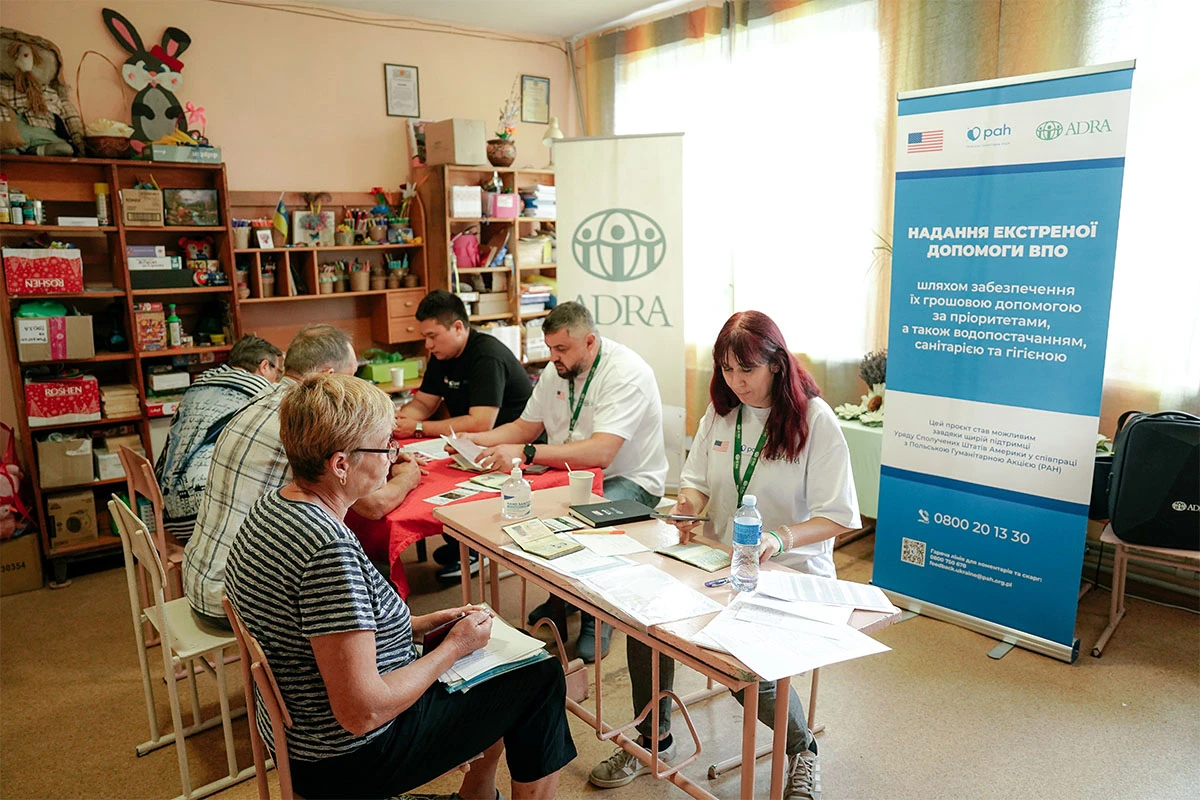
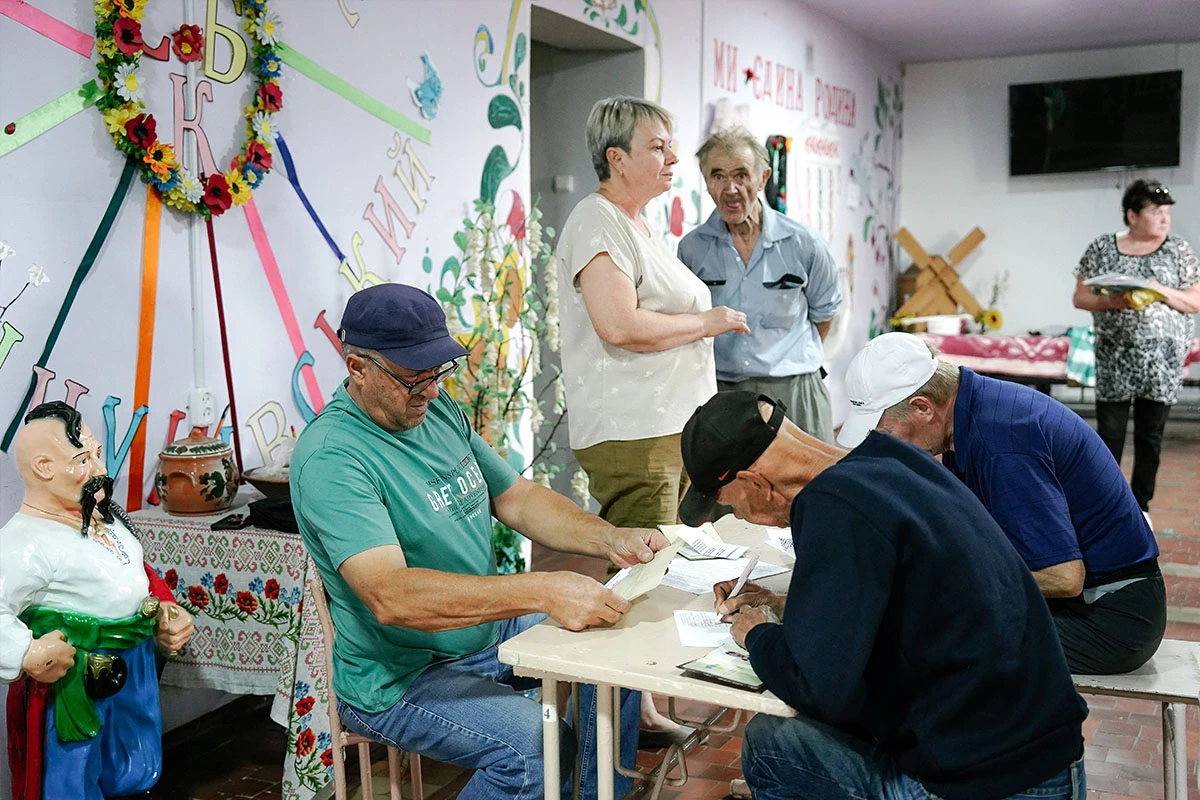
More than 500 households in Dnipropetrovsk and Kharkiv regions are already registered to receive cash assistance for preparation for the 2026–2027 heating season. Vulnerable families who heat their homes with solid fuel ...

Please find below the November 2025 ADRA Ukraine Newsletter. You can download the newsletter at the following link: Newsletter – November 2025


December 18 at the private lyceum «Akademiya Mudrosti» (EN:Academy of Wisdom) placed in the city of Bucha (Kyiv region) there was a festive performance «Christmas postman». After its completion, 205 students and ...

From December 25, 2025 to January 1, 2026, our contact center is open according to the following schedule: December 25, 2025 (Thursday) — day off December 26, 2025 (Friday) — 08:00 – ...

A working meeting of the ADRA Ukraine team with representatives of the partner organization — of the Ukrainian Deminers Association (UDA) took place in Kyiv. During the meeting, the parties discussed the ...


On December 11, ADRA Ukraine employees distributed food kits from the UN World Food Programme (WFP) with the support of ADRA Switzerland for 56 residents of the village of Limantsi, Horokhiv community, ...


ADRA Ukraine monitored winter aid and provided psychosocial support to displaced persons in the Sumy region In December, the ADRA Ukraine team, within the framework of the MHWP project, made a monitoring ...


On December 8, 2025, a charity evening was held at the National Children’s Hospital «Ohmatdyt» in Kyiv with the premiere of the documentary short film Lina, based on the real story of ...

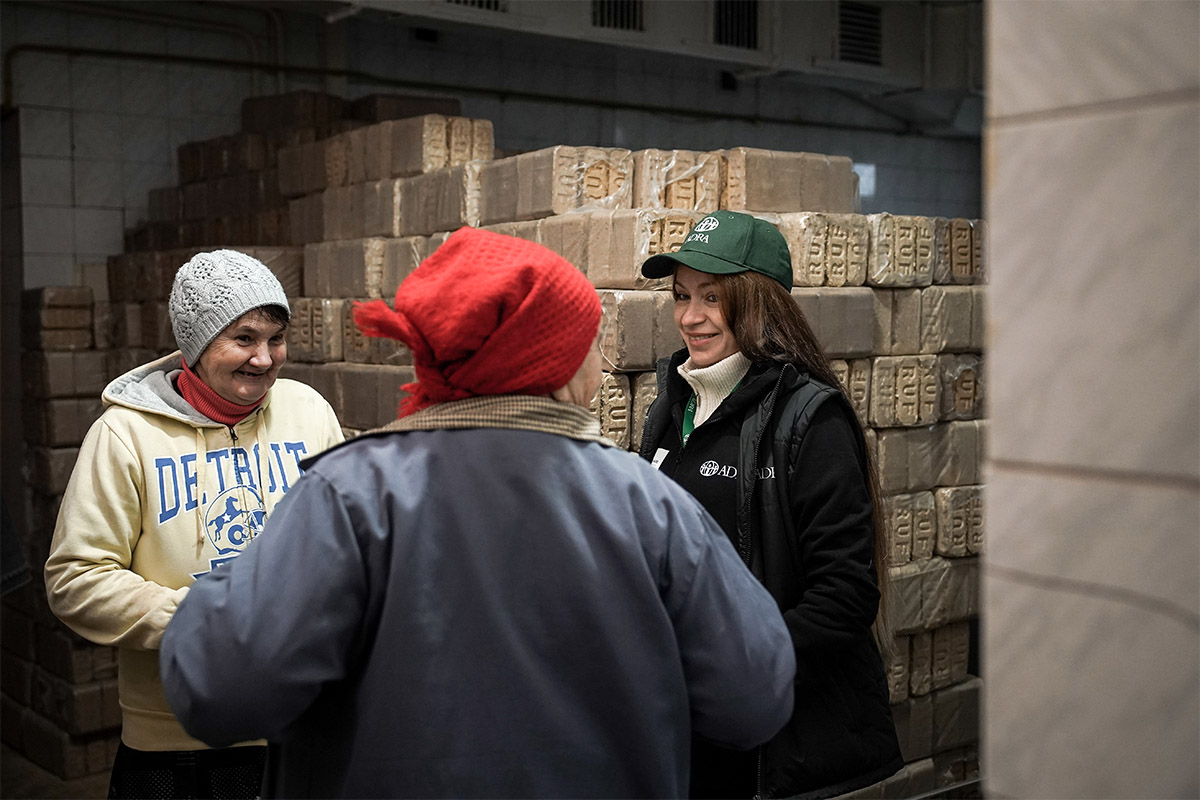
With the onset of winter, the ADRA Ukraine team began an important stage of support for internally displaced persons in the city of Zaporizhia. Since the beginning of December, the provision of ...


The charitable organization ADRA Ukraine presented its projects at the 14th Civil Society Forum “(with) STAND,” which took place on December 5 in Kyiv. Among the highlights were the ADRA Kids project, ...


In November, the ADRA Ukraine team additionally provided residents of two more communities of the Chernihiv district of the Chernihiv region with RUF fuel briquettes. This region suffered significant destruction of energy ...


In the village of Urozhayne, Beryslav district of Kherson region, a local volunteer who assisted ADRA Ukraine in distributing bread provided by the UN World Food Programme (WFP) with the support of ...


This week, the Coordination Center for Humanitarian Aid to Kherson People in the city of Dnipro «Vilni razom» (EN: Free together) visited the city of Pokrov, Dnipropetrovsk region, for the second time ...

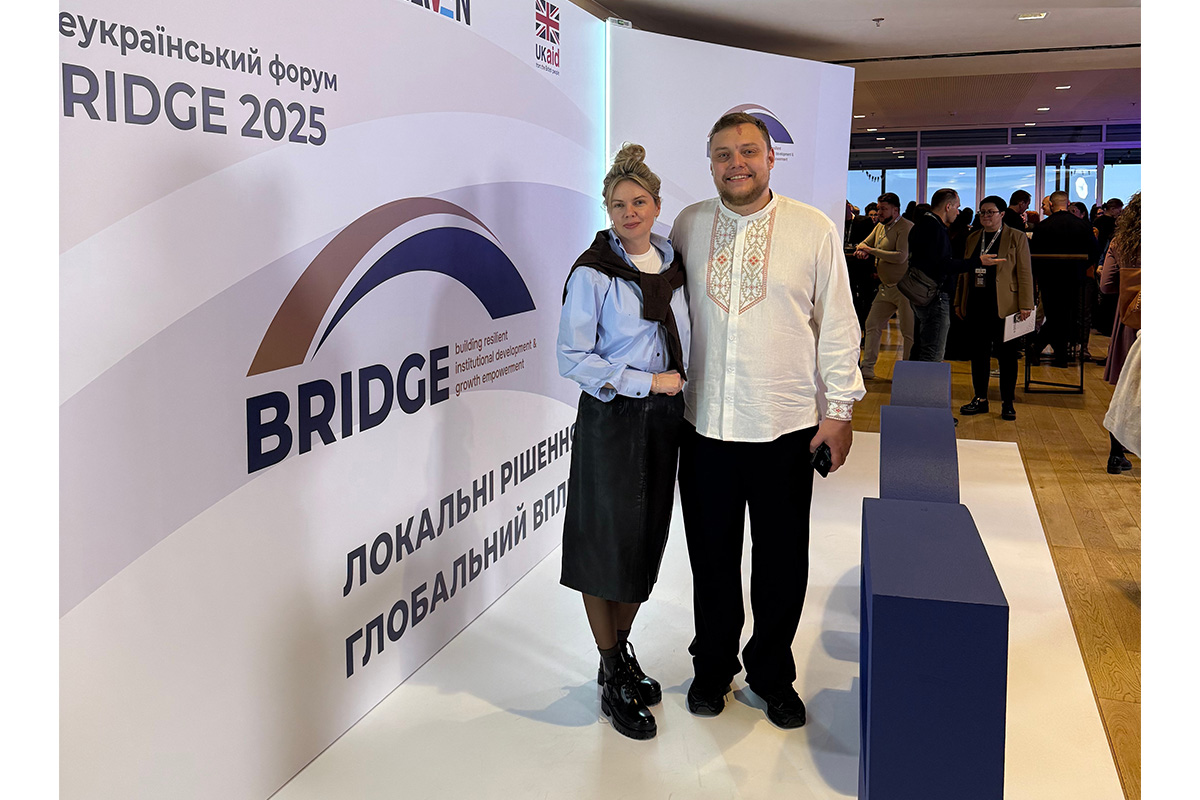
The meeting for the charitable and humanitarian sector of Ukraine called “BRIDGE Forum” took place on November 26 in Kyiv. The event brought together representatives of international and Ukrainian organizations, state structures, ...


On November 24, another distribution of food aid from the UN World Food Programme (WFP) took place in the city of Zolochiv that located in Bogodukhiv district of Kharkiv region. The organization ...


In November, there was a change of leadership in ADRA Ukraine. The organization was headed by Andrii Babentsov, who worked in the team for a long time and knows well the internal ...

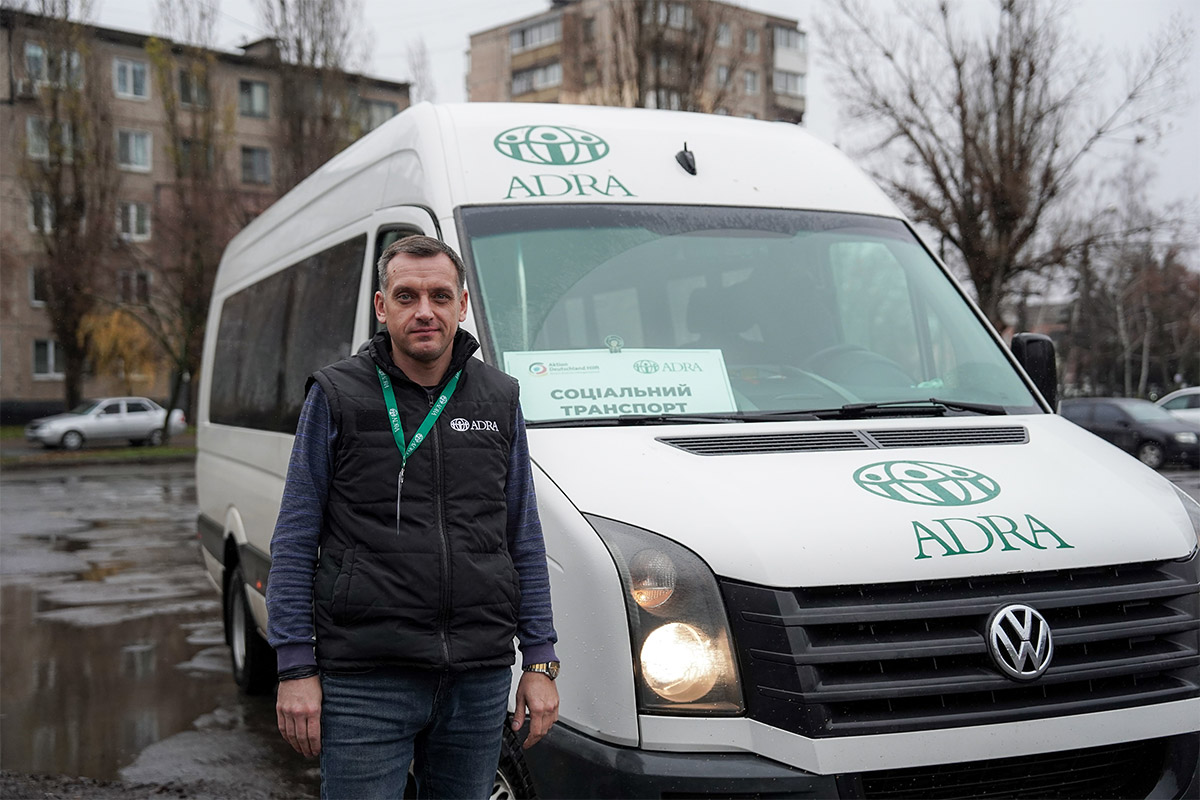
Within the framework of the WMTW Ukraine «Safe water, mental peace, social transport and winterization for Ukrainians affected by conflict», financed by donors Aktion Deutschland Hilft (Germany) and ADRA Czech Republic, six ...
