
“We combine our creative activities with charitable projects” says a businessman who received a grant from ADRA Ukraine
“We combine our creative activities with charitable projects” says a businessman who received a grant from ADRA Ukraine
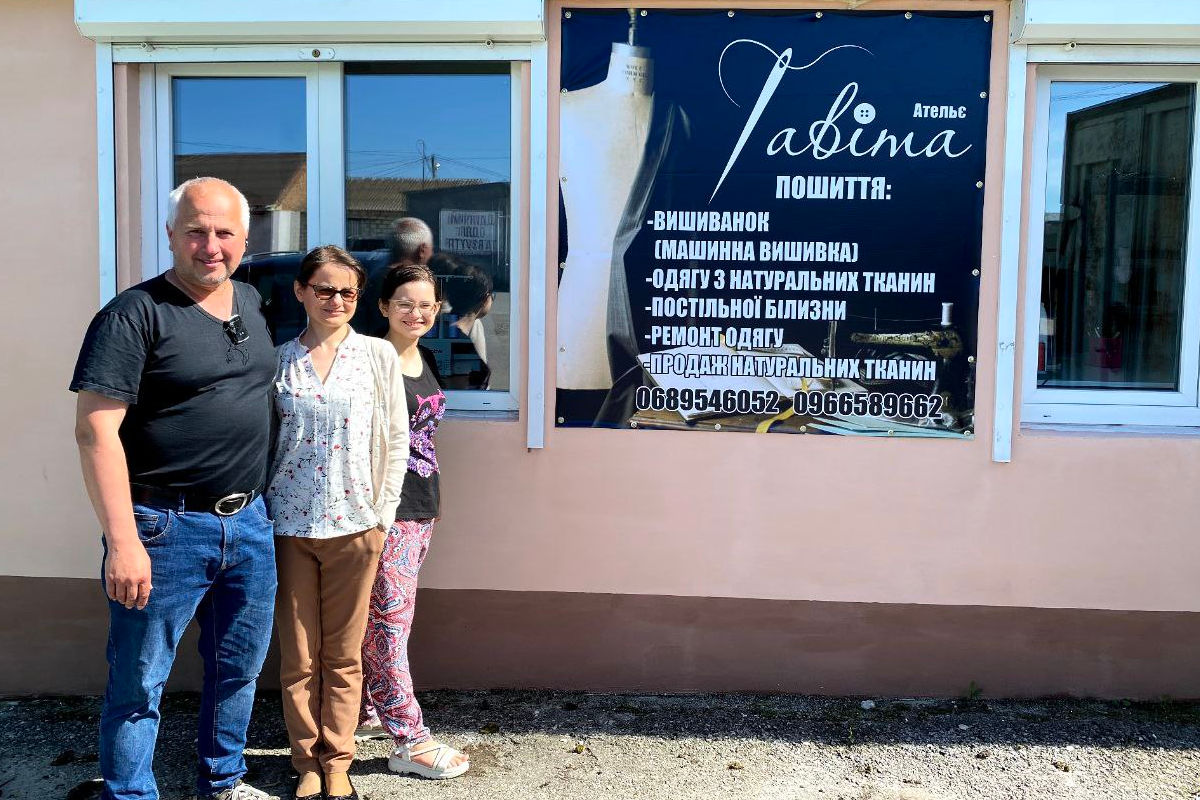
Volodymyr Zelinsky, from the city of Shumsk in the Ternopil region, won a grant competition held by the Adventist Development and Relief Agency in Ukraine (ADRA Ukraine) among businessmen involved in charitable work. He received a grant for his proposed charity project, the Tavita Atelier. The project is currently being implemented. We asked Volodymyr to tell us about his professional and charitable journey.
— Vladimir, please tell us about yourself. What do you do and how does it relate to charity?
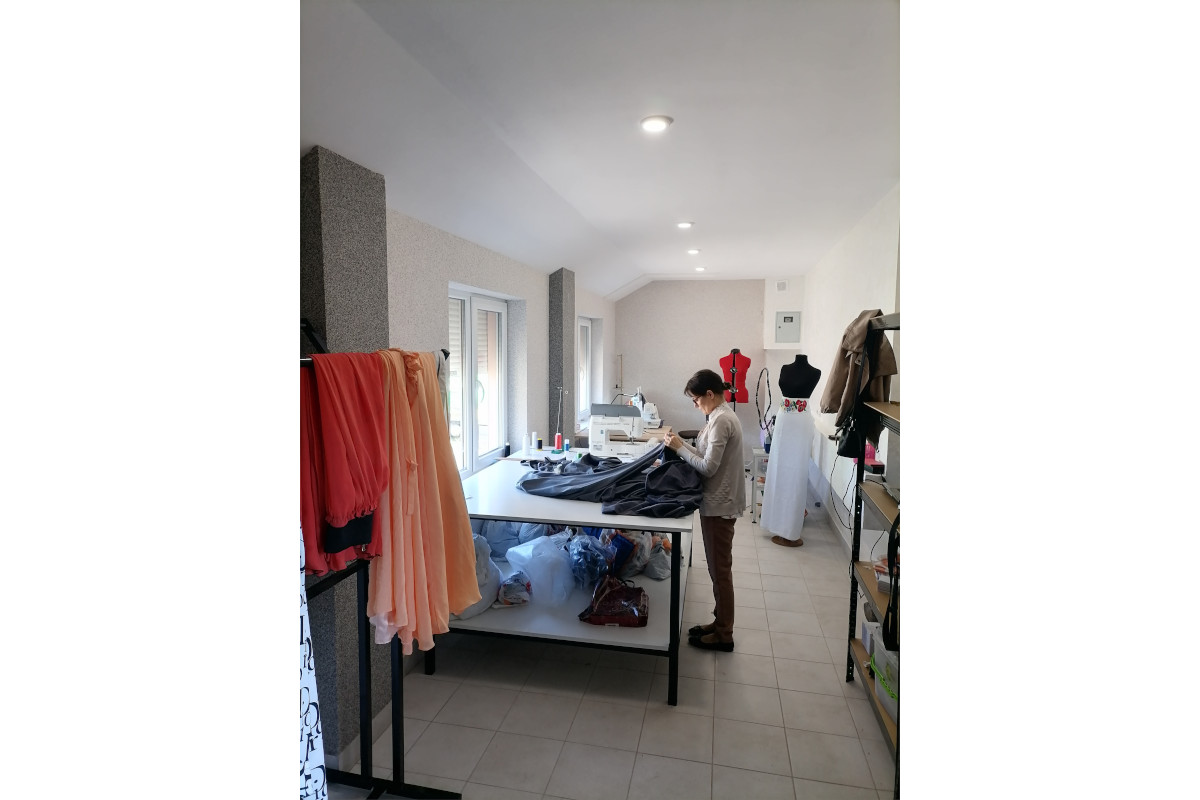
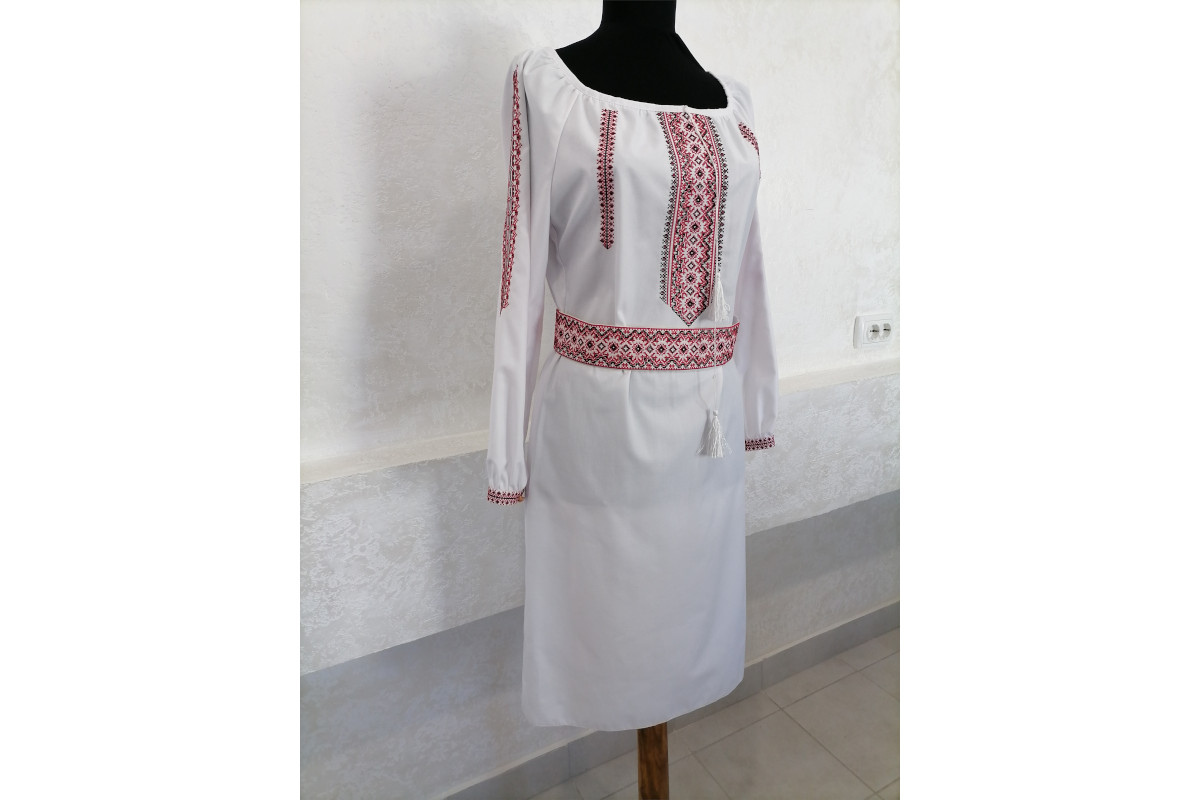
— My wife and I have started a sewing business. We sew embroidered shirts and clothes made from natural fabrics. How did it all start? My wife is a professional seamstress. In 2013, when there were events on the Maidan related to the national revival, people started wearing embroidered shirts more. They had been in fashion before, but then a special rise began, and we decided to buy equipment for sewing embroidery. We have been doing it ever since. We also repair and sew clothes and make bed linen. These activities bring us some income, which we use to help people in need. For example, we see people who need help, who have certain problems in their life or health, and we understand that in order to help, there must be some material component. So we started to combine our creative activities with charity projects.
— How did you decide to help people? What was your impetus and motivation?
— Our family started doing charity work before the war, during the COVID-19 pandemic. My wife and I were actively involved. You know, our medicine was not ready for the pandemic. At the Shumsk hospital, I went to the head doctor and said: ‘Andriy Yevhenovych, what are your needs? Can we help? He said: ‘You can sew disposable masks and medical clothing. So we started sewing laminated spunbond gowns. At that time, everyone was trying to help. At the same time, I was working as a controller in the gas industry. That was my main source of income. Part of my income went to support my family, and some went to support our business of sewing embroidered shirts and various clothes, to build it up and develop it. You see, this is quite an expensive business, you have to invest constantly: you need fabric, you need thread. When the full-scale invasion started, there appeared IDPs in our town. And we tried to help them by organising various events. With the war came instability in everything. Without waiting for humanitarian aid to arrive, our family and friends tried to collect money, buy some food and bring it to the people. Recently we had a campaign for the IDPs: we distributed food parcels from ADRA Ukraine. We also held programmes, sang with my wife and gave gifts to children with disabilities and cerebral palsy in the children’s ward of the Shumsk hospital.
— What project did you submit to the competition announced by ADRA Ukraine? What is the aim of your project?
— We have submitted a project to develop our activities – sewing, embroidery and clothing repair. This project also includes support for low-income people living in the Ternopil region: IDPs and people with disabilities. What is the essence of this project? We work because we need to earn some money. For example, we are in contact with the deputy director of the social security department in Shumsk. If there is a need, he tells me who needs help. Either a food parcel or something to sew. And we give these people, for example, a 20% discount on the cost of sewing. Sometimes we even give them 50% off, we can repair or hem something for free. Most of our help now is related to what we do, especially repairing clothes. For example, if a large family on a low income needs help, we get to know them and find out what they need. s If we see that there is a need for bed linen sets, we make them. We use our own money and also look for sponsors to make them for free. Another situation: in the town of Kremenets, which is next to our town, there is an NGO called Zorya Nadii, founded by Alla Androshchuk. This NGO works with children with disabilities, including cerebral palsy. Alla invited us to help her sew the necessary things for the foundation. I don’t want to just bring the necessary things and that’s it… But in the process of helping, I want to teach the children to work. You know what they say: ‘Give a man a fish and he will never go hungry. Teach him to fish and he will be fed’. So we started working with these children. There was a time when my wife and I went to Kremenets and helped sew eco-friendly bags and taught them the craft of sewing. In our application for the competition, we described our achievements, needs and opportunities. We wanted to expand our charitable activities.
— How is this project being implemented now?
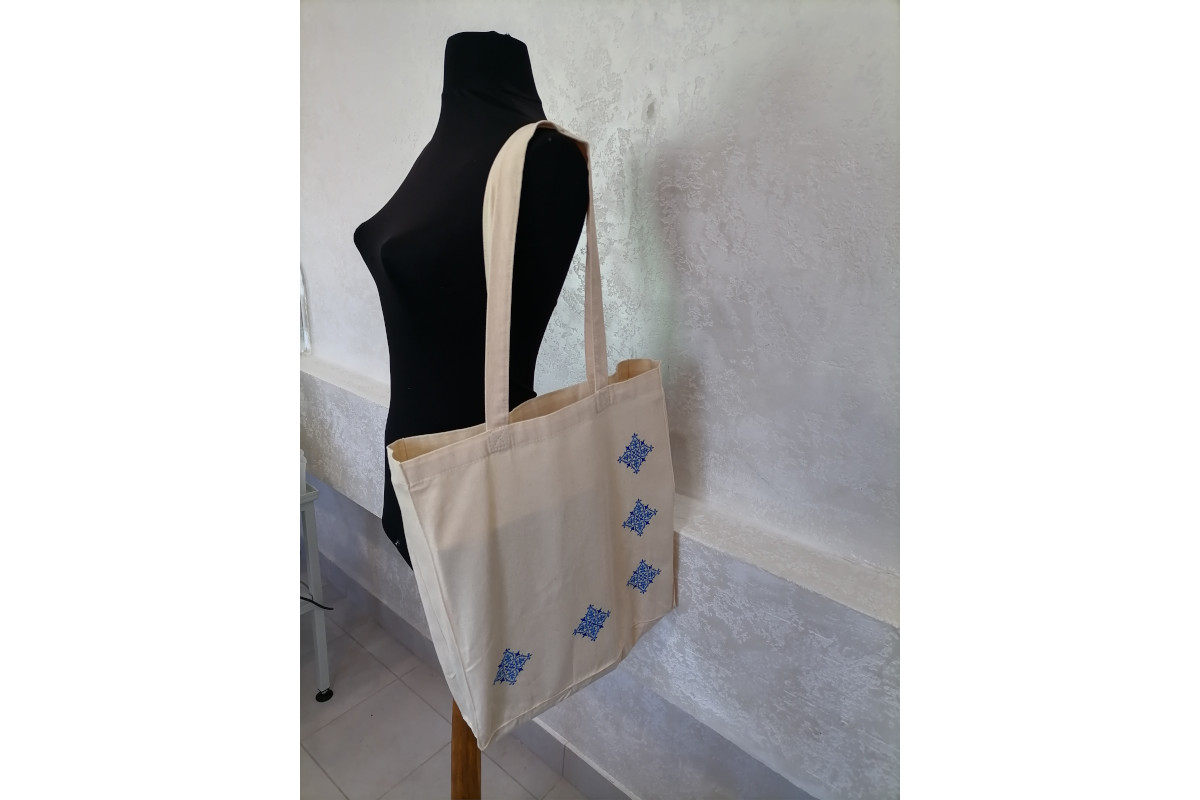
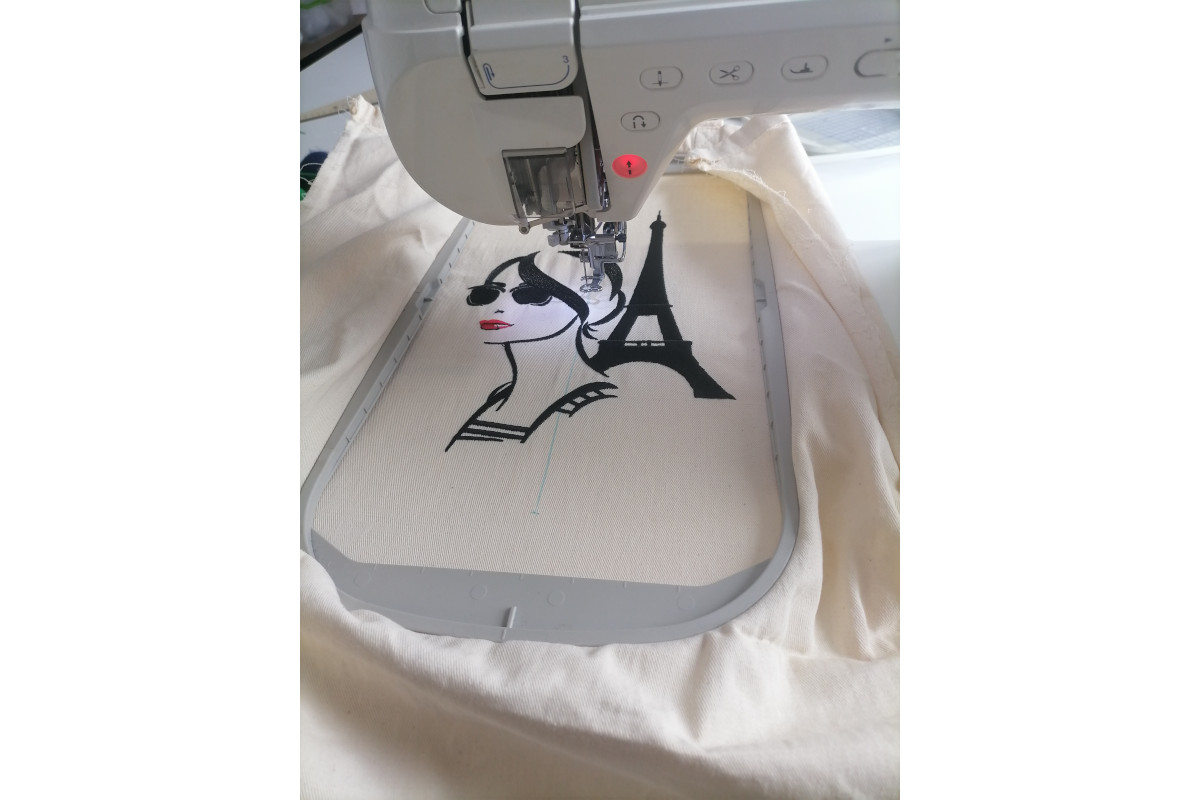
— Until June, we were still setting up the premises and buying equipment. Our business needed money for fabrics, threads, equipment and rent. We already had a lot of things, but we needed more machines: for processing and sewing knitwear, for example, a five-thread machine that can sew knitwear, stretch fabric, which is needed for sewing underwear, especially men’s underwear, which is in constant demand. Thanks to this grant, we have been able to purchase the necessary equipment and have now reached a new level. Since June, we have been officially open and registered as a sole trader. We have named our workshop after a woman’s name, Tavita. This is a biblical character, a woman who is mentioned in the New Testament as someone who sewed clothes and helped those in need. Now the workshop has two employees – myself and my wife. We can say that it is our family project. But we are planning to hire more people. Because sometimes the workload increases. We had a period before graduation when many customers urgently needed embroidered shirts. At that time, the number of orders increased rapidly and there were not enough hands to handle them all. But we are still working, sewing clothes made of natural fabrics, embroidered shirts, eco-bags (shopper bags, as they are still called) with embroidery or embroidered elements, repairing clothes (adding accessories, replacing locks, zips, etc.). Some people are referred to us by the social security office in Shumsk. And we see who should get a 50% discount, who should get free repairs. Especially if they are IDPs or people with disabilities.
— How many people visit your atelier?
— On average, three or four people come to us every day. Sometimes five. We advertise on social media, but at the moment the information about us is mainly spread by word of mouth. We also have a good location in the market. People come to buy things, and they approach us. We also work with the Dovira massage parlour in Kremenets. We sew sets for their massage tables with their logo. In general, we have just started our activities, they are still in their infancy, but I hope that our charity project has a perspective for further development.
— Have you ever been down and out, and what helped you fight for results in such a situation?
— There weren’t any situations where you would give up and say: ‘That’s it, I’m not going to do this anymore, I’m tired of it’ – there weren’t really any situations like that. I know embroiderers who have sold their equipment and moved on to other things. There were times when I didn’t have time to do what I loved because I was working harder at my job in the gas industry. As a child I loved fishing. And it would happen that the line would get tangled and it was very difficult to untangle it. I would pull it in the wrong direction and it would get tangled again… There was a time when we were saving money and I was so sorry to throw the line away. Maybe it was because it was a scarce commodity then, not like now when you can go to any shop and buy it. I sat there until I untangled it, I never cut it. You know, machine embroidery is very specific – the hoop runs, the needle sews. You have to watch the process because something can get caught under the hoop. There can be a defect in the thread or the fabric, the thread can go wrong or the embroidery thread can be cut. And it can start sewing in the wrong direction. You know what I mean? And then you take these tires and you sit down and you clean them. There was a moment when I wanted to throw them against the wall. But then I calmed down and found a way out. A calm, cool mind always finds a way out of a situation. It’s not about giving up – on the contrary, I try to find a way out, to see things through.
Tags
Share this publication
Our social networks
Categories
Last news
For the third month in a row, IDPs from the city of Kherson and the Kherson region, who are currently in the city of Odesa, can register for cash assistance from the ...
How does a humanitarian organization work, where to start assistance during a crisis and how to turn the identified problem into a specific project? This summer, children and teenagers from “The Pathfinder” ...


The ADRA Ukraine team distributed food kits from the UN World Food Programme with the support of ADRA Swirzerland to residents of the village of Velikyi Burluk, Kharkiv region. During the three ...


In the village of Pavlivka, Mykolaiv region, the «Silskyi Hub» (EN: Rural Hub) project was implemented thanks to a grant received as part of the Community Initiative Support program implemented by ADRA ...

Due to attacks on critical infrastructure and power outages, our Centers operate with certain restrictions, but do not stop. Psychological assistance is available in all Centers. The city of Zhytomyr Available services: ...


The charity organization within the framework of the ADRA Kids project handed over 50 gifts for children who were urgently evacuated from the territories of hostilities in the Donetsk, Luhansk and Dnipropetrovsk ...


On 22 January, at the entrance to the village of Kozacha Lopan, Kharkiv region, the car of local authorities delivering bread from the UN WFP was attacked by FPV drones. As a ...

The Mylivska community of the Beryslavskyi district (Kherson region), part of which is located in the coastal zone and is subjected to daily shelling and discharges of magnetic mines from drones, received ...


In the city of Irpin, Kyiv region, in the Irpin center «Veteranskyi prostir» (EN: Ex-combatant’s space), a creative master class was held for children who have lost their parents due to the ...

The charity organization ADRA Ukraine has collected documents with reporting on its activities in the page on the official website. From now on, you can see them on the page «Reporting». Among ...


The war changed all — daily habits, thoughts about security, the concept of «normality». But even in the darkest times, people are able to look for light. Protection and support centers within ...


Fifty internally displaced children of the Kuryliv community, who currently live in the Kharkiv region, received holiday gifts from ADRA Ukraine within the framework of the ADRA Kids project. Entertainment events were ...


In the modular town of «Dubky» in the city of Irpin, that located in Kyiv region, the ADRA Ukraine team held a creative master class «New Year’s postcard», after which the children ...


The charity organization donated 15,000 UAH for the purchase of New Year’s gifts for students of the “Clever School” private school in the city of Sumy. In total, 56 gifts were purchased ...

ADRA Ukraine expresses its sincere condolences to the family of the deceased and all injured as a result of the tragic incident that took place on January 5 in the village of ...


On December 27, a Christmas solo concert of the singer Oksana Kozun-Turcer «Joy, earth!», organized by the charity organization ADRA Ukraine, took place in the city of Kyiv, in the Seventh-day Adventist ...


Every month, ADRA Ukraine delivers about 3,300 food kits from the UN World Food Programme (WFP) with the support of ADRA Switzerland to the village of Novovorontsovka, that located in Beryslav district ...


Today’s conversation is with Sergii Gorkavyi, Project Manager of EU-DCA WASH 2025 Project. He coordinates one of those initiatives that may be invisible at first glance but make a real difference in ...
